Crabbing in Winchester Bay | Shared 2 Hour Charter
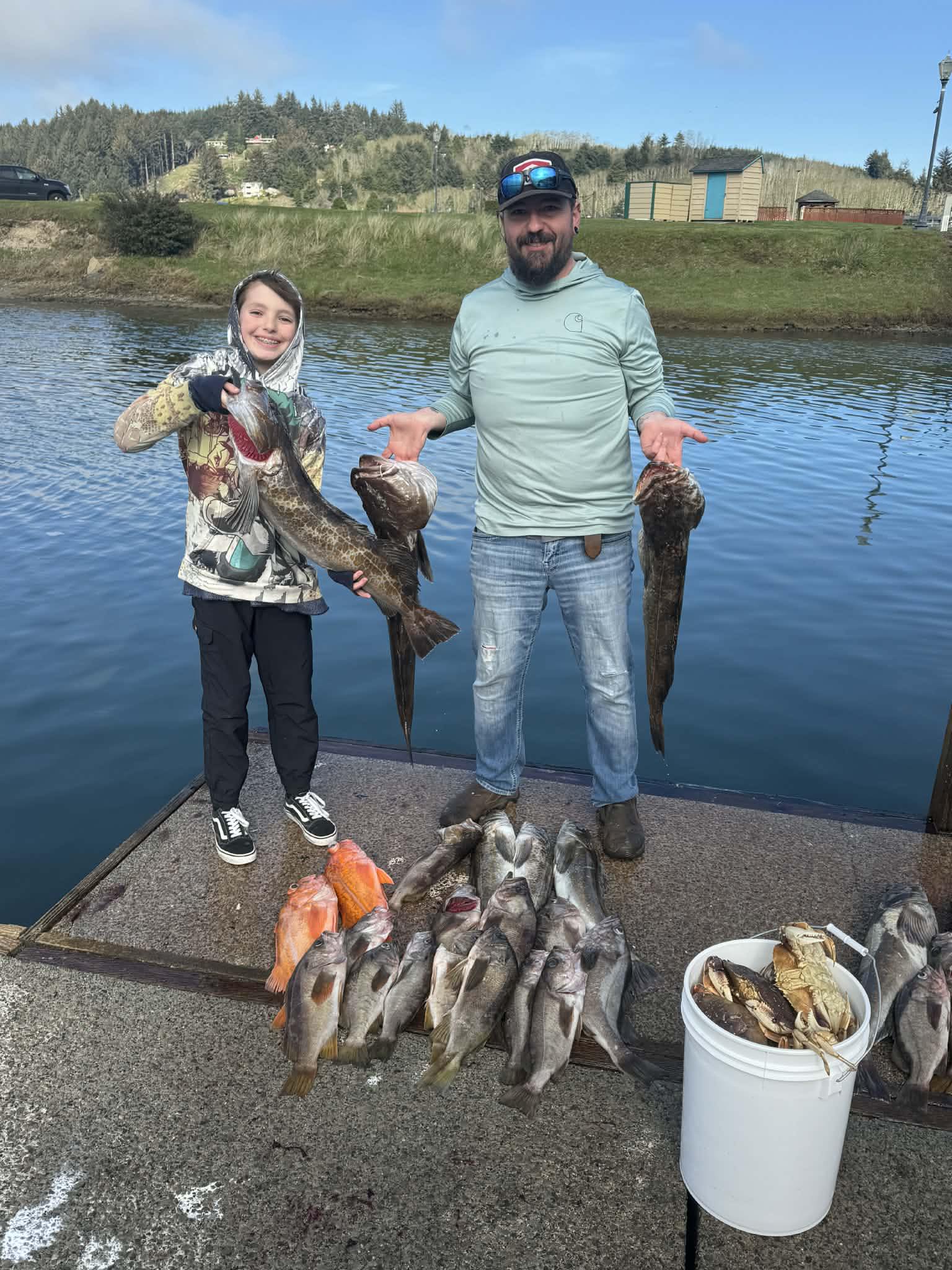
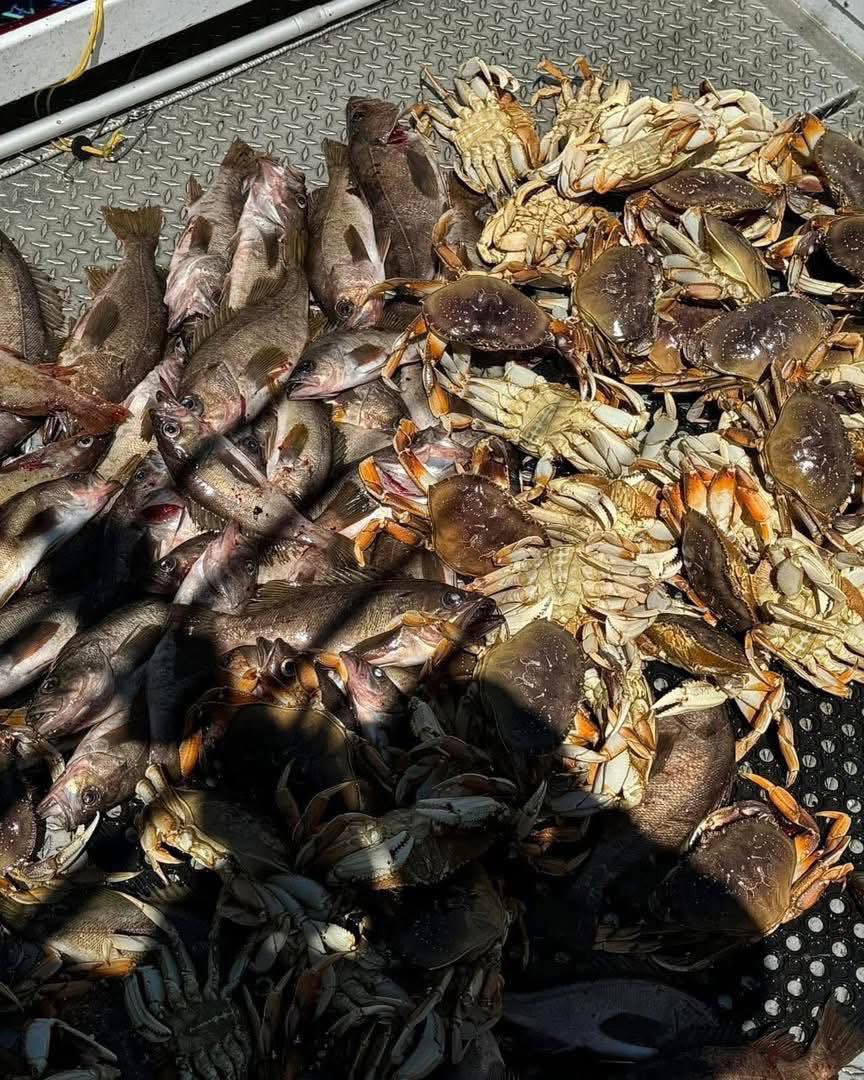
Picture this: you're hauling up crab pots from the Pacific depths while the Oregon coast rolls by in the background. That's exactly what you'll get on this top-rated two-hour crabbing adventure out of Winchester Bay. From December through mid-October, SOA Charters runs these customer favorite trips that let you pull up to 12 Dungeness crabs per person. At $100 per head for up to 12 guests, it's one of the best deals on the coast for getting your hands dirty and bringing home dinner. Whether you've never touched a crab pot or you're a seasoned pro, this shared charter gives you everything you need for a memorable day on the water.
What to Expect on the Water
Winchester Bay sits right where the Umpqua River meets the Pacific, making it prime real estate for Dungeness crab. You'll meet up at the marina and head out into coastal waters where the crew has already set their pots. The beauty of crabbing is that it's not about casting lines or reading fish finders – it's all about location, timing, and a little bit of luck. The captain knows these waters like the back of their hand, dropping pots in spots where crabs love to hang out on the sandy bottom. You'll spend your two hours pulling pots, checking the catch, and hopefully filling up the boat's live wells. The Oregon coast provides a stunning backdrop, with sea stacks, dunes, and coastal forests creating picture-perfect scenery while you work. Don't worry about experience level – the crew walks everyone through the process, from measuring crabs to identifying keepers versus throwbacks. It's hands-on fishing at its finest, and there's something satisfying about pulling up a pot full of legal-sized Dungeness that beats any other type of angling.
How Crabbing Really Works
Crabbing is a waiting game that rewards patience and proper technique. The crew sets circular or square crab pots baited with fish carcasses, chicken, or other smelly offerings that draw Dungeness crabs from their sandy hiding spots. These pots sit on the ocean floor connected to surface buoys by heavy line, usually soaking for a few hours before the first pull. When it's time to check them, you'll use a hydraulic puller or hand-haul the line depending on depth and conditions. The real skill comes in reading the bottom – crabs prefer sandy areas near rocky structure where they can hunt and hide. Water temperature matters too, with crabs moving to different depths as seasons change. Once a pot breaks the surface, everyone gathers around to see what's inside. You'll learn to quickly sex the crabs (only males are legal), measure them with crab gauges (they need to be 5¾ inches across the shell), and check for soft-shell crabs that need to go back. Legal keepers go straight into the live well while undersized crabs, females, and soft-shells get tossed back immediately. The gear is straightforward but effective – heavy pots that can handle ocean currents, strong line that won't break under load, and measuring tools to ensure you're following regulations.
Customer Stories
"Very kind. Great time with kids!" - Brian
Why Dungeness Are Worth the Trip
Dungeness crabs are the crown jewel of Pacific Northwest seafood, and for good reason. These brownish-purple crustaceans can grow up to 10 inches across and weigh over two pounds, with males typically running larger than females. What makes them special is their sweet, delicate meat that's less briny than East Coast blue crabs but meatier than snow crab. They're active year-round but peak season runs from December through August when they've had time to fill out their shells after molting. Dungeness are bottom dwellers that prefer sandy or muddy areas where they can burrow and hunt for clams, small fish, and other crabs. They're surprisingly fast when they need to be, using their powerful legs to scuttle across the seafloor or bury themselves when threatened. From an angler's perspective, they're perfect because they're abundant, good-sized, and relatively easy to catch once you know where to look. Winchester Bay's mix of river nutrients and ocean currents creates ideal habitat, supporting healthy populations that can handle sustainable harvest. The best part is that unlike salmon or rockfish, crabbing doesn't require perfect timing or specific techniques – if the crabs are there and your bait is fresh, you're likely to have success. Most guests love the instant gratification of checking pots and seeing immediate results, plus there's something primal about harvesting your own seafood that connects you to the ocean in a way that restaurant dining never can.
Time to Book Your Spot
This world-class crabbing experience books up fast, especially during peak season when locals and visitors alike want to get in on the action. At $100 per person, you're getting professional guidance, all the gear you need, and the chance to take home some of the Pacific's finest seafood. The shared charter format keeps costs down while still giving you personalized attention from the crew. Remember that deposits are non-refundable, so make sure your dates work before committing. Winchester Bay's crabbing season runs December 1st through October 14th, giving you plenty of opportunities throughout the year. Early season often produces the biggest crabs as they've had time to bulk up, while late season can be more consistent as crab behavior becomes predictable. Either way, you're looking at two hours of hands-on maritime adventure that beats sitting in traffic or staring at screens. Whether you're planning a family outing, celebrating a special occasion, or just want to try something new, this trip delivers on all fronts. Don't wait – grab your spot and get ready to experience why Winchester Bay crabbing keeps people coming back season after season.

 5.0(1 Reviews)
 Shared Trip
 Offshore Fishing
 Oregon
 Two-hour shared charter pulls Dungeness crab pots offshore