Idaho Archery Elk & Deer Combo Hunt
If you're a serious bowhunter looking for an authentic backcountry experience, this semi-guided archery combo hunt in Idaho's Caribou-Targhee National Forest is exactly what you've been searching for. Saddle Horn Outfitters runs a top-rated operation that gets you deep into prime elk and deer country, far from road hunters and crowds. This isn't some hand-holding safari – it's designed for experienced archers who know their way around a bow and can handle the physical demands of hunting in serious mountain terrain. You'll pack in on horseback, set up in remote camp, and spend five solid days hunting some of Idaho's best big game habitat.
Inside the Hunt
This seven-day adventure puts you right in the heart of Rocky Mountain elk country, where mature bulls bugle through pristine wilderness and mule deer browse the high meadows. The semi-guided format means you get the support and local knowledge you need without someone breathing down your neck every step of the way. Your guides know this country like the back of their hand – where the game trails cross, which ridges hold elk during different weather patterns, and how to position you for those close-range bow shots that make all the difference. The pack-in and pack-out days involve up to eight hours in the saddle, so while you don't need to be a cowboy, you better be ready for some real riding. Their horses are seasoned mountain stock that know how to navigate this rugged terrain safely. Camp is set up in strategic locations that put you within striking distance of prime hunting zones, and you'll have all meals provided so you can focus entirely on the hunt. The 300-pound weight limit includes your gear, so pack smart and prioritize your essential bow equipment and layers for changing mountain weather.
Tracking Tips & Terrain
The Caribou-Targhee National Forest offers some of the most diverse and challenging bow hunting terrain in the lower 48. You're dealing with elevation changes from thick timber to open parks, steep canyon draws, and windswept ridgelines that require different hunting strategies throughout the day. Early morning setups often focus on meadow edges where elk and deer feed before moving to bedding areas in darker timber. The key to success here is reading sign – fresh rubs on aspen trees, well-used trails between feeding and bedding areas, and wallows that bulls frequent during the rut. Your bow setup needs to handle mountain conditions, so make sure your equipment is tuned for shots from steep angles and varying distances. Practice shooting from awkward positions before you arrive, because that perfect broadside shot at twenty yards rarely happens in real hunting situations. The altitude here ranges from 6,000 to over 8,000 feet, so expect thinner air and plan your stalks accordingly. Weather can change fast in the mountains – one morning you might be in shirtsleeves glassing elk in bright sunshine, and by afternoon you could be dealing with snow squalls and wind. Wind direction becomes critical for close-range bow shots, and these experienced guides will teach you how to use the mountain thermals to your advantage when planning your approach routes.
Target Game Breakdown
Rocky Mountain elk are the crown jewel of western big game hunting, and Idaho's Caribou-Targhee region holds some genuine monsters. These elk are different from their counterparts in more pressured units – they're wilder, more alert, and require serious hunting skills to get within bow range. Mature bulls can weigh 700 pounds or more, with antlers that stretch six points on each side and beyond. The rut timing here typically peaks in mid to late September, when bulls are bugling aggressively and responding to calls. That's when your best opportunities happen – bulls make mistakes when they're focused on cows, and a skilled caller can bring them into bow range. But don't expect easy shots. These elk have survived multiple hunting seasons and know every escape route in their territory. What makes hunting them so addictive is their intelligence and the sheer challenge of getting close enough for a clean shot with archery equipment. Outside of rut activity, elk rely on their incredible senses and knowledge of the terrain to stay ahead of hunters. The country here allows them to disappear into thick timber or move between drainage systems without ever exposing themselves. Success often comes down to persistence, reading sign correctly, and being in the right place when conditions align perfectly.
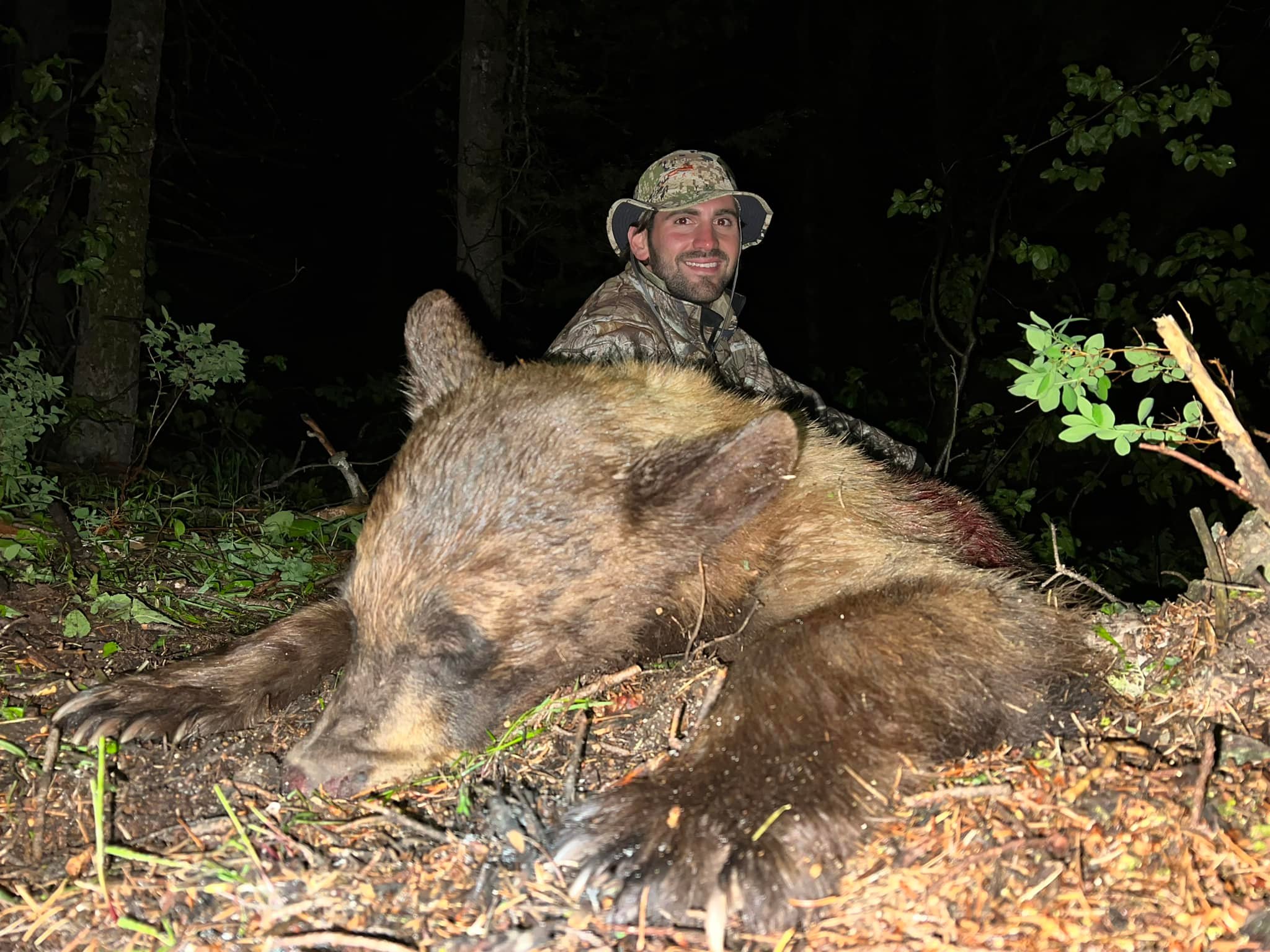
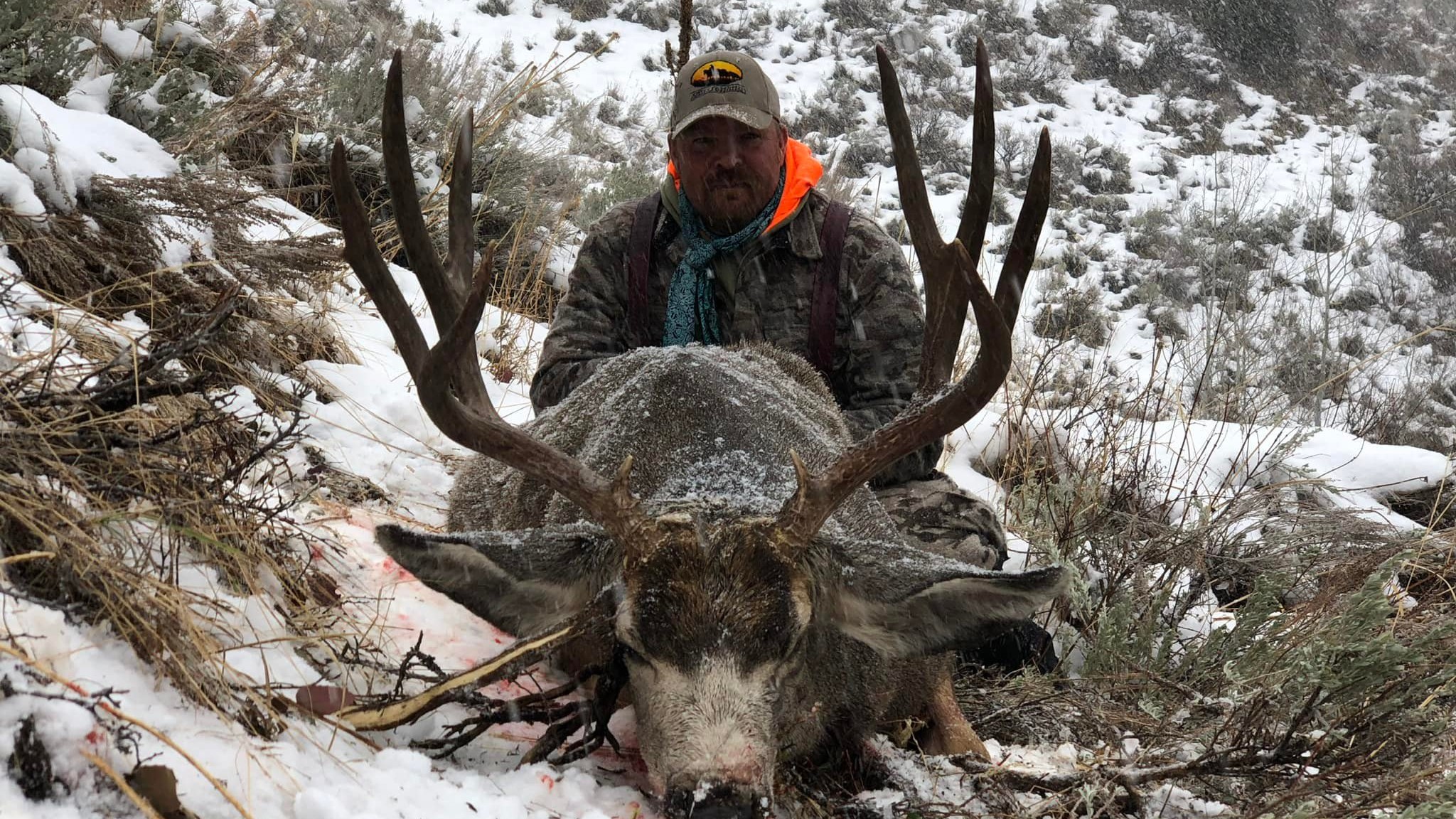
Mule deer in this region are classic high-country bucks that use terrain to their advantage better than almost any other big game animal. These aren't the grain-fed whitetails some hunters are used to – mountain muleys are lean, alert, and built for escaping predators in vertical terrain. A mature buck might weigh 180 to 220 pounds, with heavy antlers that can spread well beyond his ears. What makes them so challenging with a bow is their habit of stopping just long enough to identify threats before bounding away in those classic mule deer leaps that cover incredible distances. They bed in locations that give them visibility and escape routes, often on points or benches where they can see approaching hunters from hundreds of yards away. The best bow opportunities usually come during early morning and late afternoon feeding periods, when deer move between bedding and feeding areas along predictable routes. But even then, getting within effective bow range requires careful planning and perfect execution. These deer have adapted to mountain hunting pressure by becoming primarily nocturnal during peak seasons, so finding them during legal shooting hours takes local knowledge and understanding of their behavior patterns. The reward is a trophy that represents one of the most challenging bow hunting experiences in North America.
Book Your Next Tag
This hunt fills up fast with returning clients who know what real backcountry bow hunting is all about. The 50% deposit requirement and June 1st balance due date means Saddle Horn Outfitters is serious about committed hunters who understand the investment required for this caliber of experience. Remember that licenses and tags are separate costs, so factor that into your planning along with the 6% Idaho sales tax. The single hunter capacity means you get personalized attention and won't be competing with other clients for prime hunting spots or guide time. If you
 Private Trip
 Big game hunting
 Preston, ID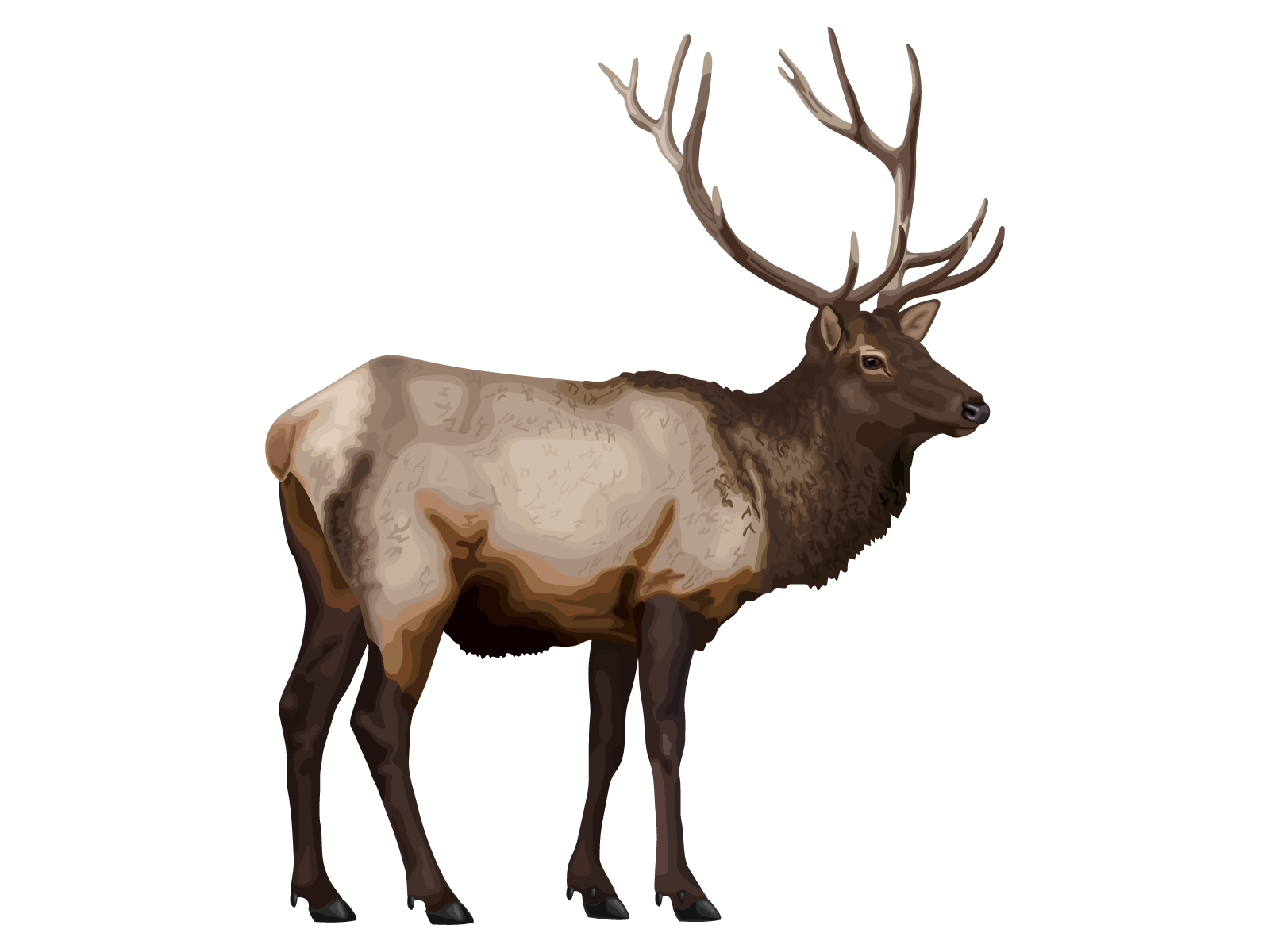
 Seven-day semi-guided archery hunt for elk and deer