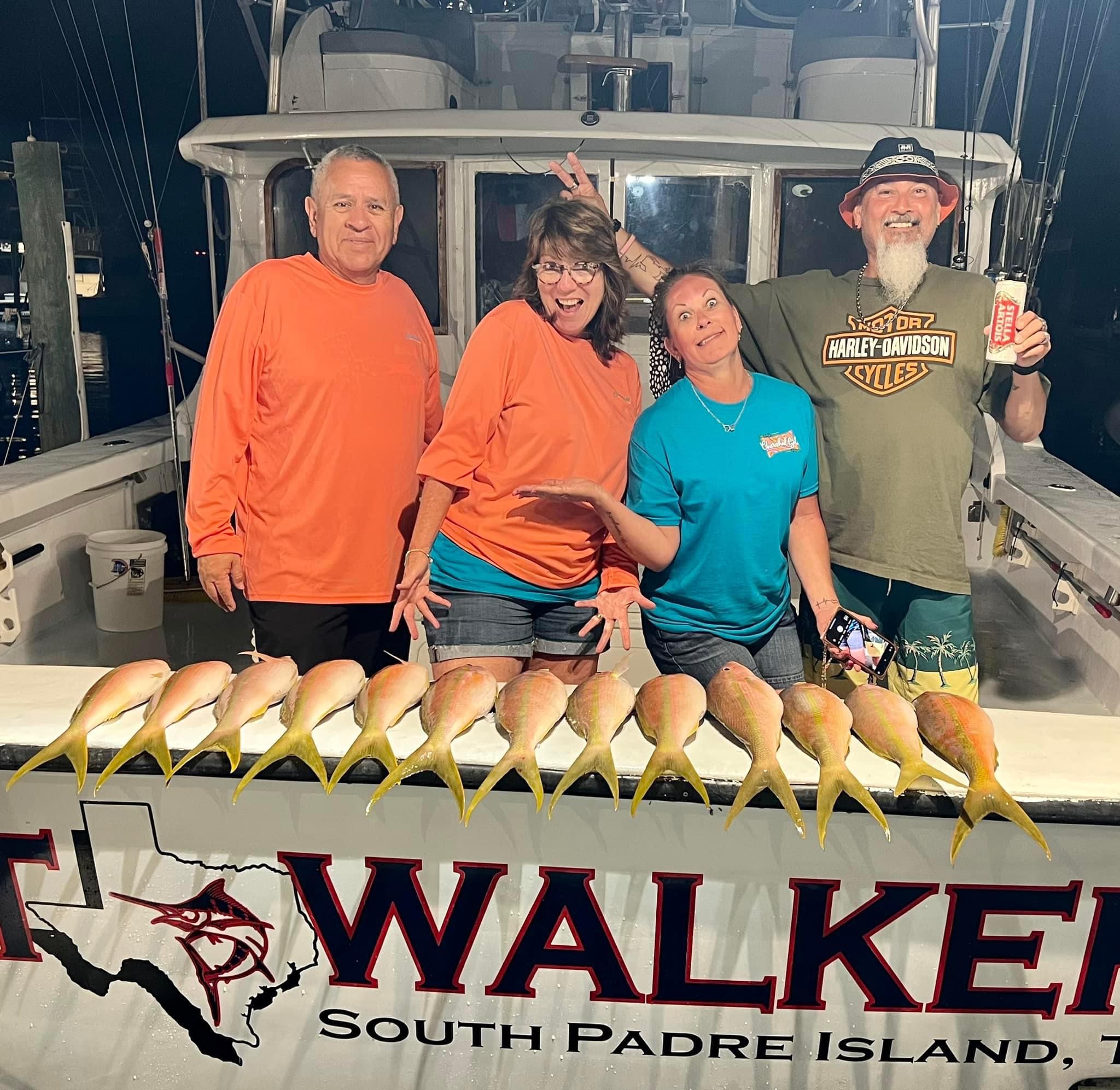
6-Hour Offshore Fishing Trip - Islamorada, FL
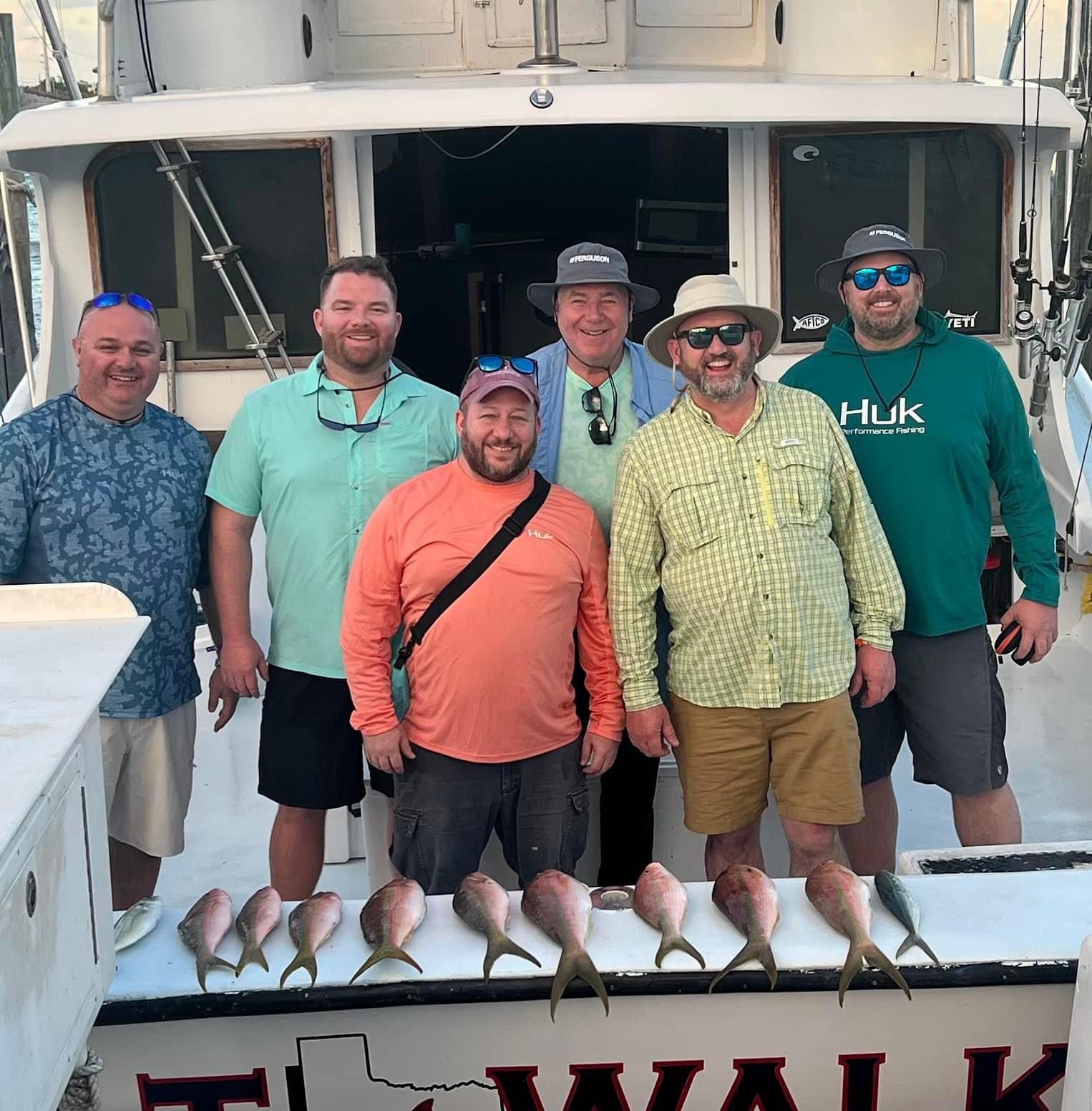
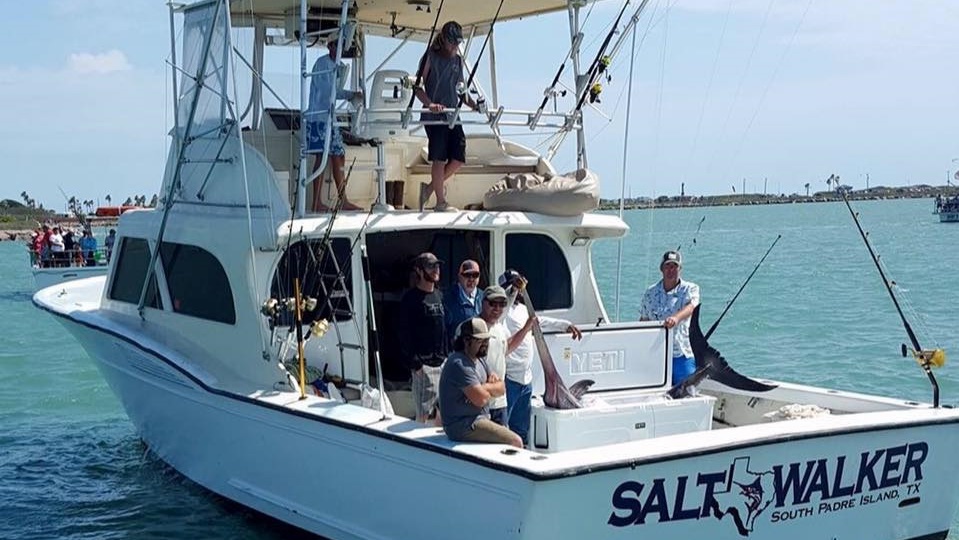
Picture this: you're 10 miles offshore in the crystal-clear waters surrounding Islamorada, lines in the water, and the Gulf Stream current bringing in some of the most sought-after gamefish in Florida. That's exactly what you'll get with SaltWalker Sportfishing Charters' top-rated 6-hour offshore adventure. We're talking about serious fishing here – the kind where you'll be battling sailfish one minute and hauling in a bull mahi the next. Our experienced captains know these waters like the back of their hand, and with room for up to 6 anglers, this trip strikes the perfect balance between having enough help when you hook into something big and keeping things personal enough that everyone gets plenty of action.
What to Expect on the Water
When you step aboard our well-equipped sportfishing vessel, you're setting yourself up for the kind of offshore experience that keeps anglers coming back year after year. We'll be running out to multiple proven fishing grounds, switching up our approach based on what's biting and where the action is hottest that day. The beauty of a 6-hour charter is that we have time to really work the water – if the mahi aren't cooperating at the first weed line, we can move to deeper water for wahoo, or head to structure for some quality bottom fishing. Our state-of-the-art electronics help us locate bait schools and temperature breaks where gamefish love to hunt, and we're constantly adjusting our game plan to put you on the fish. Don't worry about bringing tackle – we've got everything covered with top-quality rods, reels, and terminal tackle that can handle whatever we hook into out there.
Trolling Techniques & Tackle
Offshore fishing in Islamorada is all about covering water and presenting the right baits at the right depths. We'll be running a spread of both live and artificial baits, typically trolling at speeds between 6-12 knots depending on what we're targeting. For mahi and wahoo, we'll deploy high-speed trolling lures that create the kind of commotion these aggressive predators can't resist. When we're hunting sailfish, we'll slow things down and use a combination of ballyhoo, goggle-eyes, and pilchards rigged on circle hooks – it's all catch and release for these magnificent billfish. Our downriggers and planer boards let us cover different depths and spread our baits across a wider area, maximizing our chances of getting bit. When we mark good structure or find floating debris that's holding fish, we'll switch to spinning gear and work jigs or live bait around the cover. The variety of techniques we employ means there's always something new to learn, whether you're a seasoned angler or picking up a rod for the first time.
Species You'll Want to Hook
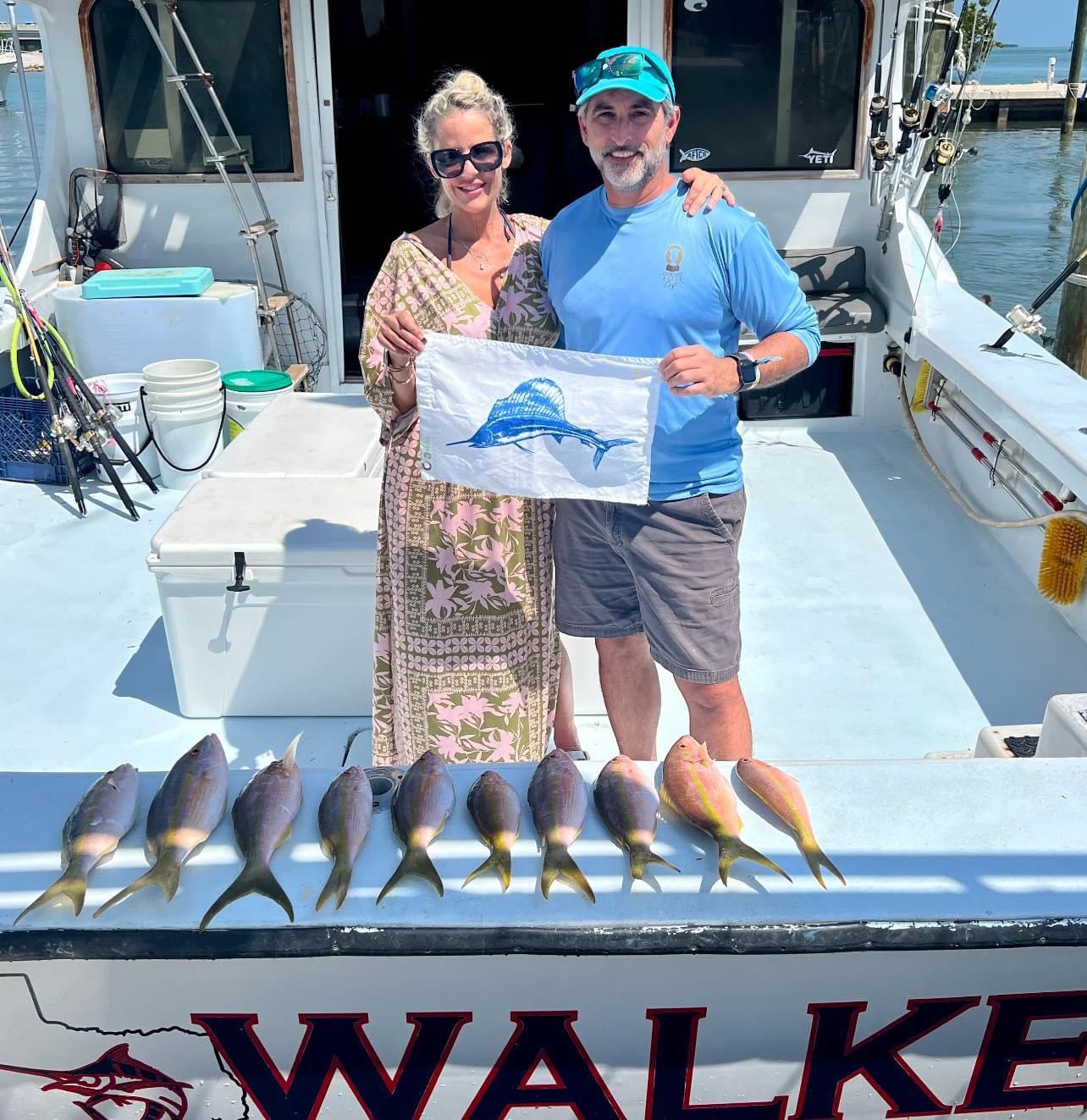
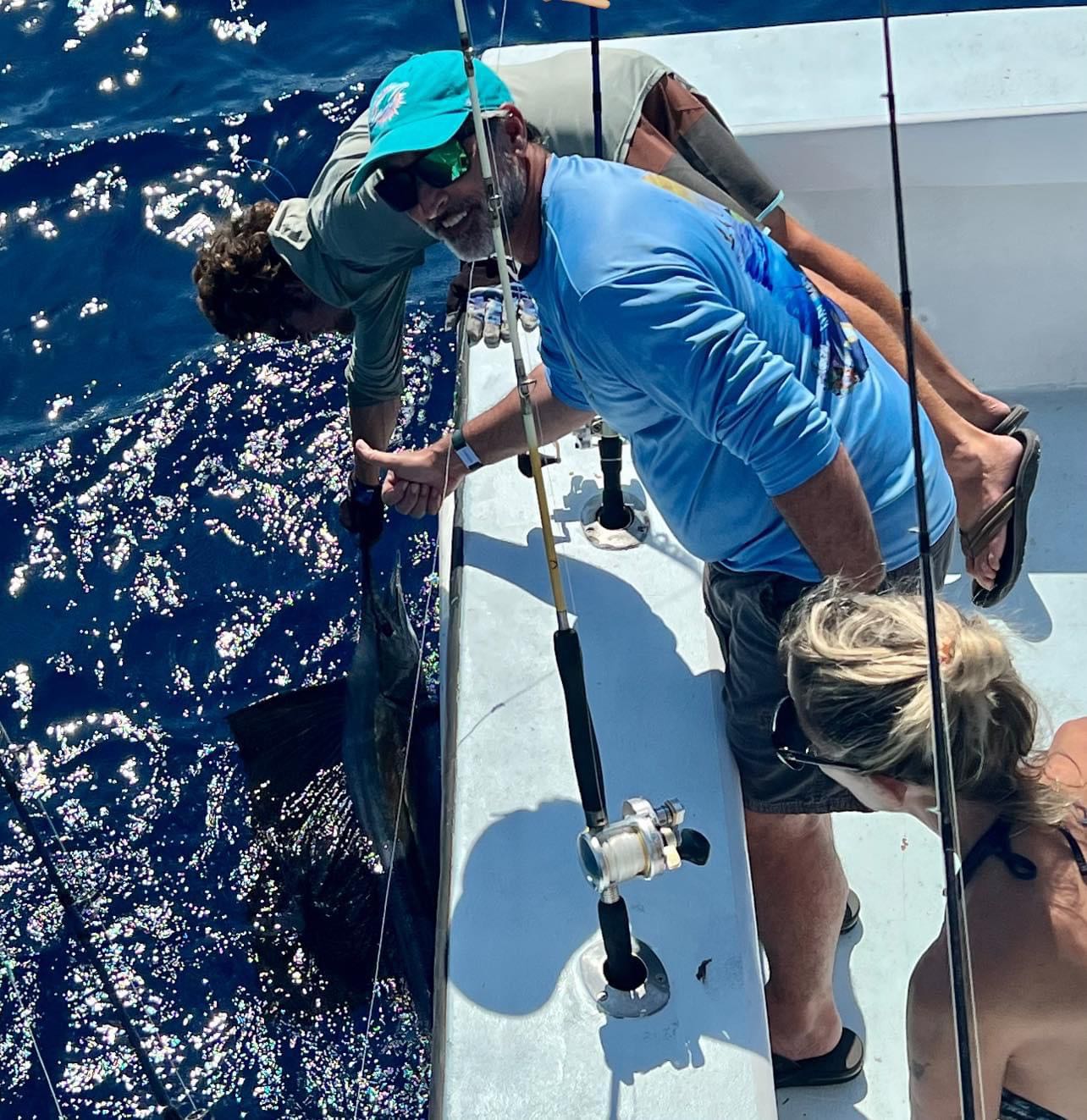
Atlantic Sailfish are the crown jewel of our offshore waters, and there's nothing quite like watching one of these acrobatic billfish come completely out of the water when it realizes it's hooked. These magnificent gamefish typically range from 6-8 feet long and can weigh anywhere from 60-100 pounds, though we see bigger ones regularly. Peak sailfish season runs from December through April, when cooler water temperatures bring them closer to shore. What makes them so special isn't just their size – it's their fighting ability. A hooked sail will jump, tail-walk, and put on an aerial display that'll have everyone on the boat reaching for their phones. We practice catch and release for all sailfish, so you'll get that hero shot before sending this world-class gamefish back to fight another day.
King Mackerel, or "kingfish" as we call them locally, are pure muscle and speed wrapped in silver. These toothy predators typically run 15-40 pounds in our waters, though the occasional smoker king pushing 50+ pounds always keeps things interesting. They're most active during the warmer months from April through October, and they absolutely love fast-moving baits. When a king hits your trolled bait, you'll know it immediately – the drag will start screaming and your rod will double over. They're not big jumpers like sailfish, but they'll make blistering runs that'll test your drag system and your arms. Kings are excellent table fare, and their firm, flaky meat makes them a customer favorite for the dinner table.
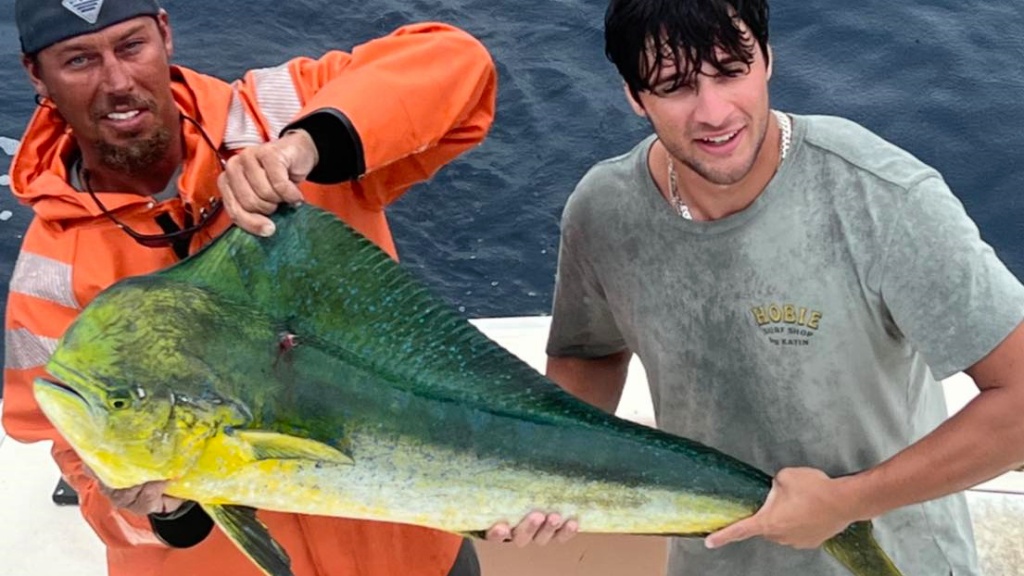
Mahi Mahi, also called common dolphinfish or just "mahi," are arguably the most colorful and exciting fish we target on these offshore trips. These stunning gamefish flash brilliant gold, green, and blue when they're fighting, and bulls (males) can weigh 30-50 pounds or more. They're incredibly aggressive feeders and often travel in schools, so when you find one, there are usually more around. Mahi love floating debris, weed lines, and structure, and they'll attack both live and artificial baits with reckless abandon. What sets them apart is their unpredictable fighting style – they'll jump, sound, run, and change direction without warning. Plus, they're phenomenal eating, with sweet, white meat that's perfect for grilling or making fish tacos.
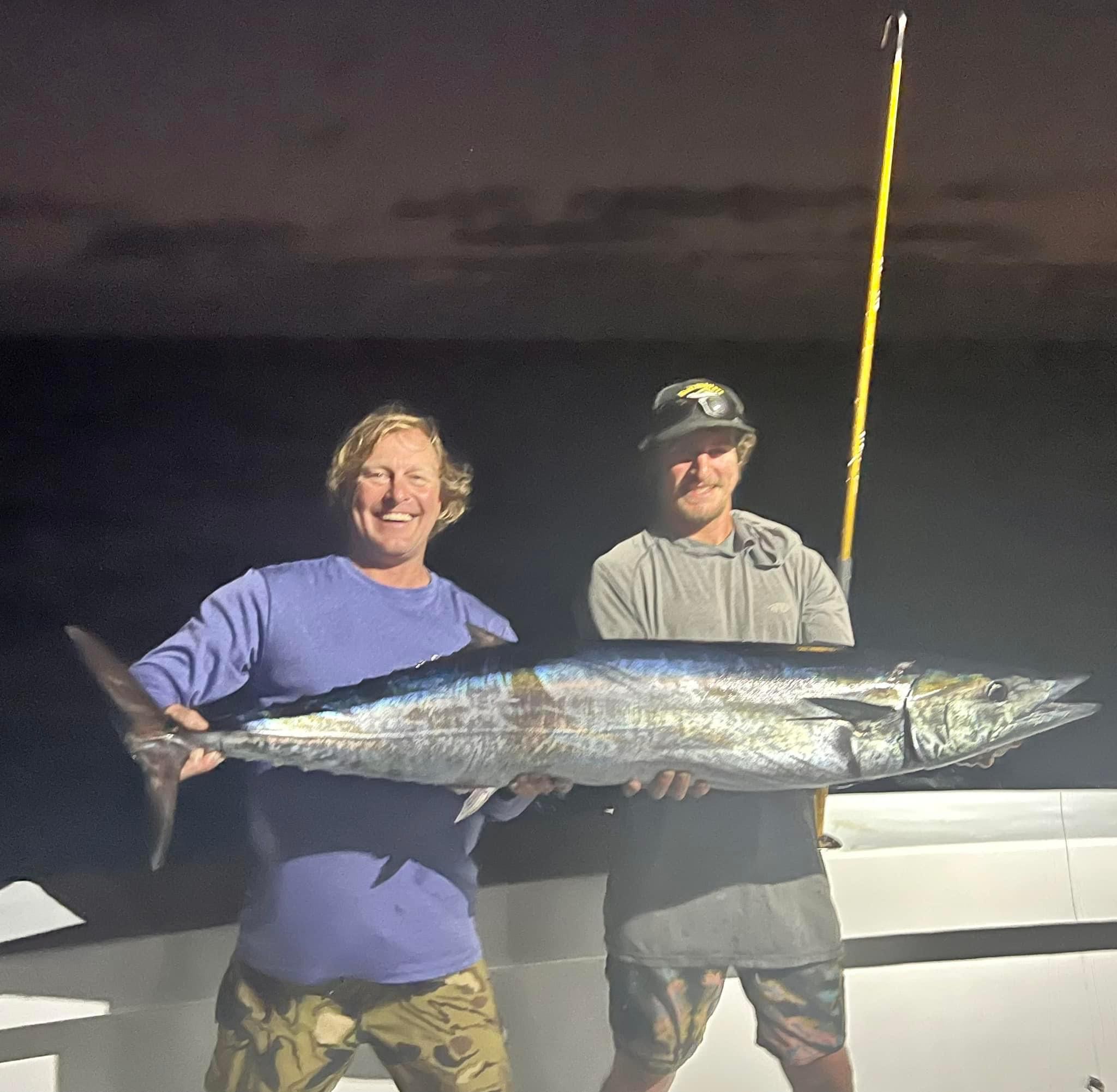
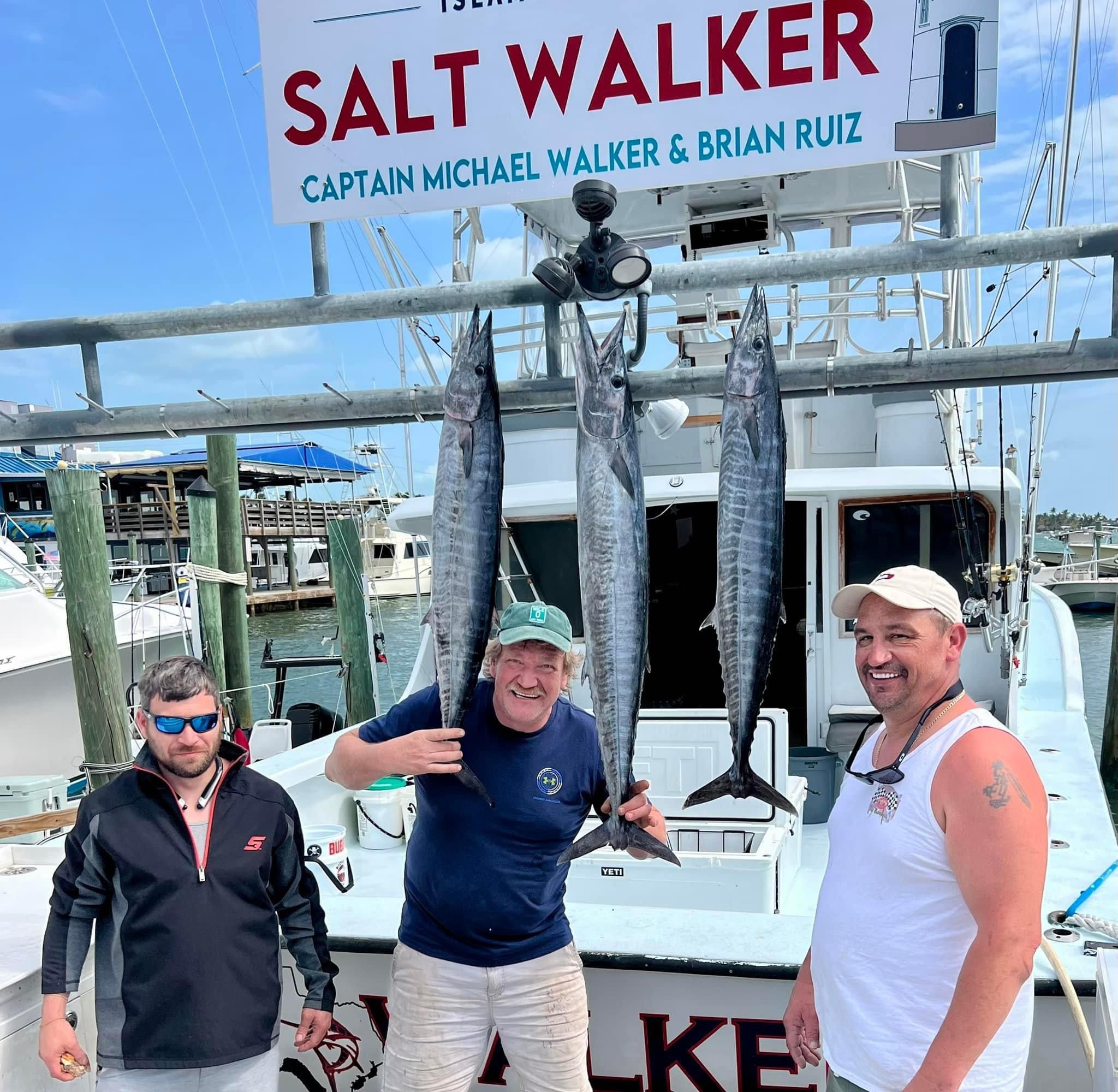
Wahoo are the speed demons of our offshore waters, capable of reaching speeds over 60 mph when they're hunting or hooked. These torpedo-shaped predators typically range from 20-60 pounds in our area, with their distinctive blue stripes and razor-sharp teeth making them unmistakable. They're most active during the cooler months from November through March, and they prefer high-speed trolled baits that trigger their predatory instincts. When a wahoo hits, the initial run is absolutely blistering – your reel will sound like a jet engine as line disappears at an alarming rate. They don't jump like billfish, but their raw speed and power make them one of the most exciting catches you can hook into offshore. The firm, white meat is also outstanding on the table, similar to mahi but with a slightly different texture
 Private Trip
 Offshore Fishing
 Islamorda


 6-hour offshore fishing charter targeting premium gamefish species