Deep Dropping Cape Canaveral Charter
Ready to get away from the crowds and target some serious bottom dwellers? This deep dropping charter out of Cape Canaveral puts you on fish that most weekend warriors never even know exist. We're talking about dropping baits down 300-800 feet where the big Golden Tile and Snowy Grouper live, plus picking up some pelagics like Mahi and Wahoo on the way out. It's a different kind of fishing that separates the serious anglers from the tourist crowd, and Saltire Fishing Charters knows exactly where to put you on these deep water monsters.
What to Expect on the Water
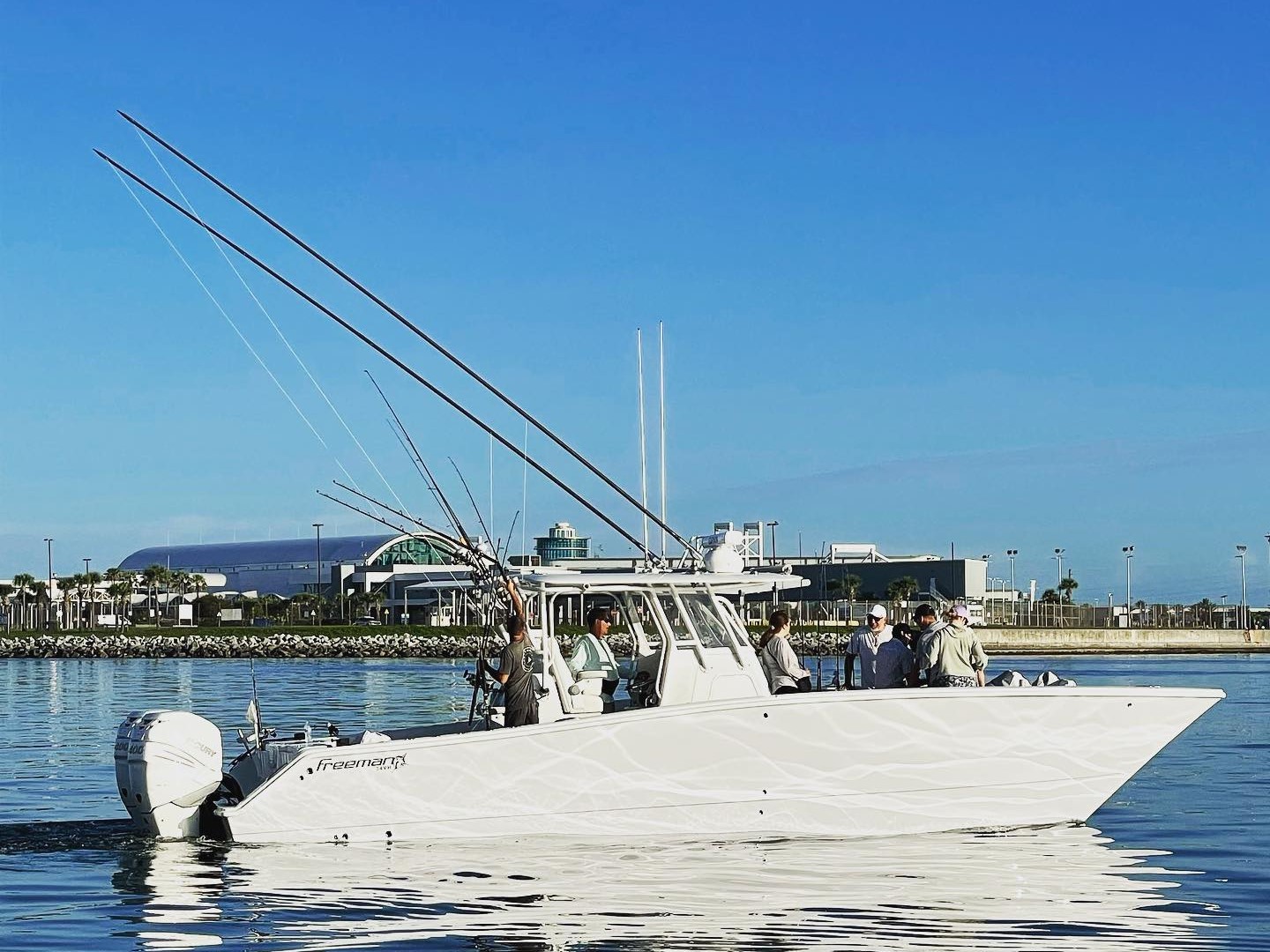
This isn't your typical half-day trip where you're fighting for rail space with a dozen other people. With just 6 anglers max, you'll have plenty of room to work and the captain's full attention on putting you on fish. We're heading out to the deep water ledges and drop-offs where the structure holds these bottom fish, usually anywhere from 20-40 miles offshore depending on conditions and where the bite is happening. The ride out gives us shots at surface fish like Mahi and Wahoo, so keep your eyes peeled for birds and debris lines. Once we hit the deep stuff, it's all about precision drops and feeling those subtle bites from fish holding tight to the bottom. You'll be fishing with electric reels most of the time since hand-cranking from 600 feet gets old real quick, and the crew will have you rigged up with the right tackle for each drop. Just remember to pack your own food and drinks since meals aren't included, and leave the glass bottles, cigarettes, and spray sunscreen at home - those are strictly off-limits on this boat.
Deep Drop Techniques & Gear
Deep dropping is all about precision and patience. We're using heavy conventional reels spooled with braided line - usually 80-100 pound test - connected to 8-12 ounce sinkers that'll get your bait down fast through the current. The rigs are typically multi-hook chicken rigs with circle hooks ranging from 8/0 to 12/0, depending on what we're targeting. Squid, cut bait, and sometimes live or dead sardines are the go-to baits for most of these deep dwellers. The key is getting your bait right on the structure - whether that's a ledge, rock pile, or artificial reef - because these fish don't roam around much. You'll feel the sinker hit bottom, then reel up a few cranks to keep your bait just off the structure. Bites can be subtle, especially from the Tiles, so you need to stay focused on your rod tip. When something grabs on, don't try to horse it up - the pressure changes as these fish come up from depth can cause their swim bladders to expand, so a steady retrieve works better than trying to muscle them. The electric reels make the job easier, but you'll still feel every head shake and run on the way up.
Target Species Breakdown
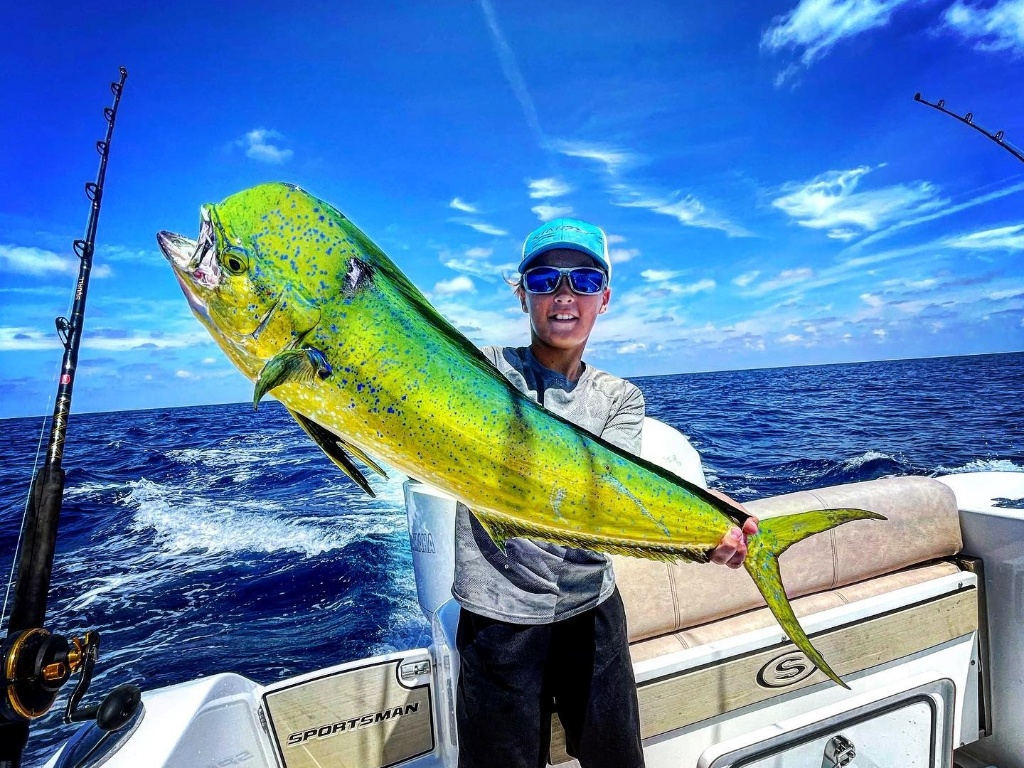
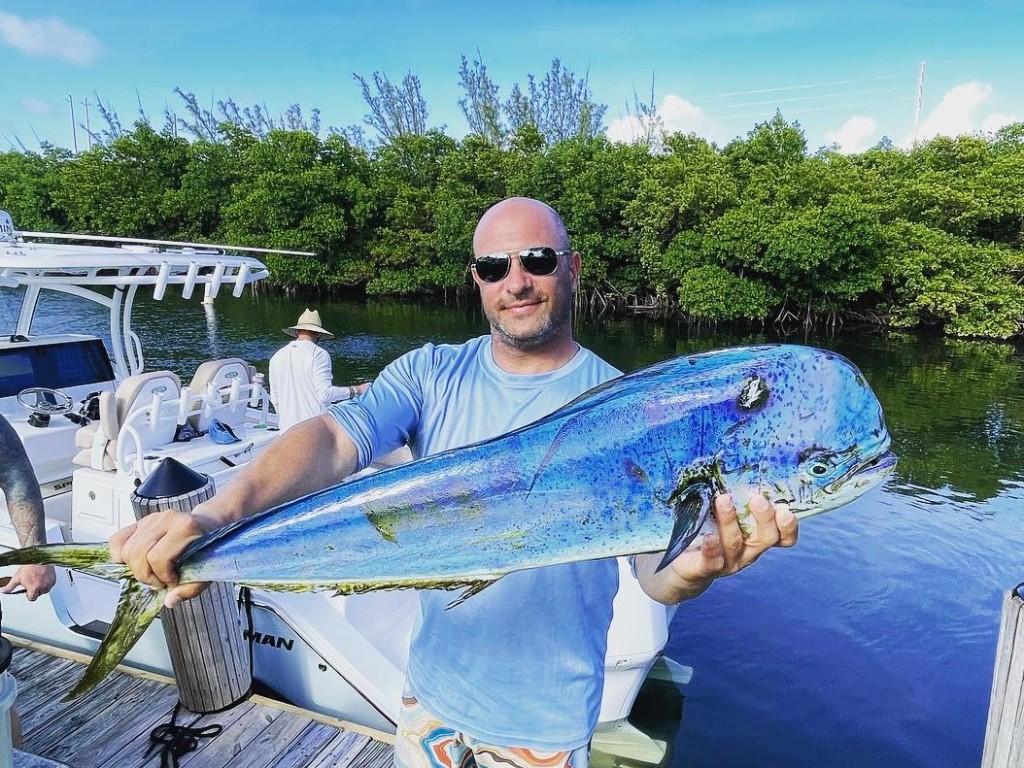
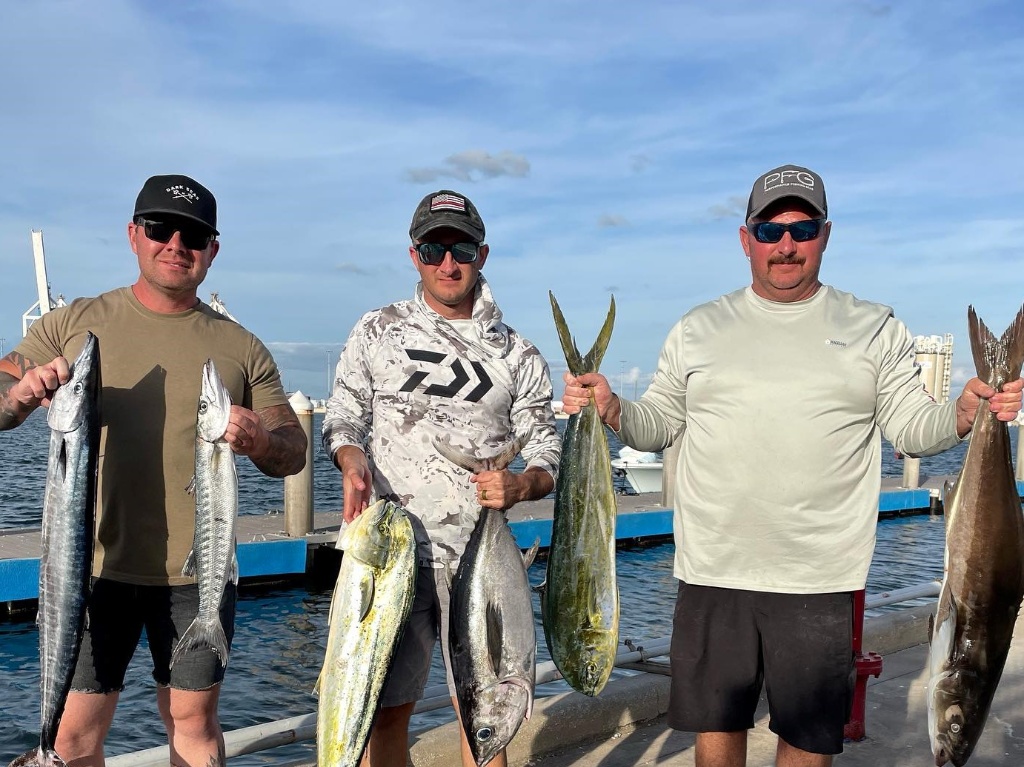
Mahi-Mahi are the most colorful fighters you'll hook on this trip, and Cape Canaveral's offshore waters are prime territory for these fast-growing pelagics. They're typically found around floating debris, weed lines, or working birds anywhere from late spring through fall, with summer being peak season. Most Mahi here run 10-25 pounds, though bulls over 40 pounds show up regularly. What makes them special is that incredible aerial show they put on - jumping, tail-walking, and flashing those brilliant gold and green colors. They're also some of the best eating fish in the ocean, with firm white meat that's perfect for the grill.
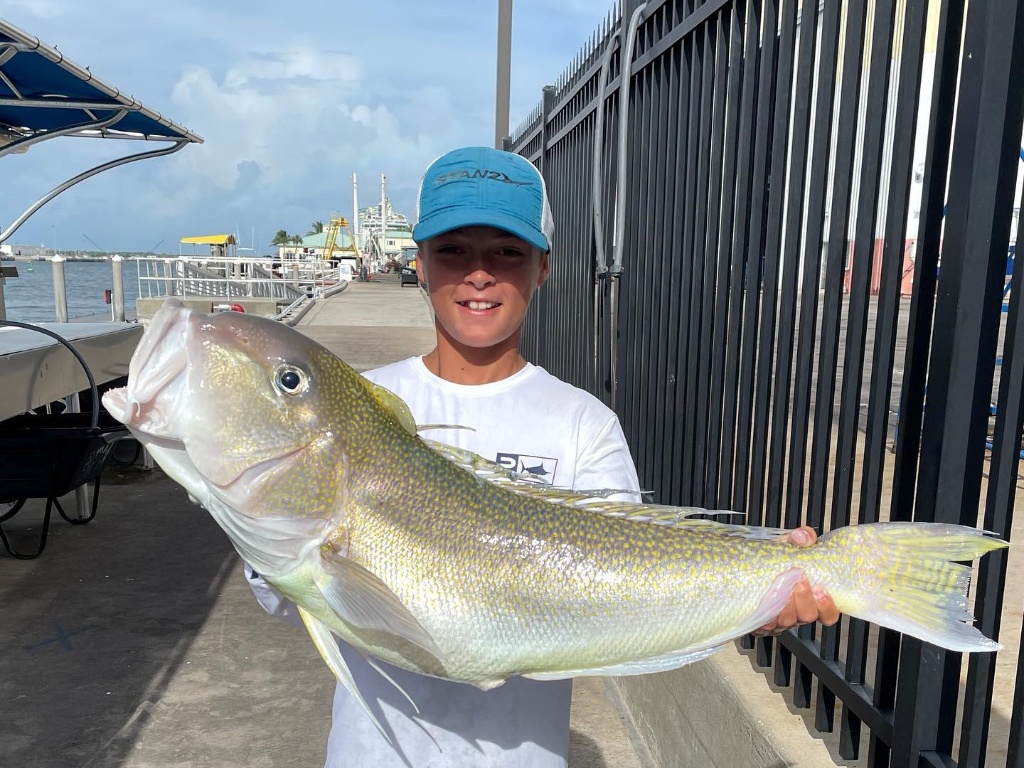
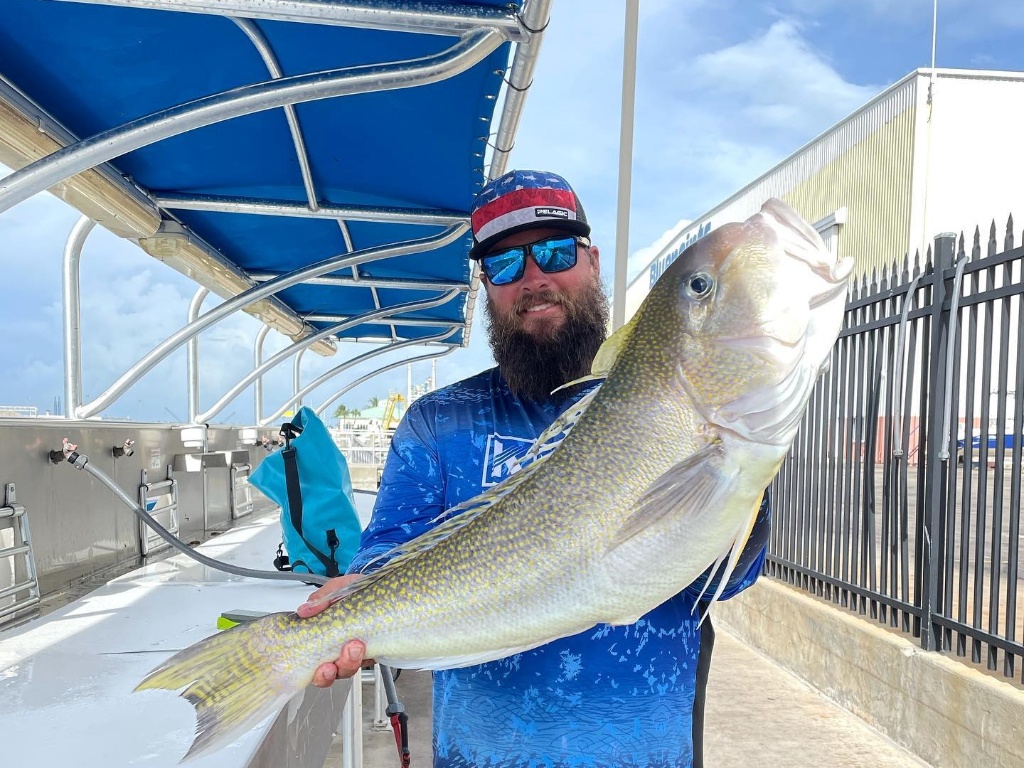
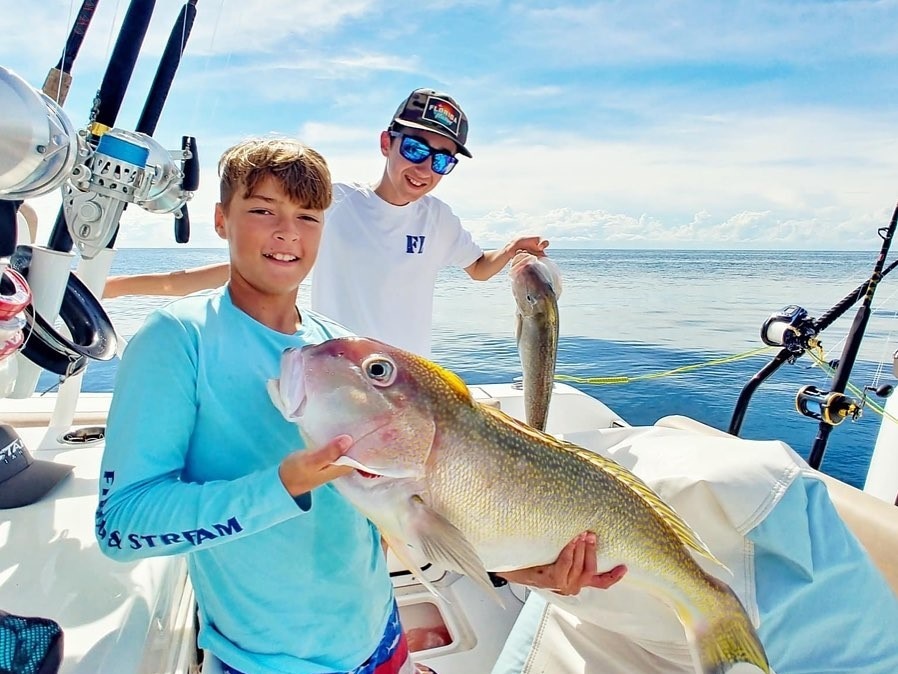
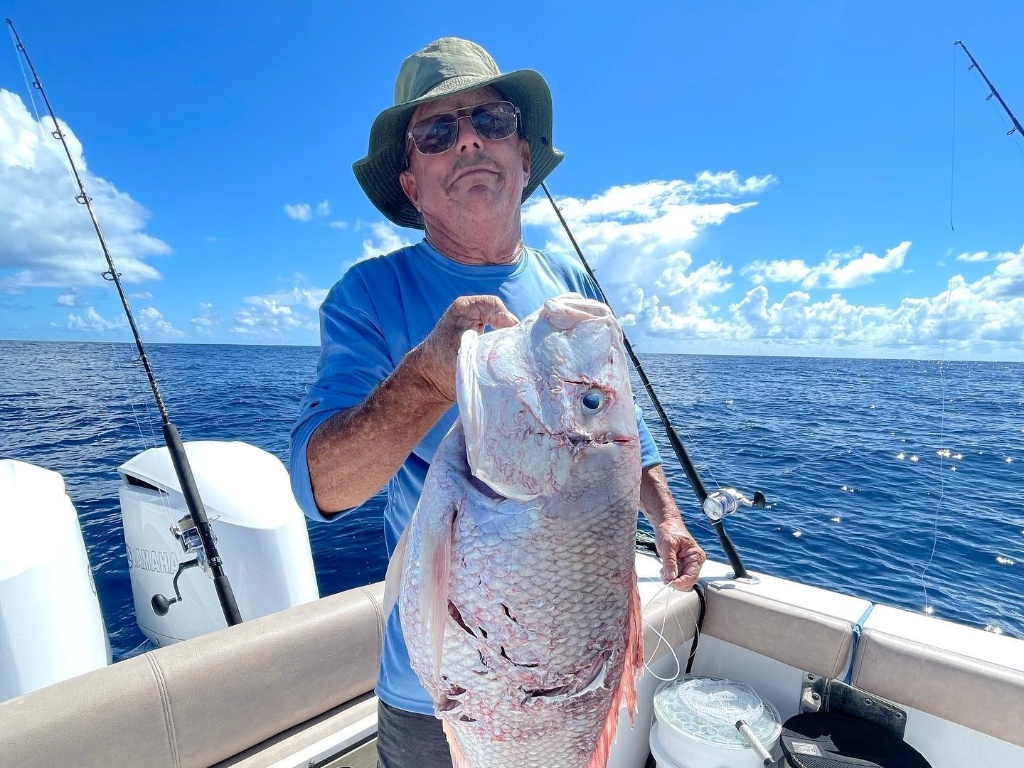
Atlantic Goldeneye Tilefish, or Golden Tile as most captains call them, are the prize catch for serious deep droppers. These fish live in 300-800 feet of water along the continental shelf edge, where they build elaborate burrows in the muddy bottom. They can live over 40 years and reach weights of 30-50 pounds, with fish over 20 pounds considered trophy size. The cooler months from November through March are prime time since they're more active in the deeper water. What makes Golden Tile so sought after is their incredible table fare - they're considered one of the finest eating fish in the Atlantic with sweet, firm white meat. Plus, they're a real test of an angler's patience and skill since their bites can be extremely subtle.
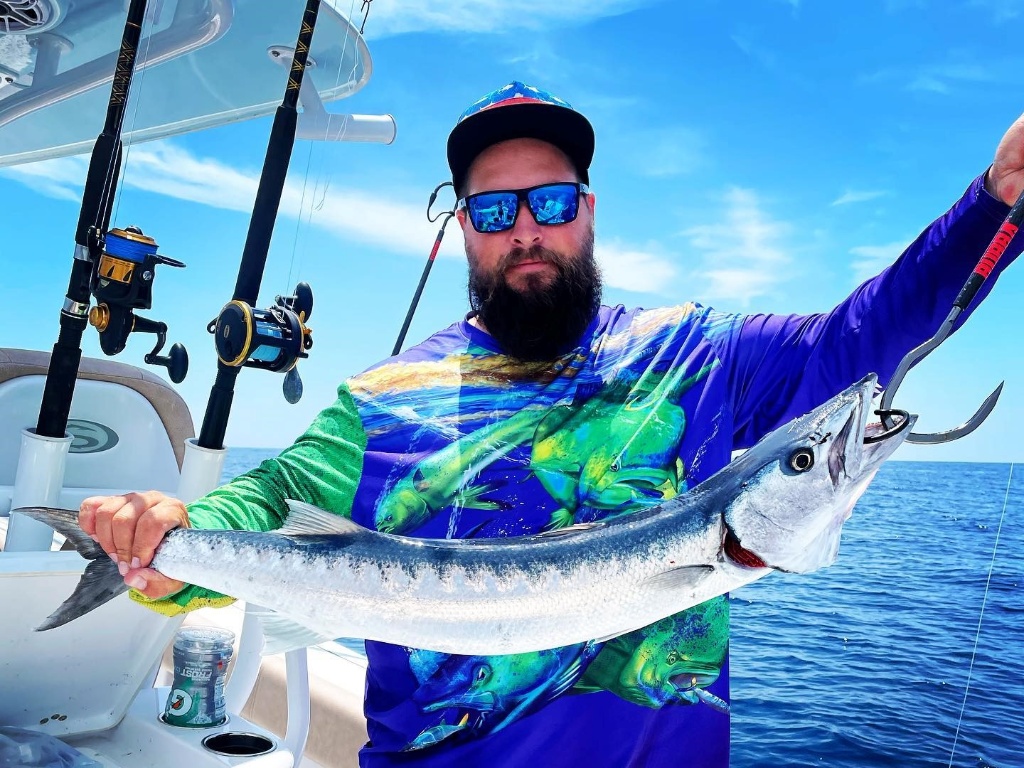
Wahoo are the speed demons of the offshore world, capable of hitting 60+ mph when they make their runs. Around Cape Canaveral, they're most active during the cooler months from October through April, often holding around structure or temperature breaks in 100-400 feet of water. These fish average 20-40 pounds but can push 80+ pounds for the giants. When a Wahoo hits, there's no mistaking it - they'll scream line off your reel faster than almost any other fish in the ocean. Their razor-sharp teeth mean wire leaders are a must, and their speed means you better have your drag set right or they'll snap you off before you know what happened.
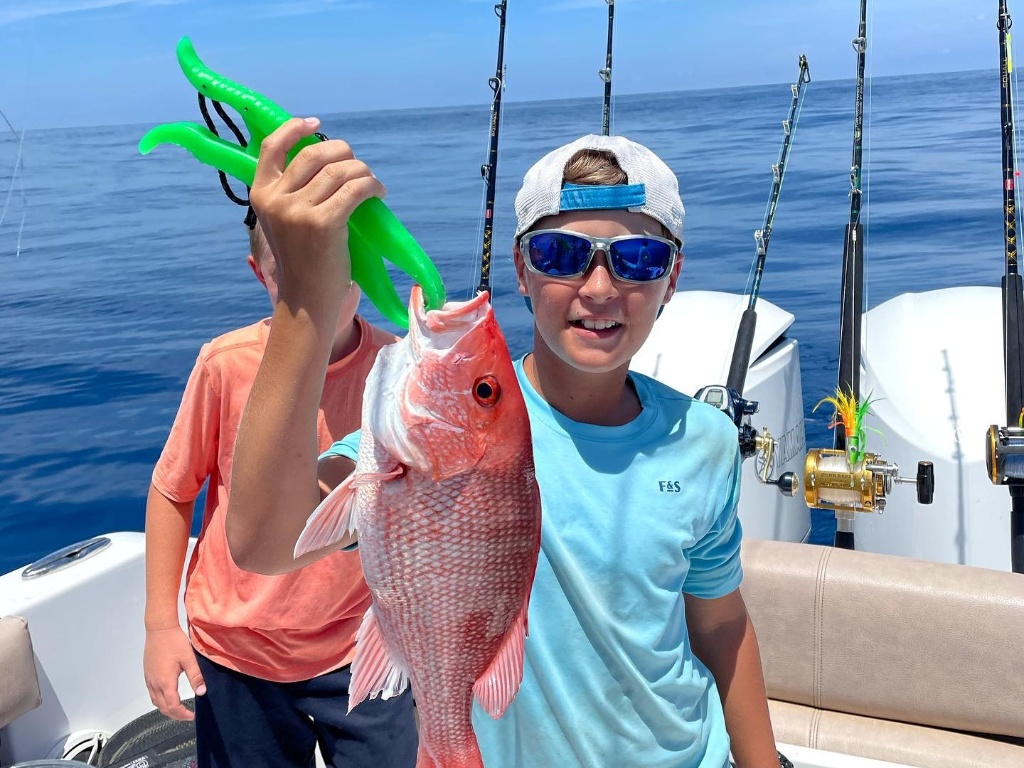
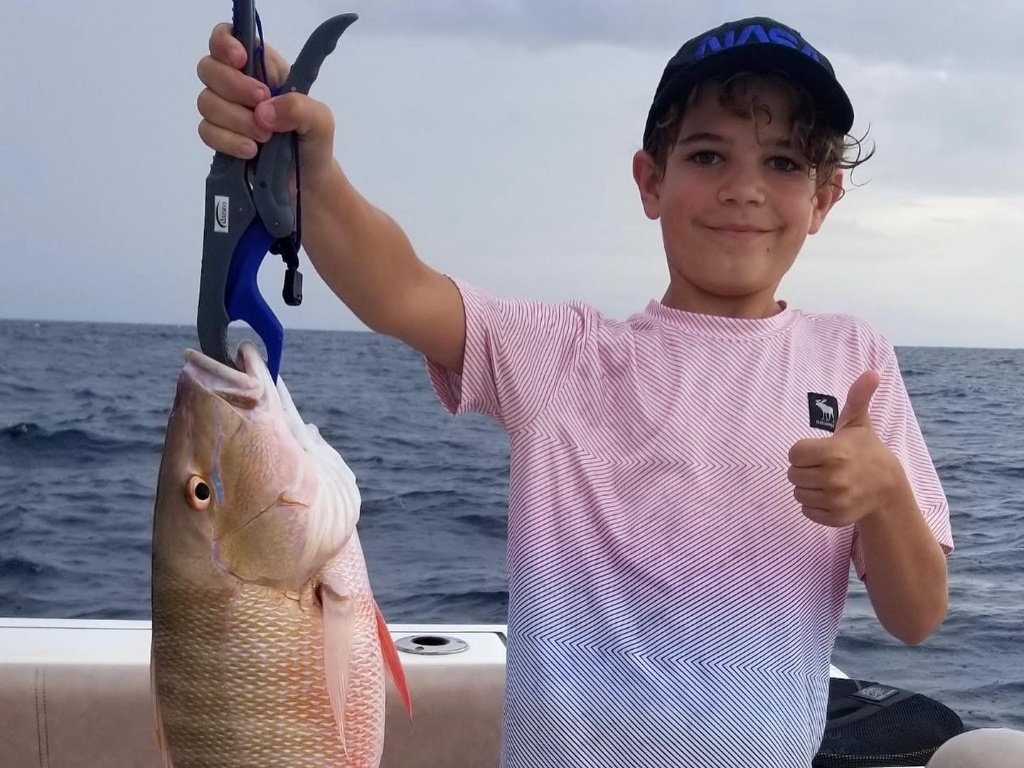
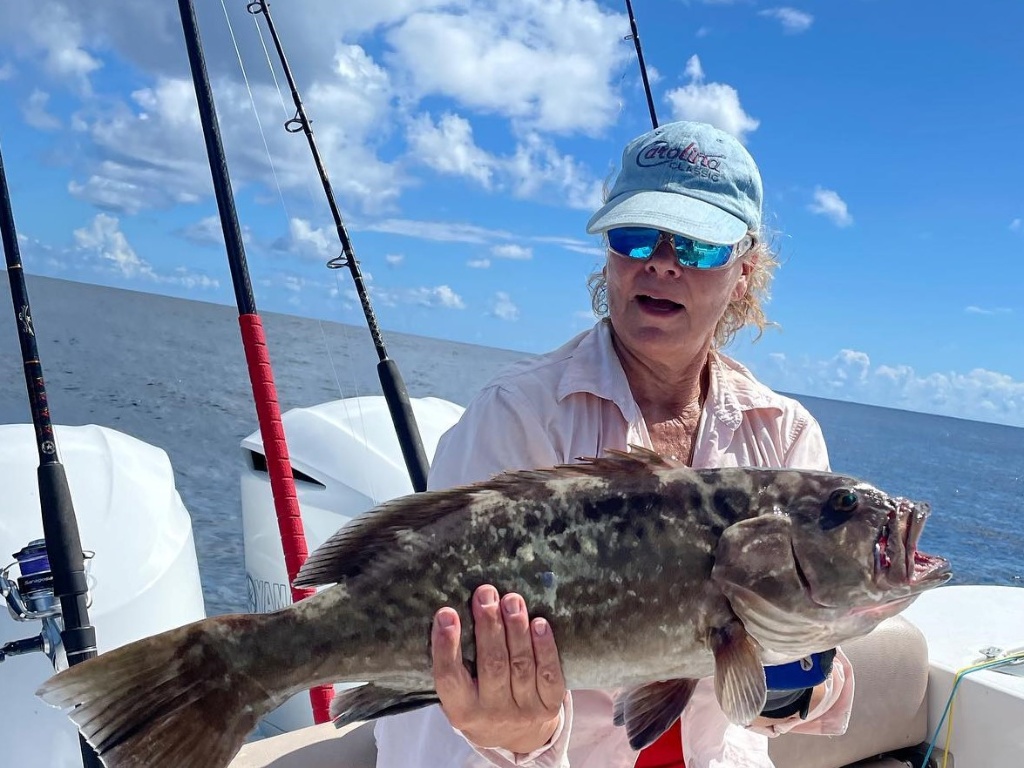
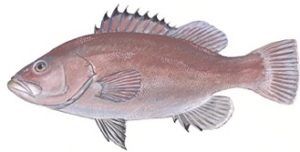
Snowy Grouper are the ghosts of the deep, living in 300-600 feet of water around rocky bottom and structure. These fish can live over 100 years and reach massive sizes, with fish over 30 pounds being common in deeper water. They're most active during winter months when they move up into shallower feeding areas. Snowies are notorious for their powerful runs back toward the bottom when hooked, testing both angler and tackle. They're also prized for their excellent eating quality, with sweet, flaky white meat that rivals any grouper species.
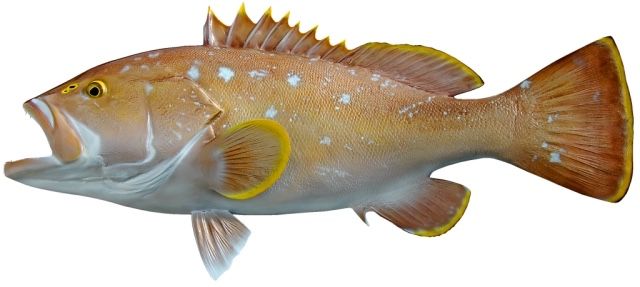
Yellowedge Grouper occupy similar depths to Snowies but tend to be more aggressive feeders. They're typically smaller than Snowies, averaging 10-25 pounds, but make up for it with their willingness to bite. These fish are most active during daylight hours
 Private Trip
 Offshore Fishing
 Cape Canaveral, FL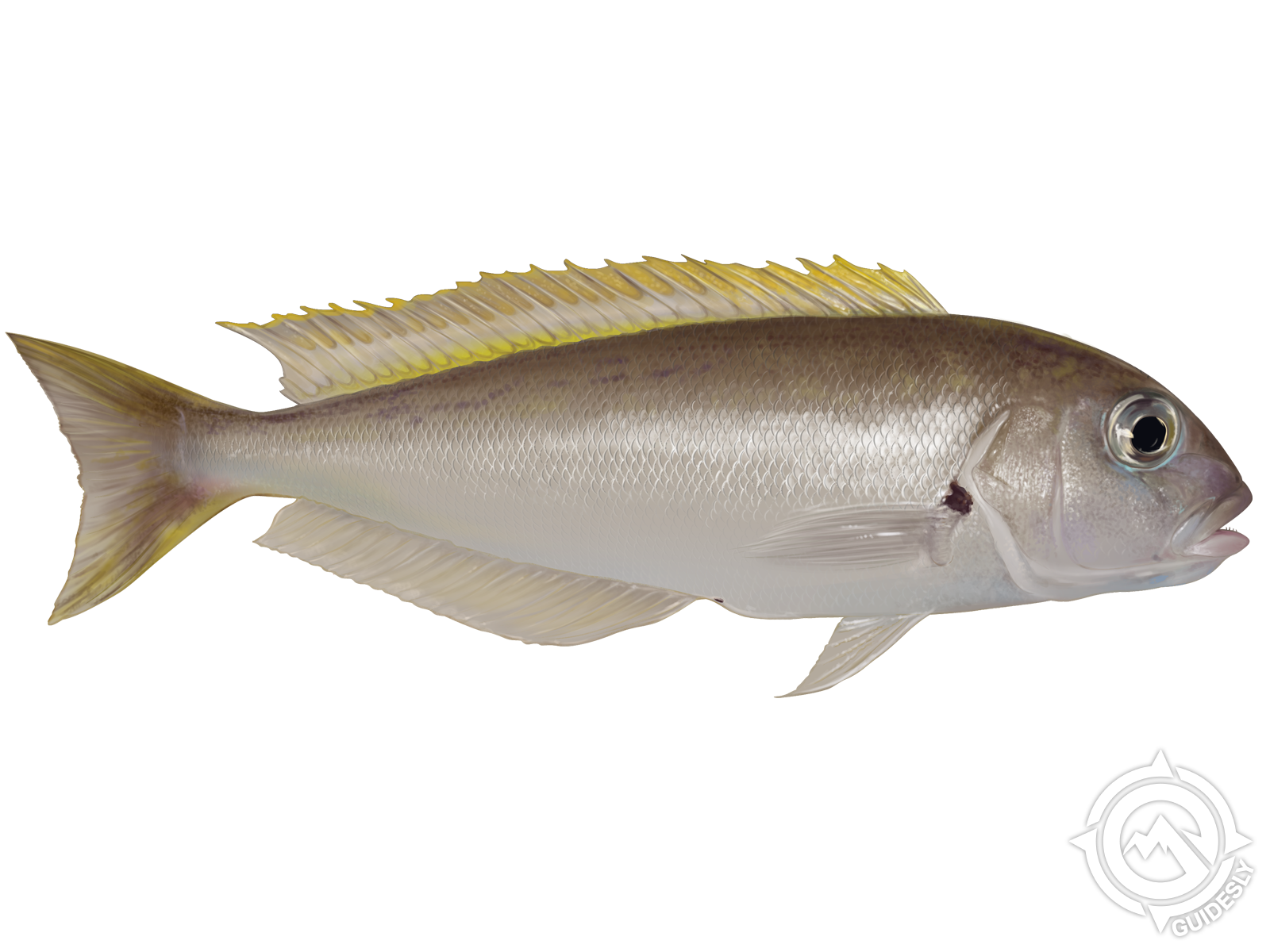


 Target Golden Tile, Snowy Grouper, and Yellowedge Grouper offshore