12 Hour Fishing Trip in Charleston
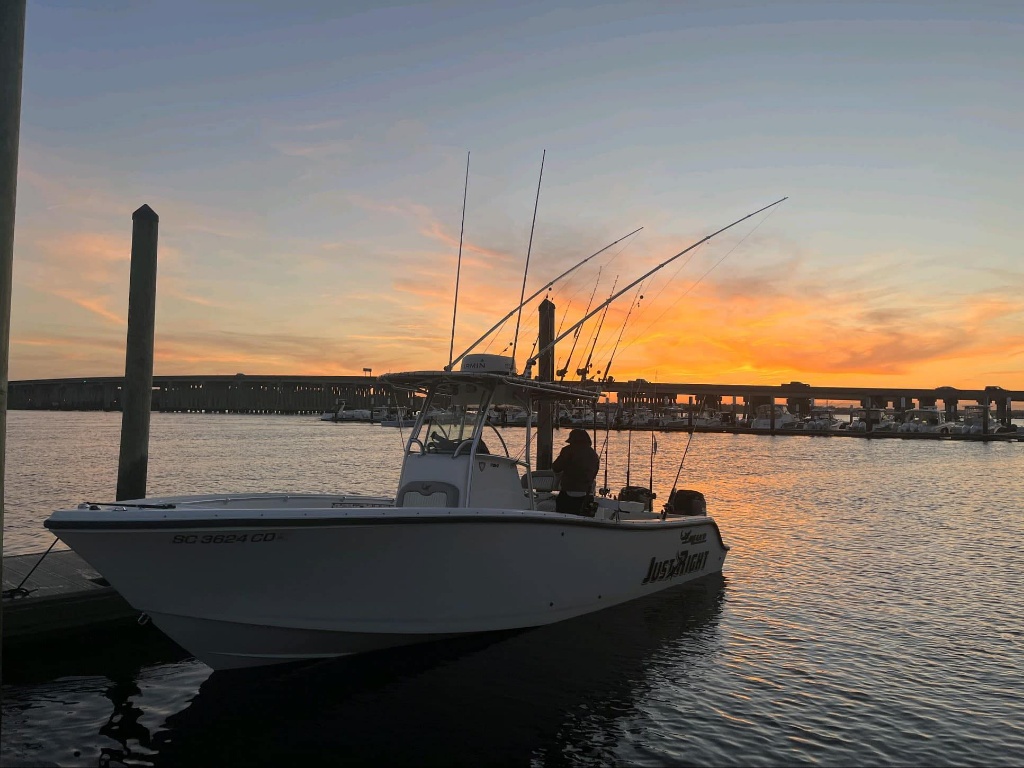
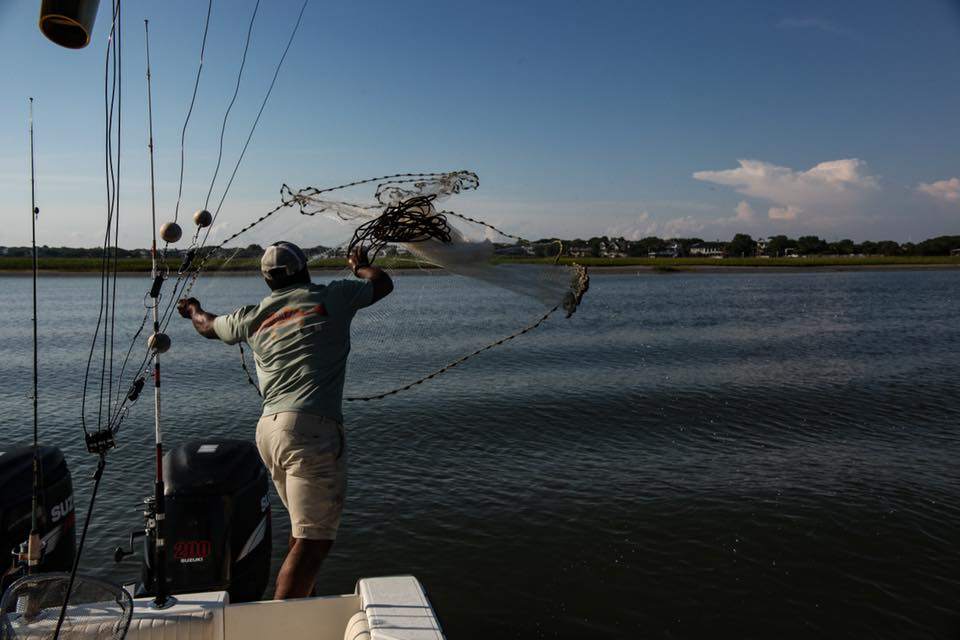
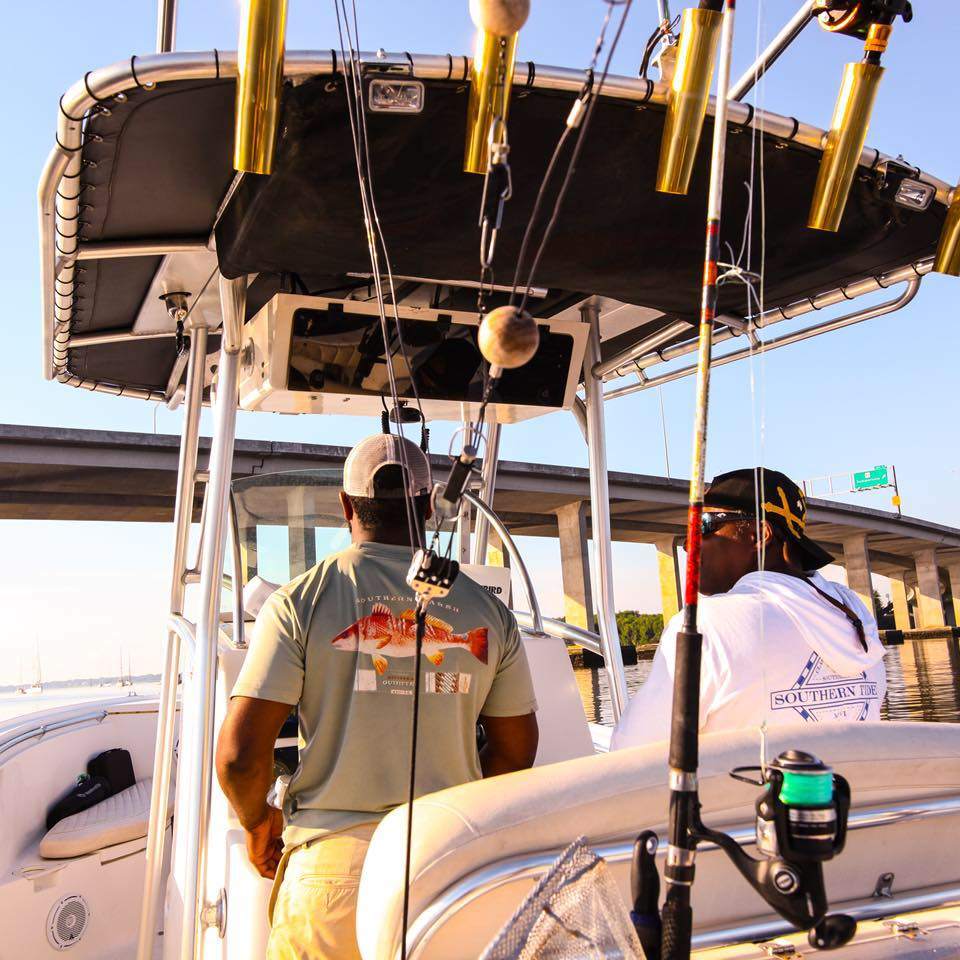
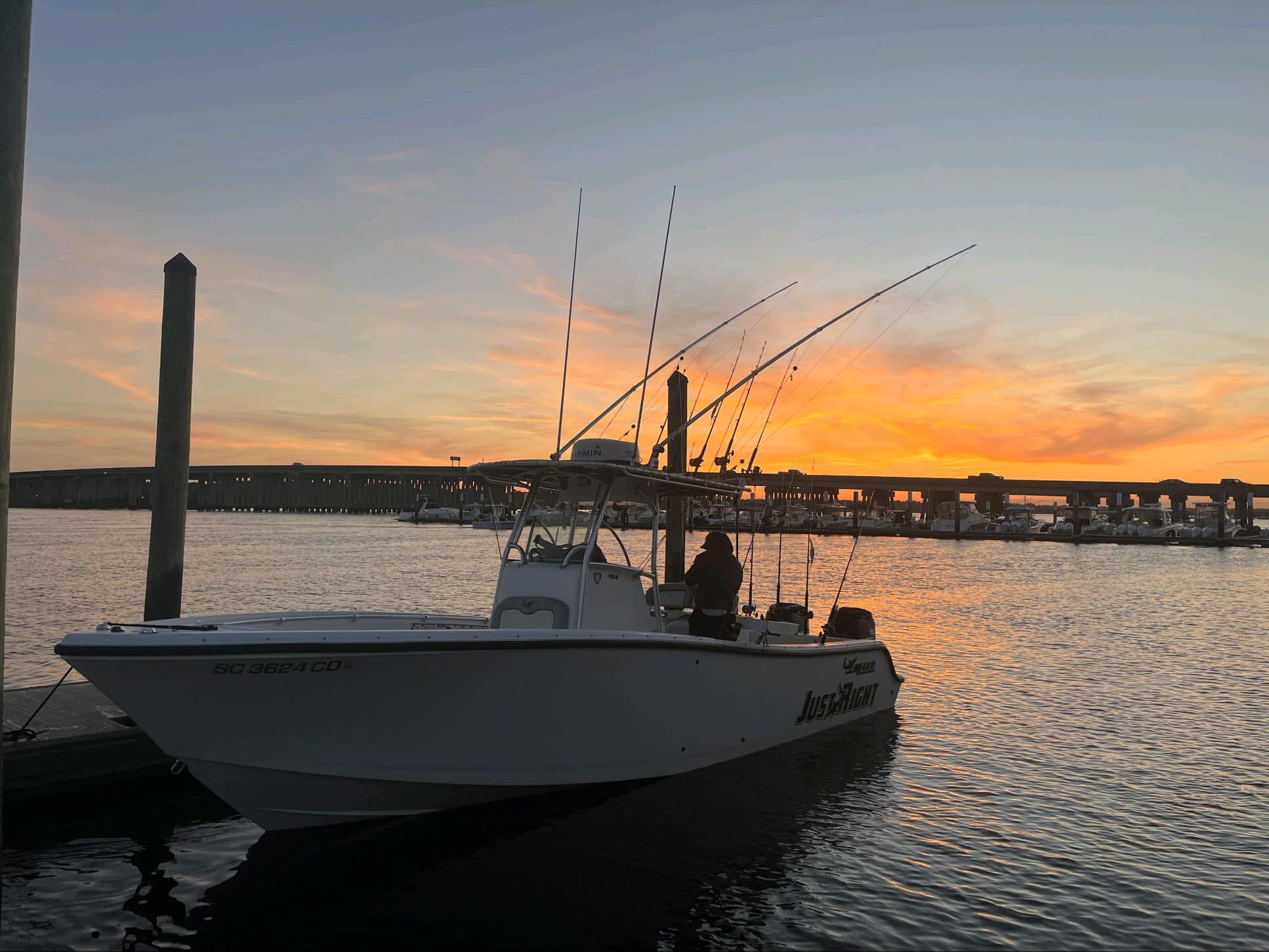
Picture this: you're heading out in the dark with nothing but the Charleston lighthouse behind you and 90 miles of prime Atlantic waters ahead. This isn't your typical half-day charter – we're talking a full 12-hour commitment to putting serious fish in the boat. With Salty Tide Charters, you get the whole package: pre-dawn departure, world-class fishing grounds, and enough time to really dial in what's biting. Whether you want to drop baits to the bottom for hefty grouper and snapper or run and gun trolling for pelagics like mahi and wahoo, we've got the experience and local knowledge to put you on fish. Six anglers max means everyone gets prime real estate at the rail, and trust me – you'll need it when the action heats up.
What to Expect on the Water
We'll meet you at the dock while most folks are still hitting snooze. The early start isn't just for show – it's strategic. By the time the sun breaks the horizon, we're already settling into our first fishing spot with lines in the water. The Charleston Coast gives us access to some of the most productive offshore waters on the East Coast, and 12 hours means we can hit multiple spots depending on what Mother Nature serves up. Some days we'll start bottom fishing the nearshore reefs for grouper and snapper, then make a move to the blue water for trolling action. Other days, we might spend the morning chasing a wahoo bite before settling into a mahi school that just won't quit. The beauty of a full-day trip is flexibility – we go where the fish are, not where the clock tells us to be. You'll get a real taste of what professional fishing looks like, and by the end of the day, you'll understand why this is consistently rated as one of the top fishing experiences Charleston has to offer.
Bottom Fishing vs. Trolling
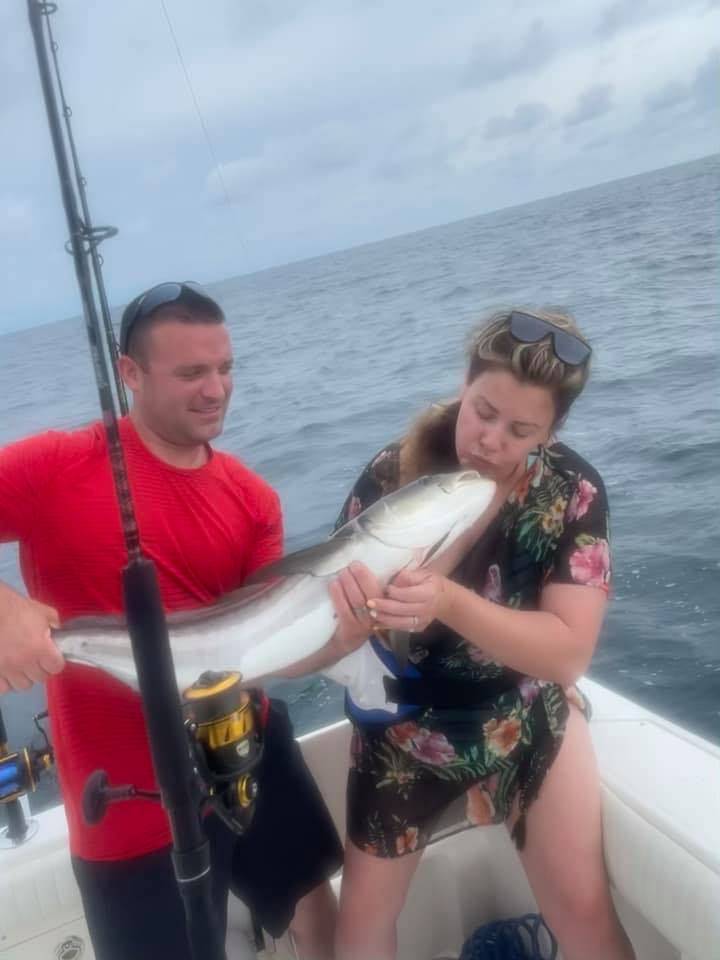
Here's where it gets good – you get to choose your adventure, or better yet, mix it up throughout the day. Bottom fishing means we're anchored up over structure, dropping baits down 60 to 200 feet to where the big boys live. We're talking heavy tackle, circle hooks, and enough weight to get your bait down in the current. The technique is straightforward but the results can be spectacular – nothing beats the thump of a big gag grouper or the screaming drag of a cobia making its first run. Trolling is a different animal entirely. We're covering water, pulling lures and rigged baits behind the boat at 6 to 12 knots, targeting the pelagic species that cruise the blue water. When that outrigger pops and line starts screaming off the reel, your heart rate jumps through the roof. The gear is lighter, the fights are faster, and the fish are some of the most beautiful you'll ever see. Most days, we'll do both – it's not about picking sides, it's about adapting to conditions and giving you the best shot at multiple species.
Top Catches This Season
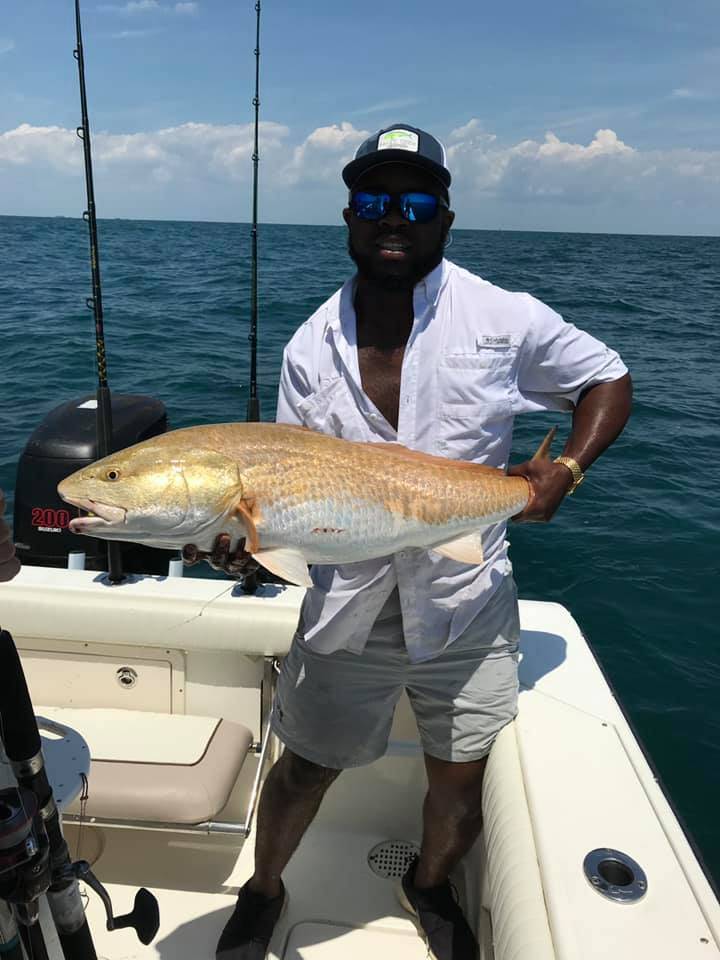
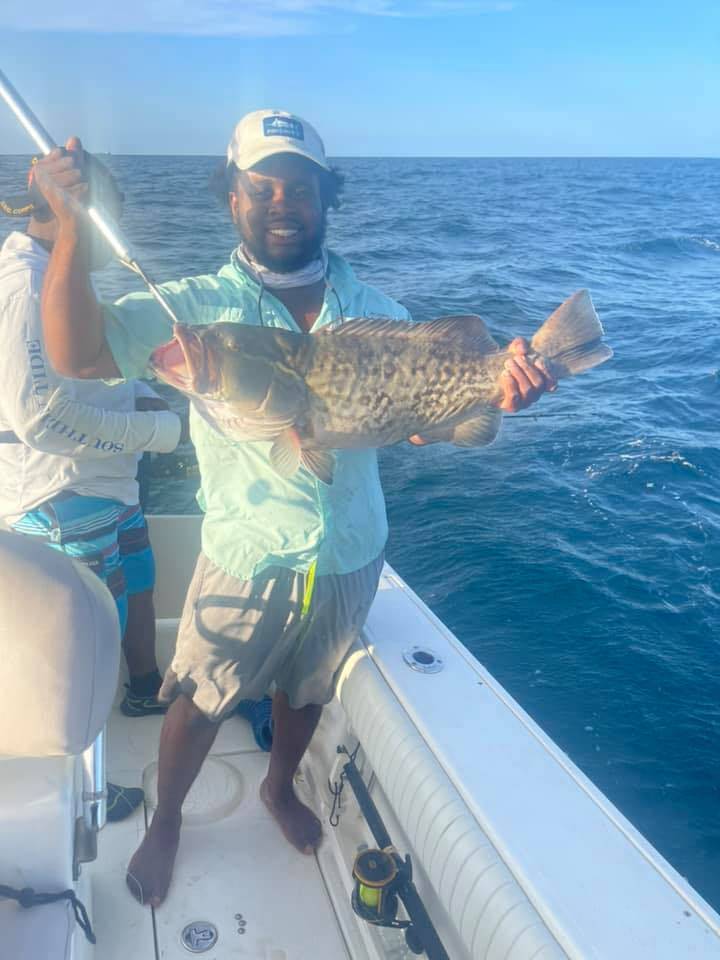
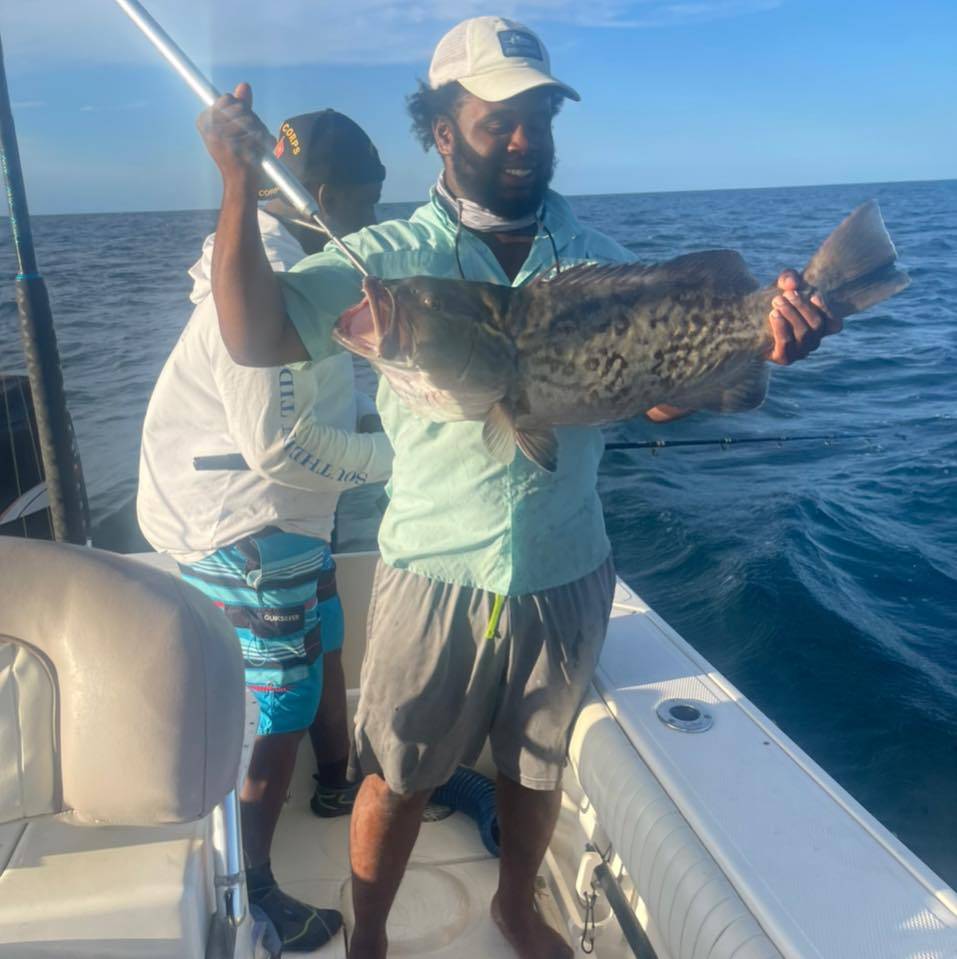
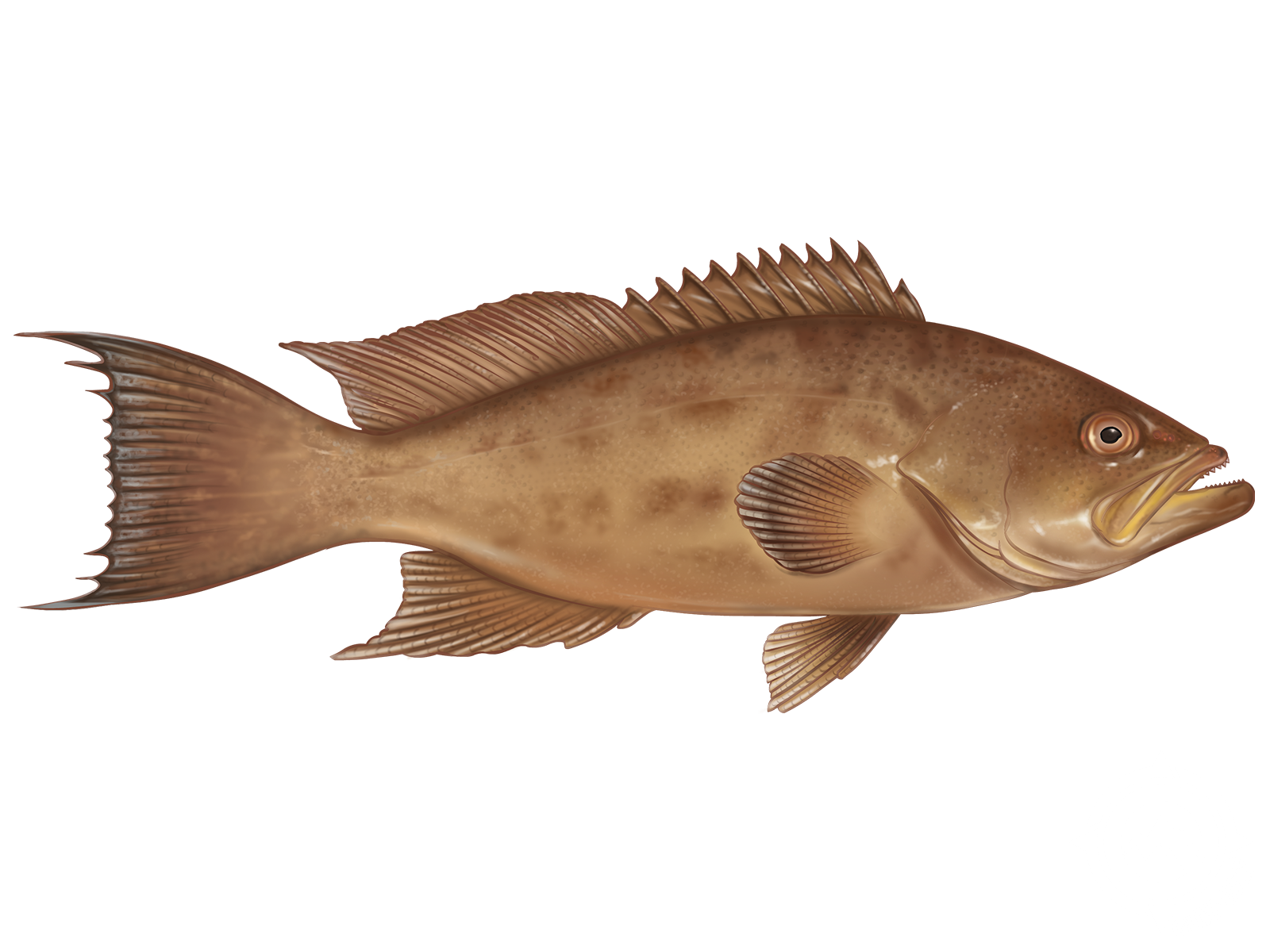
Let's talk about what's actually swimming out there and why each species will get your blood pumping. Red snapper are the bread and butter of Charleston bottom fishing, and these crimson beauties are as tasty as they are fun to catch. They typically run 8 to 15 pounds in our waters, with the occasional 20-pounder that'll make your day. Peak season runs from late spring through early fall, and they love structure – wrecks, ledges, and hard bottom areas where they can ambush baitfish. The fight isn't flashy, but it's steady and determined, and when you see that red color coming up through the blue water, you know dinner just got a whole lot better. Gag grouper are the bruisers of the bottom fishing world. These guys can push 30-plus pounds and they know how to use every ounce of it. They're ambush predators that live in caves and overhangs, so when you hook one, the first thing it wants to do is head straight back to cover. The initial run is pure power, and landing a trophy gag requires technique, patience, and a little bit of luck. Fall is prime time for gags, when they're feeding heavily before their winter spawn.
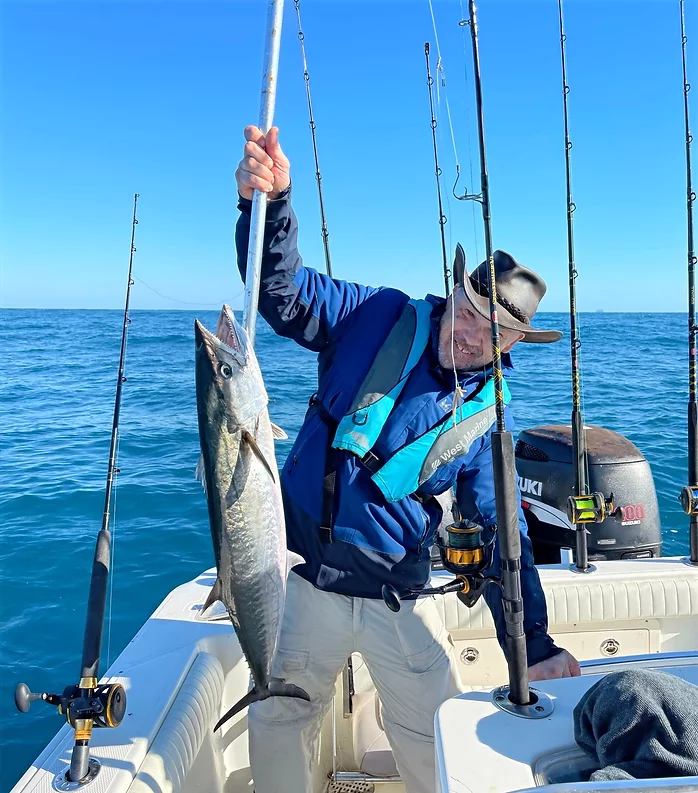
Scamp grouper might not get the press that gags do, but pound for pound, they're some of the hardest fighting fish we target. They average 5 to 12 pounds but fight like they're twice that size, and their pink and white coloration makes them one of the prettiest fish you'll pull up from the deep. They're year-round residents but seem to bite best in the cooler months. King mackerel are speed demons that'll test your reflexes and your drag system. These silver bullets can hit 40 mph and when they grab a trolled bait, the initial run is pure adrenaline. Charleston kings typically run 15 to 30 pounds, with the occasional smoker that'll push 40 or more. Spring and fall are peak times, and there's nothing quite like the sight of a king mackerel greyhounding across the surface with your lure in its mouth.
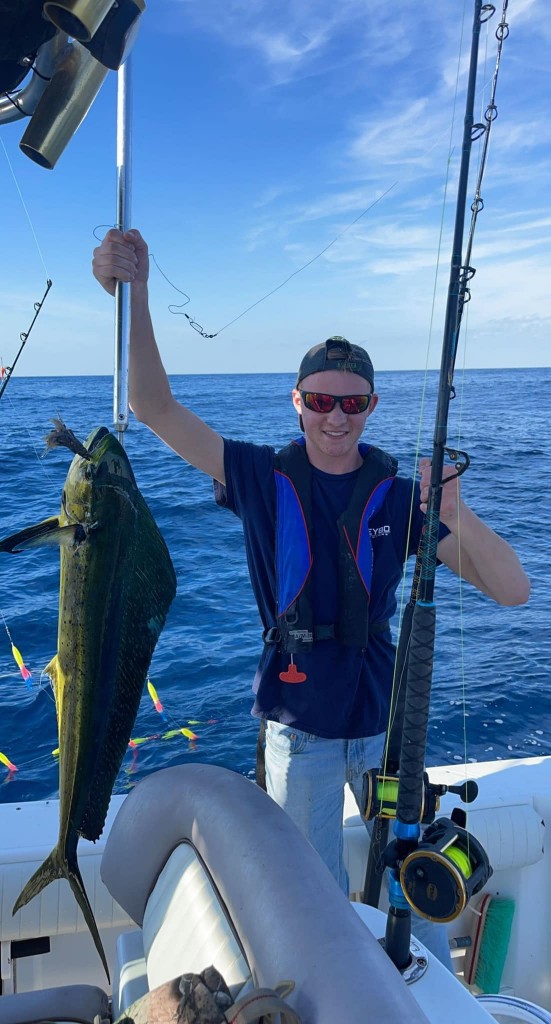
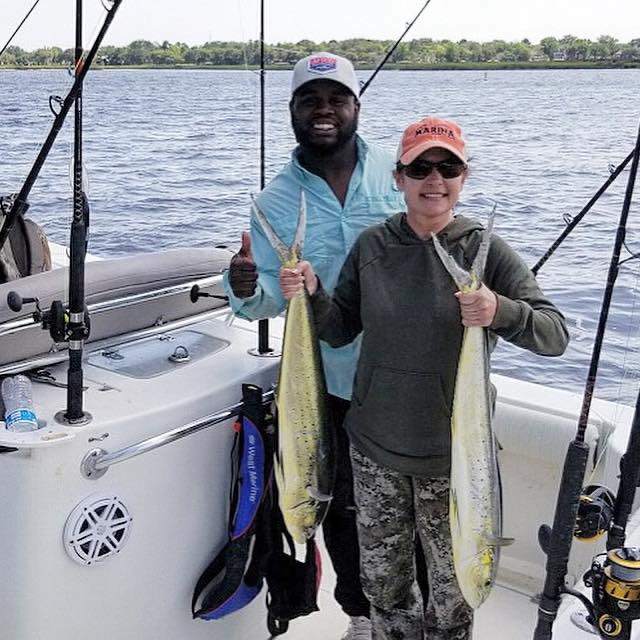
Mahi mahi are probably the most photogenic fish in the ocean, and they're just as fun to catch as they are to look at. These golden beauties travel in schools, so when you find one, you usually find more. They're aggressive feeders that'll hit everything from live bait to artificial lures, and their acrobatic fights make for great photos and better memories. Charleston mahi fishing peaks in late spring through early fall, and a good day on the mahi grounds can result in a cooler full of these tasty fish. Wahoo are the speed freaks of the offshore world – capable of hitting 60 mph and armed with a mouth full of razor-sharp teeth. They're built for speed and power, and when one hits a high-speed trolling lure, you better be ready. Charleston wahoo typically range from 20 to 60 pounds, and their lightning-fast runs an
 Private Trip
 Offshore Fishing
 Charleston


 Full-day offshore fishing adventure within 90 miles of Charleston Coast