Extended Half Day Offshore Fishing in Madeira Beach
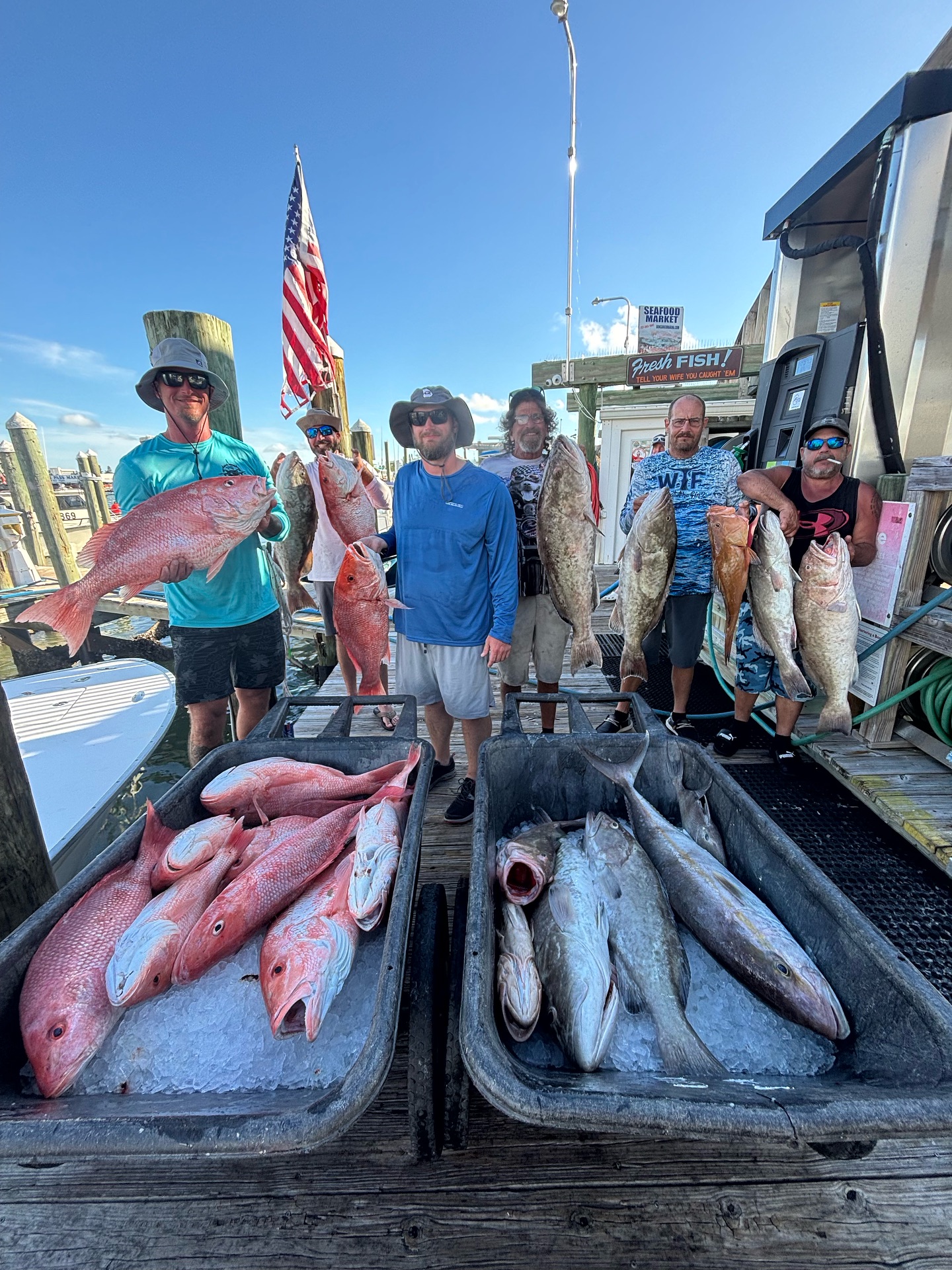
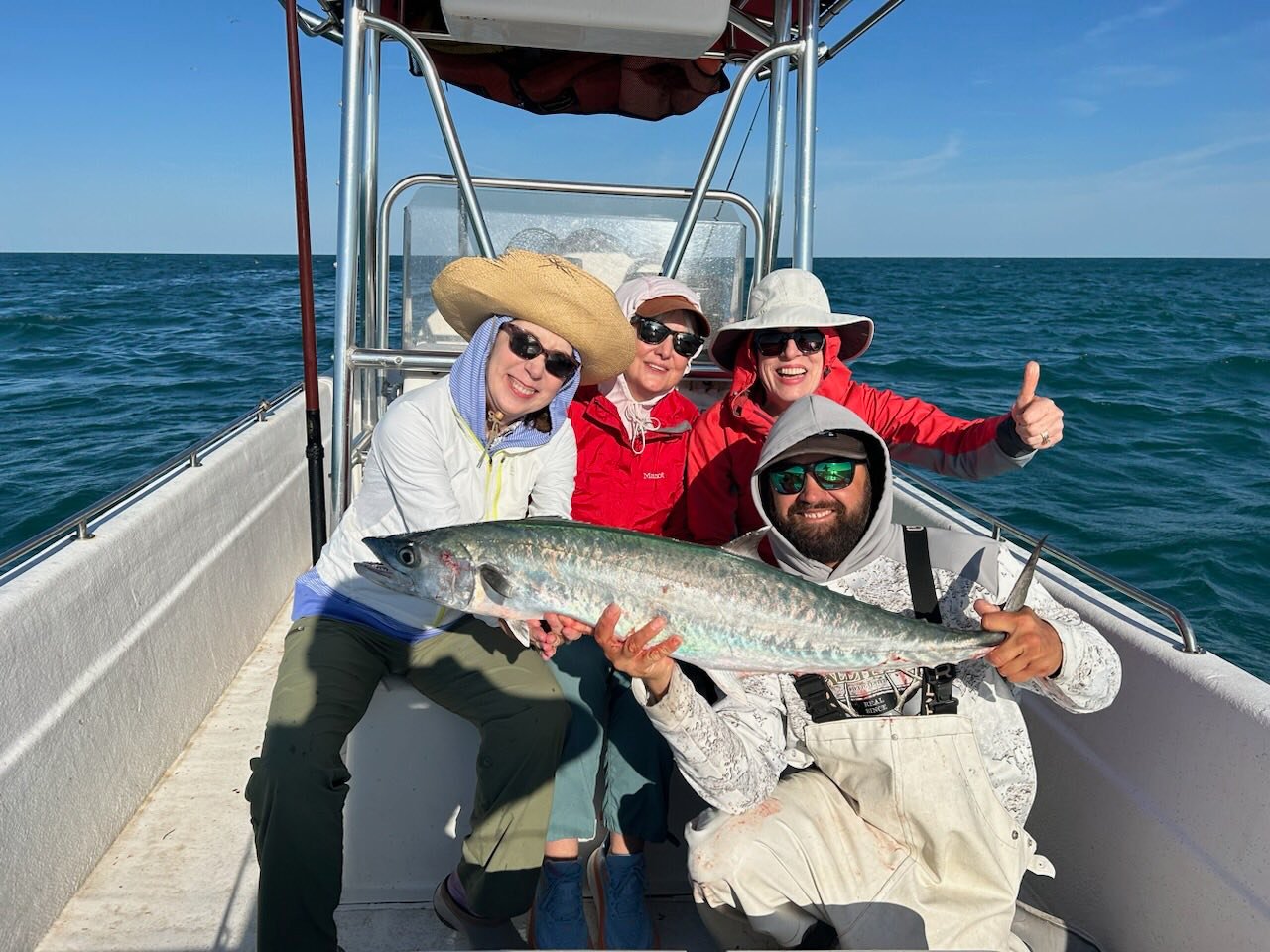
When you're ready to step up your fishing game and chase some serious offshore action, Captain Brandon Vaughan and the Salty Dog Charters crew have got you covered. This extended half-day trip puts you right in the heart of the Gulf's most productive fishing grounds, where blackfin tuna, red grouper, greater amberjack, cobia, and red snapper are waiting to test your skills. We're talking about real offshore fishing here – not the shallow water stuff you might be used to. Captain Brandon knows these waters like the back of his hand, and he's got the experience to put you on fish when others are coming back empty-handed. All your gear is included, so you can focus on what matters most: landing the fish of a lifetime.
What to Expect on the Water
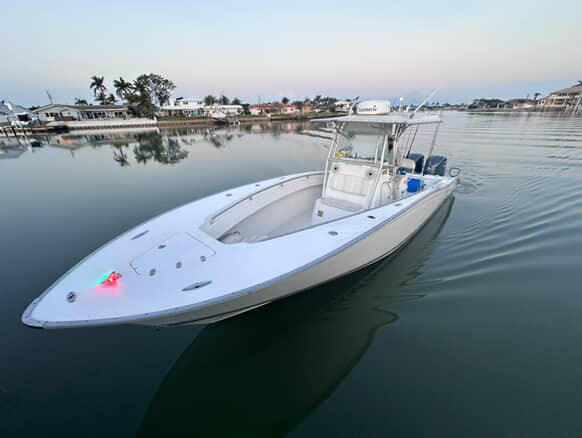
This isn't your typical inshore trip – we're heading out to the deep blue where the big boys live. You'll be fishing in 60 to 120 feet of water over structure, wrecks, and ledges that hold some of the Gulf's most sought-after species. The extended half-day format gives us enough time to hit multiple spots and really dial in on what's biting. Captain Brandon runs a clean, well-maintained vessel that can handle up to 6 anglers comfortably, so you're not going to be elbow-to-elbow with a crowd. The vibe is relaxed but focused – we're here to catch fish, but we're going to have a good time doing it. Expect to be on the water for about 6 hours, which gives us plenty of opportunity to adapt our strategy based on what the fish are telling us. Some days they want live bait, other days they're hitting artificials hard – that's the beauty of having an experienced captain who can read the water and adjust accordingly.
Techniques and Tackle
We fish multiple techniques depending on what we're targeting and what the conditions are like. For the amberjack and grouper, we're typically bottom fishing with heavy tackle – we're talking 50 to 80-pound class gear because these fish will test your drag system. Live bait is king out here, and we'll have plenty of pinfish, grunts, and sardines ready to go. For the tuna and cobia, we might switch it up with some trolling or sight fishing when the opportunity presents itself. The boat is rigged with quality Penn and Shimano reels matched to appropriate rods for each species we're targeting. Circle hooks are the standard for most of our bottom fishing to ensure good hooksets and fish safety. When we're over structure, we're using enough weight to get down and stay down in the current – usually 4 to 8 ounces depending on the drift. Captain Brandon will walk you through the techniques if you're new to offshore fishing, but experienced anglers will appreciate the quality tackle and his willingness to let you fish your way when you're dialed in.
Target Species Breakdown
Blackfin tuna are the speed demons of this trip and arguably the most fun fish you'll hook. These guys typically run 10 to 25 pounds and they'll make screaming runs that'll have your drag singing. Peak season is fall through early spring when schools move through our area following baitfish. What makes them special is their fight-to-size ratio – a 15-pound blackfin will fight harder than most 30-pound fish. They're also excellent table fare, perfect for sashimi or blackened on the grill.
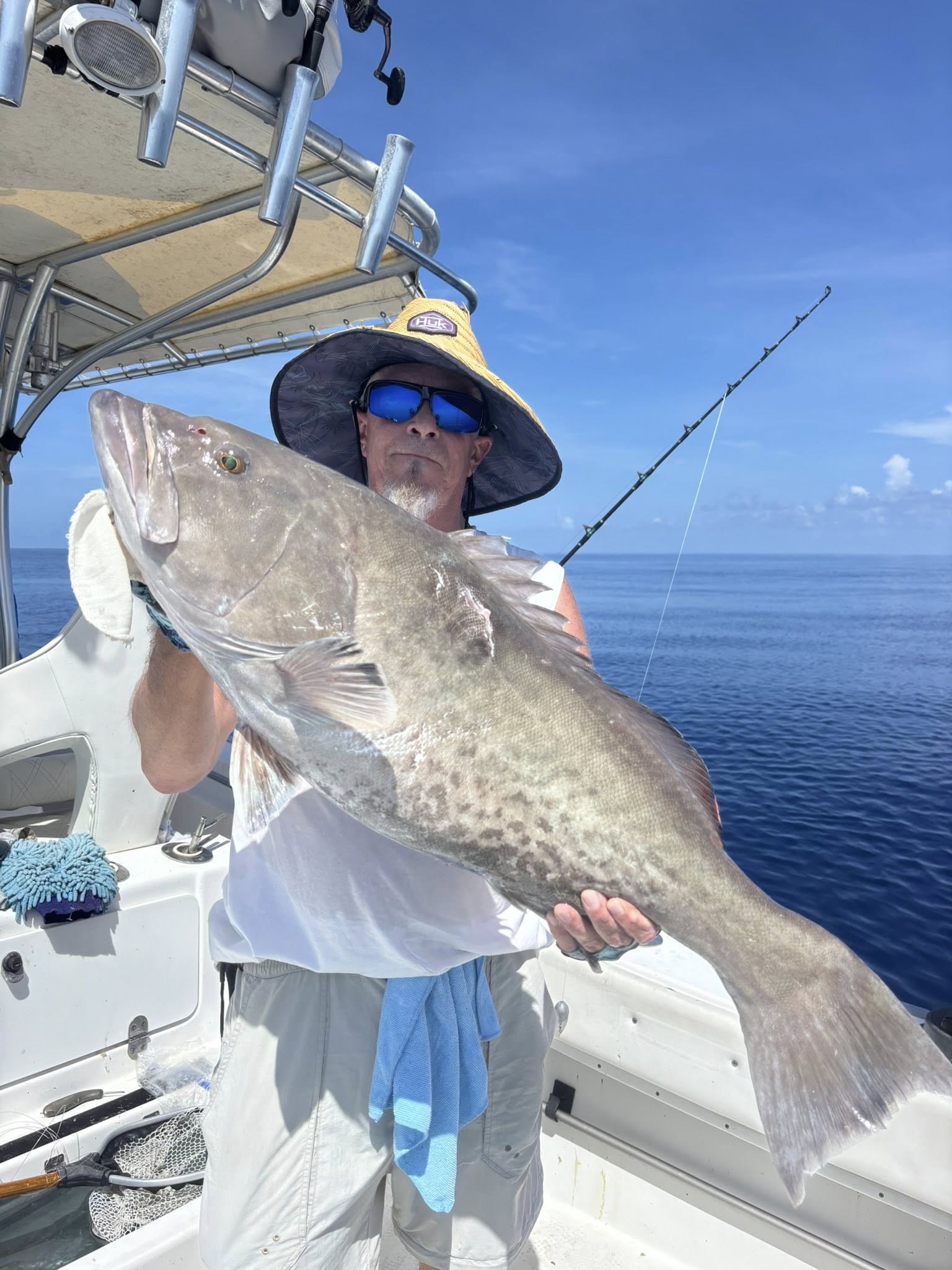
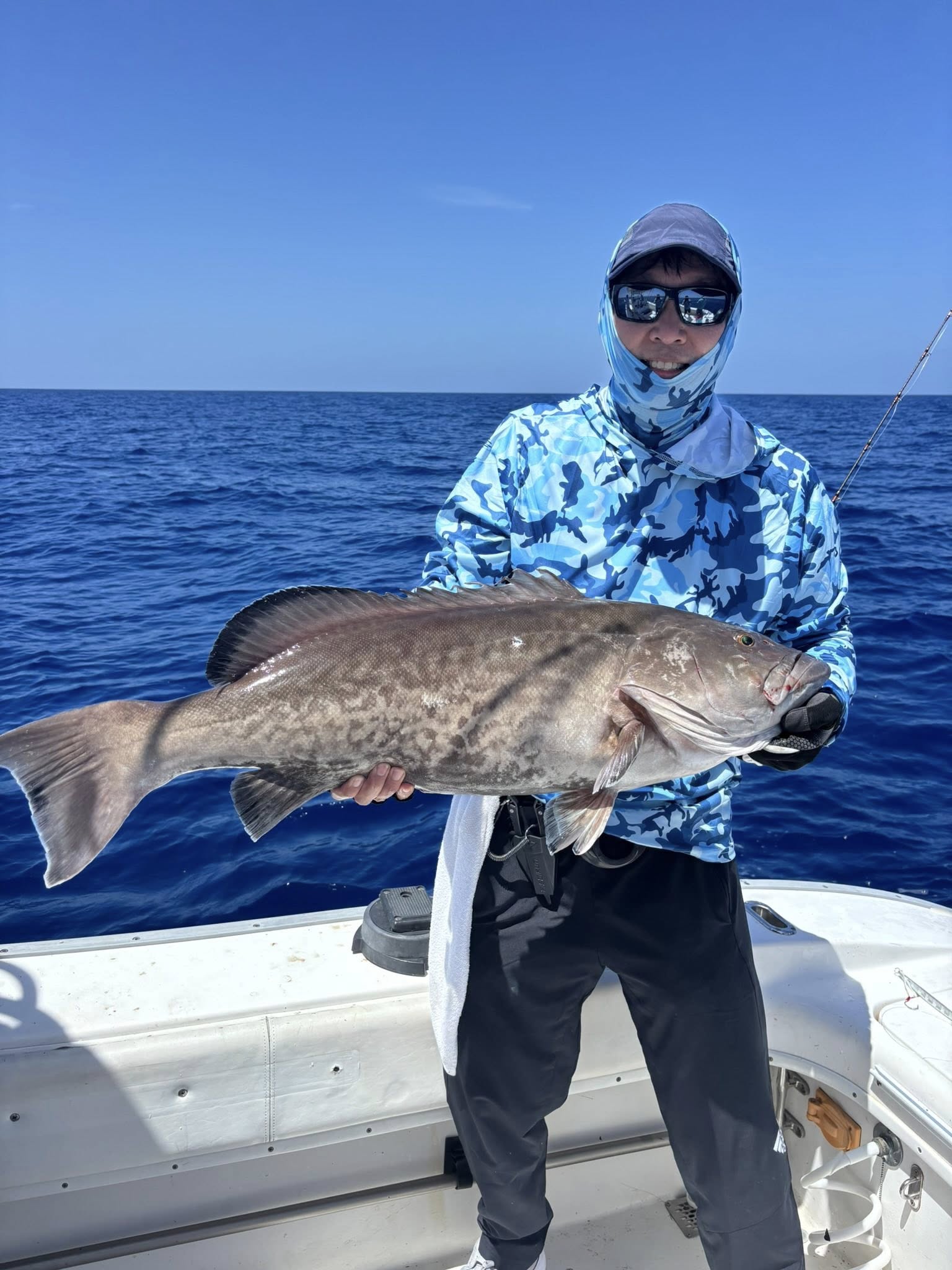
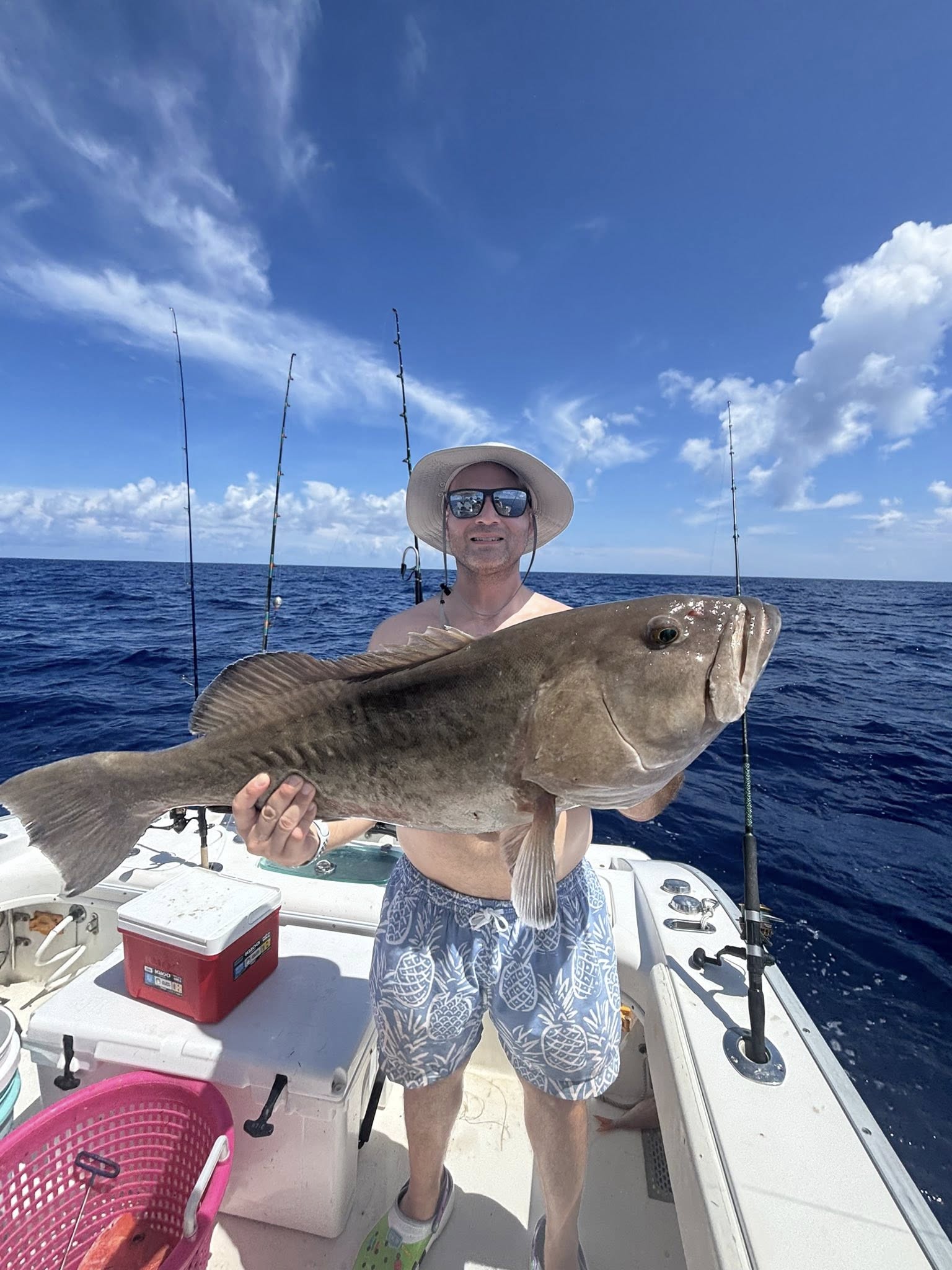
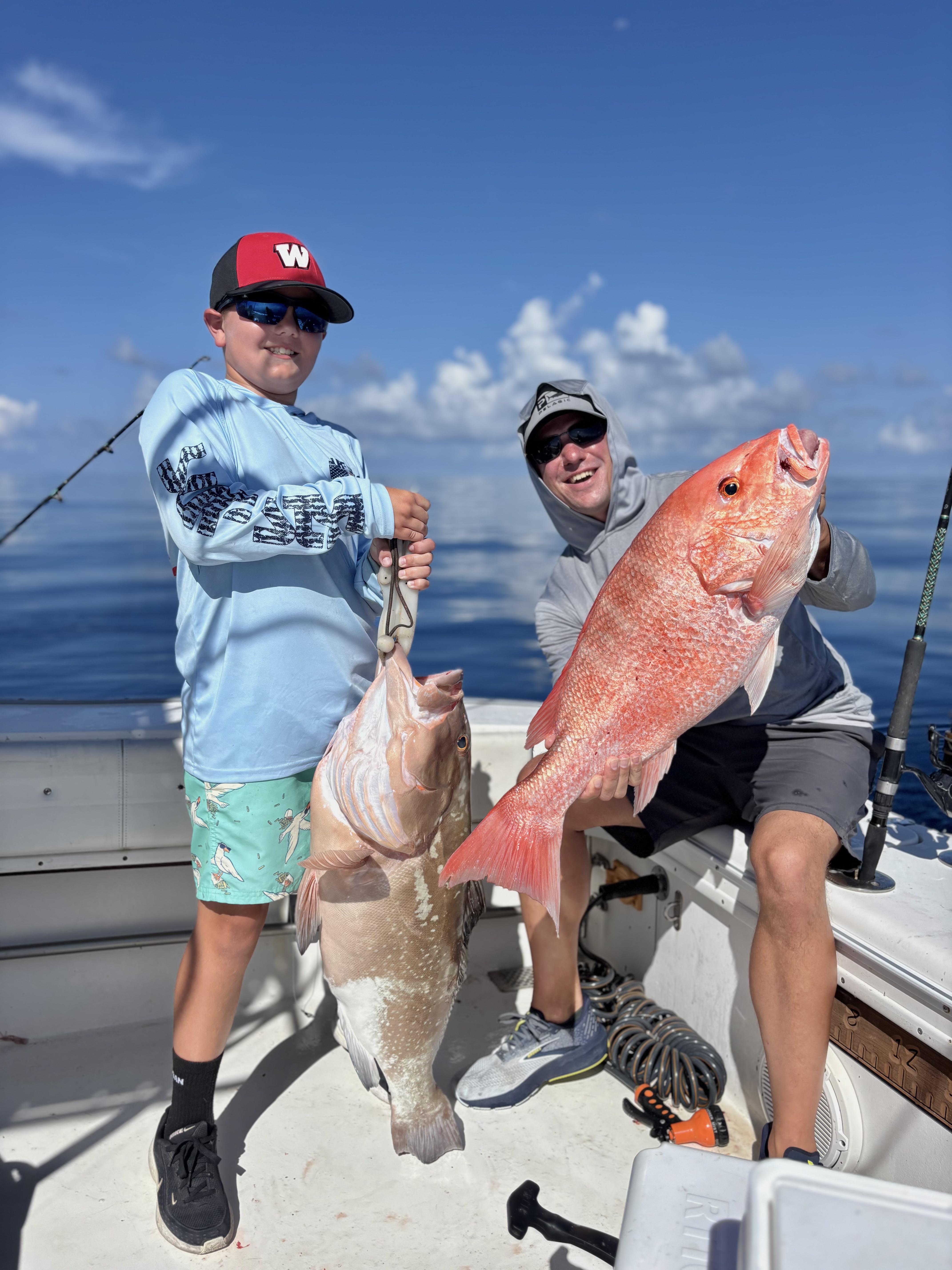
Red grouper are the bulldogs of the deep, and landing one is always satisfying. These fish range from 5 to 20 pounds typically, though bigger ones are always possible. They're year-round residents on our offshore structure, but they're most active during the cooler months. What anglers love about grouper is the solid bite and the challenge of getting them off the bottom before they can get back to their holes. They're also one of the best eating fish in the Gulf – firm, white, flaky meat that's perfect for any preparation.
Greater amberjack are the powerhouses that'll test your endurance and your tackle. These fish commonly run 20 to 50 pounds in our area, and they don't give up easy. They're most active in spring and fall, though we catch them year-round. Amberjack are ambush predators that live around wrecks and structure, and when you hook one, you better be ready for a fight. They'll make long runs and try to wrap you around anything they can find. The reward is some of the best sport fishing action you'll find in the Gulf.
Cobia are the wild cards that can show up anytime and turn a good day into a great one. These fish are curious and aggressive, often coming up to check out the boat. They range from 20 to 60 pounds in our waters and are most active from spring through fall. What makes cobia fishing exciting is that you never know when one might appear – they're sight feeders and will often take a bait or lure right at the surface. They're also fantastic eating and put up a strong fight.
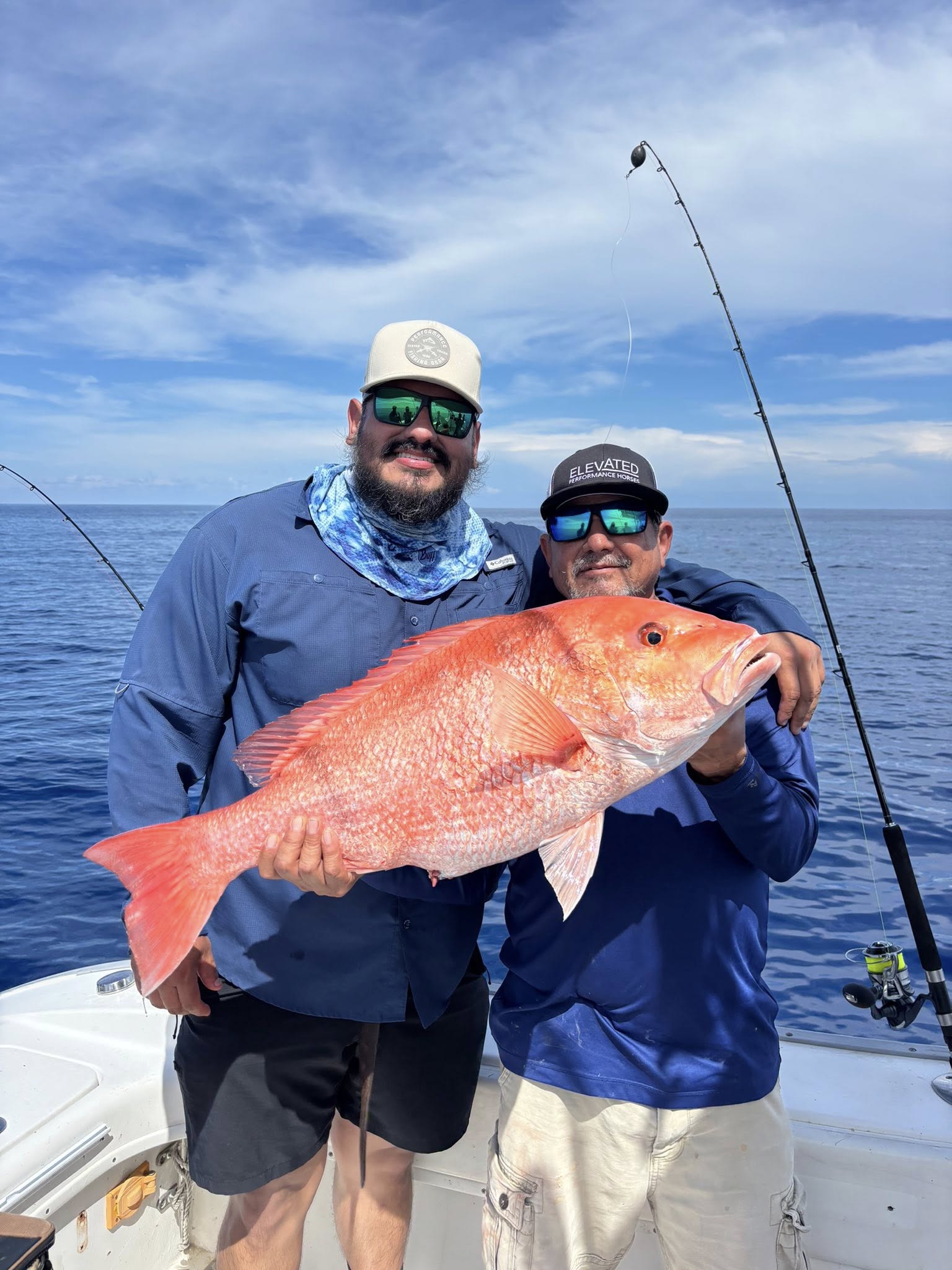
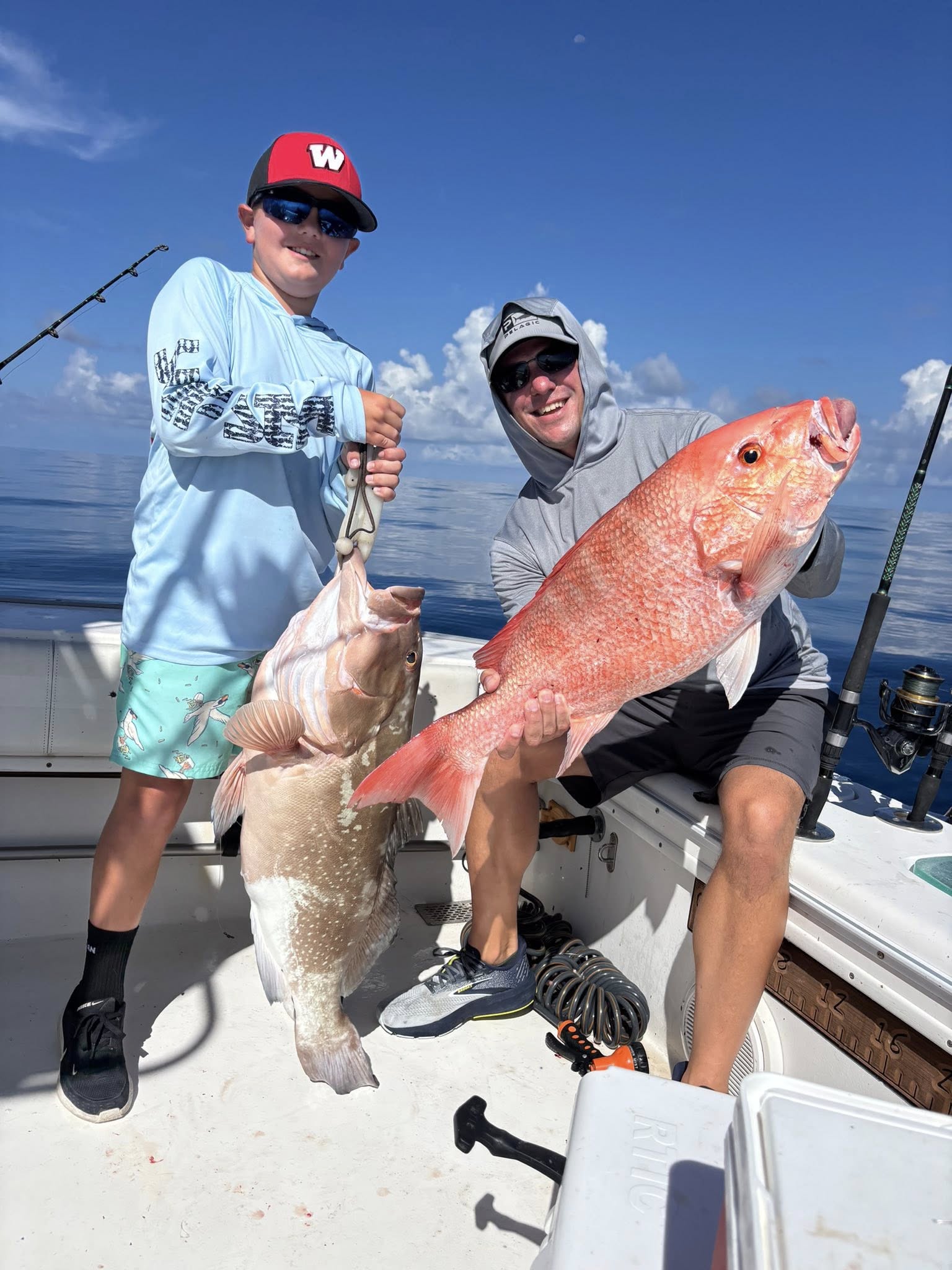
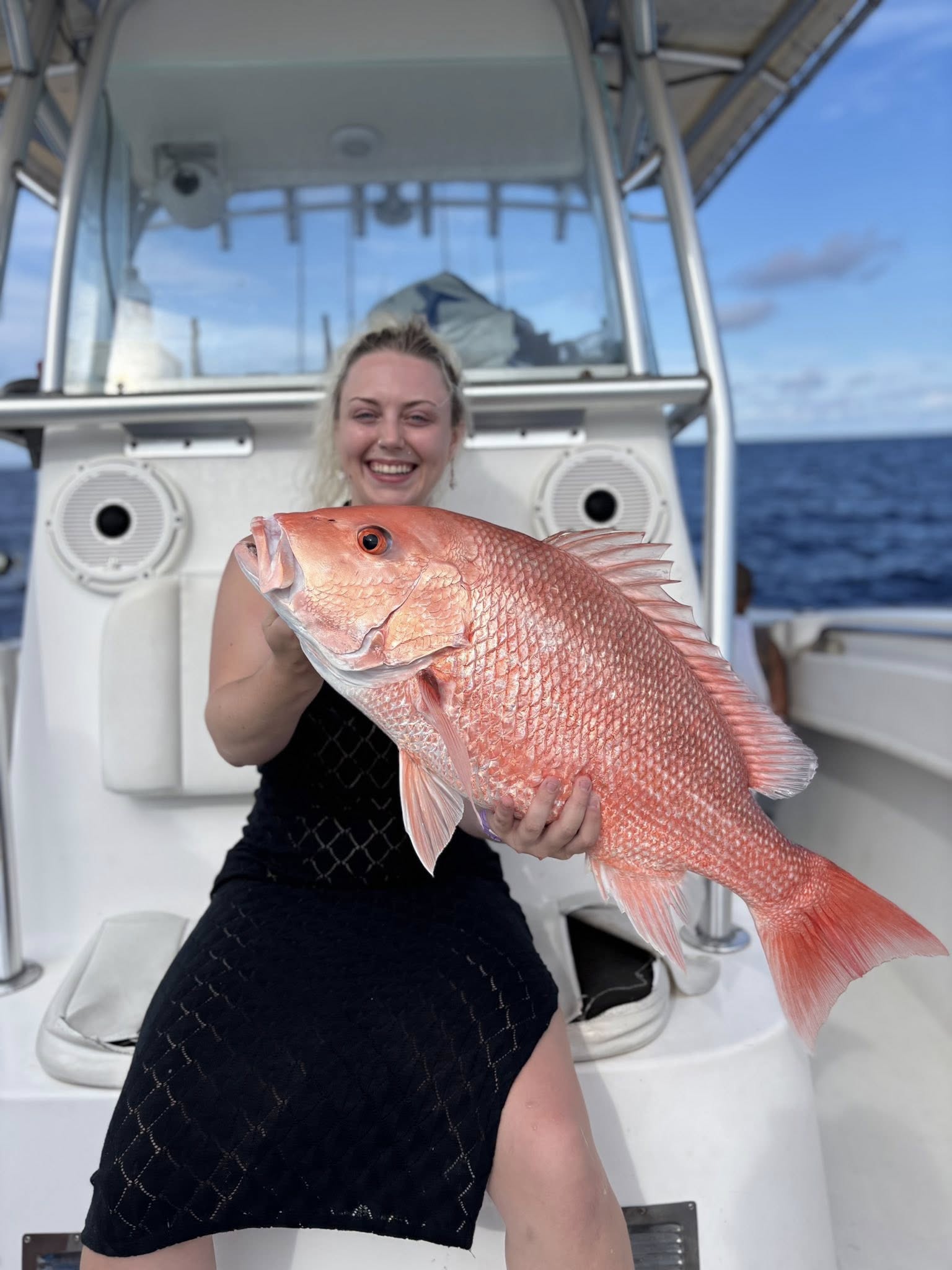
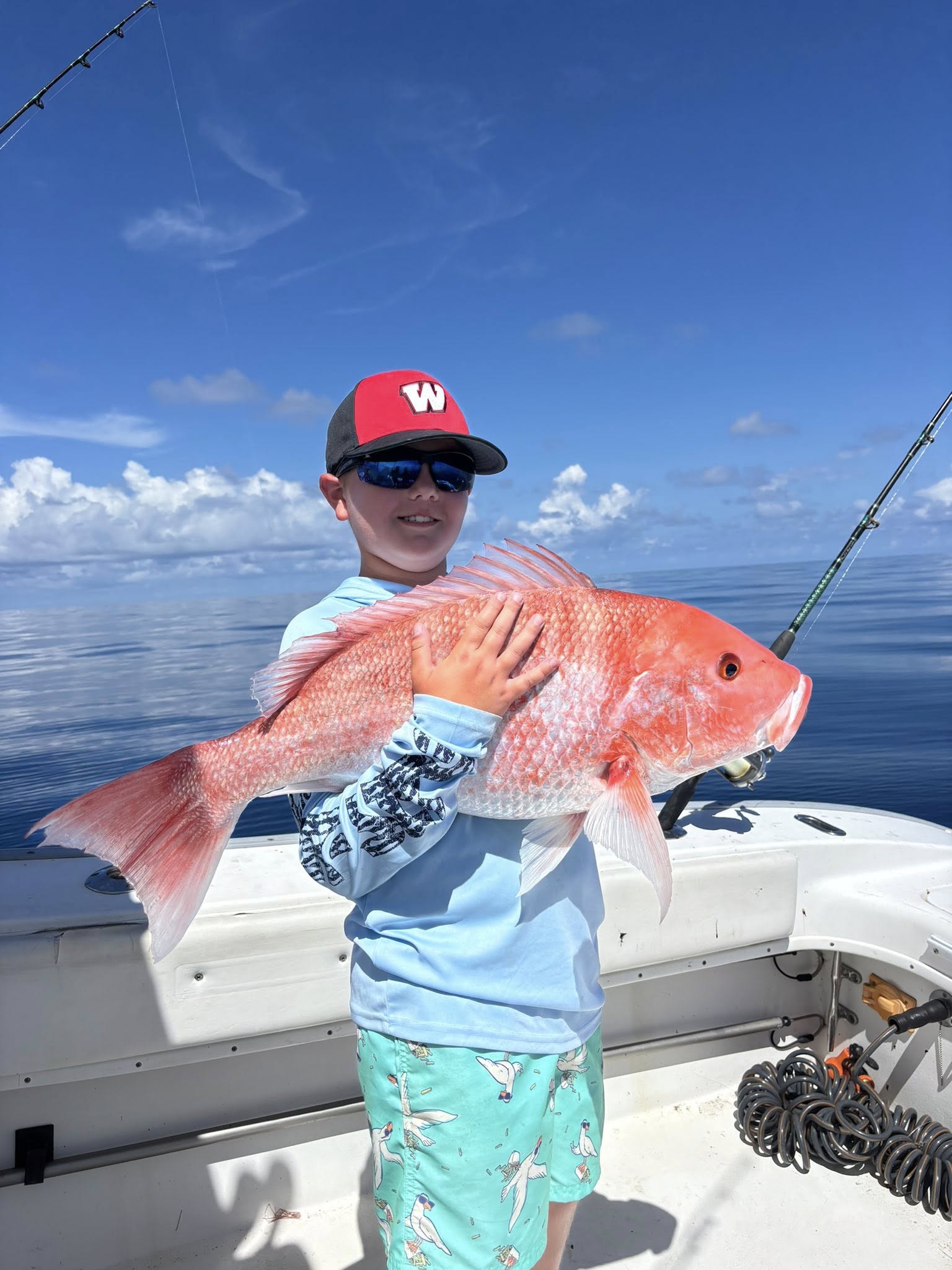
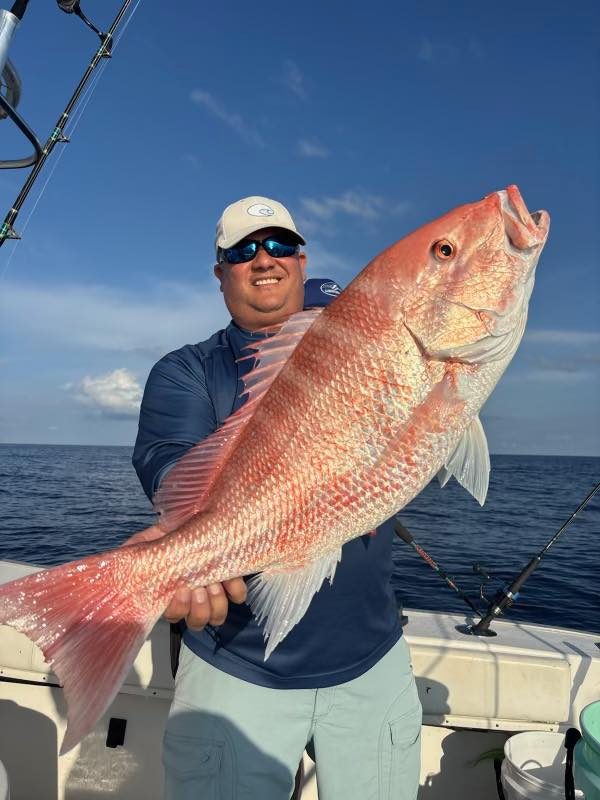
Red snapper are the crown jewel when they're in season, typically during summer months. These fish are smart, finicky, and absolutely delicious. They range from 3 to 15 pounds in our area, and while they might not be the biggest fish you'll catch, they're definitely one of the most prized. Snapper fishing requires finesse and patience – they'll often mouth a bait before committing, and you need to time your hookset just right. When the season is open, there's nothing better than a cooler full of red snapper fillets.
Time to Book Your Spot
This extended half-day trip with Salty Dog Charters delivers the kind of offshore fishing experience that keeps anglers coming back season after season. Captain Brandon's knowledge of local waters, combined with quality tackle and a commitment to putting you on fish, makes this
 Private Trip
 Offshore Fishing
 Largo, FL

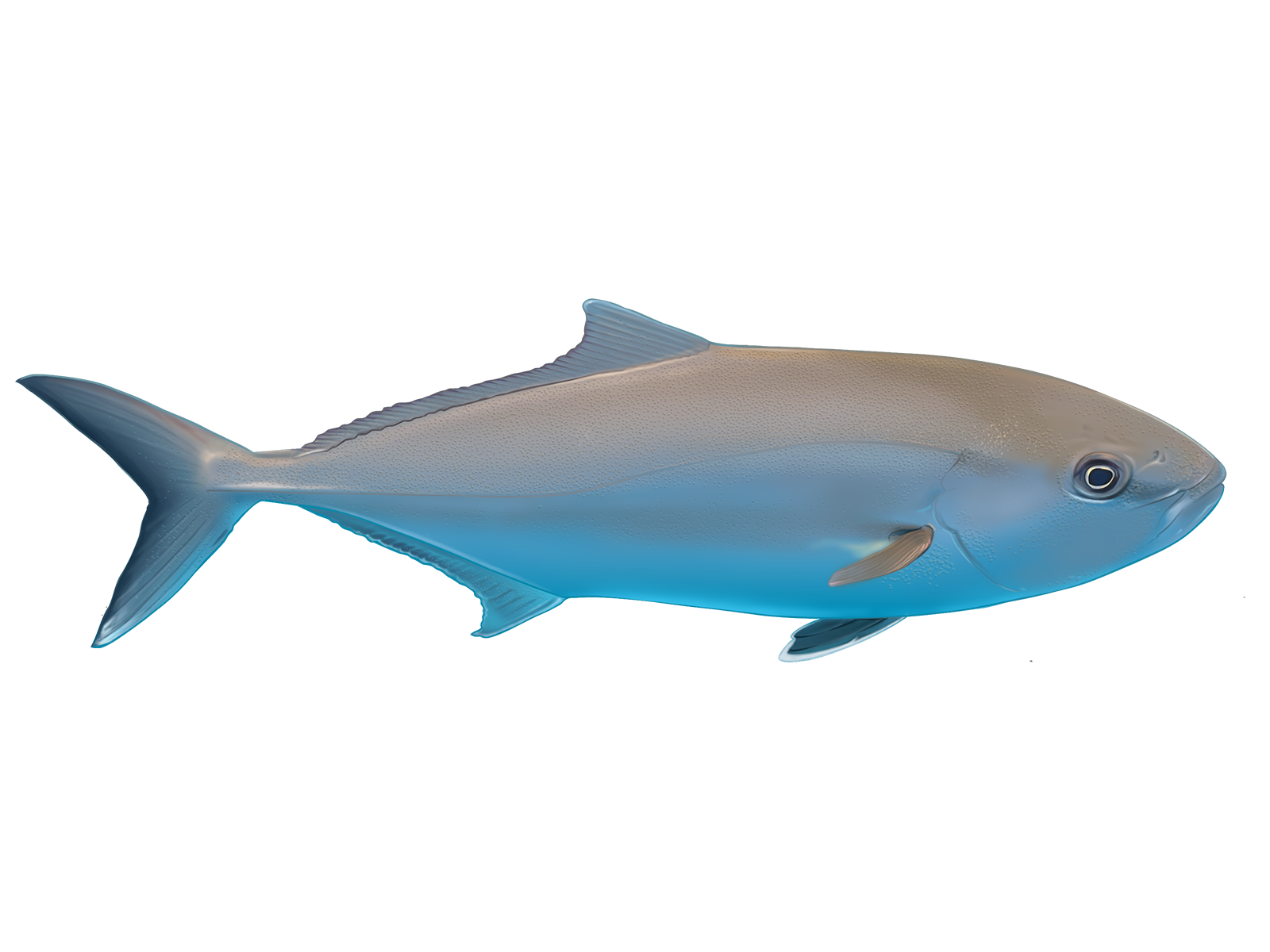


 Extended half-day offshore fishing targeting tuna and amberjack