Reef / Wreck Fishing in Florida Keys
Picture this: you're drifting over a sunken vessel 80 feet below, watching your fish finder light up like a Christmas tree. The Florida Keys deliver some of the most productive wreck fishing on the planet, and our reef and wreck trips put you right in the sweet spots where the big boys hang out. With miles of pristine coastline dotted with artificial reefs and historical wrecks, we've got the local knowledge to put you on fish that'll have you talking for years. Whether you're after a cooler full of dinner or that trophy shot for the wall, these structures hold everything from monster grouper to screaming king mackerel runs.
What to Expect on the Water
Your day starts early – because that's when the fish bite best and before the afternoon winds pick up. We'll cruise out to our top-rated wreck sites, some dating back decades, others purposely sunk to create fish havens. The beauty of fishing the Keys is variety; we've got shallow patch reefs in 25 feet and deep wrecks pushing 100 feet, so we can adjust based on conditions and what's biting. Your captain knows these structures like the back of his hand – every nook, cranny, and current break where fish stack up. With space for up to 6 anglers, there's plenty of room to spread out and work different sides of the boat. Don't expect a leisurely cruise; we're here to fish, and these wrecks don't give up their treasures easily. You'll be dropping baits, working jigs, and staying busy from the time we hit the first spot until we head back to the dock.
Tackle and Techniques
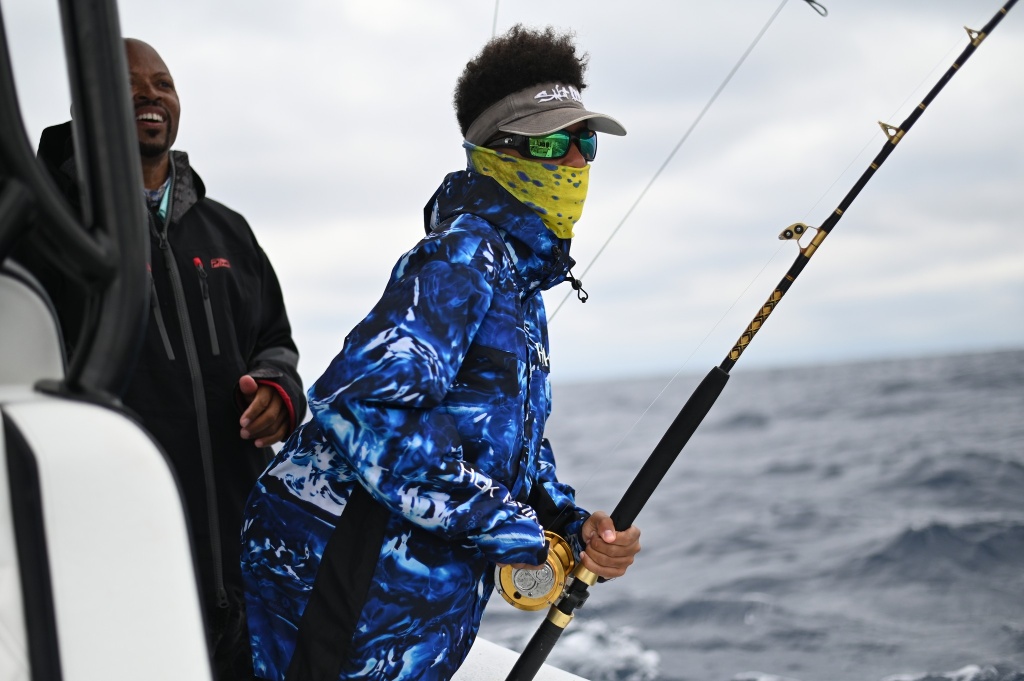
Wreck fishing isn't your typical bottom fishing – it takes the right gear and know-how to pull fish out of structure without getting snagged every drop. We're talking heavy conventional reels spooled with 50-80 pound test, because when a big gag grouper heads for the wreck, you need stopping power. Circle hooks are the name of the game here, both for conservation and keeping fish pinned. Live bait works wonders – pilchards, goggle eyes, and blue runners get slammed by everything swimming around these wrecks. But don't sleep on artificials; vertical jigging with heavy spoons and bucktails can trigger reaction strikes from amberjack and cobia cruising the mid-water column. The key is reading the current and positioning the boat so your baits drift naturally into the strike zone. Most of these wrecks sit in 60-120 feet of water, so we're dealing with serious current and you need weight to get down and stay down.
Top Catches This Season
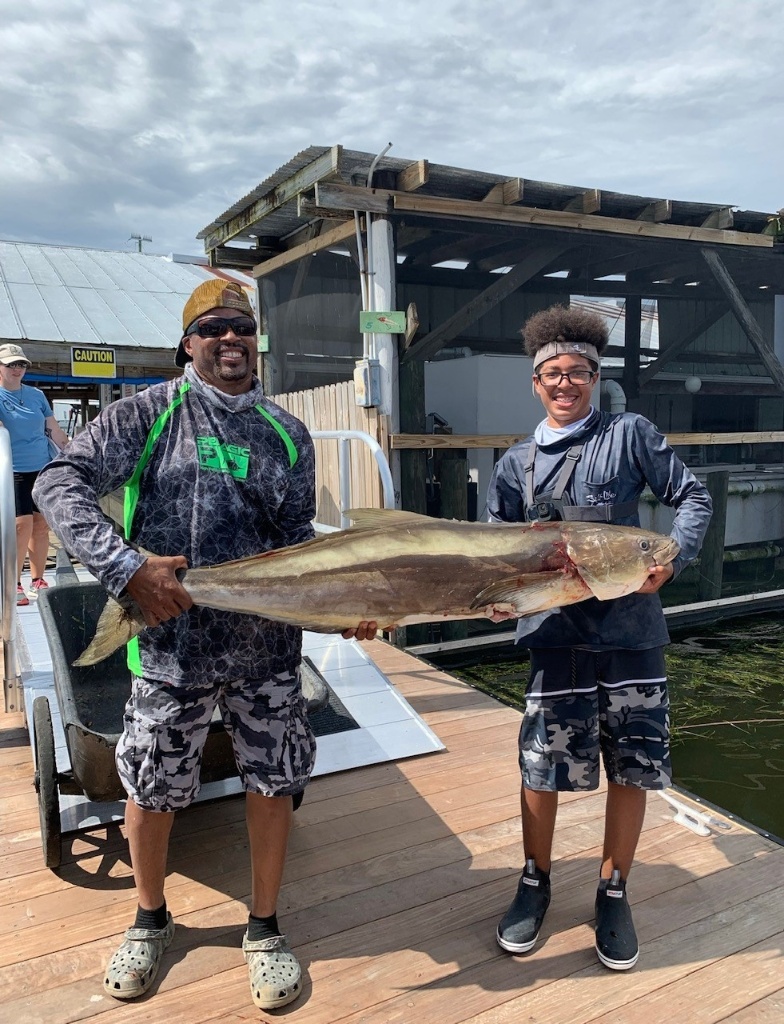
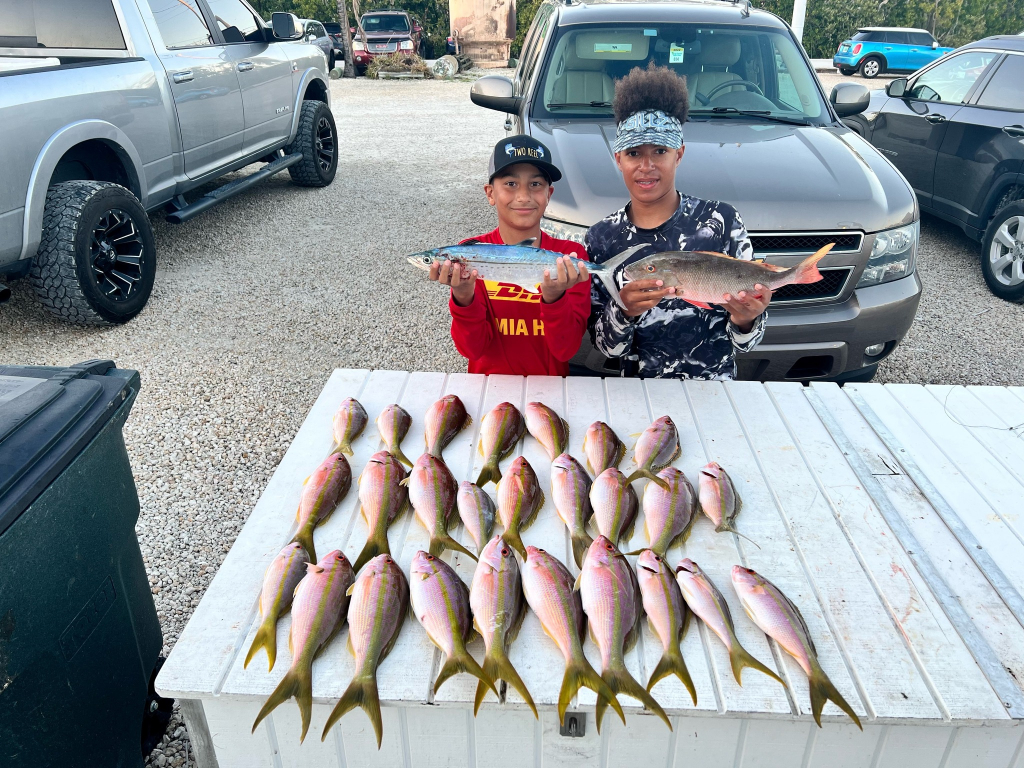
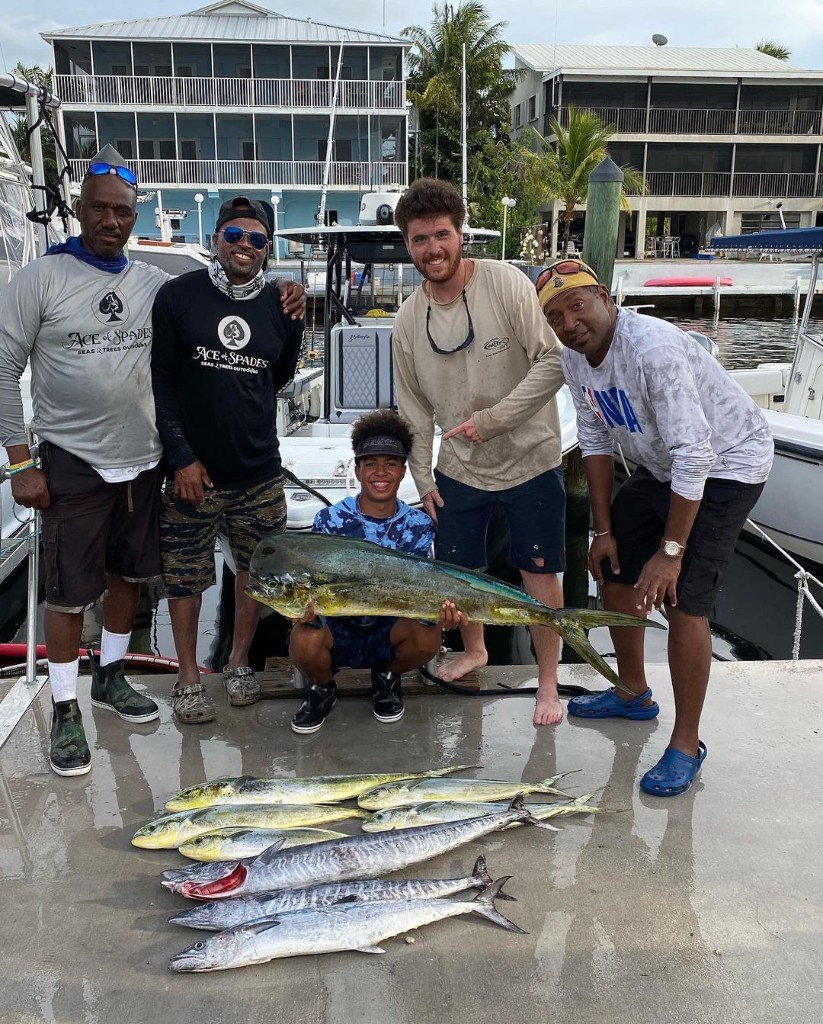
Red snapper are the bread and butter of Keys wreck fishing, and these aren't your typical 2-pound throwbacks. We're talking chunky 8-15 pound fish with some real beasts pushing 20-plus. They school heavy around wrecks from late spring through fall, and once you find them, it's game on. Red snapper are notorious for their strong initial run and ability to cut you off on sharp wreck edges, so keeping steady pressure is crucial. Gag grouper are the real prize – these bruisers average 10-20 pounds but can easily hit 30-40 pounds around the right structure. They're ambush predators that lurk in holes and overhangs, striking fast and heading straight back to cover. Goliath grouper are catch-and-release only, but hooking into a 200-400 pound fish is a bucket list experience you won't forget. King mackerel patrol the edges of wrecks, especially during their spring and fall migrations, and a 30-pound smoker king will test your drag and your arms. Greater amberjack are the workhorses of the wreck – hard fighting, great eating, and always ready to bend your rod double. Cobia cruise these structures year-round, particularly in warmer months, and they're one of the best eating fish in the ocean.
Species You'll Want to Hook
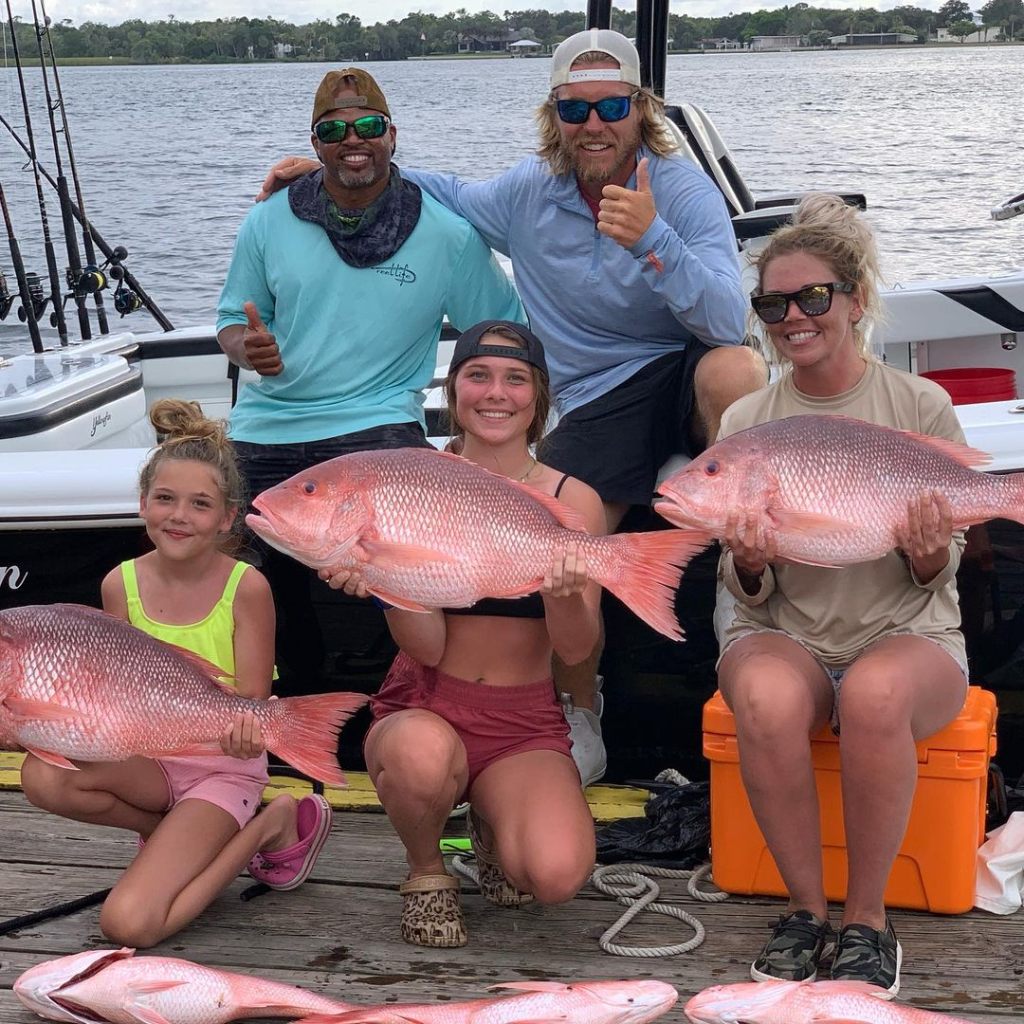
Red Snapper remain the crown jewel of reef fishing in the Keys. These crimson beauties average 8-12 pounds around our local wrecks, with plenty of opportunities for fish pushing 15-20 pounds. Peak season runs June through August, though we catch quality snapper year-round. What makes them special is their incredible table fare – sweet, flaky white meat that's perfect for any preparation. They're also one of the smartest fish out there, often requiring light leaders and perfectly presented baits to fool.
Gag Grouper are the ultimate wreck fish and every angler's favorite target species. These prehistoric-looking predators can live over 30 years and grow massive around structure. In the Keys, we regularly see fish in the 15-25 pound range, with true giants exceeding 40 pounds lurking in the deeper wrecks. Spring and fall offer the best action when water temperatures are ideal. Their powerful jaws and ability to dive straight back into structure make them one of the most challenging fish to land successfully.
Goliath Grouper provide the fish story of a lifetime, even though they're strictly catch-and-release. These gentle giants can exceed 400 pounds and live over 35 years. Summer months bring the most encounters as they congregate around wrecks for spawning. The raw power of a goliath is unlike anything else in fishing – imagine hooking a Volkswagen that doesn't want to come up. Their recovery from near-extinction makes every encounter special.
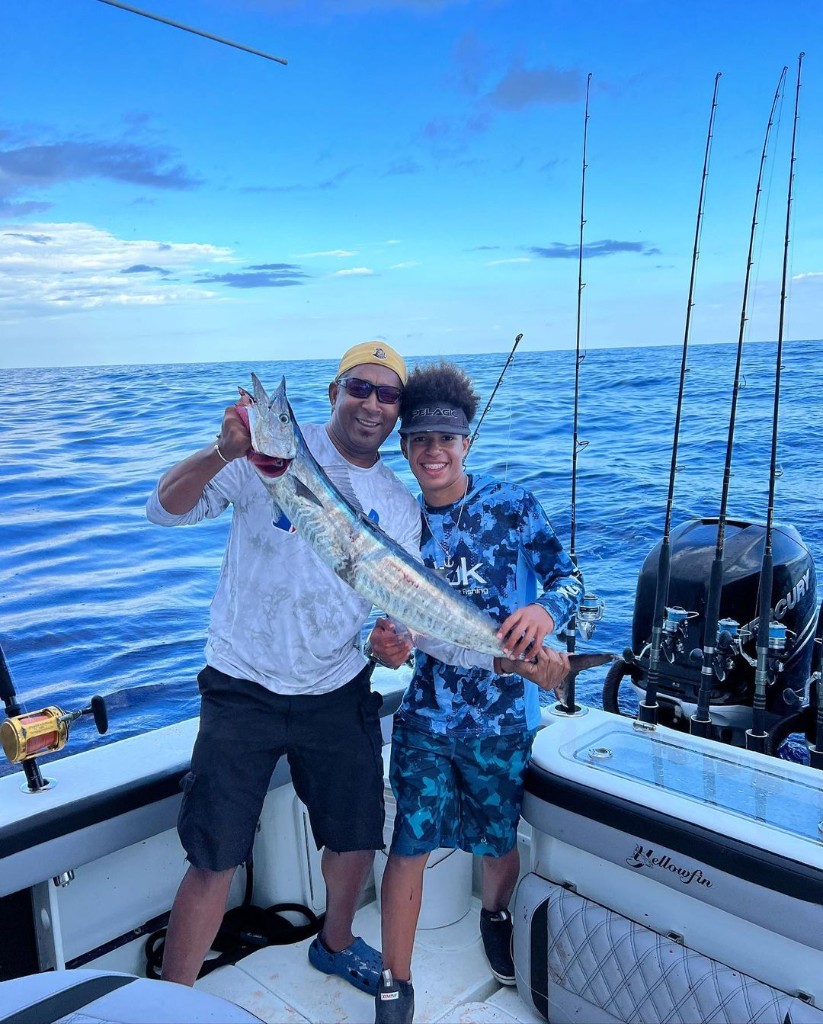
King Mackerel turn every trip into a high-speed chase when they're around. Spring and fall migrations bring schools of kings ranging from 15-40 pounds cruising wreck edges. They're built for speed with razor-sharp teeth, making wire leaders essential. What anglers love most is their initial screaming run that can strip 100 yards of line in seconds, followed by spectacular jumps and head-shaking runs
 Private Trip
 Wrecks/Reefs Fishing
 Islamorada,
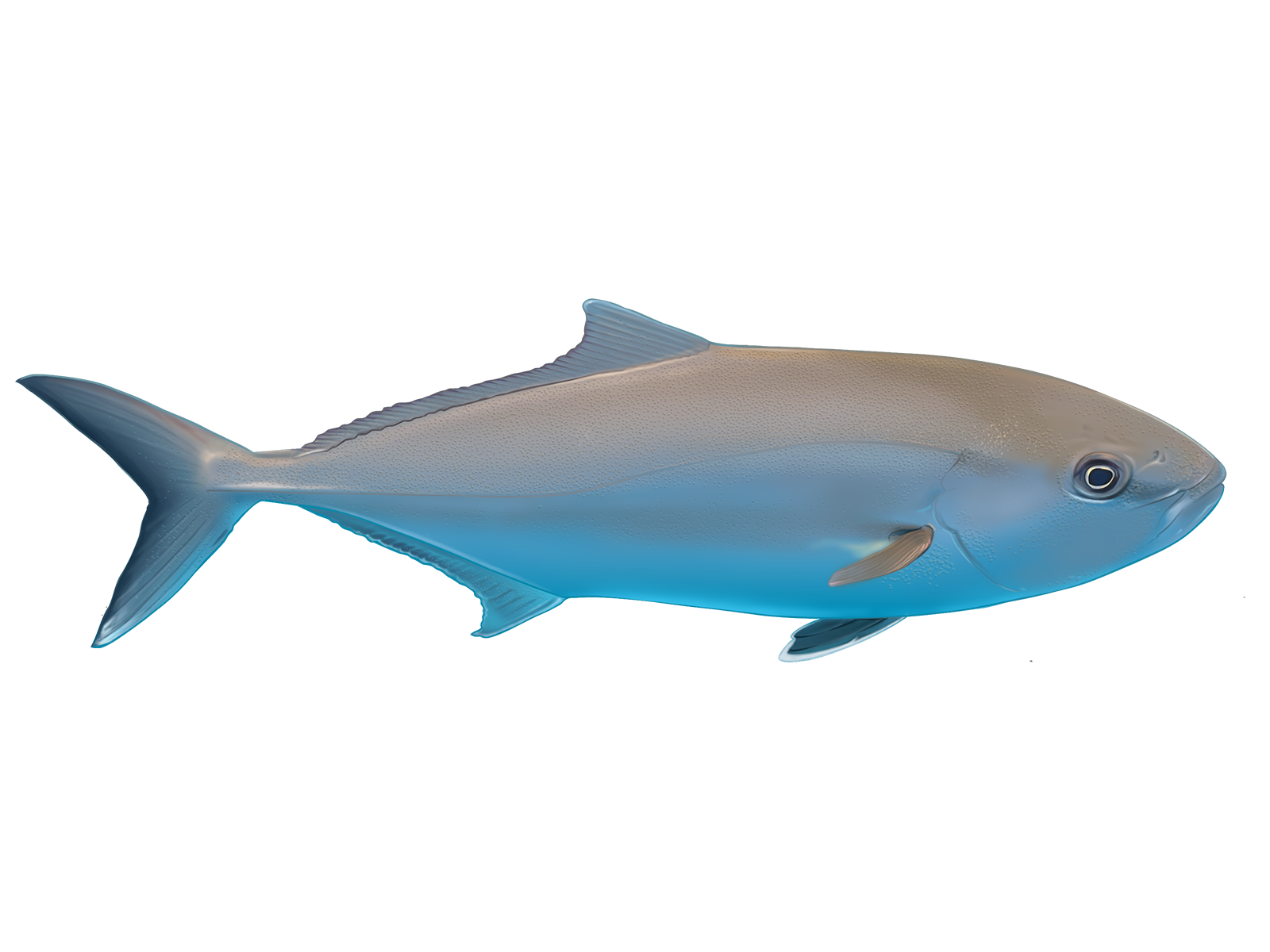


 Target amberjack, grouper, snapper, and king mackerel on reefs