Extended Half Day Wreck Fishing in Islamorada
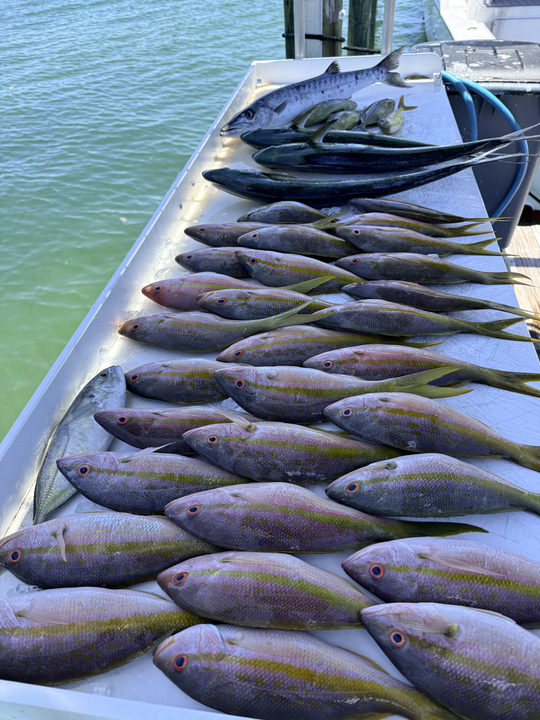
Captain Regina Teixeira knows where the fish live, and she's ready to prove it on this action-packed 6-hour charter out of Islamorada. You'll split time between high-speed offshore trolling and working the productive wrecks that make the Florida Keys legendary among serious anglers. This isn't your typical half-day trip—we're talking about a legitimate fishing adventure that gives you the best of both worlds without committing to a full day on the water.
What to Expect on the Water
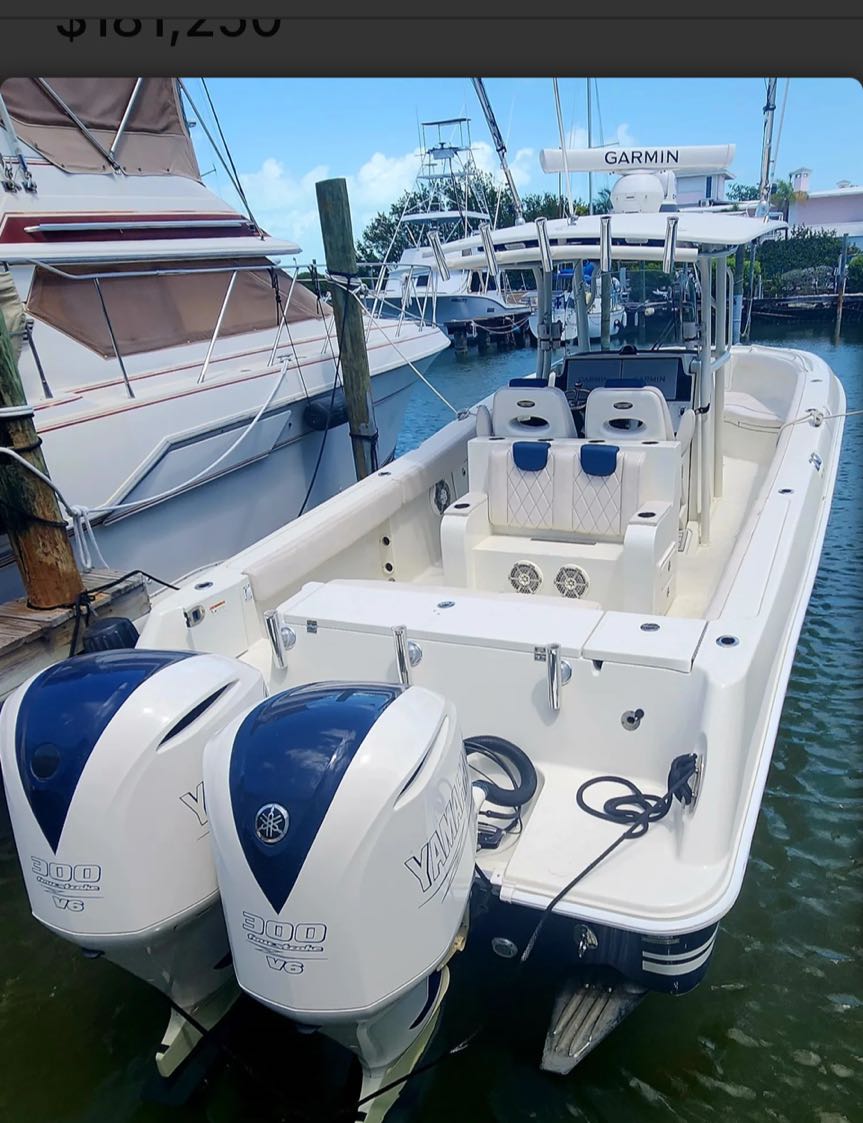
Your day starts with a quick boat briefing before we head out to hunt down some of the most sought-after species in South Florida waters. Captain Regina runs a tight ship but keeps things fun and relaxed—she's got the experience to put you on fish while making sure everyone aboard has a blast. The first part of your trip focuses on offshore trolling, where we'll cover ground looking for pelagic species like Wahoo and Mahi Mahi. Then we'll shift gears and work the nearby wrecks and structure for bottom dwellers like Grouper and Snapper. All your tackle is provided, so you just need to bring sunglasses, sunscreen, and an appetite for some serious fishing action. Plus, everyone goes home with a Size Matters Charters shirt as a bonus.
Trolling and Wreck Techniques
We start offshore pulling a spread of trolling lures designed to trigger strikes from fast-moving predators. Captain Regina sets up the boat with a mix of ballyhoo, feathers, and diving plugs at different depths and distances. When we find birds working or debris lines, that's where the magic happens. After working the blue water, we transition to wreck fishing using GPS coordinates that Captain Regina has dialed in over years of experience. Here we'll drop live bait, jigs, and bottom rigs down to structure where Grouper and Snapper hold tight. The key is reading the fish finder and adjusting your presentation based on what the sonar is showing. You'll get hands-on experience with both techniques, and Captain Regina is great about explaining what's happening so you can apply these skills on future trips.
Customer Stories
"We came for Mahi, and weren't disappointed. The captain was great, very knowledgeable and personable, you could tell she loved doing this. We had a great time, caught lots of fish, and left with more food than we could eat! Would highly recommend!" - Glen-michael Hepworth
Species You'll Want to Hook
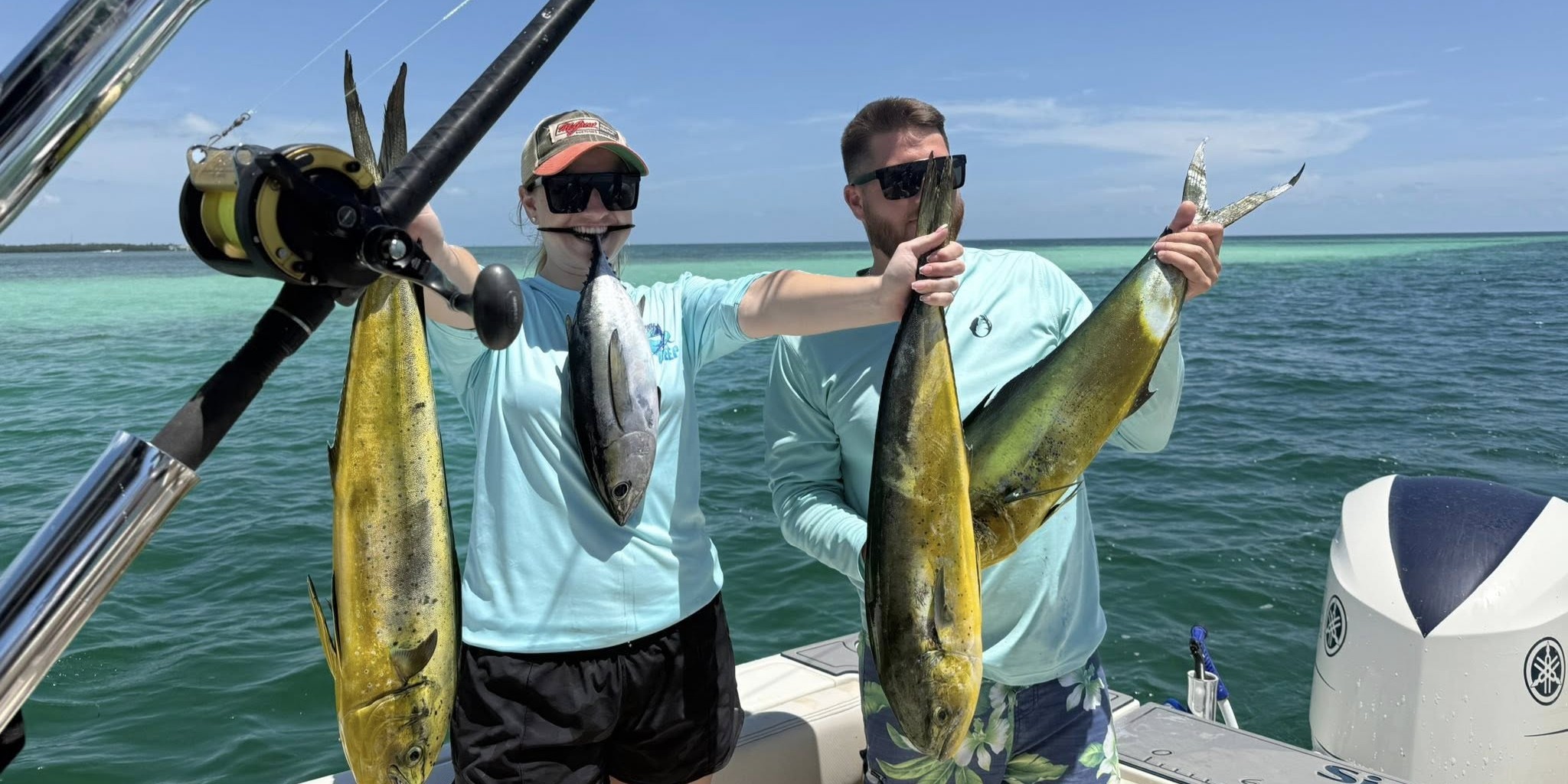
Mahi Mahi are the crown jewel of offshore fishing in Islamorada, and for good reason. These brilliant gold and green fish are pure dynamite on the end of your line, jumping clear out of the water and making long runs that'll test your drag system. They typically run 10-30 pounds in our waters, with bigger bulls pushing 40-plus during peak season from April through September. What makes Mahi special is their willingness to bite—once you find a school, you can often catch multiple fish before they move on. Captain Regina knows how to spot the floating debris and weedlines where these fish congregate, and she's got the trolling patterns dialed in to trigger strikes.
Wahoo might just be the fastest fish you'll ever tangle with in these waters. These torpedo-shaped predators can hit 60 mph and regularly smoke line off your reel before you even know what happened. They're ambush hunters that patrol the edges of the Gulf Stream, and when they hit a trolled bait, it's game on. Most Wahoo we see run 20-50 pounds, with their razor-sharp teeth and blistering speed making them a top-rated target species. Winter months are prime time for Wahoo fishing, when cooler water temperatures bring them closer to shore and more willing to bite.
Blackfin Tuna are the perfect combination of fight and flavor, making them a customer favorite on every trip. These compact powerhouses average 10-20 pounds but fight way above their weight class, making long runs and diving deep when hooked. They're year-round residents in our offshore waters, but the cooler months from October through April see the most consistent action. What anglers love about Blackfin is their schooling behavior—where there's one, there's usually more. They're also excellent table fare, making them perfect for the cooler.
Gag Grouper are the kings of structure fishing around Islamorada's wreck sites. These bottom dwellers can reach impressive sizes, with fish over 30 pounds not uncommon on the deeper wrecks. What makes Grouper fishing exciting is the initial hookup—they'll try to dive straight back into the wreck, and you've got to turn them quickly or risk getting cut off on the structure. They're ambush predators that hold tight to cover, so precise boat positioning and the right bait presentation are crucial. The reward is some of the best eating fish in the ocean.
Great Barracuda add an element of surprise to every trip, often showing up when you least expect them. These toothy predators are opportunistic feeders that will crash a bait or lure with explosive force. They're common around the wrecks and can reach impressive sizes—fish over 40 inches are regular catches. What makes Barracuda memorable is their aerial displays when hooked, often jumping multiple times and putting on a real show. They're also excellent on light tackle, making every hookup feel like a major event.
Time to Book Your Spot
This extended half-day format gives you serious fishing time without the commitment of a full day charter, making it perfect for families, couples, or small groups looking to experience world-class fishing in the Florida Keys. Captain Regina's local knowledge and passion for the sport shine through on every trip, and with only 4 anglers maximum, you'll get plenty of personalized attention. The combination of offshore
 5.0(2 Reviews)
 Private Trip
 Wrecks/Reefs Fishing
 Islamorada, FL


 6-hour charter targets Wahoo, Mahi Mahi, Tuna, and Grouper