Islamorada Offshore Fishing Charters
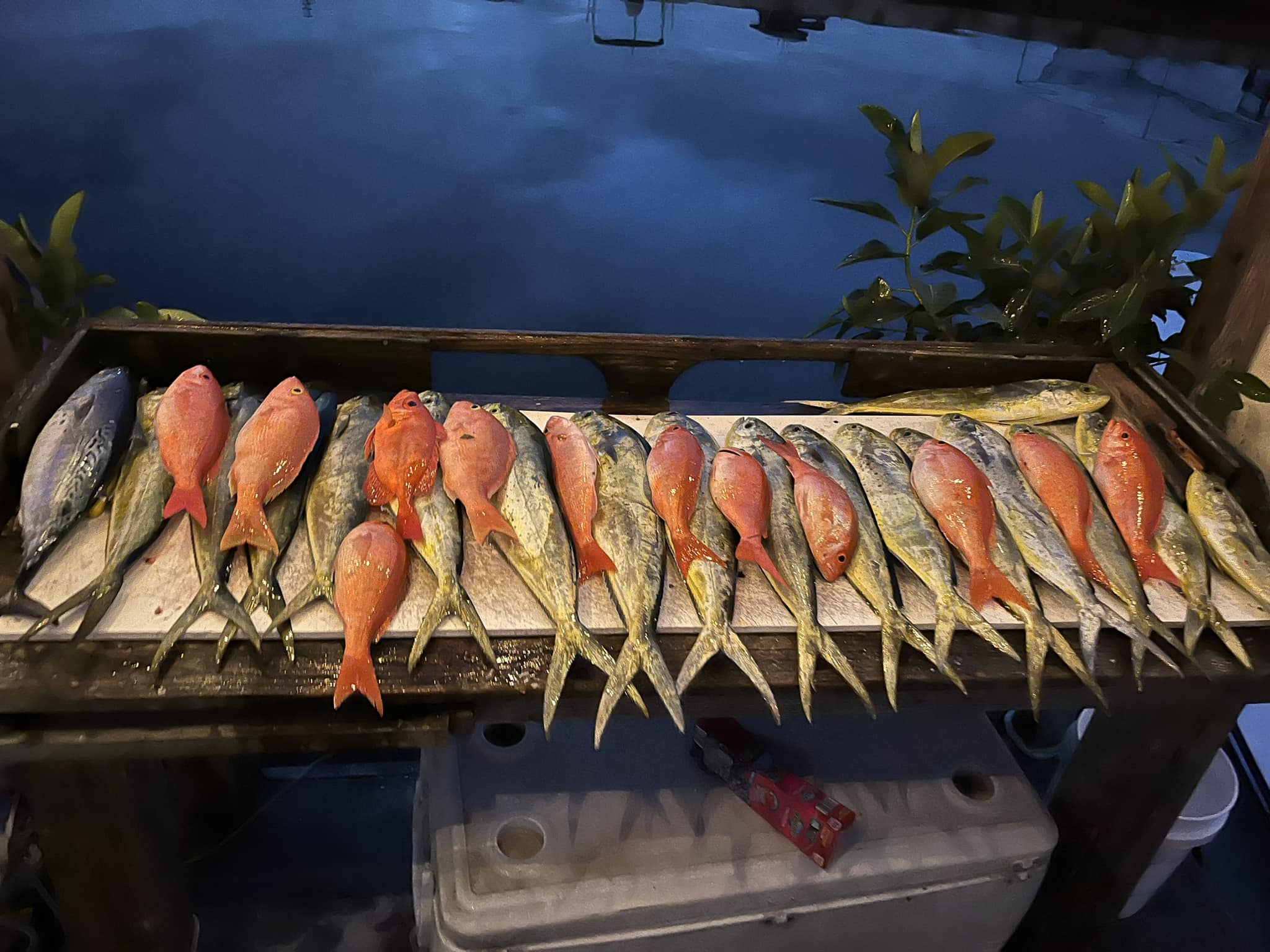
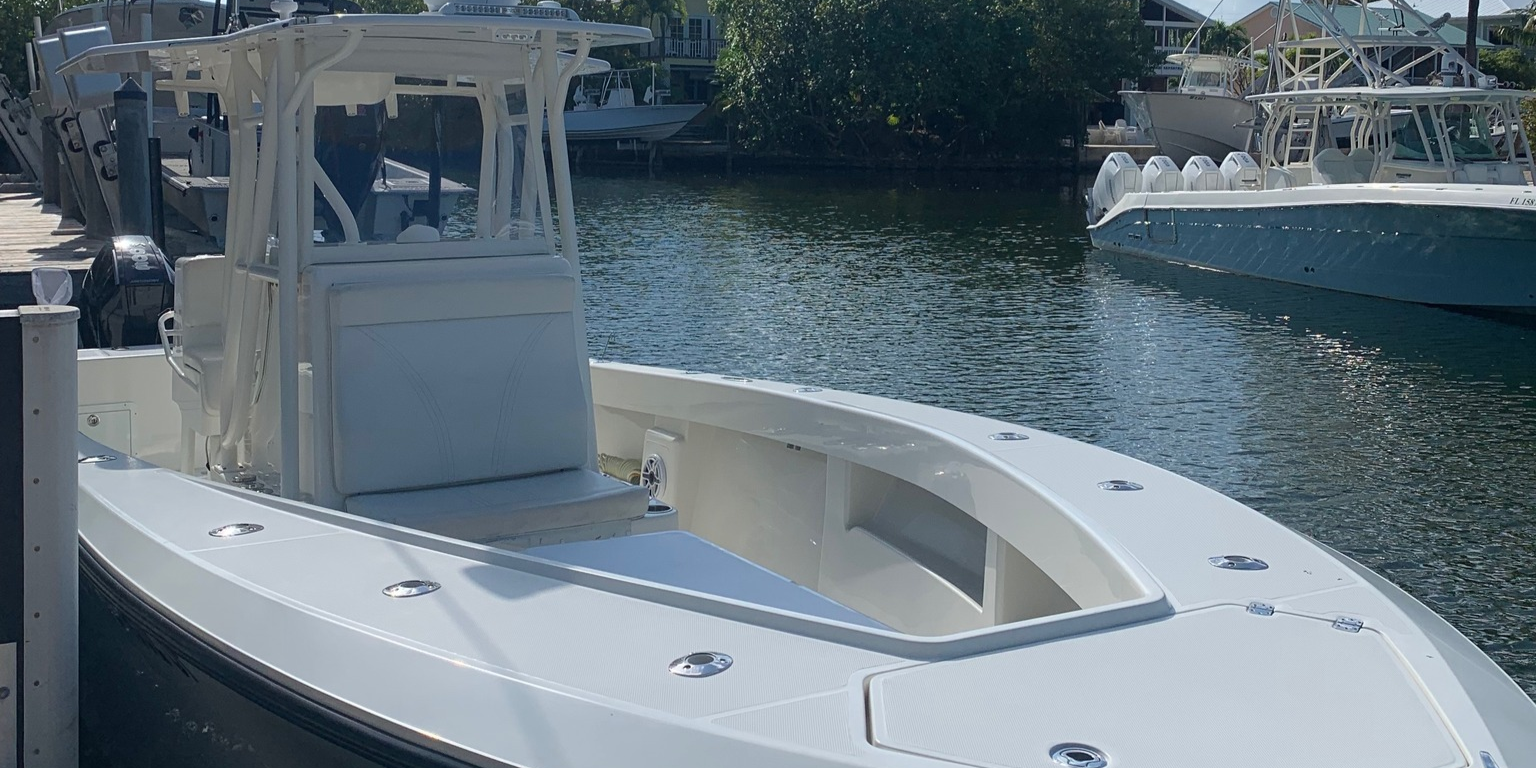
Captain Will's offshore fishing charters out of Islamorada put you right in the heart of some of Florida's most productive fishing grounds. You're looking at 4 to 8 hours on the water targeting everything from snapper and grouper on the wrecks to sailfish and kingfish in the open blue. With just 4 anglers max, you'll get plenty of rod time and personal attention from a captain who knows these waters like the back of his hand. The boat's rigged and ready, tackle's provided, and all you need to bring is your fishing license, snacks, drinks, and that feeling you get when you know the fish are biting.
What to Expect on the Water
Your day starts early at the dock in Islamorada, where Captain Will will have the boat fueled up and tackle organized for the species we're targeting. The first part of your trip typically focuses on wreck and reef fishing, where you'll drop lines for snapper, grouper, and jacks. These structures hold serious fish, and it's not uncommon to box your limit before switching gears. Once we've got some meat fish in the cooler, we'll often make our way to the deeper water where the pelagics cruise. This is where things get exciting – sailfish rolling on baits, kingfish screaming drag, and cobia cruising the surface looking for an easy meal. The beauty of Islamorada's location is that you're never more than a short run from world-class fishing, whether you want to bang bottom fish or chase billfish.
Tackle and Techniques
Captain Will runs a well-equipped boat with everything you need for both bottom fishing and trolling. For the wreck and reef action, we'll be using conventional reels spooled with 50-80 pound test, dropping cut bait and live bait down to depths ranging from 40 to 120 feet. Circle hooks are the standard here – they hook fish in the corner of the mouth and reduce gut hooking, which means better survival rates for fish you release. When we switch to targeting pelagics, the spread goes out with a mix of ballyhoo, bonito strips, and sometimes live bait depending on what's working. The trolling rods are set up with 30-50 pound tackle, perfect for handling everything from kingfish to sailfish. Don't worry if you're new to offshore fishing – Captain Will will show you the ropes, from working a fish on heavy tackle to proper gaffing technique when it's time to boat your catch.
Species You'll Want to Hook
Atlantic Sailfish are the crown jewel of South Florida offshore fishing, and Islamorada sits right in their migration path. These acrobatic billfish show up consistently from November through April, with peak action typically in the winter months. When a sail hits your ballyhoo, you'll know it immediately – they often jump multiple times on the initial run, putting on a show that'll get your heart racing. Most sailfish here run 6 to 8 feet long and 40 to 60 pounds, making them perfect on 30-pound tackle. The fight is all about the jumps and long runs, and Captain Will's approach focuses on keeping steady pressure while giving the fish room to show off.
King Mackerel, or "smoker kings" as the locals call the big ones, are year-round residents in these waters with peak seasons in spring and fall. These silver missiles can hit 40-50 pounds off Islamorada, and they'll test every inch of your drag system. Kings are aggressive feeders that respond well to both trolled dead baits and live bait presentations. The key to landing a big king is having sharp hooks and a good drag setting – these fish have razor-sharp teeth and a habit of making sudden direction changes that can part your line in a heartbeat. The meat is fantastic grilled or blackened, making kings a favorite for anglers who like to eat their catch.
Greater Amberjack are the bullies of the wreck, and fighting one in 80 feet of water will remind you why they call them "reef donkeys." These fish can exceed 50 pounds off Islamorada and they use every bit of that weight to try to get back to their structure. Jacks hit live bait hard and immediately head for the bottom, making the first few minutes of the fight absolutely critical. If you let them get their head down and reach the wreck, you're probably getting broken off. The technique here is to horse them up from the bottom using steady pressure and a locked drag. AJ season runs best from March through May, when the big breeding fish move shallow and feed aggressively.
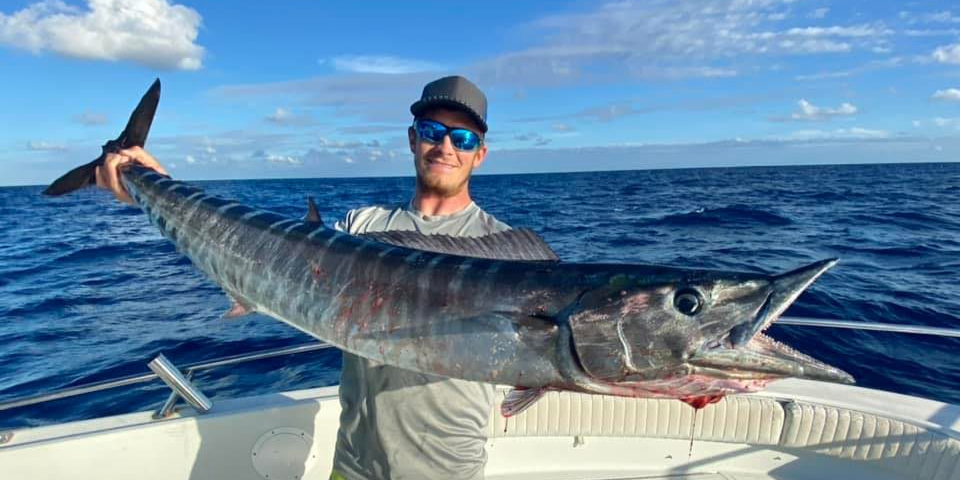
Wahoo are speed demons that can show up anywhere from 100 to 300 feet of water, often when you least expect them. These torpedo-shaped predators can hit 60+ mph and regularly jump completely out of the water when hooked. Most wahoo off Islamorada run 20 to 40 pounds, though 50+ pounders are always possible. They respond best to high-speed trolling with wire leaders – their teeth can slice through mono like a knife through butter. Wahoo fishing is typically best in the cooler months when baitfish are thick, and they often show up mixed in with the sailfish bite. The meat is premium table fare, with a texture similar to mahi but a slightly different flavor profile.
Cobia are one of the most exciting fish to target because you often see them before you hook them. These brown sharks, as they're sometimes called, cruise the surface looking for rays and crabs, making them perfect targets for sight fishing. During their spring migration (March through May), cobia move through Islamorada in good numbers, often traveling in small groups. A 30-40 pound cobia will give you a dogged fight with multiple runs, and they're notorious for making one last surge right at the boat. Captain Will keeps a selection of jigs and live baits ready for cobia encounters, and the key is making accurate casts to
 Private Trip
 Offshore Fishing
 Islamorada

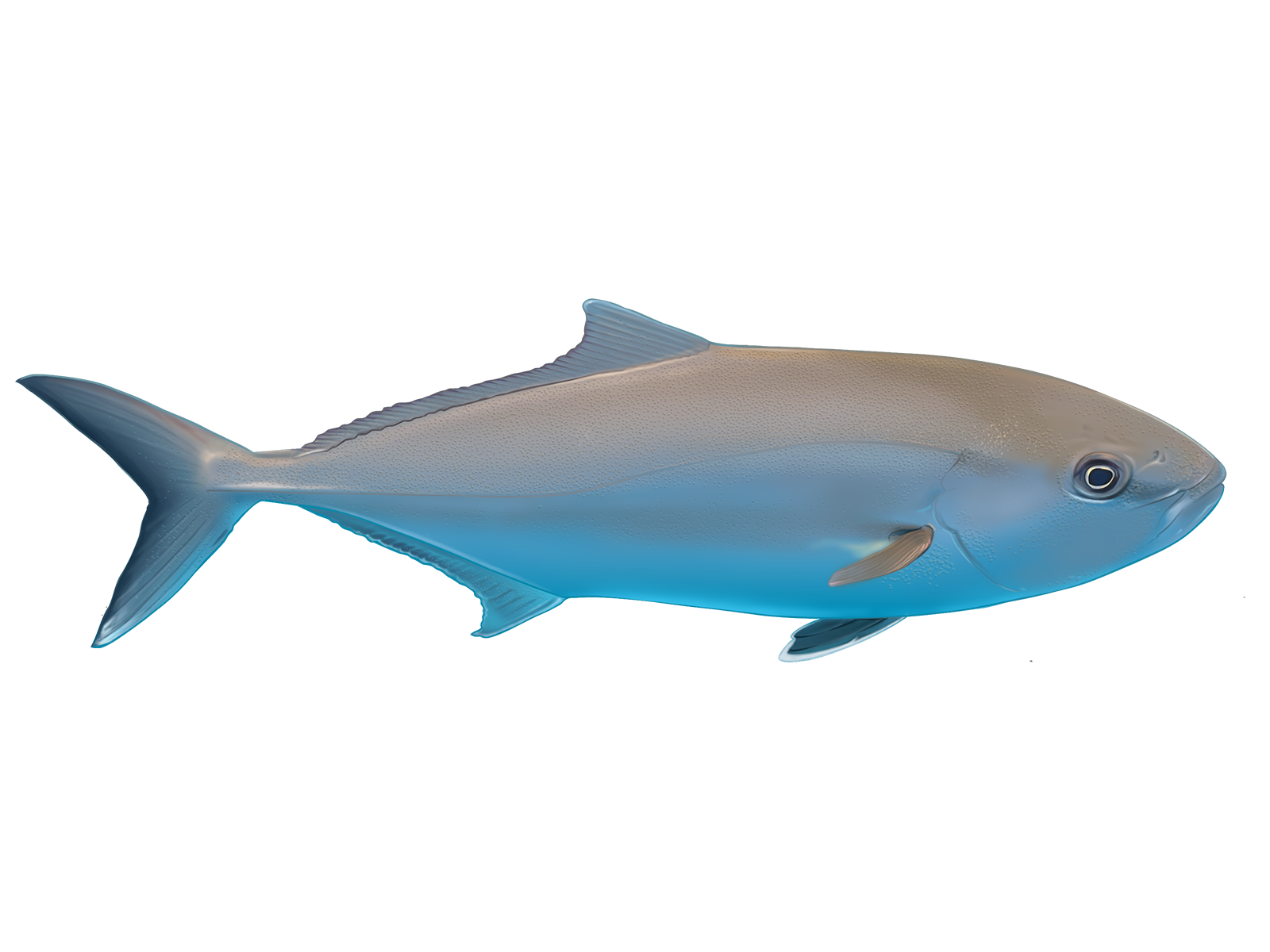


 Target snapper, grouper, jack, and bottom fish species