Top-Rated Murrells Inlet Inshore Fishing
Welcome to some of the best inshore fishing South Carolina has to offer. When you step aboard with Southern Charter Co in Murrells Inlet, you're getting access to waters that have been producing trophy catches for decades. This isn't your typical day on the water – we're talking about serious fishing in one of the most productive estuaries along the entire Atlantic coast. Our 4-person capacity means you'll get personalized attention and plenty of room to fight fish without bumping elbows. The saltmarsh creeks, nearshore reefs, and structured bottom around Murrells Inlet create the perfect storm for King Mackerel, Spanish Mackerel, Cobia, and even some surprise Blacktip Sharks that'll test your drag system.
What to Expect on the Water
Your inshore adventure starts before dawn when the bait is most active and the big predators are feeding. We'll cruise out through the inlet, passing shrimp boats and working our way to the productive waters where the Atlantic meets the coastal structures. The beauty of inshore fishing here is the variety – one minute you're working live bait around a reef for Cobia, the next you're trolling spoons for Kings cruising the edge. The water clarity around Murrells Inlet ranges from gin-clear on the nearshore reefs to the tannin-stained creeks where Spanish Mackerel love to ambush baitfish. You'll spend your day moving between honey holes, reading the water, and adjusting tactics based on what the fish are telling us. The scenery doesn't hurt either – watching the sunrise paint the South Carolina coast while you're rigged and ready is something that never gets old, even after all these years guiding these waters.
Gear Setup & Techniques
We run a mix of techniques depending on what's biting and where we find the fish. For the Kings and Spanish, we'll have spinning reels loaded with 20-30 pound test, rigged with wire leaders because those razor teeth will slice through mono like butter. Live bait fishing means we'll be working with cigar minnows, blue runners, or whatever's abundant on the bait grounds that morning. When we're targeting Cobia around structure, expect to see us switching to heavier tackle – these fish can push 40-50 pounds and they love to head straight for the nearest piling or reef when hooked. The trolling spread usually includes a mix of spoons, diving plugs, and sometimes live bait on flat lines when conditions are right. For the Spanish Mackerel action, we'll often switch to lighter tackle with small spoons or jigs – these fish are fast and aggressive, but they're also a blast on appropriate gear. All equipment is provided, but if you've got a favorite rod you want to bring, we're always happy to have serious anglers aboard.
Species You'll Want to Hook
King Mackerel are the crown jewel of our inshore fishery, and for good reason. These torpedo-shaped predators can reach 30-40 pounds in our waters, and when one hits your bait, you'll know it immediately. Kings are most active from late spring through fall, with the biggest fish typically showing up during the cooler months. They're structure-oriented fish, hanging around reefs, wrecks, and drop-offs where baitfish congregate. What makes them so exciting to catch isn't just their size – it's their incredible speed and aerial displays. A big King will make screaming runs that'll have your reel smoking, and they're known for their spectacular jumps that can happen when you least expect it.
Spanish Mackerel might be smaller than their King cousins, but pound for pound, they're some of the hardest fighting fish in these waters. These 2-4 pound speedsters are incredibly aggressive and will hit just about anything that moves through the water column. Peak season runs from spring through early fall, and they're often the most reliable bite when other species are being finicky. Spanish Mackerel school heavily, so when you find one, you've usually found dozens. They're also excellent table fare – their firm, white meat is perfect for the grill or smoker. Many anglers underestimate Spanish Mackerel, but on light tackle, they'll give you a fight you won't forget.
Cobia are the wildcards of our inshore trips, and catching one is always a highlight. These brown sharks of the fish world can reach impressive sizes – 30 to 50 pounds isn't uncommon in our waters. They're curious fish, often following rays and sharks, which makes sight fishing for them particularly exciting. Cobia season peaks during their spring and fall migrations, but we see them throughout the warmer months around structure. What makes Cobia special is their intelligence and power. They'll inspect your bait carefully before committing, and once hooked, they'll use every trick in the book to get free. Their broad tail and muscular body make them incredibly strong fighters, and they're known for their bulldogging runs that'll test both your tackle and your patience.
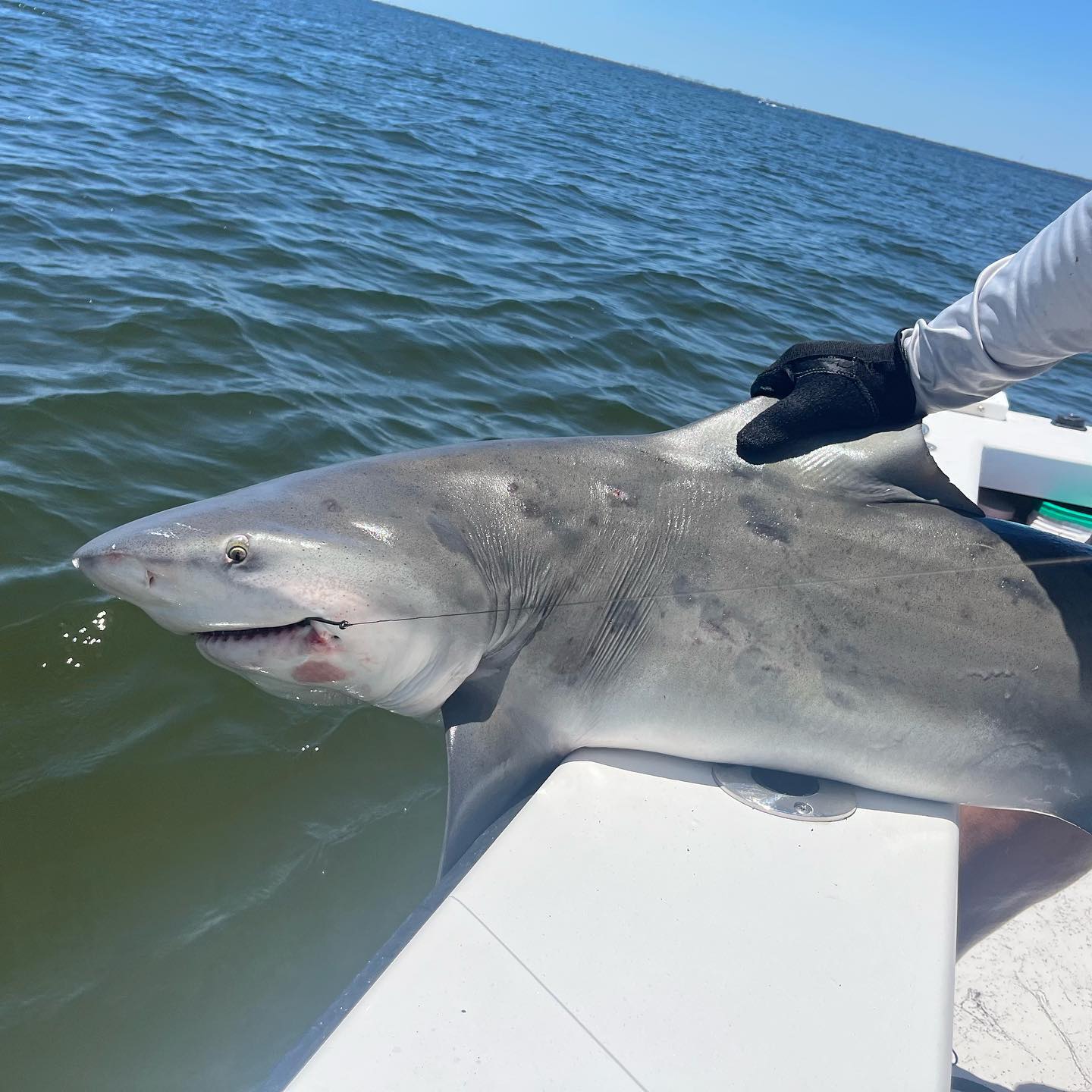
Blacktip Sharks add an element of surprise to our inshore trips. These athletic predators average 3-6 feet and are known for their spectacular aerial displays when hooked. Blacktips are most active during the warmer months when they move into our nearshore waters to feed and reproduce. They're incredibly fast and agile, capable of jumping completely out of the water multiple times during a fight. While they're catch and release only, the experience of battling a shark in relatively shallow water is something that stays with anglers long after the trip ends. Their presence also indicates a healthy ecosystem, which usually means good fishing for our target species as well.
Time to Book Your Spot
Murrells Inlet inshore fishing with Southern Charter Co delivers the kind of action that keeps anglers coming back season after season. Whether you're a seasoned angler looking for your next personal best or a newcomer wanting to experience worl
 Private Trip
 Inshore Fishing
 Myrtle Beach


 Target Kings, Spanish Mackerel, and Cobia on inshore waters