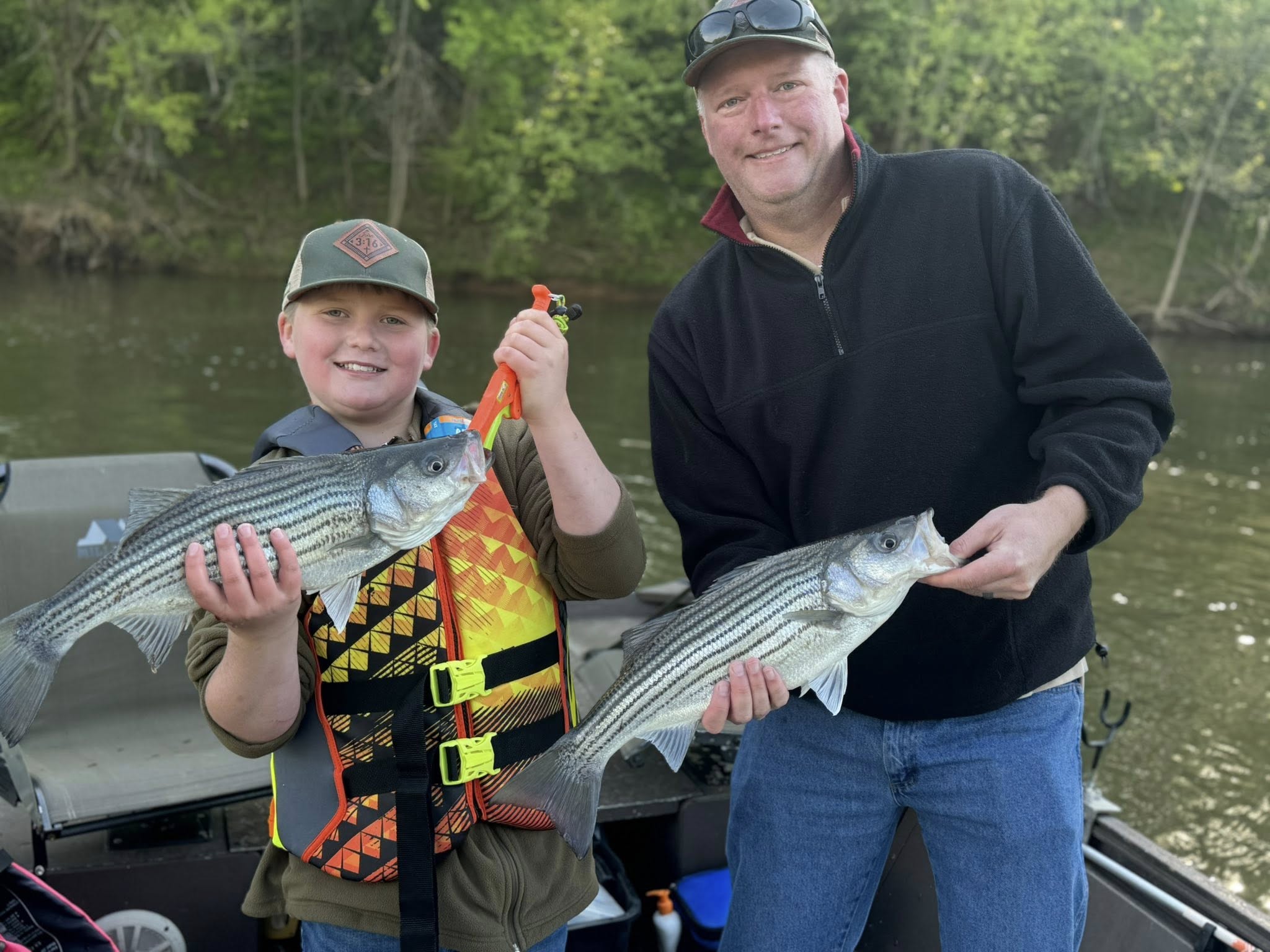
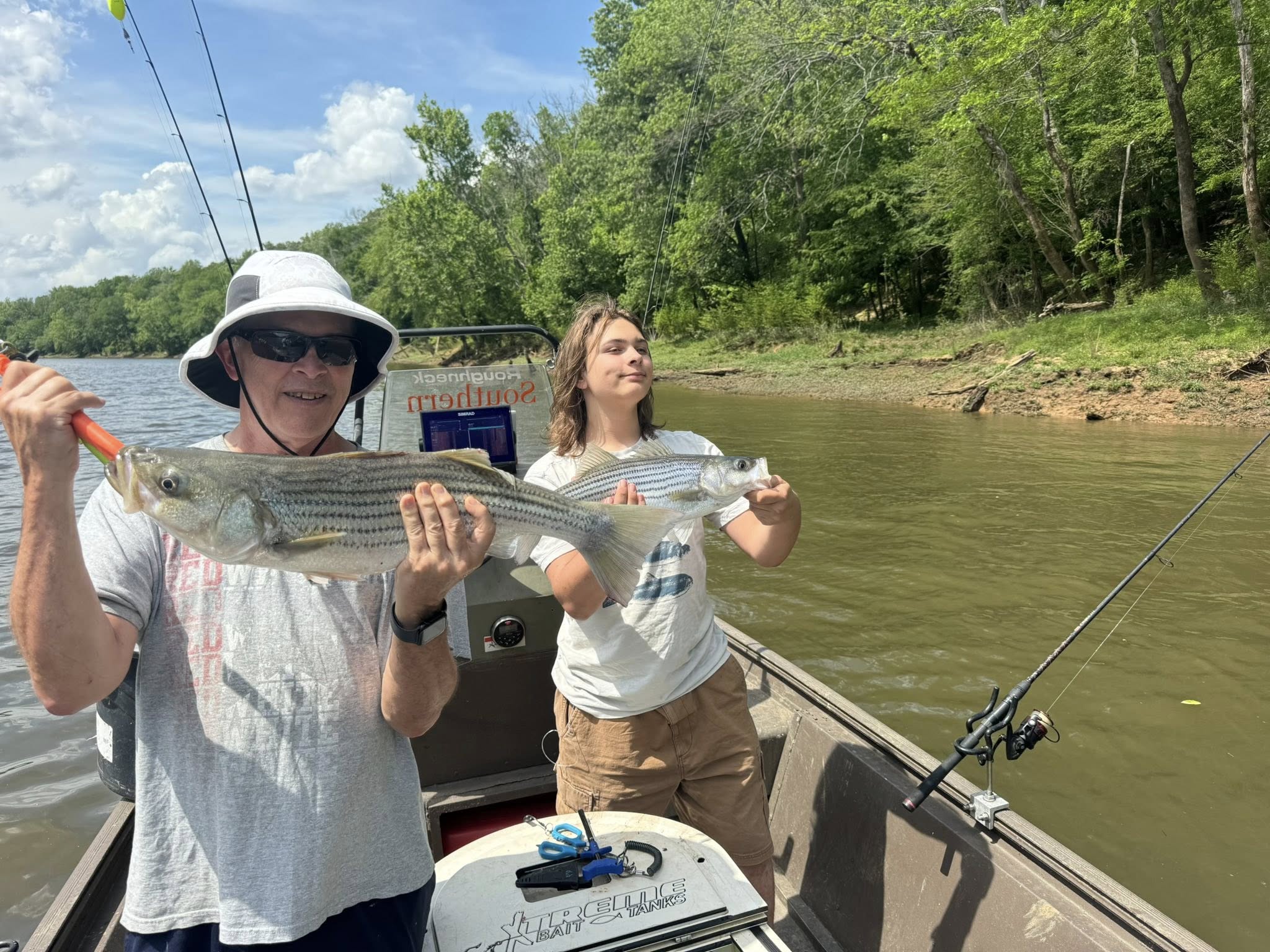
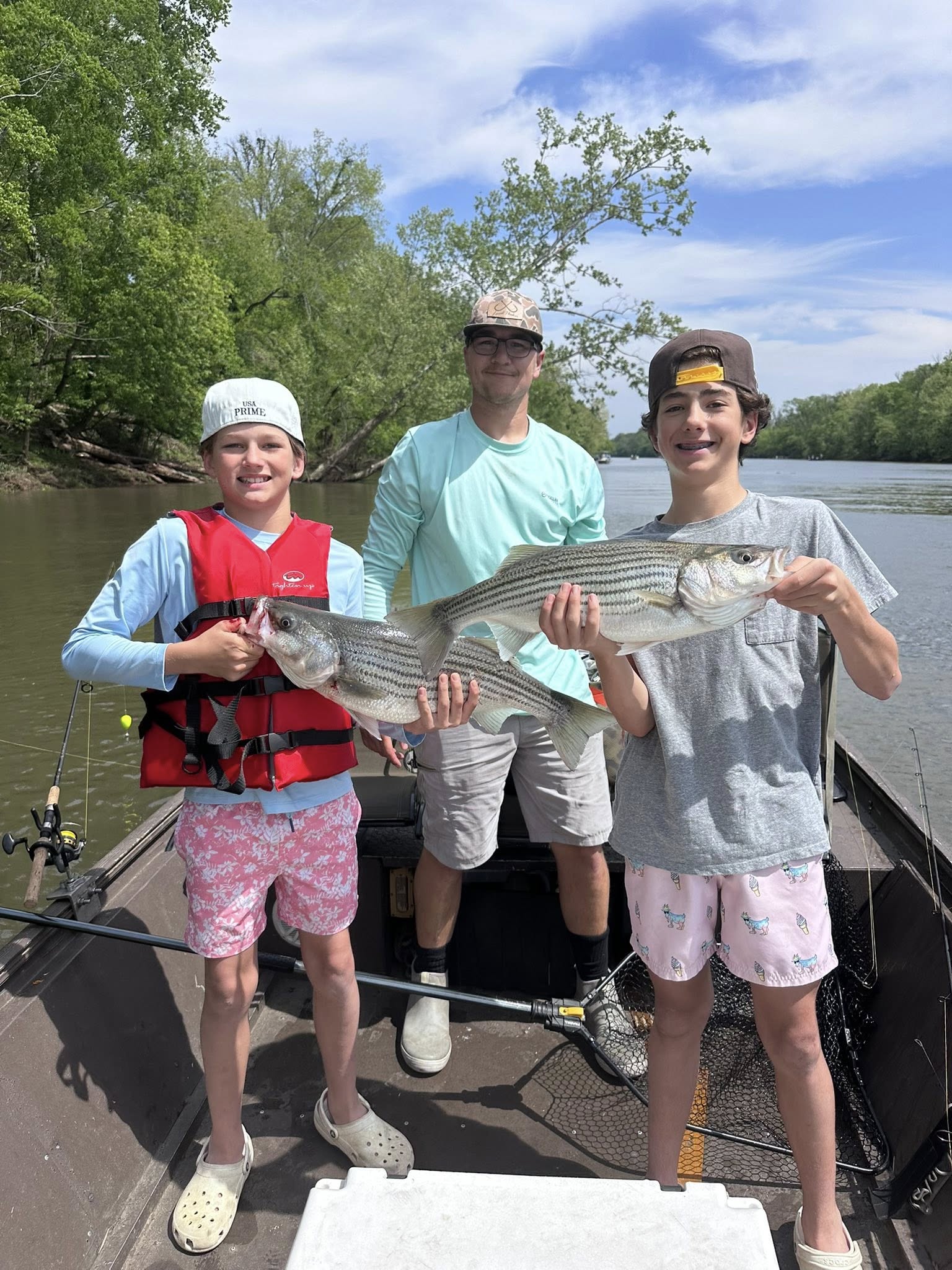
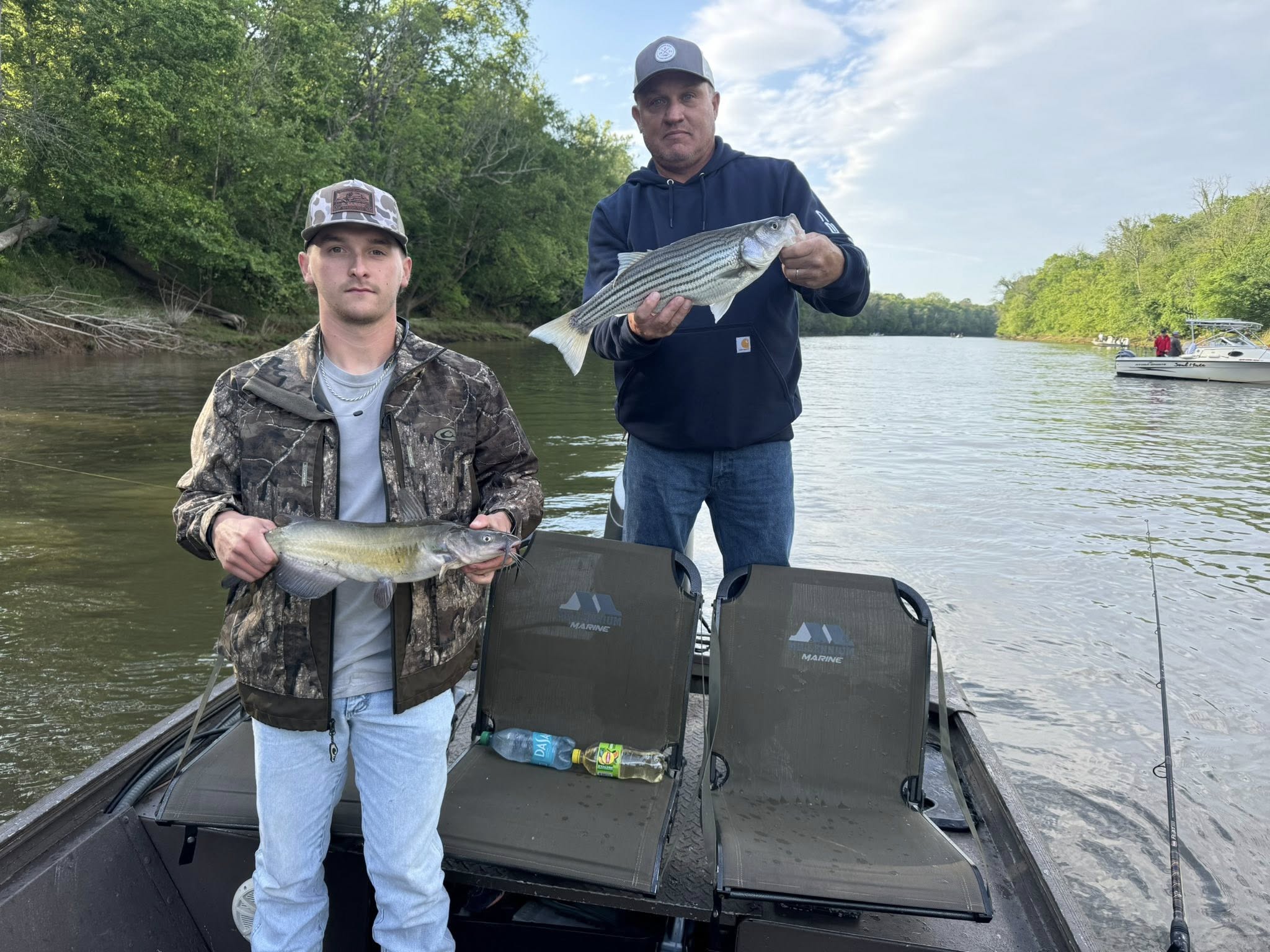
American And Hickory Shad Fishing Trip In Weldon, NC
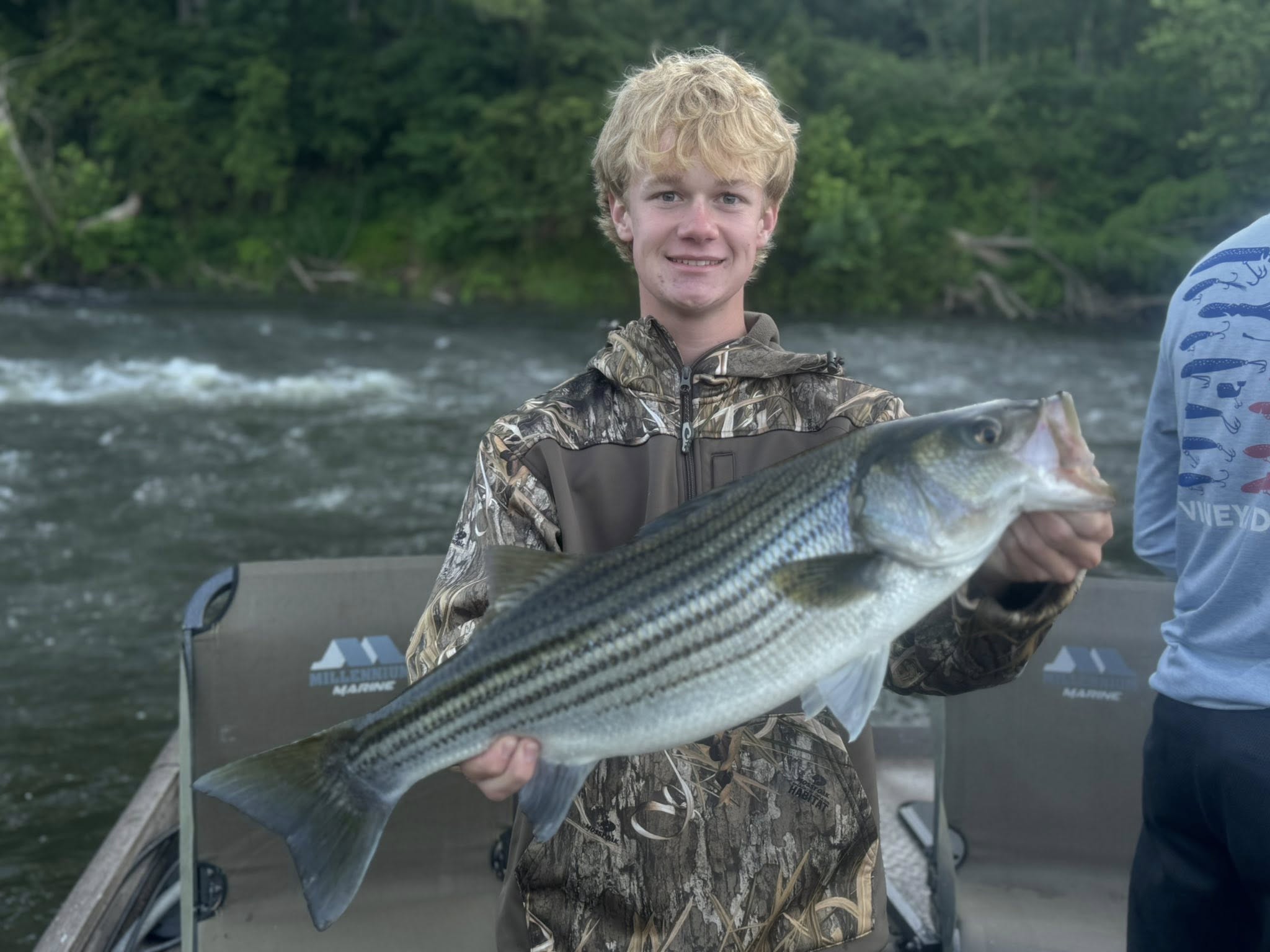
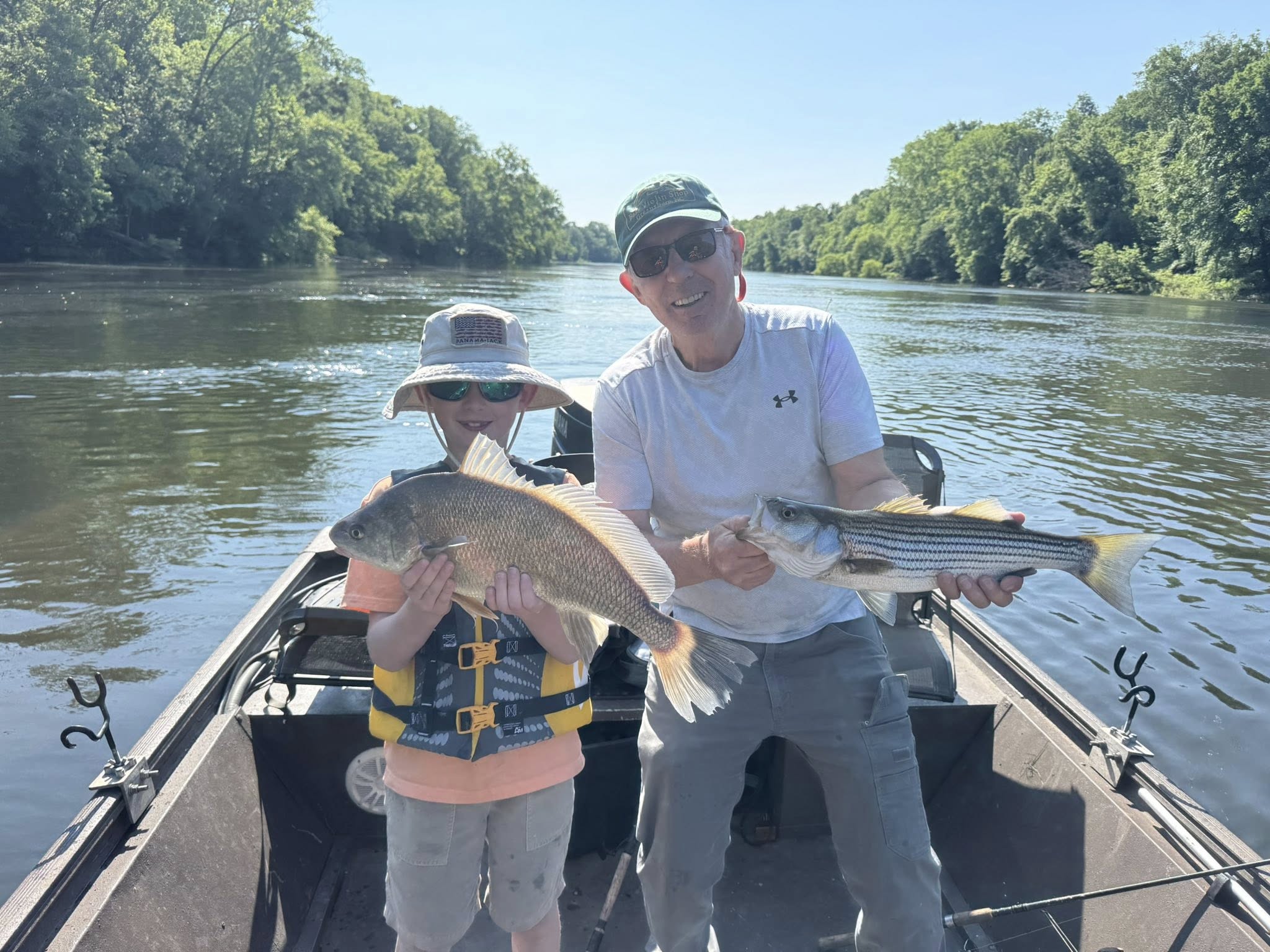
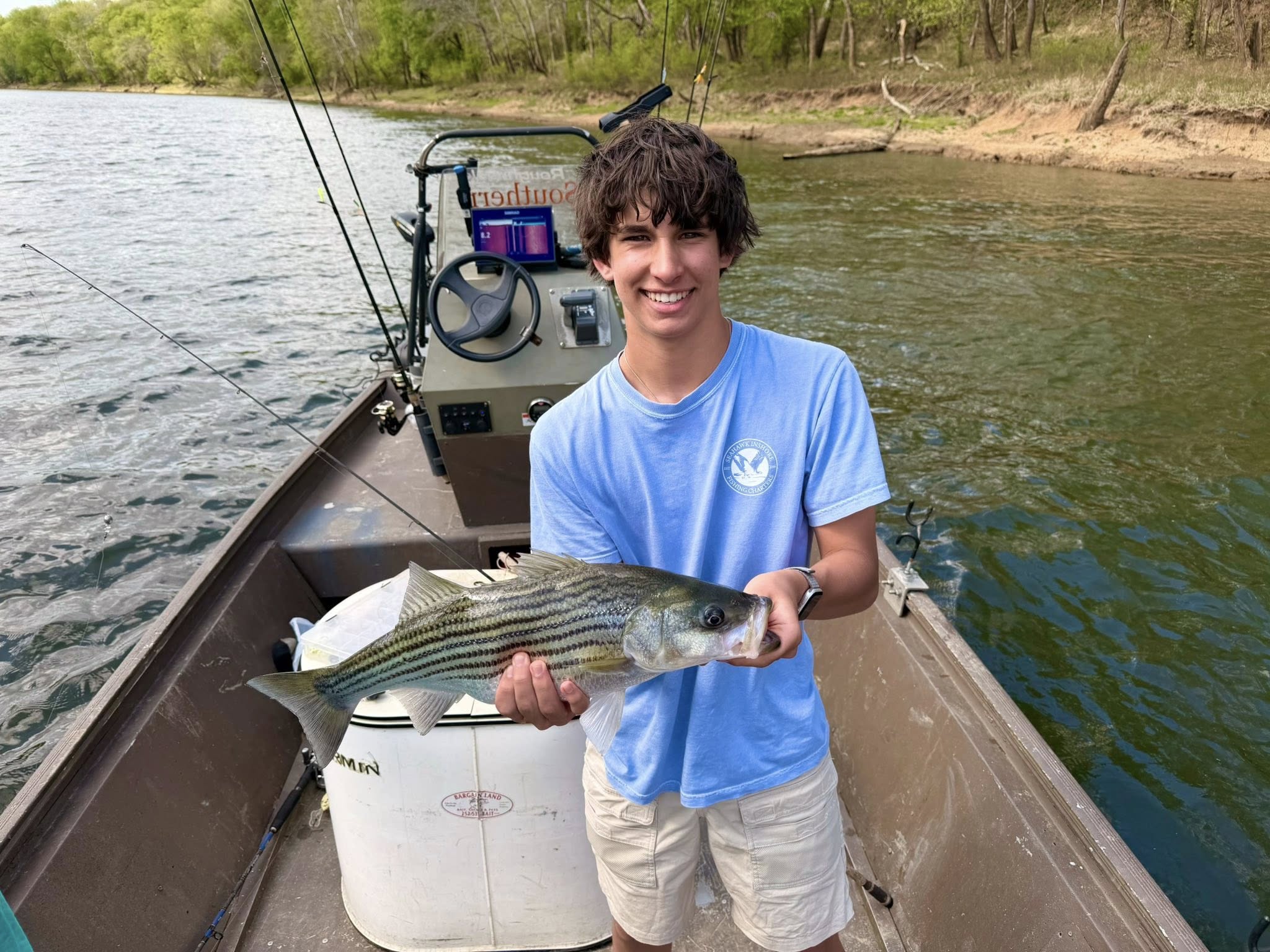
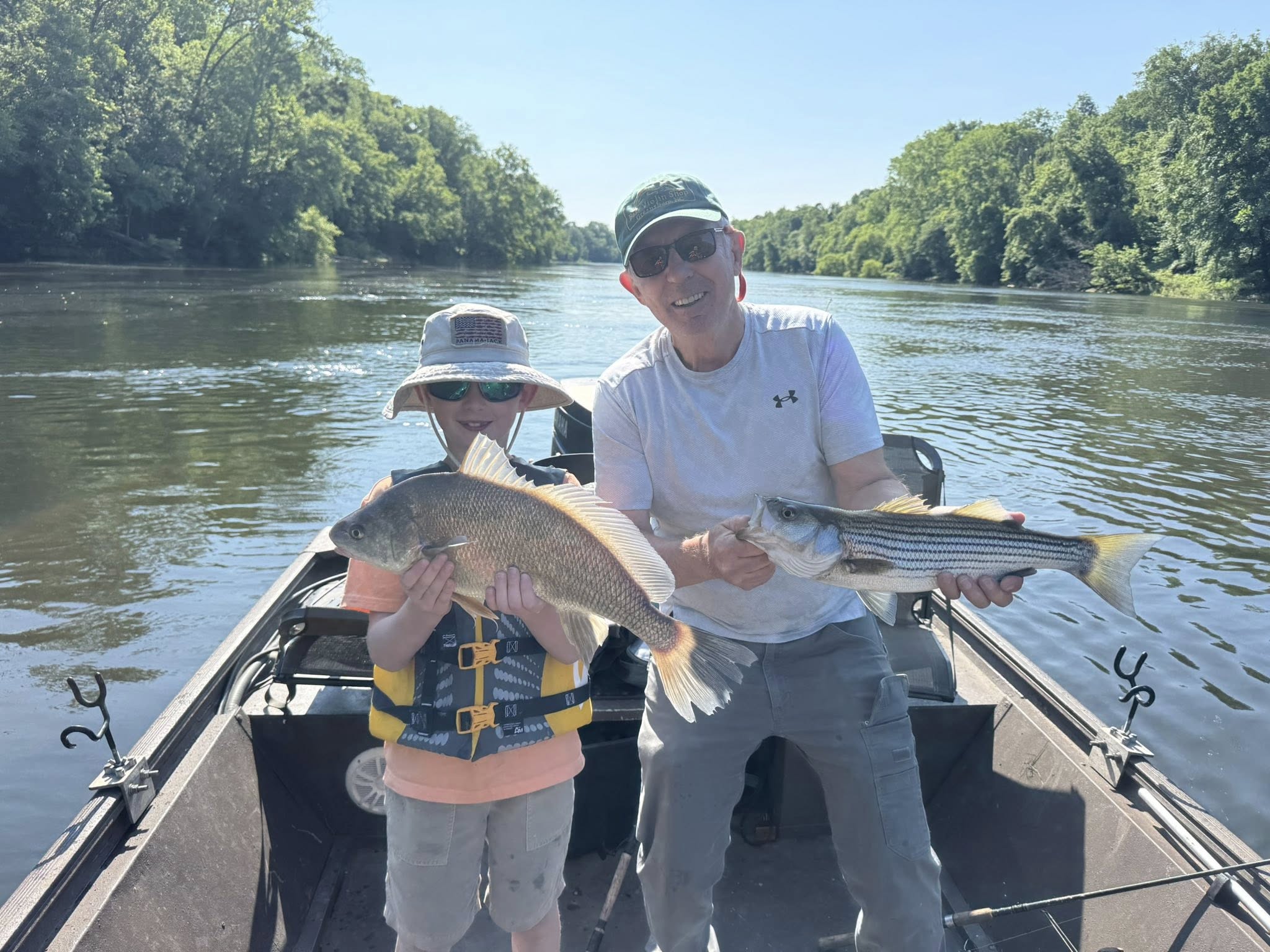
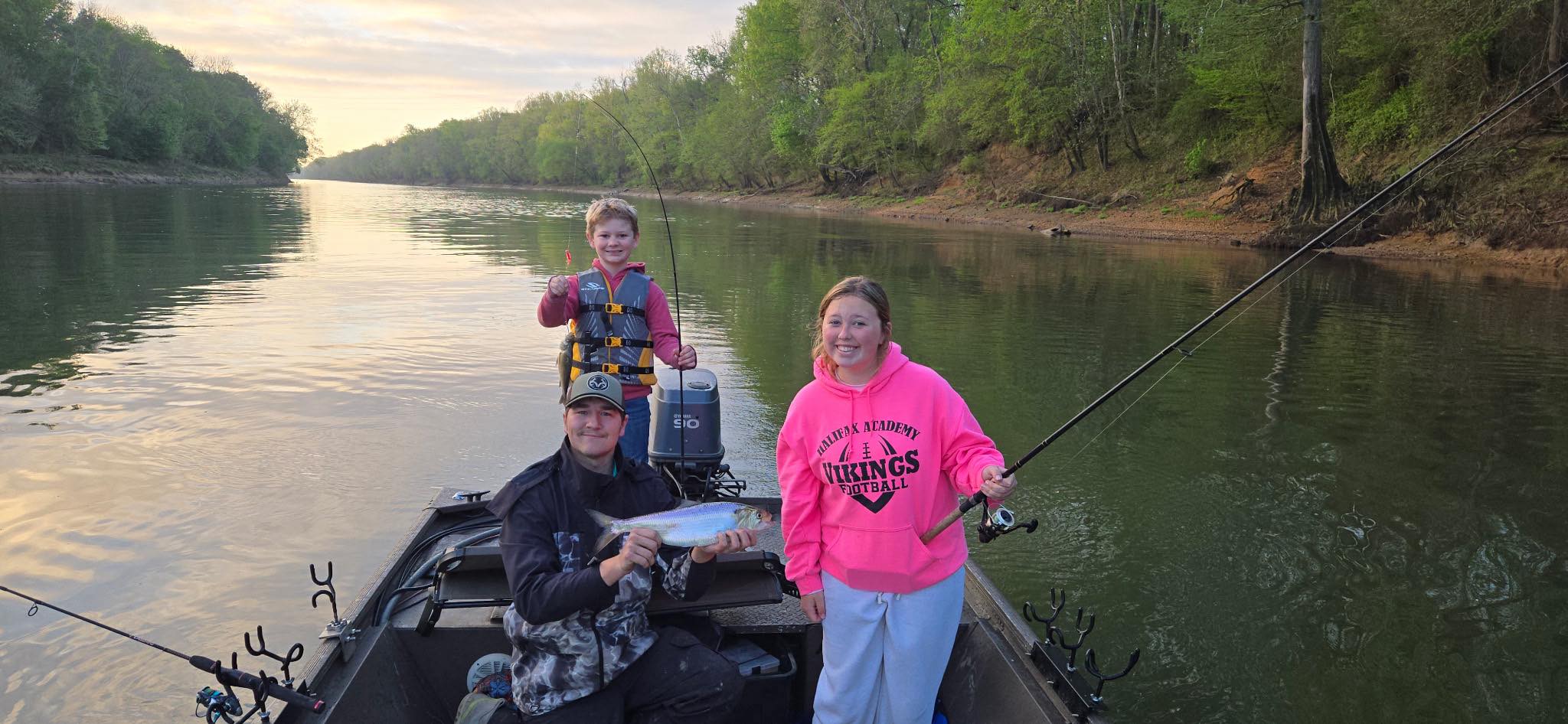
Picture this: you're standing knee-deep in the Roanoke River, rod bent double, fighting a fish that's got more energy than a caffeinated teenager. That's what you're signing up for with our 5-hour shad fishing adventure in Weldon, NC. We're talking about one of the most underrated fishing experiences on the East Coast, where American and Hickory Shad make their annual spring run up the river system. These silver bullets don't mess around – they'll test your drag, challenge your technique, and leave you grinning from ear to ear. Our top-rated guides know every current break, every productive pool, and exactly where these fish like to stage up during their spawning migration.
What to Expect on the Water
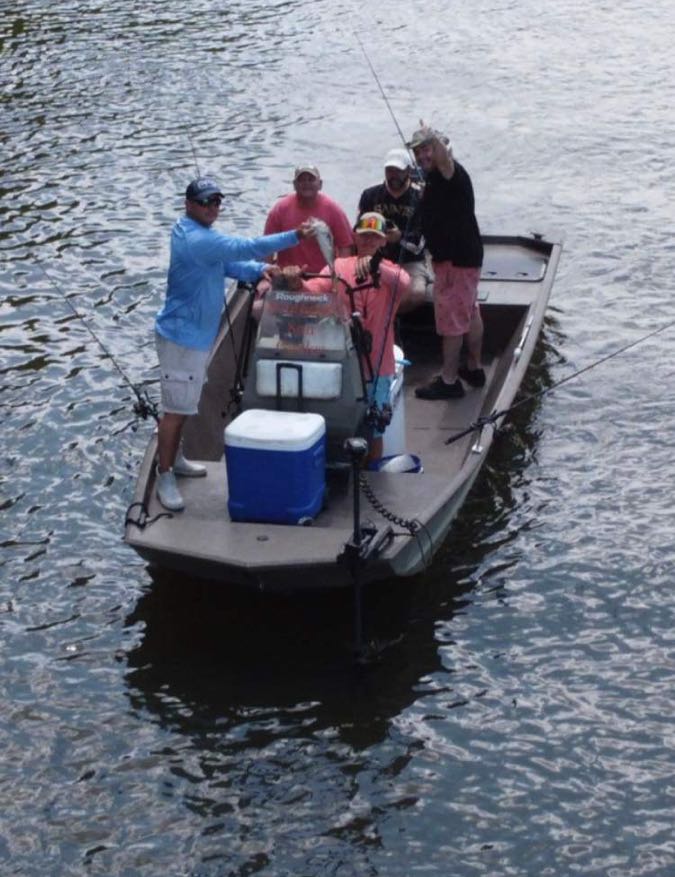
When you book this customer favorite trip with Southern Sun Guides, you're getting five solid hours of non-stop action on some of North Carolina's most productive shad water. We're not talking about a leisurely float where you might catch a fish or two – this is balls-to-the-wall fishing where triple-digit fish days aren't just possible, they're downright likely when conditions align. The Roanoke River system around Weldon transforms into a shad highway during the spring run, and our experienced guides have been working these waters long enough to read them like a favorite magazine. You'll be targeting specific structures where shad congregate – think rocky ledges, current seams, and deep pools where these migratory fish rest during their upstream journey. The atmosphere is relaxed but focused, perfect for anglers who want to learn while they're filling the cooler. With a maximum of three guests per guide, you're getting personalized attention that bigger charter operations simply can't match.
Gear Setup & Techniques
Shad fishing isn't rocket science, but there's definitely a method to the madness that separates the pros from the weekend warriors. We're primarily working with medium-action spinning rods paired with reels that can handle long fights without burning up the drag system. The standard setup involves 10-12 pound test line tied to small jigs – usually 1/16 to 1/8 ounce depending on current flow and fish depth. White, chartreuse, and pink seem to trigger the most strikes, though these fish can be finicky enough to make you question everything you know about fishing. The technique is all about the drift – you're letting that jig swing through likely holding water while maintaining just enough tension to feel the tick of a strike. Shad don't hammer baits like bass or pike; they're subtle biters that require a sensitive touch and quick reflexes. Our guides will walk you through proper jigging cadence, how to read your line for strikes, and the fine art of fighting these acrobatic fish without pulling hooks. We provide all the tackle you'll need, but if you've got a favorite rod setup, feel free to bring it along.
Customer Stories
"Chad was a excellent teacher. He gave my 12 year old son a lot of useful information." - James
"Great day on the water. Chad was very knowledgeable of not only the species we were after but shared information that will help me on future fishing adventures for other fish found in the river. We caught lots of shad. Chad could not have been more helpful in insuring that my wife and I had a wonderful experience." - Frank
Species You'll Want to Hook
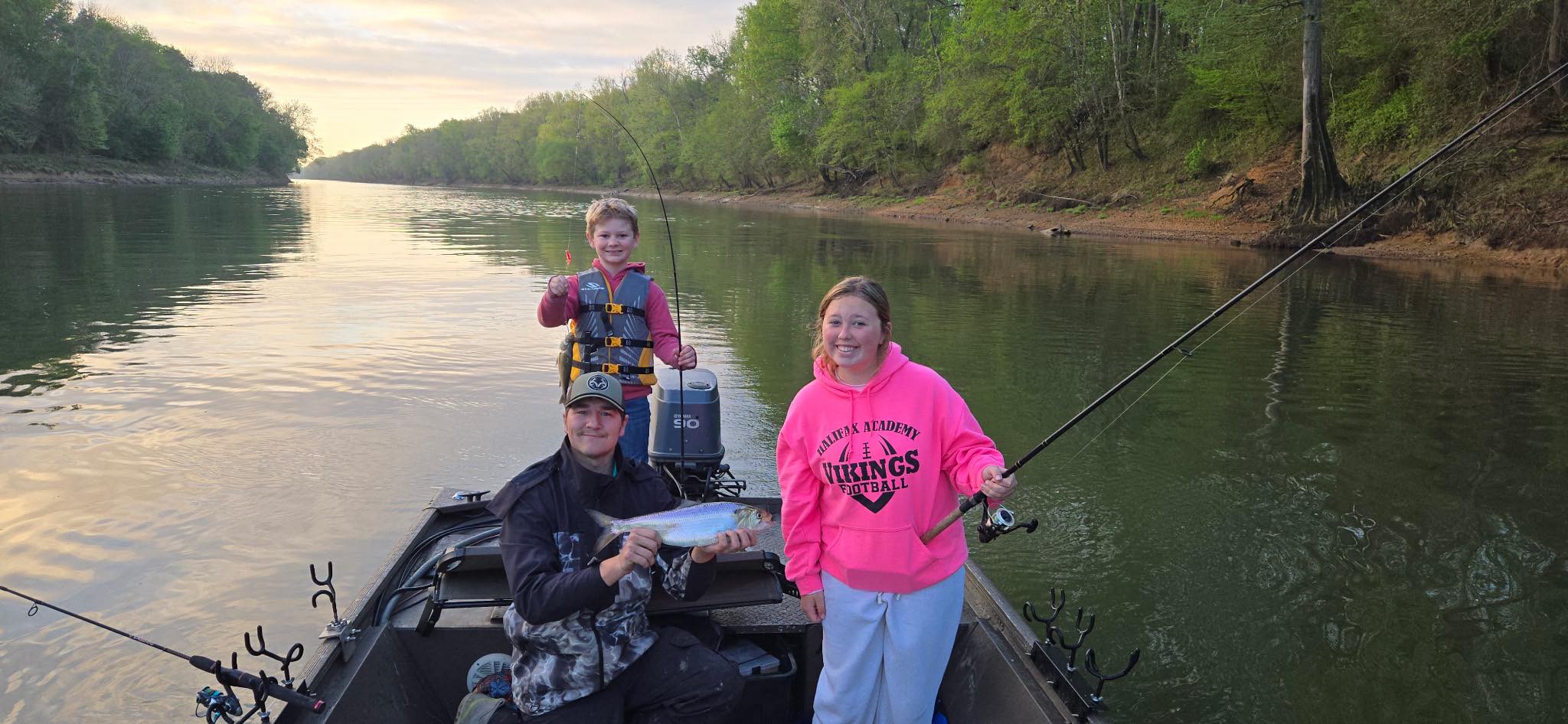
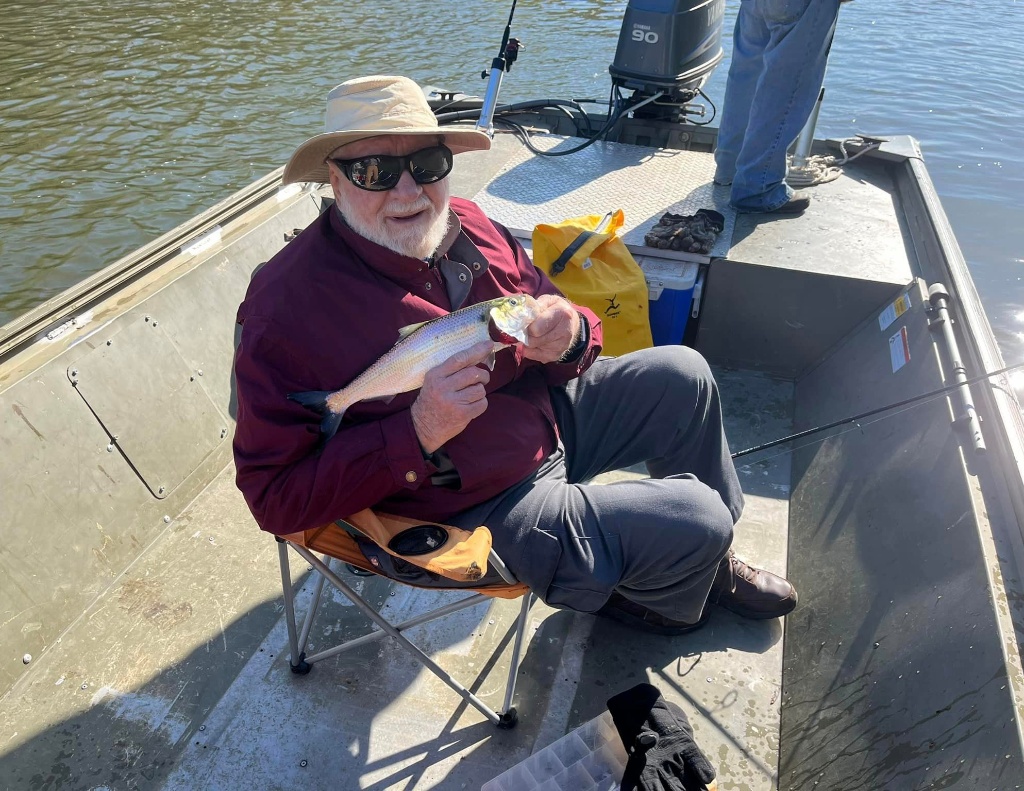
American Shad are the heavyweight champions of the herring family, and when you hook into a fresh one, you'll understand why they're called "poor man's tarpon." These silver torpedoes typically run 3-5 pounds but fight like fish twice their size, making multiple jumps and long runs that'll have your drag singing. They're anadromous, meaning they spend most of their lives in saltwater but return to freshwater rivers to spawn – usually from March through May in our neck of the woods. What makes them so exciting to target is their unpredictability; one minute they're crushing every jig that hits the water, the next they've gone completely silent for no apparent reason. American Shad have excellent eyesight and can be surprisingly spooky, especially in clear, shallow water. They school heavily during the spawn, so when you find one, there's usually a whole mess of them in the same area.
Hickory Shad might be the smaller cousin, typically weighing 1-2 pounds, but don't let their size fool you into thinking they're pushovers. These feisty fighters are actually more aggressive than their larger American relatives, often hitting lures with authority that'll surprise first-time shad anglers. They've got that classic herring body shape but with a more pronounced lower jaw that gives them a distinctive profile. Hickory Shad tend to move into the river system slightly earlier than Americans, usually showing up in good numbers by late February in warmer years. They're less finicky about lure color and presentation, making them perfect target fish for kids or anglers new to the game. What really sets them apart is their willingness to bite throughout the day – while American Shad often shut down during bright midday conditions, Hickories will keep you busy when nothing else is cooperating.
Time to Book Your Spot
Listen, there's a reason our shad trips are trending among serious anglers and families alike – this is world-class fishing that doesn't require a boat loan or a week-long commitment. You're looking at five hours of guided fishing on renowned shad water, with all the tackle included and expertise that comes from years of working these specific river sections. Whether you're a seasoned angler wanting to add a new species to your list or a parent looking to create lasting memories with your kids, this trip delivers the goods. The spring shad run is a relatively short window of opportunity, and prime dates fill up fast once word gets out about how the fishing is shaping up. Don't be that angler who waits until the last minute an
 5.0(2 Reviews)
 Private Trip
 River Fishing
 100 Rockfish Dr, Weldon, NC, USA

 Target American and Hickory Shad on 5-hour guided river trip