Duck Hunting Trip In North Carolina
Picture this: dawn breaking over Roanoke Rapids Lake and Lake Gaston, North Carolina, with flocks of waterfowl cutting through the morning mist. This is duck hunting at its finest, where both diver and puddle ducks converge for some of the most productive mixed bag hunts in the region. Whether you're settling into a layout boat for open water action or positioning yourself along the shoreline for classic marsh hunting, these twin lakes deliver the kind of waterfowling that keeps hunters coming back season after season. With Southern Sun Guides, you'll experience world-class duck hunting that combines traditional techniques with intimate knowledge of these renowned North Carolina waters.
Inside the Hunt
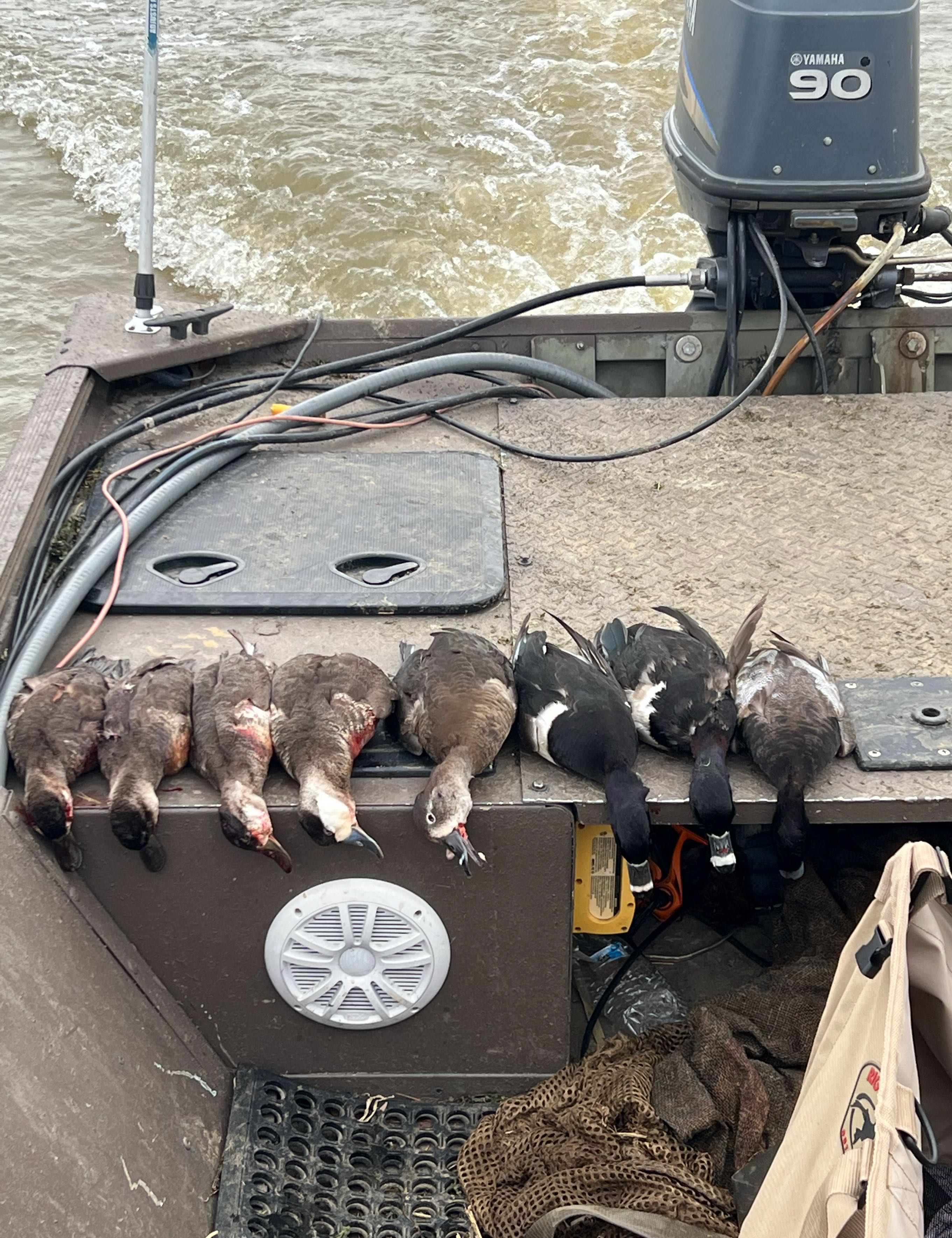
Your duck hunting adventure begins before sunrise with a hearty breakfast to fuel your morning pursuit. These lakes offer two distinct hunting experiences that cater to different preferences and conditions. The layout boat hunts put you right in the heart of the action on open water, where diving ducks feel most comfortable. There's something special about lying low in a layout boat, surrounded by your decoy spread, as rafts of bluebills, canvasback, and redheads work their way toward your setup. The shoreline hunts target the marshy edges and shallow bays where mallards, pintail, and teal love to feed and loaf. Both approaches have their merits, and the beauty of hunting these waters is the flexibility to adapt based on bird behavior and weather conditions. You'll be hunting solo with your guide, which means personalized attention and the ability to move quickly when the birds demand it. The mixed bag potential here is outstanding – it's not uncommon to bag several different species in a single morning.
Tracking Tips & Terrain
Roanoke Rapids Lake and Lake Gaston present unique hunting terrain that requires specific techniques to maximize success. The layout boat approach involves deploying large spreads of diver decoys in deeper water, typically 8 to 20 feet deep, where diving ducks naturally congregate. Your guide will position the boat based on wind direction, flight patterns, and underwater structure that attracts baitfish – the key to drawing hungry ducks. The low profile of a layout boat makes you nearly invisible to approaching birds, but it requires steady nerves and good timing when birds commit to the spread. Shore hunting focuses on points, coves, and shallow flats where puddle ducks dabble for aquatic vegetation and invertebrates. Concealment is critical for shore hunts, utilizing natural vegetation, portable blinds, or layout blinds depending on the specific location. Decoy spreads for puddle ducks are typically smaller and set in water depths of 6 inches to 4 feet. Weather plays a huge role in duck behavior on these lakes – cold fronts push new birds south, while calm conditions often mean birds are more likely to work closer to shore. Your guide reads these waters like a book, understanding how wind direction affects bird movement and which areas produce best under different conditions.
Target Game Breakdown
Mallards are the bread and butter of North Carolina duck hunting, and both Roanoke Rapids Lake and Lake Gaston host healthy populations throughout the season. These adaptable birds peak during cold snaps when northern birds push south, typically from mid-December through January. Mallards are exciting because they're vocal, responsive to calling, and provide fantastic shooting when they commit to a decoy spread. Drake mallards in full plumage are stunning birds, and their wariness makes them a rewarding challenge for hunters of all skill levels.
Wood ducks are another customer favorite, especially early in the season when local birds are joined by migrants. These beautiful ducks prefer the wooded shorelines and creek mouths that both lakes offer in abundance. Woodies are fast, agile fliers that often surprise hunters by appearing suddenly through the timber. Their unique whistling call and spectacular plumage make them one of the most sought-after species in North Carolina.
Diving ducks, including bluebills, canvasback, and redheads, are what make the layout boat hunting so productive. These species spend their days in deeper water, diving for aquatic plants and mollusks. Divers typically fly in larger flocks than puddle ducks and can provide fast-paced shooting when conditions are right. Canvasback are particularly prized for their size and wariness – they're often called the king of ducks for good reason.
Teal, both blue-winged and green-winged varieties, add excitement with their erratic flight patterns and lightning-fast reflexes. Early season blue-winged teal hunting can be phenomenal, while green-winged teal are more prevalent during the late season. These small, fast ducks test your shooting skills and provide excellent table fare.
Book Your Next Tag
Duck hunting on Roanoke Rapids Lake and Lake Gaston represents some of North Carolina's finest waterfowling opportunities. The combination of layout boat and shore hunting techniques, diverse duck species, and expert guiding creates an experience that satisfies both seasoned waterfowlers and those new to the sport. With breakfast included and personalized attention in a solo hunt format, you'll have everything needed for a successful morning in the blind. These lakes consistently produce mixed bag hunts that showcase the variety and abundance of North Carolina's waterfowl resource. Don't miss your chance to experience this top-rated duck hunting destination – book your hunt with Southern Sun Guides and discover why hunters keep returning to these productive waters season after season.
 Private Trip
 Hunting from Blinds
 100 Rockfish Dr, Weldon, NC, USA
 Layout boat and shore hunting for diver and puddle ducks