3 Hour Catch & Release Trip - Choctawhatchee Bay
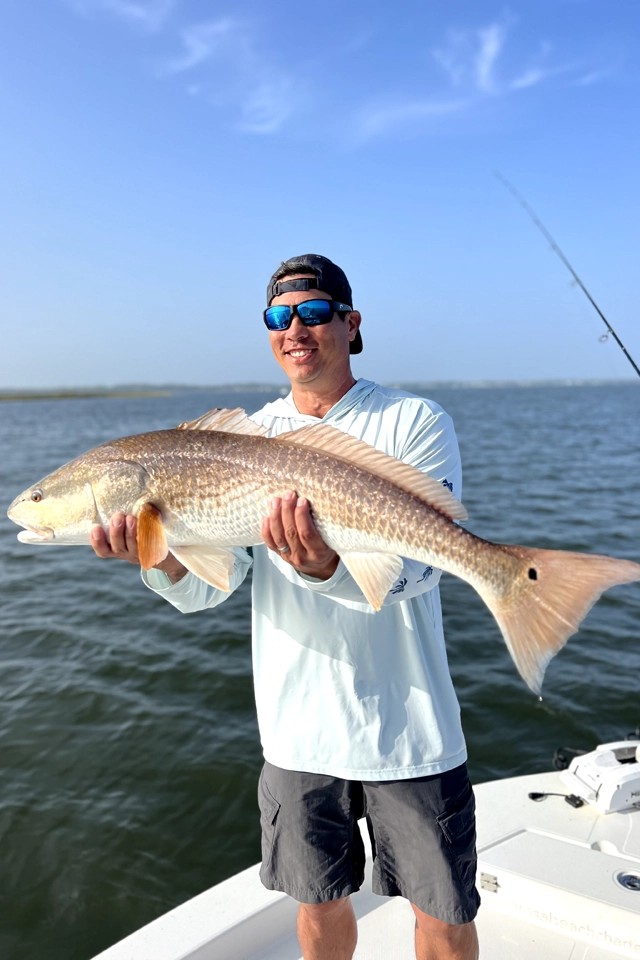
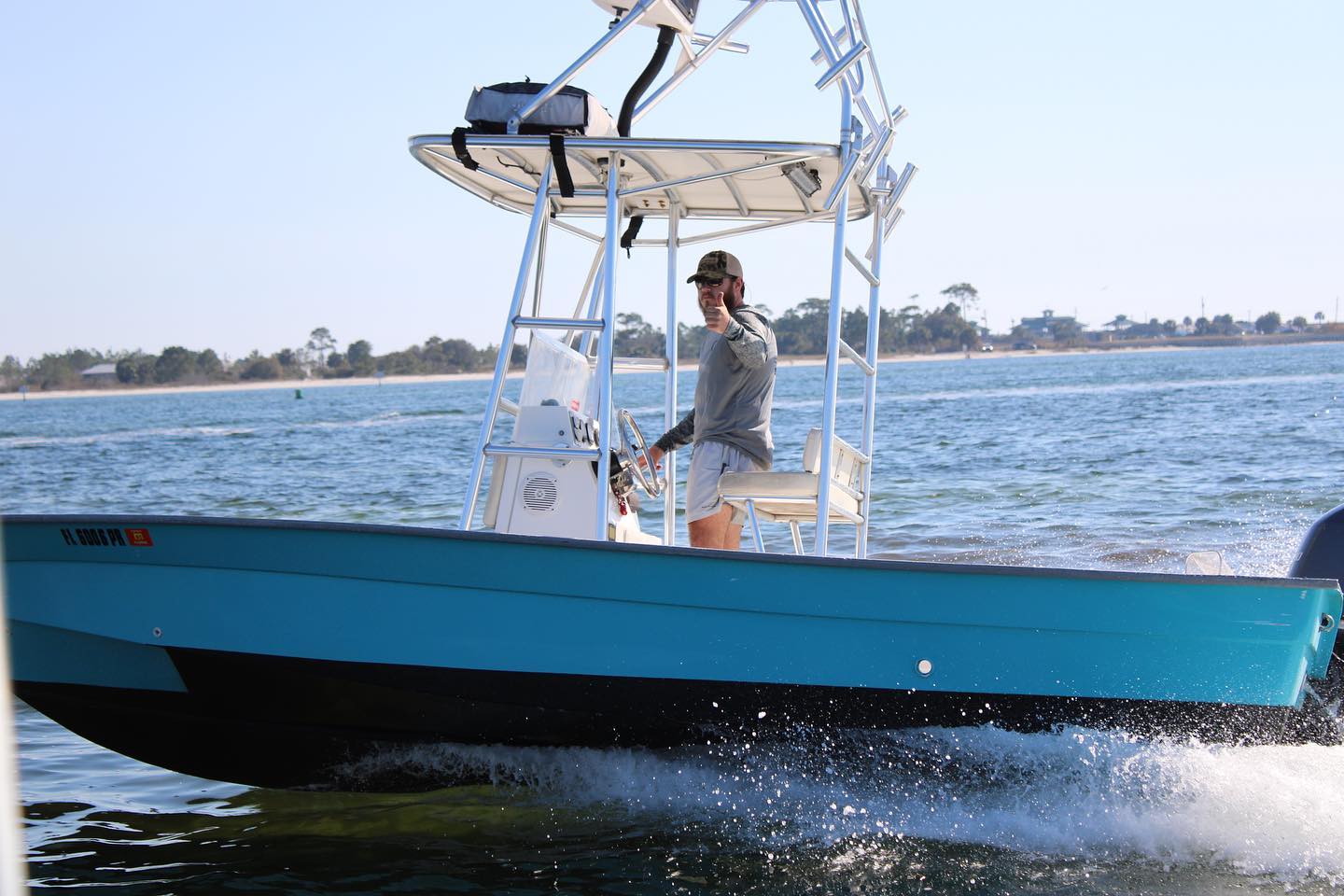
Captain Dalton Spitzer knows these Freeport waters like the back of his hand, and he's ready to put you on fish in some of Florida's most productive inshore grounds. This top-rated 3-hour catch and release adventure takes you into the heart of Choctawhatchee Bay, where grass flats meet oyster beds and the fishing stays hot year-round. Whether you're casting your first line or you've been chasing reds for decades, this trip delivers the kind of action that keeps anglers coming back to Florida's Emerald Coast.
What to Expect on the Water
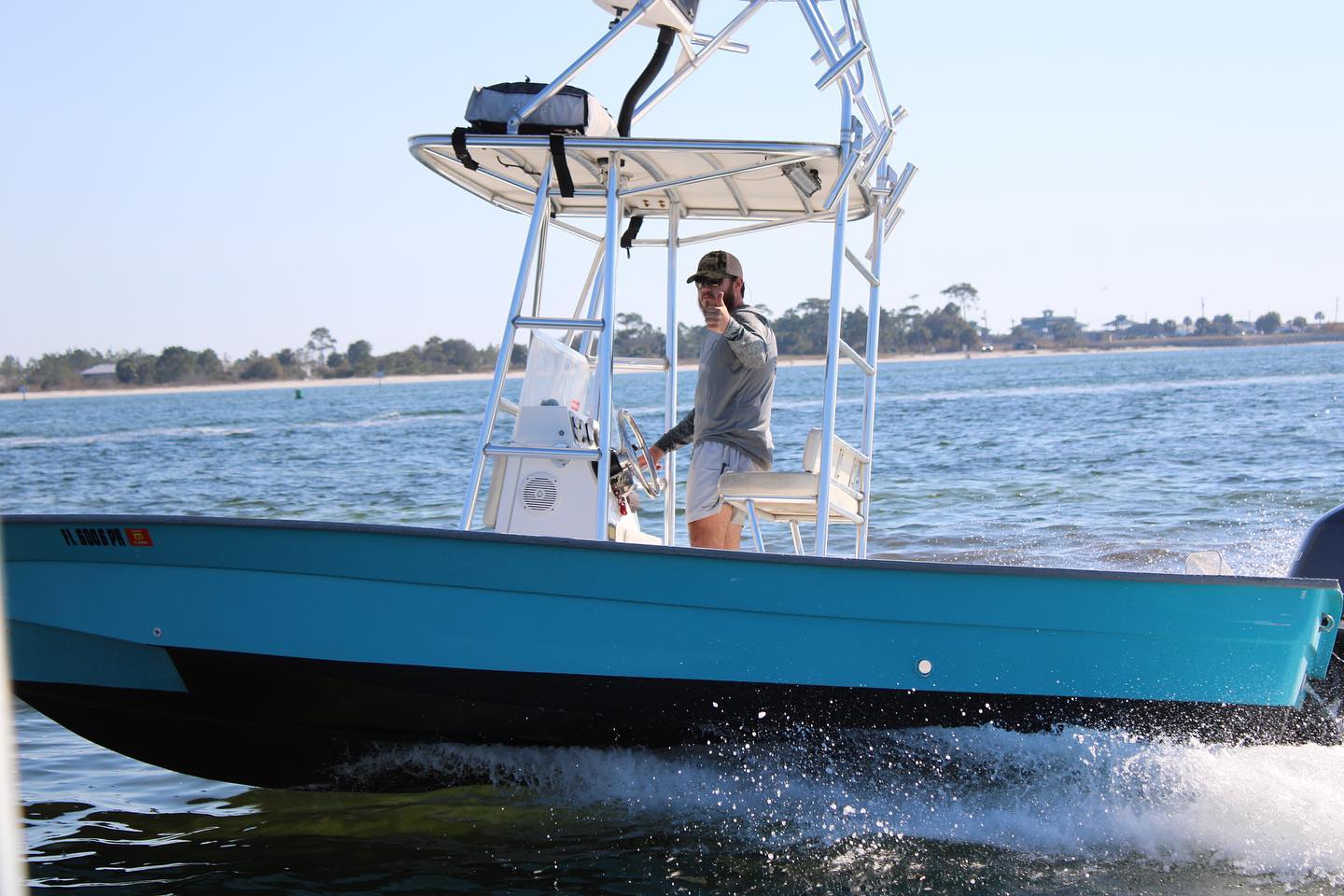
Your morning starts at the dock in Freeport, where Captain Dalton has everything rigged and ready to go. No need to bring tackle – he's got you covered with quality light tackle setups perfectly matched to the bay's finicky residents. The boat slides out into Choctawhatchee Bay's maze of grass flats, oyster bars, and creek mouths where the real magic happens. This isn't about racing to distant waters; it's about reading the subtle signs that separate good fishing days from great ones. You'll learn to spot nervous water, understand how tides move baitfish, and pick apart structure that holds feeding fish. The relaxed pace means plenty of time to soak in the scenery while working productive water. With a maximum of four anglers, everyone gets personal attention and prime casting opportunities.
Light Tackle & Bay Techniques
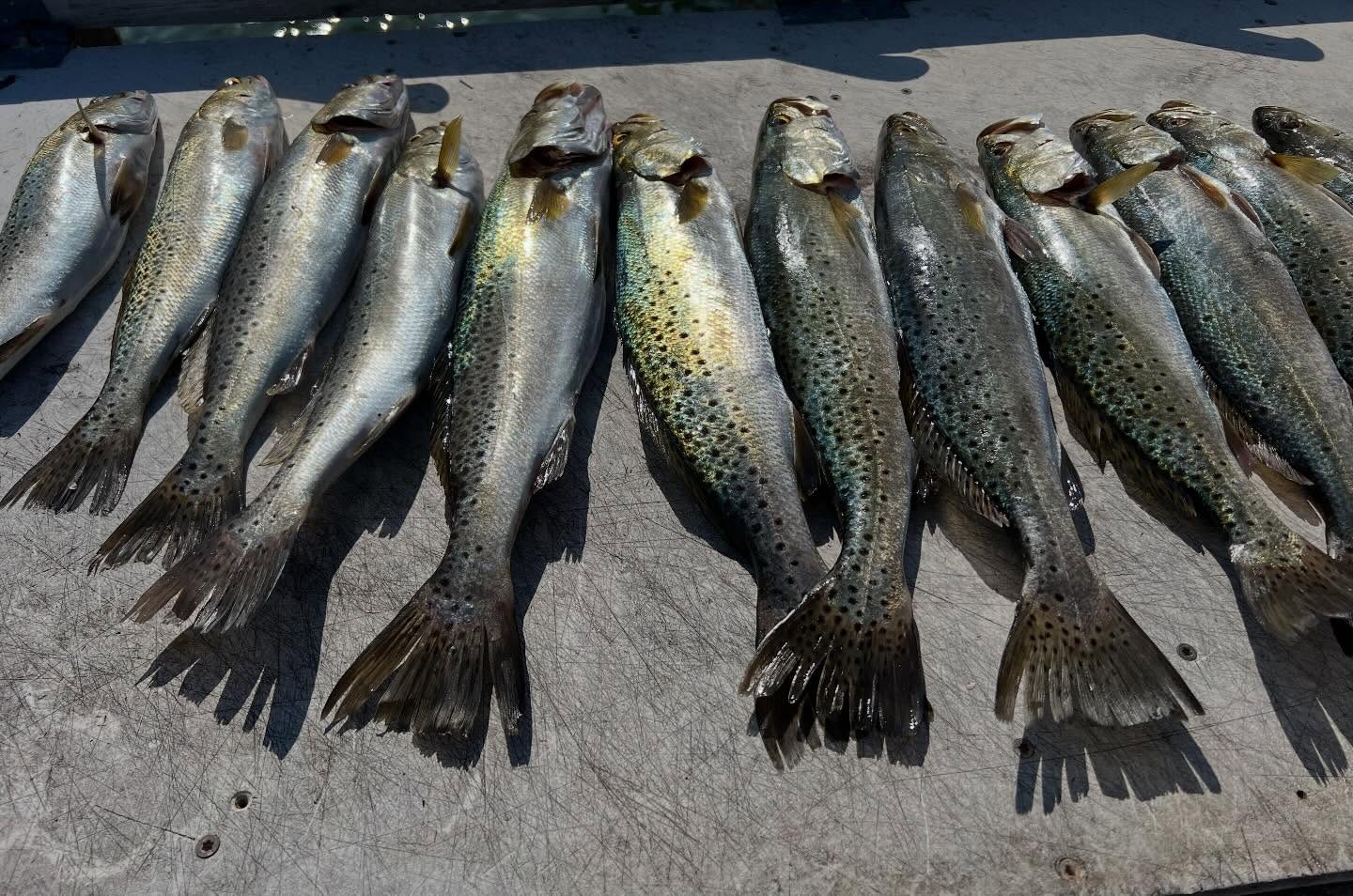
Captain Dalton specializes in light tackle fishing that maximizes the fight and the fun. We're talking spinning reels spooled with 15-20 pound braid, matched to rods that let you feel every headshake and run. The techniques change with conditions – some days call for topwater plugs worked over shallow grass flats at first light, while others demand soft plastics bounced along oyster bed edges. You'll master the Carolina rig for working deeper holes, learn proper popping cork presentation for speckled trout, and discover why a simple jighead and shrimp combo remains the bay's most deadly weapon. The captain reads water temperature, tide movement, and baitfish activity to put you on the most productive patterns. Structure fishing is key here – those oyster bars and grass edges hold baitfish, which means predators aren't far behind. Each cast teaches you something new about reading inshore water and understanding fish behavior.
Target Species You'll Want to Hook
Tripletail are the bay's most unique residents, often found floating beside debris or structure like living shadows. These oddball fighters typically run 3-8 pounds and stage some of the most acrobatic battles you'll find in shallow water. Spring through fall offers the best action, with fish moving into the bay to feed on shrimp and small baitfish. What makes tripletail special is their curiosity – they'll often approach the boat and inspect your offering before deciding to eat. When they do commit, get ready for jumps, runs, and head-shaking that'll test your drag system.
Red snapper bring serious muscle to the party when they venture into bay waters during warmer months. These deep-bodied bruisers average 2-5 pounds inshore but fight like fish twice their size. They're structure-oriented, holding tight to oyster bars and rock piles where they ambush passing baitfish. Red snapper have keen eyesight and can be finicky about presentations, but when everything lines up, they'll crush a well-placed bait with authority. Their bright red coloration and excellent table fare make them a customer favorite.
Spanish mackerel turn the bay into a feeding frenzy during their seasonal runs. These silver torpedoes rarely exceed 3 pounds but make up for size with pure speed and aggression. They'll hit topwater plugs, small spoons, and live bait with reckless abandon, often traveling in schools that create non-stop action. Summer and early fall bring the best Spanish mackerel fishing, when they flood the bay chasing glass minnows and bay anchovies. Their razor-sharp teeth and blistering runs make them a blast on light tackle.
Gag grouper represent the bay's heavyweights, with fish ranging from 3-15 pounds depending on the season and location. These bottom-dwellers use structure and current to their advantage, often requiring precise presentations to tight spots. Gags are notorious for their initial powerful run toward cover, testing an angler's ability to turn fish before they reach sanctuary. Winter months can produce some impressive bay grouper, particularly around deeper oyster bars and channel edges where they stage to ambush prey.
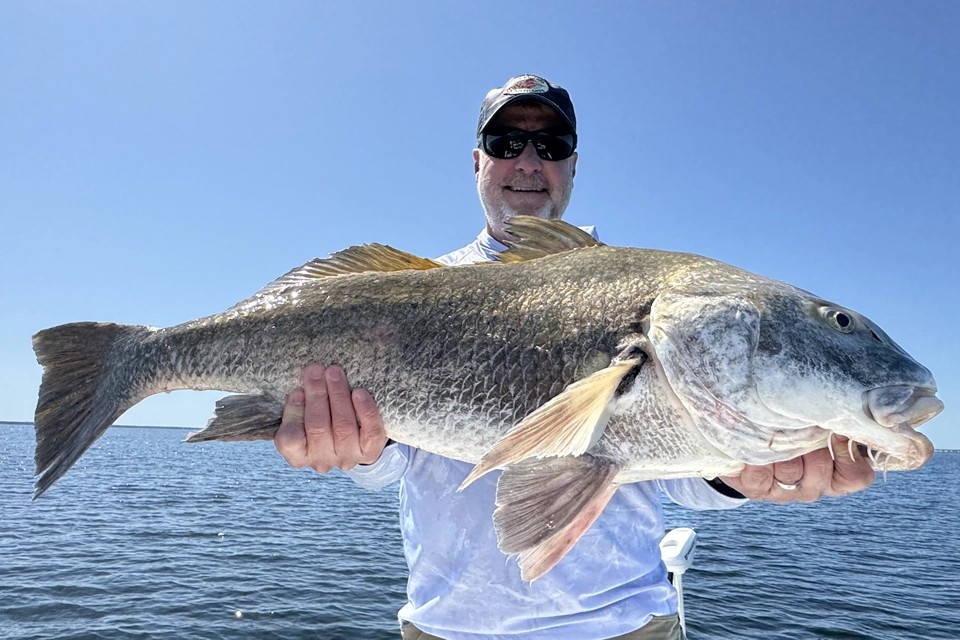
Black drum patrol the flats and oyster bars like underwater bulldozers, using their crushing jaws to demolish crabs and shellfish. These copper-colored fighters range from schoolie-sized juveniles to hefty adult fish pushing 20+ pounds. What black drum lack in speed they make up for in pure pulling power, often surprising anglers with their ability to peel drag on sustained runs. They're year-round residents but show increased activity during cooler months when they school up in deeper bay areas.
Time to Book Your Spot
Captain Dalton Spitzer's catch and release trips deliver exactly what serious anglers want – consistent action, expert guidance, and the kind of hands-on learning that makes every cast count. This world-class inshore experience combines Freeport's best fishing grounds with techniques that work, whether you're after your first redfish or your hundredth tripletail. The 3-hour format gives you enough time to work multiple spots without rushing, while the focus on catch and release ensures these productive waters stay that way for future trips. With all gear provided and expert instruction included, you'll leave with new skills, great memories, and probably plans for your next trip back to Choctawhatchee Bay.
 Private Trip
 Inshore Fishing
 Choctawhatchee Bay


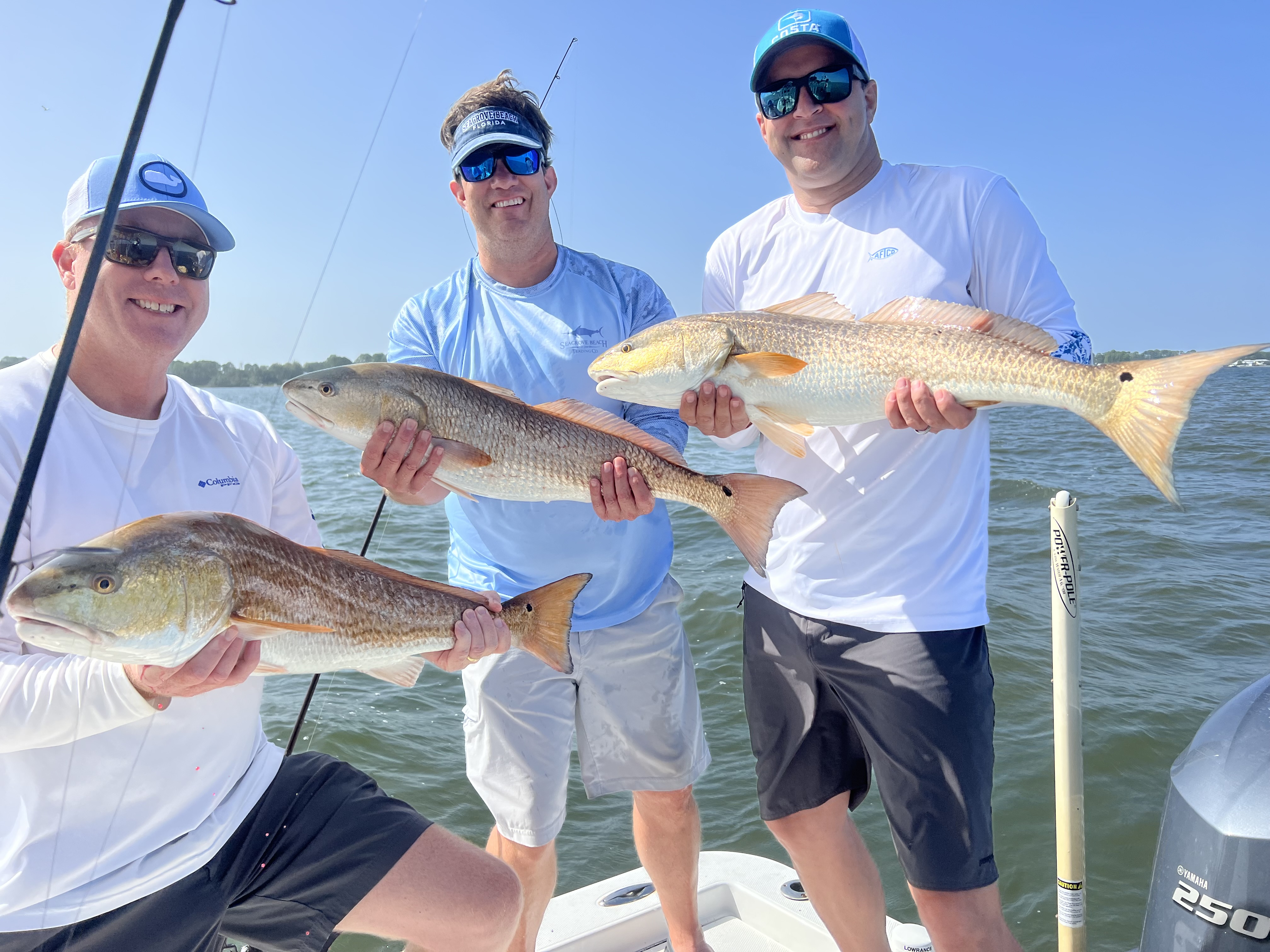
 Three-hour inshore fishing trip targeting redfish and speckled trout