Pacific Wreck Fishing: Rockfish & Halibut
When you're looking for some of the best bottom fishing the Pacific has to offer, wreck fishing is where it's at. There's something special about dropping your line over a sunken structure and knowing that monster rockfish and Pacific halibut are lurking in the shadows below. With Stackhouse Guide Service, you'll fish prime wreck sites where the action stays hot from spring through winter. Our captains know these underwater structures like the back of their hand, and they'll put you right on top of fish that have been feeding and growing fat around these artificial reefs for years.
What to Expect on the Water
This is a small-boat experience with just four anglers max, which means you're not fighting crowds at the rail and everyone gets personal attention from the captain. We'll cruise out to productive wreck sites where the bottom structure holds serious fish. These aren't your typical rocky reefs – we're talking sunken vessels, concrete structures, and other man-made habitat that draws rockfish like magnets. The captain provides all your tackle and will handle the messy work of cleaning your catch, so you can focus on what matters most: getting fish in the boat. Trips typically run eight hours, giving you plenty of time to work multiple wrecks and target different species as conditions allow.
Bottom Fishing Techniques
Wreck fishing is all about precision and knowing how to work the structure without losing gear. We use heavy sinkers to punch through the current and get your bait right down into the zone where the big fish live. The captain will position the boat perfectly so you can drop straight down along the wreck walls where rockfish stack up in schools. We're talking about fishing in 100 to 300 feet of water, so this isn't light tackle stuff – you need backbone to pull these fish up from the depths. For halibut, we'll sometimes drift with bigger baits across sandy areas adjacent to the wrecks. The key is reading the fish finder and understanding how different species relate to the structure at different times of day.
Top Catches This Season
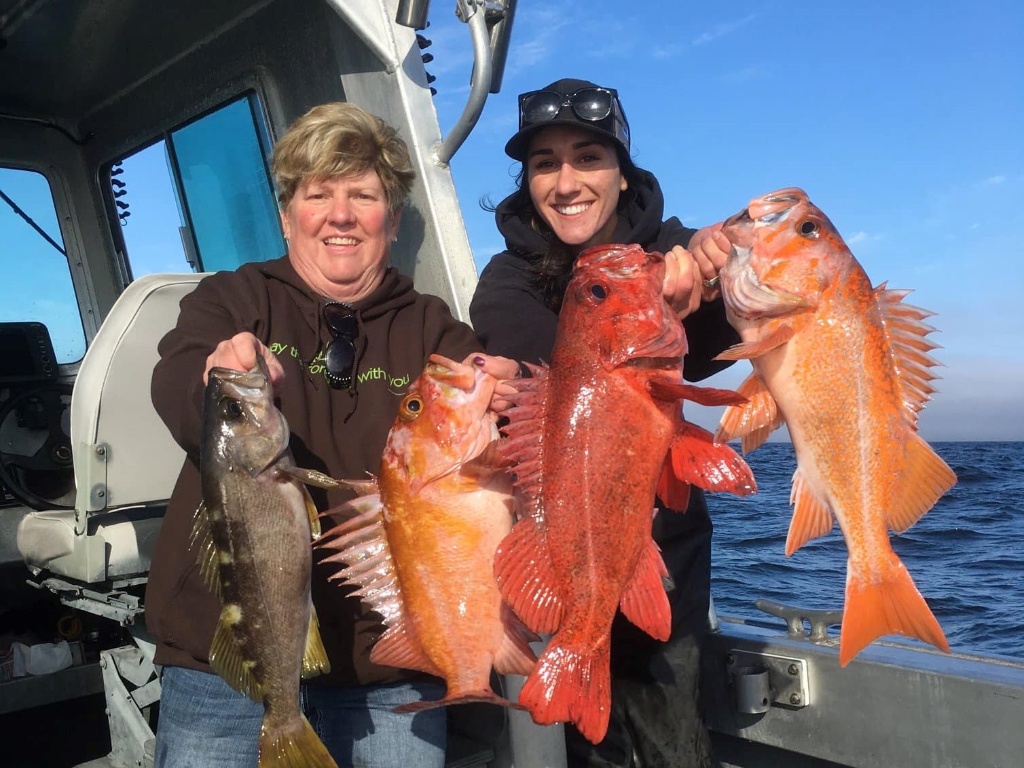
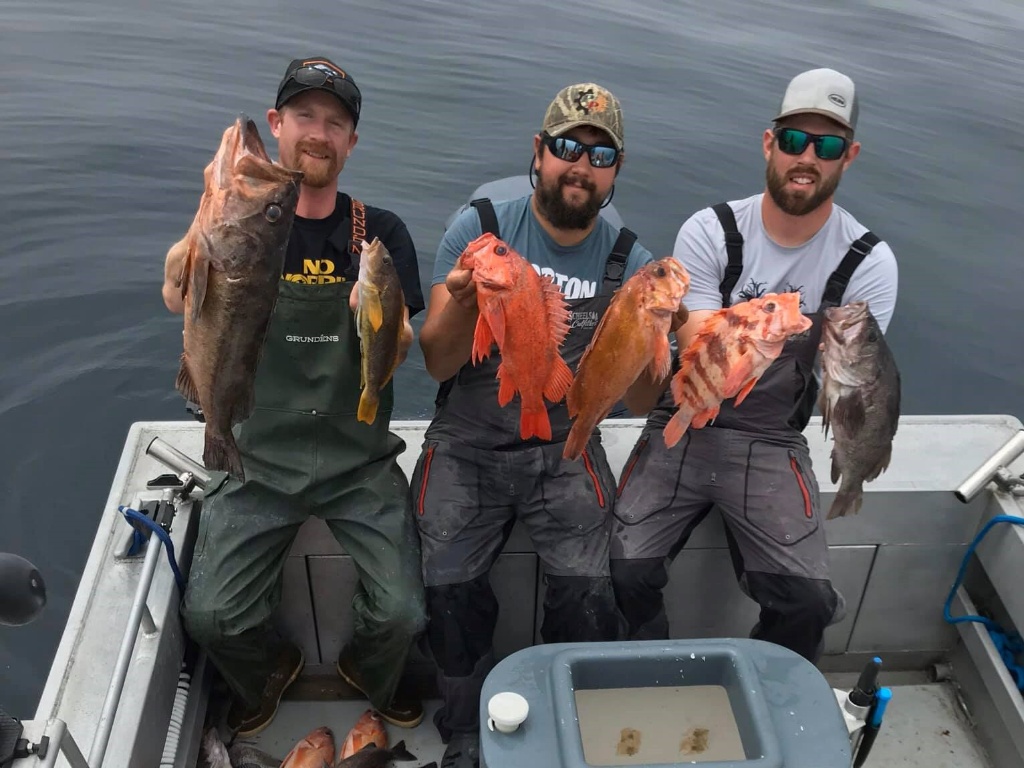
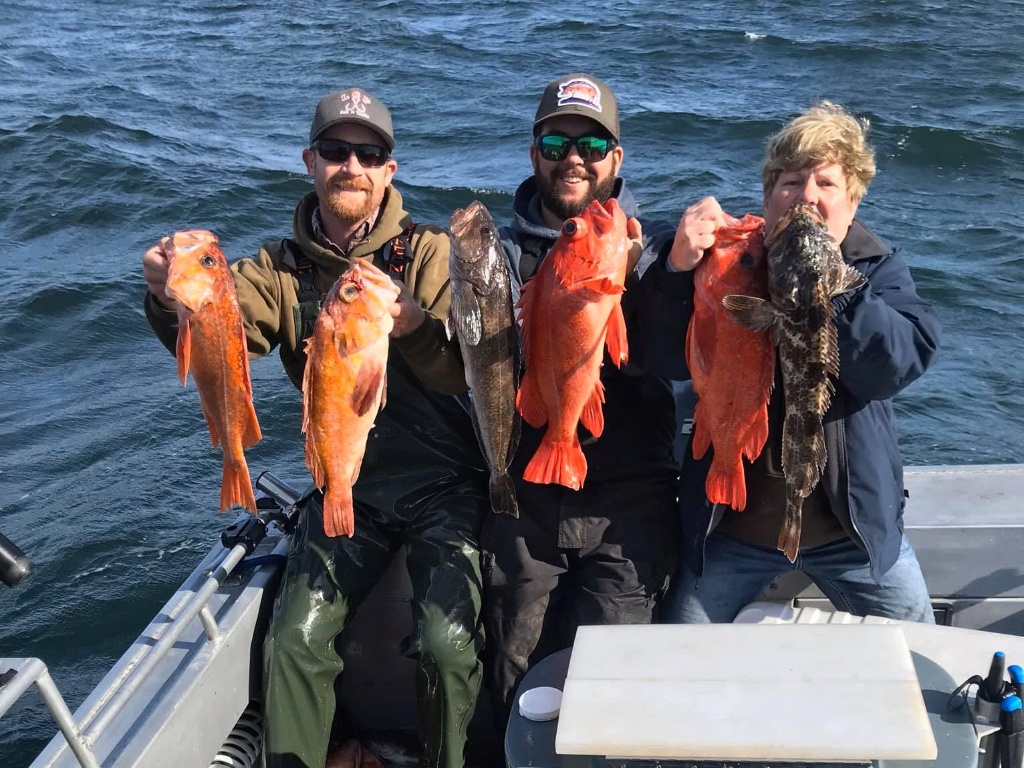
Canary Rockfish are the bread and butter of Pacific wreck fishing. These bright orange beauties grow big around wrecks, with fish in the 3 to 8 pound range being common. They're aggressive feeders that hit hard and fight well on the way up. Canaries school up in huge numbers around vertical structure, and when you find them, you can fill the cooler fast. They're excellent eating with white, flaky meat that's perfect for fish and chips or grilling.
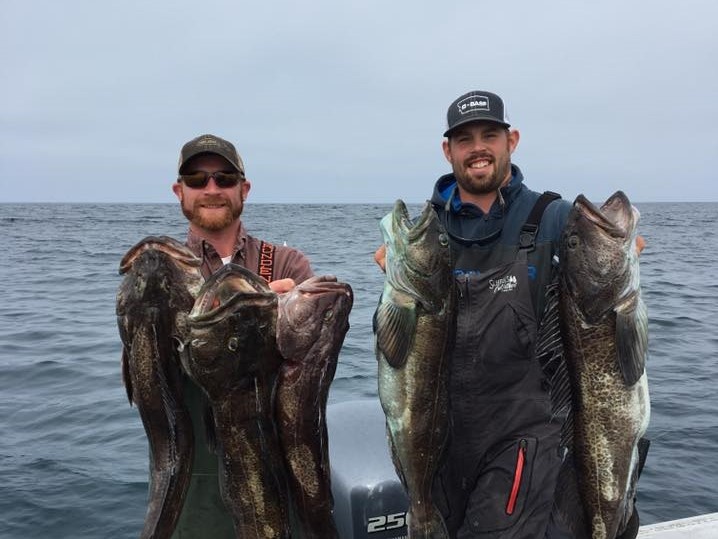
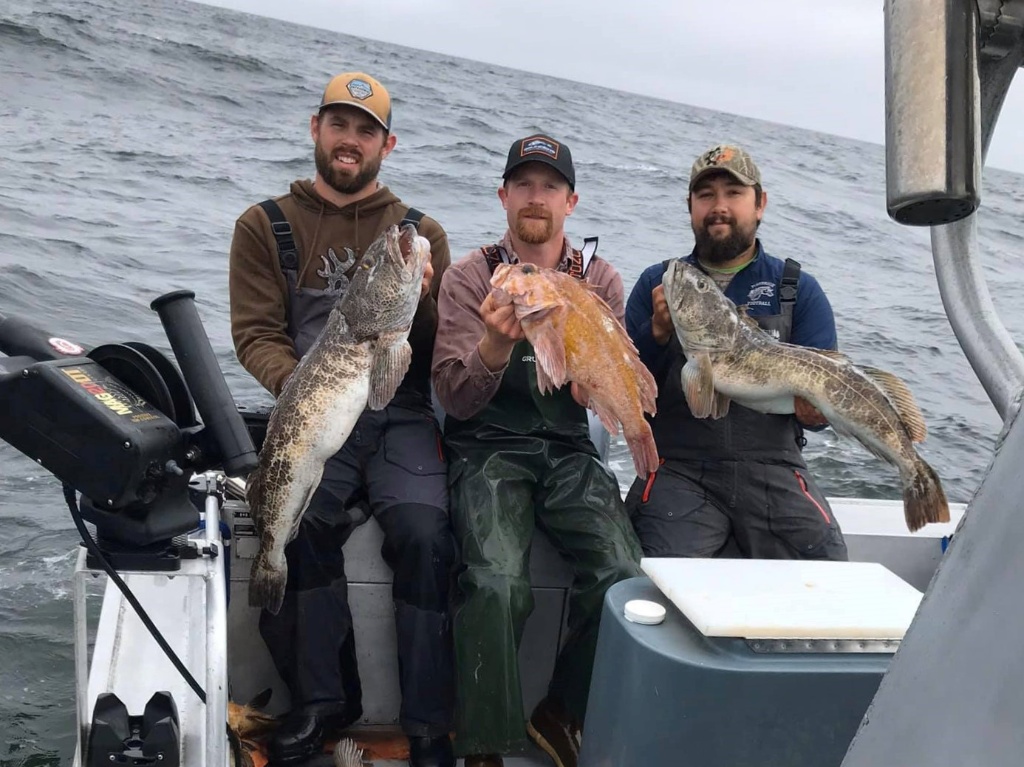
Lingcod are the apex predators of these wrecks, and hooking into a big ling is what keeps anglers coming back. These fish can push 20 pounds or more, with massive mouths full of teeth that'll grab anything that moves. Lingcod like to sit in caves and crevices in the wreck structure, ambushing smaller fish. When you hook one, expect a bulldogging fight as they try to get back into their hole. The meat is firm and white, considered by many to be the best eating fish in the Pacific.
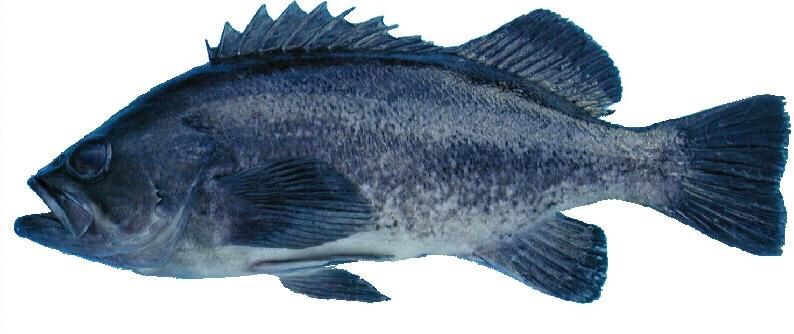
Blue Rockfish are smaller but make up for it in numbers and aggression. These dark-colored rockfish often school in massive numbers around wrecks, creating non-stop action when you locate them. They're perfect for kids or anyone who just wants to catch fish all day. Blues typically run 1 to 3 pounds and are fantastic in fish tacos or fish stew.
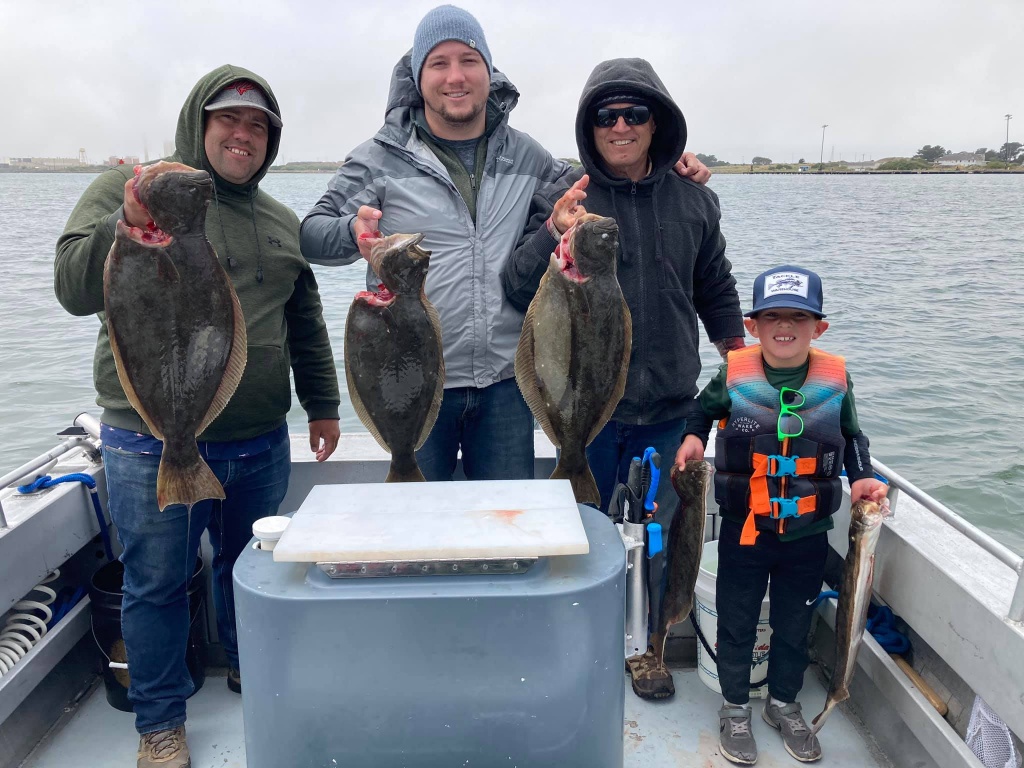
Pacific Halibut are the true prizes of these trips. While not as common as rockfish, when you hook a barn door halibut that's been living around these wrecks, you've got yourself a fish of a lifetime. Halibut can exceed 100 pounds, though fish in the 20 to 40 pound range are more typical. They're ambush predators that lie flat on sandy bottom near structure, waiting for baitfish to swim by. The fight is different from rockfish – more of a heavy, stubborn battle that tests your endurance.
Black Rockfish round out the species mix and are some of the most consistent fighters you'll encounter. These fish have a bit more speed than other rockfish species and will make runs when hooked. They're excellent table fare and commonly run 2 to 6 pounds around productive wrecks. Blacks often suspend in the water column around the wreck rather than hugging the bottom like other rockfish.
Time to Book Your Spot
The season runs from May through December, with each month offering something different. Spring and fall tend to produce the biggest lingcod, while summer brings consistent rockfish action. The beauty of wreck fishing is that it's productive all season long – these structures always hold fish. With only four spots available per trip, these dates fill up fast, especially on weekends. Whether you're a seasoned angler looking for your next personal best or someone who just wants to experience world-class Pacific bottom fishing, this trip delivers the goods. Book now and get ready to see why wreck fishing has such a devoted following among serious Pacific coast anglers.
 Private Trip
 Wrecks/Reefs Fishing
 Fortuna, CA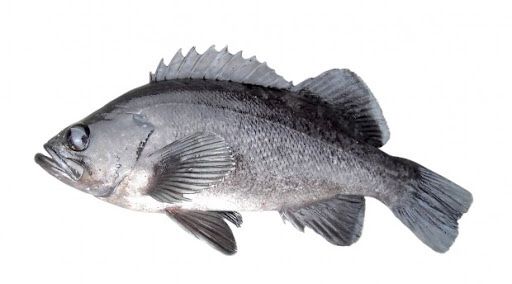


 Target Rockfish and Pacific Halibut in Pacific waters