Perdido Key Inshore Fishing Adventure
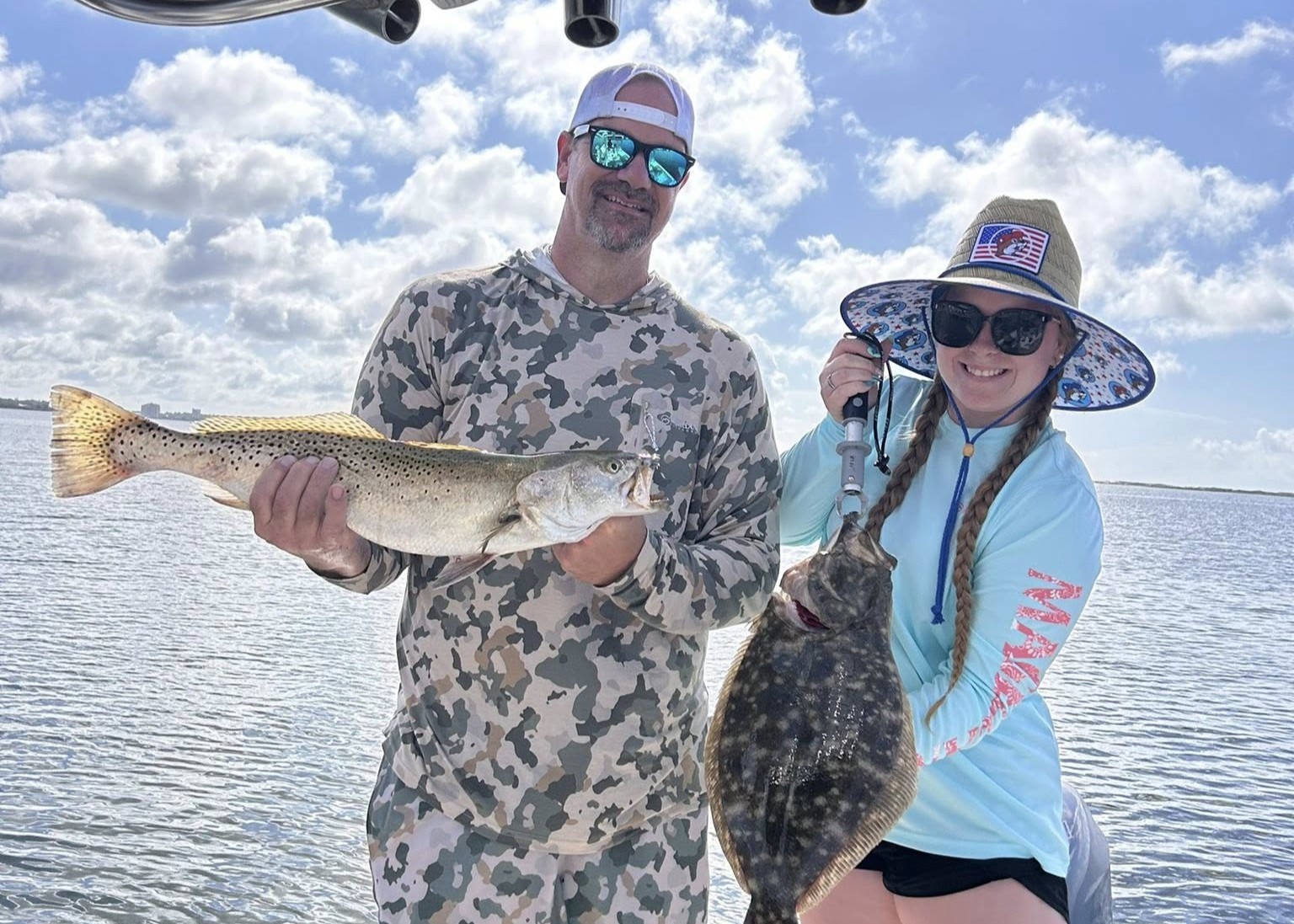
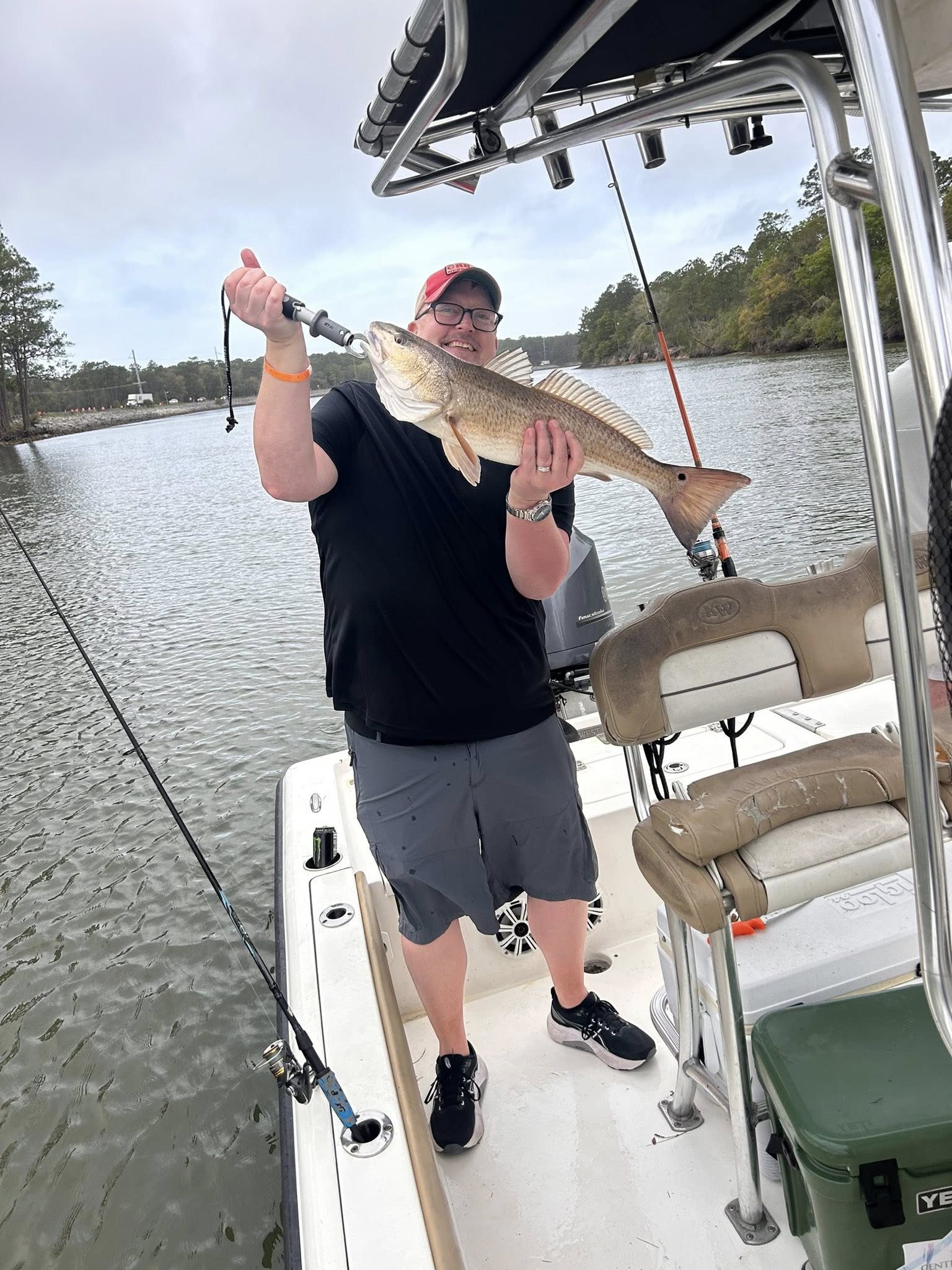
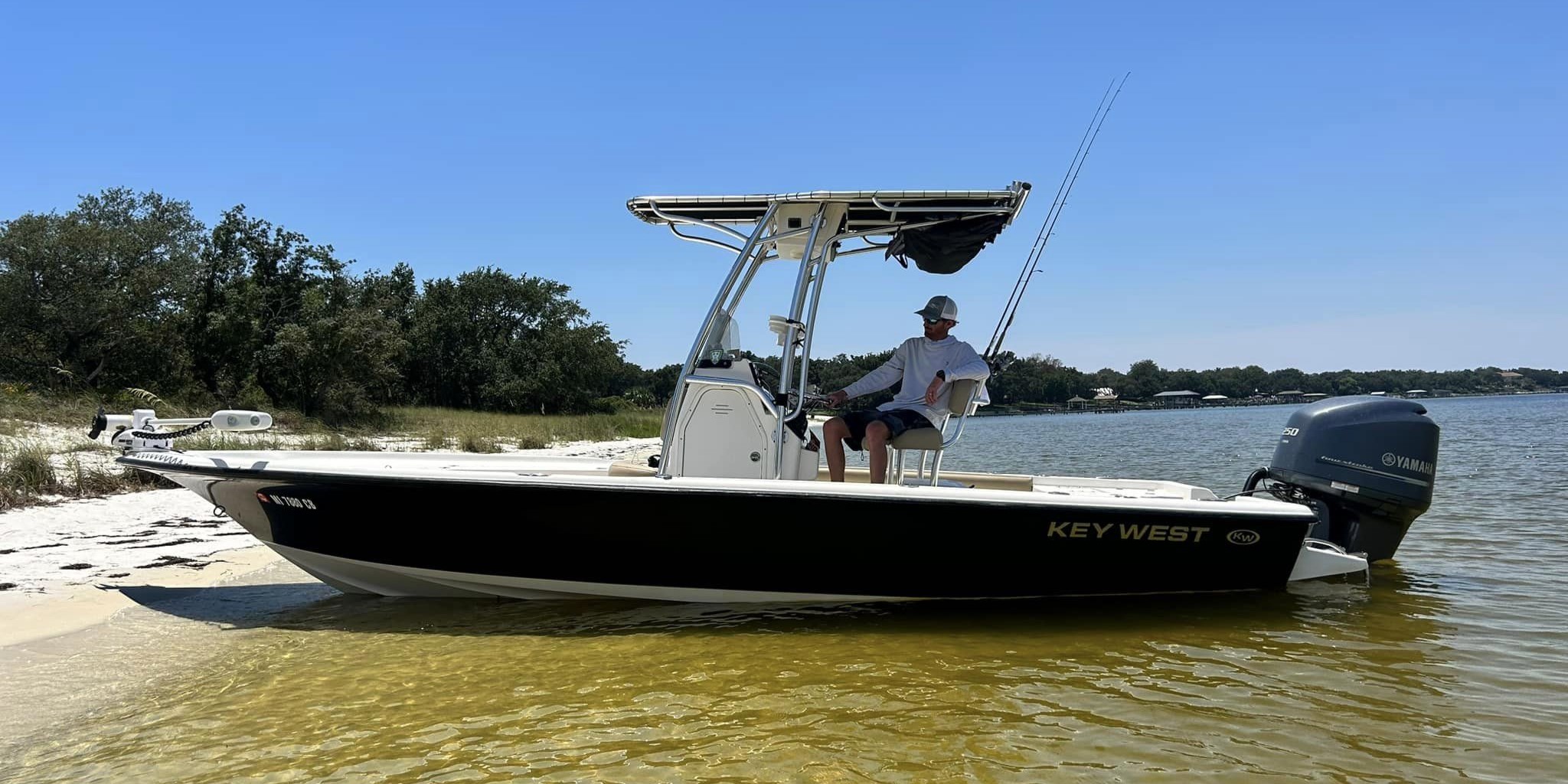
Ready to get your lines wet in some of the Gulf Coast's most productive inshore waters? Captain Brian Wass has been working these flats and nearshore zones around Perdido Key for over two decades, and he knows exactly where the fish are holding. This isn't your typical crowded charter boat experience – you'll fish from his comfortable 24-foot center console with just one other angler, giving you plenty of room to work and personalized attention from start to finish. Whether you're looking to bend some rods on a morning trip or enjoy an afternoon bite, these calm inshore waters consistently produce quality catches of flounder, redfish, black drum, and more.
What to Expect on the Water
Captain Brian runs a laid-back operation that focuses on putting you on fish while keeping things fun and relaxed. Your 4-hour trip starts with a quick boat ride to his proven spots in the protected waters around Perdido Key, where you'll target structure and grass flats that hold feeding fish year-round. The 24-foot center console gives you a stable platform for casting and plenty of deck space to move around – perfect for beginners who need room to learn or experienced anglers who want to work different techniques. You'll be fishing in calm inshore and nearshore waters, so seasickness isn't usually an issue, and the boat's setup makes it easy to handle multiple species throughout the day. Captain Brian stays busy keeping fresh bait on your hooks and helping you work through any snags or tangles, so you can focus on fighting fish instead of rigging tackle.
Techniques and Tackle
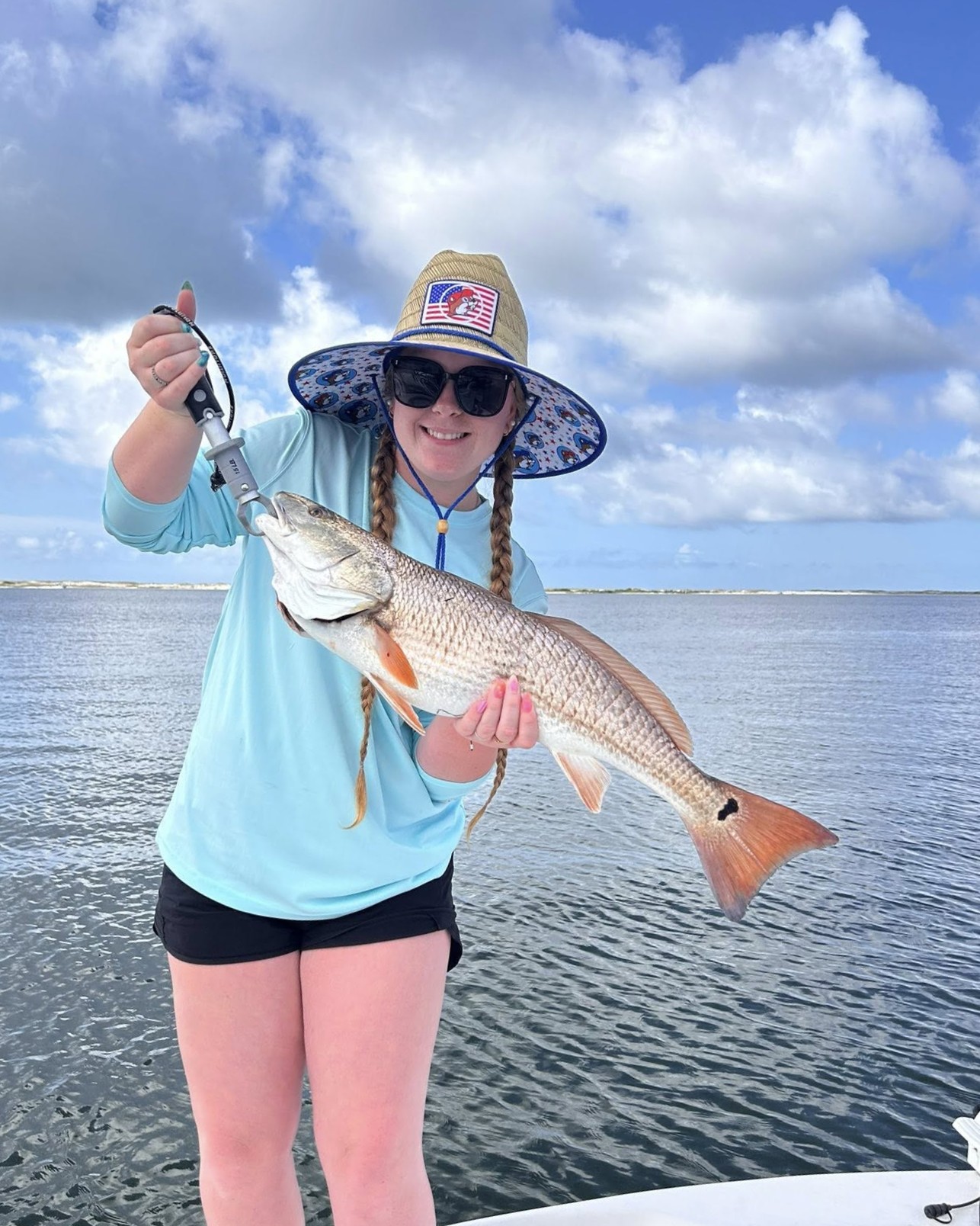
Inshore fishing around Perdido Key means adapting your approach based on tides, structure, and what the fish are eating. Captain Brian runs a mix of live bait fishing and artificial lures depending on conditions and target species. You'll work bottom rigs with fresh shrimp or cut bait when targeting flounder and black drum around oyster bars and drop-offs, then switch to live pinfish or croakers when the redfish are cruising shallow grass flats. The nearshore action often calls for trolling spoons or casting jigs when bonito and king mackerel move within range. All tackle and bait are provided, but if you've got favorite rods or lures you like to throw, feel free to bring them along. The boat's outfitted with quality Penn and Shimano gear that can handle everything from delicate flounder bites to drag-screaming redfish runs. Captain Brian's got a keen eye for reading water and structure, so you'll spend your time fishing productive spots instead of searching blindly.
Customer Stories
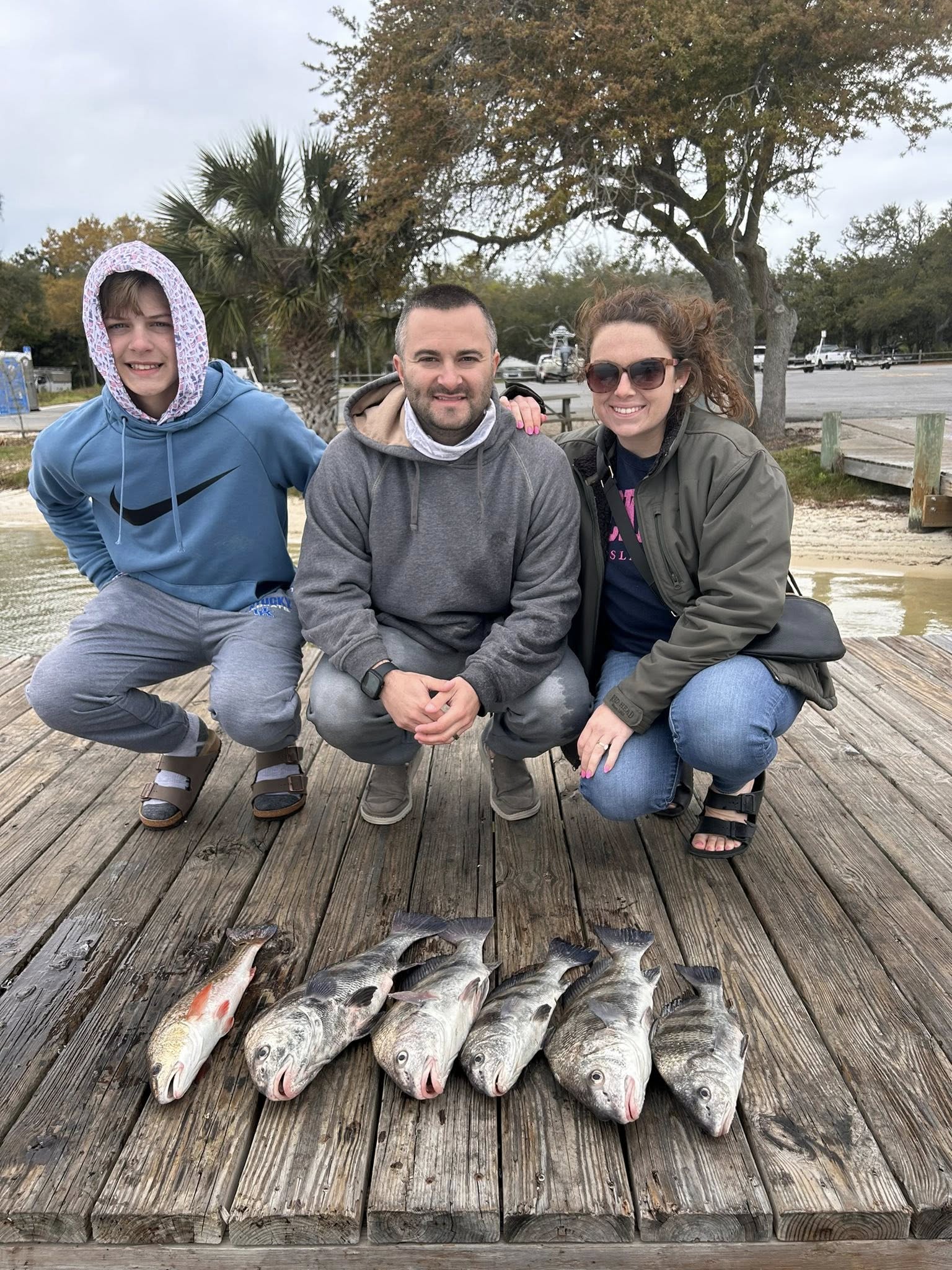
"the first 30 mins were slow but that was it. He quickly found the fish and kept putting us on them all day. we caught a large variety of fish from red fish, speckled trout to black drum and even a venomous toad fish. He had a great attitude and was non stop baiting our lines and helping if we got snagged." - Shaundra
"Our trip very family friendly and guide was super patient with our kids. We would come again! Captain did a great job getting us to the fish and we had a great time. Trip is great for anyone beginner or advanced. Was cold during our trip but we still caught plenty of fish. future guest should ensure they dress appropriately if going to be chilly. Also make sure to bring snacks!" - Morgan
Species You'll Want to Hook
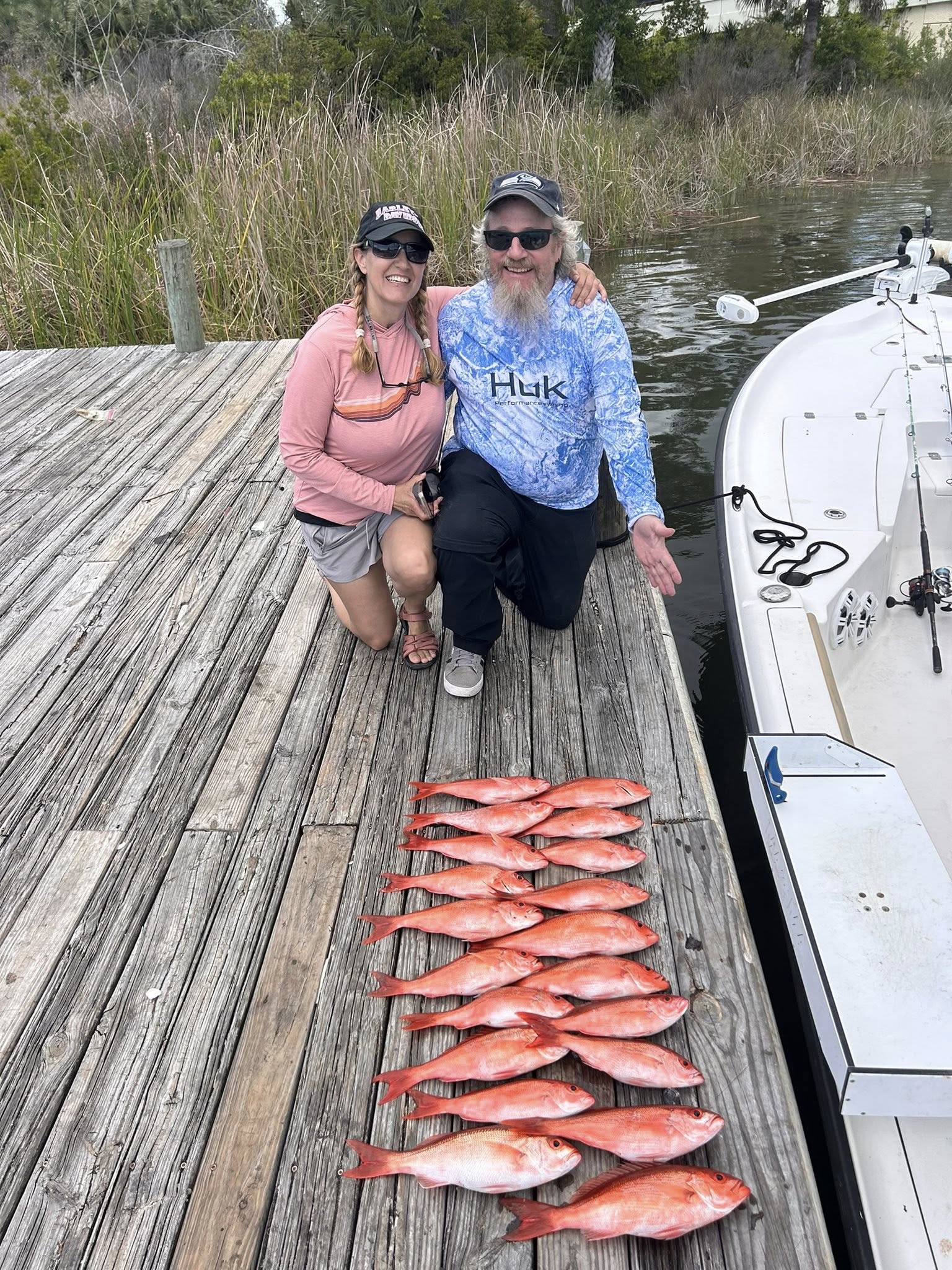
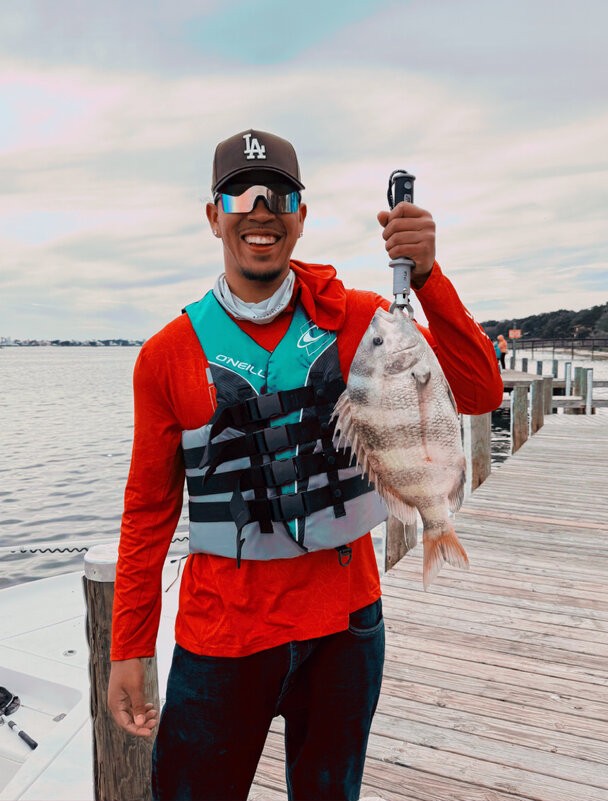
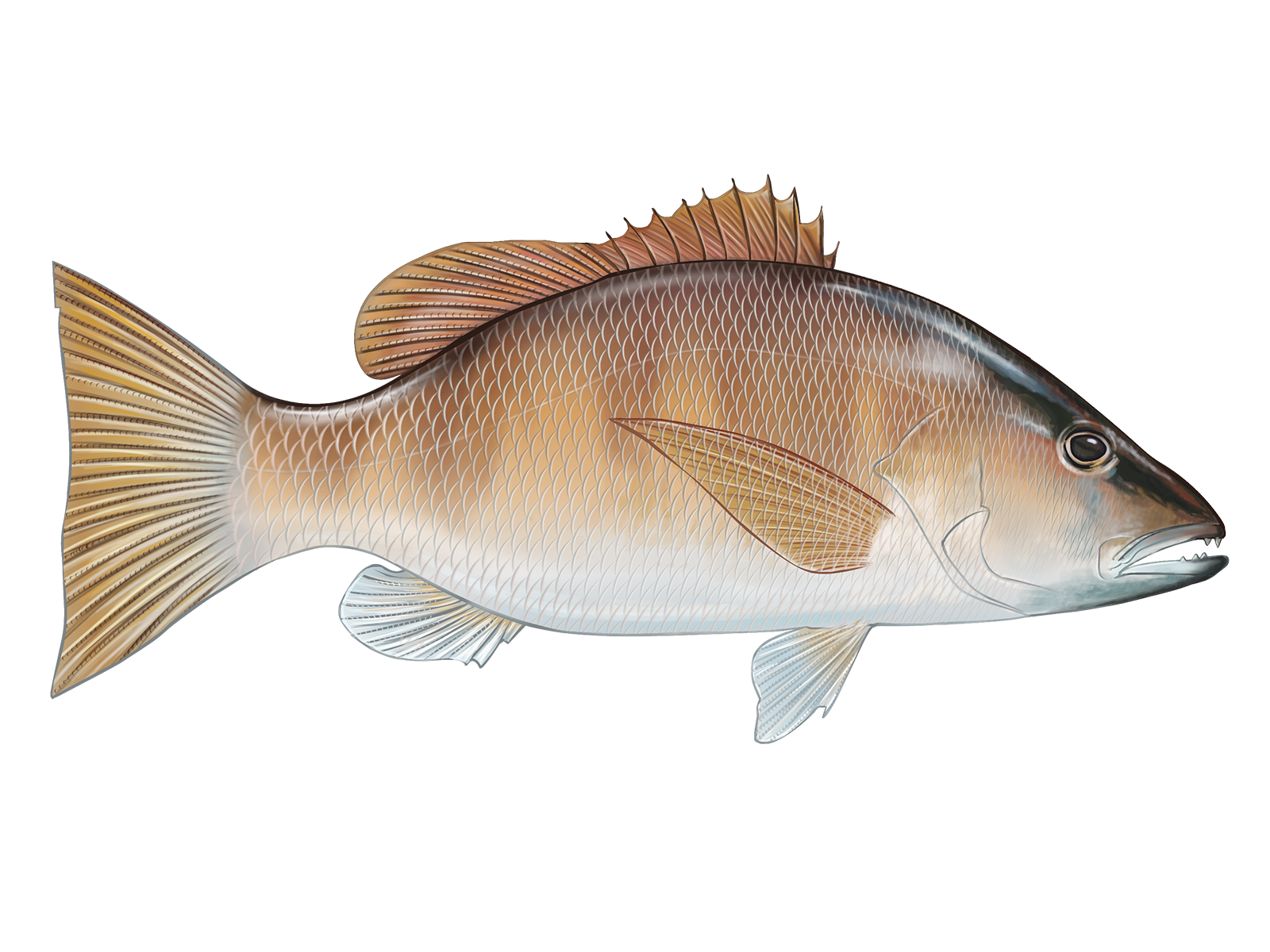
Grey Snapper around Perdido Key are scrappy fighters that love structure and moving water. These fish typically range from 12 to 18 inches and feed aggressively on live shrimp and small baitfish around oyster bars, dock pilings, and nearshore reefs. They're most active during moving tides, especially around dawn and dusk, making them perfect targets for morning and afternoon trips. What makes snapper fishing exciting is their quick bite and initial run – they'll test your drag and try to wrap you around structure if you're not ready. The fight-to-size ratio on these fish is impressive, and they make excellent table fare when you want to take a few home for dinner.
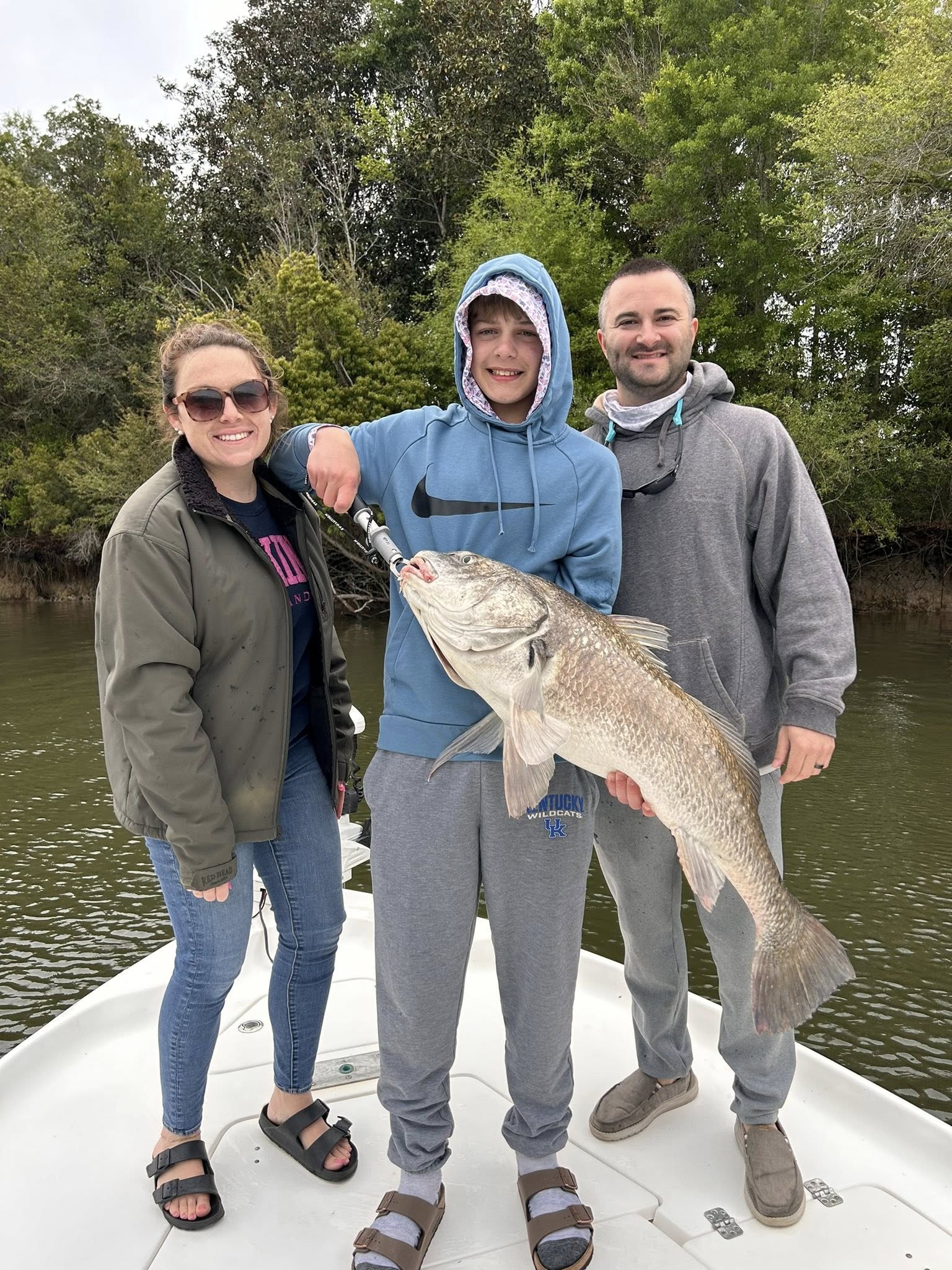
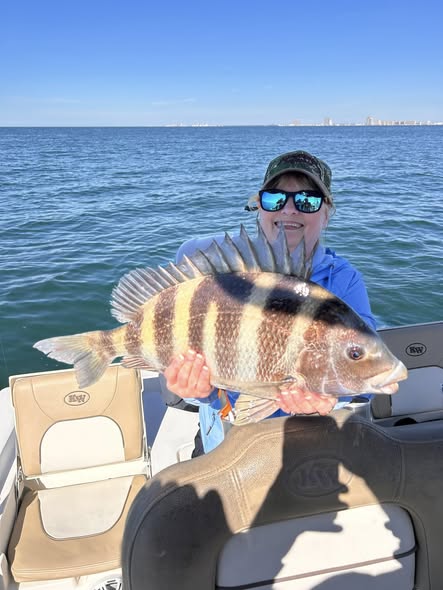
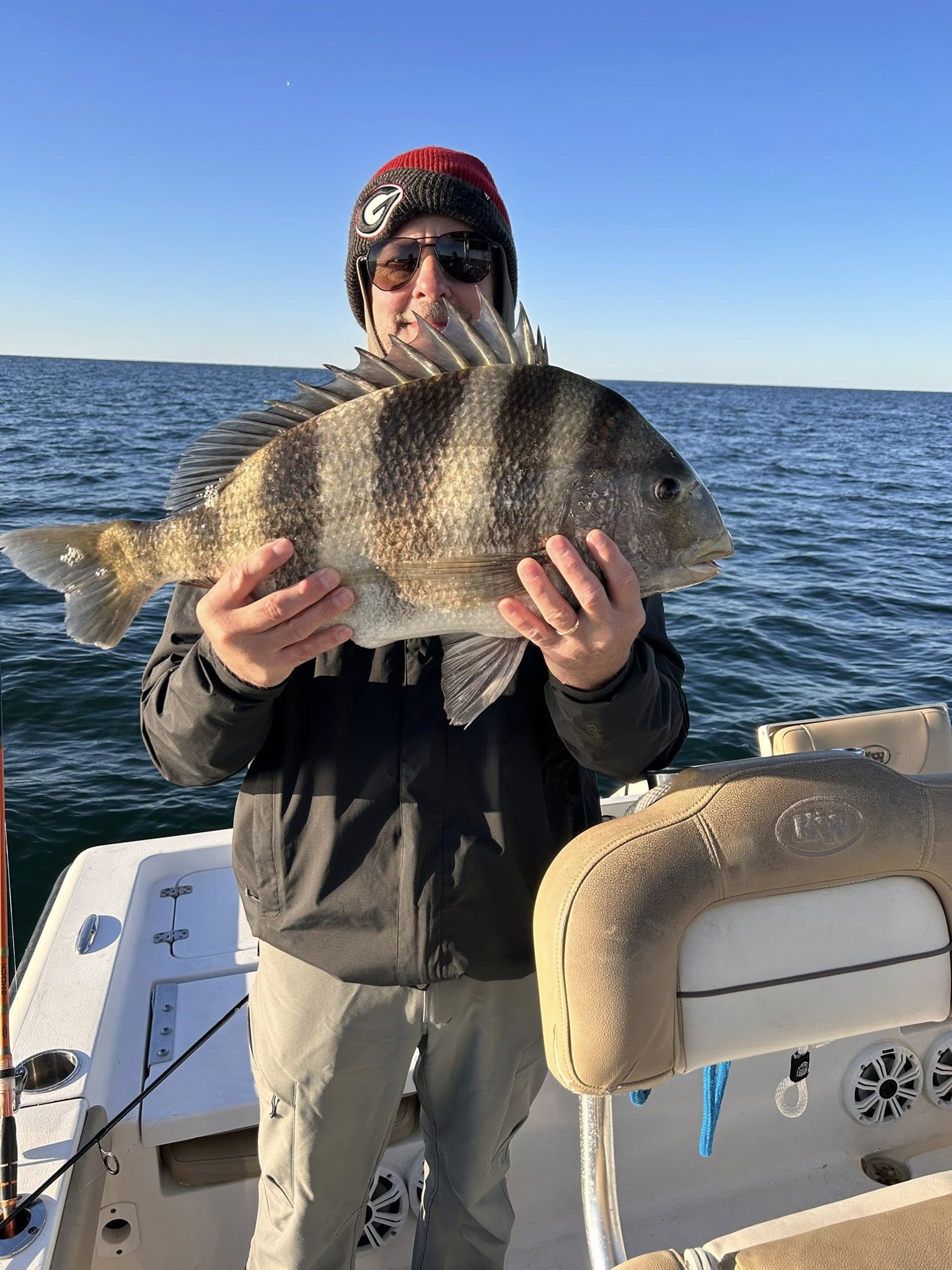
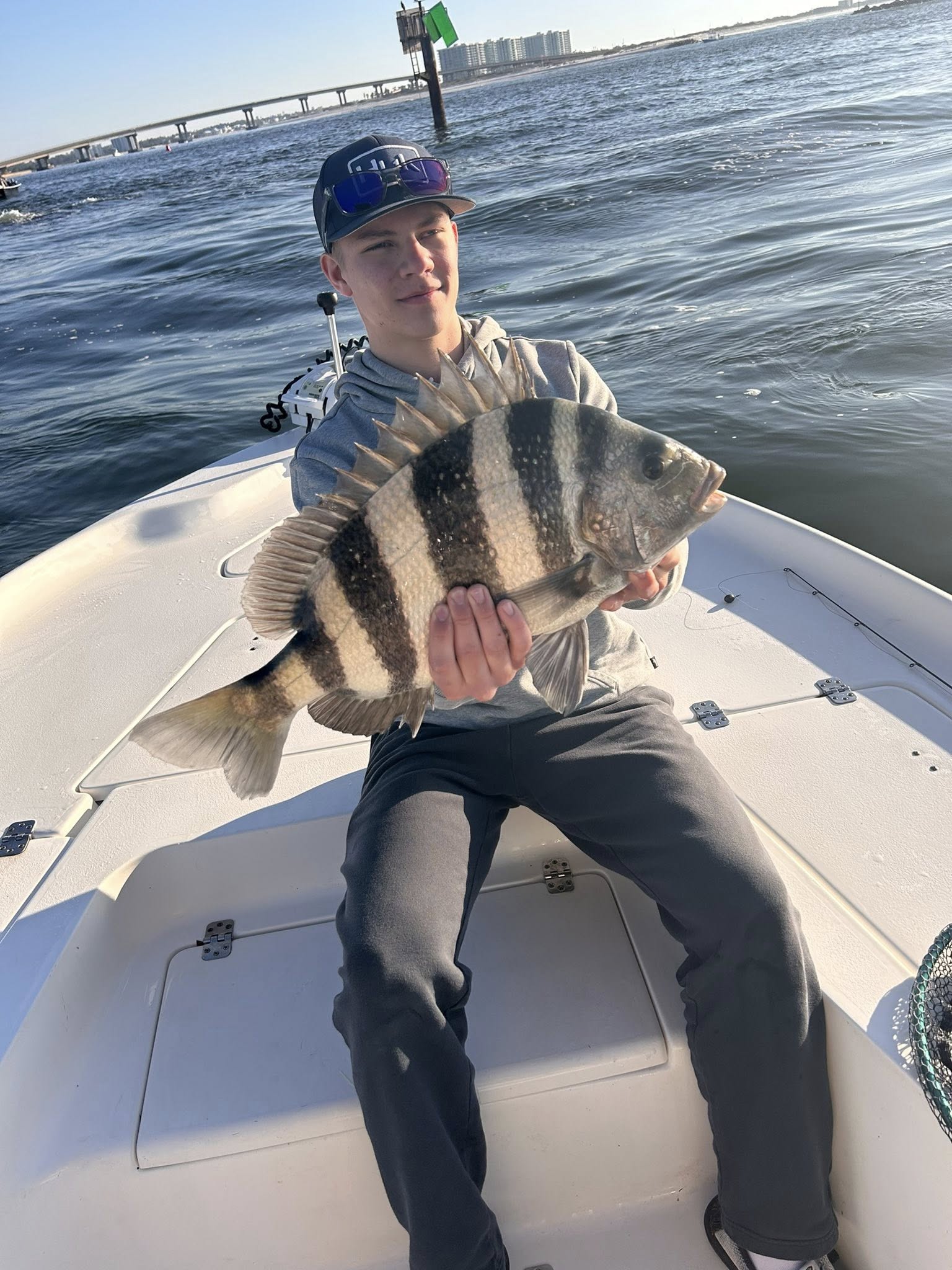
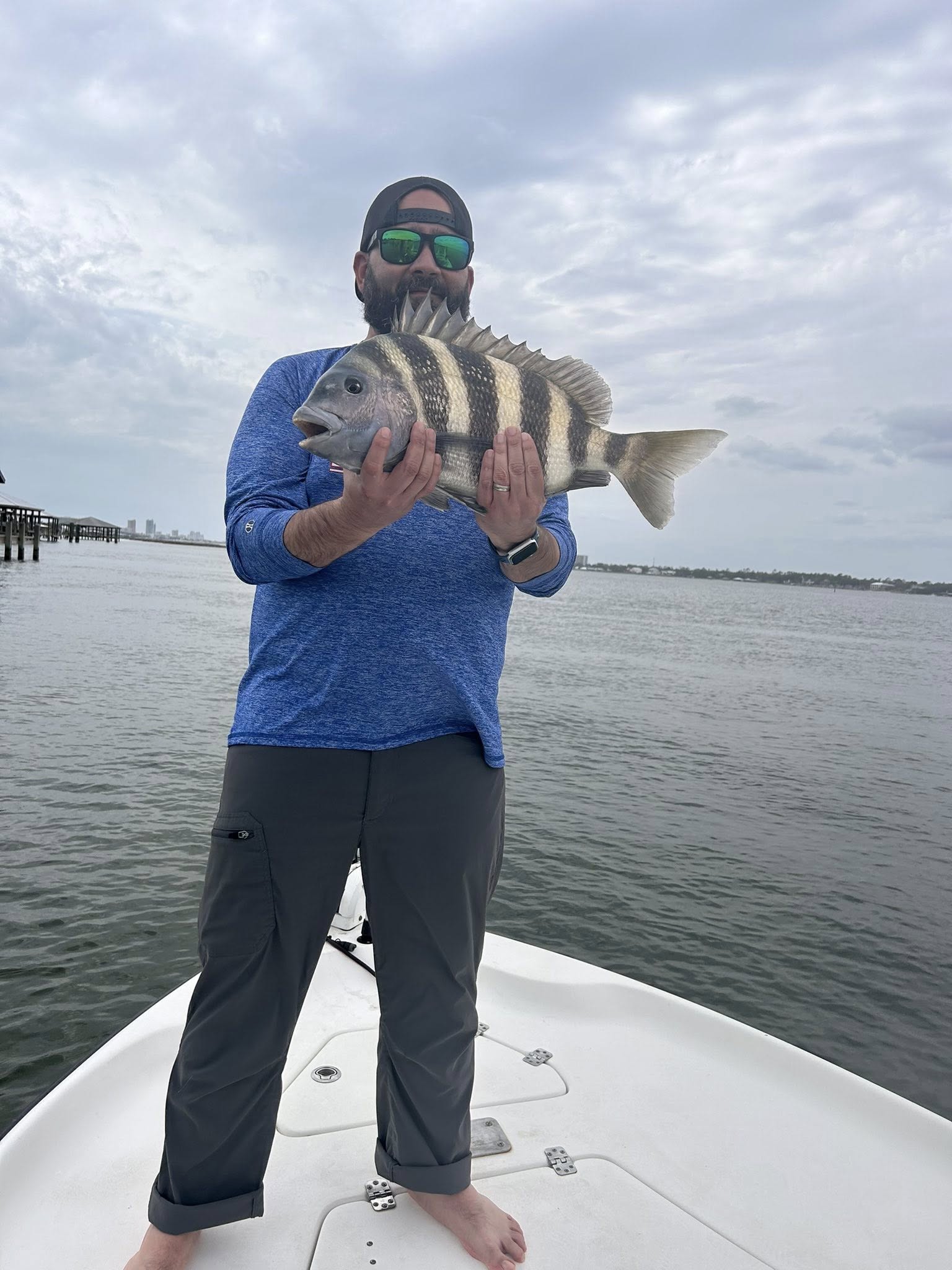
Black Drum are the bulldogs of the inshore flats, with fish commonly running 15 to 30 pounds around Perdido Key's deeper channels and oyster reefs. These fish feed heavily on crabs and shrimp, making them suckers for fresh dead shrimp fished on the bottom near structure. Spring through fall offers the most consistent action, but mild winter days can produce some of the biggest fish of the year. When a big black drum takes your bait, you'll know it – they make long, powerful runs and use their broad sides to pull drag. The thrill comes from never knowing if you've hooked a 10-pounder or a 40-pounder until you get it to the boat, and their fighting style tests both your tackle and your patience.
Summer Flounder are ambush predators that bury in sand near drop-offs, channel edges, and grass lines throughout Perdido Key's inshore waters. These flatfish typically measure 14 to 20 inches, with occasional doormat-sized fish pushing 5 to 8 pounds during peak summer months. They're most active from late spring through early fall, feeding on small fish, shrimp, and crabs that pass overhead. Flounder fishing requires patience and technique – you'll feel a subtle tap or weight on your line rather than a hard strike, and setting the hook too early often results in missed fish. What makes flounder special is their excellent eating quality and the satisfaction of fooling a fish that spends its life perfectly camouflaged on the bottom.
King Mackerel patrol the nearshore waters off Perdido Key from spring through fall, offering fast action when they move within range of the inshore fleet. These fish typically run 15 to 30 pounds, with larger fish showing up during peak migration periods in spring and fall. Kings are speed demons that make blistering runs
 5.0(2 Reviews)
 Private Trip
 Inshore Fishing
 Perdido Key


 Four-hour inshore trips targeting flounder, redfish, and black drum