Saltwater Intro Trips with Stressed Out Charters
Looking to get your feet wet in saltwater fishing without diving headfirst into a full-day commitment? These intro trips are perfect for newcomers wanting to test the waters or seasoned anglers who just want a solid half-day bite. From January through mid-May, the inshore waters come alive with some serious fish, and Captain knows exactly where to find them. With everything provided and space for just two anglers, you'll get personalized attention that makes all the difference between coming home with stories or coming home with dinner.
What to Expect on the Water
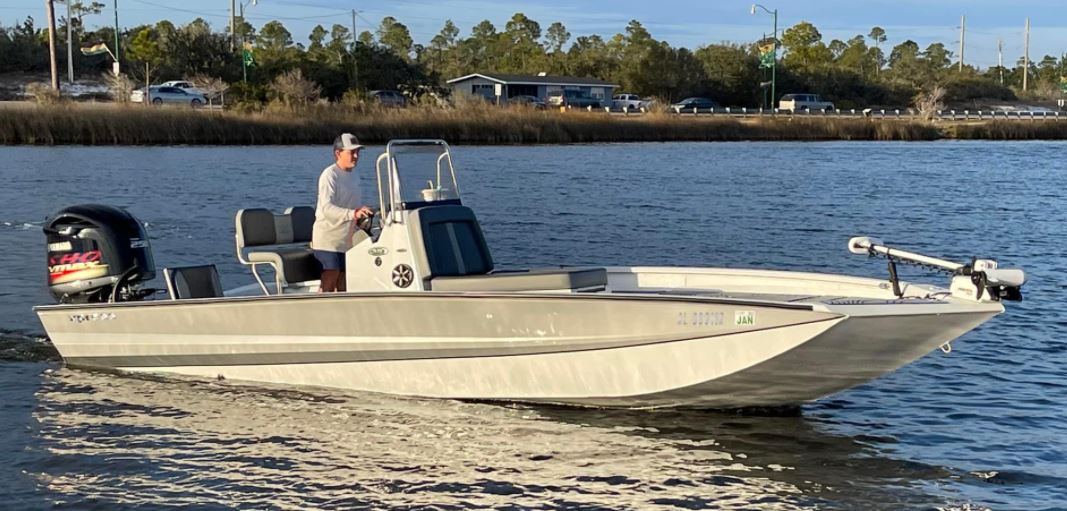
These aren't your typical crowded party boat trips. With only two spots available, you're getting the VIP treatment from start to finish. The captain provides all the tackle, bait, and know-how you need to connect with fish. Whether you're completely green or just new to saltwater, the crew takes time to show you the ropes without making you feel rushed or overwhelmed. The boat heads out to productive inshore spots where the action stays consistent throughout the season. You'll spend your time actively fishing, not just riding around looking for fish. The captain reads the water, watches the birds, and positions you over structure where these prized species like to hang out. Don't worry about bringing anything except sunscreen and maybe a cooler for your catch - everything else is handled for you.
Techniques & Tackle
Inshore fishing here involves a mix of techniques depending on what's biting and where the fish are holding. You'll likely do some live bait fishing over structure, maybe some trolling along drop-offs, and possibly some sight fishing when conditions allow. The tackle provided ranges from medium to heavy action rods paired with reels that can handle the strong runs these species are known for. Live bait like pilchards, threadfin herring, or pinfish often does the trick, but don't be surprised if the captain breaks out some lures when the fish are active. Circle hooks are standard for most live bait presentations, making it easier for beginners to hook up without constantly missing fish. The boat stays in relatively protected waters, so you won't be dealing with big seas or long runs to fishing spots. Most productive areas are within a reasonable boat ride, leaving more time with lines in the water instead of burning fuel getting there.
Top Catches This Season
King Mackerel are the speed demons of this fishery, and January through May puts you right in their wheelhouse. These fish average 15-30 pounds but can easily push 40-plus when conditions align. They're fast, they jump, and they'll test your drag system in a hurry. Kings love structure and moving water, making them perfect targets for these intro trips. What makes them special is their aggressive nature - when they hit, there's no question about it. The fight starts immediately with blistering runs that'll have your reel screaming.
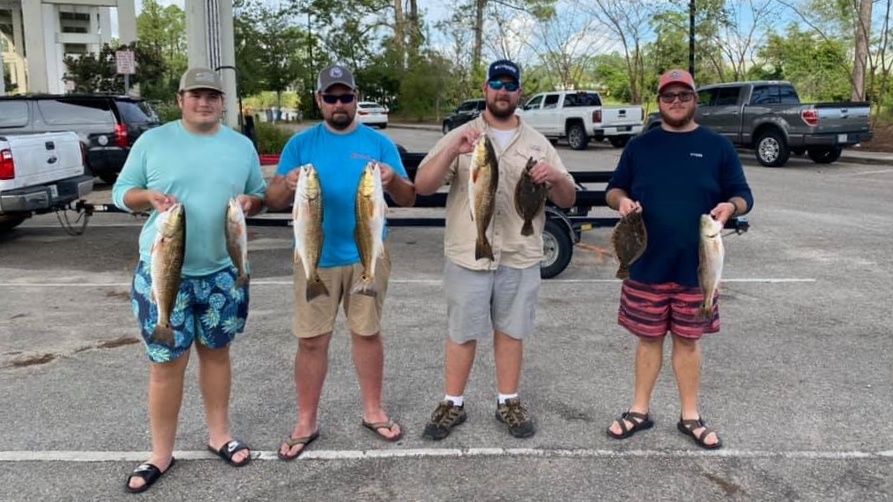
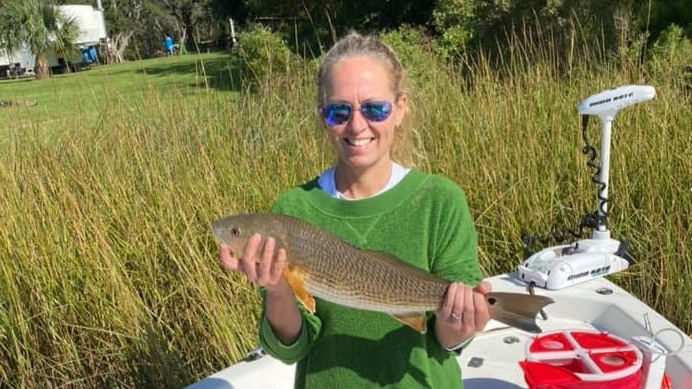
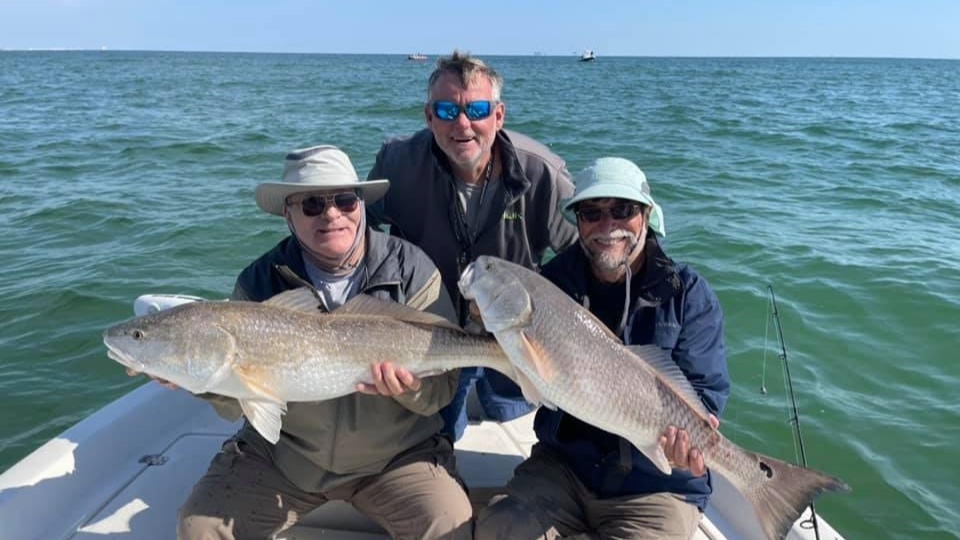
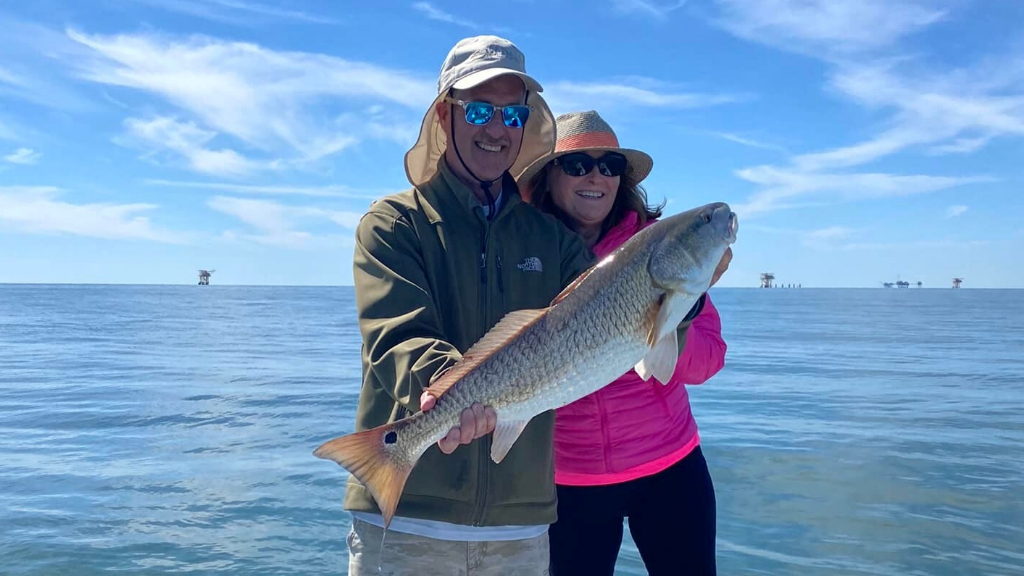
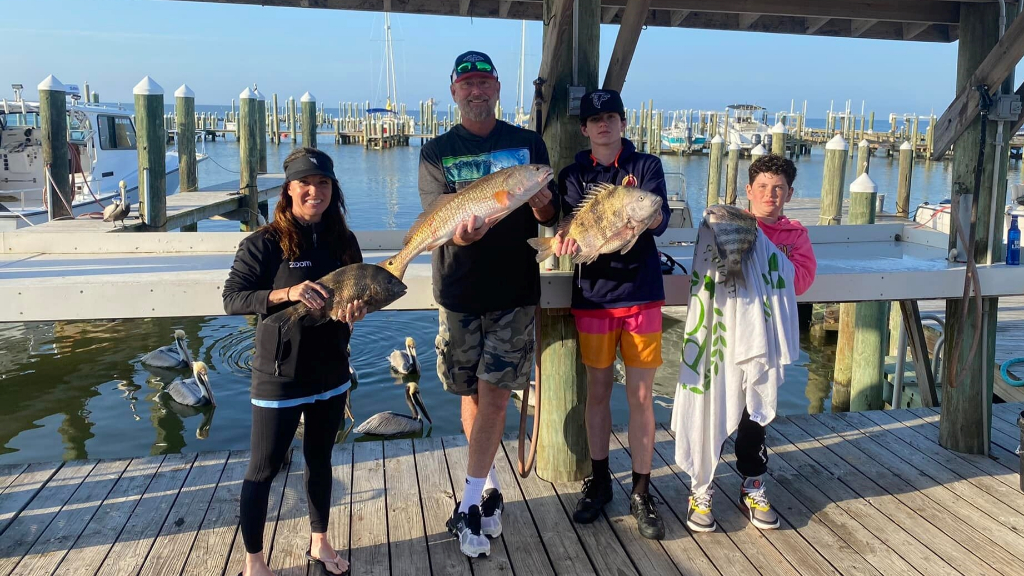
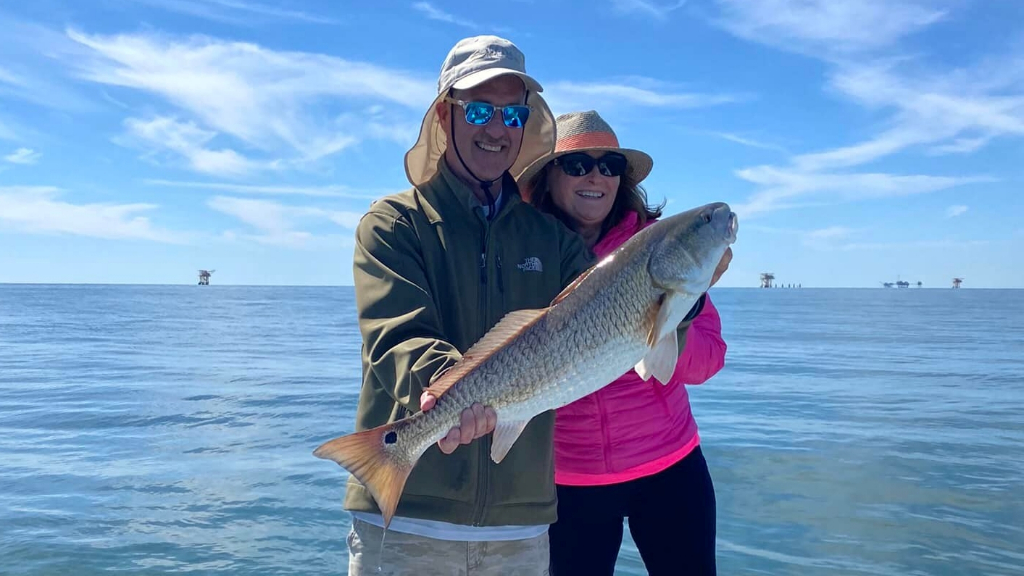
Redfish are the crowd-pleasers that fight way above their weight class. These copper-colored bruisers typically run 20-35 inches and put up a bulldogging fight that keeps you honest. They're year-round residents but really turn on during the cooler months of this season. Reds are perfect for beginners because they're not picky eaters and once hooked, they don't give up easily. Their drum-like thumping on the line is unmistakable, and they're excellent table fare when kept within regulations.
Mahi Mahi bring the tropical flavor to these waters, especially during the later part of the season as waters warm. These beautiful fish are pure eye candy with their brilliant yellows and greens, but don't let their looks fool you - they're acrobatic fighters that'll go airborne multiple times during a fight. Mahi typically show up around floating debris or weed lines, and they often travel in schools, so catching one often means there are more around. They're also some of the best eating fish in the ocean.
Cobia are the gentle giants that surprise everyone with their size and power. These brown sharks-looking fish can reach 30-50 pounds and are known for their curious nature. They'll often swim right up to the boat, giving you a perfect sight-fishing opportunity. Cobia are spring fish, making them prime targets during this trip window. They're strong, steady fighters that use their broad tails and thick bodies to test your tackle. Plus, they're fantastic on the dinner table with firm, white meat that's hard to beat.
Little Tunny round out the mix as the hard-fighting members of the tuna family. These smaller tunas pack incredible power for their size, typically running 5-15 pounds but fighting like fish twice their weight. They're speed merchants that make long runs and don't quit easily. Little Tunny are perfect for light tackle fishing and give newcomers a real taste of what tuna fishing is all about. They're also great bait for larger species if you're targeting bigger game.
Time to Book Your Spot
This intro trip gives you everything you need to discover why saltwater fishing becomes an obsession for so many people. With professional equipment, expert guidance, and prime fishing season timing, you're set up for success from the moment you step aboard. The January through May window represents some of the best fishing conditions of the year, with active fish, comfortable weather, and consistent action. Whether this becomes your gateway into saltwater fishing or just a fun way to spend a morning, you'll leave with a better understanding of what these waters have to offer. With only two spots available, these trips fill up fast among locals and visitors alike. Don't wait until the season's over to get your line wet - book your spot now and see what all the excitement is about.
 Private Trip
 Inshore Fishing
 Gulf Shores, AL


 Introductory saltwater fishing trips targeting prized seasonal species