5 HR Wreck Fishing Adventure - West Palm Beach
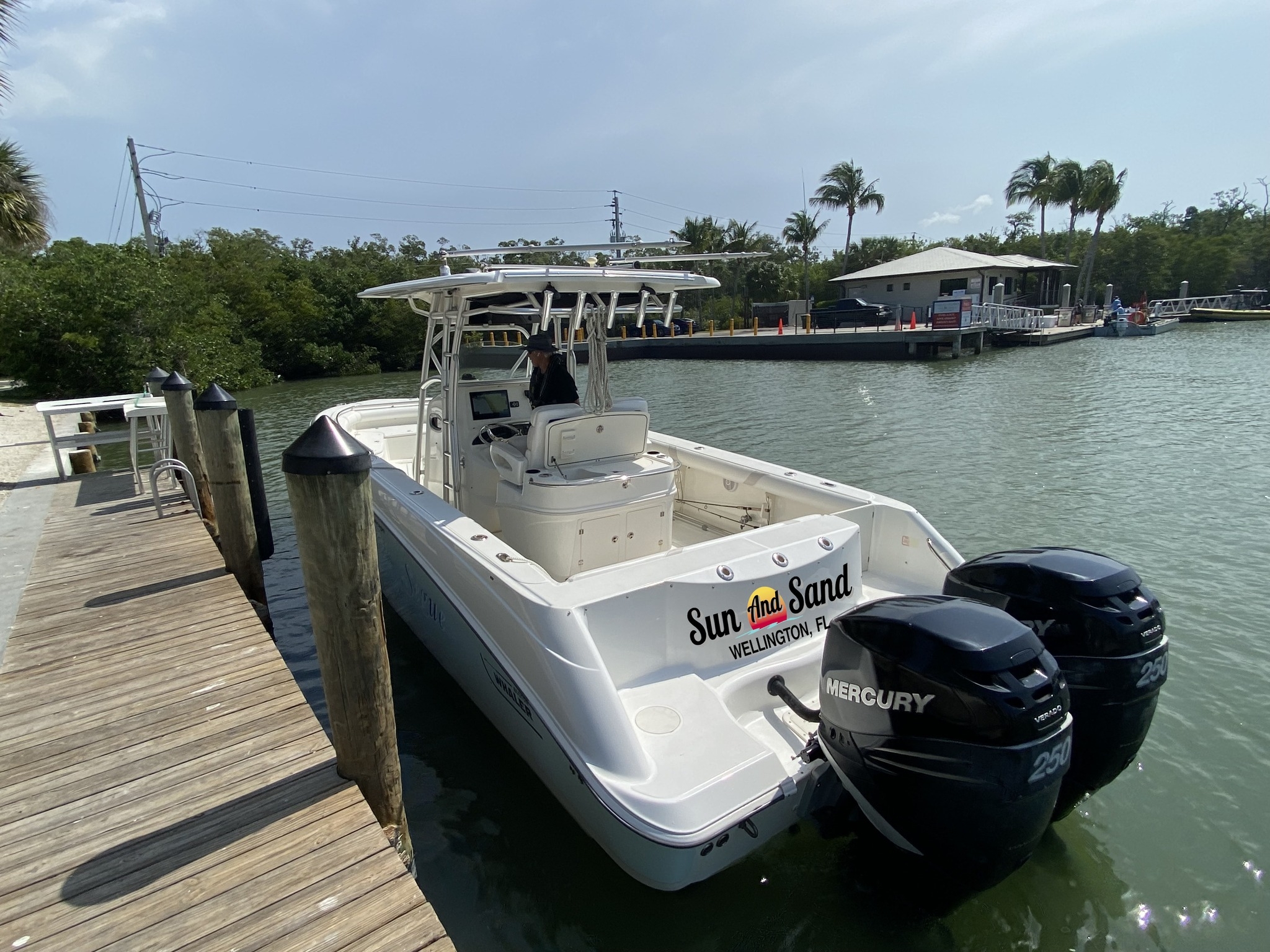
Ready to drop lines on some of Florida's most productive wrecks? Sun & Sand Charters serves up a solid 5-hour wreck fishing adventure that puts you right where the big fish live. We're talking about heading offshore to those legendary artificial reefs and shipwrecks that hold serious gamefish year-round. This isn't your typical inshore trip – we're going where the water gets deep blue and the fish get hefty. Our top-rated charter accommodates up to 6 anglers, so bring your crew or join other fishing enthusiasts for a day that'll have you bragging at the dock. West Palm Beach sits perfectly positioned along the Gulf Stream, giving us access to some of the Atlantic's best wreck fishing grounds within a reasonable boat ride.
What to Expect on the Water
Your morning starts early at the marina as we load up and head offshore to our carefully selected wreck sites. These aren't random drops – we're hitting proven producers where structure attracts baitfish, and baitfish bring the predators we're after. The ride out gives you time to rig up and get your game face on while our experienced captain reviews the day's game plan. Once we reach our first wreck, you'll see why these underwater structures are fish magnets. The depth varies depending on conditions and target species, but expect to fish anywhere from 80 to 200 feet of water. Don't worry about bringing tackle – we've got you covered with quality rods, reels, and terminal tackle suited for wreck fishing. The vibe stays relaxed but focused, with plenty of room to move around our well-designed fishing platform. Whether you're a seasoned wreck angler or trying it for the first time, our crew keeps things fun while maximizing your chances at trophy fish.
Techniques and Tackle
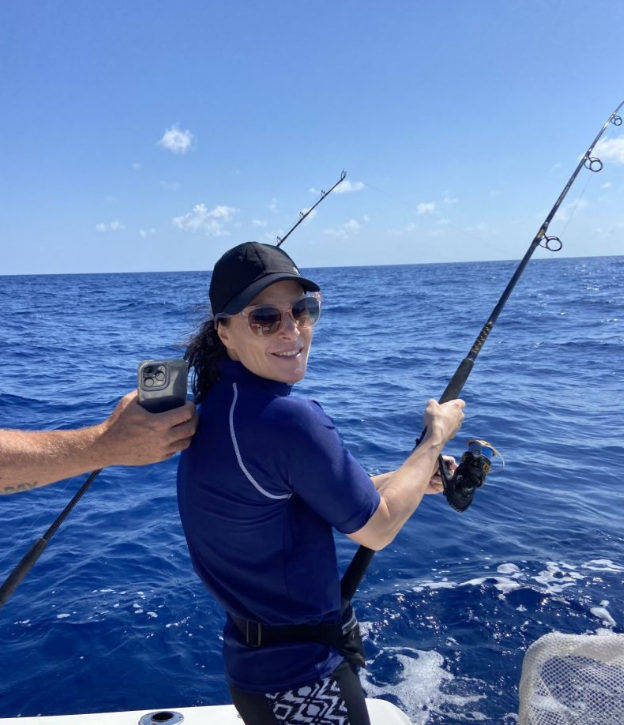
Wreck fishing demands specific techniques, and we use the full arsenal to put fish in the boat. Vertical jigging is our bread and butter – dropping heavy jigs straight down to where grouper and snapper hold tight to the structure. We'll also deploy live and dead baits on the bottom using circle hooks and enough weight to get down fast in the current. When conditions allow, we'll troll around the edges of wrecks for pelagic species like mahi, wahoo, and kingfish that cruise these areas looking for easy meals. Our spinning gear handles the lighter presentations while conventional reels do the heavy lifting when big fish want to head back to the wreck. You'll learn to read the fish finder, understand how current affects your presentation, and master the art of feeling bottom structure through your rod tip. We rotate spots throughout the day, hitting different wrecks based on tide, current, and what's biting. The key to successful wreck fishing is patience mixed with quick reflexes – you might wait for the bite, but when it comes, you better be ready to set the hook and pull that fish away from the structure before it cuts you off.
Customer Stories
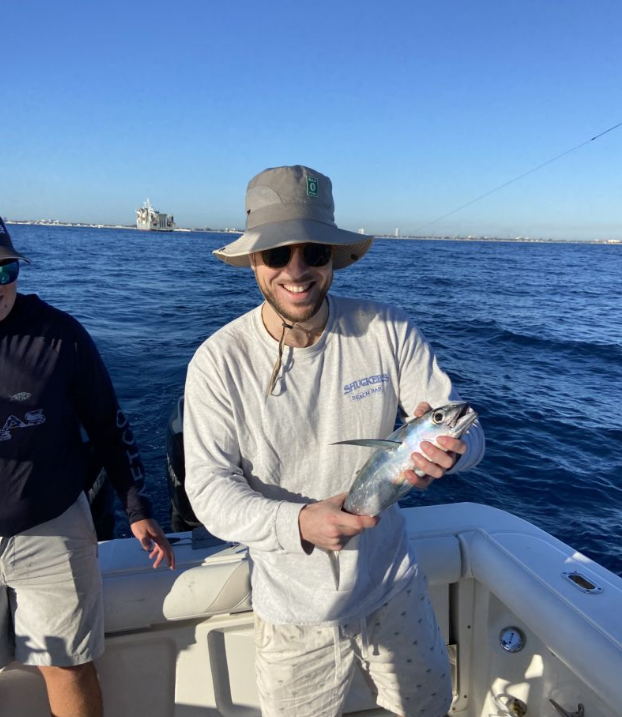
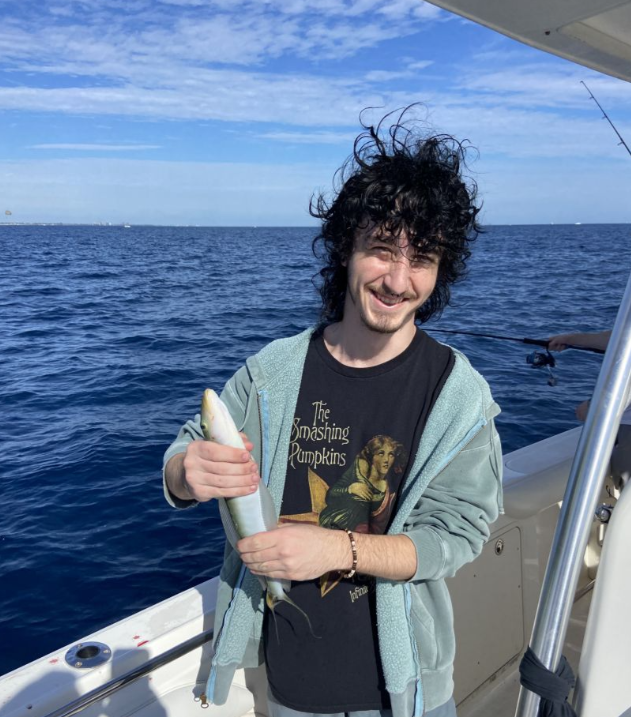
Our anglers consistently walk away with great memories and coolers full of fish. "Highly recommended!" - Donald. Stories like this keep us motivated to deliver world-class fishing experiences every single trip. Repeat customers tell us they appreciate our knowledge of local wreck sites and our commitment to putting them on fish, regardless of their skill level.
Species You'll Want to Hook
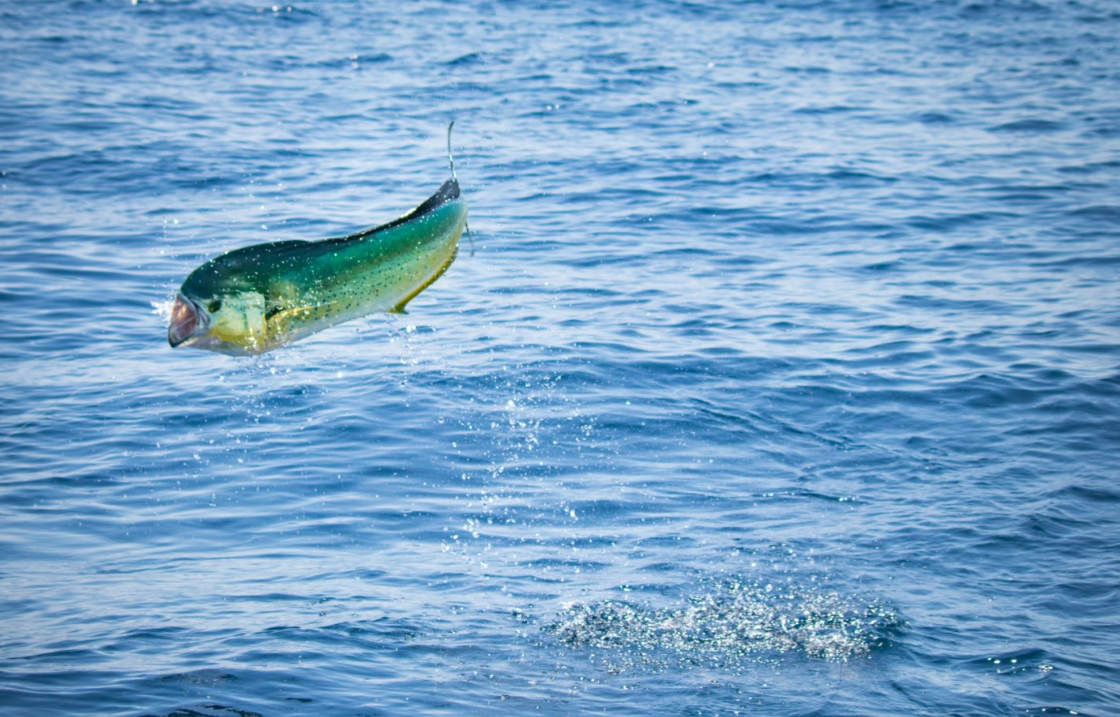
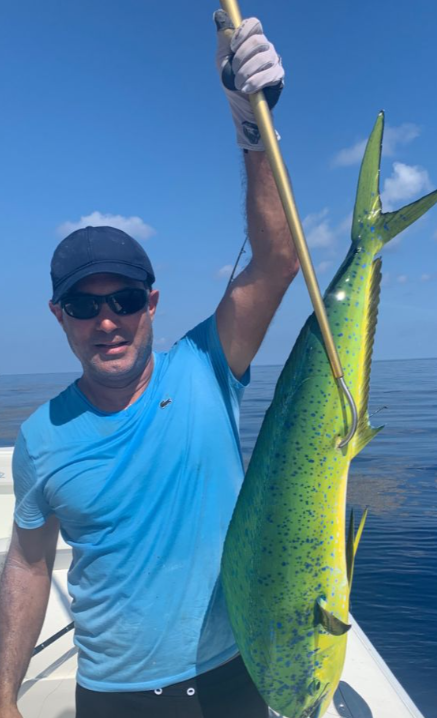
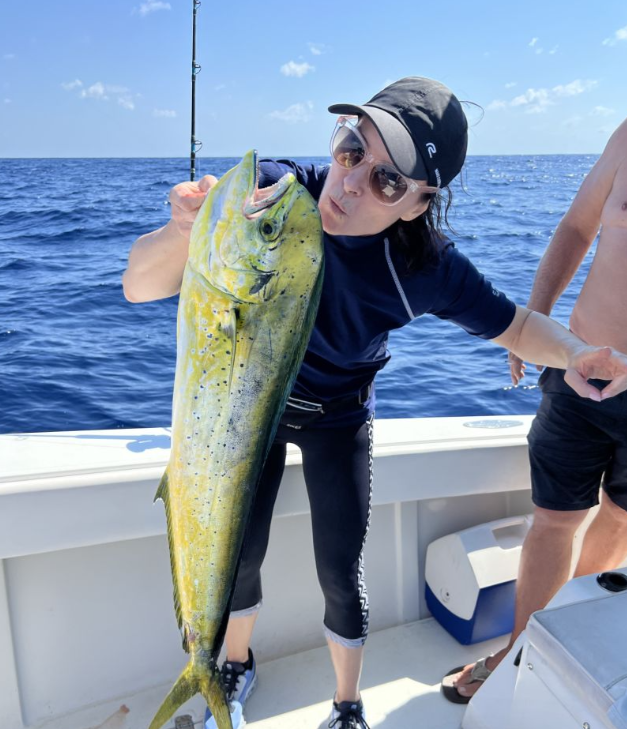
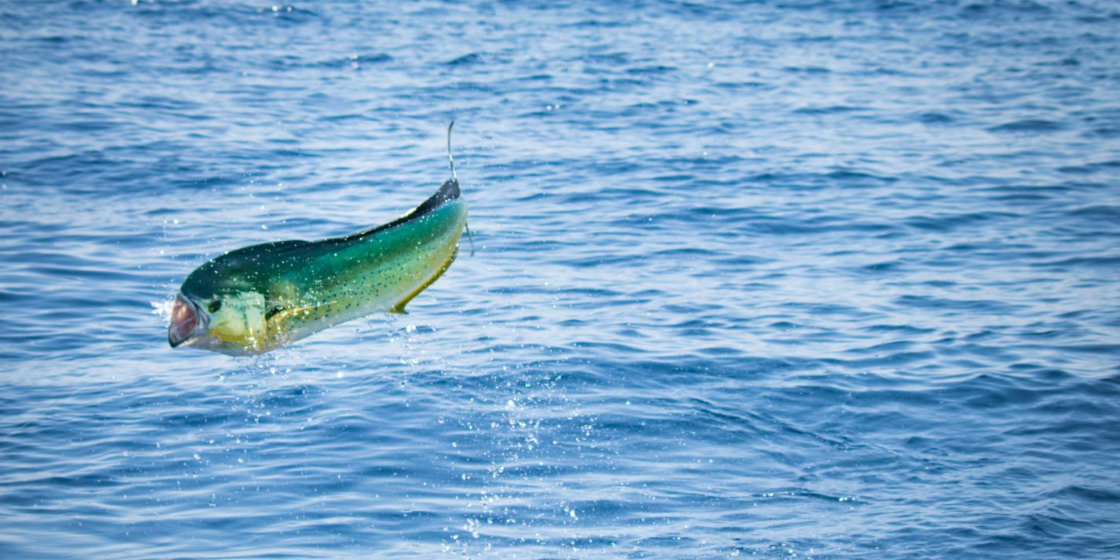
Mahi Mahi ranks as one of the most exciting fish you'll encounter on our wreck adventures. These colorful fighters average 10-25 pounds but can push 40+ pounds when you find the right school. Mahi love floating debris and often hang around wrecks where smaller fish gather, making them prime targets during spring and summer months. What makes mahi special is their aerial show – they'll jump, tail-walk, and put on a display that gets everyone on the boat excited. Plus, they're fantastic table fare with firm, white meat that's perfect for the grill.
Wahoo represents the speed demon of our target species, capable of smoking line off your reel at 50+ mph. These torpedo-shaped predators patrol wreck edges and drop-offs, ambushing baitfish with lightning-fast strikes. Fall and winter bring the best wahoo action to West Palm Beach waters, with fish ranging from 20 to 60 pounds. Their razor-sharp teeth and incredible speed make every hookup a test of your drag system and fighting skills. Wahoo sashimi is legendary among offshore anglers, making these fish as prized for their culinary value as their fighting ability.
Black Grouper rule the bottom around our deeper wrecks, with bruiser fish exceeding 50 pounds lurking in the shadows of the structure. These ambush predators require heavy tackle and quick reflexes – once hooked, they'll try to dive straight back into the wreck to cut your line. Peak season runs from late fall through early spring when big breeding females move into shallower waters. Landing a trophy black grouper demands skill, persistence, and a little luck. Their sweet, flaky meat makes them a customer favorite, though we always follow size and bag limits to ensure healthy populations for future trips.
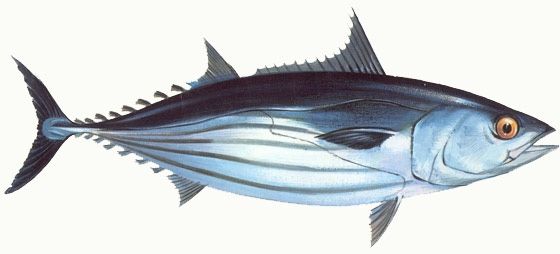
Skipjack Tuna bring non-stop action when schools move through our fishing areas. These smaller tunas rarely exceed 10 pounds but make up for size with sheer numbers and aggressive feeding behavior. They're perfect for lighter tackle and provide great action when larger species aren't cooperating. Skipjack often travel with other tuna species, so hooking one frequently leads to multiple fish opportunities. Their dark, rich meat works perfectly for those who enjoy a more robust fish flavor.
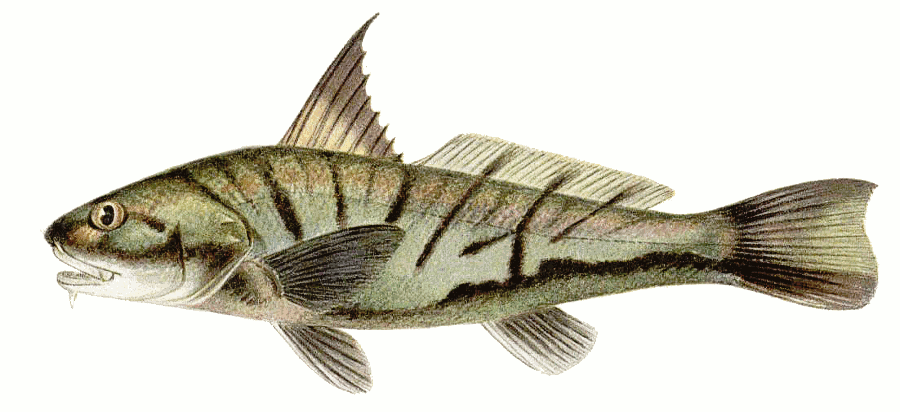
Northern Kingfish round out our target list as consistent producers throughout the year. These bottom dwellers love sandy areas around wrecks where they hunt for crabs, shrimp, and small fish. While they don't grow as large as other species on our list, kingfish provide steady action and excellent eating. They're perfect for families or groups with varied fishing experience levels since they bite readily and don't require specialized techniques to catch successfully.
 5.0(1 Reviews)
 Private Trip
 Wrecks/Reefs Fishing
 West Palm Beach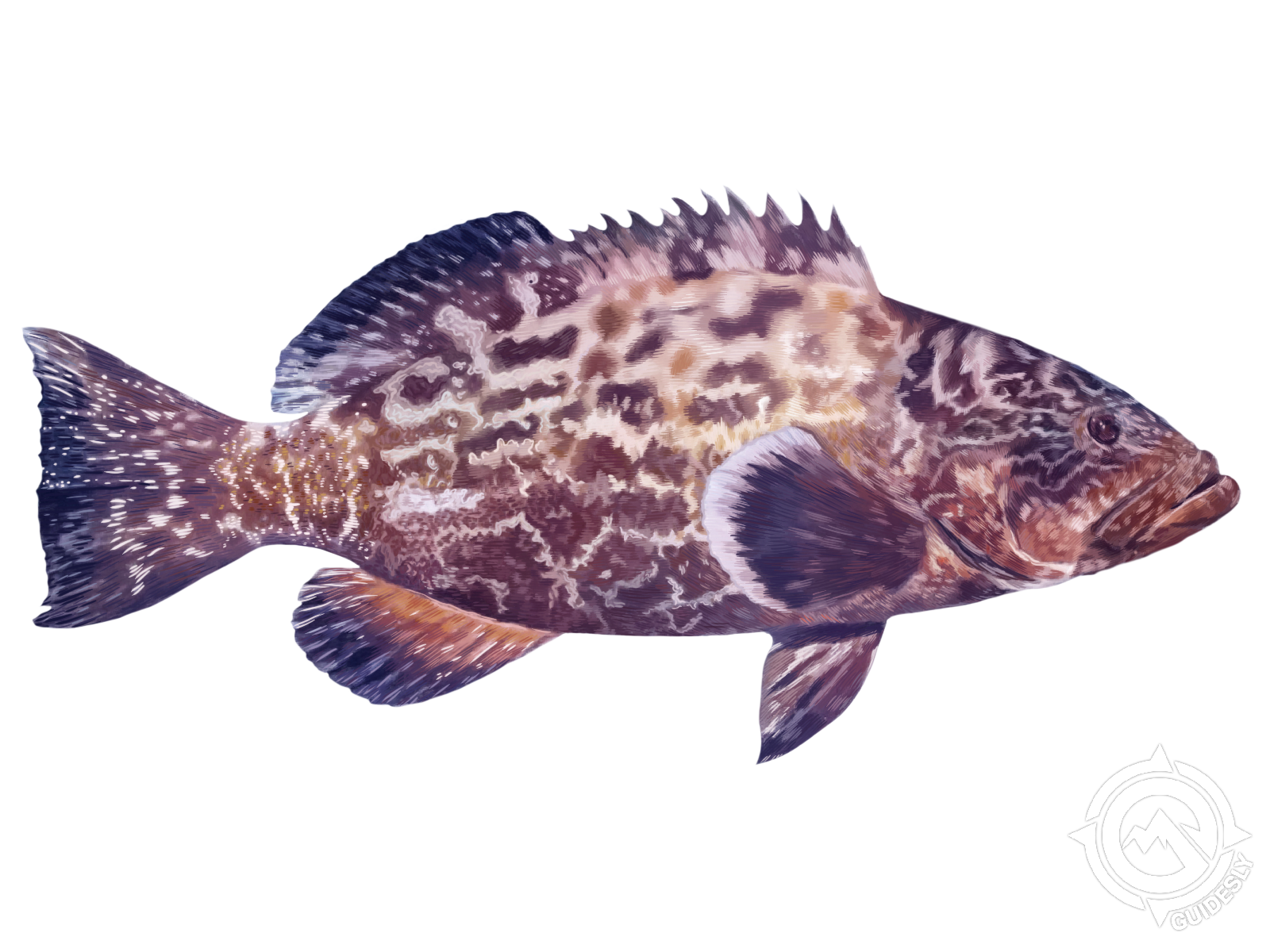


 5-hour offshore wreck fishing targets premium species