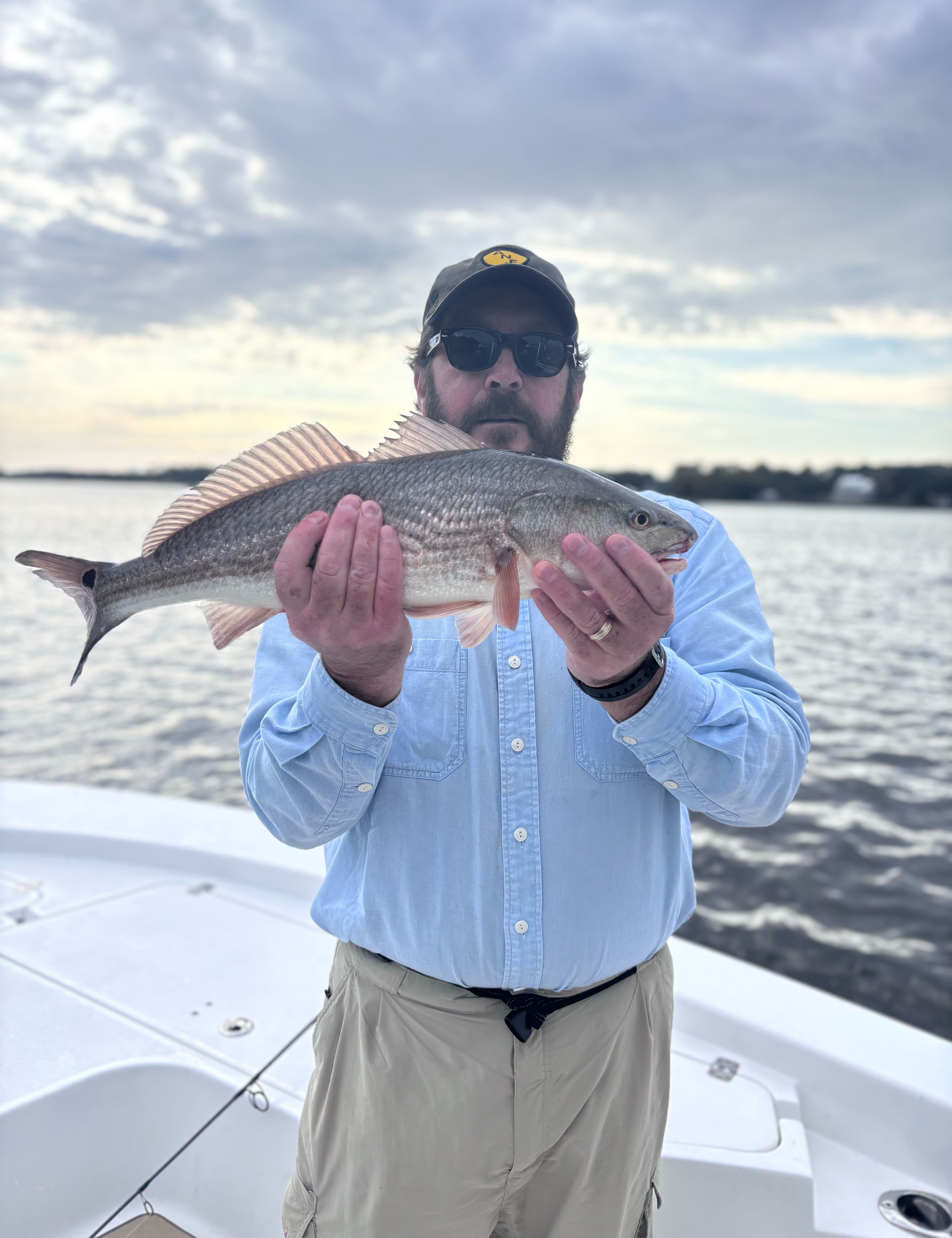
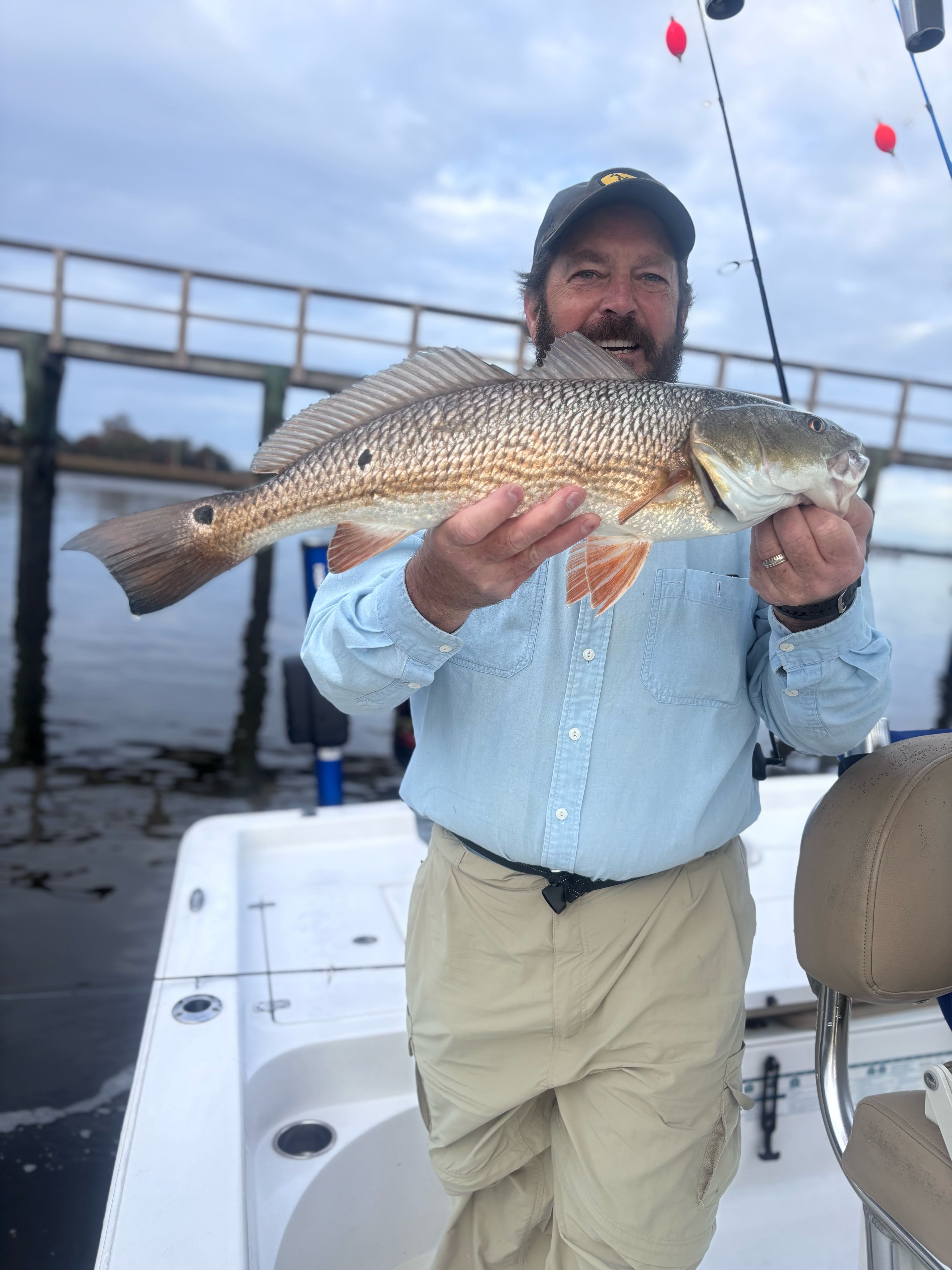
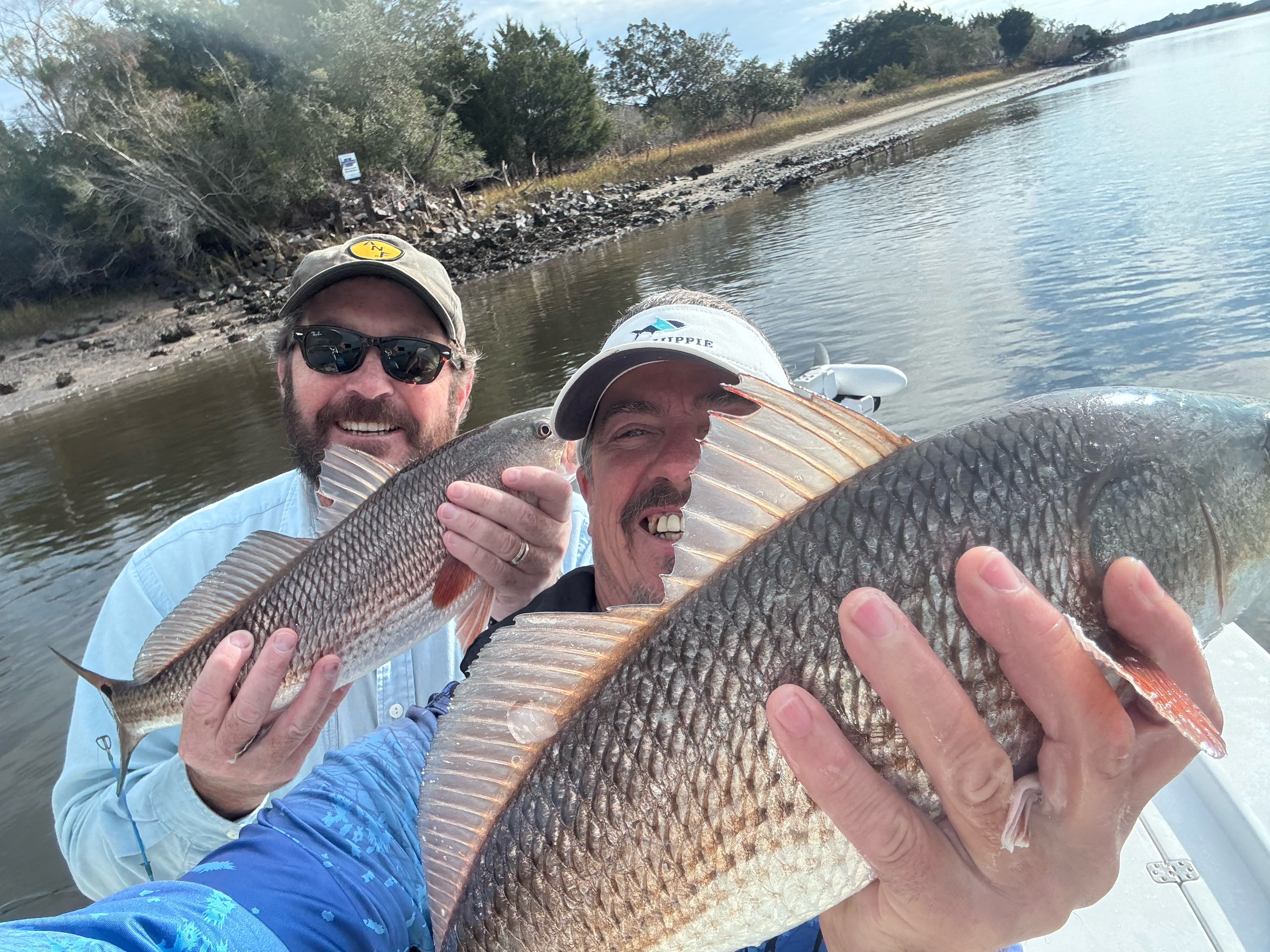
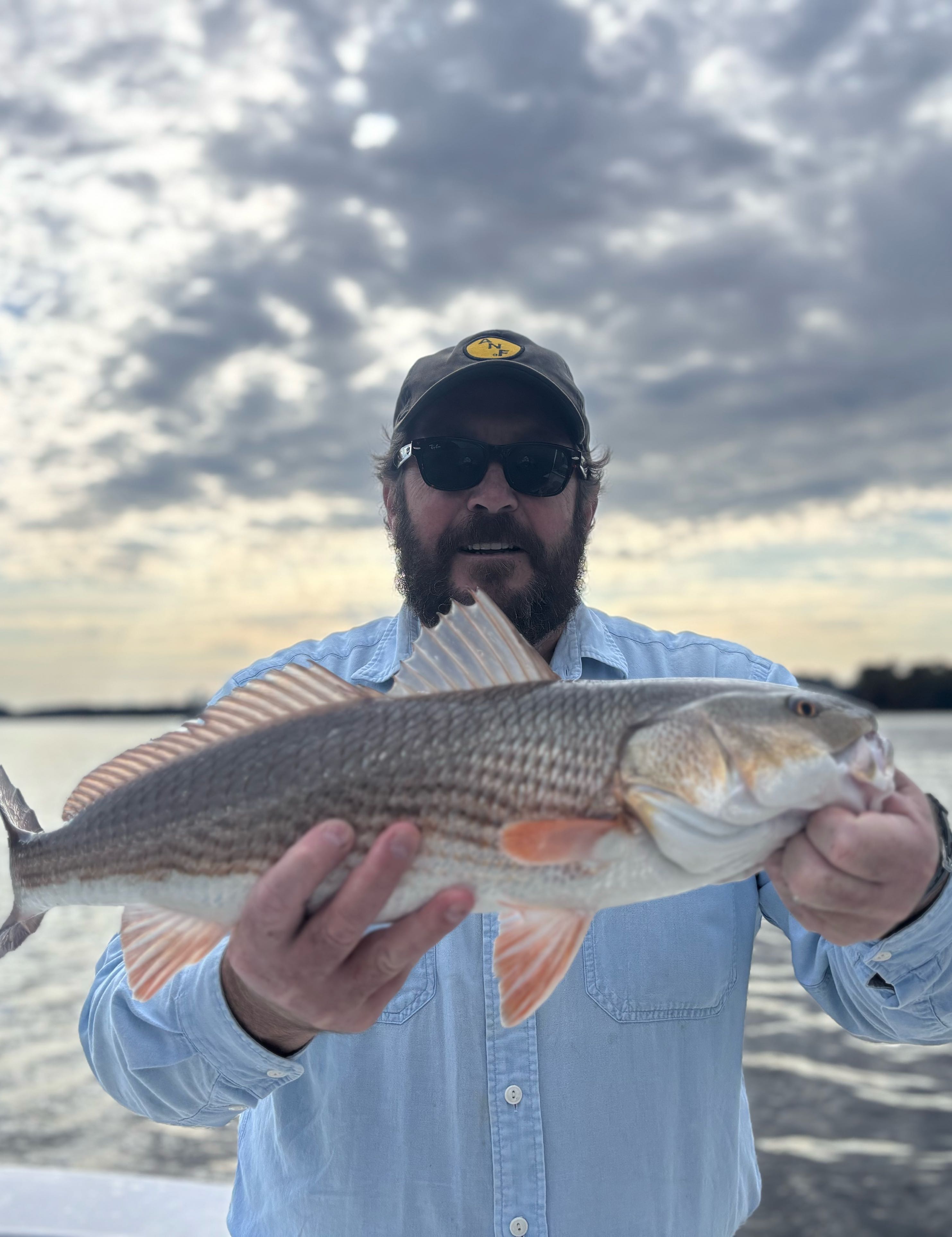
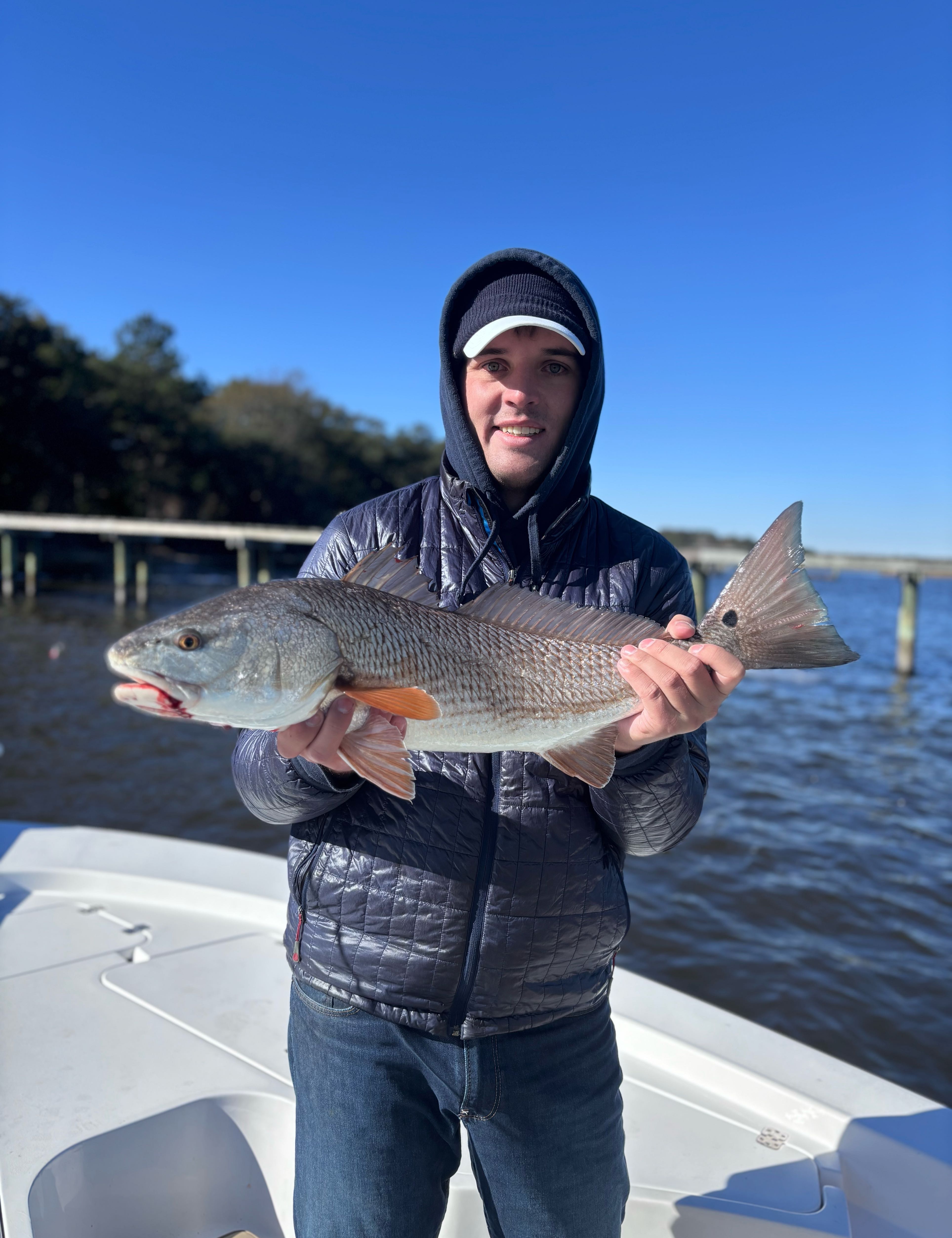
Full Day Charleston Inshore Fishing Charter
Picture this: eight solid hours on Charleston's pristine inshore waters, casting lines where the Ashley and Cooper Rivers meet the Atlantic. Starting from Limehouse Landing with its hassle-free parking, you'll spend your day working the flats, creeks, and oyster bars that make the Lowcountry a fishing paradise. This isn't your typical half-day rush job – we're talking about a proper fishing adventure where you can settle into different spots, adapt to the tides, and really dial in what's biting. Whether you're after a mess of sea trout for dinner or hoping to tangle with a bull red that'll test your drag, this charter gives you the time to make it happen.
What to Expect on the Water
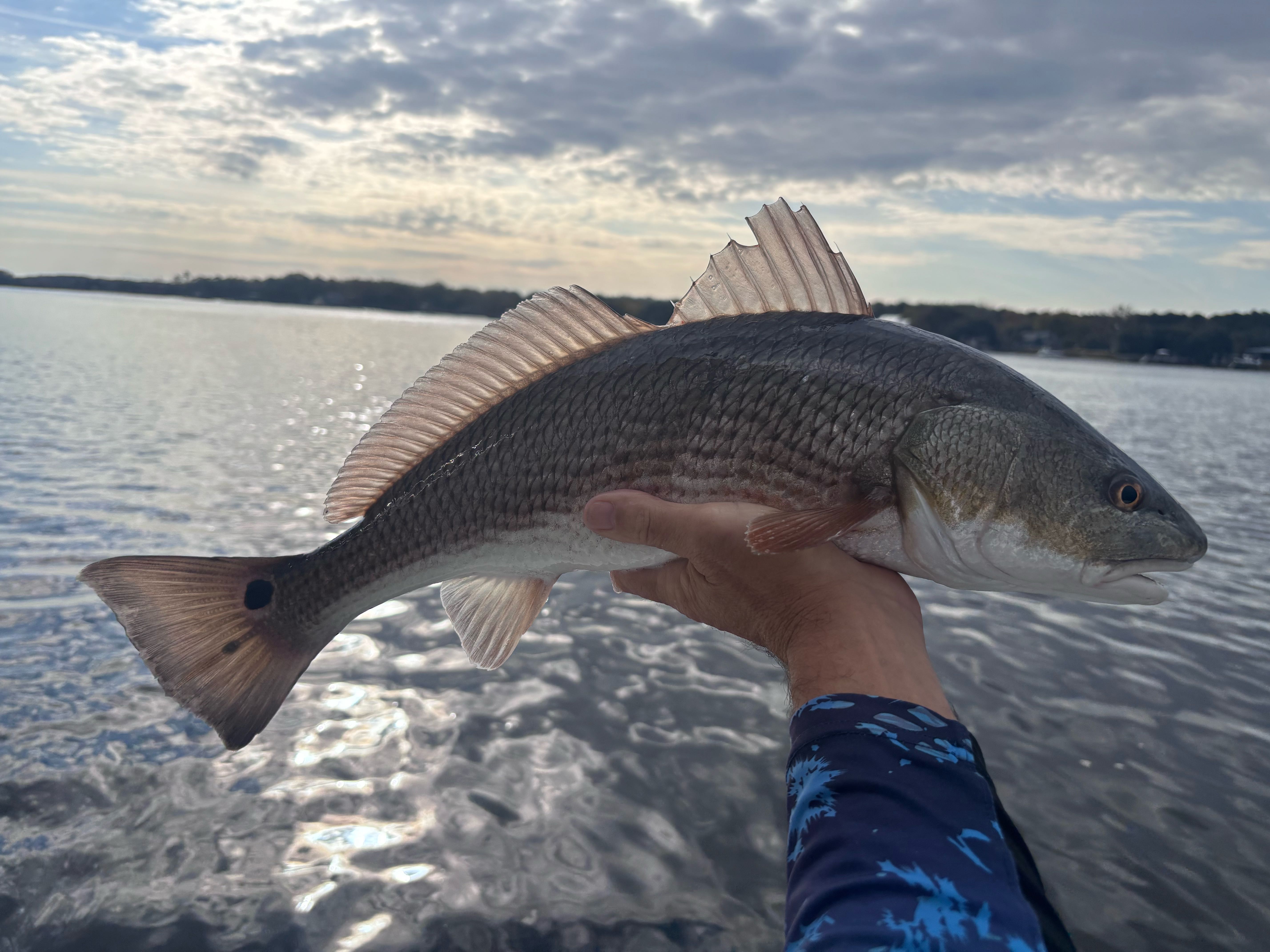
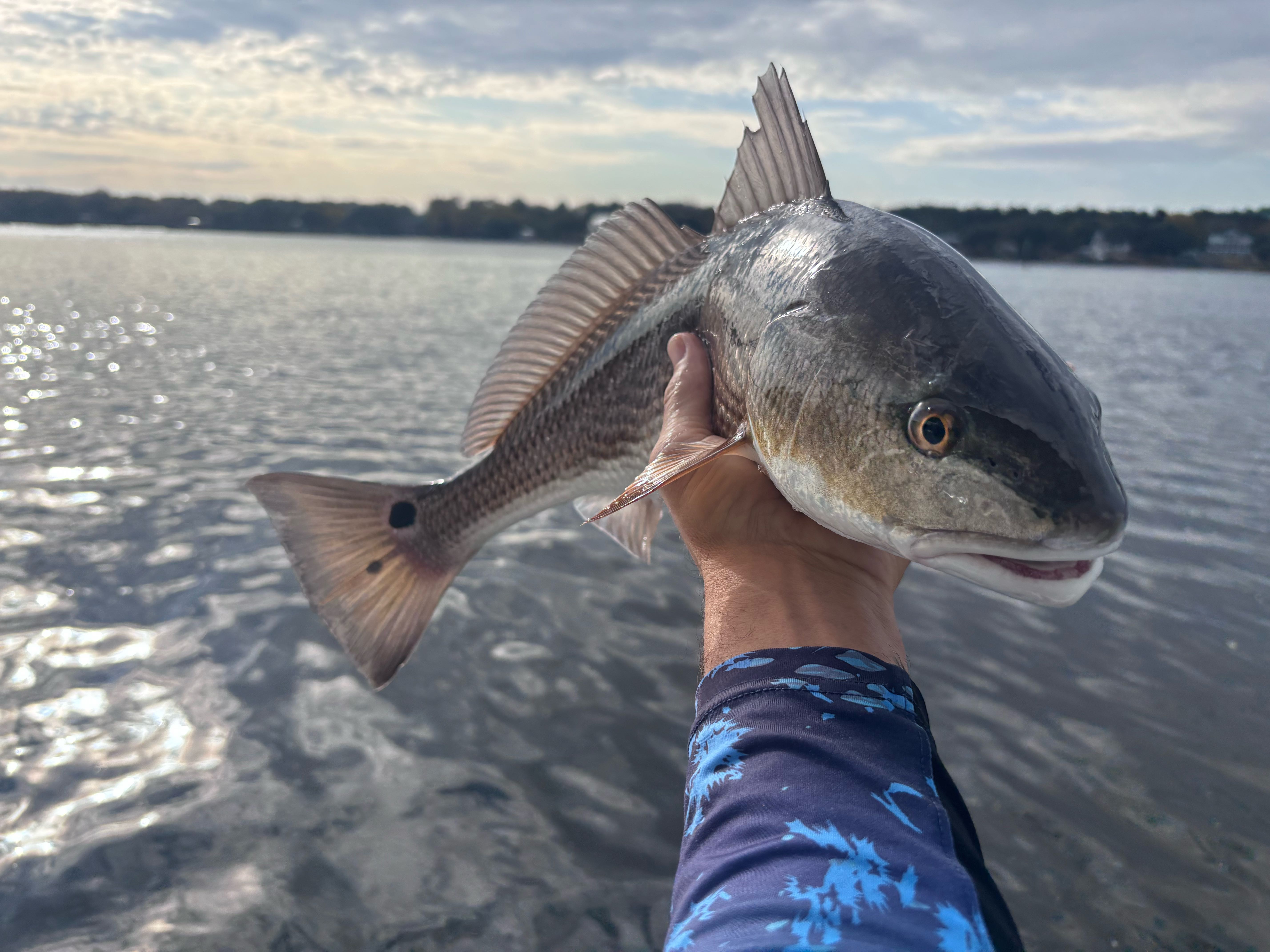
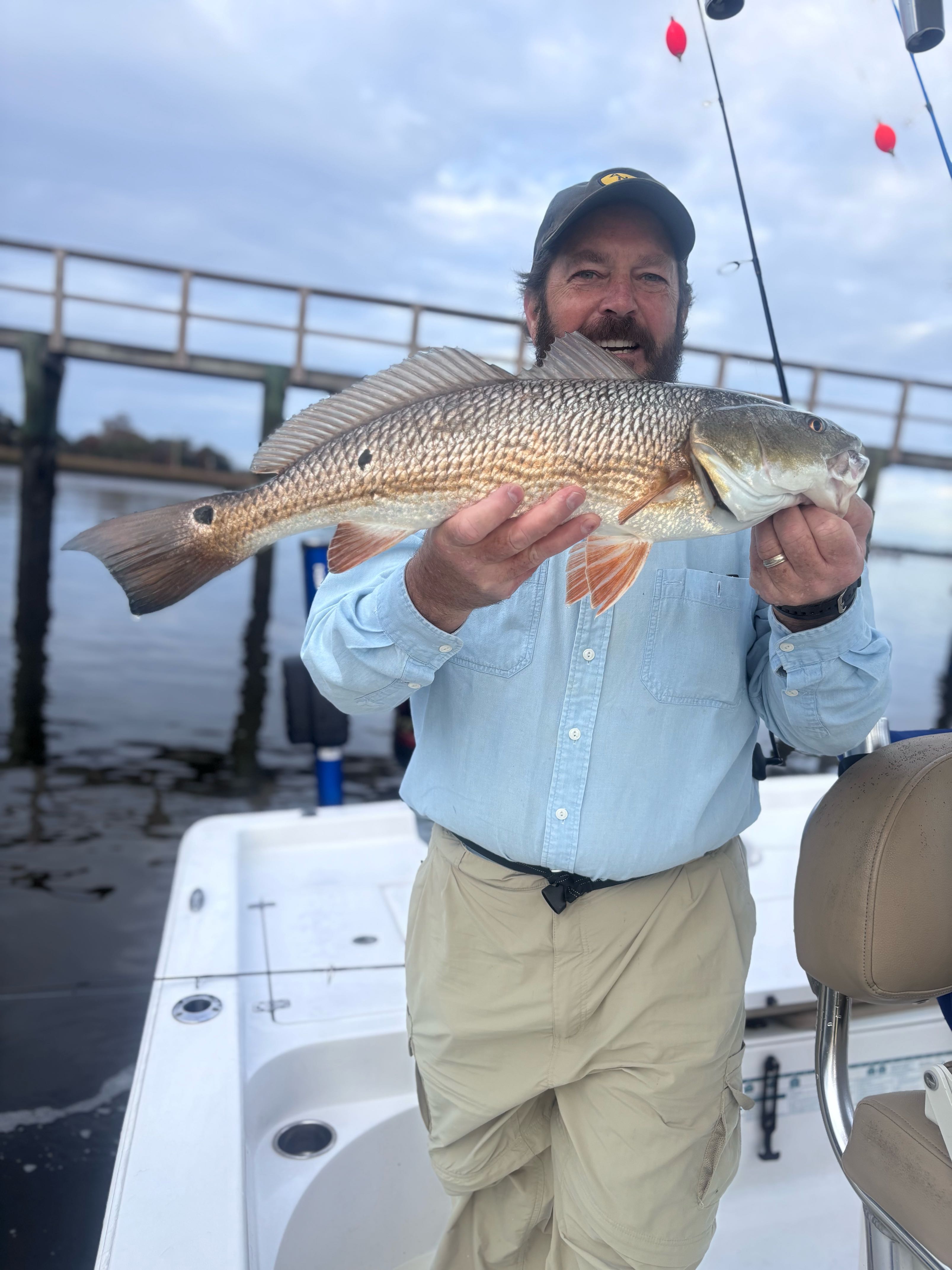
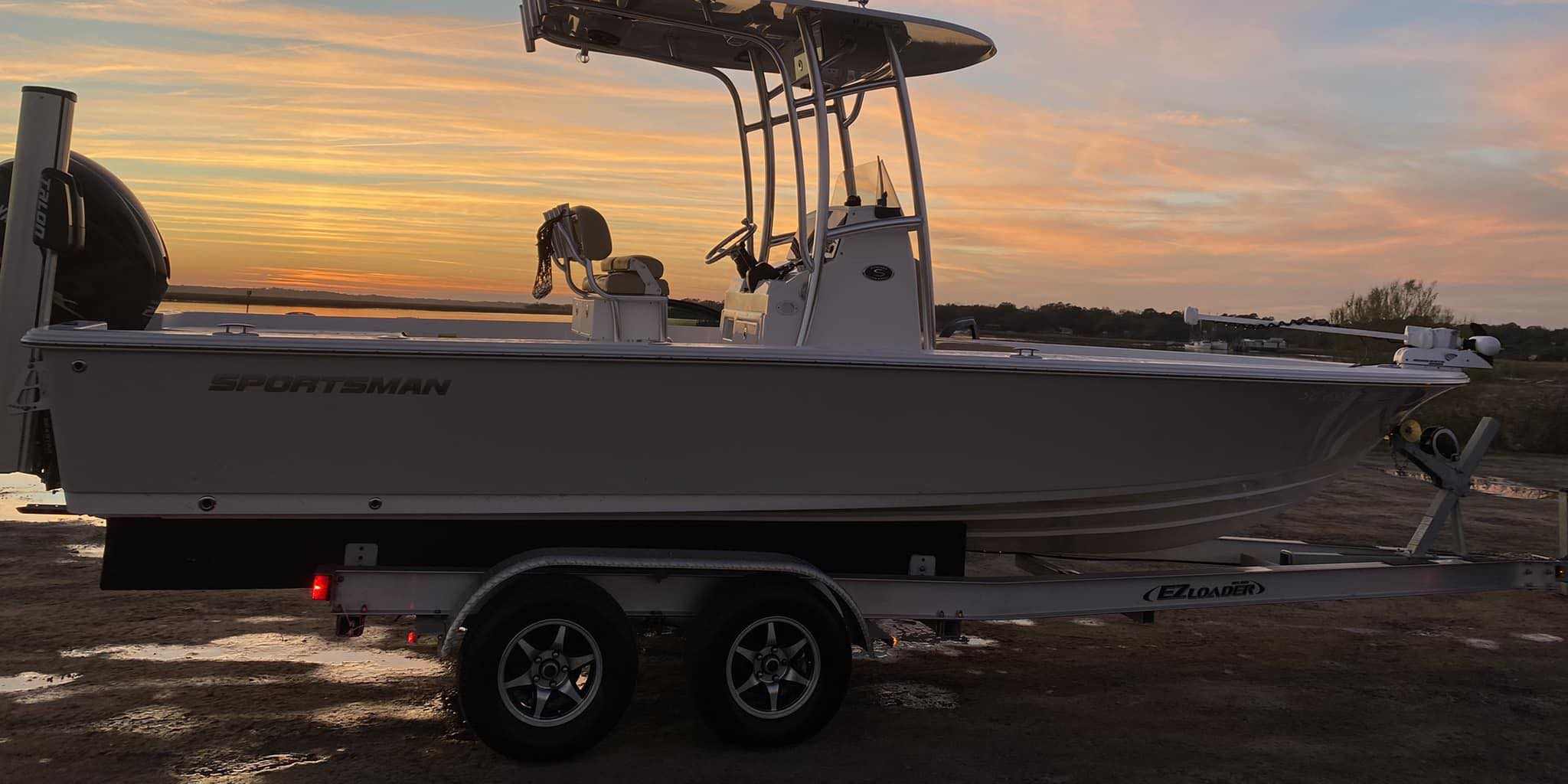
We'll launch from Limehouse Landing and head into Charleston's maze of tidal creeks and grass flats. The beauty of an eight-hour trip is flexibility – if the trout are schooled up on one flat, we can work them until they move off. If the drum are cruising the oyster beds on the dropping tide, we've got time to position ourselves and wait for the bite. You'll fish everything from shallow grass beds where reds tail-feed to deeper creek bends where flounder ambush baitfish. The boat stays comfortable for our single angler setup, giving you plenty of room to fight fish and move around as we work different techniques. Between fishing spots, we'll cruise the scenic waterways where dolphins often join us and ospreys dive for their own catches. Don't worry about bringing tackle – everything's provided, from light spinning gear for trout to heavier setups if we decide to chase those bull reds or sharks you can request.
Techniques and Tackle
Charleston inshore fishing is all about reading the water and matching your approach to what's happening. We'll work live shrimp under popping corks over grass flats when the trout are active, letting that cork do its dance while we wait for the telltale pop and dive. For redfish, we might switch to cut bait on the bottom near oyster bars, or sight-cast with soft plastics if we spot tailing fish in skinny water. Flounder fishing means bouncing jigs along drop-offs and channel edges, feeling for that distinctive thump when they inhale the bait. The gear stays versatile – medium spinning outfits loaded with 15-20 pound braid, perfect for casting accuracy and fighting power when something big grabs hold. If you want to target those bull reds or sharks, we'll bump up to heavier tackle and fresh cut bait. Circle hooks keep everything legal and increase survival rates for fish we release. The key is staying mobile and adapting – morning might start with topwater plugs over shallow flats, then transition to bottom fishing as the sun climbs and fish move to deeper water.
Target Species Breakdown
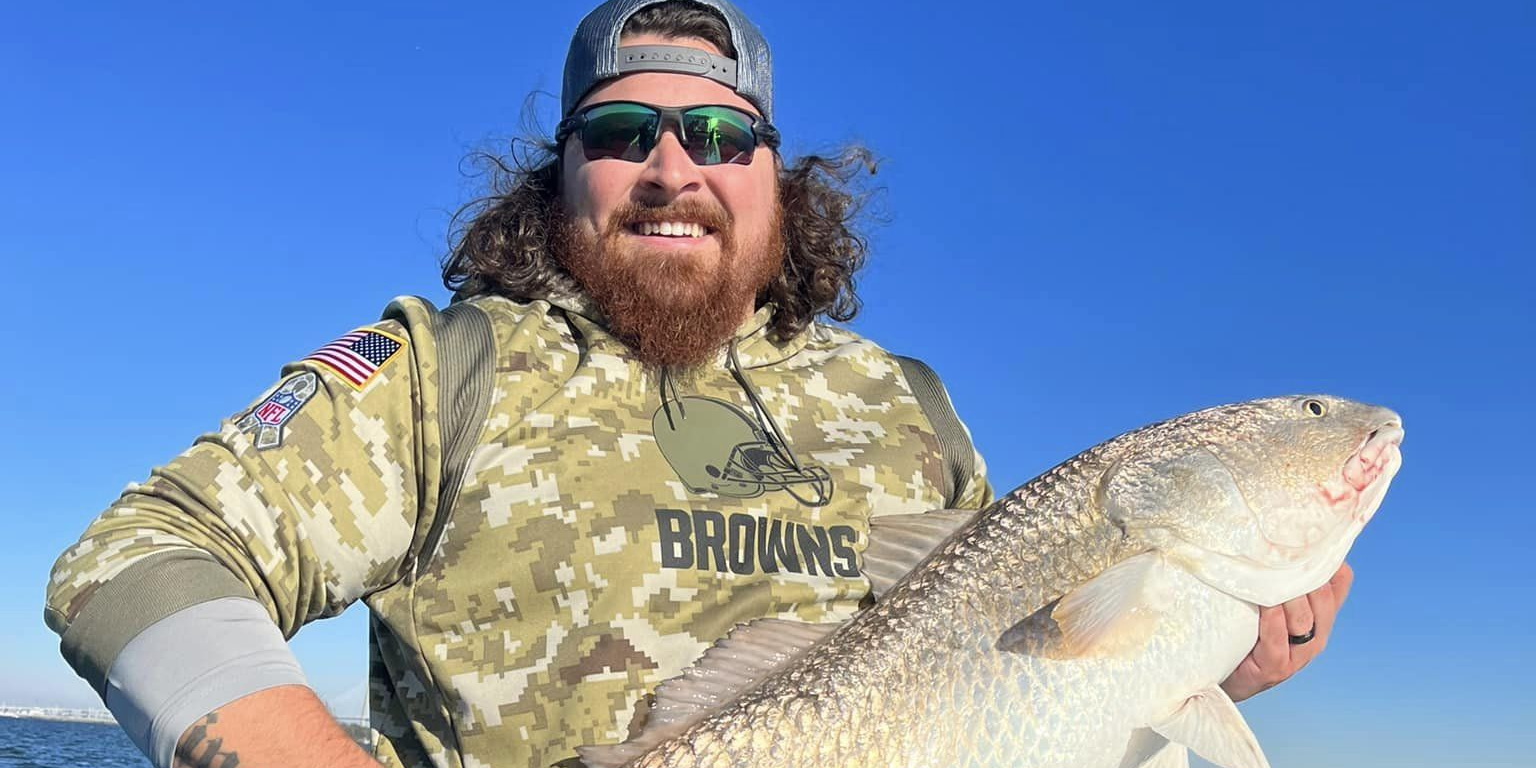
Black drum are the bulldogs of Charleston's inshore waters, and they're absolute blast on medium tackle. These copper-colored bruisers love hanging around oyster bars and dock pilings, using their pharyngeal teeth to crush shellfish like they're popcorn. You'll find them year-round, but spring and fall bring the best action when they school up in shallow water. A good Charleston black drum runs 5-15 pounds, though we occasionally hook into 30+ pound monsters that'll make your arms burn. They fight dirty – no flashy jumps, just pure bulldogging power that tests your drag system. What makes them special is their willingness to bite cut shrimp, crab, or clam, making them perfect targets when other species get finicky.
Sheepshead earn their nickname "convict fish" with those distinctive black bars, but anglers know them as the ultimate light-tackle challenge. These structure-loving fish have human-like teeth perfect for picking barnacles and oysters off pilings, which makes them notorious bait thieves. Charleston's bridges, docks, and jetties hold good numbers, especially during their winter spawning runs when 3-5 pounders become common. The trick is using small hooks, fresh shrimp or fiddler crabs, and developing a sixth sense for their subtle bite – they'll pick up your bait, swim off a few feet, and drop it if they feel any resistance. When you hook one solid, they'll dart straight for the nearest barnacle-covered piling, so you better be ready to turn their head quickly.
Sea trout are the bread and butter of Charleston inshore fishing, and for good reason – they're gorgeous, willing biters that taste fantastic on the dinner table. These spotted beauties cruise grass flats in schools, feeding on shrimp and small baitfish throughout the tide changes. Spring through fall brings consistent action, with fall being absolutely phenomenal when bait gets thick in the creeks. A typical Charleston trout runs 14-20 inches, with occasional "gator trout" pushing 6-7 pounds that'll surprise you with their initial run. They're suckers for live shrimp under popping corks, but also smash soft plastic jigs and topwater plugs during low-light periods. The 15-inch minimum size limit keeps the fishery healthy, and these fish are absolutely perfect for a fish fry.
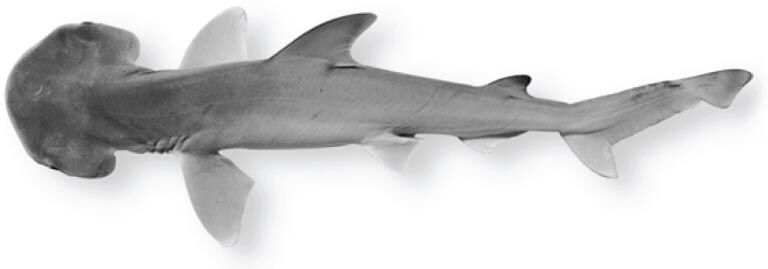
Bonnethead sharks might be the smallest members of the hammerhead family, but they're pure fun on light tackle and surprisingly common in Charleston's shallow waters. These 2-4 foot sharks cruise grass flats and sandy areas, using their unique shovel-shaped heads to hunt crabs and small fish. Summer brings the best bonnethead action when they move into skinny water, often in schools that'll keep you busy for hours. They're incredible fighters for their size, making long runs and surprising anglers who expect a typical shark fight. What's really cool is their omnivorous diet – they actually eat sea grass along with crabs and fish, making them unique among sharks. Perfect for anglers wanting that shark experience without dealing with massive, dangerous fish.
Blacktip sharks represent the exciting end of Charleston inshore
 Private Trip
 Inshore Fishing
 Charleston



 Eight-hour inshore charter targeting multiple species from Limehouse Landing