Night Gigging Adventure in Davie's Waters
When the sun goes down in South Florida, that's when the real action starts. Captain Jonathan Michailiuk knows these waters like the back of his hand, and he's ready to show you why night gigging is one of the most exciting ways to target fish in the Everglades region. This isn't your typical cast-and-wait fishing trip – you'll be actively hunting fish in shallow water with lights and gigs, combining stealth, skill, and a good eye to bring home dinner.
What to Expect on the Water
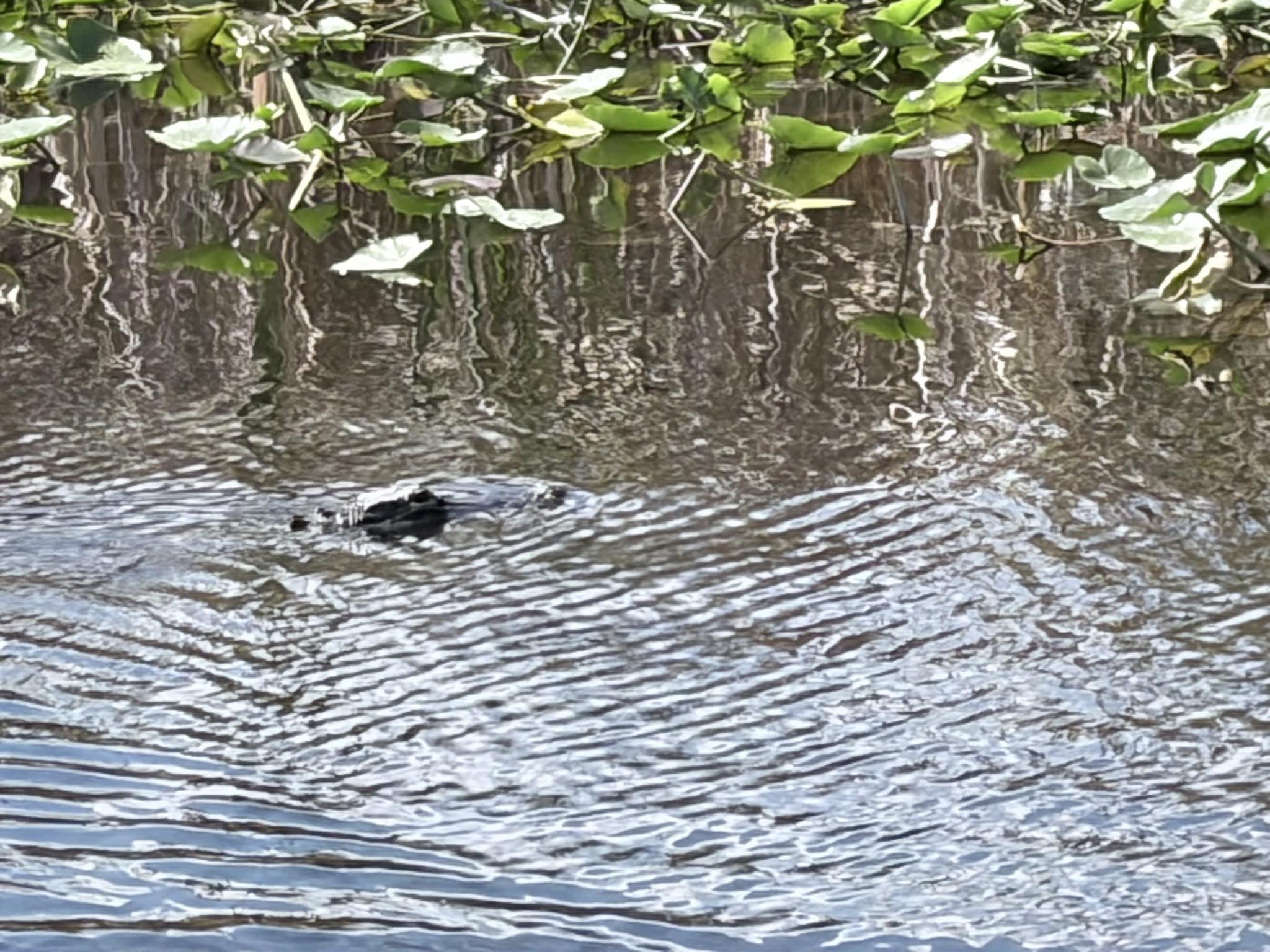
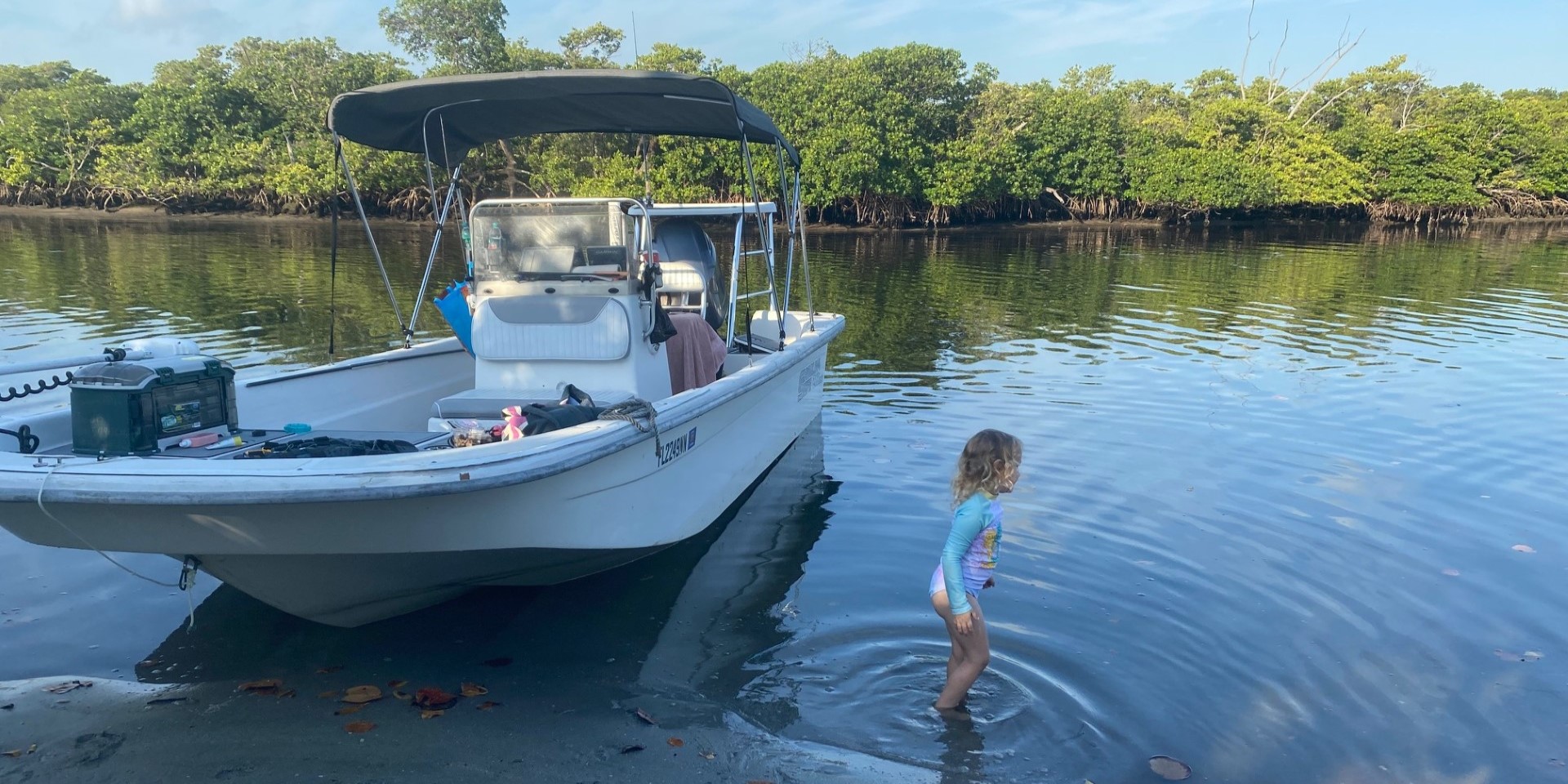
Your 3-hour night gigging adventure starts as daylight fades over Davie's freshwater and brackish channels. Captain Jonathan fires up the powerful lights that transform your boat into a floating spotlight, cutting through the darkness to reveal what's moving below. The water comes alive under these beams – fish that were hiding during the day suddenly become visible as they cruise near the bottom, completely unaware of your presence above. You'll move slowly and quietly through the shallows, with Jonathan calling out targets and guiding your aim. This top-rated experience accommodates up to 3 guests, so you'll get plenty of personal attention and coaching. The calm nighttime conditions make for steady gigging, and the cooler temperatures are a welcome break from Florida's daytime heat. Don't expect any meals on this trip – you're here to catch your own dinner.
Gigging Gear & Technique
Gigging is all about precision and timing. You'll be using specialized multi-pronged spears designed to penetrate and hold fish securely. Captain Jonathan provides all the gear and will teach you the proper stance, aim, and follow-through that separates successful giggers from those who go home empty-handed. The key is learning to compensate for light refraction – fish aren't always where they appear to be in the water. You'll practice reading the water depth, accounting for the angle of your strike, and developing the quick reflexes needed when a target suddenly appears in the light beam. The shallow waters around Davie are perfect for this technique, with clear sight lines and fish that hold relatively still once illuminated. Jonathan's steady guidance helps newcomers avoid common mistakes like striking too early or misjudging distance, while experienced giggers can refine their technique in prime hunting grounds.
Customer Stories
"Good day out in the swamp. The dog was nice and so were the fish :)" - Franco
Target Species
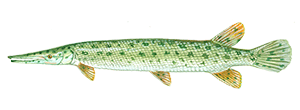
Spotted Gar are the crown jewel of Florida gigging, and these prehistoric predators put up an impressive fight once you stick them. These fish can stretch over three feet long and are covered in diamond-hard scales that make them look like swimming armor. They're most active in the warmer months and tend to cruise just below the surface in search of smaller fish. What makes Spotted Gar so exciting to target is their unpredictable movement – they can hold perfectly still for minutes, then suddenly dart away with lightning speed. When you successfully gig one of these ancient fighters, you've earned serious bragging rights among Florida anglers.
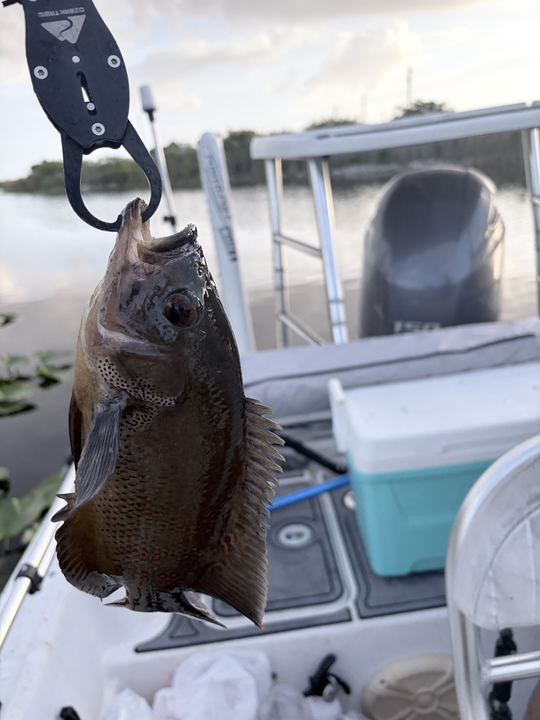
Oscar are chunky, colorful fish that originally came from South America but have made themselves right at home in Florida's freshwater systems. These fish are aggressive feeders and relatively easy to spot under the lights due to their size and bold patterns. Oscars typically run 2-3 pounds and fight hard once gigged, thrashing and rolling in an attempt to break free. They're year-round residents in these waters, but they're most active during the warmer evening hours when they venture into the shallows to hunt. Many anglers love targeting Oscars because they're excellent eating and their size makes them satisfying targets for beginners learning proper gigging form.
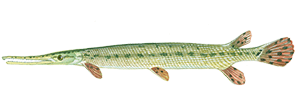
Florida Gar are the smaller cousins of the Spotted Gar, but don't let their size fool you – these fish are just as challenging to gig successfully. They're native to Florida waters and perfectly adapted to the shallow, weedy areas where gigging is most productive. Florida Gar have the same elongated snout and needle-sharp teeth as their larger relatives, but they're more abundant and often travel in small groups. Spring and summer nights are prime time for these fish, when they're actively feeding in water shallow enough for effective gigging. Their quick reflexes and ability to disappear into vegetation make them a favorite target for experienced giggers looking to test their skills.
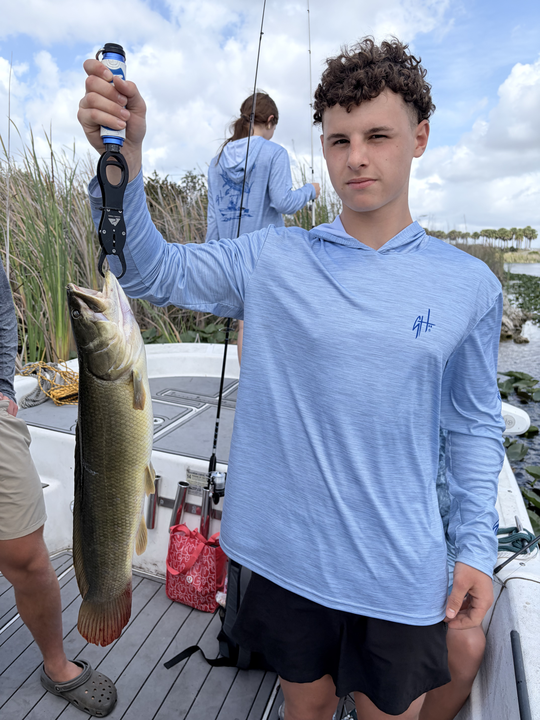
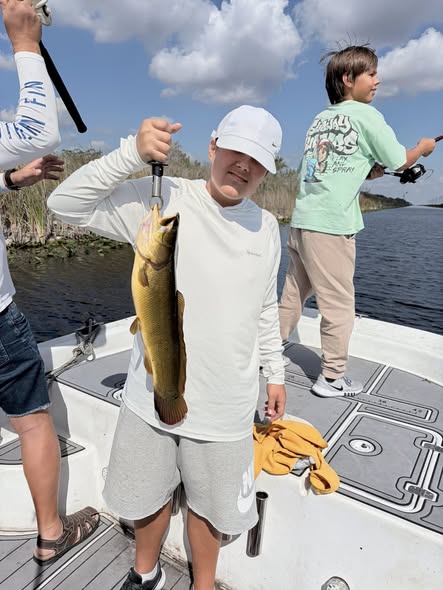
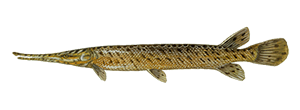
Bowfin are true living fossils that have remained virtually unchanged for millions of years, and they're one of the most prized catches in Florida's freshwater gigging scene. These powerful fish can grow over 20 pounds and are incredibly strong fighters with a mouth full of sharp teeth. Bowfin are most active during the pre-spawn period in late winter and early spring, when they move into shallow water to prepare for breeding. What makes them so exciting to encounter is their prehistoric appearance and their reputation as one of the hardest-fighting freshwater fish in North America. Successfully gigging a large Bowfin is a highlight that experienced guides and customers remember for years.
Longnose Gar are the most common gar species in South Florida and often the first target species that newcomers successfully gig. Their extended snout and slender body make them unmistakable under the lights, and they're typically found in both fresh and brackish water throughout the year. These fish can reach impressive lengths of 4-5 feet, though most gigging targets run smaller. Longnose Gar are ambush predators that like to hold motionless near structure or vegetation, making them ideal for practicing your gigging accuracy. They're particularly active during the summer months when baitfish are abundant, and their predictable behavior makes them a customer favorite for building confidence before targeting more challenging species.
Time to Book Your Spot
This world-class night gigging experience fills up fast, especially during peak fishing season when conditions are perfect for spotting fish in the shallows. Captain Jonathan's local knowledge and patient instruction have made this a
 5.0(1 Reviews)
 Private Trip
 Inshore Fishing
 Davie, FL, United States

 Three-hour guided gigging trip through freshwater and brackish waters