Full-Day Saltwater Fly Fishing on Cape Cod
When you're serious about saltwater fly fishing, Cape Cod's waters around Brewster Flats and Monomoy Shoals offer some of the most consistent action on the East Coast. This isn't your typical charter where you're stuck trolling with bait – we're talking about getting you within casting distance of breaking fish using purpose-built boats designed specifically for fly fishing. You'll spend eight hours on the water with gear that's matched to these conditions, chasing stripers and blues in water that's been producing fish for decades. It's just you and your guide, so we can adapt to what the fish are doing and make sure you're getting the most out of every cast.
What to Expect on the Water
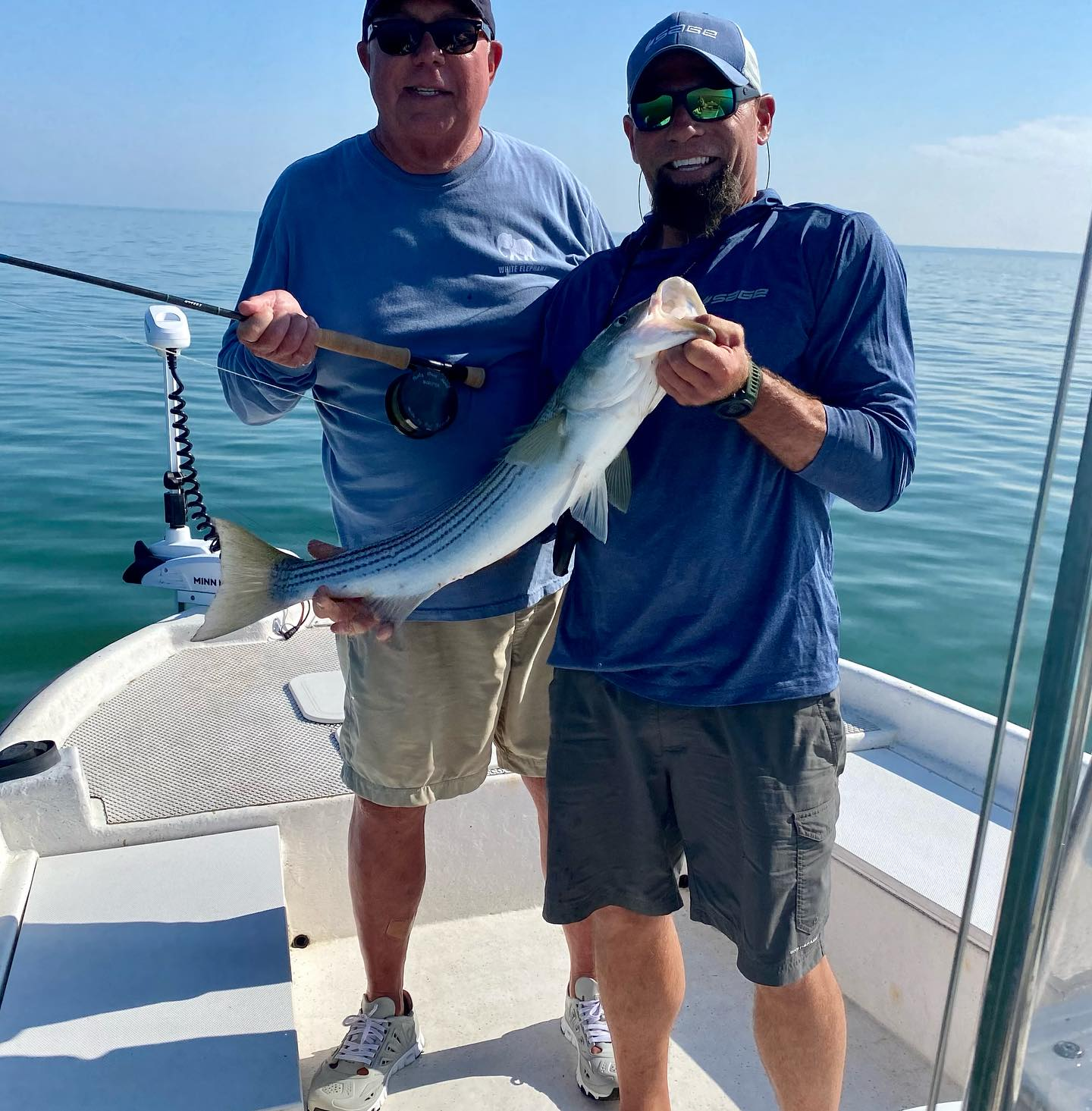
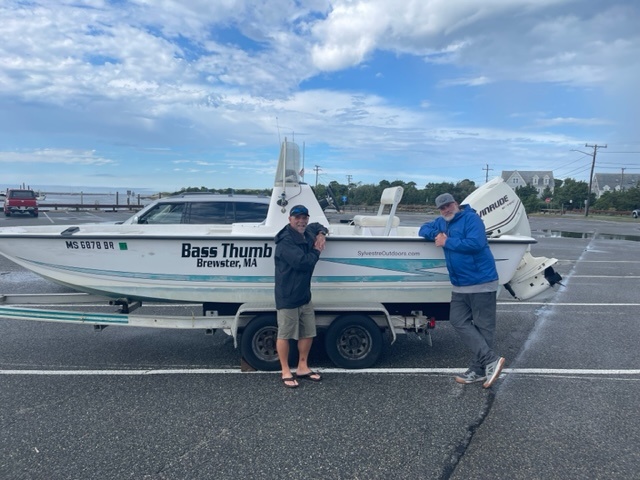
Your day starts with choosing between two prime fishing zones based on conditions and what's been producing lately. Brewster Flats gives you access to expansive shallow water where stripers love to hunt, while Monomoy Shoals puts you near deeper structure that holds bigger fish. We're running either a 22-foot Hydrasports Ocean skiff or a 20-foot Jones Brothers Cape Fisherman – both boats are set up specifically for fly fishing with clear casting decks and positioned perfectly to get you close to the action. The beauty of boat fishing is mobility – if we're not seeing fish in one spot, we move until we find them. You'll spend your time sight fishing to breaking schools, working structure, and learning to read the water like the fish do. The boats are equipped to handle Cape Cod's variable conditions, and the shallow drafts let us get into water that bigger boats can't access.
Fly Fishing Techniques
Saltwater fly fishing from these boats is all about presentation and timing. We'll be using 8 to 10-weight rods depending on wind conditions and target species, with lines matched to get your flies down to where the fish are feeding. You'll learn to cast to moving schools of fish – it's not like dropping a line and waiting. When we spot breaking fish, it's about getting your fly in front of them quickly and accurately. We work a lot with intermediate and sinking lines to get flies down in the water column where stripers and blues are feeding. The technique changes throughout the day based on tide, structure, and what the baitfish are doing. During slack tide, we might work deeper water with weighted flies, while moving water often means surface action with poppers and streamers. The guides know these waters intimately and will put you on fish while teaching you to read signs like bird activity, bait movements, and water color changes that indicate where fish are likely to be.
Target Species
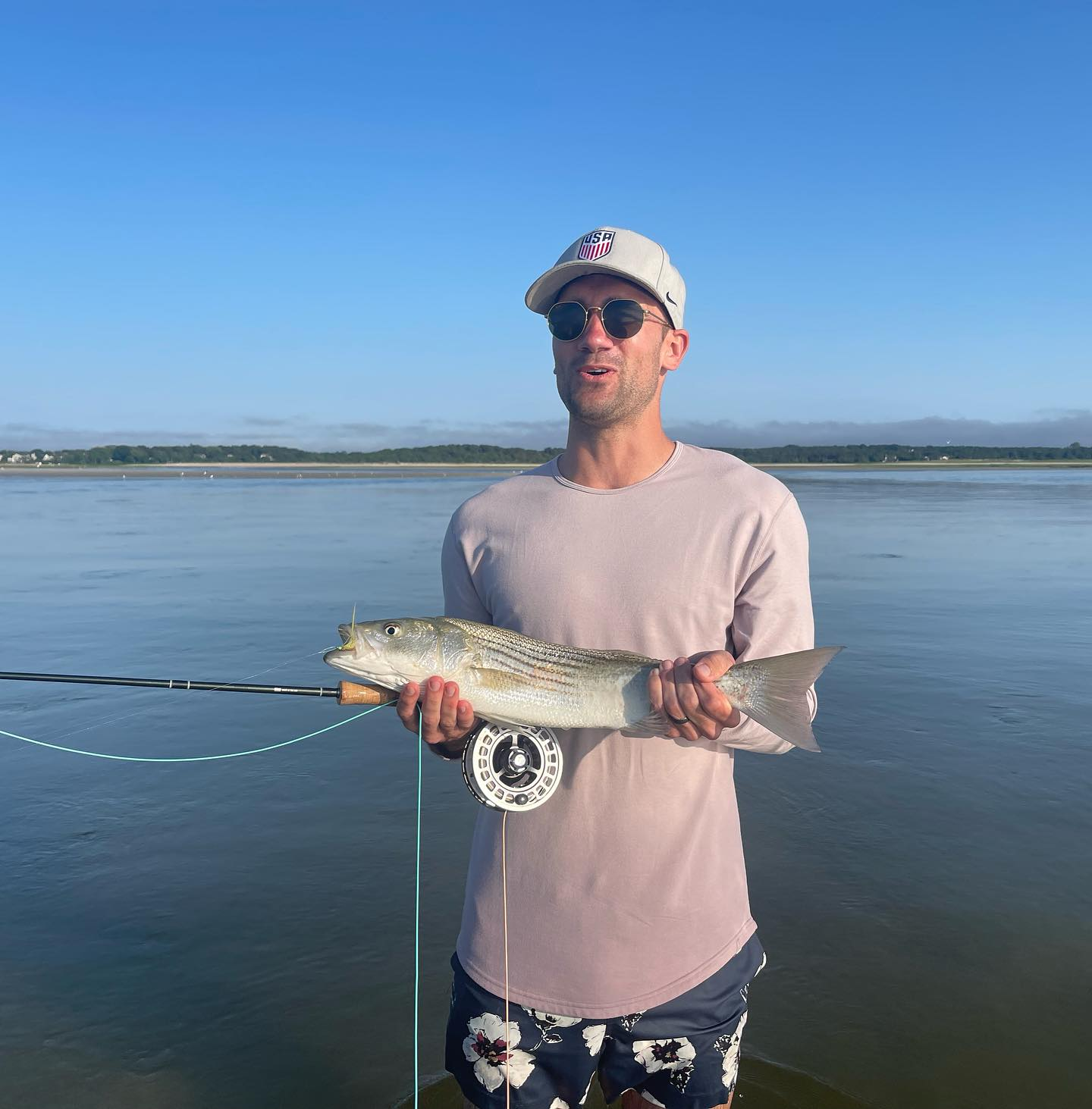
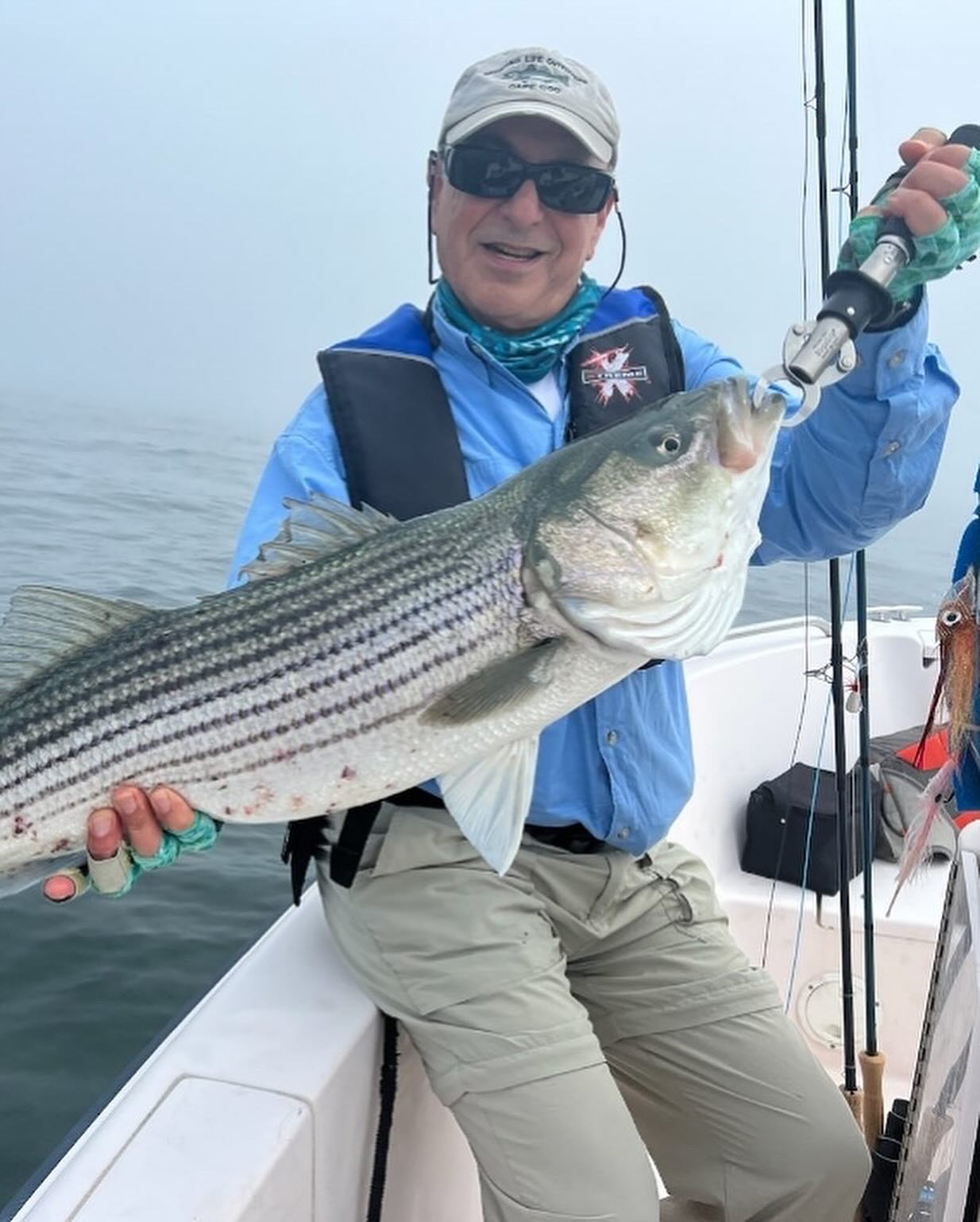
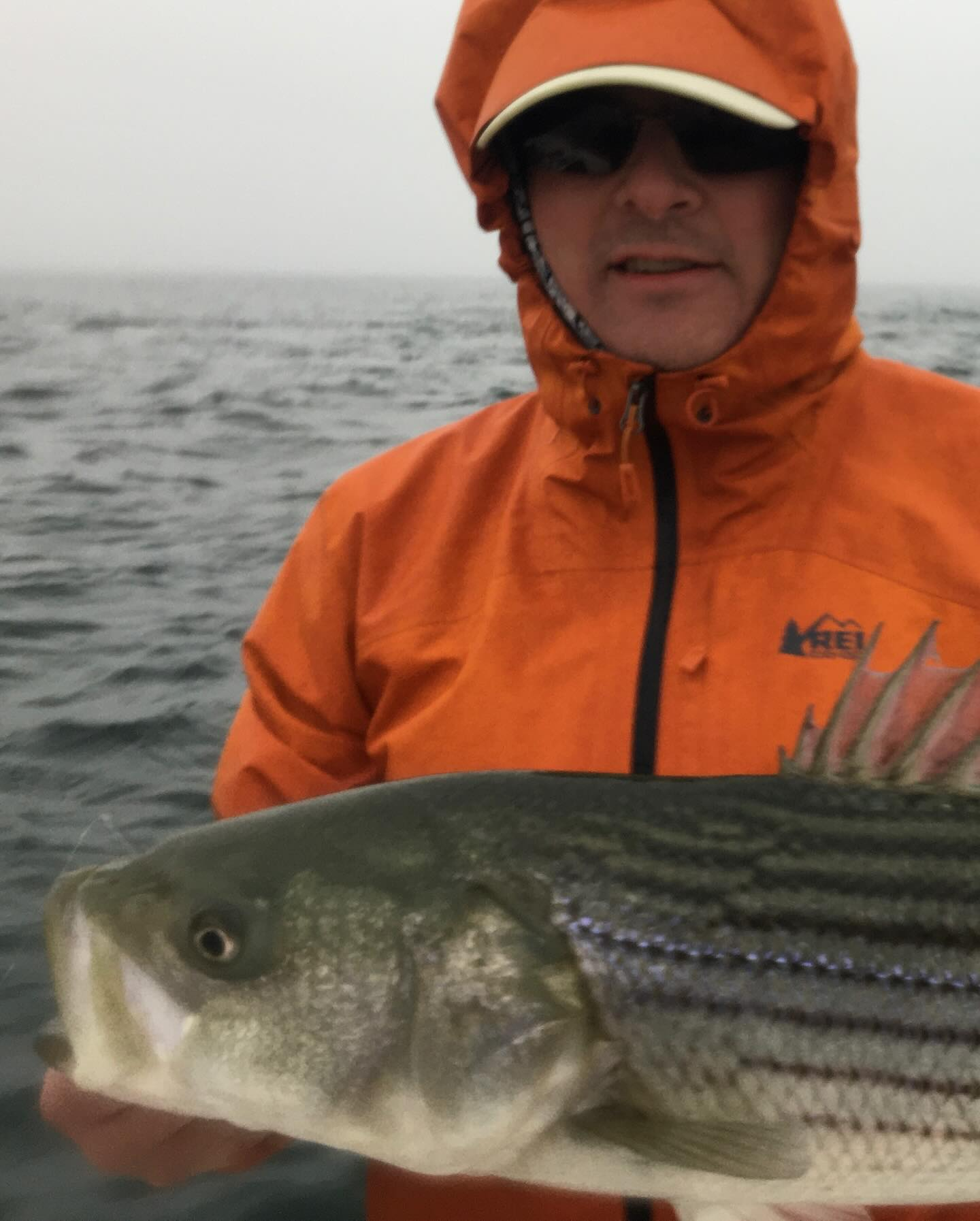
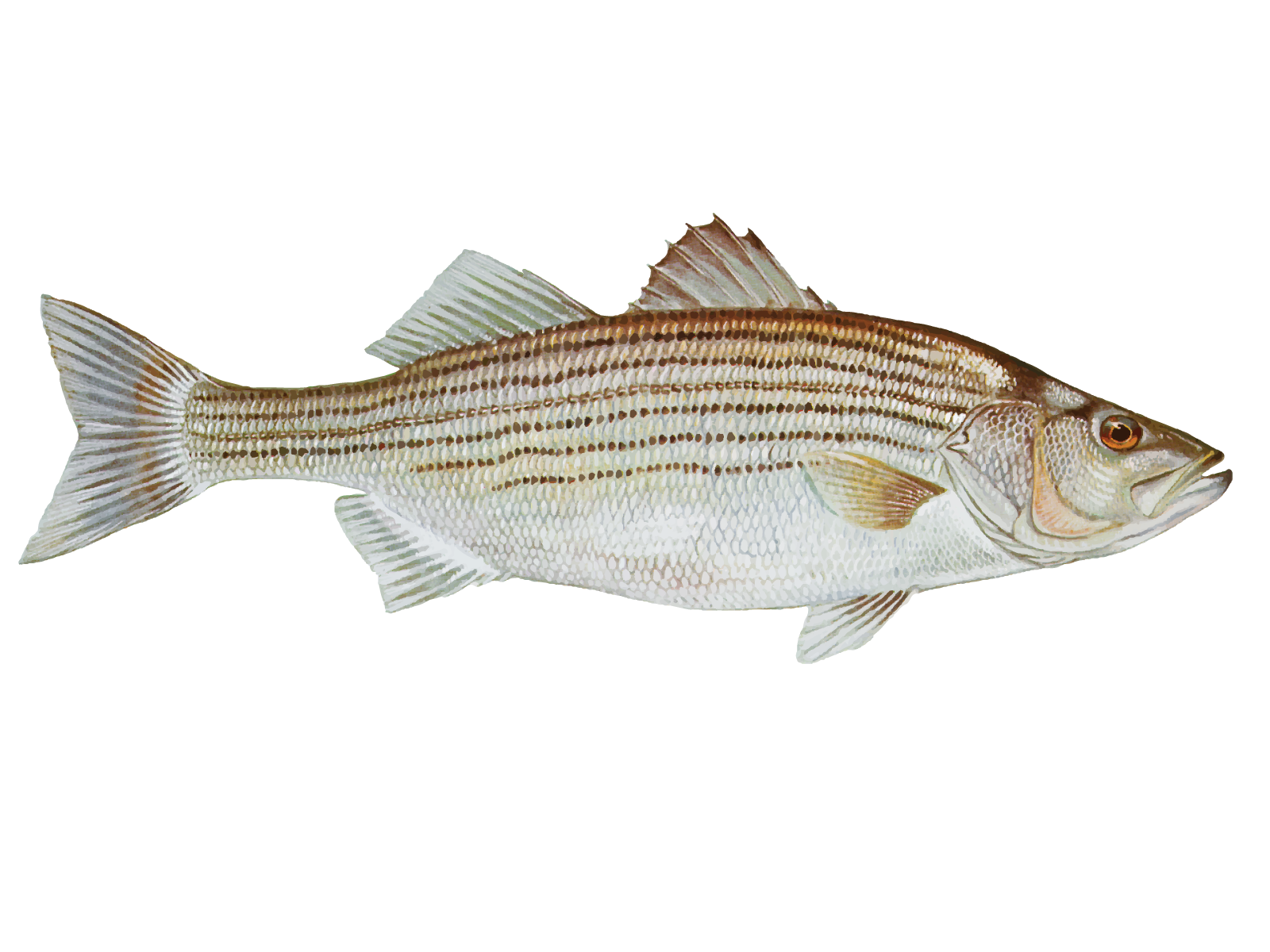
Striped Bass are the bread and butter of Cape Cod fly fishing, and these waters consistently produce fish from schoolies up to legitimate cows. Stripers here are aggressive and predictable – they follow baitfish patterns and show up reliably around structure and moving water. Spring and fall offer the best fishing, with fish ranging from 18 inches up to 40-plus pound monsters. What makes stripers so appealing to fly fishers is their willingness to hit surface flies and their fight once hooked. A 30-inch striper on an 8-weight rod in moving water will test your skills, and the visual aspect of watching fish blow up on topwater flies never gets old. These fish are smart, though – they've seen plenty of lures, so presentation matters.
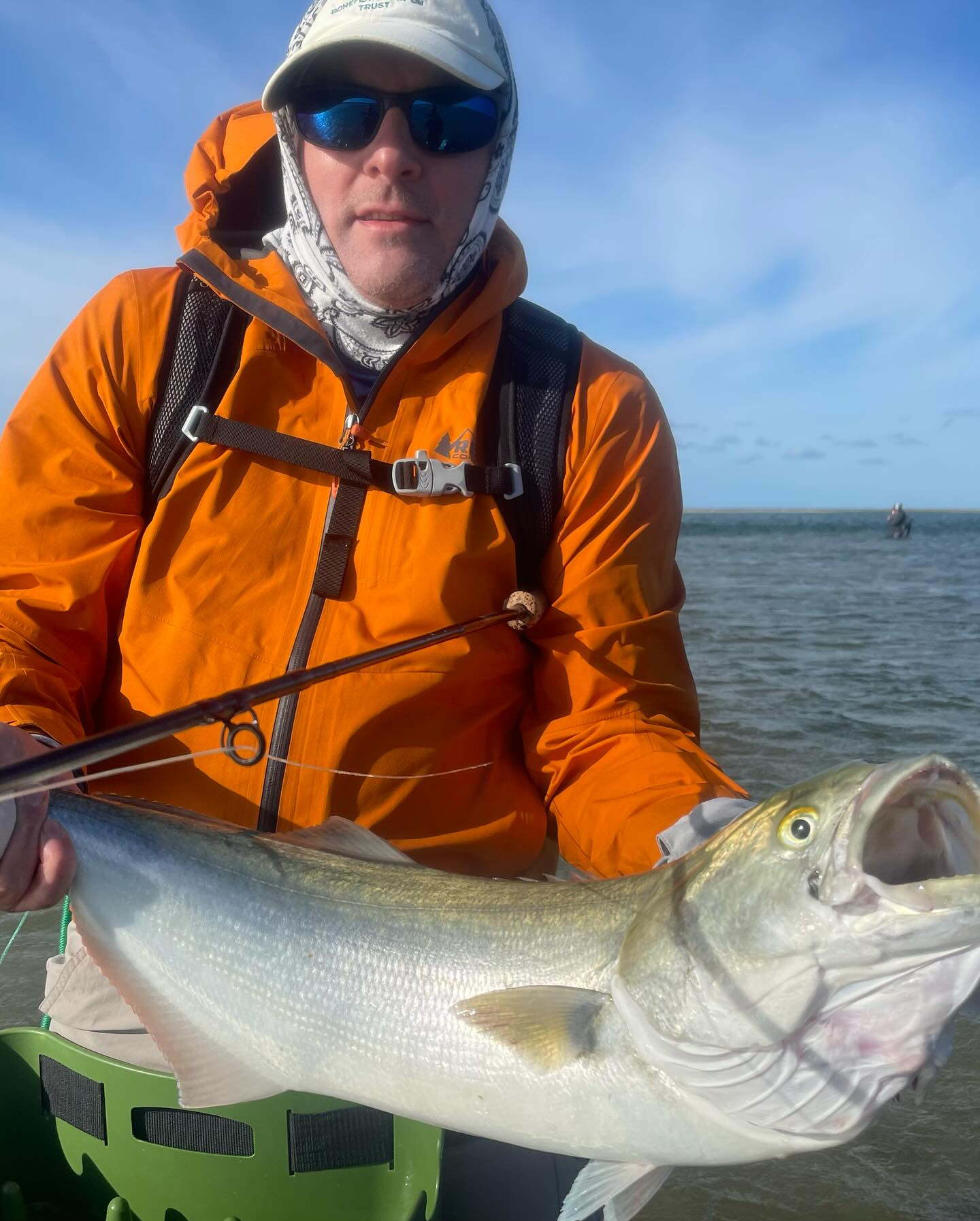
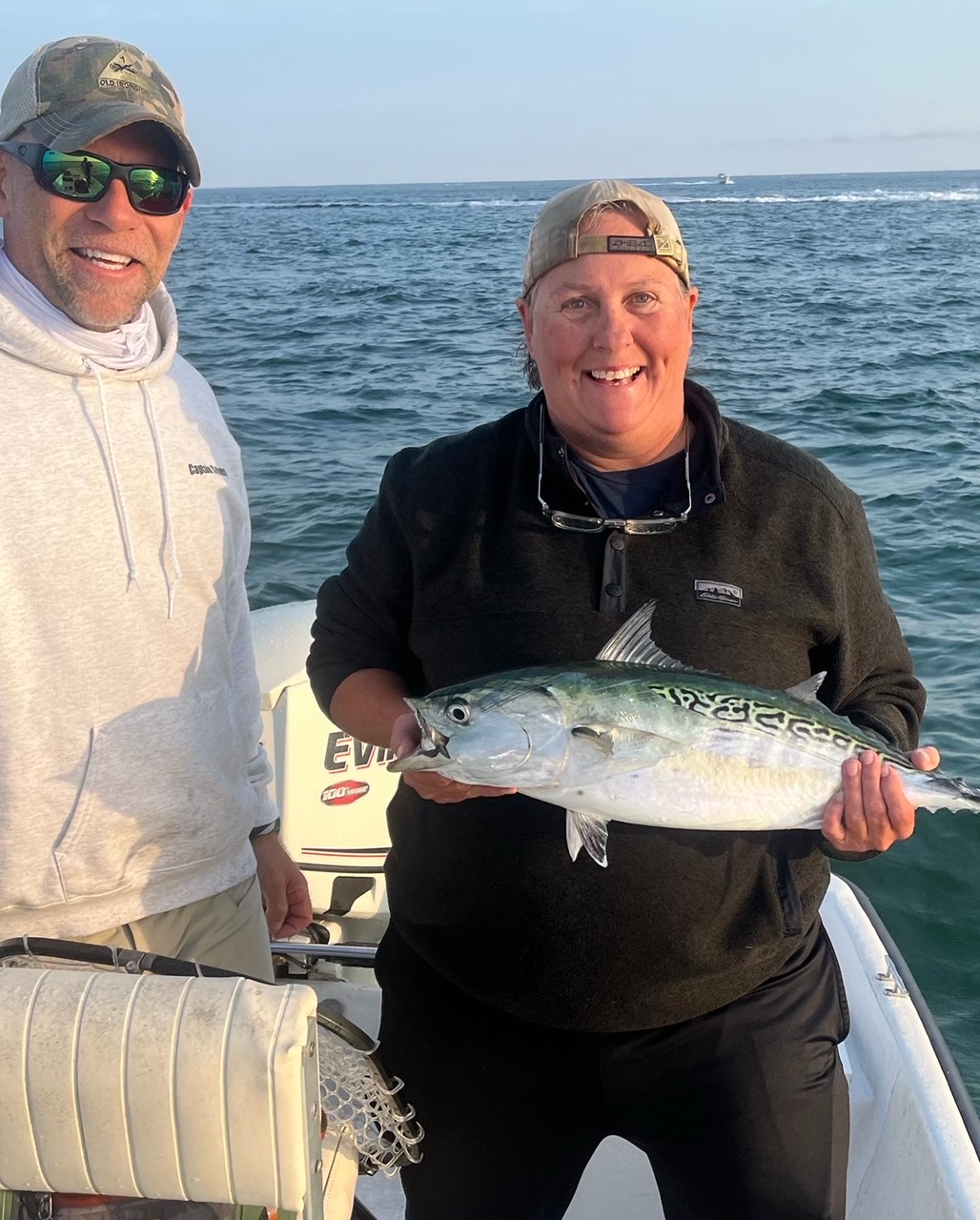
Bluefish bring a different energy to the day with their aggressive feeding style and raw power. Blues in these waters typically run from 3 to 8 pounds, with occasional larger fish mixed in during peak season. They're less finicky than stripers and will often hit flies aggressively, making them perfect for building confidence when the fishing gets technical. What's exciting about blues is their pack mentality – when you find one, there are usually more around. They'll hit just about any fly pattern, but their sharp teeth mean you'll go through some tackle during a good bite. Summer and early fall are prime time for bluefish, and they often feed in the same areas as stripers, giving you shots at both species throughout the day.
Time to Book Your Spot
Cape Cod's saltwater fly fishing season runs strong from May through October, with peak action during the spring and fall migrations. This single-angler setup means you get personalized instruction and the flexibility to fish at your own pace, whether you're new to saltwater fly fishing or looking to refine your technique on some of the East Coast's most productive waters. The boats are ready, the fish are there, and the guides know exactly where to find them. Before booking, make sure to review the liability waiver at sylvestreoutdoors.com, and then get ready for a day of fly fishing that showcases why Cape Cod has built its reputation as a world-class saltwater destination.
 Private Trip
 Offshore Fishing
 Cape Cod MA (saltwater) / Central and Western MA (fresh)
 Full-day saltwater fly fishing aboard specialized offshore boats