Charleston Flats Fishing with Tailfin Expeditions
When you're ready to experience Charleston's legendary flats fishing, you want a guide who knows these waters like the back of their hand. That's exactly what you'll get with Tailfin Expeditions. We're talking about shallow water sight fishing at its finest, where every cast counts and every fish fight feels personal. Our top-rated charters run anywhere from 4 to 8 hours, giving you flexibility to match your schedule whether you're a local looking for a quick morning session or visiting from out of town with a full day to burn. With just 2 anglers max per trip, you'll get the personalized attention that makes all the difference between coming home with stories and coming home with fish.
What to Expect on the Water
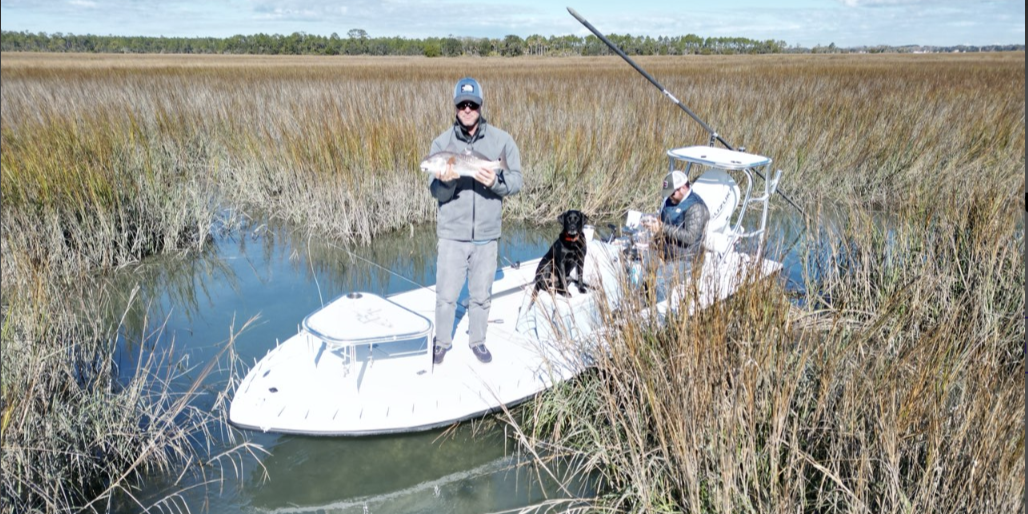
Charleston's flats fishing is all about stealth, skill, and reading the water. We'll be working the shallow grass beds, oyster bars, and creek mouths where redfish cruise looking for their next meal. The beauty of fishing these flats is you're often in water so shallow you can see the fish before you cast to them - that's sight fishing at its best. Our skiffs are built for this kind of work, drawing minimal water so we can get into those skinny spots where the big fish feel safe. You'll be using spinning tackle mostly, throwing live bait, cut bait, or artificials depending on what the fish are telling us they want that day. The tides dictate everything out here, so we time our trips to hit the prime feeding windows when the water movement gets those redfish active and hunting.
Techniques & Tackle Setup
We fish the Charleston flats with medium-action spinning rods spooled with 15-20 pound braid and a fluorocarbon leader. When we're sight casting to cruising reds, we'll often use a 1/8 or 1/4 ounce jig head with a paddle tail or shrimp imitation. Live shrimp under a popping cork is another go-to setup, especially when working the grass beds during moving water. Cut mullet on a circle hook can be deadly when the fish are feeding aggressively. The key is being ready to adapt - some days they want it moving fast, other days a slow presentation wins. We keep the boat positioned so you're making accurate casts without spooking fish, and I'll help you read the water to spot those tell-tale signs: nervous baitfish, pushing water, or that copper flash that gives away a feeding redfish.
Species You'll Want to Hook
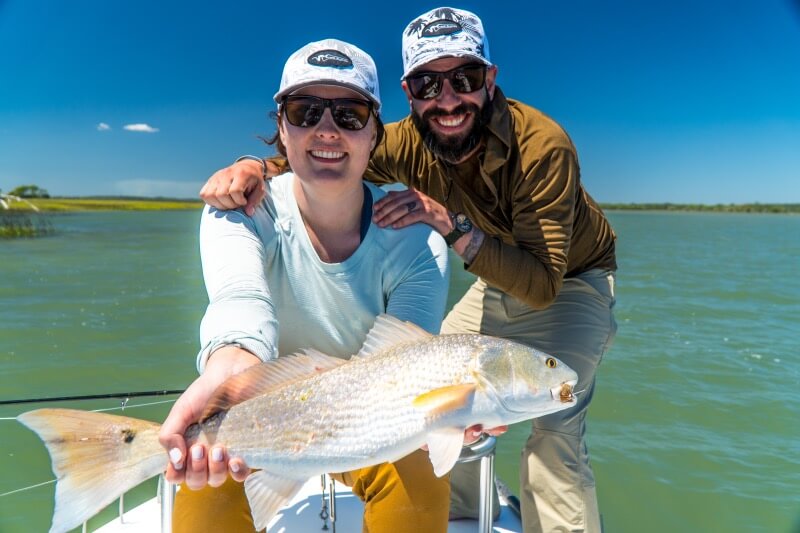
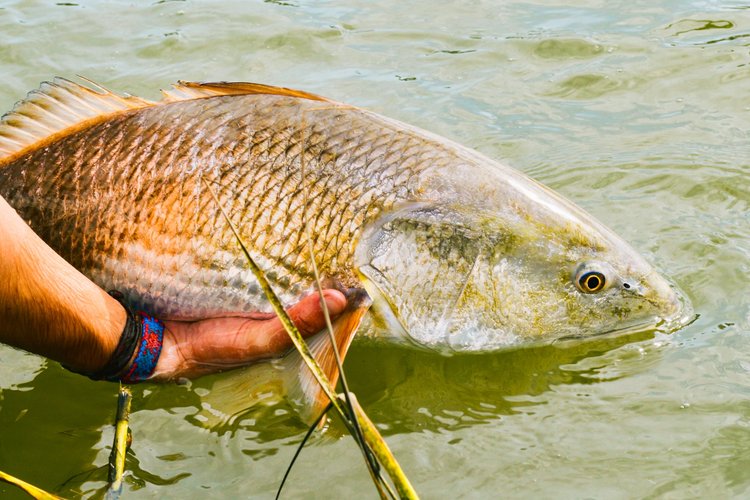
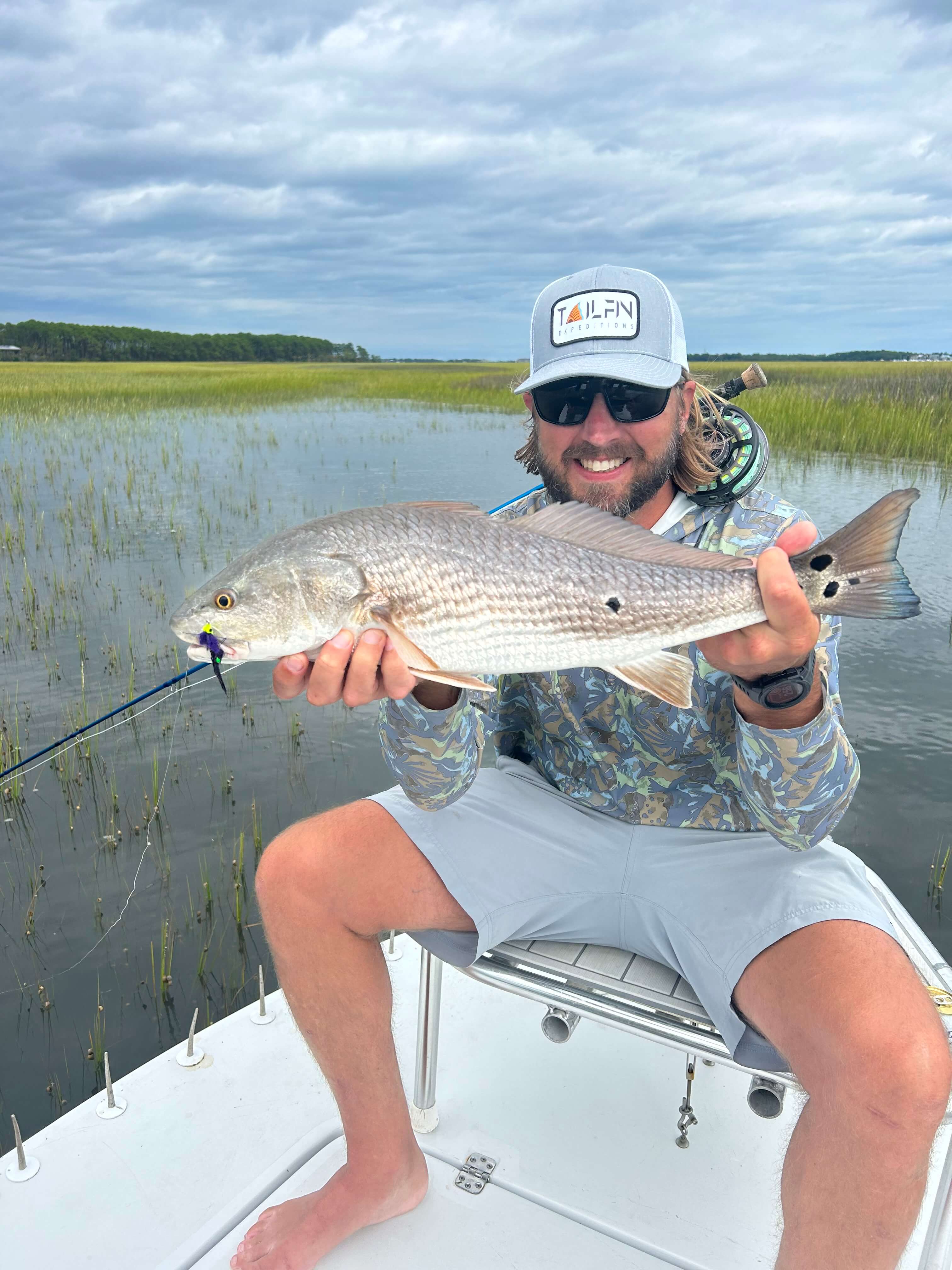
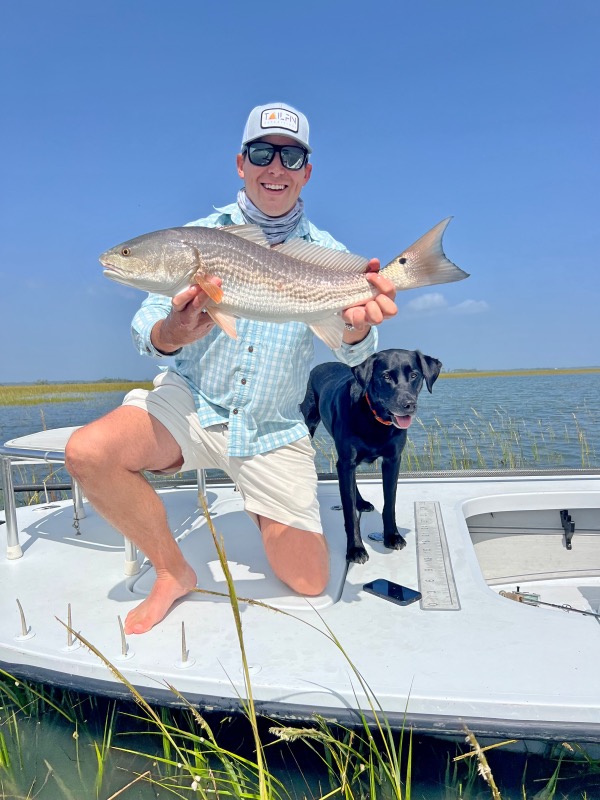
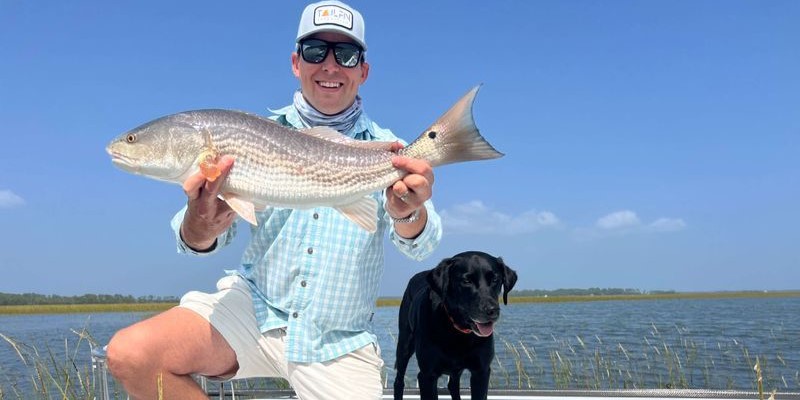
Redfish are the crown jewel of Charleston flats fishing, and for good reason. These copper-colored bruisers range from slot-size fish around 18-27 inches all the way up to bull reds that can stretch over 40 inches and weigh 30+ pounds. Spring through fall offers the most consistent action, but don't sleep on winter fishing when the crowds thin out and the fish get less pressured. What makes redfish so special is how they fight - they'll make powerful runs, try to wrap you around oyster bars, and use every ounce of that broad tail to test your drag. Plus, they're gorgeous fish with that distinctive black spot and bronze coloring that photographs beautifully. When you hook into a bull red on light tackle in 2 feet of water, you'll understand why anglers become obsessed with these fish. They're smart too, often requiring perfect presentations and quiet approaches, which makes landing one feel like a real accomplishment.
Time to Book Your Spot
Charleston's flats fishing scene is world-class, and the best dates fill up fast, especially during peak seasons. Whether you choose our customer-favorite half-day trip to get a taste of what these waters offer, or go all-in with a full 8-hour adventure, you're setting yourself up for some of the best fishing the Southeast has to offer. These intimate 2-person charters mean you're not competing for rod time or dealing with crowds - just pure fishing focused on putting you on fish. The Lowcountry's extensive creek systems and grass flats provide endless opportunities, and with our local knowledge, we'll put you on the productive water while others are still figuring out the tide charts. Don't wait until you're already in Charleston to book - the renowned fishing here draws anglers from across the country, and the calendar fills up quickly during the best fishing months.
 Private Trip
 Flats/Shallows Fishing
 Charleston
 Private flats fishing charters targeting redfish and sea trout