Duck Season Central Texas with Capt. Scott
Get ready for some serious waterfowl action in the heart of Central Texas with Capt. Scott, your expert guide to the region's top-rated duck hunting grounds. This isn't just another hunt – it's your chance to test your skills against some of the smartest waterfowl in the state while enjoying the raw beauty of Texas hunting country. Whether you've been chasing ducks for decades or you're still figuring out your calling technique, this hunt delivers the kind of authentic experience that keeps hunters coming back season after season.
Inside the Hunt
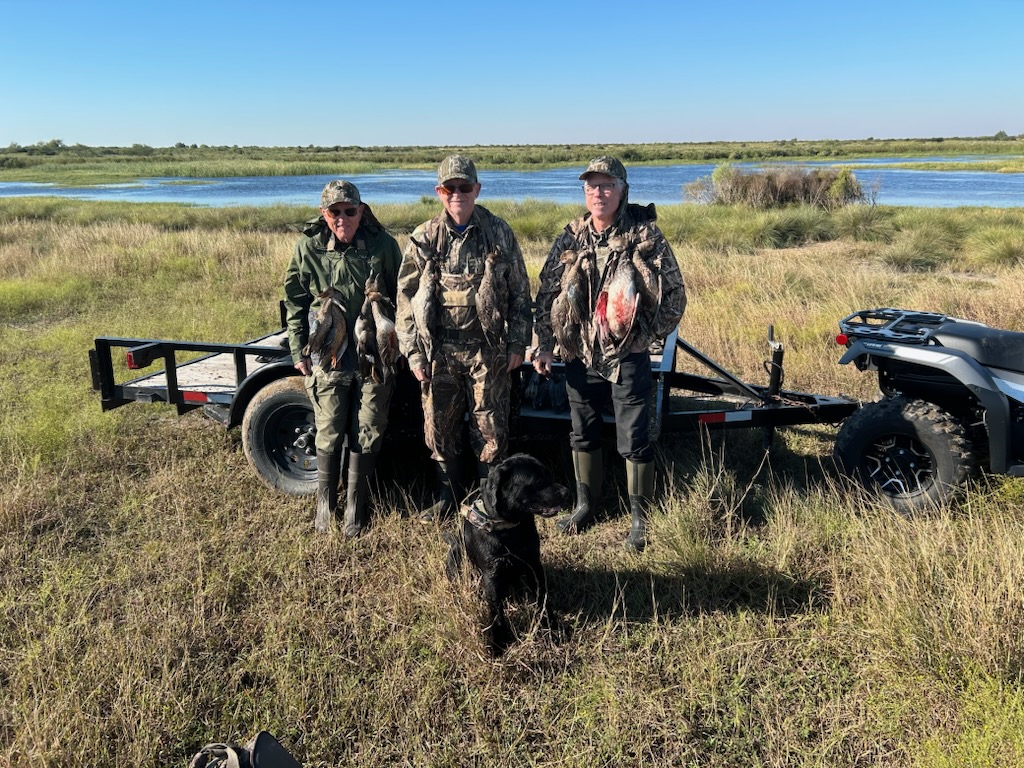
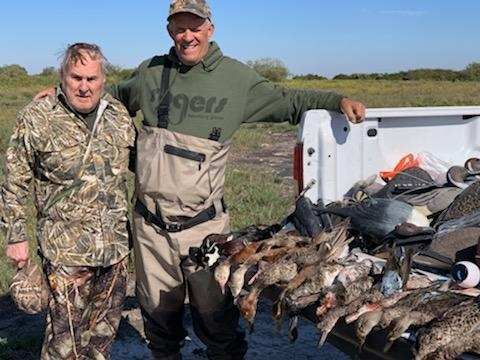
You'll be hunting solo with Capt. Scott, which means personalized attention and the flexibility to adapt tactics based on what the birds are doing that day. Central Texas offers some of the most diverse waterfowl hunting in the state, with wetlands and stock tanks that attract everything from fast-flying teal to big, cautious redheads. The morning starts early – we're talking pre-dawn setup to catch birds on their feeding flights. Scott knows these waters like the back of his hand, and he'll position you where the ducks want to be, not just where it's convenient. Expect to work with decoy spreads that match the species you're targeting, and be ready to stay still when those wings start cupping over the blocks. The hunting pressure here is manageable, which means birds that haven't been educated to death by every hunter in the county. Scott's been guiding these waters long enough to know when to call aggressive and when to shut up and let the decoys do the talking.
Tracking Tips & Terrain
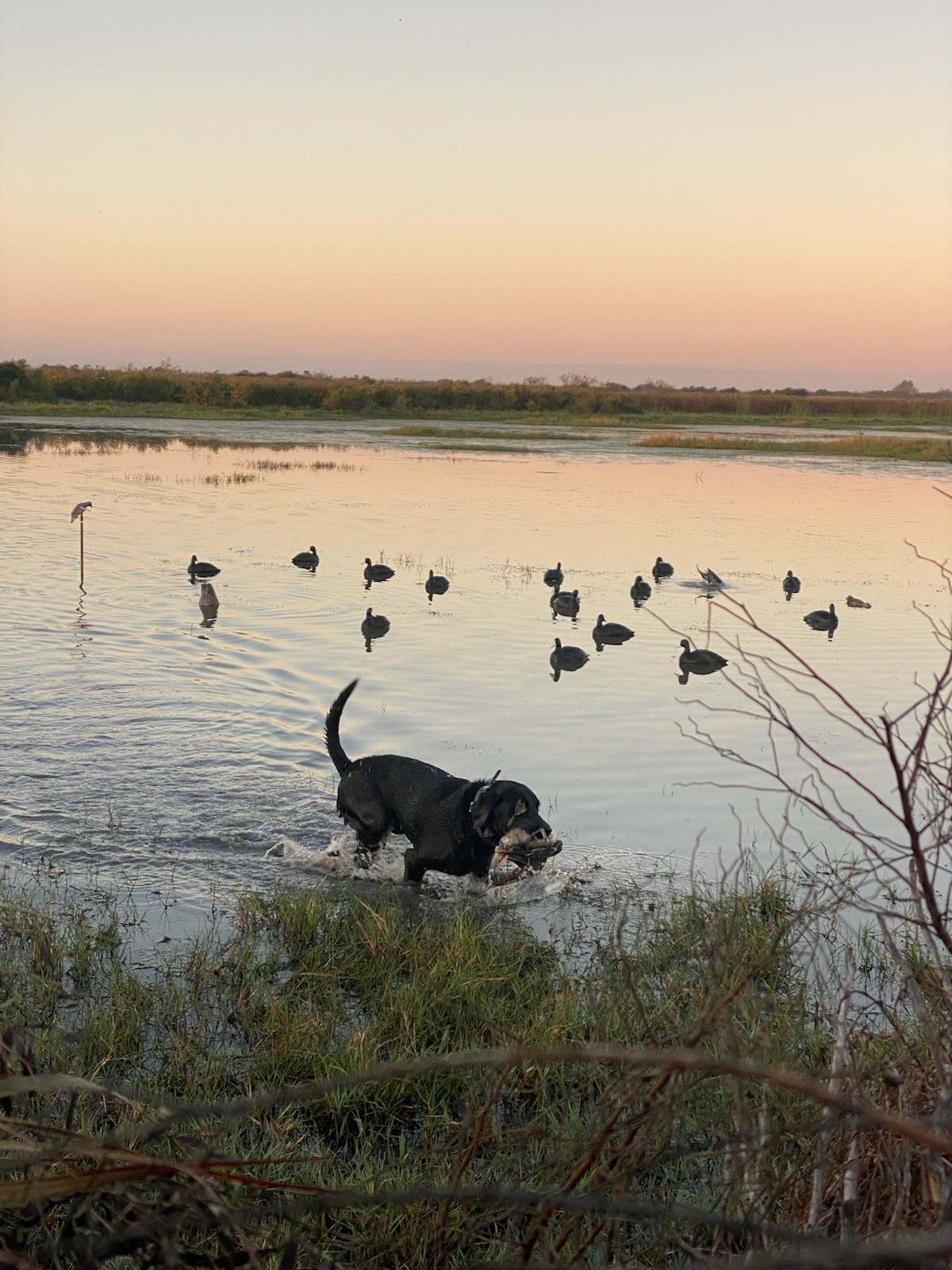
Central Texas duck hunting is all about reading the water and understanding how these birds use the landscape. You'll be hunting primarily from blinds positioned along stock ponds, wetlands, and seasonal flooding that draws waterfowl like a magnet. The terrain varies from open water shots to timber hunting, depending on where the birds are staging that particular day. Scott will have you shooting steel shot in sizes 2 and 4 – bring both because you never know if you'll be facing close-working teal or those redheads that like to hang up at 40 yards. Your shooting skills need to account for the wind patterns that sweep across these open Texas landscapes, and Scott will coach you on reading how birds respond to the terrain features. Camouflage is critical here since waterfowl have incredible eyesight, so wear your best marsh camo and keep movement to an absolute minimum once you're set up. The key to success is patience and understanding that ducks have their own schedule – they'll work the decoys when they're ready, not when you want them to.
Target Game Breakdown
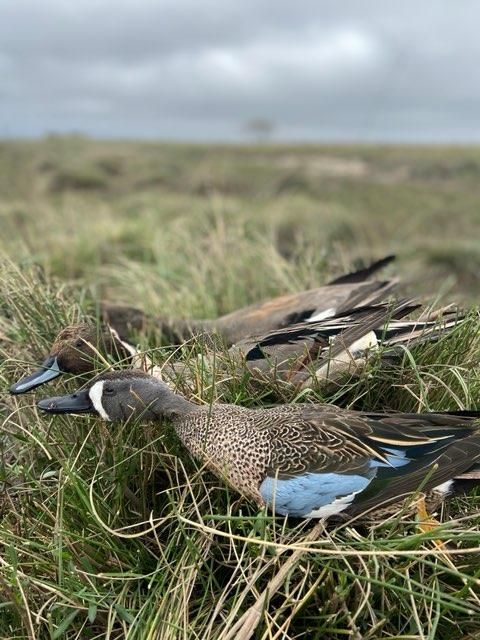
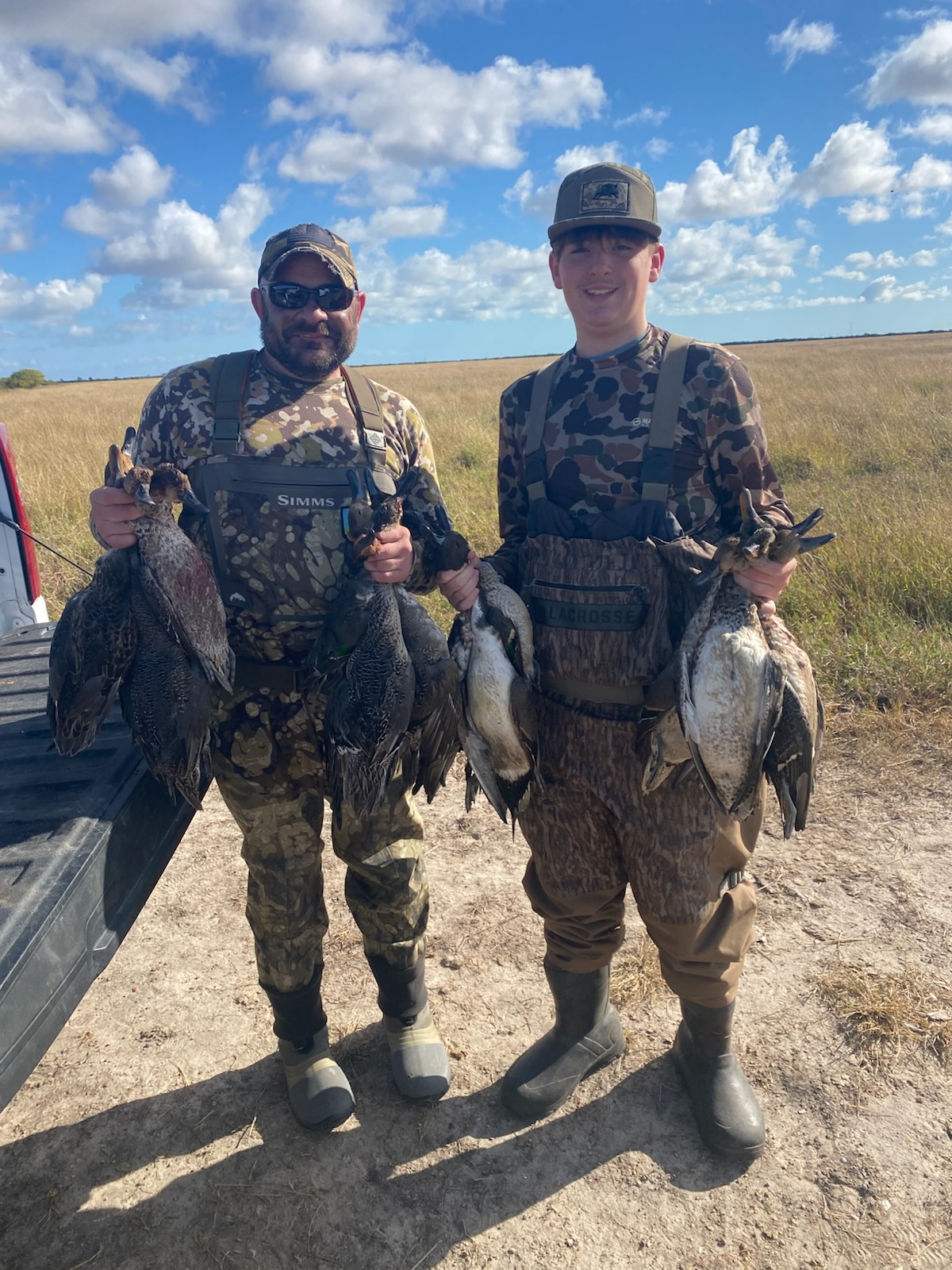
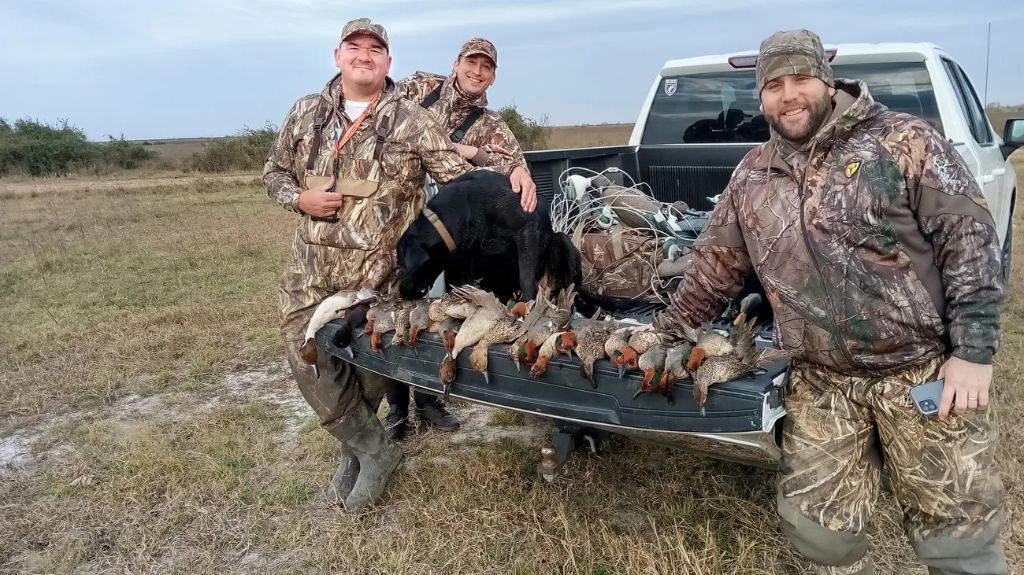
Blue-winged Teal are the speed demons of the duck world, and Central Texas sees plenty of them during migration periods. These small, agile ducks are notorious for their erratic flight patterns and lightning-quick turns that can make even experienced hunters miss easy shots. They typically weigh around 14 ounces and prefer shallow water with plenty of vegetation. Early season is prime time for blue-wings, usually September through October, when they're moving through in large numbers. What makes hunting them so addictive is their tendency to work decoys in tight groups, giving you multiple opportunities if you can connect on that first bird. They're also excellent on the table, with tender, flavorful meat that's perfect for the grill.
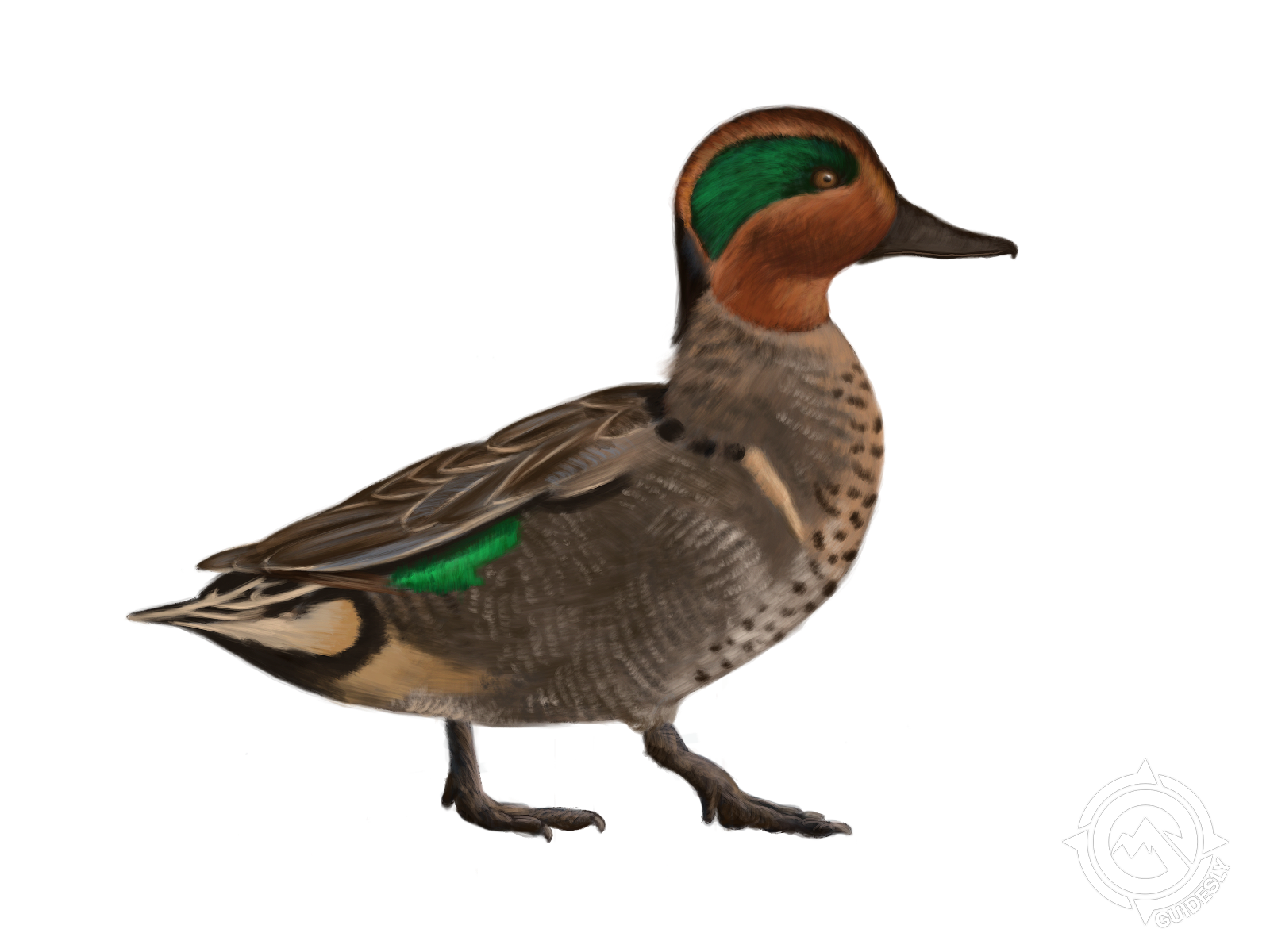
Green-winged Teal are the smallest North American duck, but don't let their size fool you – they're just as challenging as their blue-winged cousins. These little rockets rarely weigh more than a pound, but they make up for size with pure speed and agility. Green-wings stick around later in the season than blue-wings, often hunting well into December and January when other species have moved south. They love small potholes and shallow areas where they can tip up and feed on seeds and aquatic plants. The green speculum that gives them their name flashes like a beacon when they bank over your decoys, and there's nothing quite like watching a dozen green-wings tornado into your spread at first light.
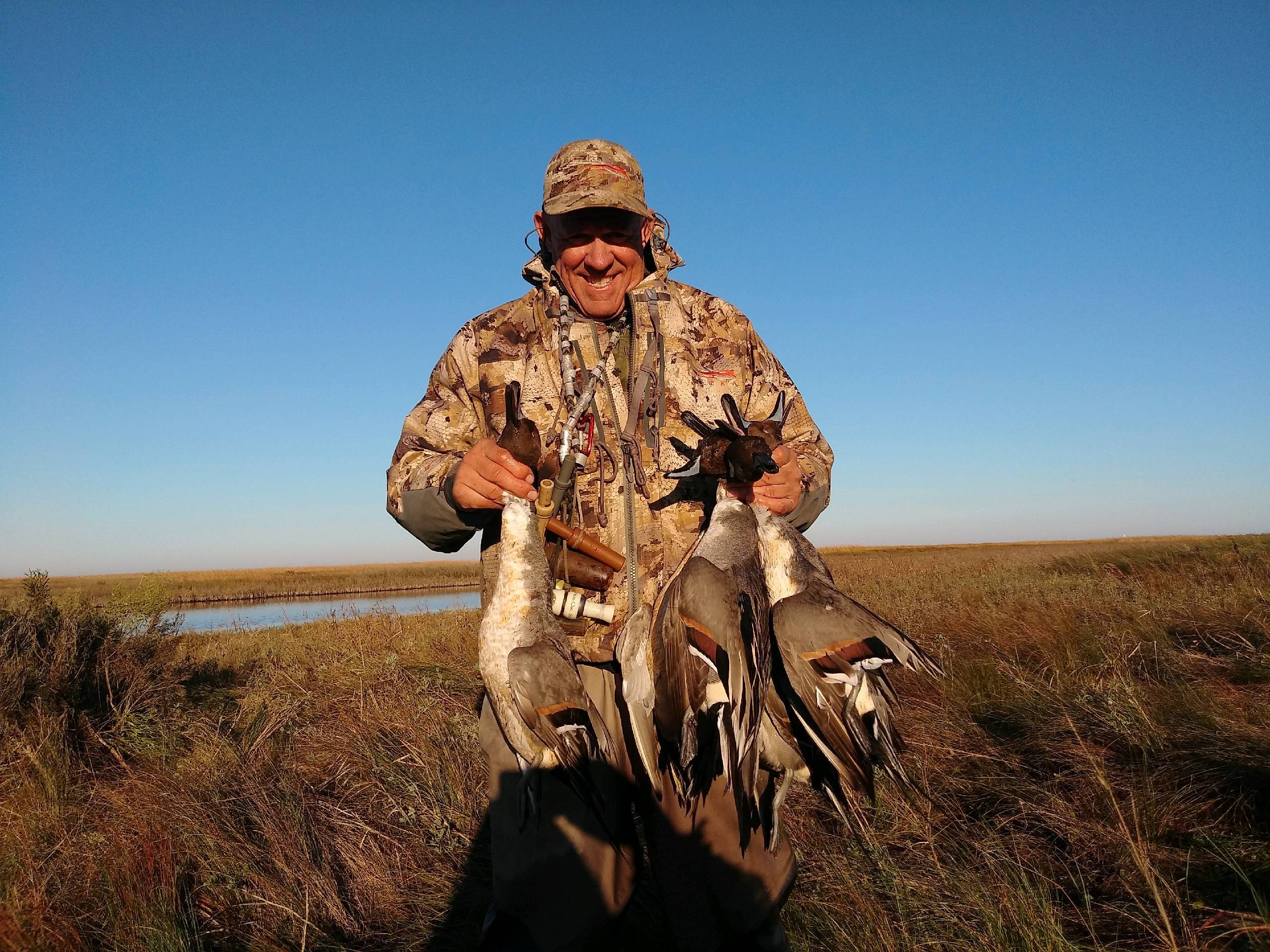
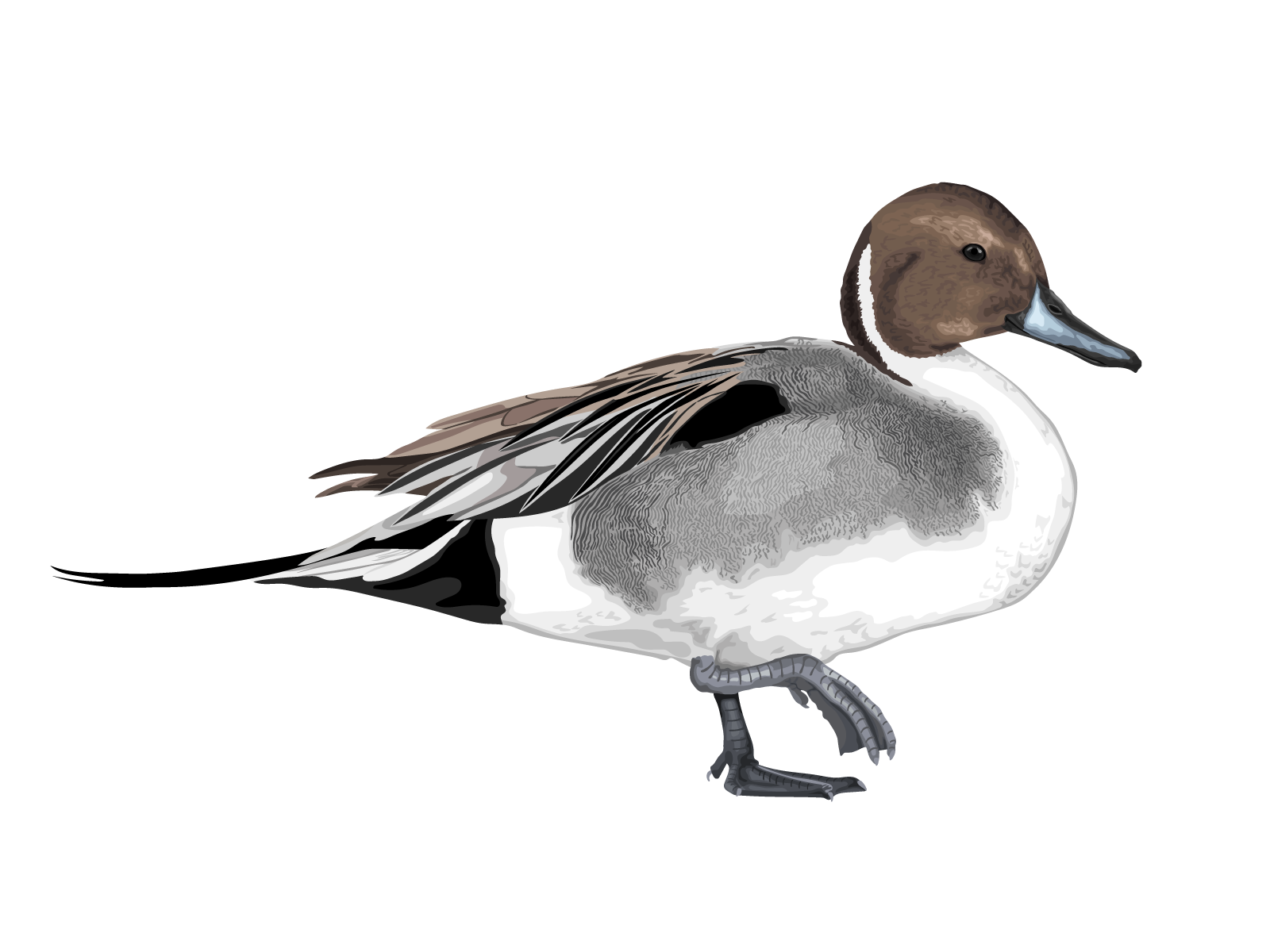
Northern Pintail are the aristocrats of the duck marsh, with their elegant long necks and distinctive profile that's unmistakable even at distance. Drakes can reach 26 inches in length and are known for their cautious nature and tendency to circle decoy spreads multiple times before committing. Peak pintail hunting in Central Texas typically runs from November through January, when northern birds join local populations. These ducks prefer open water and agricultural areas, making them perfect for the diverse habitat that Central Texas provides. Pintails are notorious for their soft landings and ability to backpedal out of shooting range if something doesn't look right, which is why Scott's decoy placement and calling strategy is so important for consistent success.
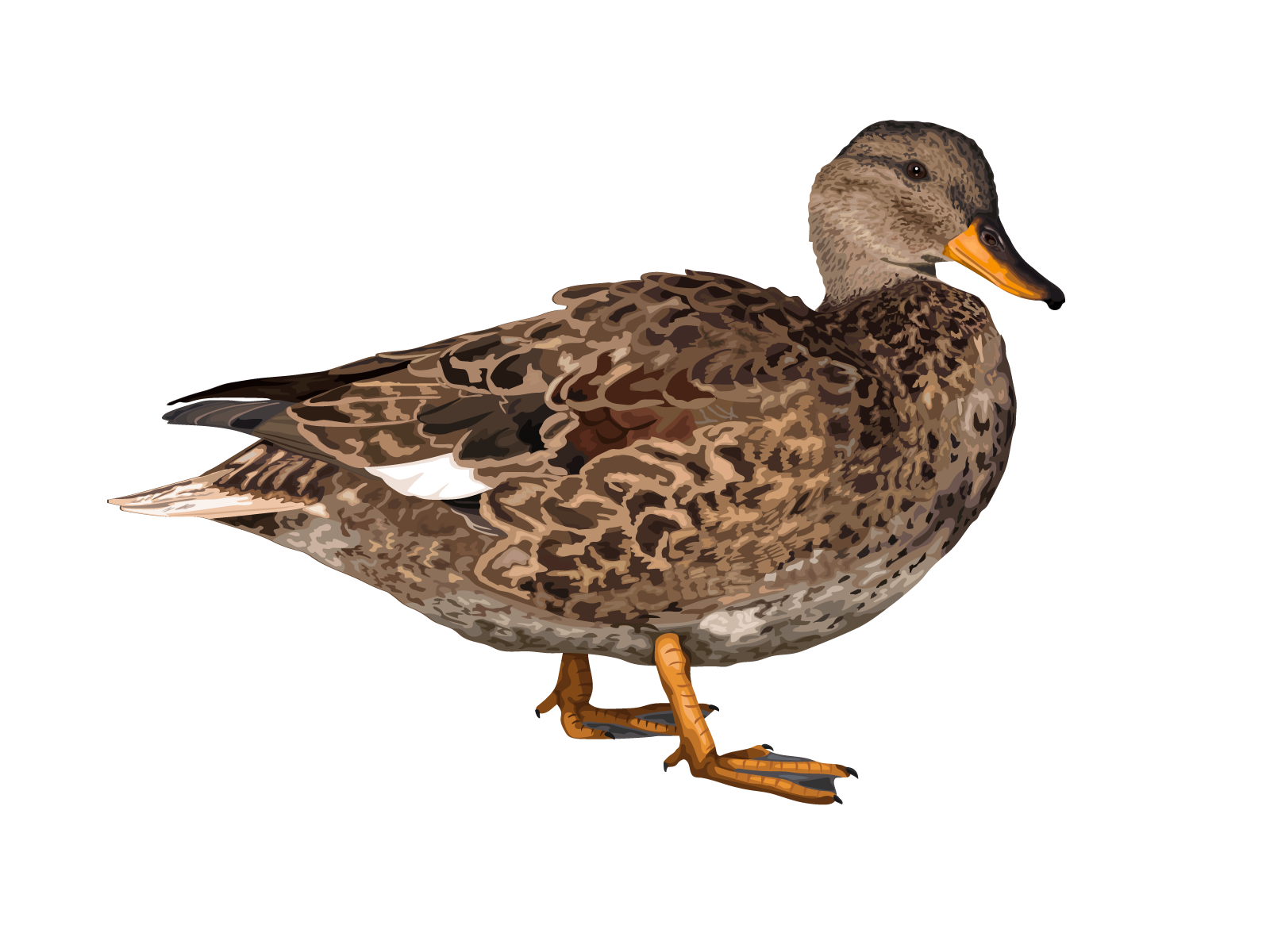
Gadwall might not win any beauty contests compared to flashy mallards, but they're incredibly smart ducks that provide some of the most challenging hunting you'll find. These medium-sized ducks are often called "gray ducks" for their subtle coloring, but experienced hunters know they're anything but boring to hunt. Gadwall are late-season specialists in Central Texas, often providing excellent hunting when other species have moved on. They're notorious for their ability to spot flaws in decoy spreads and their tendency to flare at the slightest movement. When they do commit, gadwall typically come in small groups and provide excellent shooting opportunities for hunters who can stay disciplined and wait for birds to get into range.
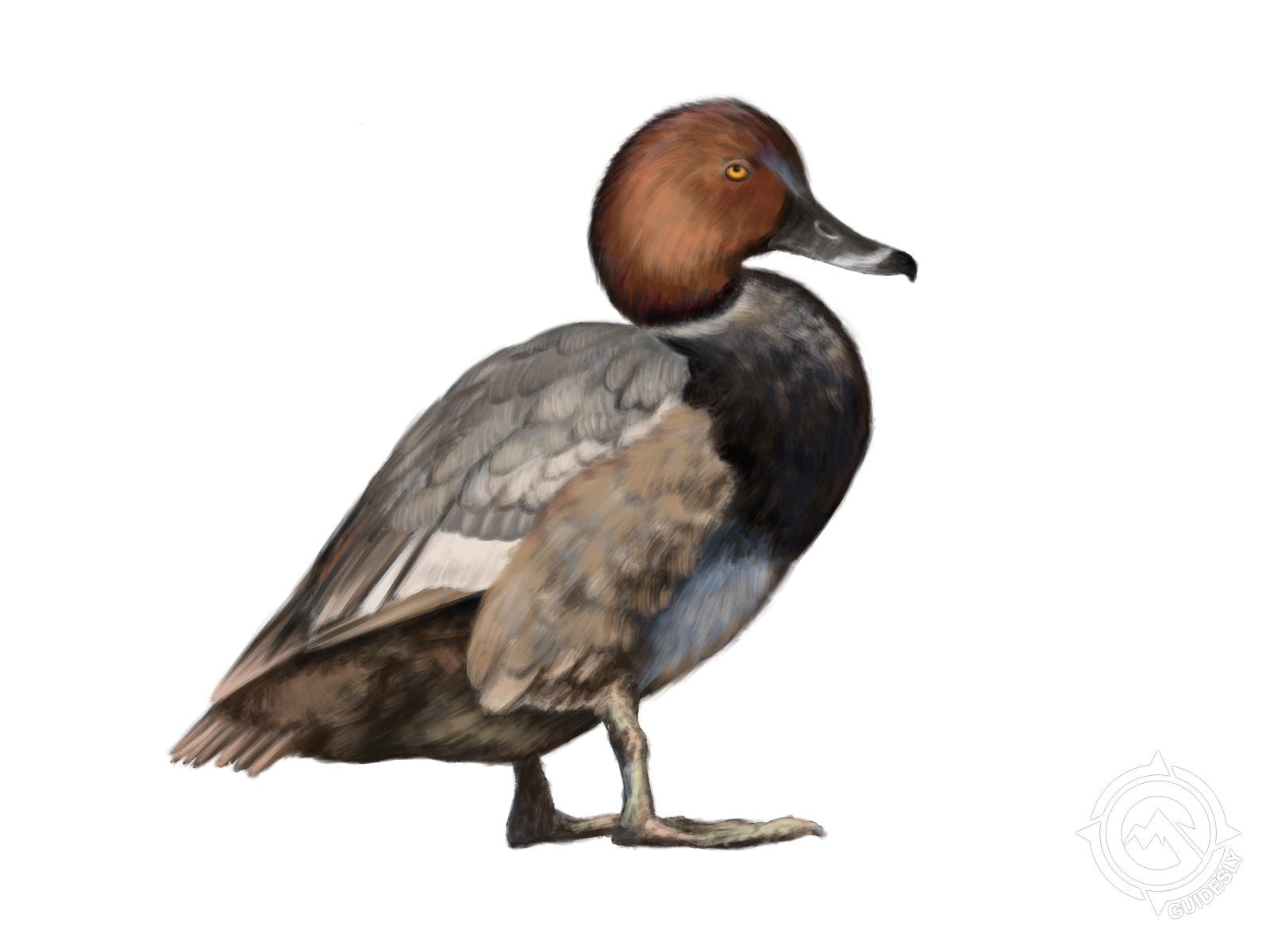
Redhead ducks are the prize birds of any Central Texas hunt, with mature drakes sporting that distinctive rusty-red head and robust build that can push three pounds. These diving ducks behave differently than the puddle ducks, often staying further from shore and requiring different hunting strategies. Redheads are most active during late morning and afternoon hours, unlike the dawn feeding flights of teal and pintails. They're incredibly wary birds that will circle potential landing spots multiple times, testing for danger before committing to a landing. When redheads do work your spread, they come in with purpose and provide some
 Private Trip
 Bird hunting
 Texas
Texas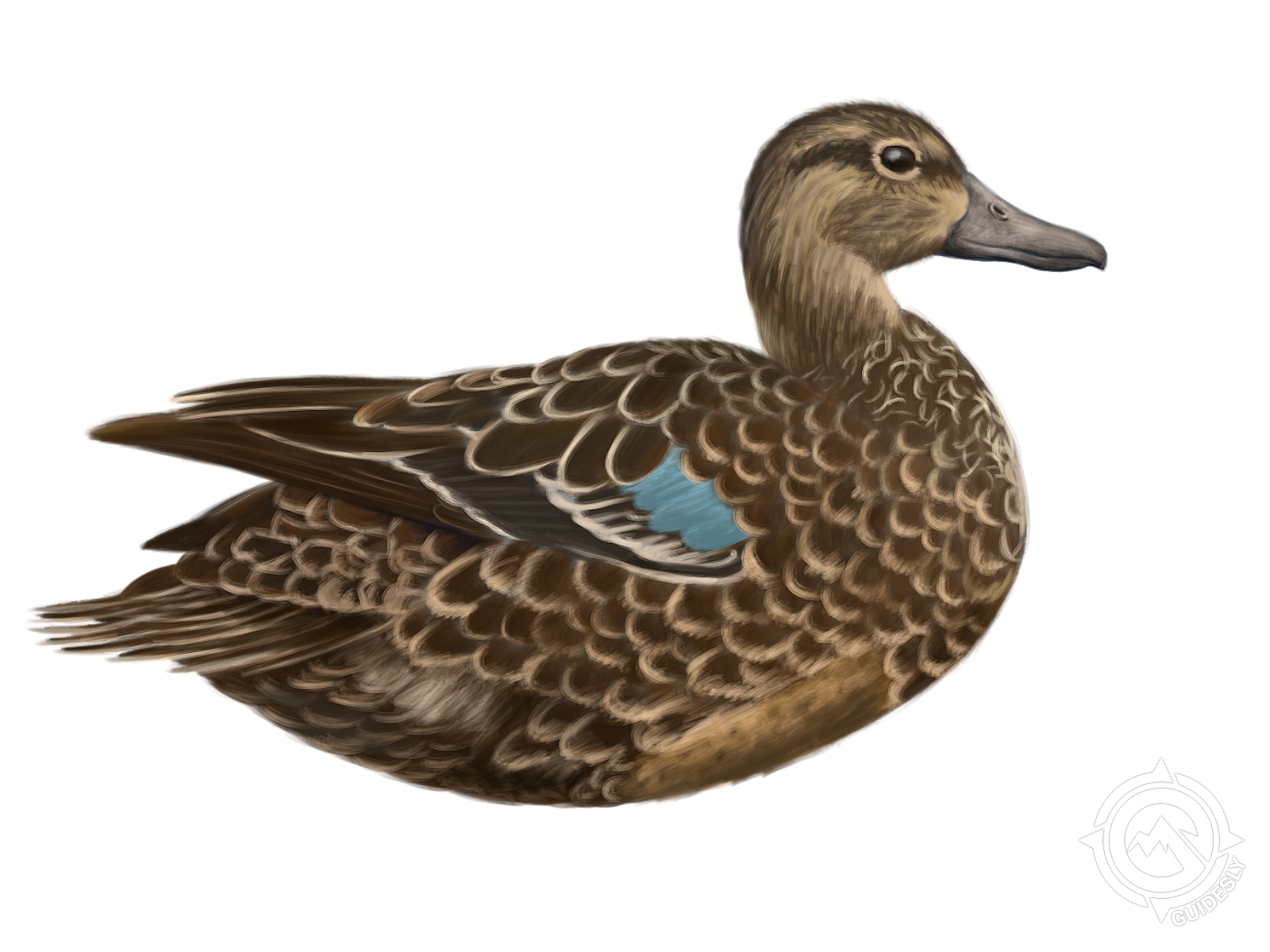
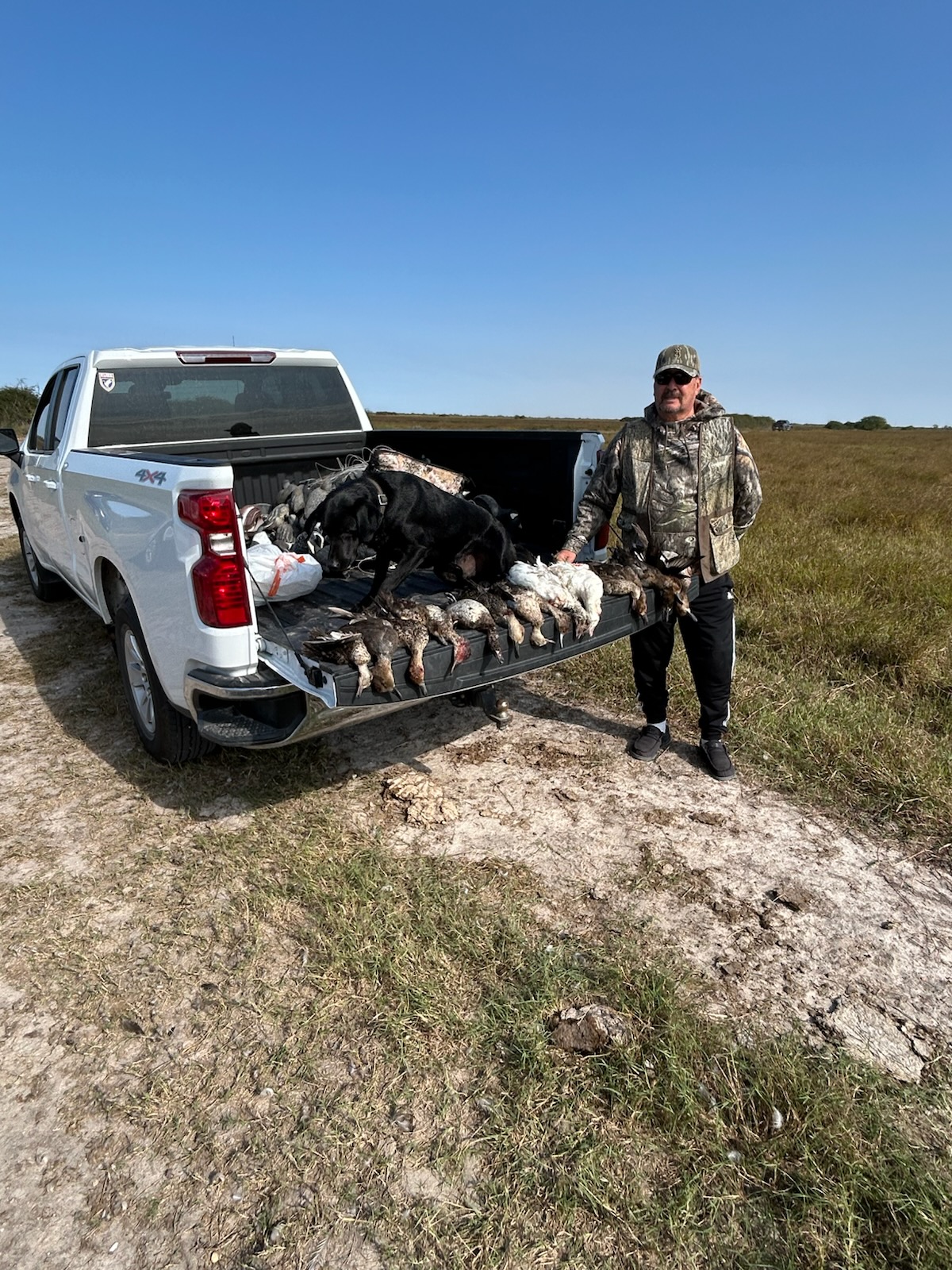
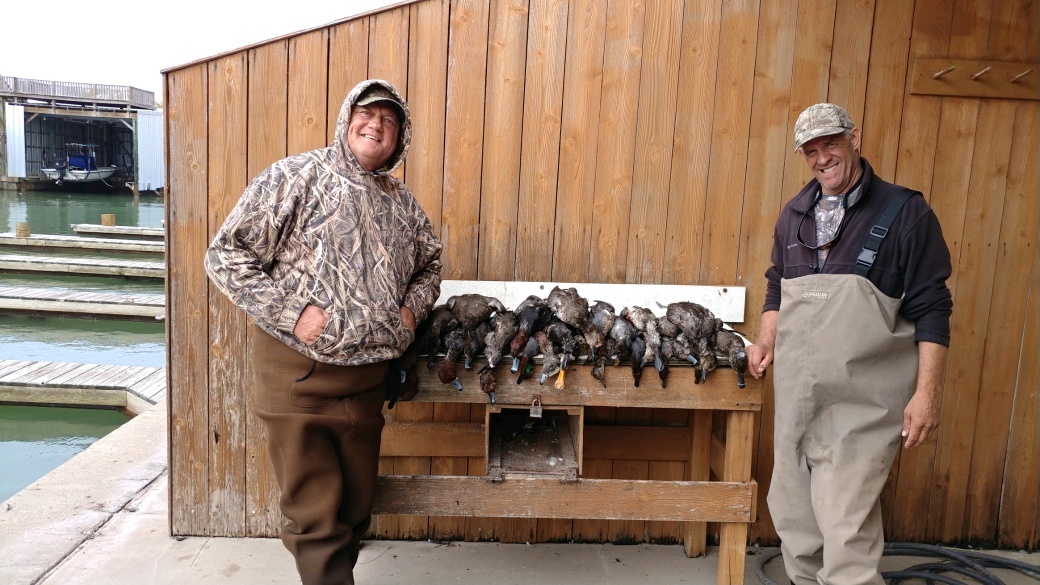
 Hunt multiple duck species including teal, pintail, and gadwall