Port Lavaca Duck Hunting
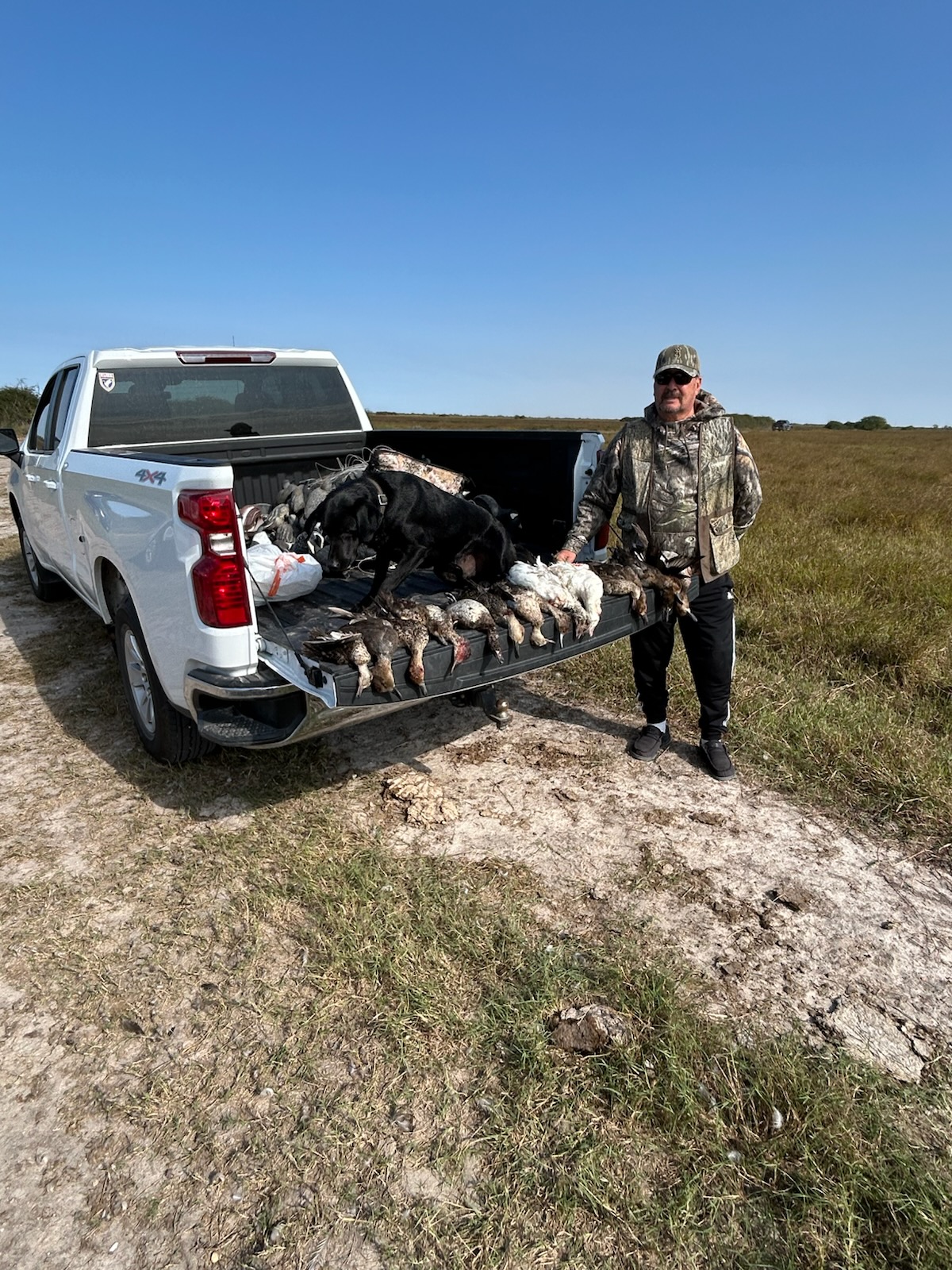
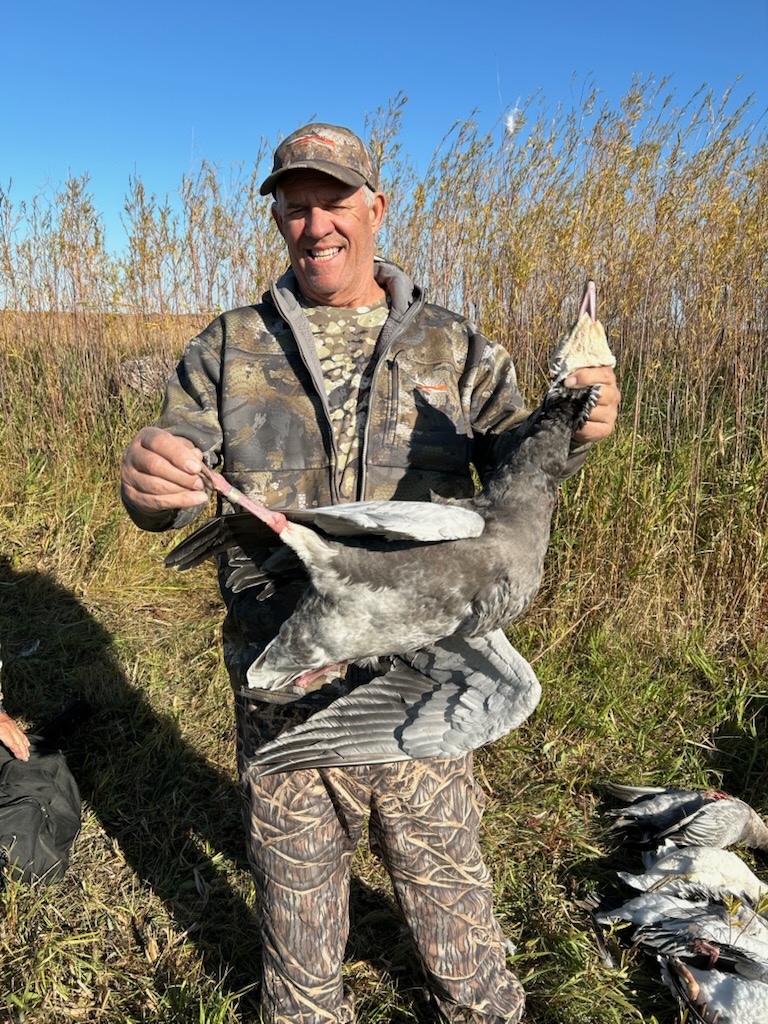
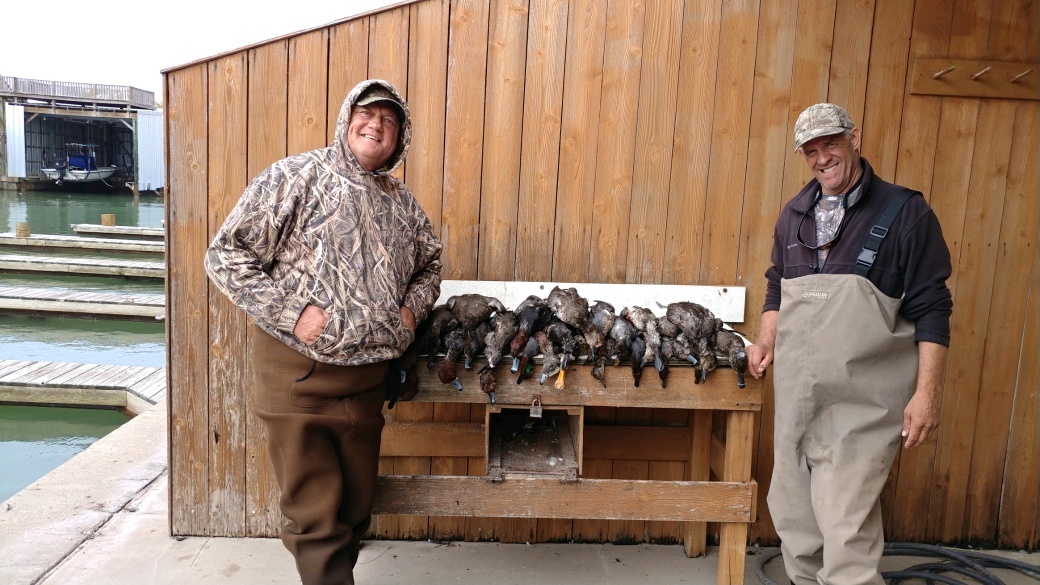
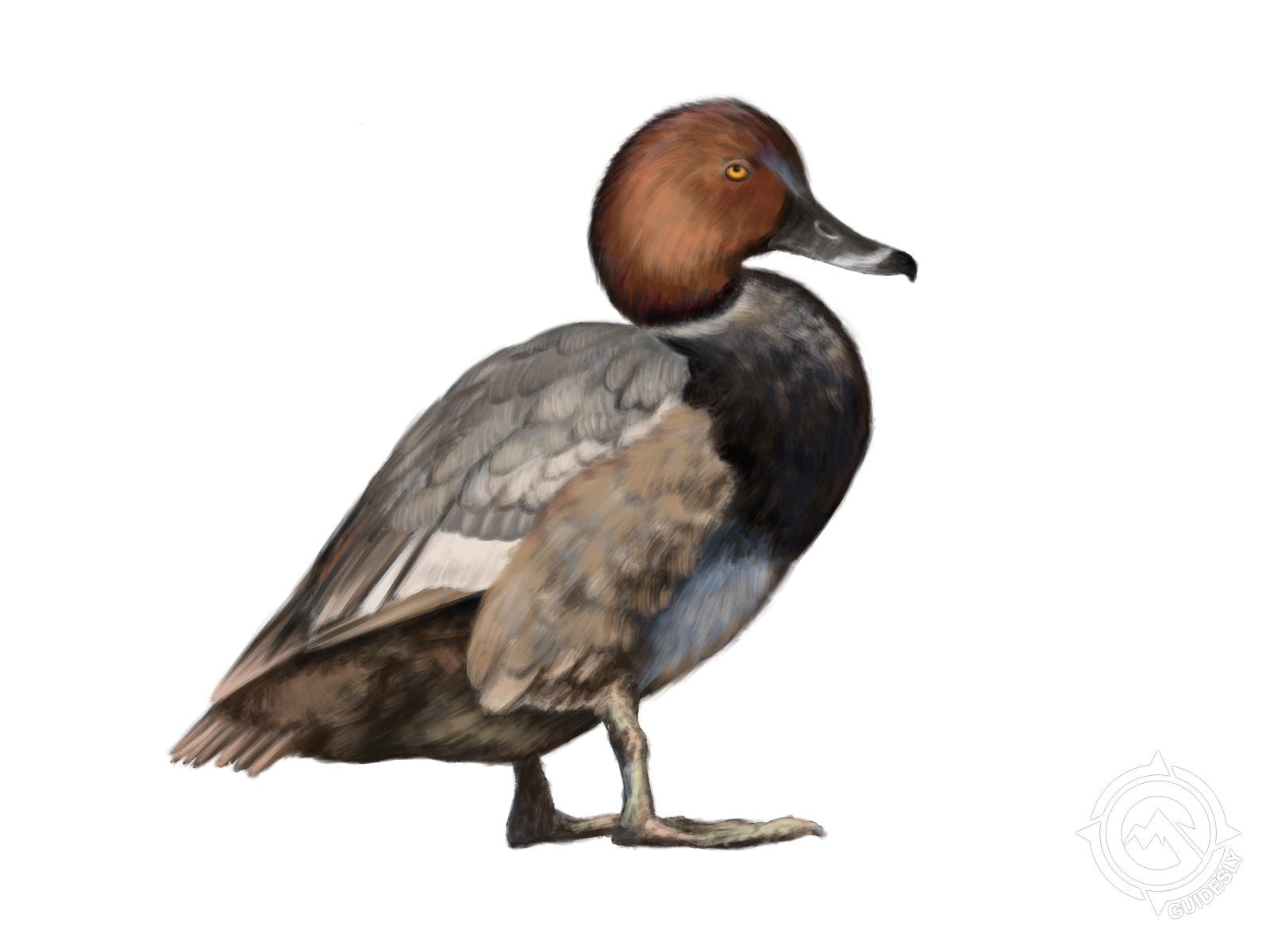
When you're looking for world-class waterfowl hunting along the Texas coast, Port O'Connor delivers the goods. Our guided duck hunts put you right in the heart of some of the most productive wetlands on the Gulf Coast, where migrating ducks funnel through in numbers that'll make your trigger finger itch. We're talking prime habitat where blue-winged teal zip overhead at first light, gadwall work the shallow flats, and redheads raft up in open water. This isn't your typical pond hunt – we're hitting the inland waters and marshes where these birds feel at home, and where your shots count. With spots limited to just two hunters per trip, you'll get the personalized attention and prime positioning that makes the difference between going home with stories and going home with birds.
Inside the Hunt
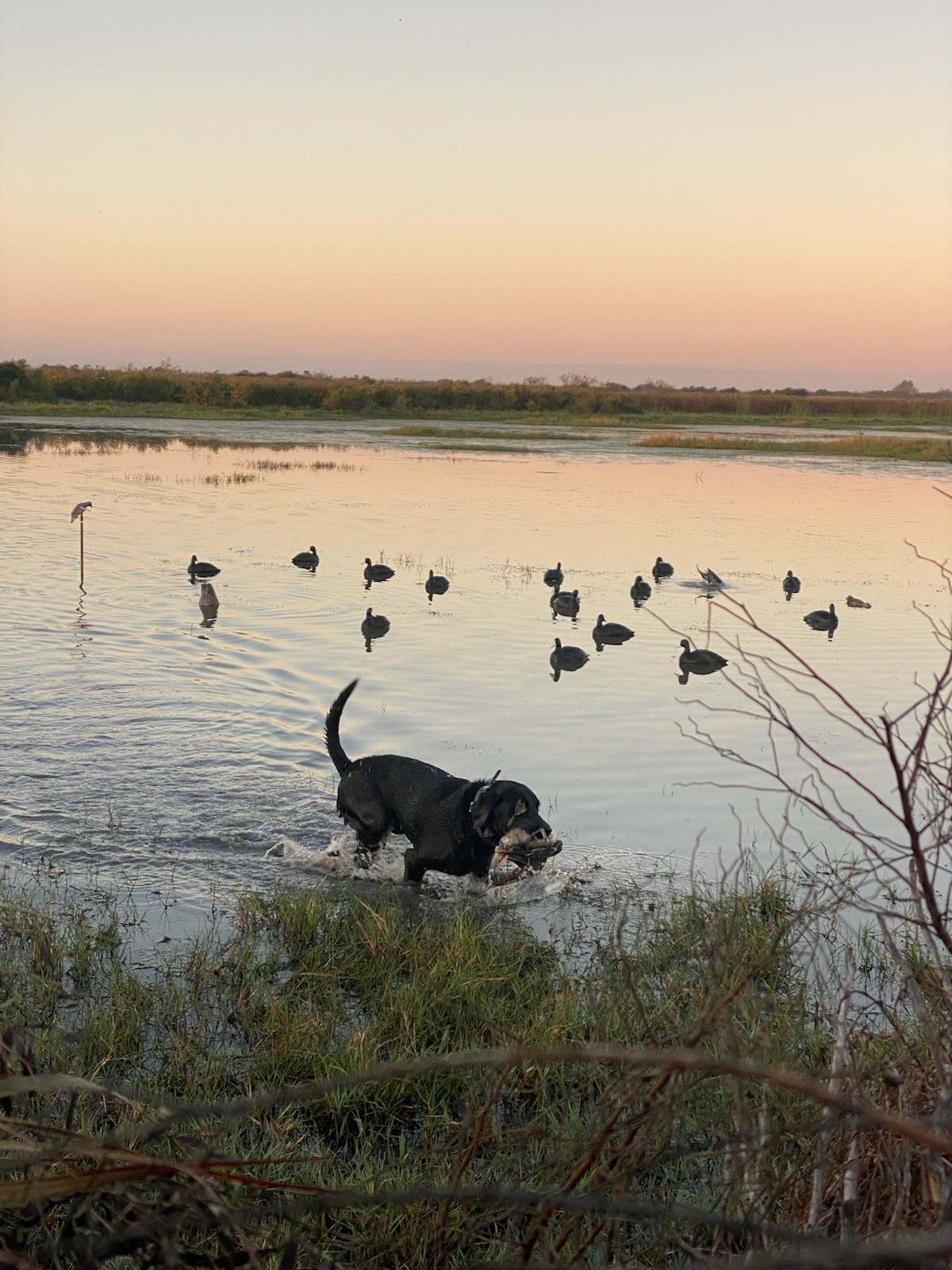
Picture this: you're set up in prime waterfowl habitat before sunrise, decoys spread perfectly in the zone where ducks naturally want to be. The inland waters around Port O'Connor offer everything from shallow marsh pockets to deeper bays, giving us flexibility to adjust based on weather, wind, and where the birds are working that day. We're not locked into one blind or one spot – we hunt where the ducks want to be, not where it's convenient. The beauty of this area is the variety of habitat. One morning you might be tucked into a cattail marsh watching teal buzz the decoys, and the next you're on open water with redheads coming in fast and low. Weather plays a huge role out here, and that's actually a good thing. When a front pushes through and the wind picks up, these birds get active, and that's when the action really heats up. We'll position you based on wind direction and bird movement, always keeping safety and shot opportunities as our top priorities.
Tracking Tips & Terrain
This hunt happens in the transitional zone where freshwater meets salt, creating the kind of diverse habitat that waterfowl crave. The terrain ranges from shallow grass flats to deeper cuts and channels, with plenty of protected coves and backwater areas. You'll want to bring steel shot in sizes 2 and 4 – this is mandatory for waterfowl hunting and what works best for the species we're targeting. Size 4 shot is perfect for teal and smaller ducks at close range, while size 2 gives you the punch needed for bigger birds or longer shots. Your gun needs to handle steel shot, so make sure you're shooting through a barrel rated for it. The weather can change fast out here, so layering is key. Start with moisture-wicking base layers, add insulation, and top it off with quality rain gear. Waders are essential – we're talking about getting into position in shallow water and staying put for hours. Chest-high neoprene waders work best, giving you the flexibility to move through different depths while keeping you dry and warm. Don't forget a good camo hat and face mask – ducks have sharp eyes, and any movement or shine will flare them off your spread.
Target Game Breakdown
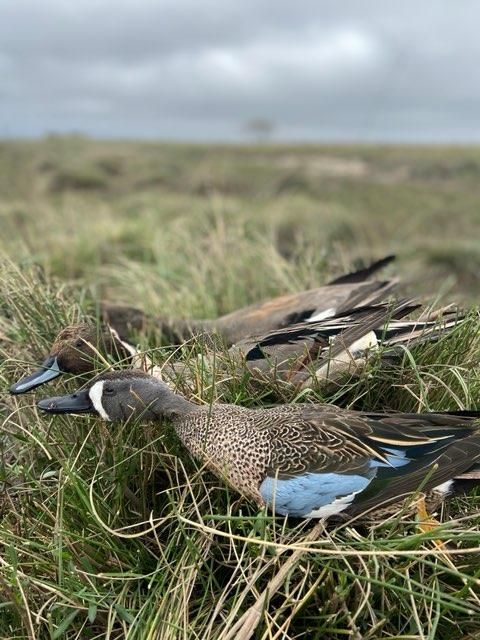
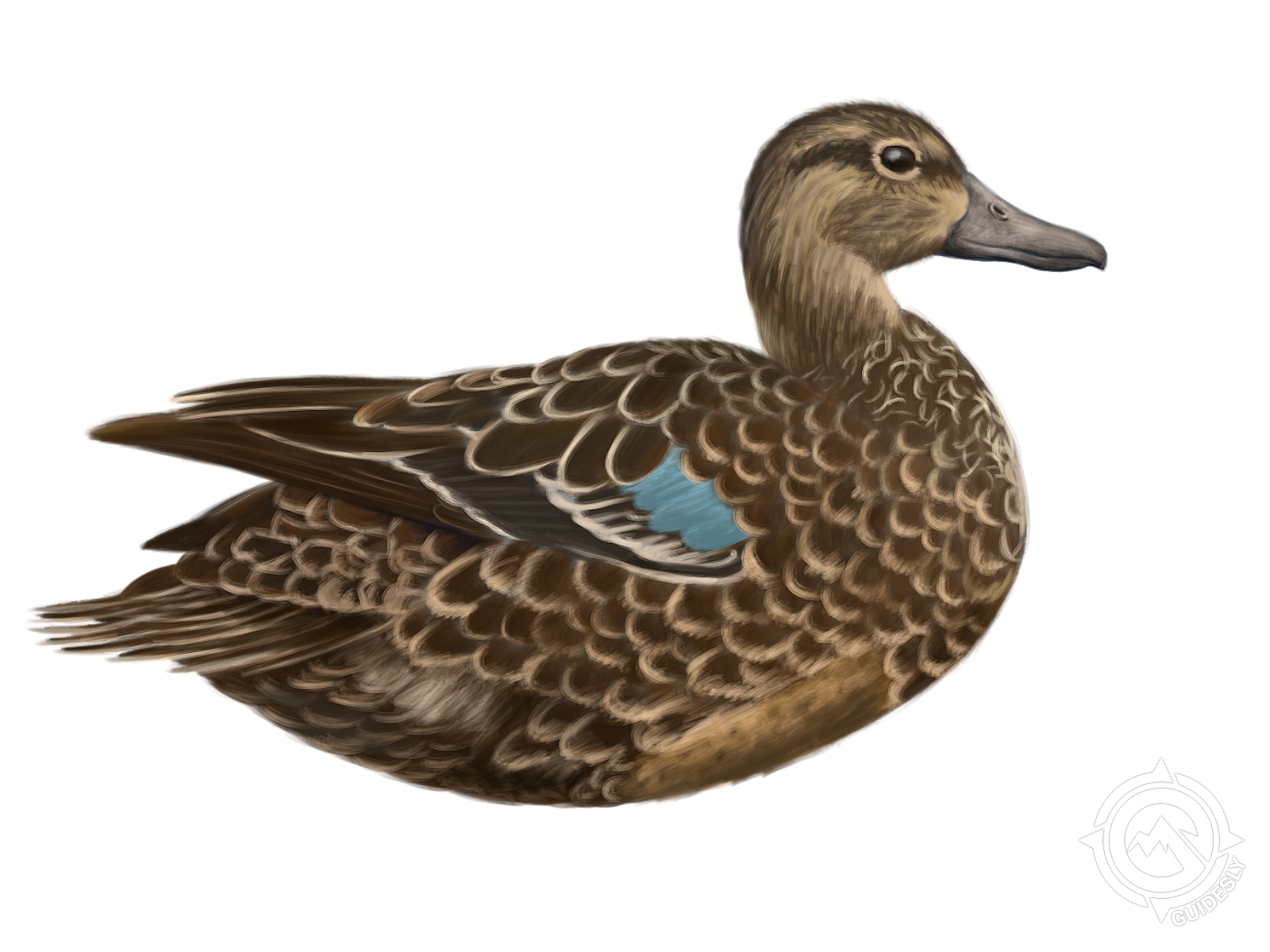
Blue-winged teal are speed demons that'll test your reflexes and shooting skills. These smaller ducks typically weigh around a pound and fly in tight flocks, often appearing out of nowhere and buzzing your decoys before you can blink. Early season is prime time for blue-wings, usually September through October, when they're moving through in good numbers. What makes hunting them so addictive is their unpredictability – they might circle your spread three times, or they might rocket past at 40 mph without giving you a second look. When they do commit, you've got a split second to make your shots count. They're table fare champions too, with mild, flavorful meat that's perfect for the grill.
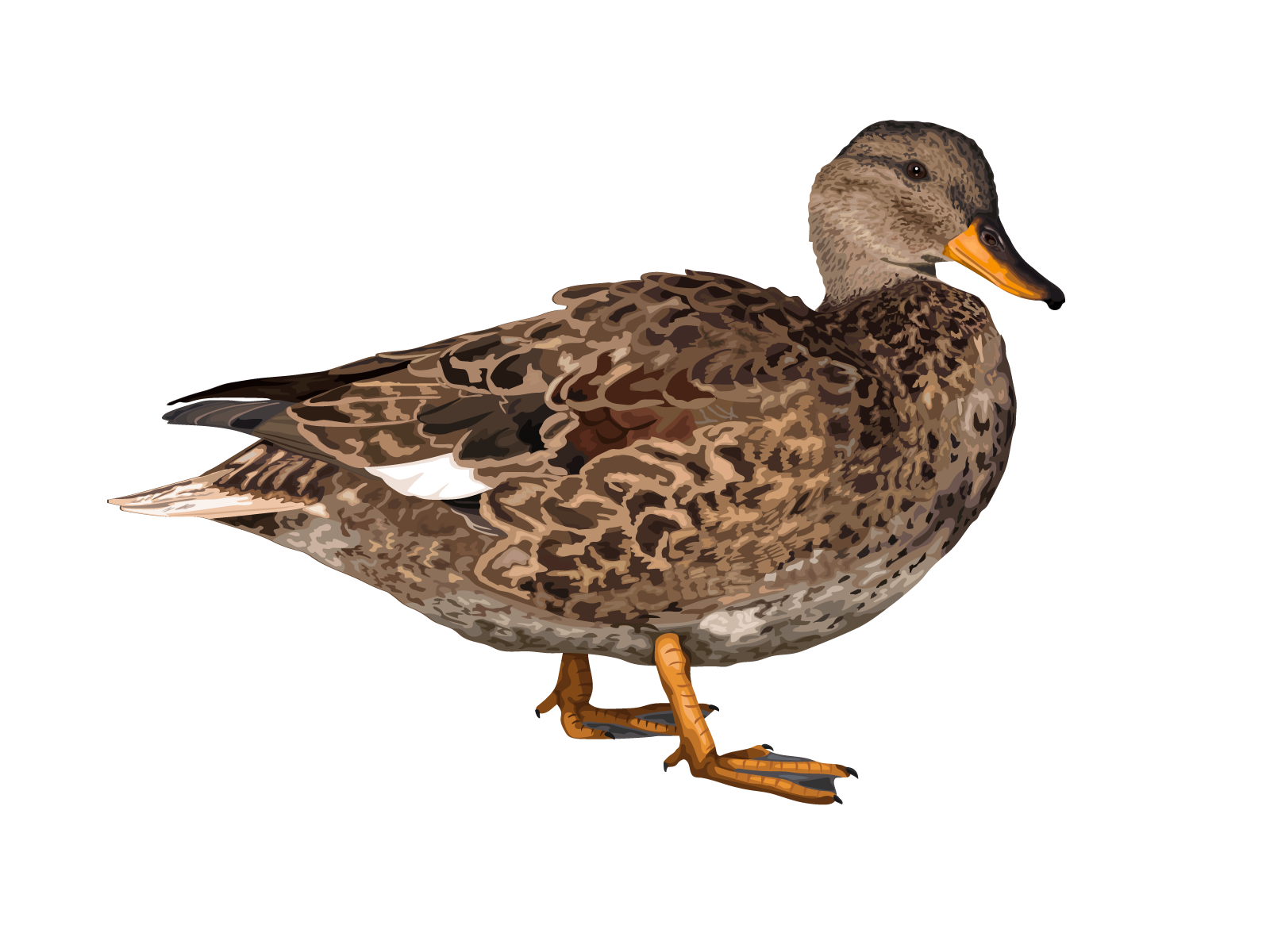
Gadwall ducks are the sleepers of the waterfowl world, and hunters who know them love them. These medium-sized ducks are masters of deception, looking plain from a distance but showing beautiful subtle patterns up close. They're big fans of shallow water with plenty of vegetation, making our Port O'Connor marshes perfect habitat. Gadwall are methodical, often working decoys with more patience than other species. They'll circle wide, check out the spread, and usually commit with confidence. Peak gadwall hunting runs from November through January, when northern birds join our local residents. At around 2 pounds, they provide excellent eating and are known for being less wary than some other puddle ducks, making them great confidence builders for newer hunters.
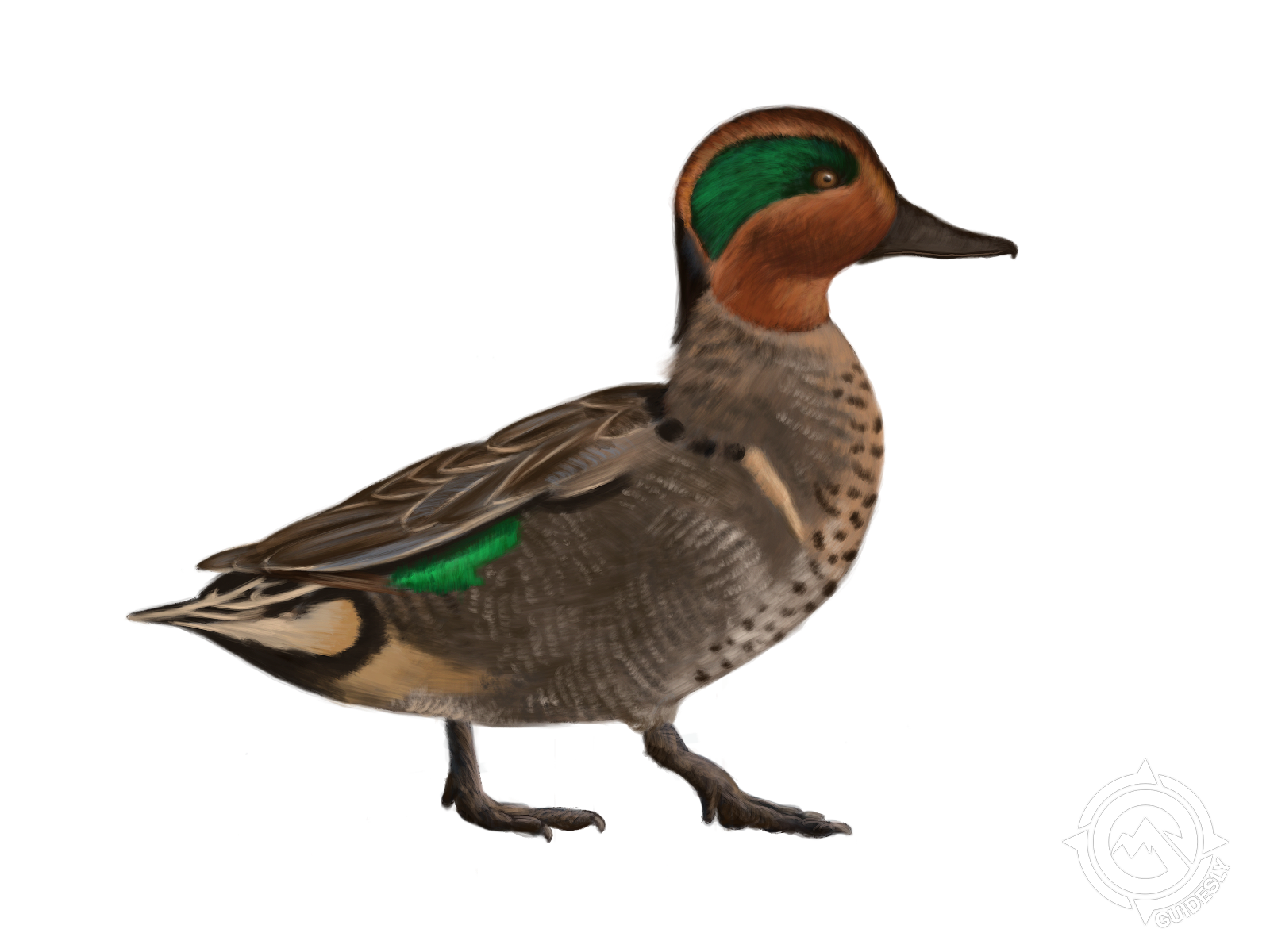
Green-winged teal are the smallest ducks you'll hunt, but don't let their size fool you – they're rockets with wings. Weighing in at just over half a pound, these little speed burners can change direction faster than you can swing your gun. They show up early in the season alongside blue-wings but stick around longer, giving you shots well into winter. Green-wings love shallow, muddy areas where they can tip up and feed, and they often travel in large flocks. When a group commits to your decoys, the action is fast and furious. Their small size means precise shooting is essential, and many hunters consider them the most challenging waterfowl to hit consistently.
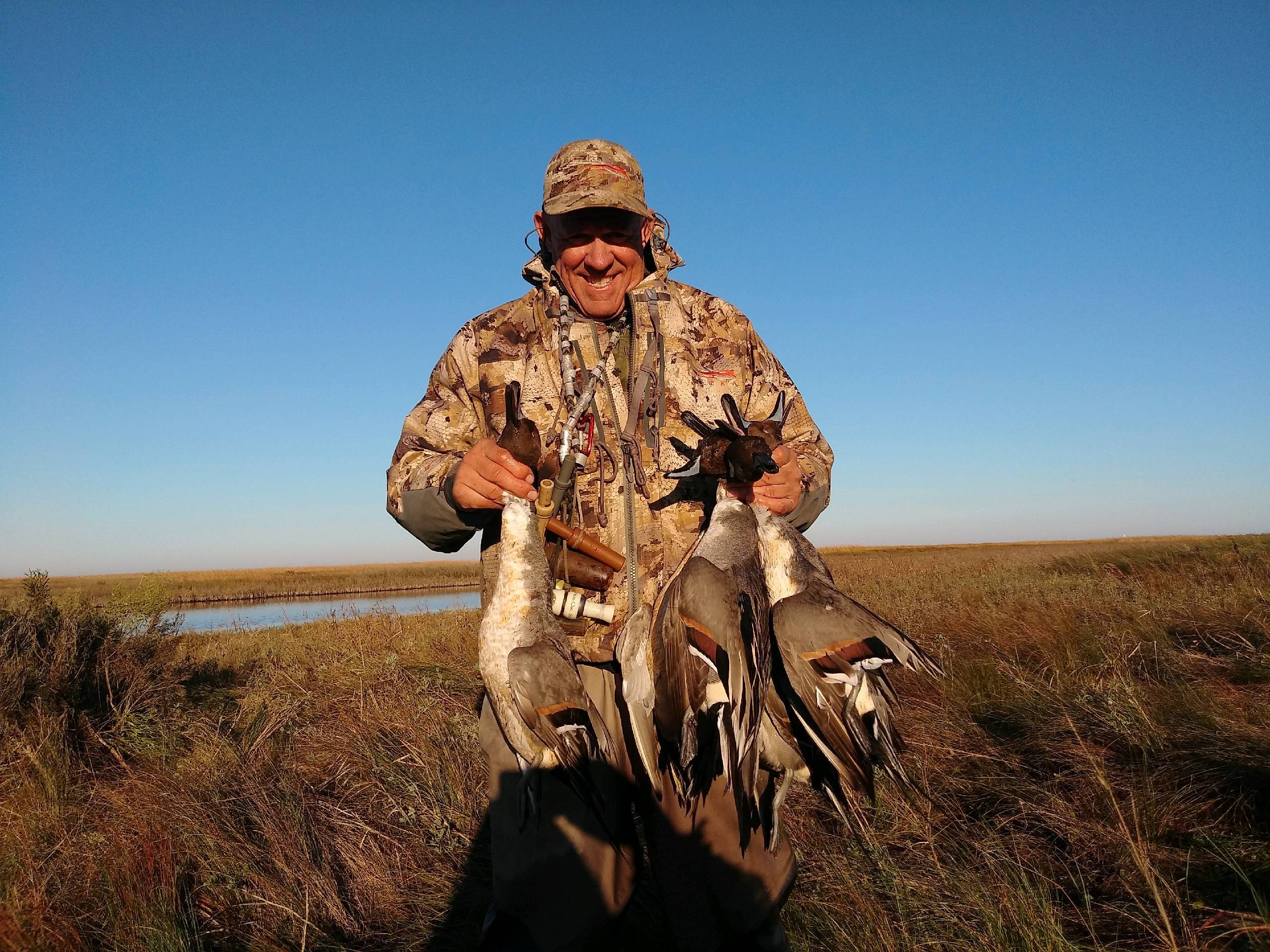
Pintail are the aristocrats of the duck marsh – elegant, wary, and absolutely beautiful birds. Bulls can reach 2.5 pounds and sport those distinctive long necks and pointed tails that make them unmistakable in flight. They're early migrants, typically showing up in good numbers by October and staying through winter. Pintail are notorious for their caution, often flaring at the slightest movement or sound. But when conditions are right and they want to work, they provide some of the most rewarding hunting you'll experience. They prefer open water areas where they can see danger coming, making proper concealment and realistic decoy setups crucial for success.
American Wigeon, or "baldpate" as old-timers call them, are medium-sized ducks with a unique feeding style that makes them fun to watch and hunt. They're g
 Private Trip
 Bird hunting
 Texas
Texas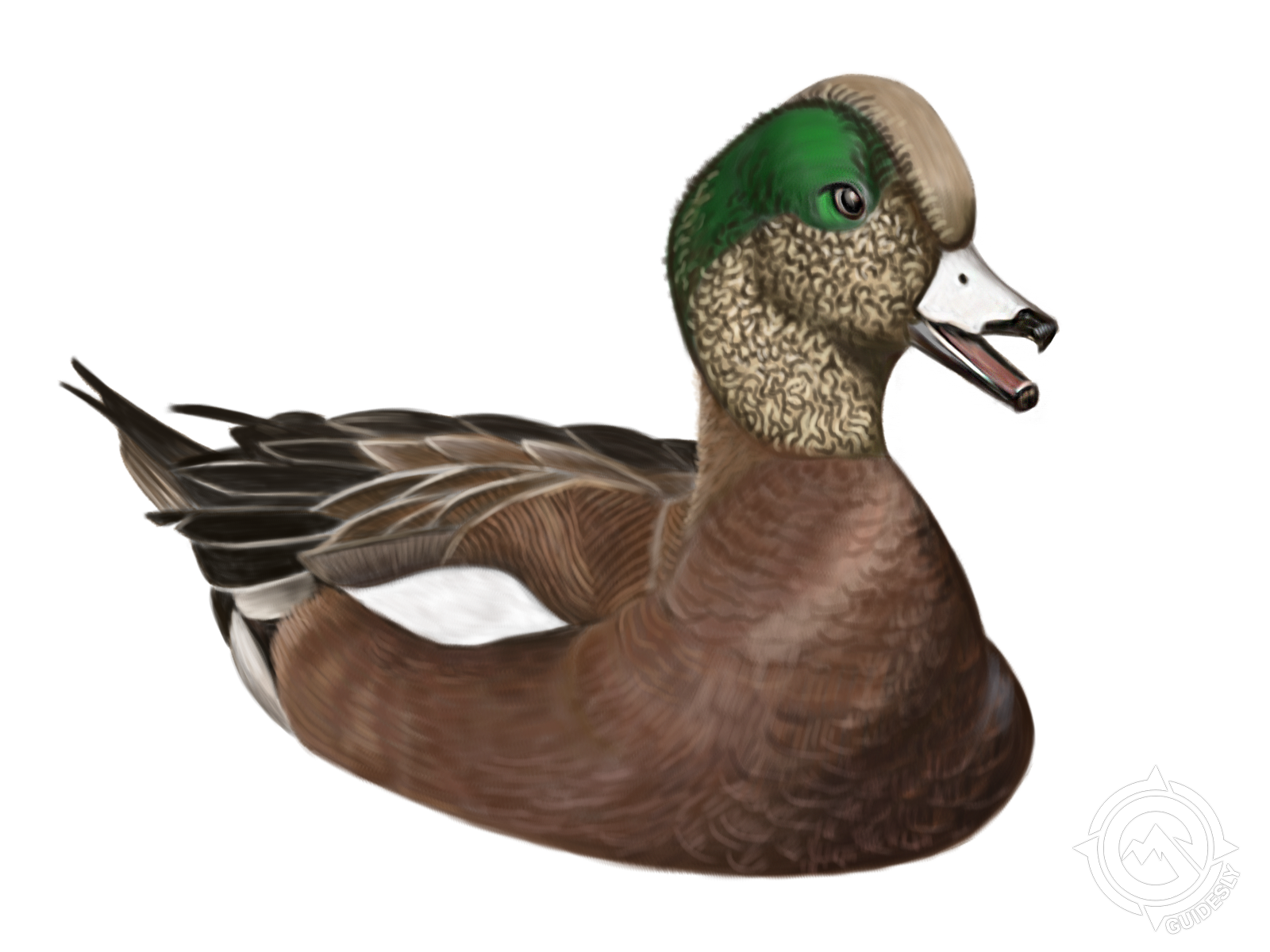
 Target multiple duck species in Port O'Connor's prime wetlands