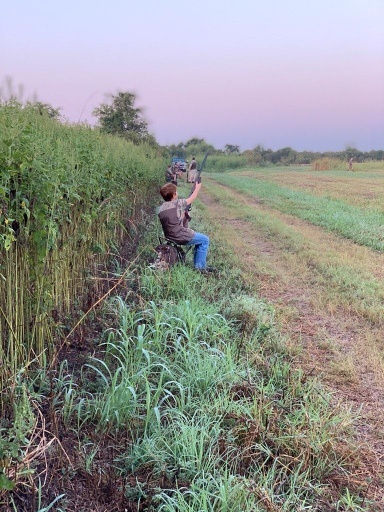
Port O Connor Duck Hunting with Texas Coastal Adventures
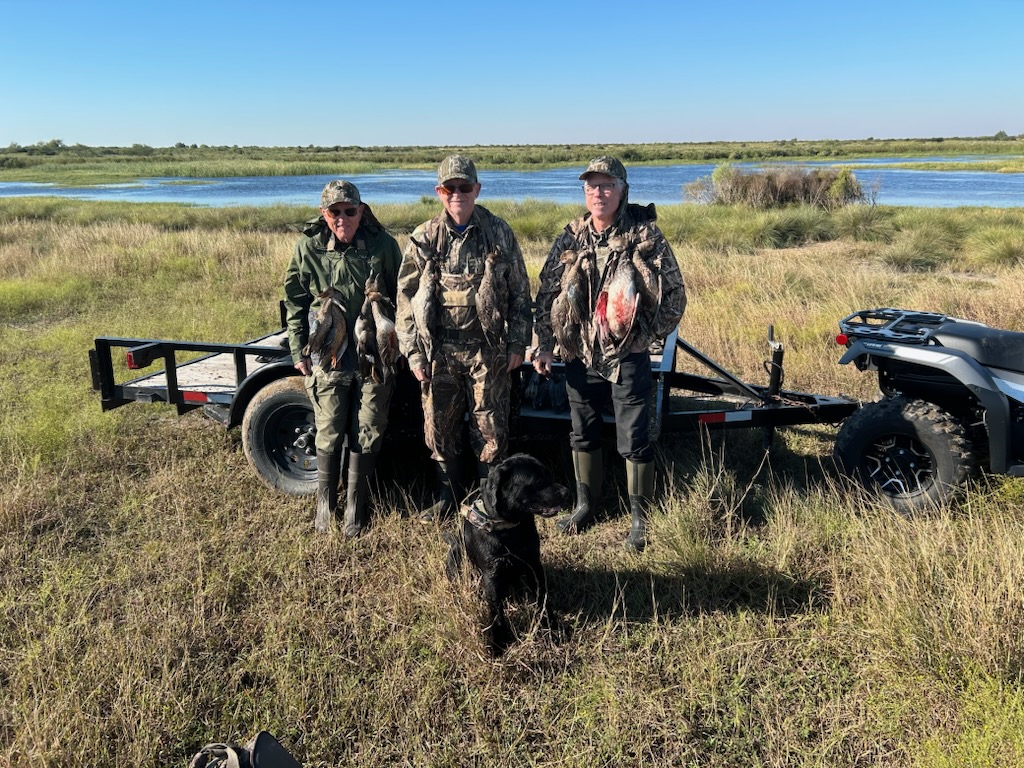
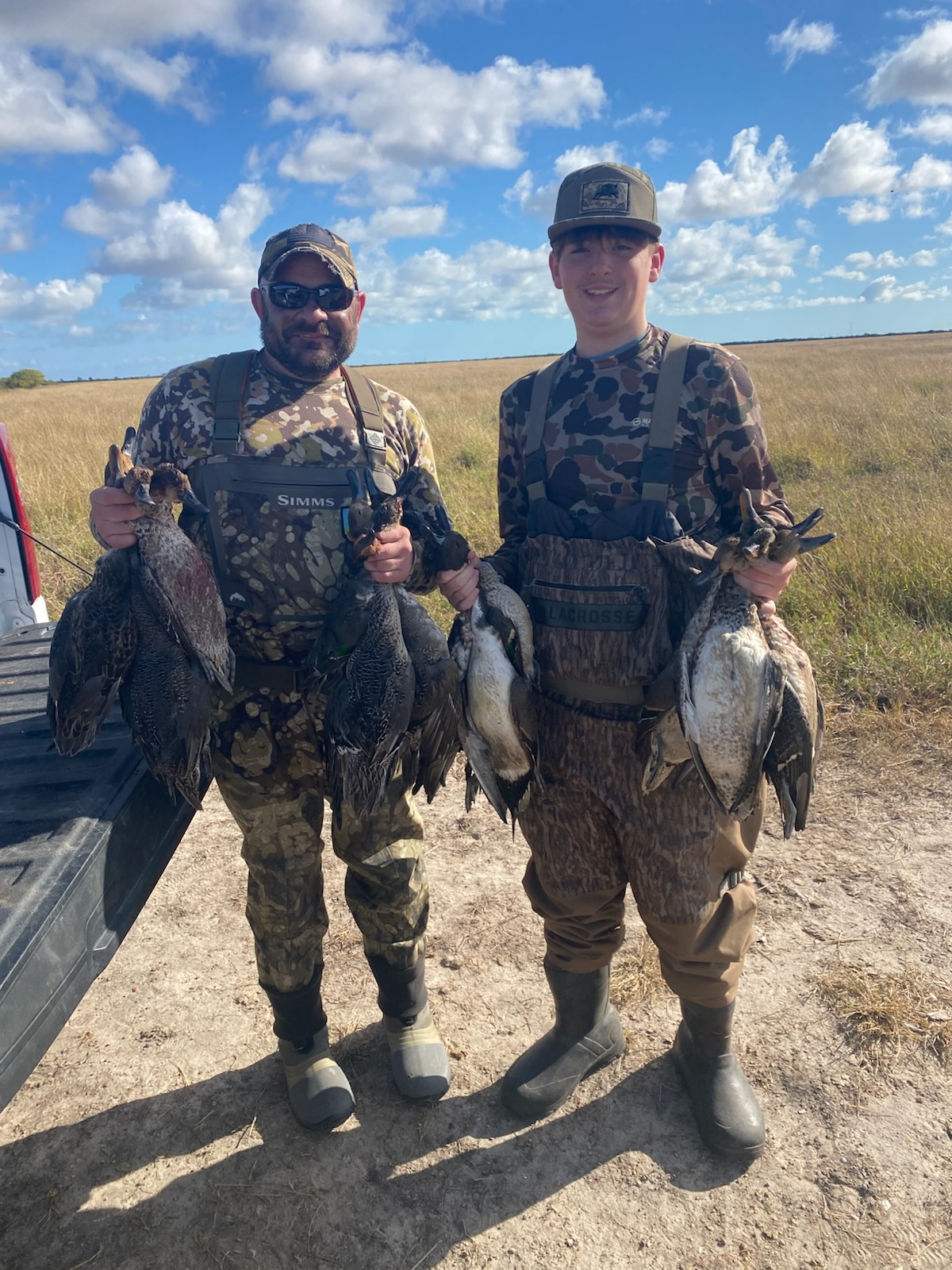
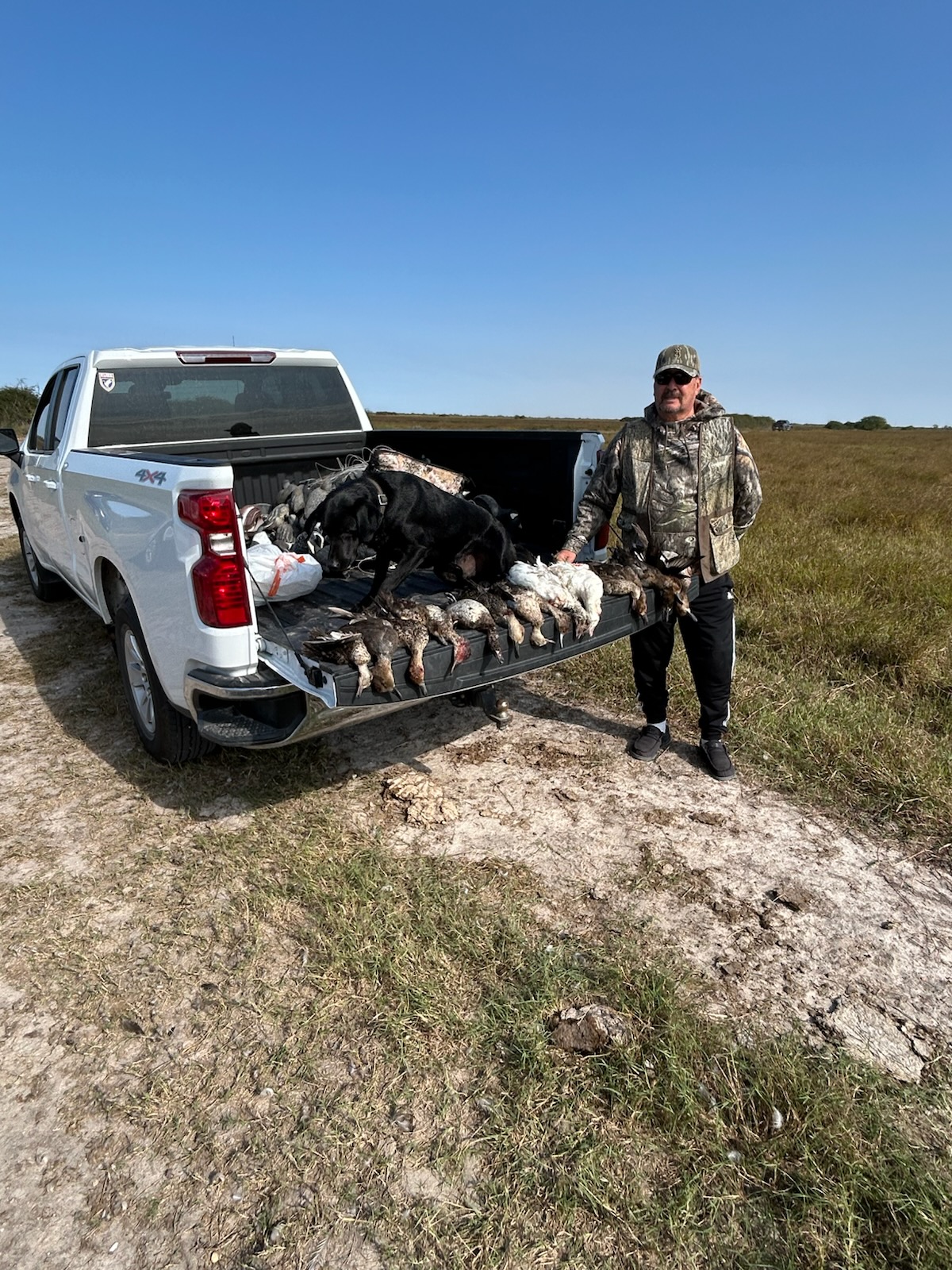
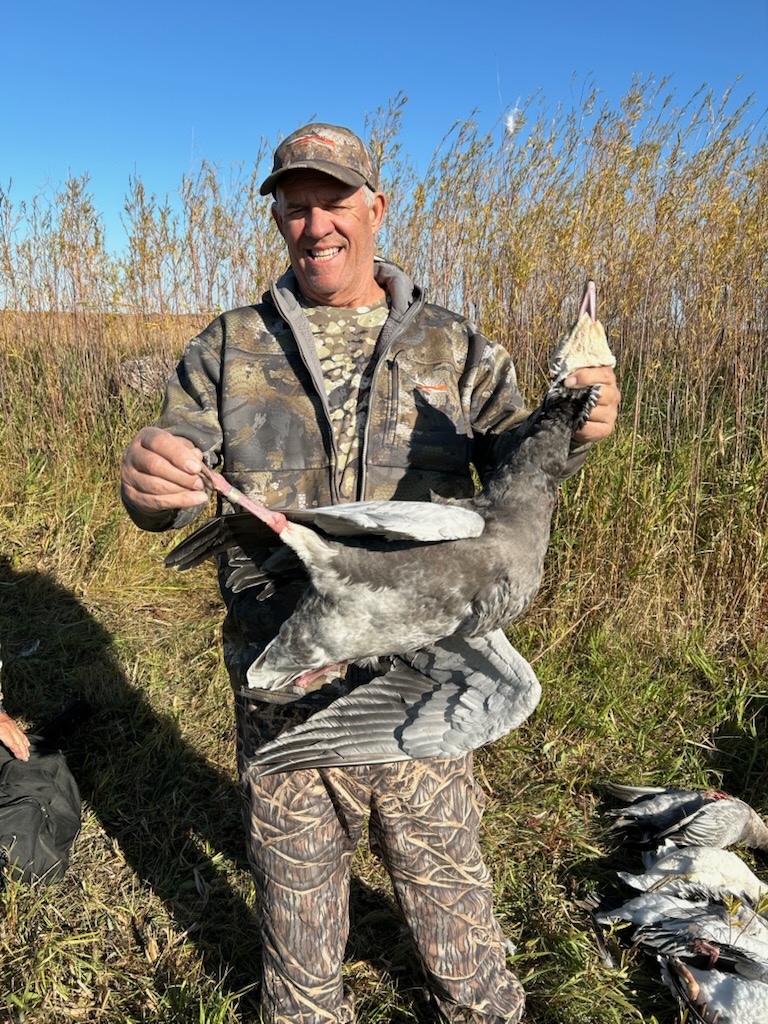
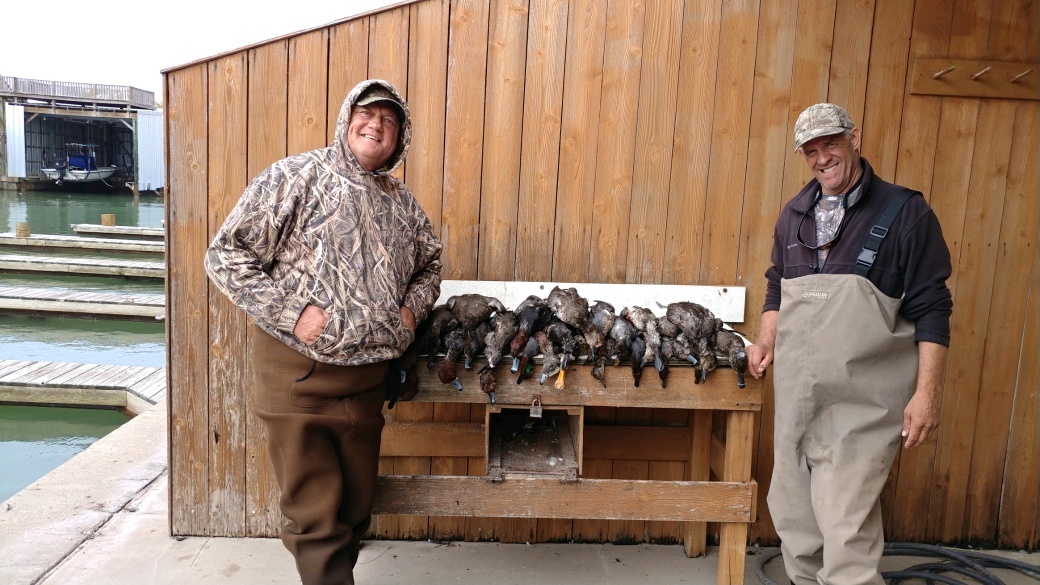
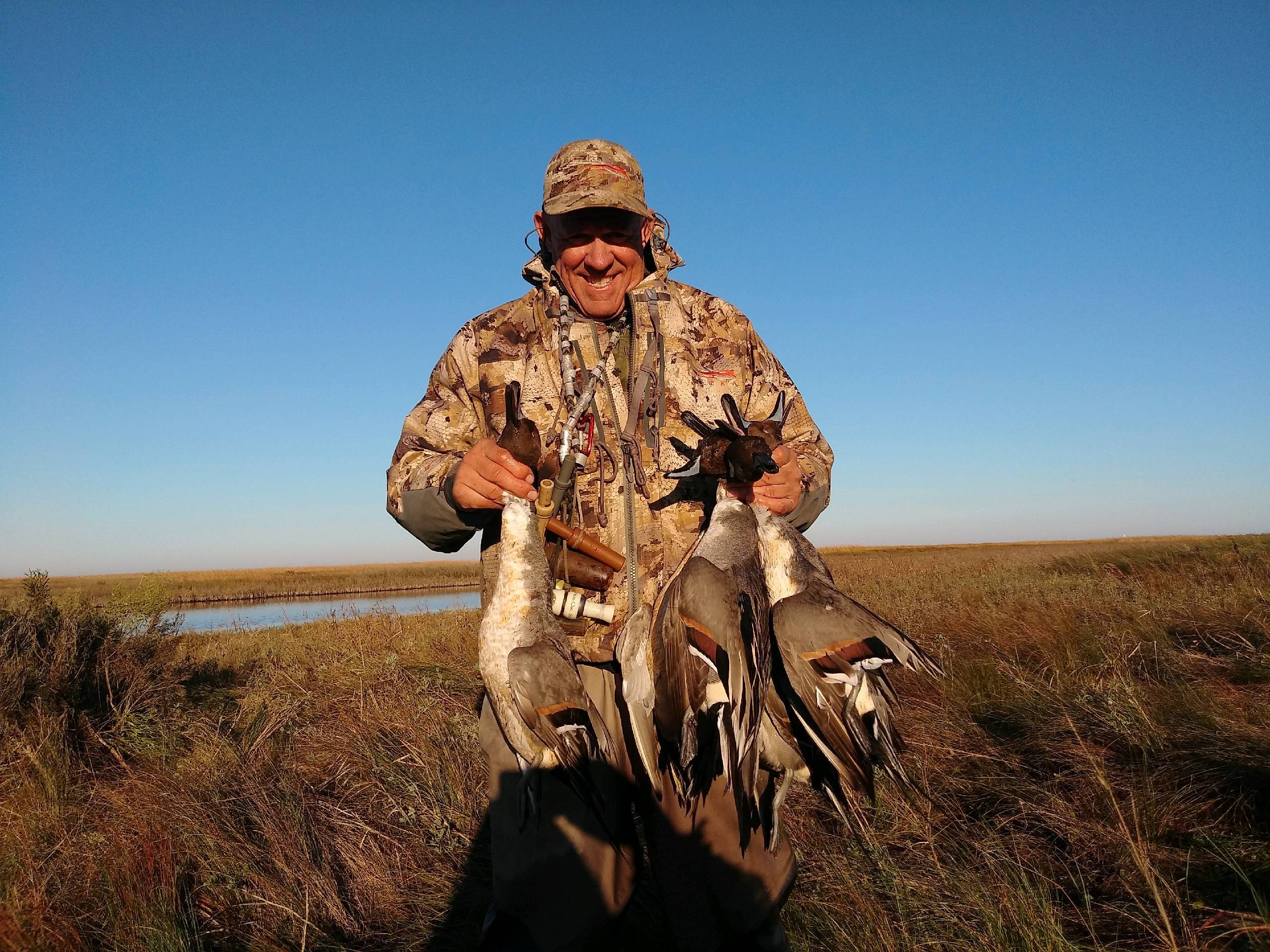
Ready to test your shooting skills against some of Texas's finest waterfowl? Captain Scott's duck hunting trips out of Port O'Connor put you right in the heart of prime waterfowl habitat along the Texas coast. This isn't your average pond shoot – we're talking about world-class bay hunting where ducks funnel through on their migration routes and winter feeding grounds. You'll have shots at multiple species throughout the day, from fast-flying teal to the bigger ducks that really test your marksmanship. Whether you're looking to fill your limit or just want to get out there and burn some powder, this top-rated hunting experience delivers the goods.
Inside the Hunt
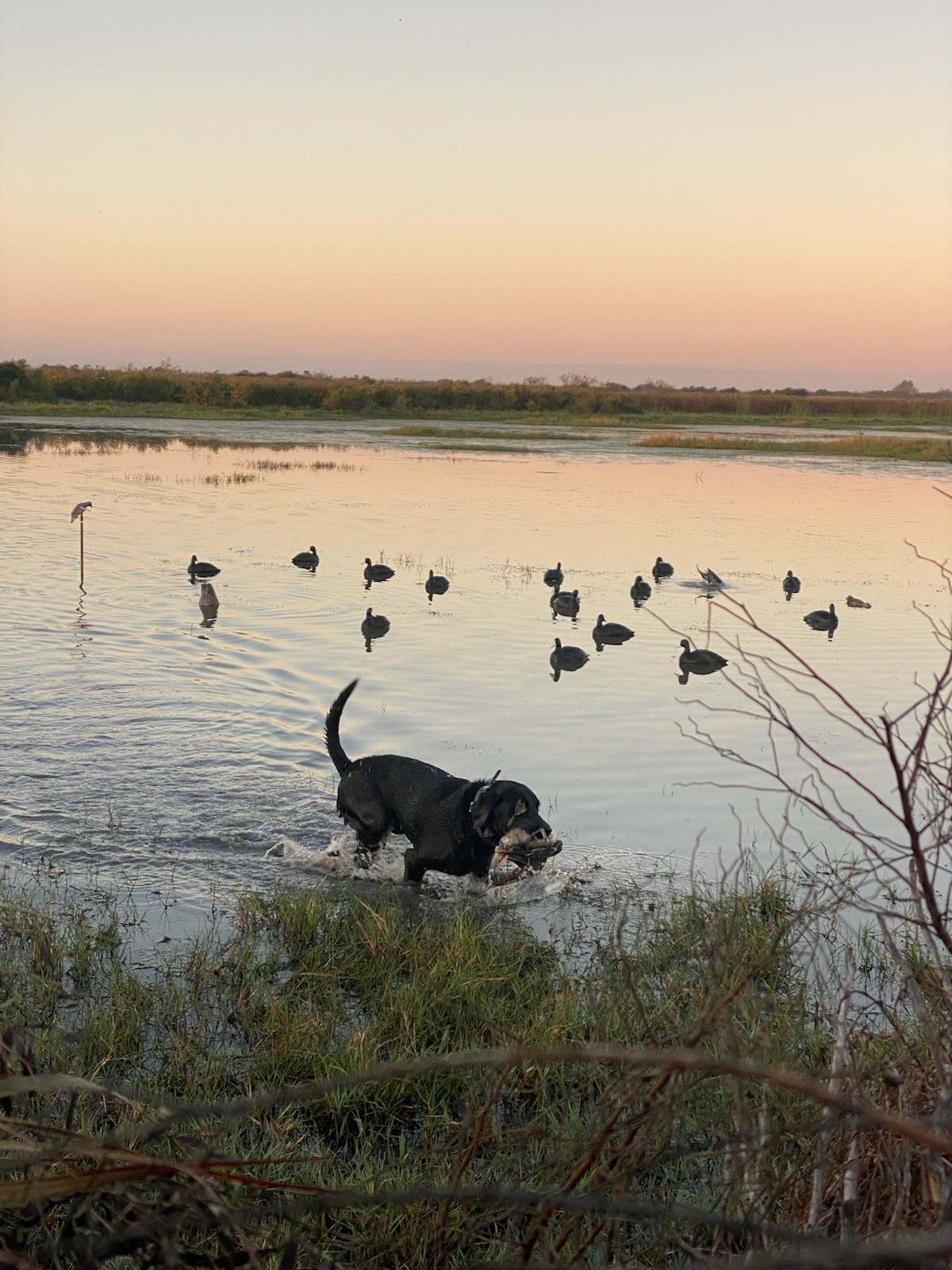
Captain Scott knows these waters like the back of his hand, and that knowledge shows when it comes to putting you on birds. You'll be hunting the shallow bays and protected waters around Port O'Connor where ducks come to feed and rest during their long journeys south. The setup varies depending on conditions – some days we're in layout boats getting close to the action, other days we're working from strategically placed blinds along the shoreline. The beauty of bay hunting is the variety – you never know what's going to decoy in next. One minute you're calling in a flock of teal, the next you've got wigeon working the spread. Captain Scott reads the birds and adjusts tactics throughout the day, moving to where the action is hottest. This customer favorite approach means you're not stuck in one spot hoping birds show up – we go where they want to be.
Tracking Tips & Terrain
Bay duck hunting requires a different mindset than your typical freshwater marsh hunt. The birds here are often moving between feeding and roosting areas, so timing and positioning matter more than anything. Captain Scott uses a mix of decoy spreads tailored to the species we're targeting – smaller, tighter spreads for teal and wider, more visible setups when bigger ducks are moving. The terrain works in our favor with shallow flats, protected coves, and natural points that funnel birds right into range. You'll need to bring your own shotgun, and steel shot is mandatory – sizes 2 and 4 work best for the variety of ducks we encounter. Don't forget your hunting license and federal duck stamp, plus any tags you'll need. The captain provides the decoys, calls, and local knowledge, but your shooting eye is what makes the difference between a good day and a great one.
Target Game Breakdown
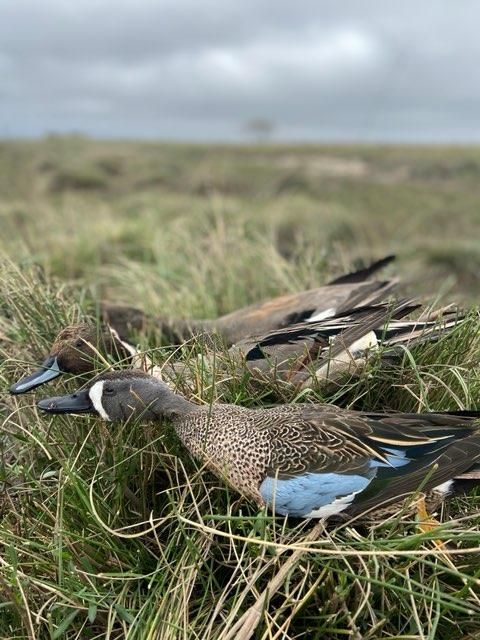
Blue-winged Teal are the speed demons of the duck world, and Port O'Connor's bays are a major highway for these fast-flying birds. They typically show up in good numbers during early season and again during migration periods. What hunters love about blue-wings is their willingness to decoy and their acrobatic flight patterns that really test your wing shooting skills. They're smaller birds, but they make up for size with attitude and provide some of the most exciting shooting you'll find.
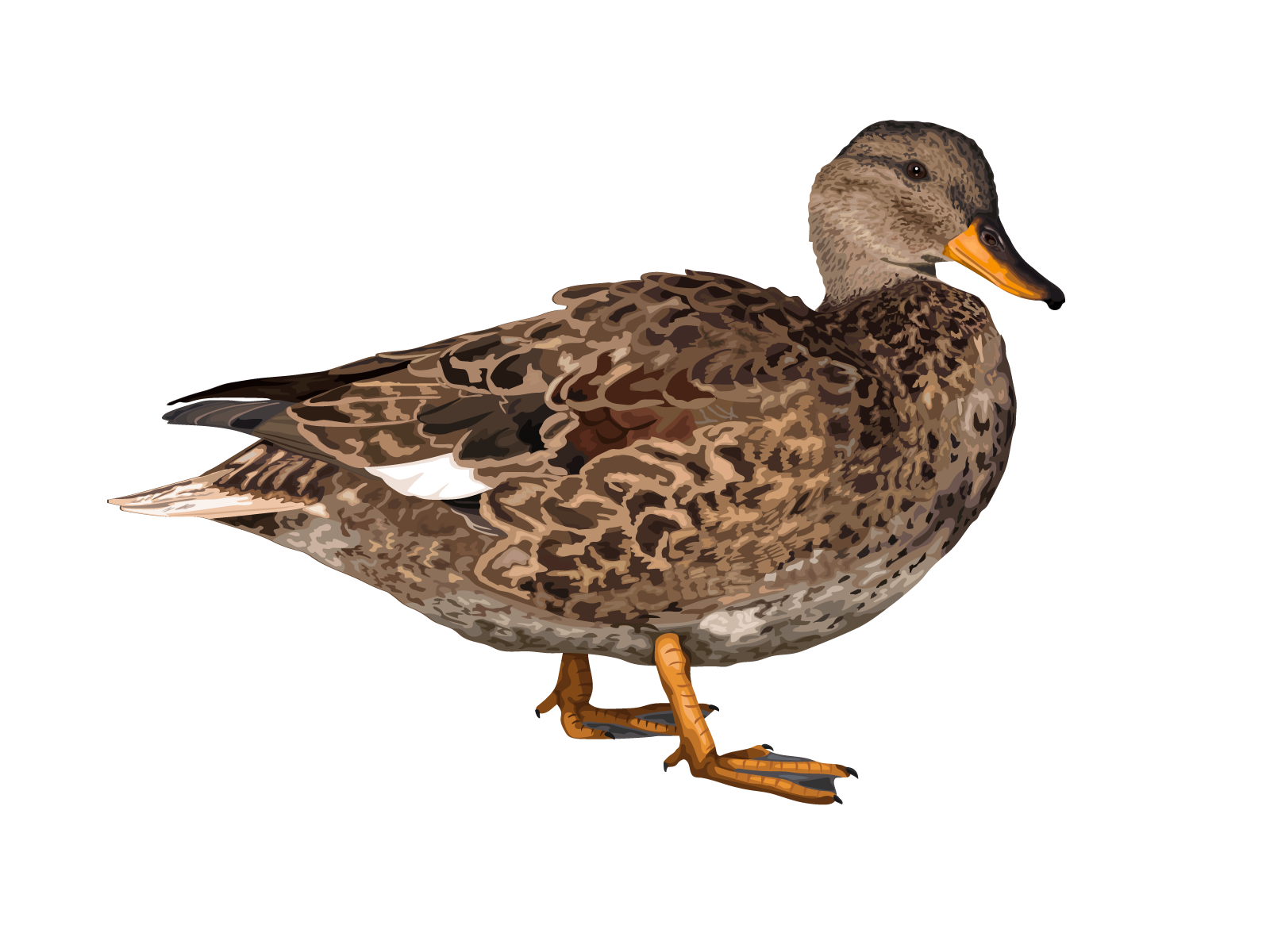
Gadwall might not get the respect of mallards, but these gray ducks are absolute table fare champions. They're smart birds that work decoys carefully, often circling multiple times before committing. Fall and winter months bring the best gadwall hunting to the Texas coast, and they tend to be more predictable in their feeding patterns than some other species. Hunters appreciate gadwall because they give you time to set up the shot, and a limit of these birds means you're eating well.
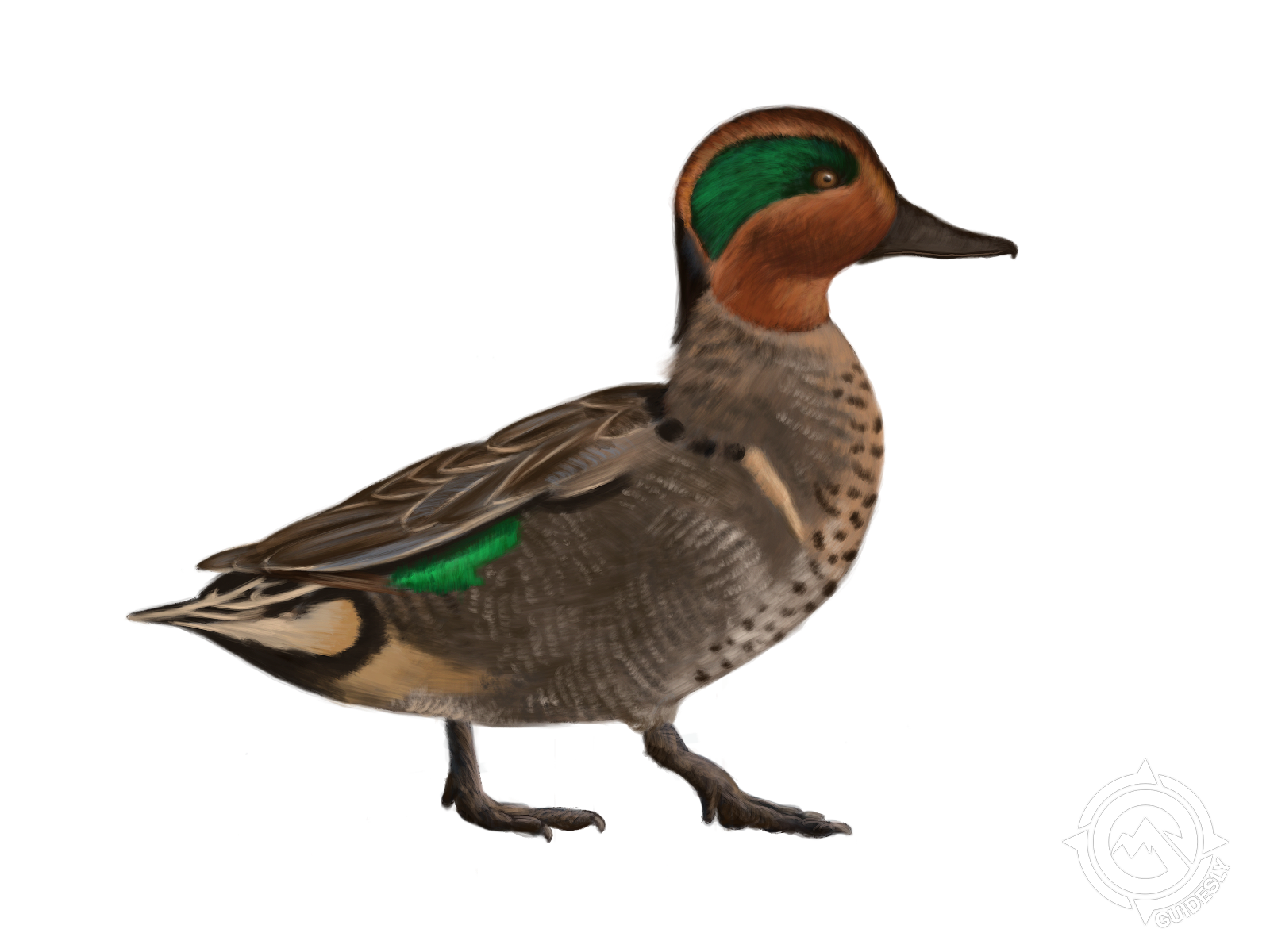
Green-winged Teal are the smallest ducks you'll encounter, but they make up for it with sheer numbers and lightning-fast flight. When a flock of greenwings comes screaming into the decoys, you better be ready because they don't give you much time to think. Peak season runs through late fall and winter, and these little rockets provide some of the most heart-pounding moments in waterfowl hunting. Their size means you need to be on target, but their abundance gives you plenty of opportunities to connect.
American Wigeon, or "baldpate" as old-timers call them, are the grazers of the duck world. They love to feed in the shallow grass beds around Port O'Connor, and their distinctive whistle is music to any hunter's ears. Wigeon are curious birds that often investigate decoy spreads from a distance before committing, giving you time to get ready. They're mid-sized ducks with excellent flavor, and their unique feeding habits make them a reliable target throughout the season.
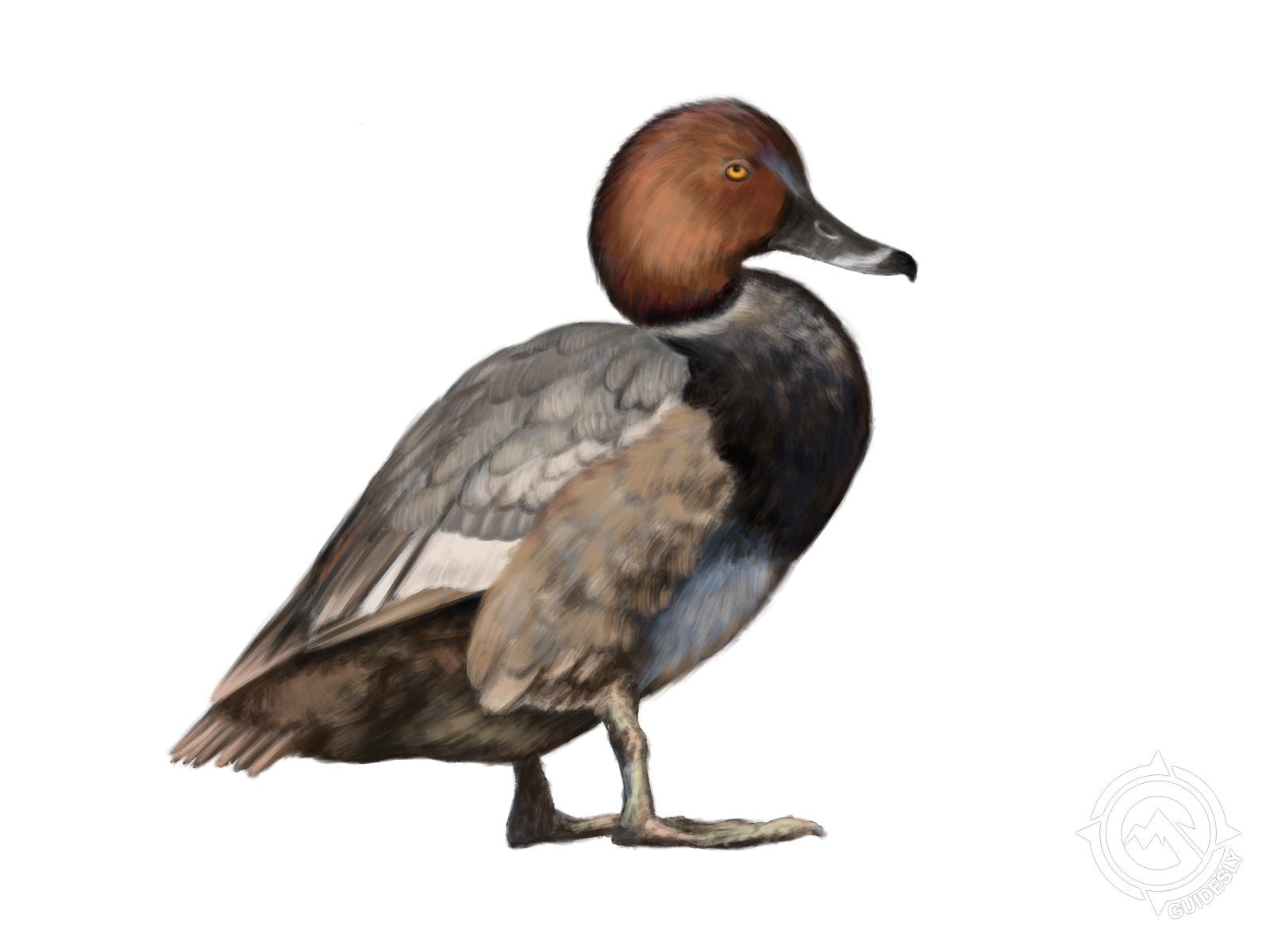
Redheads are the prize of any bay hunt – these diving ducks are larger, more challenging to decoy, and absolutely delicious on the table. They prefer deeper water than puddle ducks but will work into the bays to feed on aquatic vegetation. Redheads are renowned for their wariness and often require perfect calling and decoy placement to bring them within range. When you connect on a redhead, you know you've accomplished something special. Their size and weight make them a true trophy bird that experienced hunters specifically target.
Book Your Next Tag
Port O'Connor's bay duck hunting offers something you won't find everywhere – consistent action in a beautiful setting with a captain who knows how to put you on birds. This best trip experience combines the technical challenge of wing shooting with the natural beauty of the Texas coast. Captain Scott's approach of staying mobile and reading conditions means you're always hunting where the ducks want to be, not where you hope they'll show up. Whether you're working on your shooting skills or trying to fill the freezer, this trending hunting destination delivers results. The variety of species keeps every shot interesting, and the quality of the hunting speaks for itself. Spots fill up fast during prime season, so don't wait to secure your dates. Remember, deposits are non-refundable, so plan accordingly and get ready for some serious duck hunting on the Texas coast.
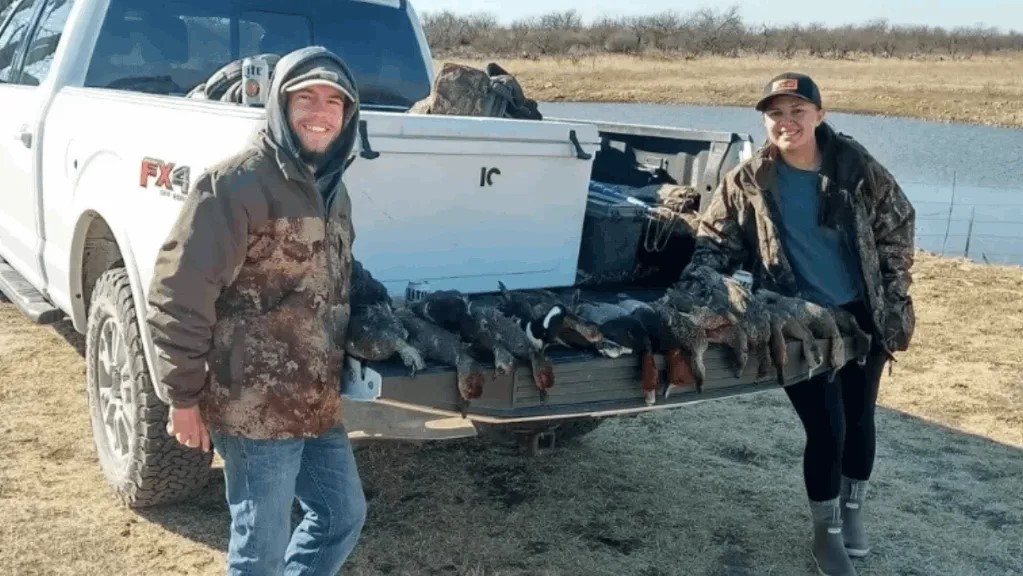
 Private Trip
 Bird hunting
 Texas
Texas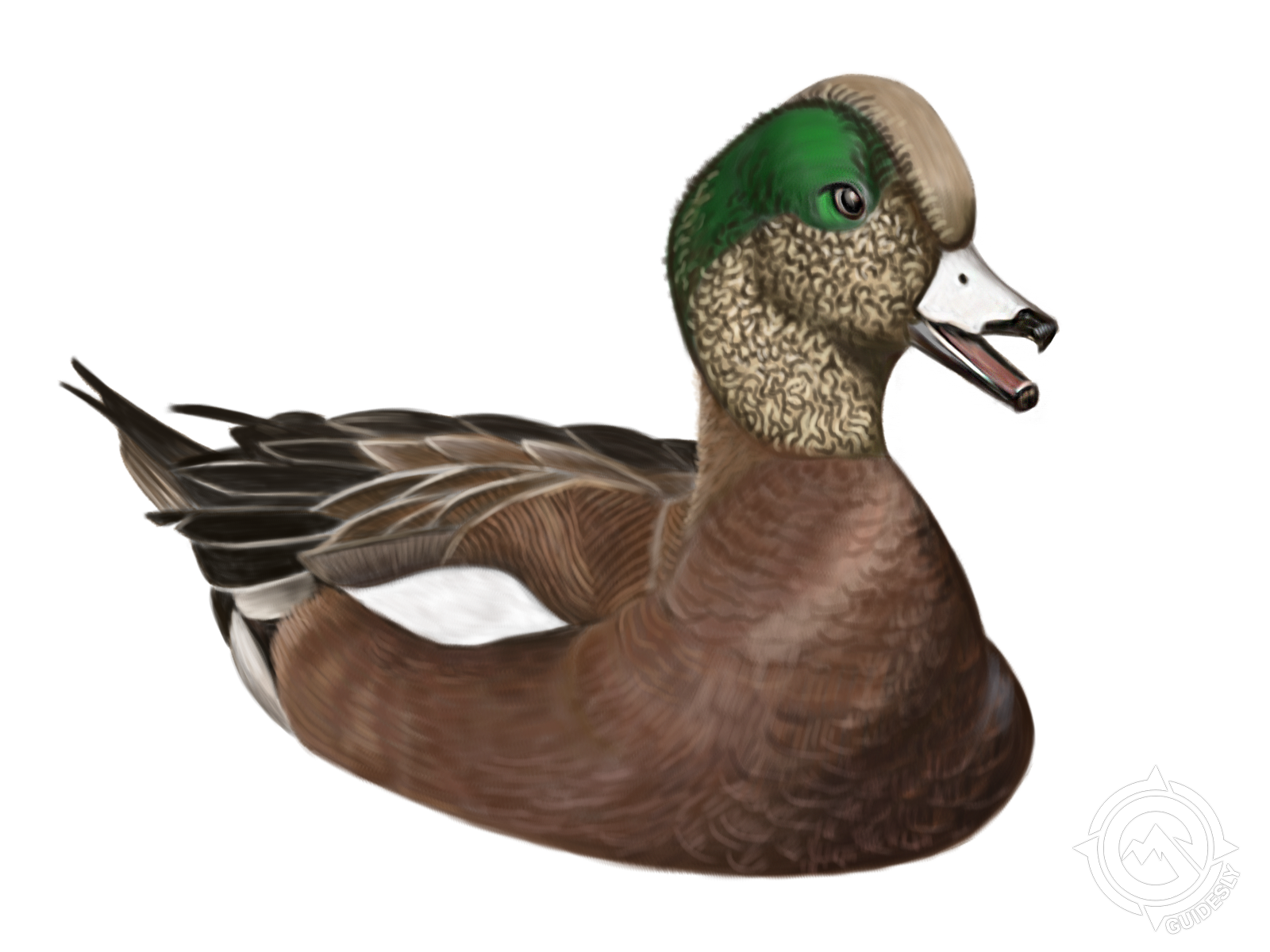
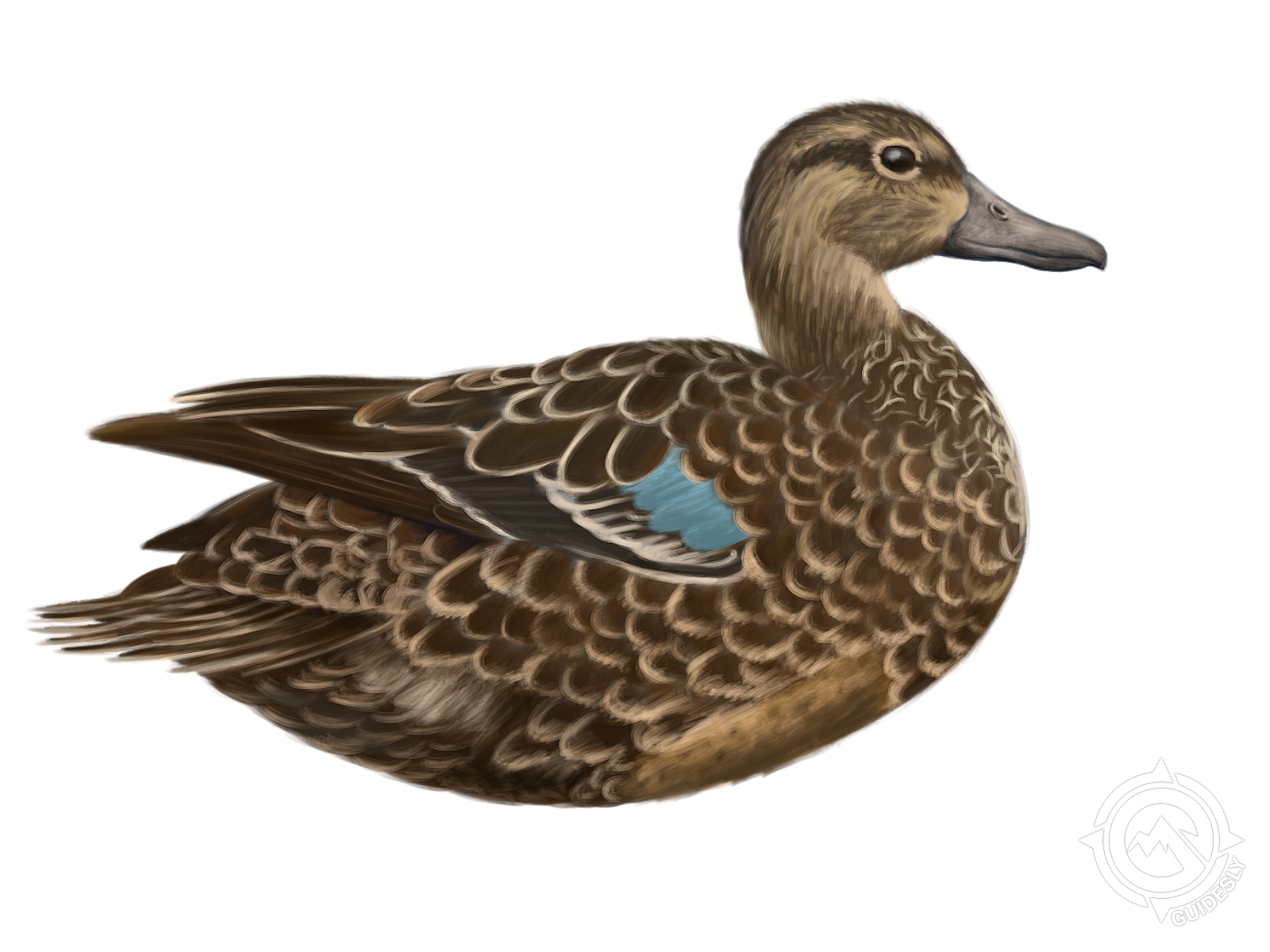
 Hunt teal, pintail, redhead and more waterfowl species