Half Day Bass Fishing with Captain Joe Shipley
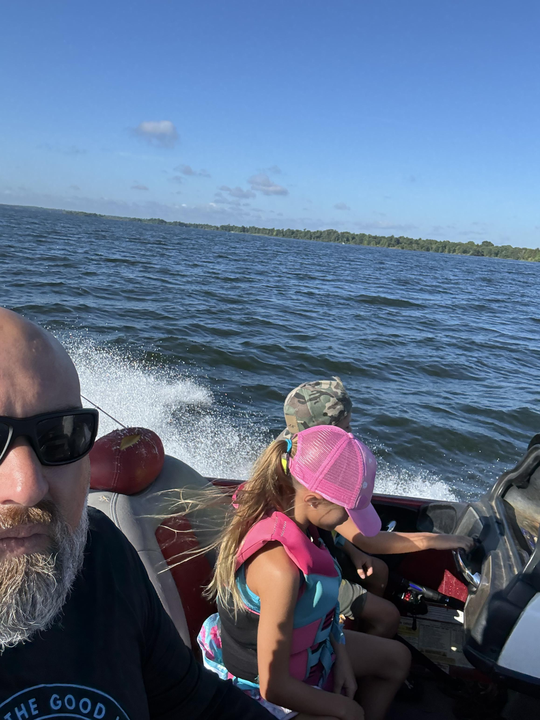
Lake Fork has earned its reputation as one of Texas's premier bass fishing destinations, and there's no better way to experience it than with Captain Joe Shipley. This isn't your typical tourist fishing trip – Joe's been working these waters for years, and he knows exactly where the big largemouth bass like to hang out. Whether you're looking to land your personal best or just want to spend a solid half-day on the water learning from a pro, this guided trip delivers the real deal. You'll fish from a well-equipped boat with all the gear you need, and Joe's there to put you on fish while sharing the kind of local knowledge that only comes from thousands of hours on Lake Fork.
What to Expect on the Water
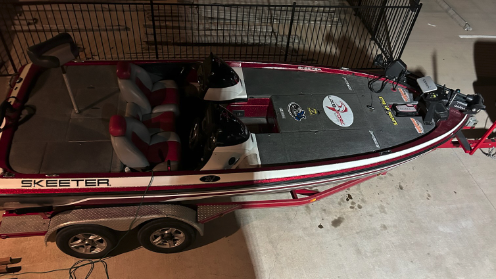
Your half-day trip starts early when the bass are most active, typically around sunrise when the water temperature is perfect and the fish are feeding aggressively. Captain Joe runs a clean, professional operation with top-notch equipment that's maintained and ready to fish. The boat is rigged with everything you need – rods, reels, tackle, and all the lures that are producing fish right now on Lake Fork. Joe's approach is hands-on but relaxed; he'll show you the techniques that work best in different areas of the lake, from working structure along the shoreline to targeting deeper drop-offs where the big bass lurk. Don't worry about experience level – Joe adjusts his teaching style whether you're a weekend warrior looking to up your game or someone who's never held a fishing rod. The pace is comfortable but focused, and you'll cover plenty of water to find where the bass are biting that day.
Proven Techniques & Hot Spots
Lake Fork's diverse structure makes it a bass angler's paradise, and Joe knows how to fish every type of cover. You'll learn to work Texas-rigged soft plastics around submerged timber, pitch jigs into thick cover, and throw crankbaits along rocky points and creek channels. Joe's tackle box is loaded with proven producers like spinnerbaits, chatterbaits, and topwater lures that trigger explosive strikes when conditions are right. The lake's abundant standing timber creates perfect ambush points for largemouth bass, and Joe will teach you how to read the water and identify the subtle differences between good structure and great structure. He's constantly adjusting tactics based on weather, water temperature, and seasonal patterns – skills that will make you a better angler long after your trip ends. The boat is equipped with quality fish finders, so you'll see exactly what's below the surface and understand why certain spots hold fish while others don't.
Species You'll Want to Hook
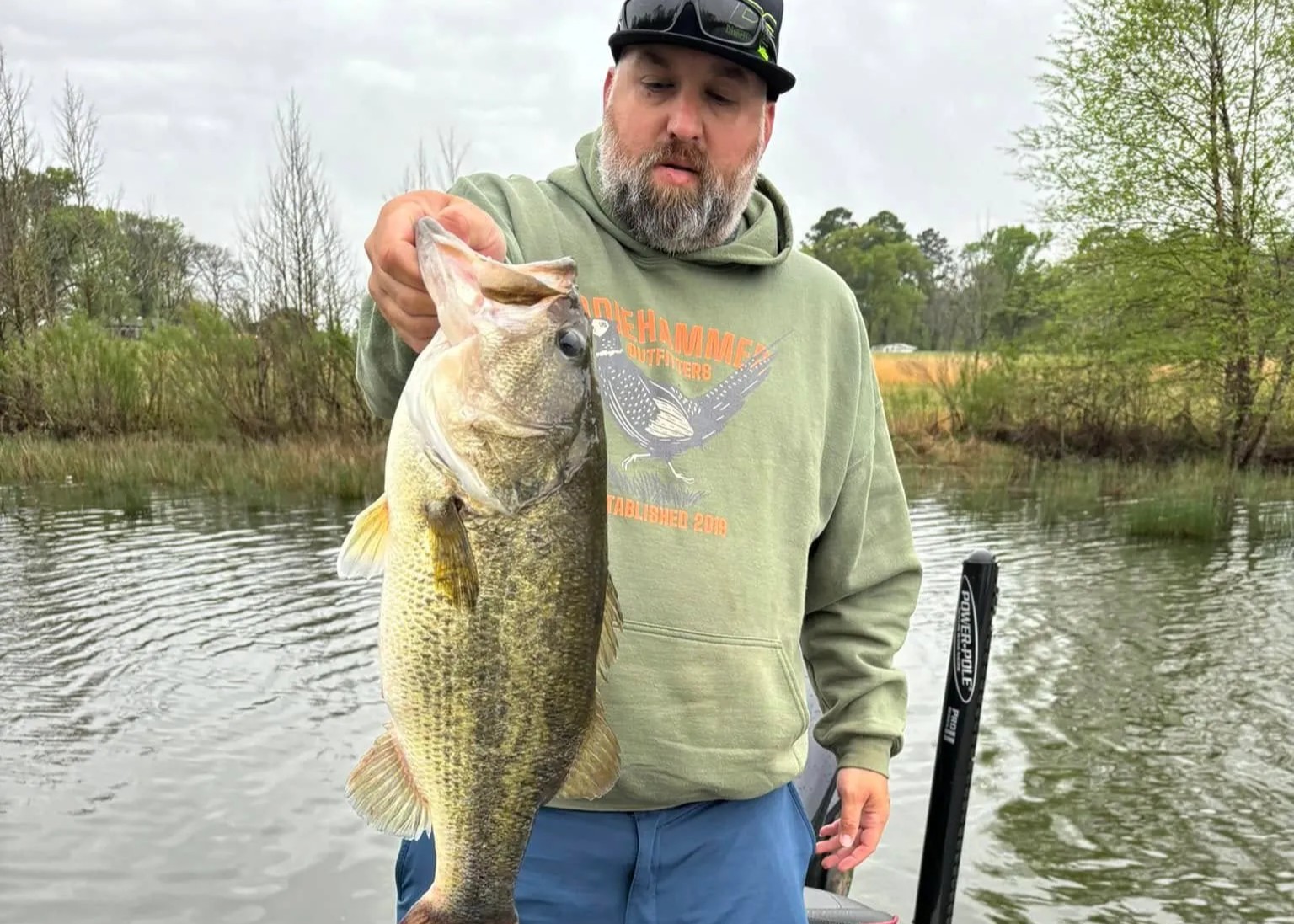
Largemouth bass are the stars of Lake Fork, and for good reason – this lake consistently produces some of the biggest bass in Texas. These fish are aggressive predators that can grow well over 10 pounds in Fork's nutrient-rich waters. Spring and fall offer the most consistent action when bass move shallow to feed and spawn, but summer and winter fishing can be equally productive if you know where to look. What makes catching Lake Fork bass so exciting isn't just their size, but their fight – these fish have plenty of room to run and they'll use every inch of it. They're also incredibly smart, having seen plenty of lures over the years, which makes landing a big one that much more satisfying. Joe's experience really shines when it comes to pattern recognition; he can quickly figure out what size, color, and presentation the bass want on any given day. Whether you hook into a scrappy 2-pounder or a true trophy fish pushing double digits, Lake Fork largemouth bass will test your skills and leave you planning your next trip before this one's over.
Time to Book Your Spot
Captain Joe Shipley's guided trips on Lake Fork offer exactly what serious anglers are looking for – expert guidance, quality equipment, and access to some of the best bass fishing in the country. This half-day experience gives you enough time to really get into a rhythm and learn techniques you can use for years to come. Joe's straightforward approach and deep knowledge of Lake Fork make every trip productive, whether you measure success in fish caught, skills learned, or just time well spent on the water. Remember that Joe accepts cash payment only and deposits are non-refundable, so come prepared and ready to fish. Lake Fork's bass are waiting, and with Captain Joe as your guide, you're in for a top-rated fishing experience that'll have you talking about the one that didn't get away – because with Joe's help, it probably won't.
 Private Trip
 Lakes/Reservoirs/Ponds Fishing
 Lake Fork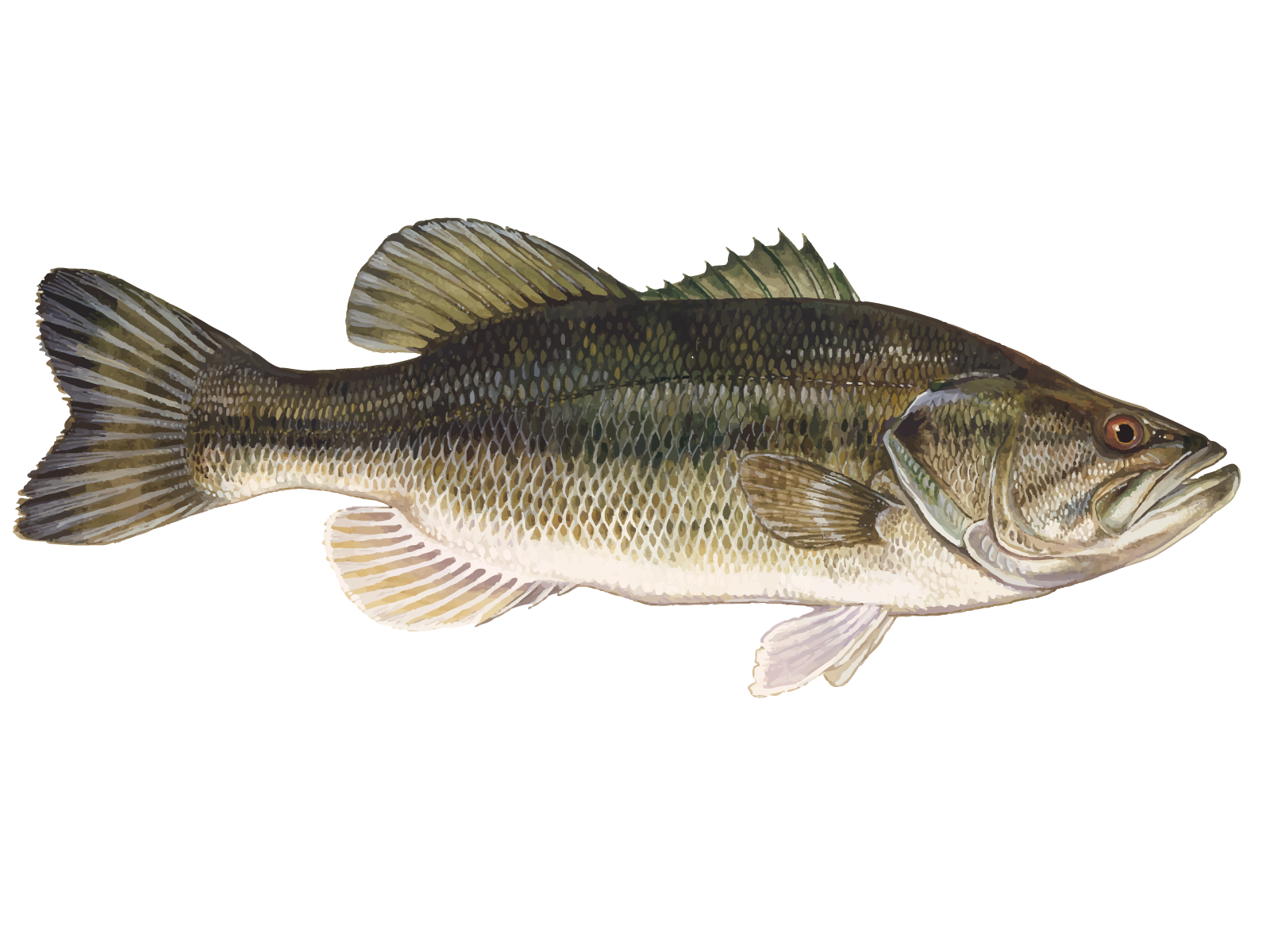
 Expert-guided largemouth bass fishing on renowned Lake Fork waters