Offshore Snapper Trip (Seasonal)
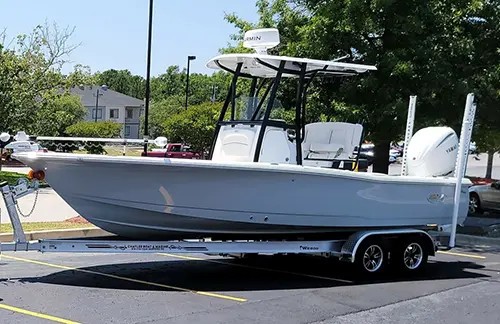
Nothing beats the anticipation of heading out into Louisiana's deep waters before dawn, watching the sun come up as you run offshore toward some of the Gulf's best snapper grounds. This isn't your typical bay fishing trip—we're talking about a full offshore run with The Cajun Angler, targeting those chunky red snappers, feisty lane snappers, and sweet mangrove snappers that make Louisiana's summer fishing legendary. Available from early June through early September when these fish are most active, this seasonal adventure gives you prime access to offshore structure and reefs where big snappers hang out. You'll ride in style aboard our 26' Sea Hunt Bay Boat, and we've got everything covered—rods, reels, fresh bait, tackle, and fuel are all included in your trip price.
What to Expect on the Water
We kick things off well before sunrise because that's when offshore snapper fishing really shines. The early morning bite is typically the strongest, and you'll want to be on the grounds when these fish are feeding aggressively. Our 26' Sea Hunt handles the Gulf chop beautifully, giving you a smooth ride out to the productive spots we've been working for years. The boat's equipped with quality Penn and Shimano combos spooled with the right line weights for snapper fishing, plus we stock plenty of fresh cut bait, live bait when available, and the tackle you'll need to put fish in the box. This trip runs at $1250 for two anglers, with room for up to three additional guests at $300 each—perfect for small groups who want personalized attention and plenty of elbow room. The seasonal timing is crucial here because Louisiana's snapper season coincides with when these fish are most active and feeding heavily on the offshore structure.
Techniques & Bottom Structure
Offshore snapper fishing is all about finding the right bottom structure and presenting your bait properly. We fish a variety of spots including natural reefs, artificial reefs, and oil rig structures that hold big concentrations of snapper throughout the summer months. The technique is straightforward but effective—we use medium to heavy action rods with conventional reels, dropping fresh cut bait or live bait down to depths typically ranging from 60 to 120 feet. Circle hooks are standard to ensure good hooksets and fish survival, and we'll have you using 40-60 pound test line to handle these strong fish and the structure they love to dive toward. The key is keeping your bait near the bottom where snappers feed, but not so tight that you're constantly hanging up. We'll coach you through reading your rod tip, feeling the bite, and setting the hook properly. When a cobia shows up—and they often do around these same structures—we might switch tactics to sight fishing or live bait presentations that target these bronze bulldogs specifically.
Target Species Breakdown
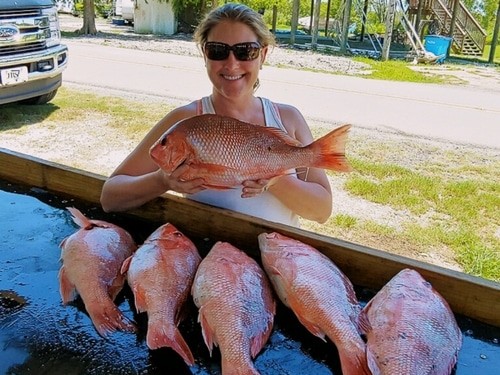
Red snapper are the crown jewel of Gulf fishing and the primary target on this trip. These ruby-colored fighters typically run 15-25 pounds in Louisiana waters, with some real bulls pushing 30 pounds or more. They're structure-oriented fish that feed heavily during summer months on shrimp, crabs, and smaller fish. What makes red snapper so special is their incredible fight—they'll make powerful runs toward the bottom structure, testing your drag and your patience. The meat is absolutely fantastic, with firm white fillets that are perfect for grilling or frying. Red snapper are most active early morning and late evening, which is why we start this trip before dawn.
Lane snapper might be smaller than their red cousins, but they make up for it with attitude and numbers. These yellow-striped fighters typically run 12-16 inches and are incredibly aggressive feeders. They school up around the same structure as red snapper, and when you find them, you can usually catch them steadily. Lane snapper have a distinctive yellow stripe running along their sides and are known for their willingness to bite. They're excellent eating despite their smaller size, and many anglers specifically target them for the dinner table. During Louisiana's summer season, lanes are particularly active and provide consistent action when red snapper fishing slows down.
Mangrove snapper, also called gray snapper, are the smartest of the snapper family and require a bit more finesse to catch consistently. They typically range from 12-18 inches in Louisiana waters and are known for their wariness around fishing lines. These fish have excellent eyesight and can be line-shy, making them a fun challenge for experienced anglers. Mangrove snapper feed on small fish, crabs, and shrimp, and they're most active during dawn and dusk periods. What makes them special is their exceptional table quality—the meat is sweet and firm, rivaling red snapper for taste. They tend to hang around structure edges rather than directly on top like red snapper.
Cobia aren't technically snappers, but they frequent the same offshore structure and provide some of the most exciting fishing you'll experience in the Gulf. These bronze-colored bruisers can reach 40-60 pounds and are known for their powerful runs and acrobatic fights. Cobia are curious fish that will often follow hooked snapper to the surface, giving you sight-fishing opportunities. When we spot cobia, we'll often switch to live bait or large jigs to target them specifically. They're excellent eating with firm, white meat that's perfect for grilling, and catching one is always a highlight of any offshore trip.
Time to Book Your Spot
Louisiana's offshore snapper season is limited to those prime summer months when these fish are most active and the weather cooperates for comfortable offshore fishing. This seasonal window from early June through early September represents the absolute best time to target these species in our waters. The Cajun Angler's offshore snapper trip combines expert local knowledge, quality equipment, and access to productive fishing grounds that consistently produce fish. Whether you're an experienced angler looking to put some quality snappers in the cooler or someone wanting to experience Gulf offshore fishing at its finest, this
 Private Trip
 Offshore Fishing
 Southeast Louisiana
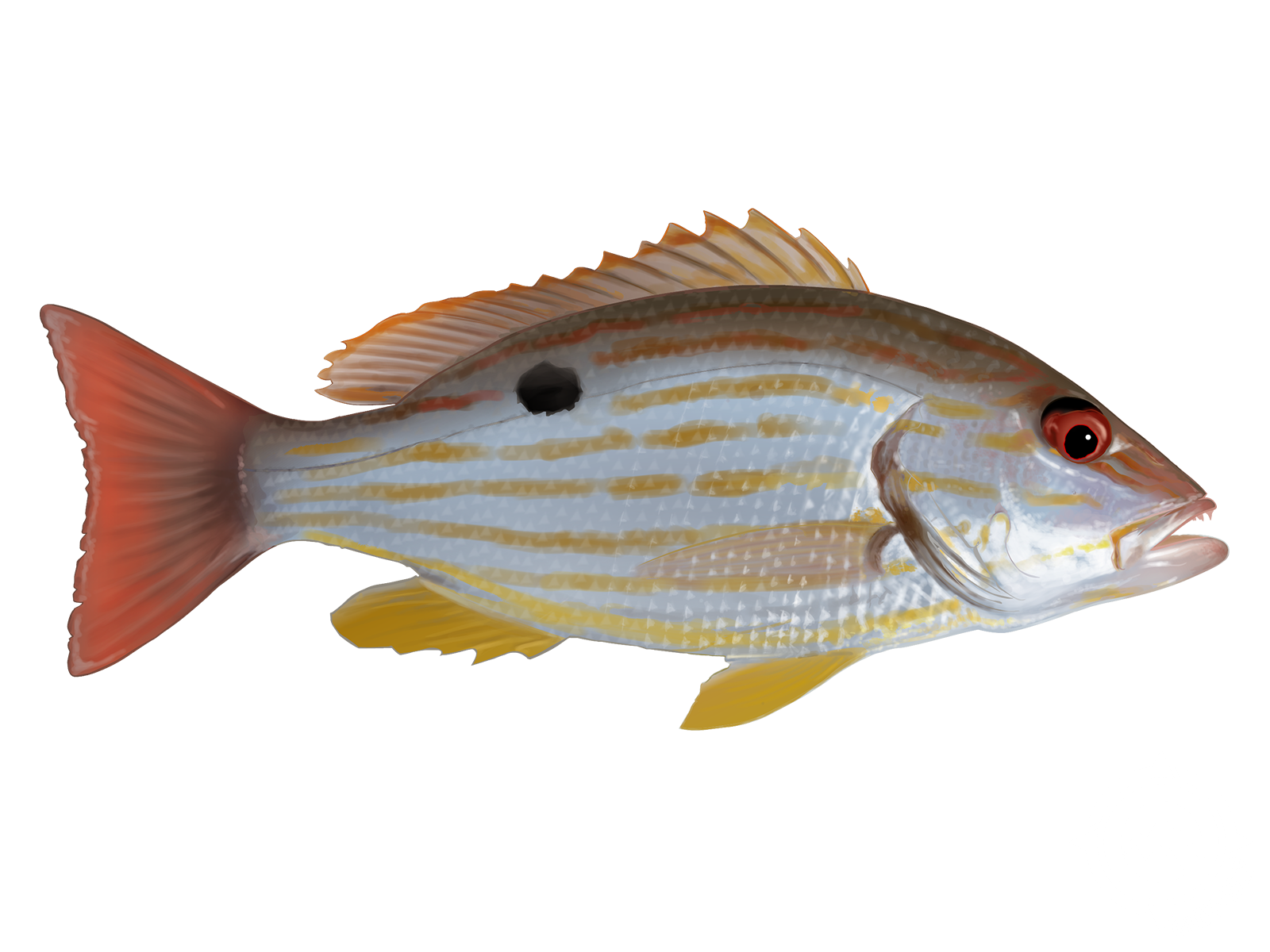

 Target Red, Lane, and Mangrove Snapper plus occasional Cobia offshore