Extended Full Day Fishing Trip In Contadora Island
The waters around Contadora Island hold some of Panama's best-kept fishing secrets. When you're dealing with nutrient-rich currents mixing around these Pearl Islands, you've got prime real estate for serious game fish. This full-day charter takes you into the heart of where snapper, amberjack, and mahi mahi call home. You'll be working the waters around Contadora, Saboga, and the surrounding islands with a crew that knows exactly where to find the fish when they're feeding. With just two anglers max, you get personal attention and plenty of rod time without fighting for space at the rail.
What to Expect on the Water
Your day starts early, which is exactly how you want it when you're targeting multiple species. The crew has all your tackle sorted – from heavy jigs for working the deeper structure to surface poppers that'll drive amberjack crazy. You'll be covering serious ground, hitting different zones based on what's moving and where the bait is stacked up. The beauty of fishing these Pearl Island waters is the variety – one minute you're jigging deep for grouper, next you're watching mahi mahi crash poppers on the surface. The crew knows how to read the water and adjust tactics throughout the day, which is why trips here consistently produce multiple species. Catering can be arranged if you want to stay focused on fishing instead of packing lunch, and they'll handle pickup logistics with advance notice.
Techniques and Tactics
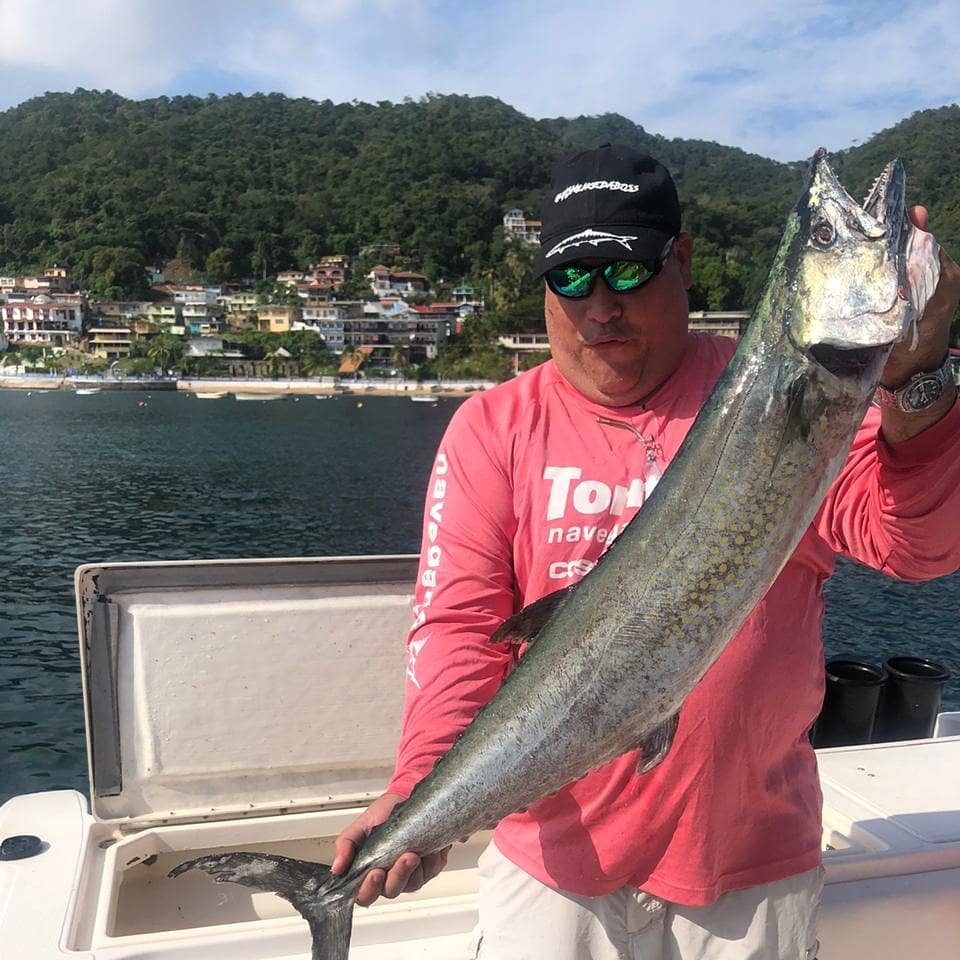
This isn't a sit-and-wait kind of fishing – you'll be actively working three main techniques depending on conditions and target species. Trolling covers water fast and picks up wahoo, mahi, and bonito when they're scattered or moving. When you mark bait schools or structure, it's time to break out the jigs and work them vertically for snapper, grouper, and amberjack holding tight to the bottom. Surface popping is where things get visual and exciting – watching big jacks explode on topwater lures never gets old. The crew provides all tackle, which means you're fishing with gear that's matched to local conditions and proven to produce. They'll have you switching techniques based on what's happening in real time, keeping you in the action all day long.
Customer Stories
"My wife and I went on a full-day trip, and it was an absolute blast! We caught 21 fish from six different species. The captain and his first mate were incredibly helpful, guiding us every step of the way to ensure we had the best chance of landing fish. Their knowledge and expertise really stood out. I can't recommend this trip enough!" - William
Species You'll Want to Hook
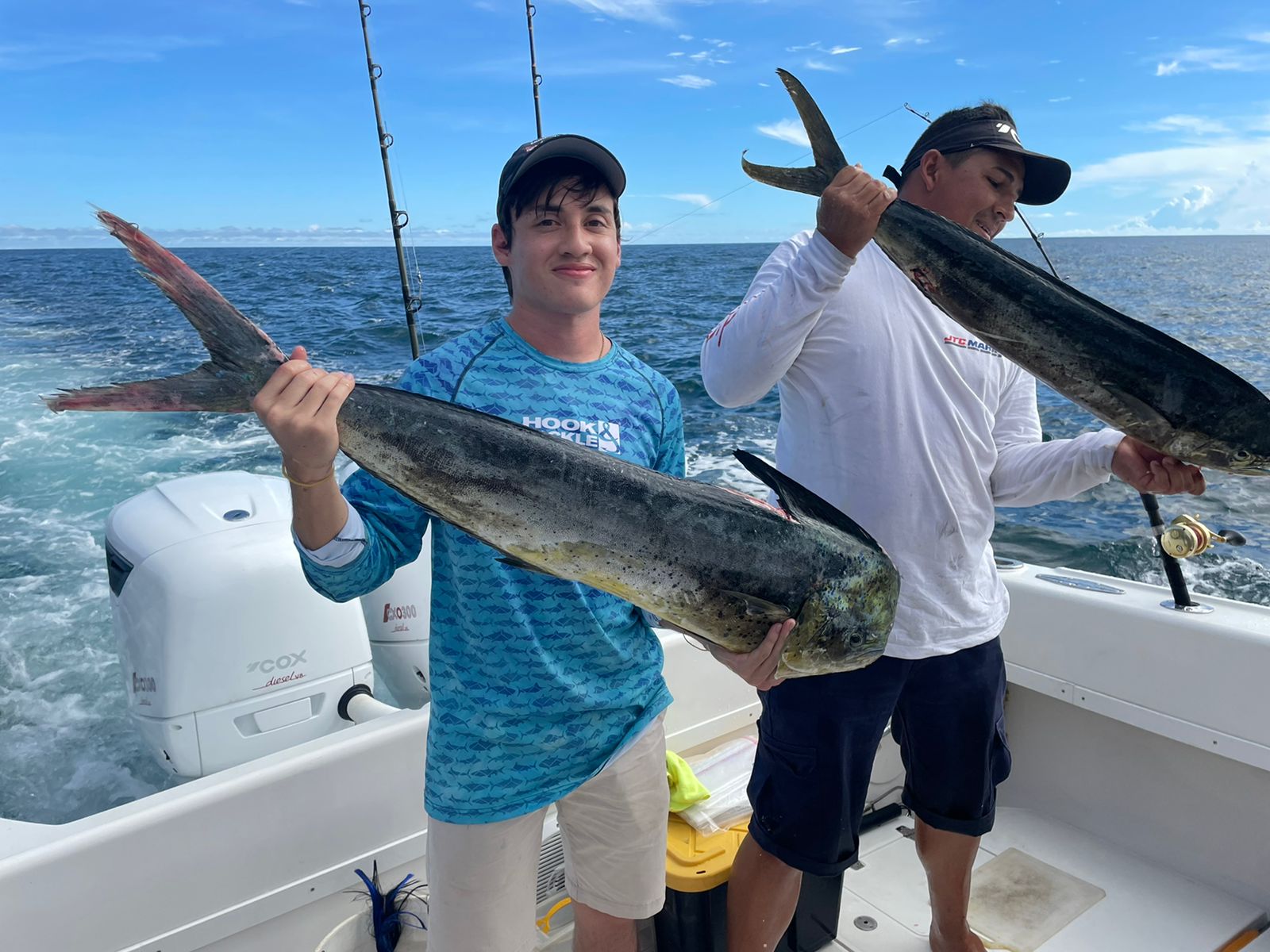
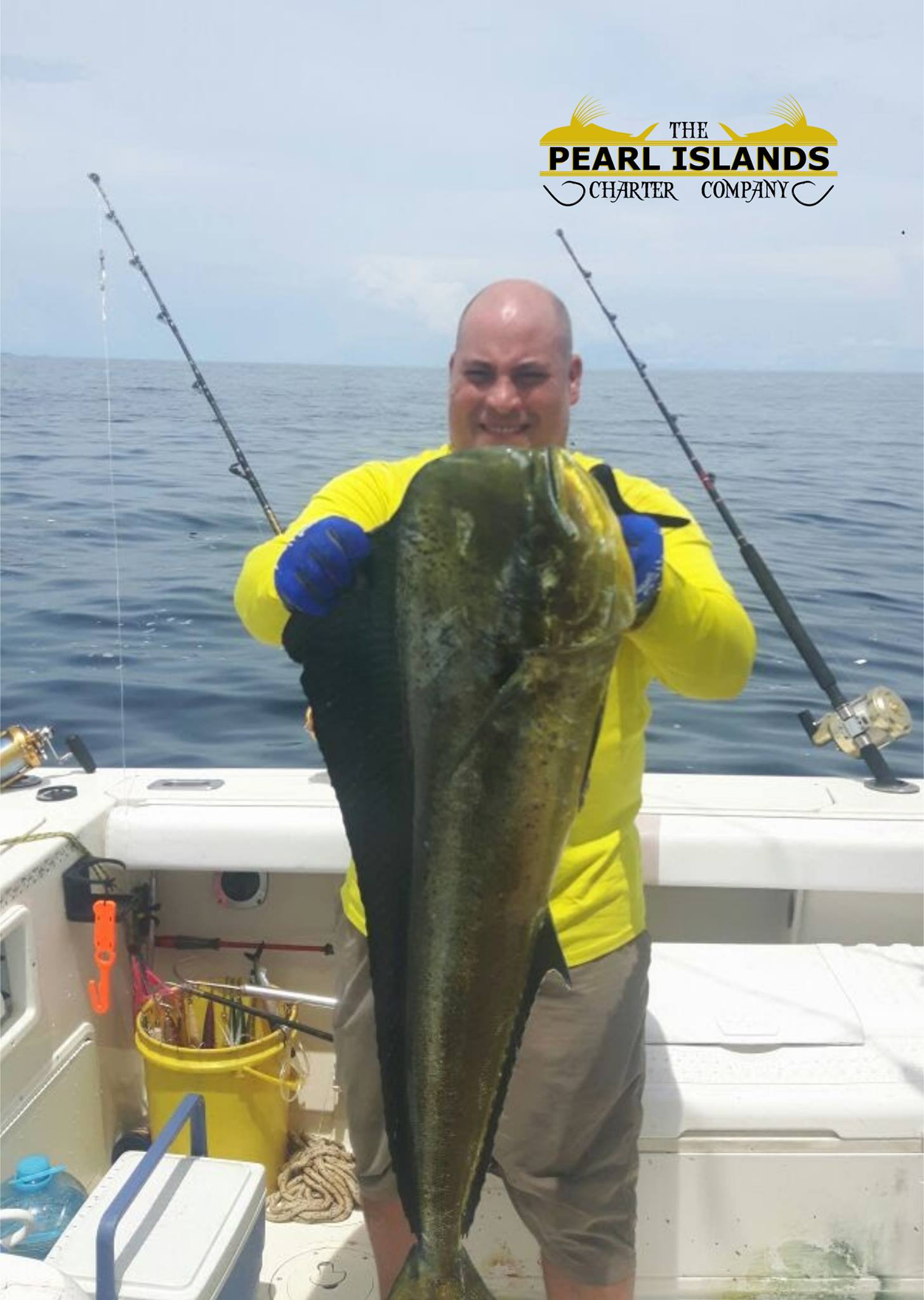
Mahi Mahi or Common Dolphinfish are the poster fish for offshore excitement around Contadora. These fish are pure energy when hooked, with their bright colors and acrobatic jumps making every fight memorable. They typically run 15-40 pounds in these waters and are most active during the warmer months when they follow bait schools closer to the islands. Mahi love structure and floating debris, so the crew knows to work areas where current lines and temperature breaks concentrate food. What makes them special for anglers is their willingness to hit both trolled baits and surface lures, plus they're fantastic table fare.
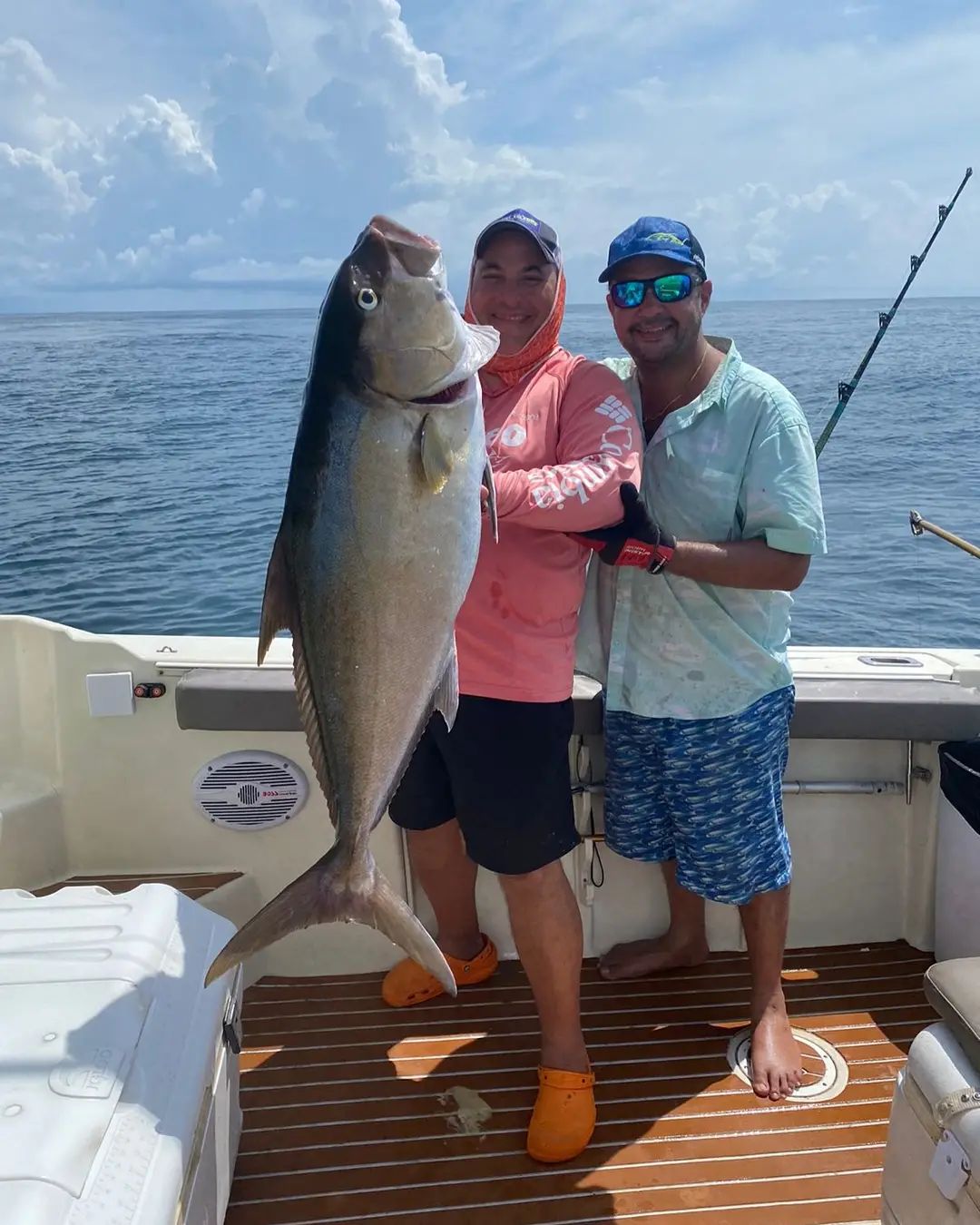
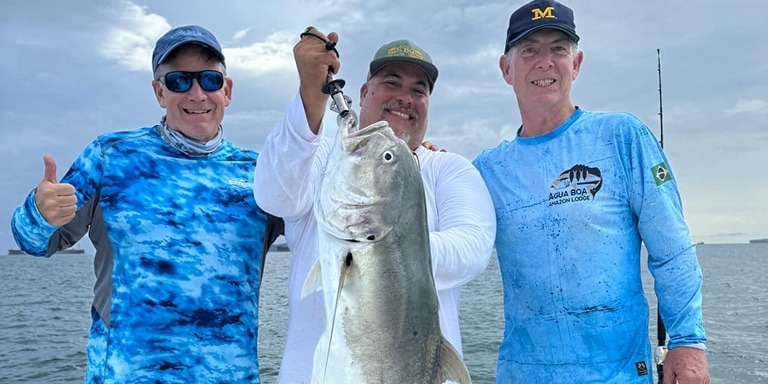
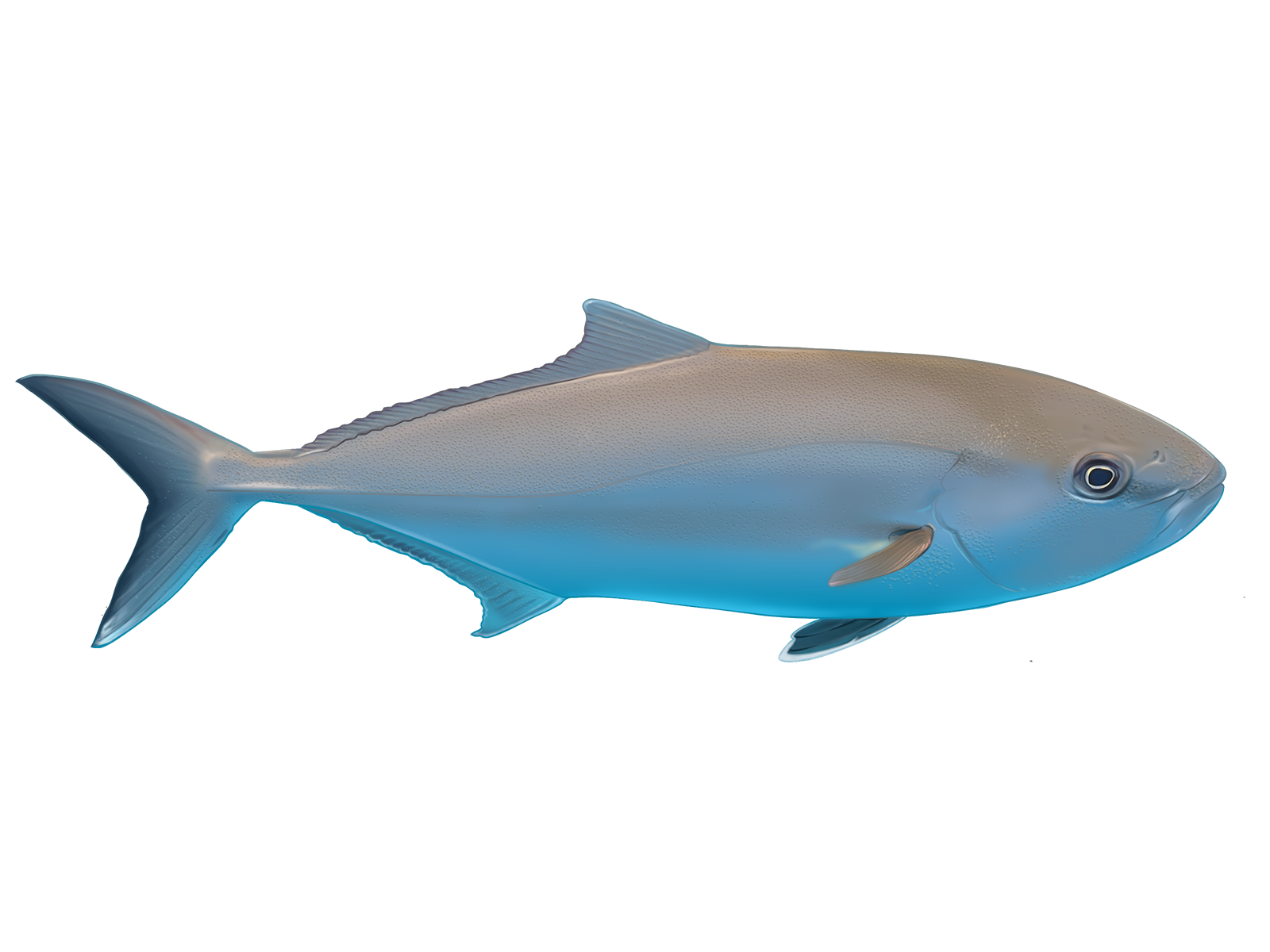
Greater Amberjack are the bulldogs of the reef, and Contadora's rocky structure holds some serious fish. These amberjack can push 50+ pounds and will test your drag system from the moment they feel the hook. They're year-round residents but fish best when water temps are stable and bait is thick around the deeper reefs. What gets anglers excited about jacks is the initial run – they'll strip line like a freight train and use their broad sides to fight you all the way to the boat. They respond well to both jigs bounced off the bottom and poppers worked aggressively on the surface.
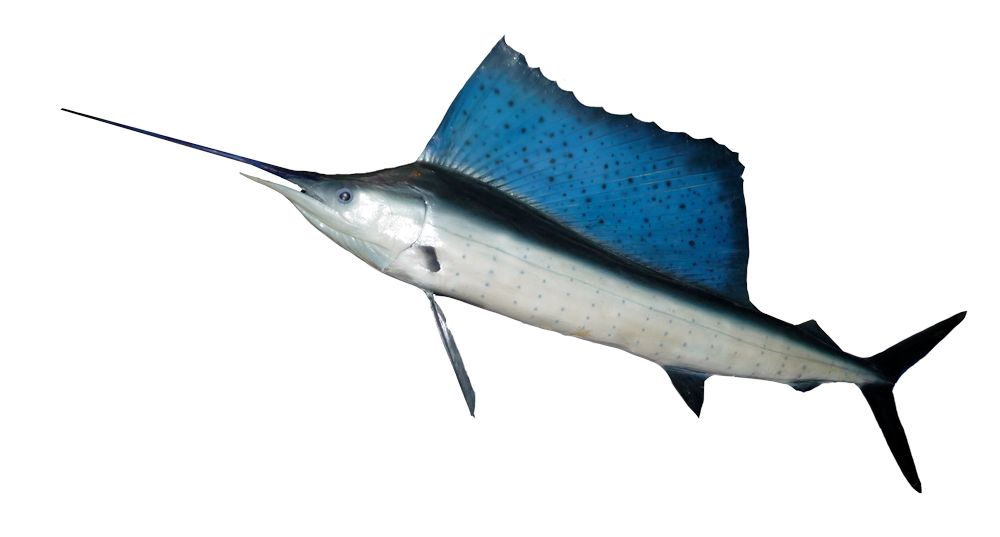
Indo-Pacific Sailfish represent the premium game fish experience around Panama's Pacific waters. While not as common as other species, when conditions align during their peak months, these fish offer world-class light tackle action. Sails typically range 60-100 pounds here and are known for their spectacular jumps and long runs. They're most active when baitfish are concentrated and water temperatures are optimal. For anglers, hooking a sailfish is often the highlight of any trip – their combination of size, speed, and aerial displays creates fishing memories that last a lifetime.
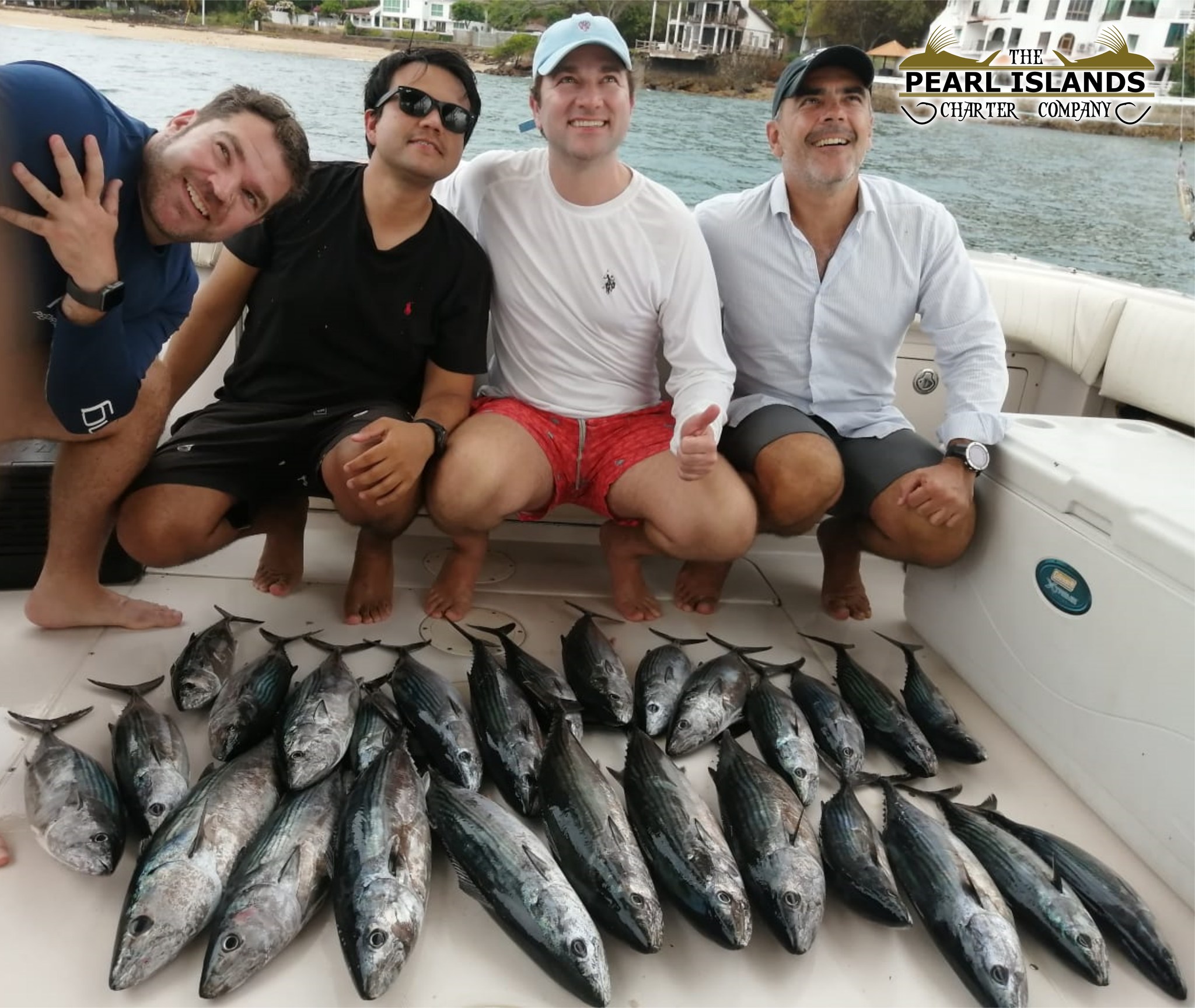
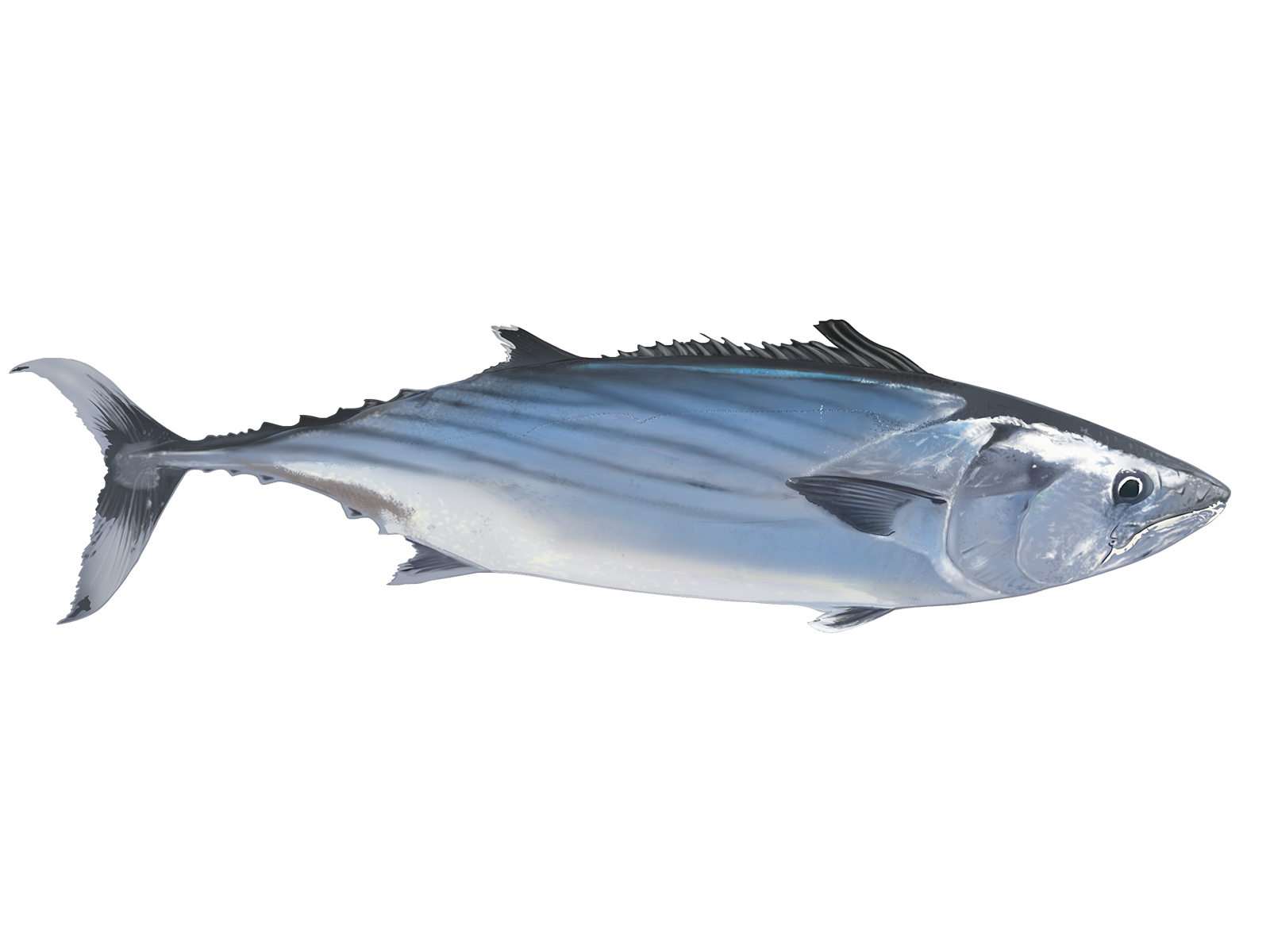
Pacific Bonito might not be the biggest fish you'll catch, but they make up for size with pure speed and numbers. These fish school heavily around Contadora and provide consistent action when larger game fish are finicky. Bonito typically run 5-15 pounds but fight well above their weight class with blazing runs and stubborn fights. They're excellent for keeping kids or inexperienced anglers engaged, and they hit a variety of lures and baits. The best part about bonito fishing is when you find a feeding school – it can be fish after fish until your arms are sore.
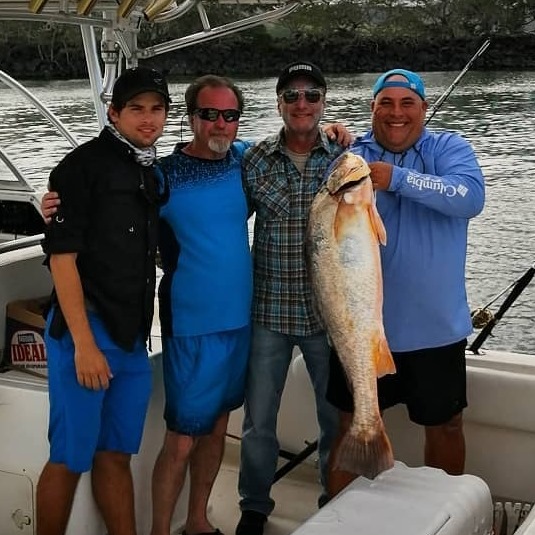
Cubera Snapper are the heavyweights of the snapper family and represent some of the most challenging fishing around these islands. These fish can exceed 60 pounds and live in the deepest, most structure-heavy areas where getting them to the boat is never guaranteed. Cubera are more active during certain lunar phases and specific tidal conditions, making them a target that requires timing and local knowledge. What makes them special for serious anglers is their reputation as tackle-busters – they'll use every rock and crevice to break you off, making each landed fish a real achievement. Their massive size and powerful fights earn respect from even experienced offshore anglers.
Time to Book Your Spot
With only two anglers per trip, these charters fill up fast, especially during peak fishing months. The Pearl Island Charter Co. has built their reputation on putting clients on fish consistently, and this extended full-day format gives you the time needed to really work different areas
 5.0(1 Reviews)
 Private Trip
 Offshore Fishing
 Panama City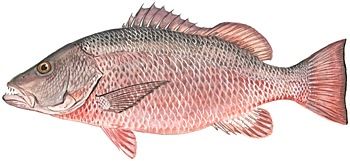

 Full day offshore fishing targeting snapper, grouper, and wahoo