Full Day Island Hopping Fishing in Panama City
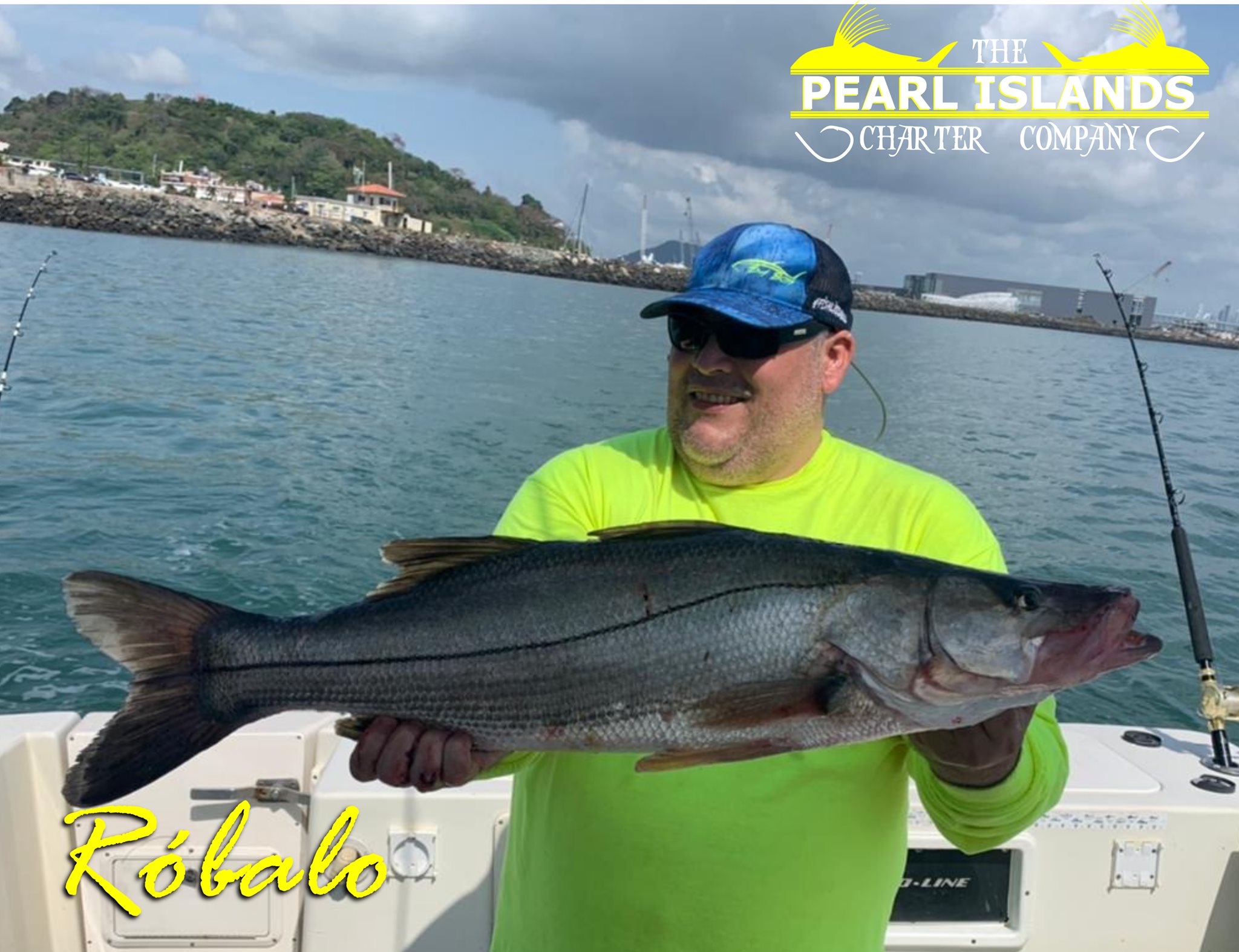
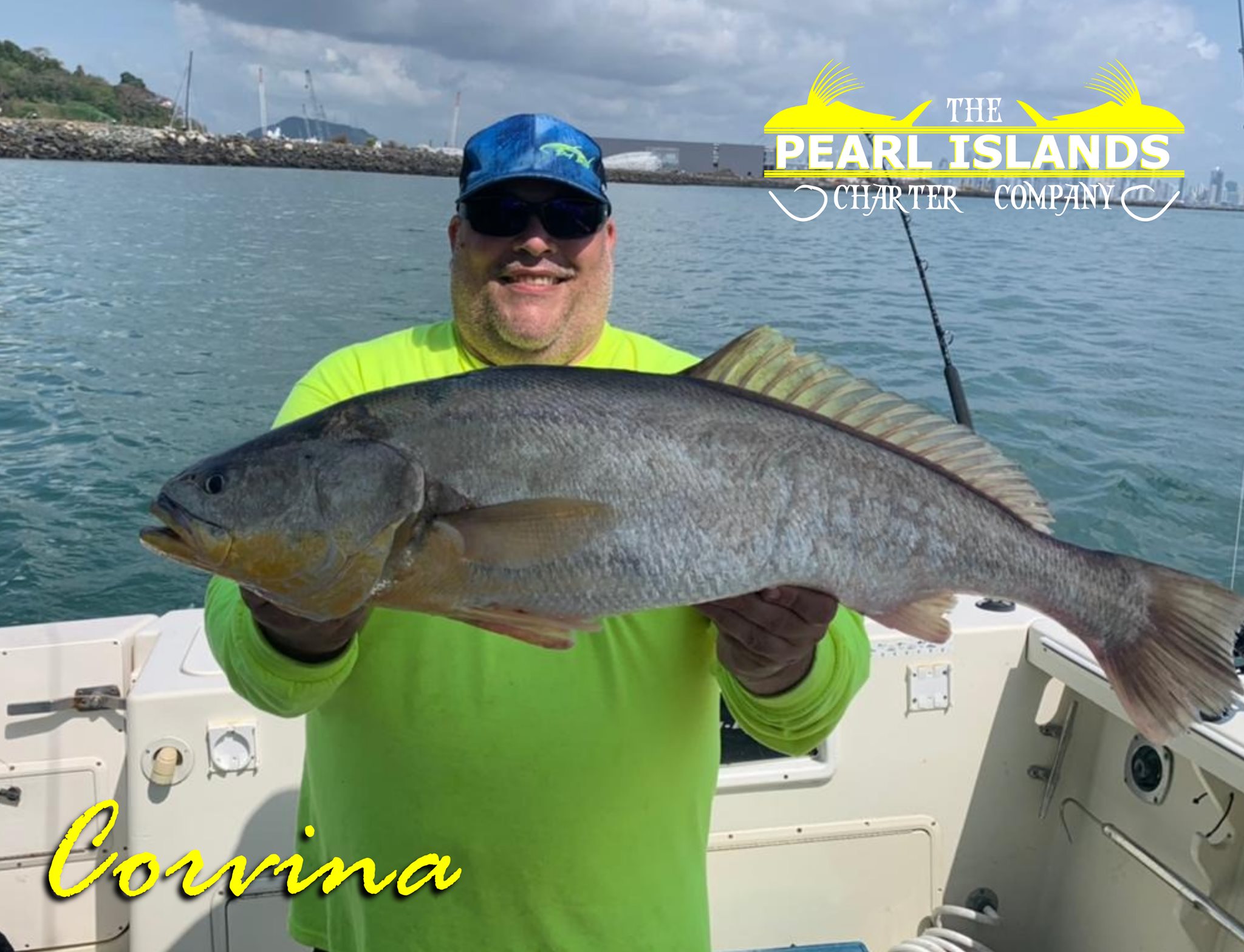
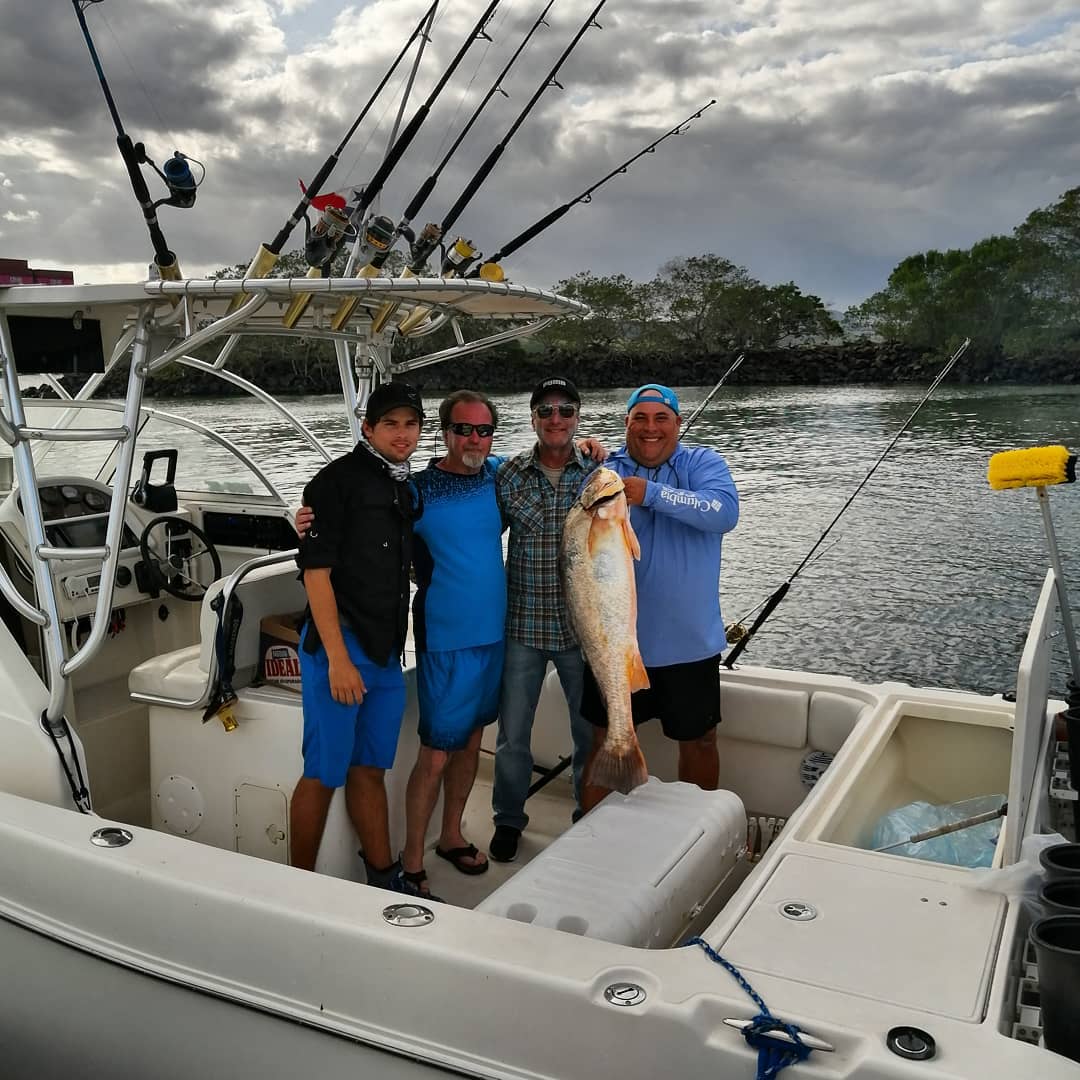
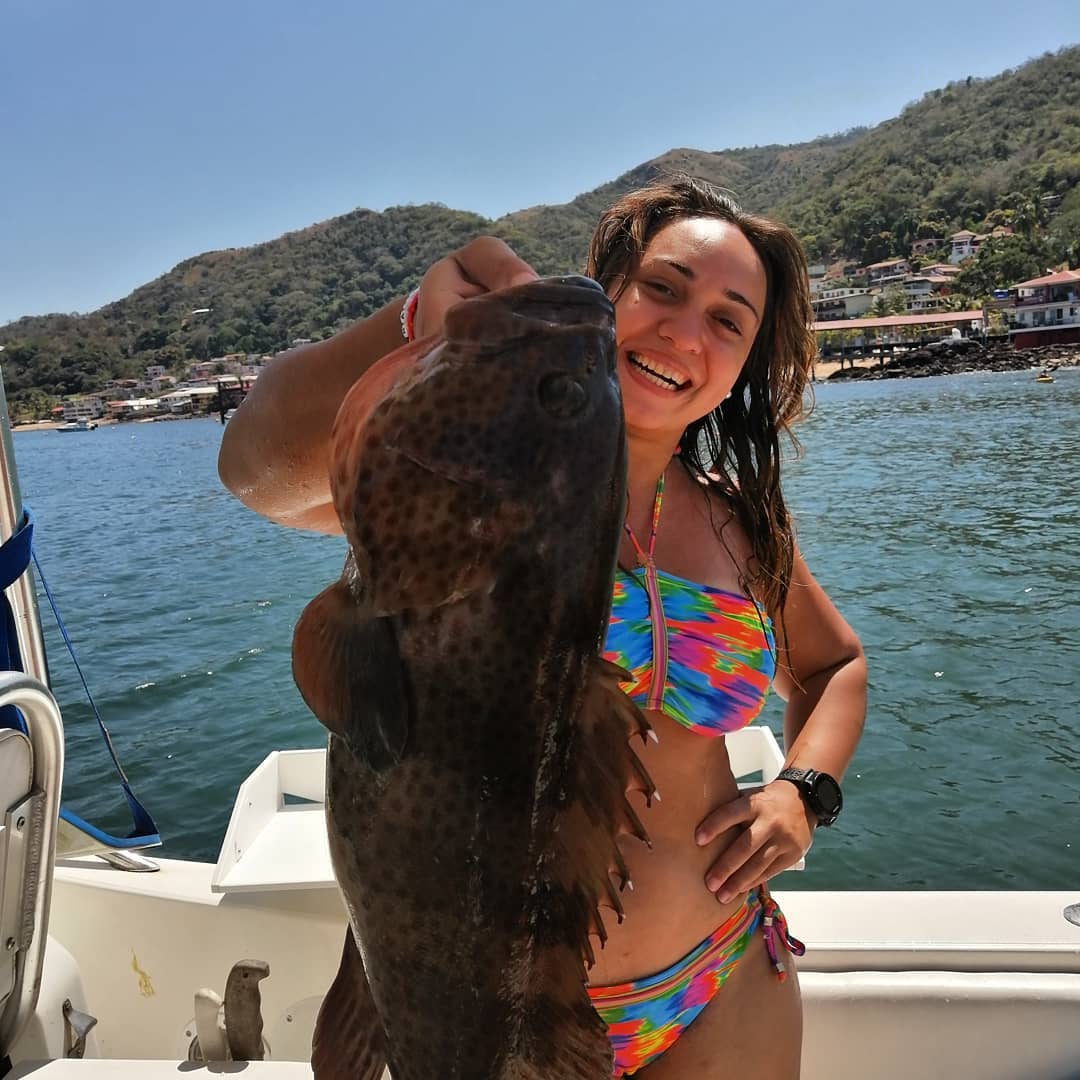
Looking for a solid day of fishing around some of Panama's most productive waters? This full-day adventure with The Pearl Island Charter Co. takes you to three prime spots - Chamá, Taboguilla, and Taboga Islands - where the fish are plentiful and the scenery doesn't hurt either. You'll spend your day working different zones, from shallow inshore flats to deeper nearshore waters, chasing whatever's biting that day. With a small group of just 2 anglers max, you get personalized attention and plenty of elbow room to work your lines. The crew knows these waters like the back of their hand, and they'll put you on fish using proven local techniques that have been hooking up anglers for years.
What to Expect on the Water
Your day starts early as you head out to explore three distinct fishing zones around Panama City's island chain. Each spot offers different structure and conditions - from rocky reefs perfect for bottom fishing to open blue water where pelagics cruise. The beauty of island hopping is that if one spot isn't producing, you've got options. Your captain will read the conditions, check water temperature and current, then position you where the action is hottest. You'll be fishing multiple techniques throughout the day - maybe starting with some light tackle work around structure, then switching to trolling between islands, or working bait around drop-offs where predators ambush their meals. The crew provides bottled water to keep you hydrated during the long day, and if you want to upgrade with catering, just let them know when you book.
Techniques and Tackle
This trip covers all the bases when it comes to fishing methods. You'll likely start the morning working live bait around the reef structure - perfect for enticing snapper and grouper out of their hiding spots. As you move between islands, trolling becomes the name of the game. The crew will set up spreads with lures and rigged ballyhoo to target fast-moving species like mahi mahi and bonito that patrol these waters. When you find schools of jacks or barracuda, it's time to switch tactics again - casting jigs and plugs into the frenzy can produce explosive strikes. The gear is all provided, from heavy spinning rods for the bigger fish to lighter setups when finesse is needed. Your crew knows exactly what works in each spot and will have you rigged right for whatever you're targeting. Don't worry about bringing tackle - these guys have everything dialed in for local conditions.
Customer Stories
"The captain spoke great English, and the crew worked hard, trying various tactics to catch fish. Unfortunately, the fish just weren't biting that day." - Chad "Highly recommended!" - Earl
Species You'll Want to Hook
Roosterfish are the crown jewel of Panama's inshore waters, and these islands hold some real trophies. These distinctive fighters with their sail-like dorsal fins typically range from 20-60 pounds in these waters, though monsters over 80 pounds aren't unheard of. They're most active during the dry season from December through April, when they move into shallower water to feed on baitfish schools. What makes roosters so special is their fighting style - they'll make blistering runs, jump clear out of the water, and test every inch of your drag system. The rocky points and sandy beaches around these islands are prime rooster habitat.
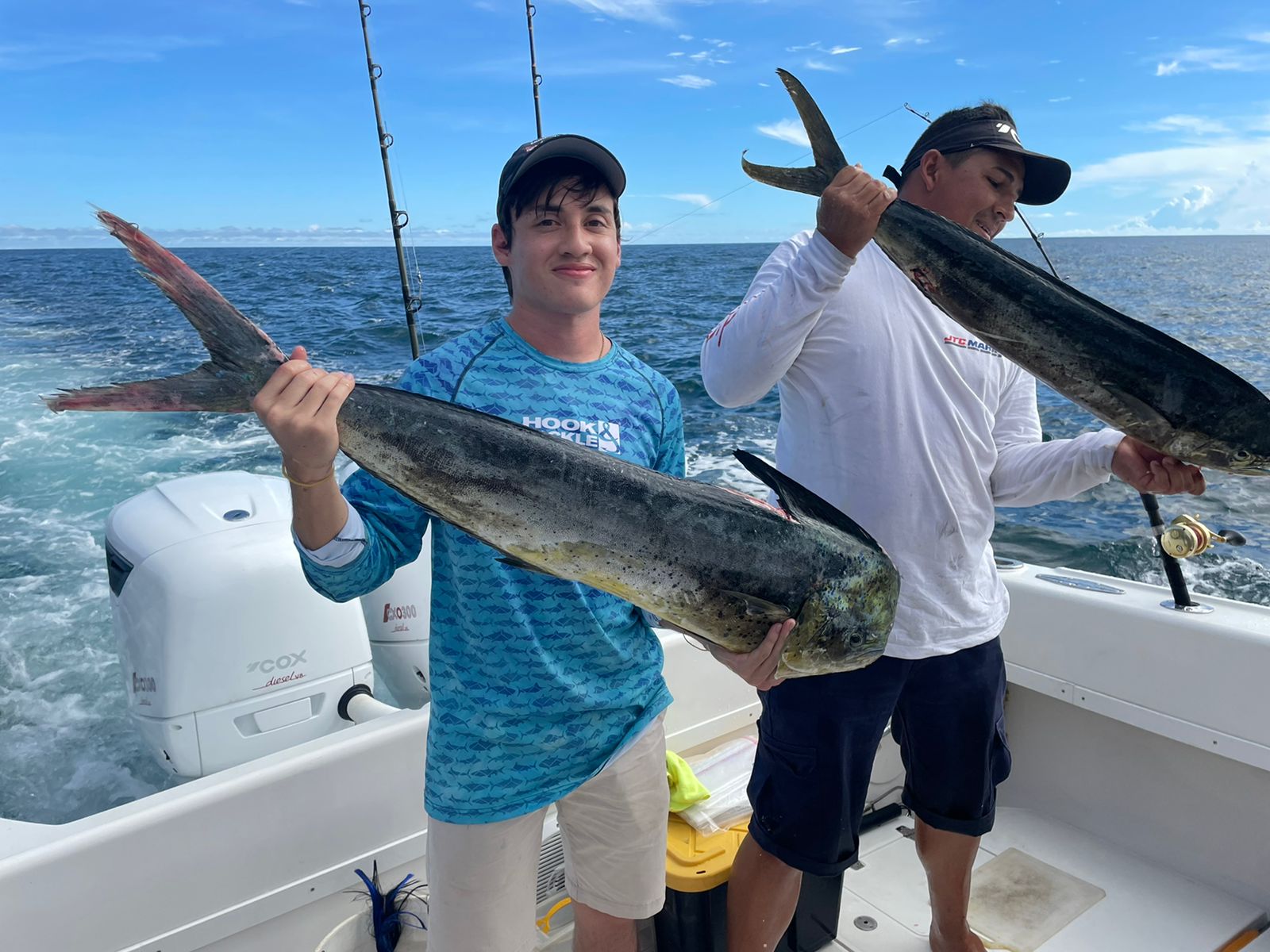
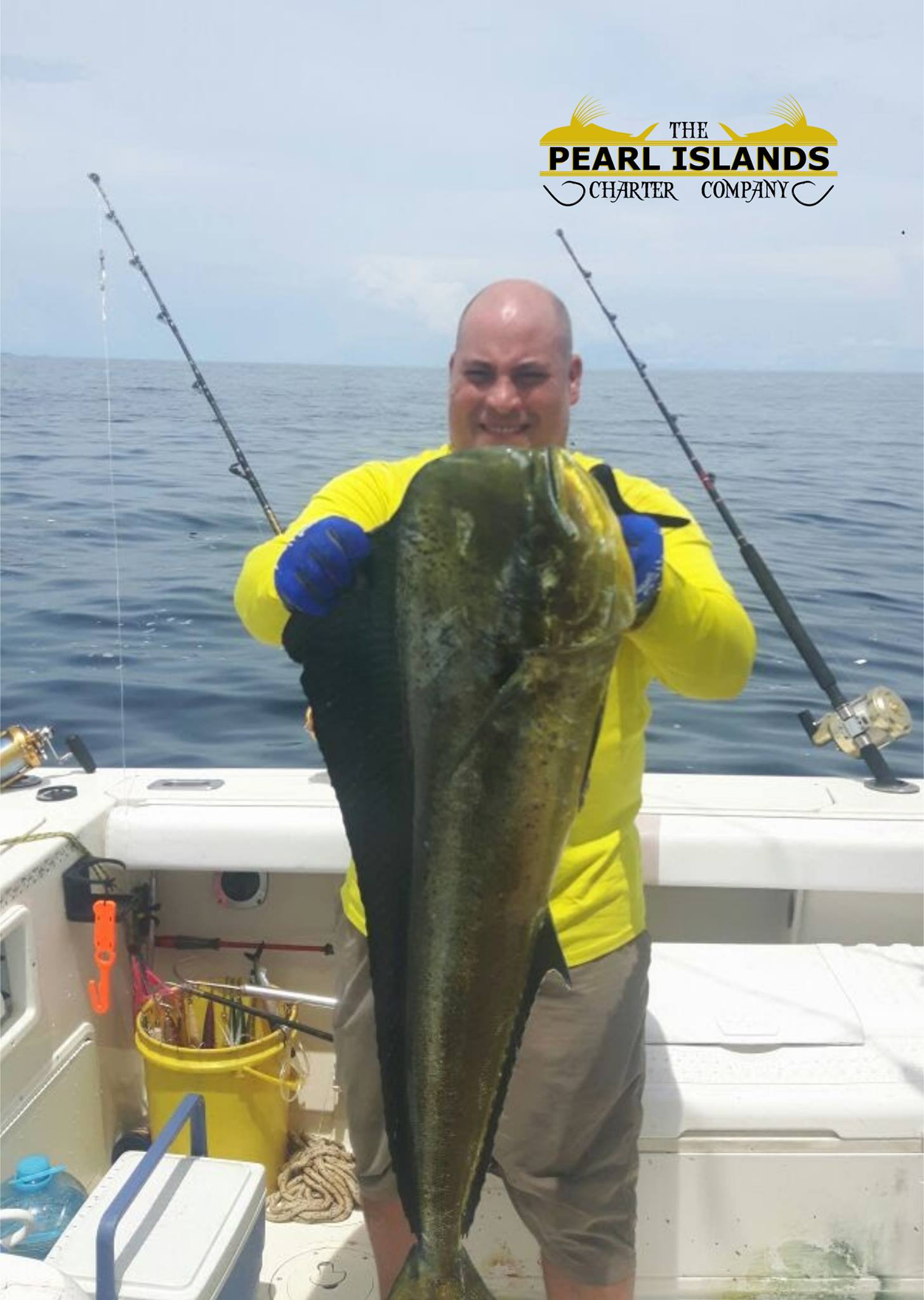
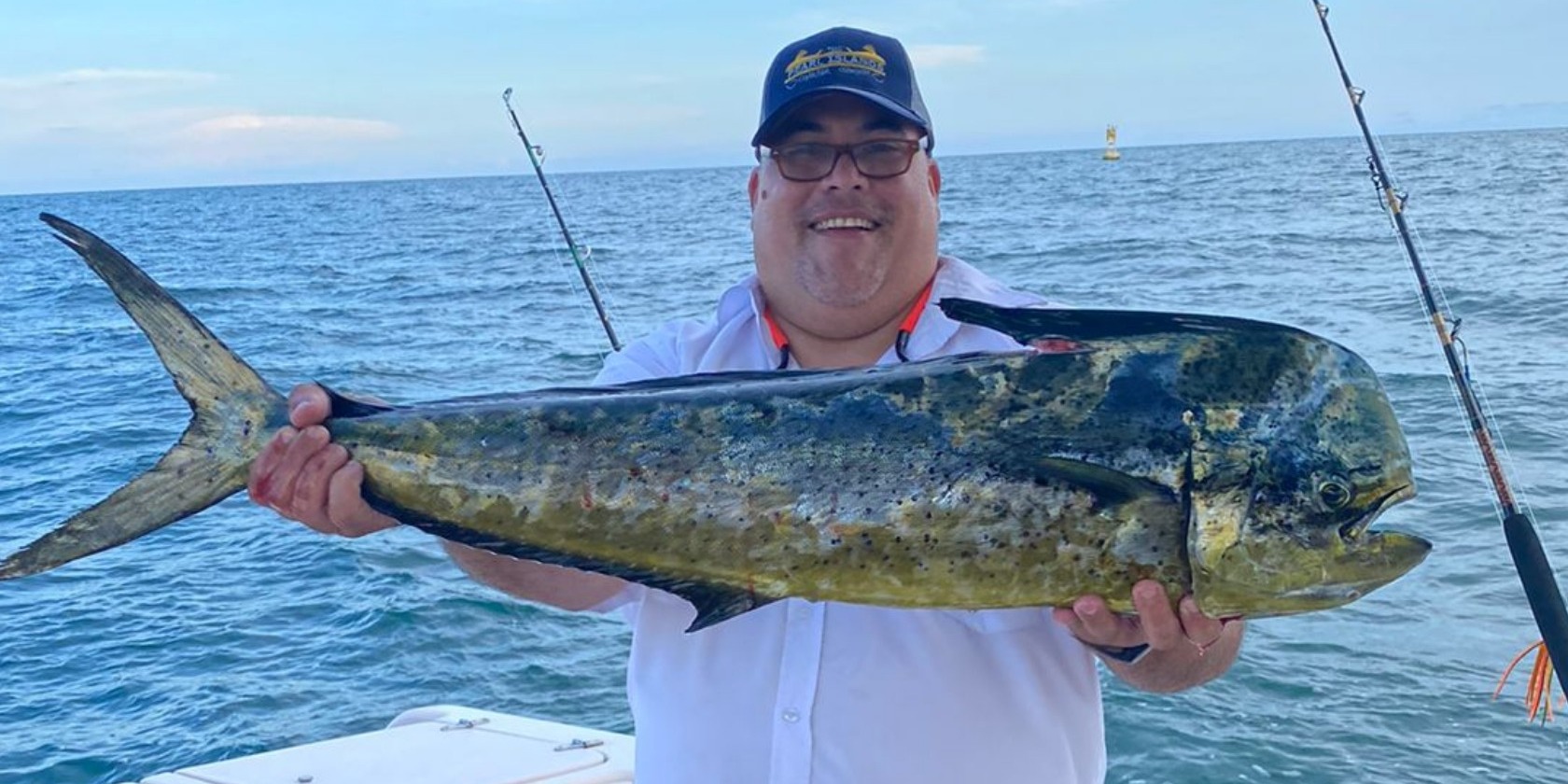
Mahi mahi, or dorado as locals call them, are pure excitement on the end of your line. These golden beauties typically run 10-30 pounds in these waters, with occasional bulls pushing 50 pounds or more. Peak season runs from May through November when they follow the current lines and weed patches. What anglers love about mahi is their acrobatic fighting style - expect multiple jumps and long runs when you hook into one. Plus, they're fantastic table fare, making them a favorite for anglers who like to eat their catch. The deeper waters between islands are where you'll find them, especially around floating debris or weed lines.
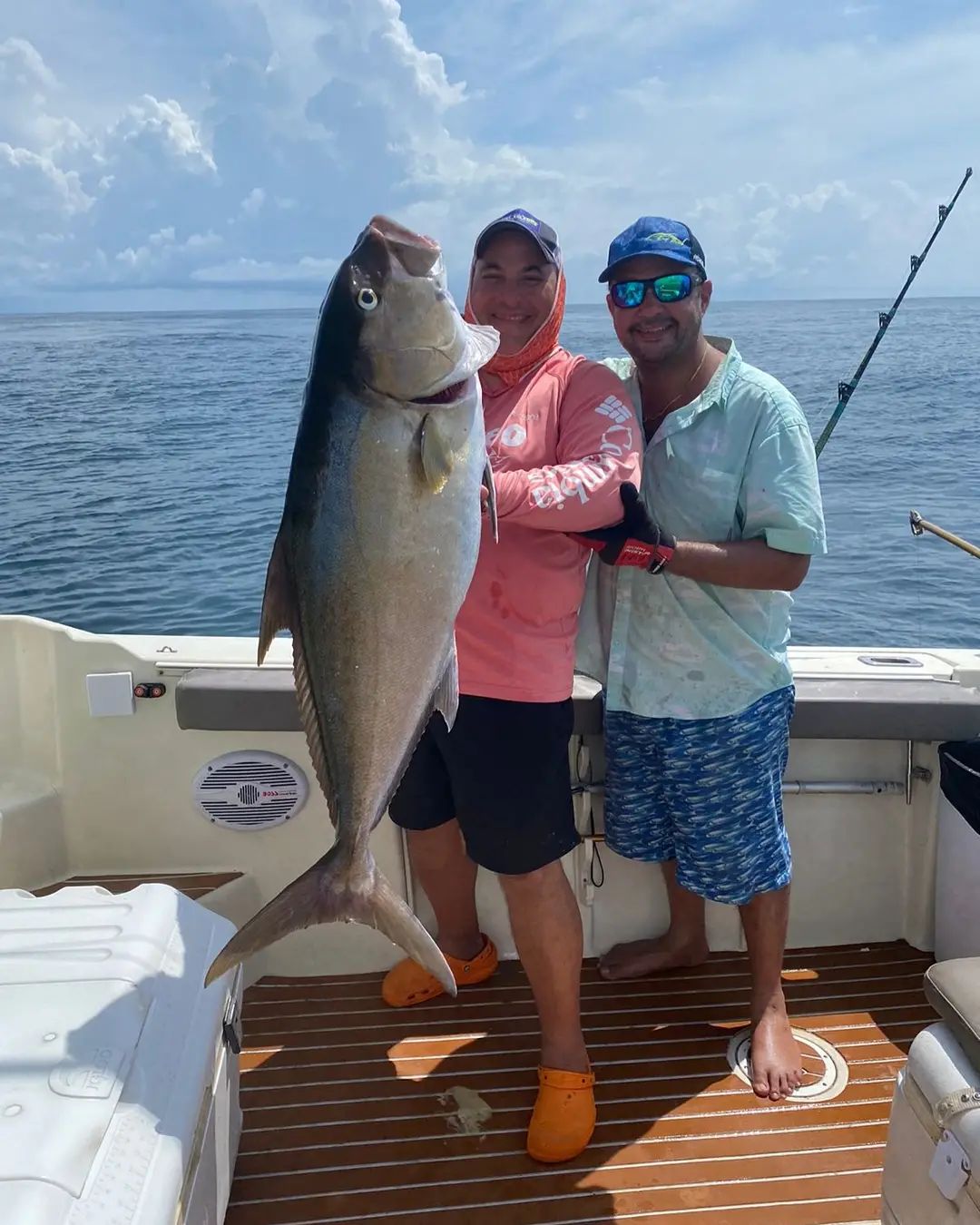
Crevalle jacks are the bulldogs of the reef, and Panama's waters hold some seriously chunky specimens. These bruisers typically range from 5-25 pounds, but don't let the smaller ones fool you - pound for pound, they're some of the hardest fighting fish in the ocean. They're present year-round but really stack up during their spawning season from March through June. What makes jacks so exciting is their aggressive nature - they'll crush lures, live bait, or anything else that gets in their way. When you find a school feeding, the action can be non-stop. They're also great bait for larger predators if you're targeting something bigger.
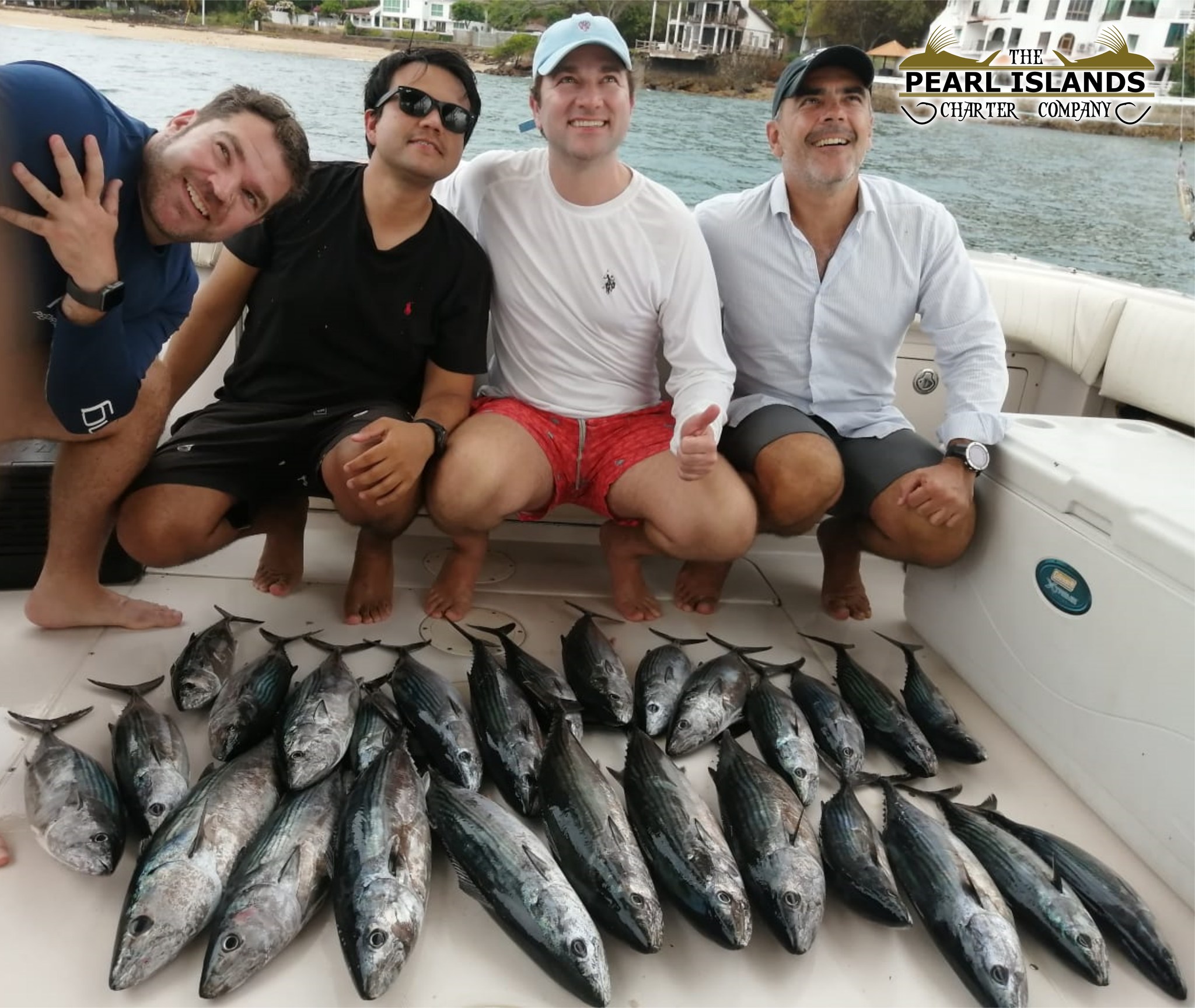
Pacific bonito are speed demons that will test your reflexes and your tackle. These torpedo-shaped fighters usually run 3-15 pounds in local waters and are most abundant from June through September. They're part of the tuna family, which explains their incredible speed and endurance. Bonito are exciting because they often feed in large schools, creating feeding frenzies that attract birds and other predators. When you hook one, expect screaming runs and a fight that seems impossible from such a relatively small fish. They're also excellent live bait for larger species like marlin or big roosters.
Pacific barracuda are the wolves of the reef, and Panama's waters hold some impressive specimens ranging from 5-40 pounds. These toothy predators are present year-round but are most active during the warmer months from April through October. What makes barracuda fishing exciting is their explosive strikes - they'll absolutely demolish a lure or bait fish with lightning speed. They're also great fun on light tackle, making blistering runs and occasional jumps. The key with barracuda is having a good wire leader - their razor-sharp teeth will slice through mono or braid in a heartbeat. Around these islands, look for them patrolling reef edges and drop-offs where they ambush unsuspecting prey.
 5.0(2 Reviews)
 Private Trip
 Inshore Fishing
 Panama City

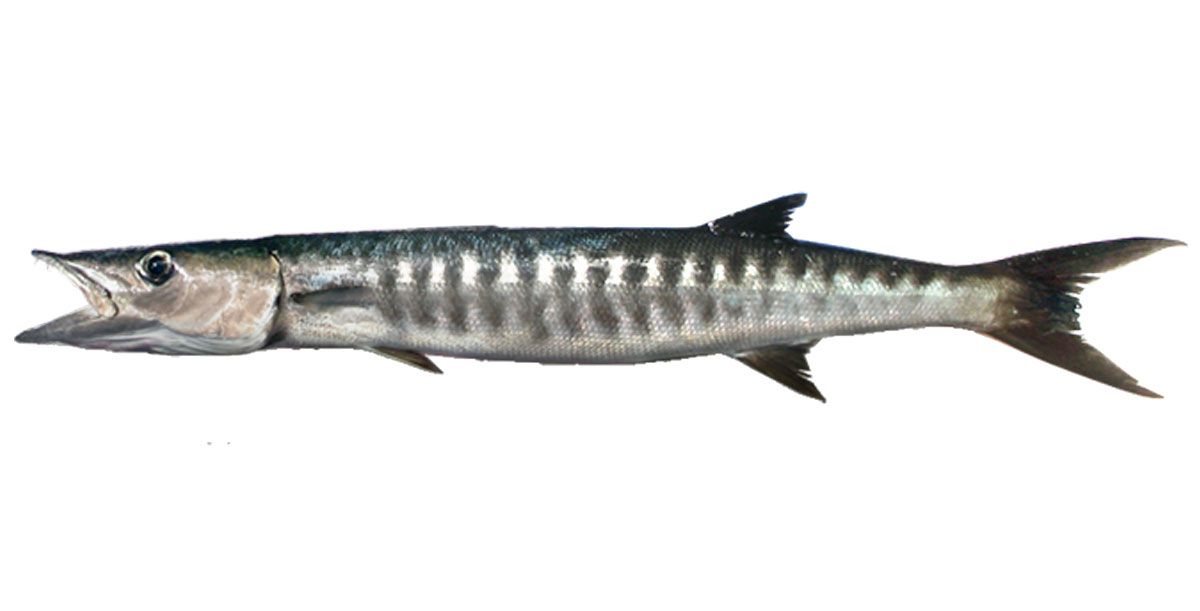
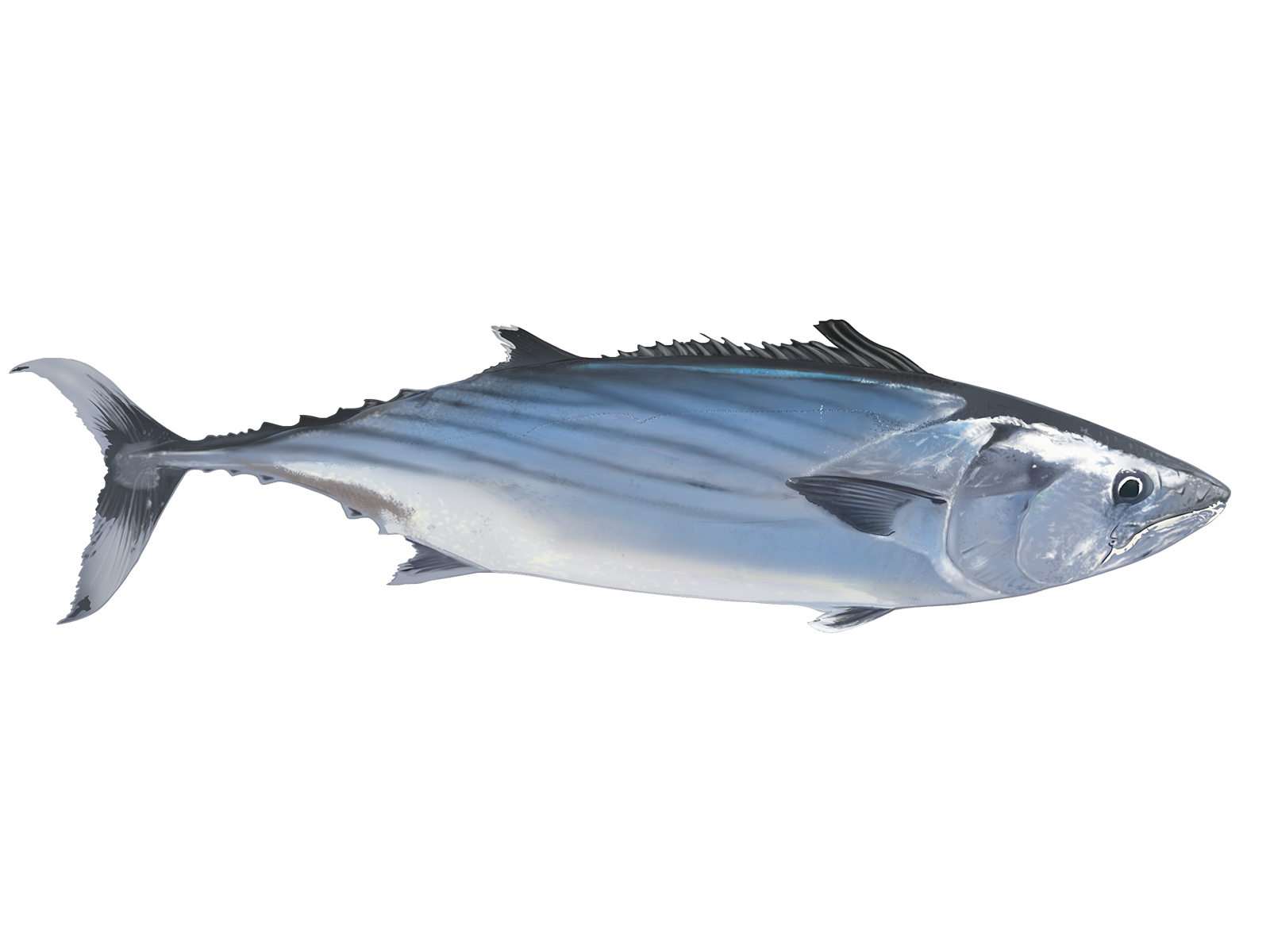

 Full-day fishing adventure targeting jack, bonito, and snapper species