Offshore Fishing Adventure - North Carolina
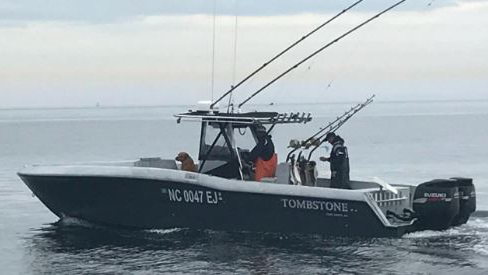
Nothing beats the rush of heading offshore into North Carolina's deep blue waters where the big fish live. This isn't your typical pier fishing trip – we're talking about a full-day adventure that'll have you fighting fish that can easily outweigh your tackle box. Captain and crew from Tombstone Charters know these waters like the back of their hand, and they're ready to put you on the fish that make for legendary stories back at the dock. With room for up to 4 anglers, this trip keeps things personal while maximizing your chances at filling those coolers with some of the Atlantic's most prized catches.
What to Expect on the Water
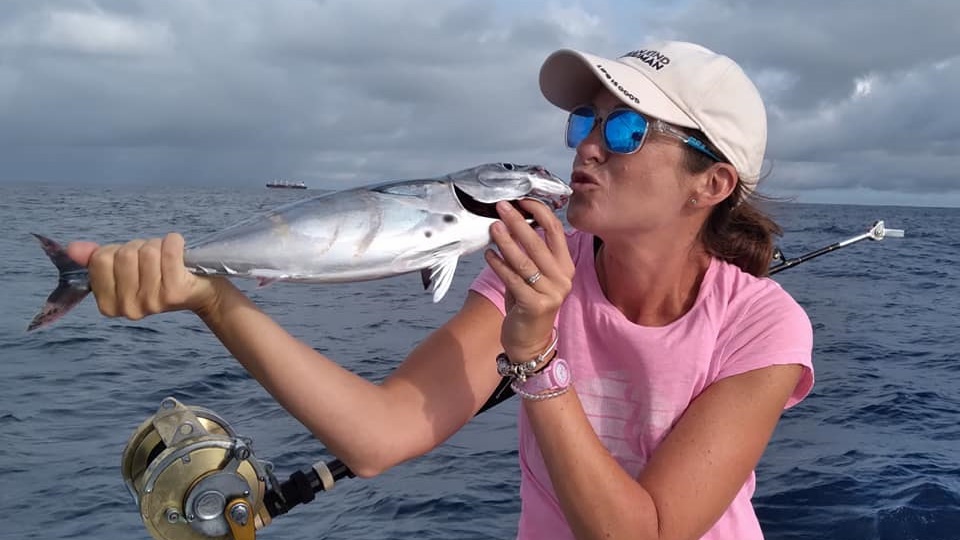
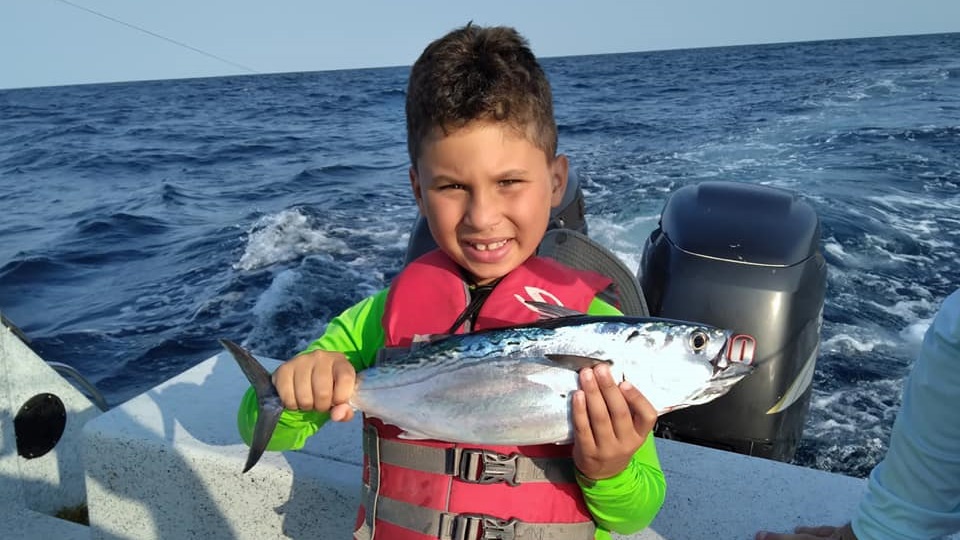
Your day starts early with a run out to the productive offshore grounds where North Carolina's continental shelf drops off into the deep. The captain's already been watching the weather, checking the reports, and planning your route based on where the fish have been biting. You'll spend hours working different techniques – from high-speed trolling for pelagics like mahi and wahoo to dropping down to the bottom structure for snapper, grouper, and triggerfish. The boat comes equipped with everything you need, from rods and reels to terminal tackle, so you can focus on what matters most: putting fish in the box. Expect to cover some serious water as the crew moves between productive spots, always chasing the next bite.
Techniques and Tackle
Offshore fishing off North Carolina means adapting your approach to target different zones of the water column. When we're trolling for mahi and wahoo, we'll be pulling a spread of lures at varying distances behind the boat, covering water at 8-12 knots while watching for bird activity and floating debris that holds fish. The crew rigs everything from skirted ballyhoo to high-speed lures that can handle the blazing runs these pelagics are famous for. When it's time to hit the bottom, we're talking about dropping down 60-150 feet to structure where the grouper and snapper live. Heavy conventional tackle gets the nod here – you need the backbone to pull these fish up off the rocks before they can cut you off. Circle hooks and cut bait or live bottom rigs do the trick, and the crew knows exactly how to rig based on what's working that day.
Top Catches This Season
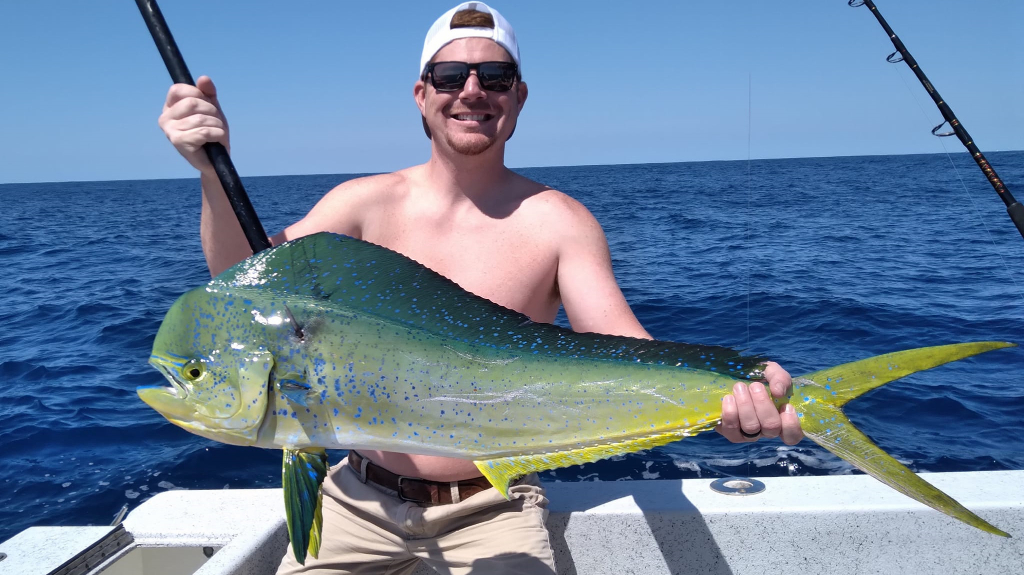
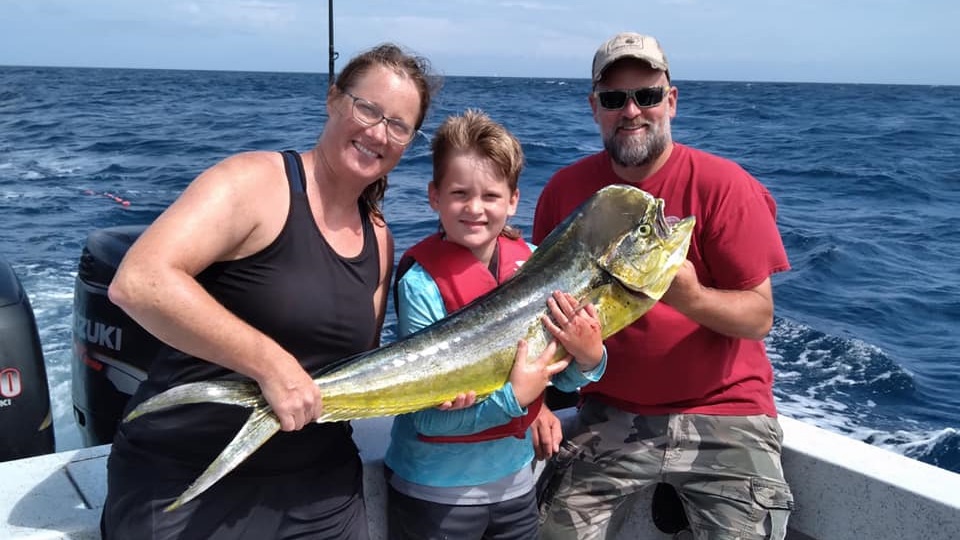
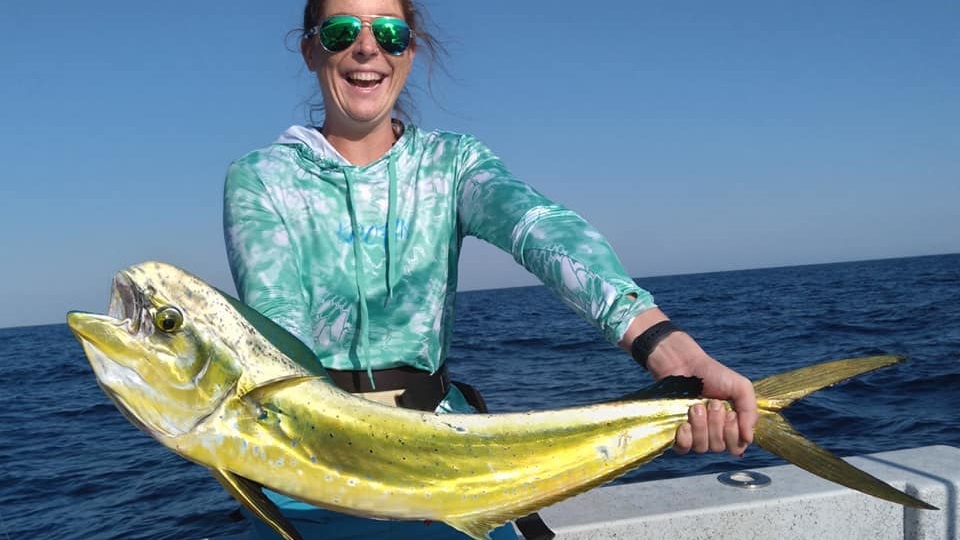
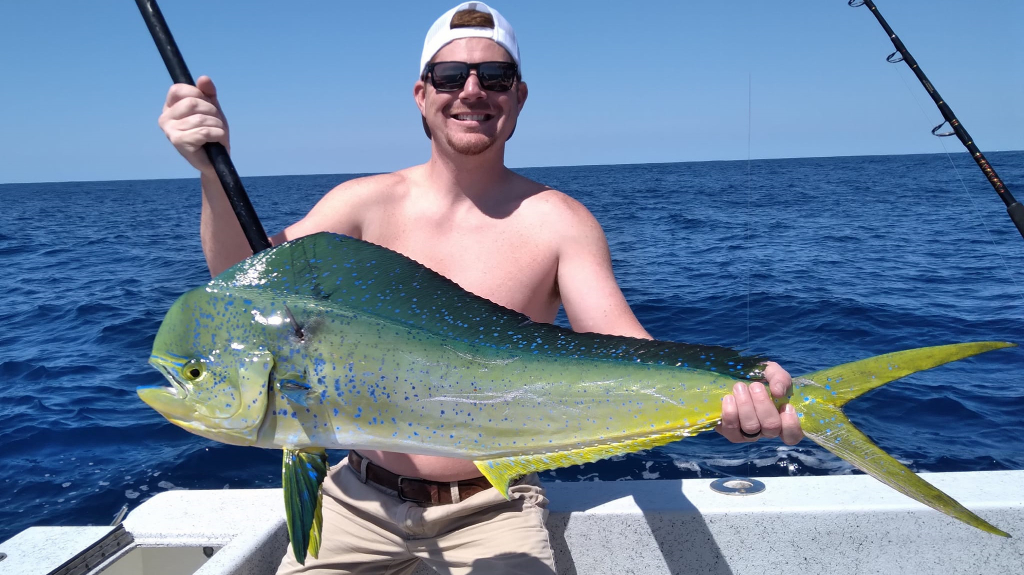
Mahi mahi are the crown jewel of offshore fishing here, and North Carolina's waters serve up some beauties. These fish are pure excitement – they'll hit a trolled bait like a freight train, then put on an aerial show that'll have everyone on the boat scrambling for their phones. Most mahi here run 10-25 pounds, with the occasional bull pushing 40-plus. They're most active from late spring through early fall, and when you find a school, you can often pick off multiple fish before they move on. The brilliant gold and green colors make them as beautiful as they are delicious.
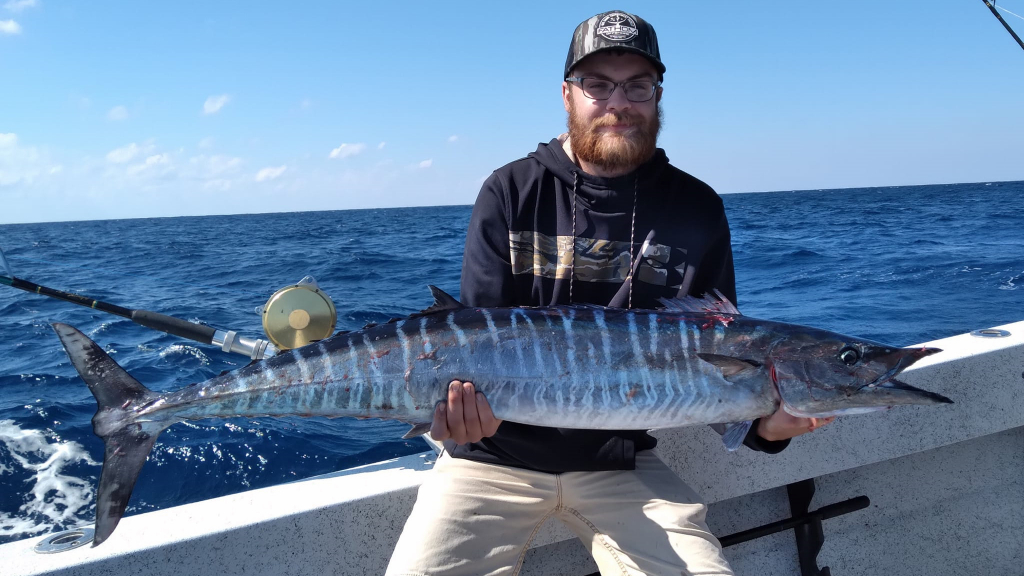
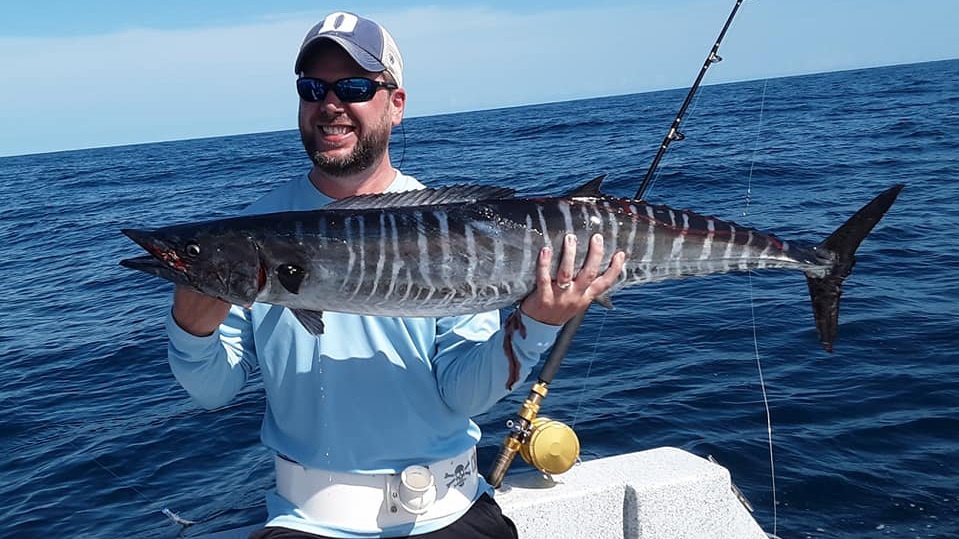
Wahoo fishing off the North Carolina coast is legendary for good reason. These fish are built for speed – they're basically underwater missiles that can hit 60 mph when they want to. Most wahoo here range from 20-50 pounds, with bigger fish showing up regularly. They love high-speed trolling, often hitting lures pulled at 12-15 knots. The fight is different from mahi – less jumping, but more sustained power and blistering runs that'll test your drag system. Fall is prime time for wahoo, when they're feeding heavily before their winter migration.
Red snapper represent the king of bottom fishing in these waters. These fish are smart, strong, and absolutely delicious on the table. North Carolina snappers typically run 3-15 pounds, with the occasional doormat pushing 20-plus. They're structure-oriented fish that live around hard bottom, artificial reefs, and wrecks. The fight is all about power – they'll make a strong initial run, then try to get back to their rocky homes. During open seasons, they're typically most active during dawn and dusk feeding periods.
Black grouper are the bulldogs of the bottom, and catching one is like arm-wrestling with a truck. These fish can push 50-100 pounds or more, and they use every ounce of that weight to try and get back to their holes. They're ambush predators that sit tight to structure, so you need to get your bait right in their face. The initial hookup is just the beginning – then comes the real work of keeping them off the bottom. Summer months are best for grouper fishing, when they're most active and feeding heavily.
Ocean triggerfish might not be the biggest fish out there, but they're scrappy fighters with some serious attitude. These fish have powerful jaws designed for crushing shellfish, so they can easily bite through lighter leaders. They're typically found around the same bottom structure as snapper and grouper, ranging from 2-8 pounds on average. Triggers are excellent table fare and provide steady action when the bigger fish aren't cooperating. They're most active during the warmer months and can provide non-stop action once you locate a school.
Time to Book Your Spot
This offshore adventure with Tombstone Charters delivers the complete North Carolina fishing experience – multiple species, proven techniques, and a crew that knows how to put you on the fish. Whether you're after the high-speed action of trolling for pelagics or the arm-burning fights of bottom fishing, this trip covers all the bases. The 4-angler limit means personalized attention and plenty of room to fight fish without getting tangled up. With everything provided except the cooler space for your catch, all you need to bring is your fishing license, sunscreen, and appetite for adventure. Don't wait – the fish are biting, and these prime offshore dates fill up fast.
 Private Trip
 Offshore Fishing
 Atlantic Beach, NC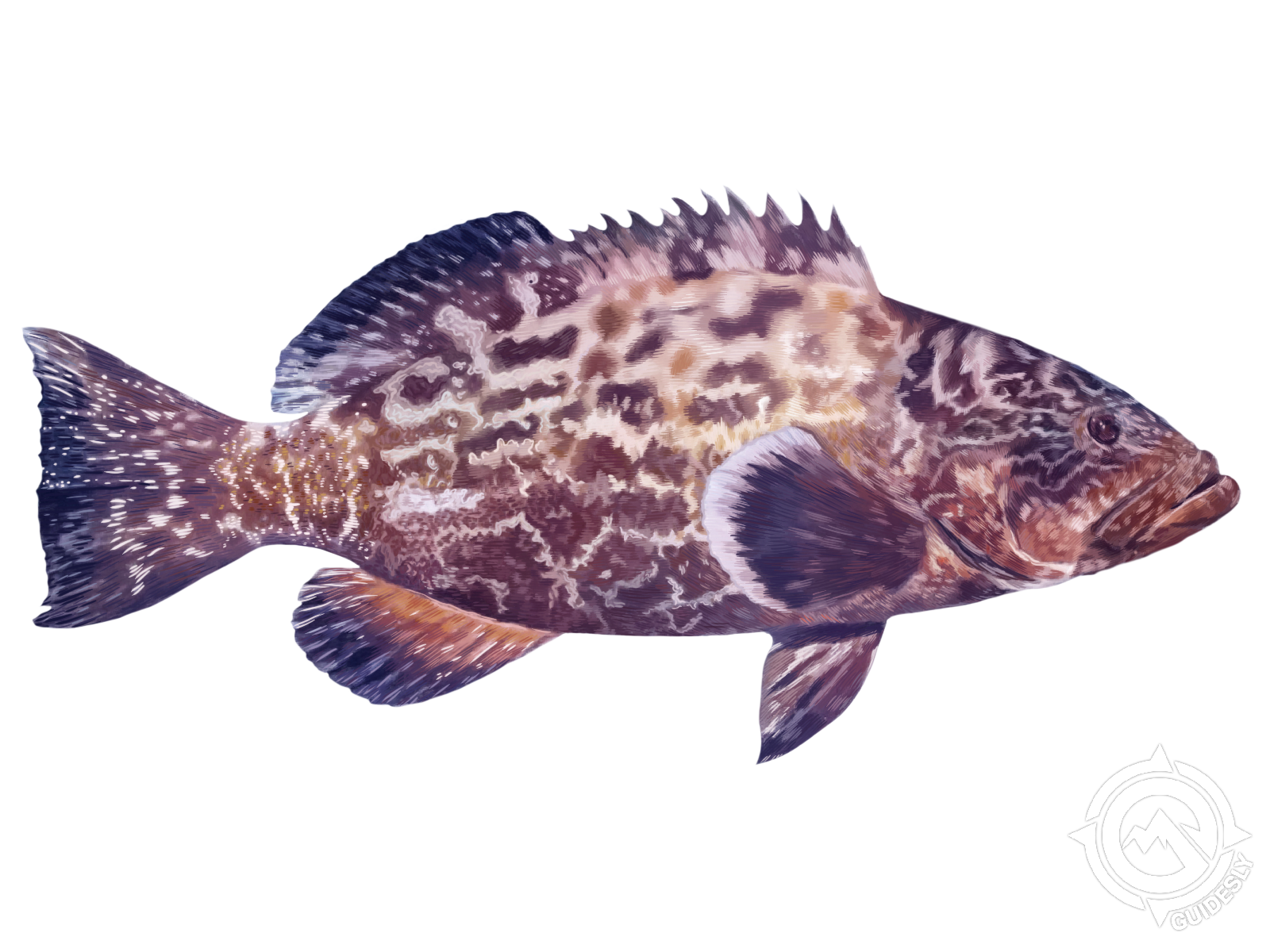


 Target Mahi Mahi, Wahoo, Snapper, Grouper offshore North Carolina