Pro Fishing Trip Charleston SC Redfish Trout and More
Looking for a serious fishing adventure that'll put your skills to the test? Captain Cody Dakin's pro-level inshore trip is designed specifically for experienced anglers who know their way around a rod and reel. This isn't your typical tourist charter – we're talking advanced techniques, strategic spot selection, and a genuine shot at trophy fish in some of Charleston's most productive waters. With space for just two anglers, you'll get the personalized attention and coaching that separates good fishing days from legendary ones. Whether you're targeting that redfish you've been dreaming about or want to dial in your trout game, this top-rated Charleston experience delivers the kind of focused, high-level fishing that keeps serious anglers coming back season after season.
What to Expect on the Water
Captain Cody brings decades of local knowledge to every trip, and it shows from the moment you step aboard. We're not just running to the usual honey holes – this is strategic fishing at its finest. You'll learn why certain flats produce during specific tidal movements, how water temperature affects fish behavior, and which presentations work best when conditions get tricky. The gear provided is tournament-quality stuff, from sensitive rods that'll help you feel the lightest bite to reels smooth enough for long drag-screaming runs. Each trip is completely customized based on current conditions, your skill level, and what's biting best. Some days we're sight-fishing shallow grass flats, other times we're working structure in deeper channels. The beauty of Charleston's inshore waters is the variety – marshes, creeks, oyster bars, and grass beds all within striking distance. You'll come away not just with fish stories, but with a deeper understanding of how these waters work and why Charleston consistently ranks among the country's best inshore destinations.
Techniques & Tactics
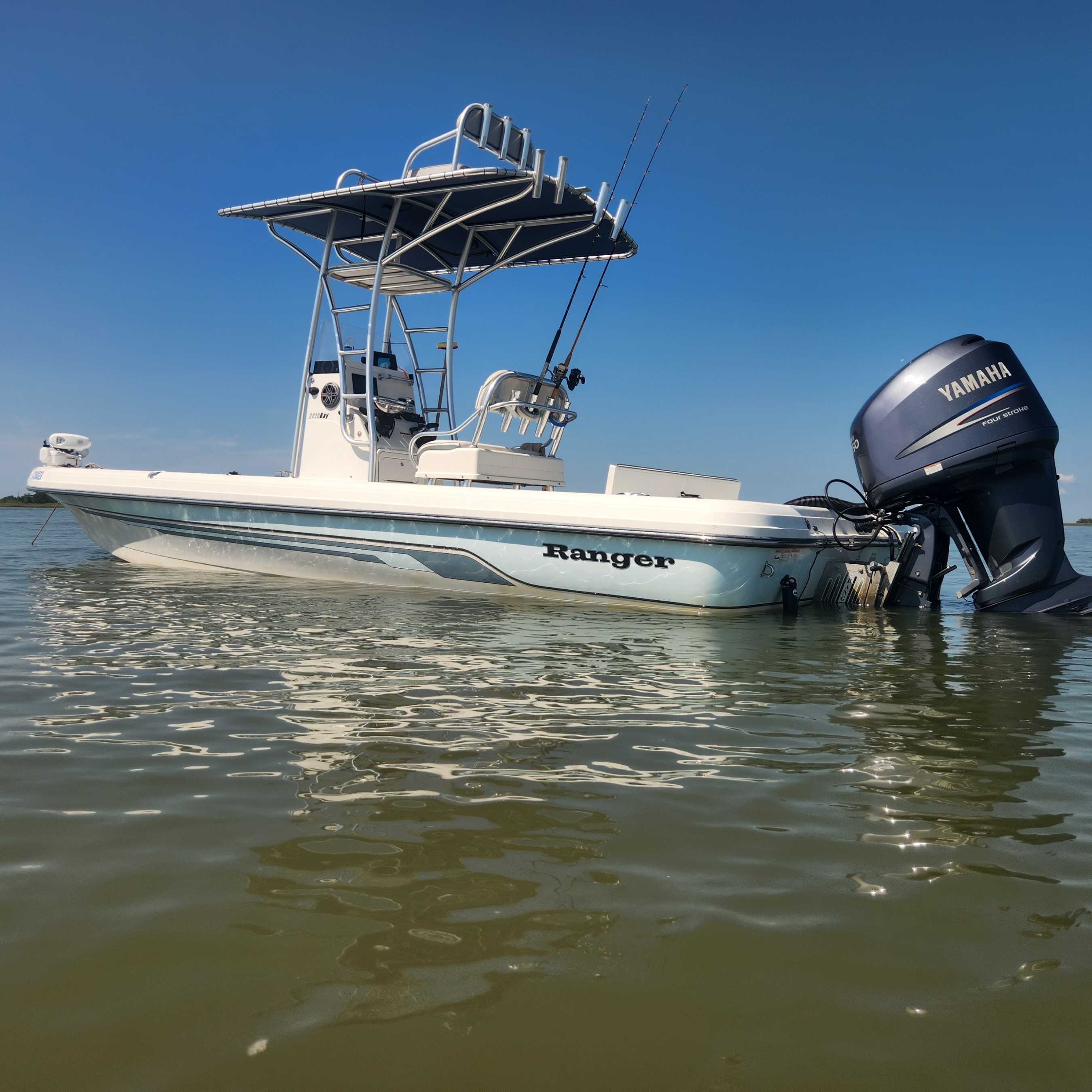
This trip is all about advancing your inshore game with proven techniques that produce results in Charleston's unique ecosystem. We'll work with everything from topwater plugs during dawn feeding frenzies to soft plastics bounced along oyster-crusted bottoms where big drum lurk. Sight-fishing is a huge part of the program when conditions allow – there's nothing like spotting a school of redfish tailing in skinny water and making the perfect cast. You'll learn to read water like a pro, identifying subtle current breaks and temperature changes that concentrate baitfish and the predators that follow them. The boat setup is dialed for serious fishing: a shallow-draft hull that can access areas bigger boats can't reach, a poling platform for stealthy approaches, and electronics that help locate structure and bait schools. We use circle hooks for conservation-minded fishing and carry a range of tackle from light spinning gear for trout to heavier setups when black drum are on the agenda. Captain Cody's approach emphasizes reading conditions over following formulas – wind direction, tide stage, water clarity, and seasonal patterns all factor into tackle selection and presentation strategy.
Target Species
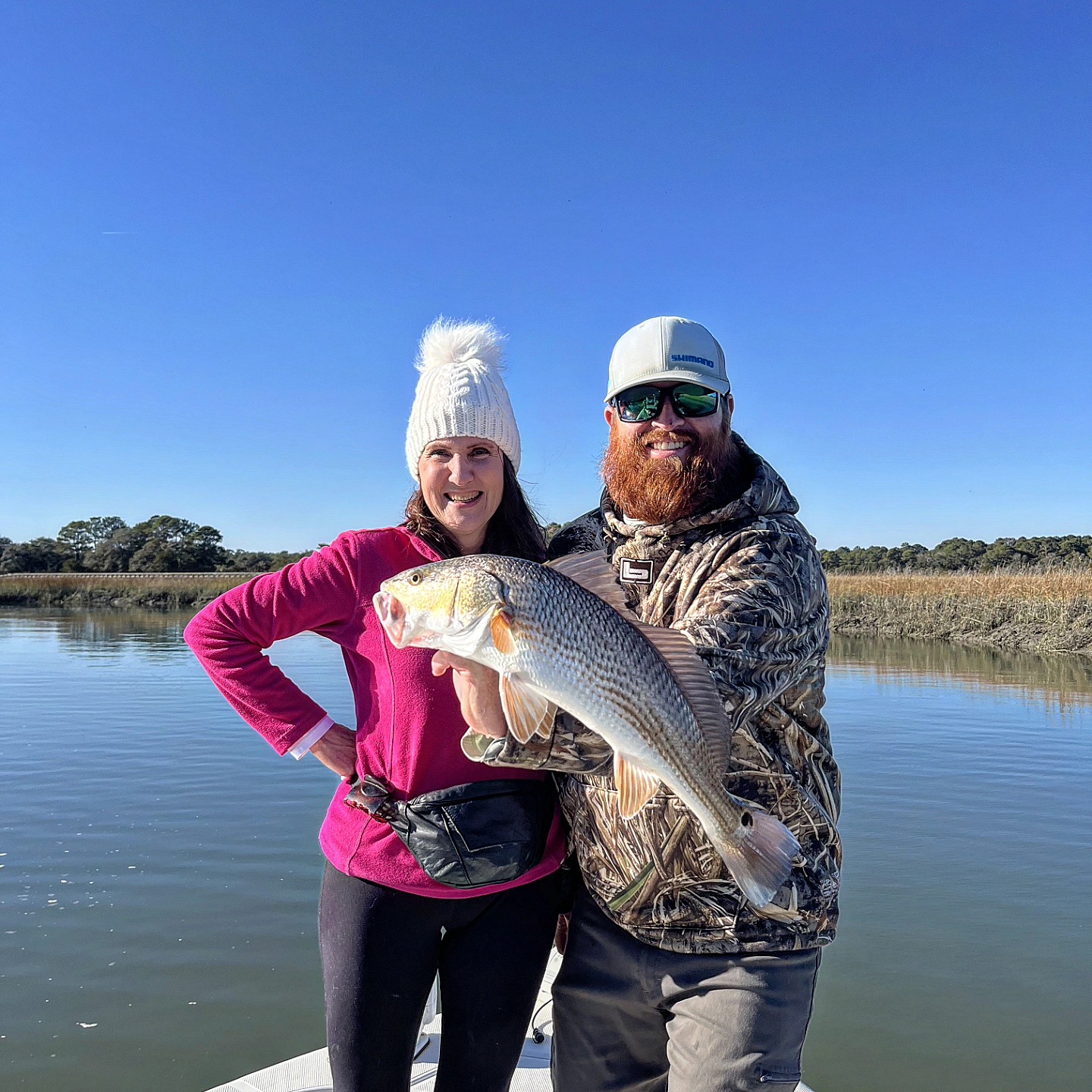
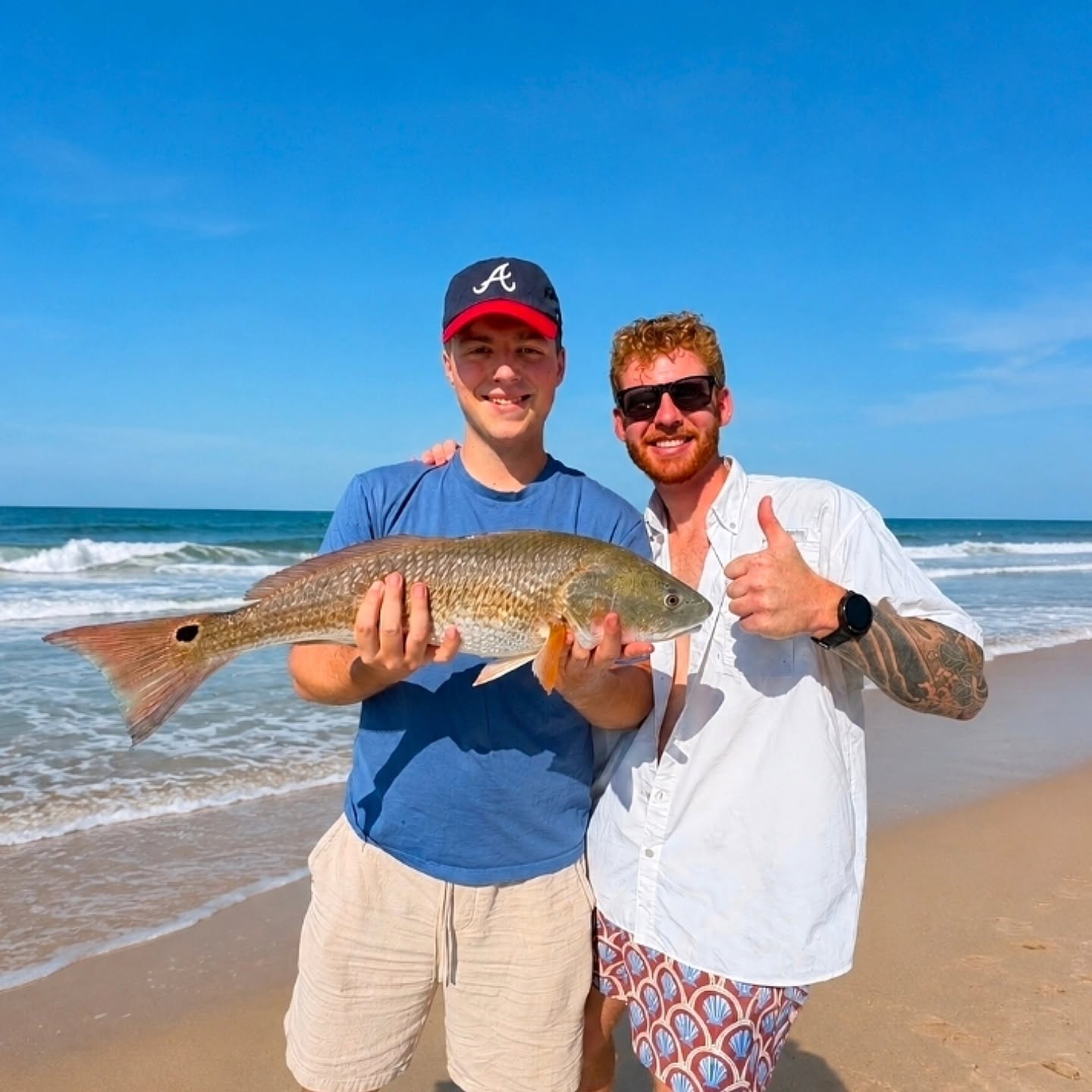
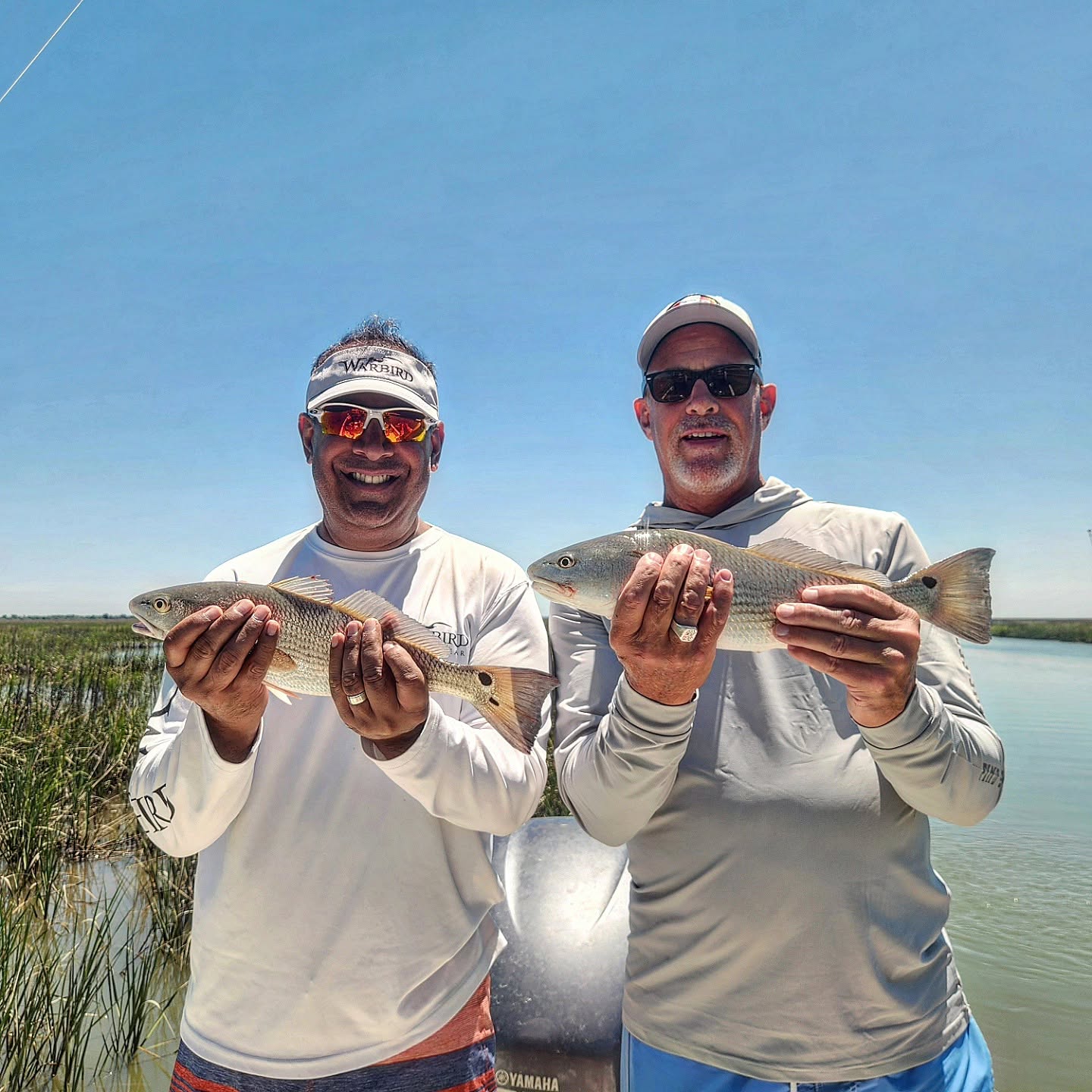
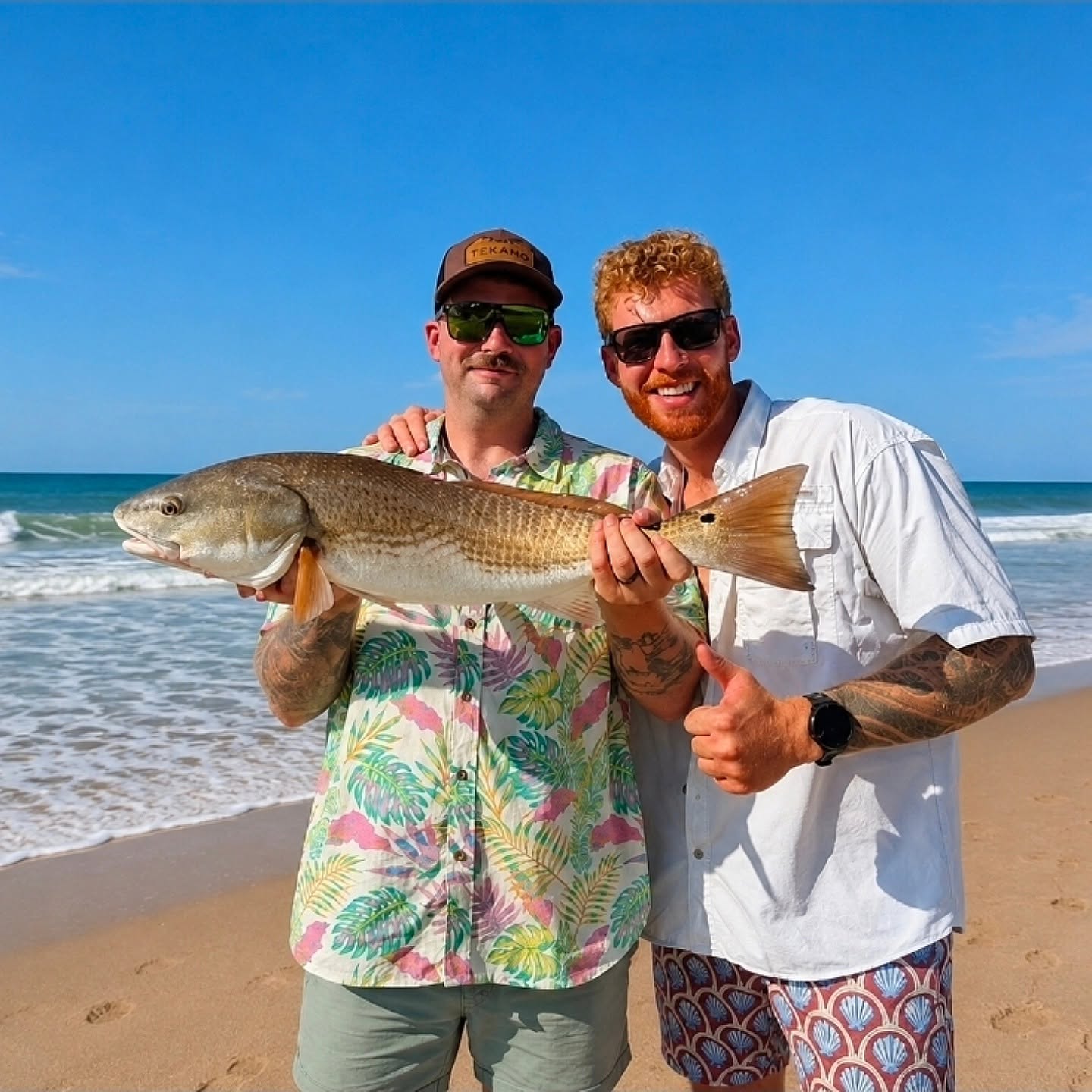
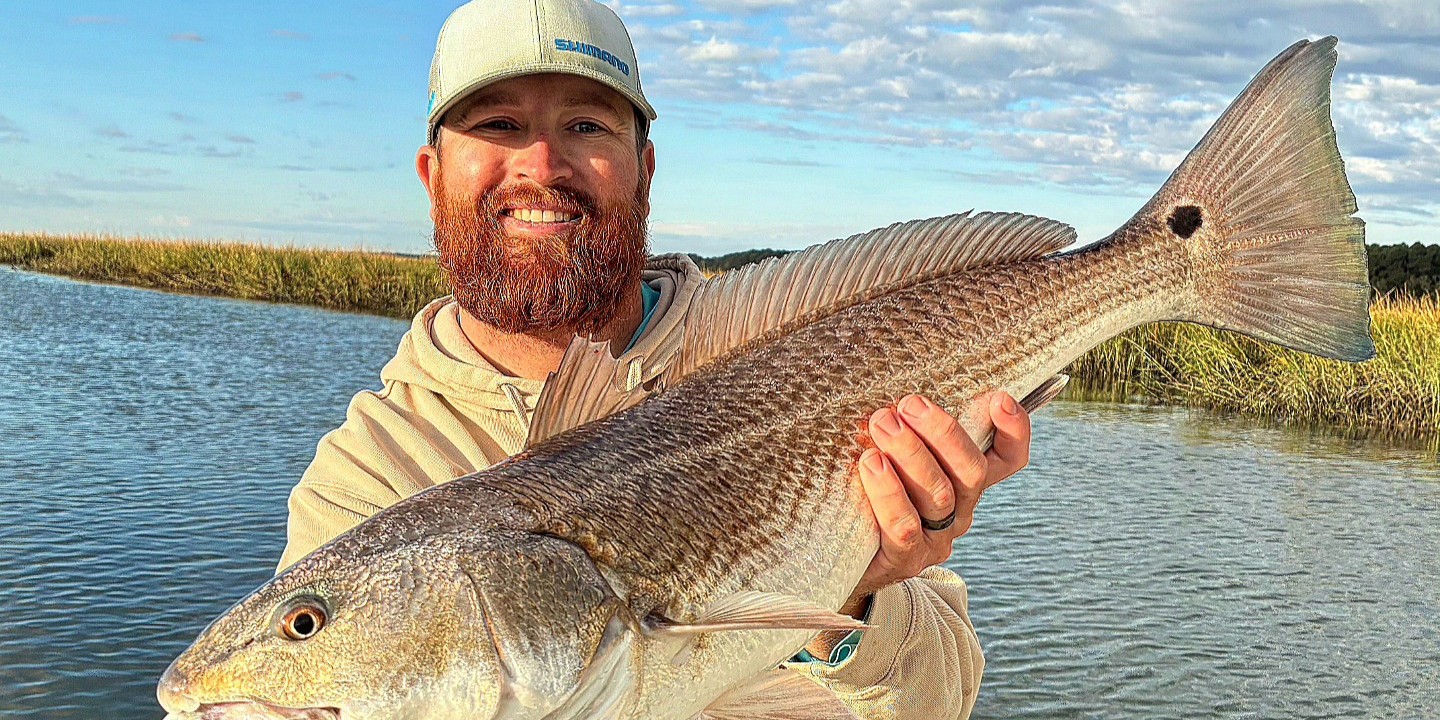
Redfish are the crown jewel of Charleston inshore fishing, and for good reason. These bronze-backed bruisers average 20-30 inches in our waters, with slot fish providing incredible fights on medium tackle. They're most active during moving water, especially around oyster bars and grass edges where they ambush shrimp and crabs. Fall months bring some of the year's best redfish action as they school up in impressive numbers. What makes them so special is their willingness to eat topwater lures – watching a big red explode on a surface plug never gets old. Their powerful runs and bulldogging fights will test your drag system and technique.
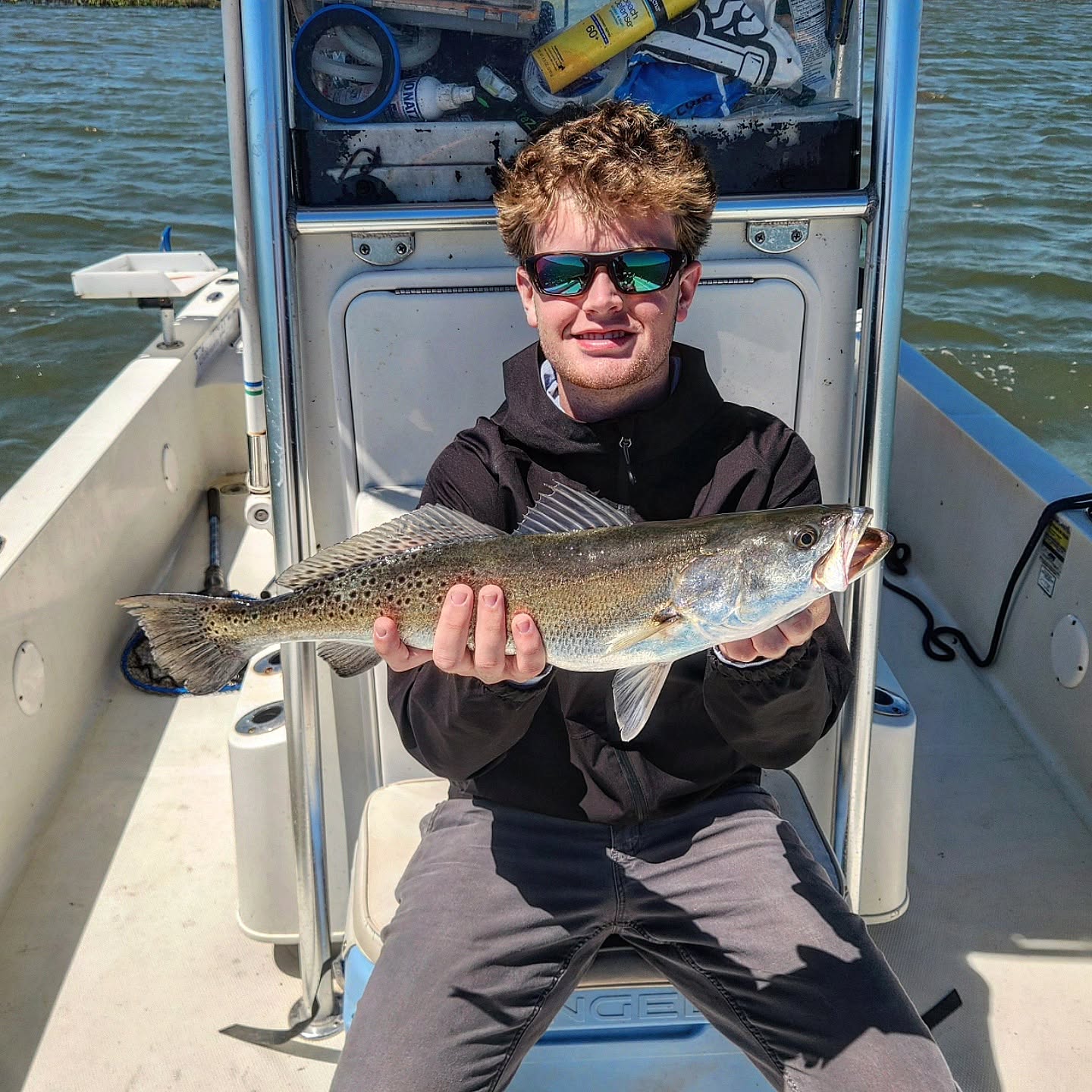
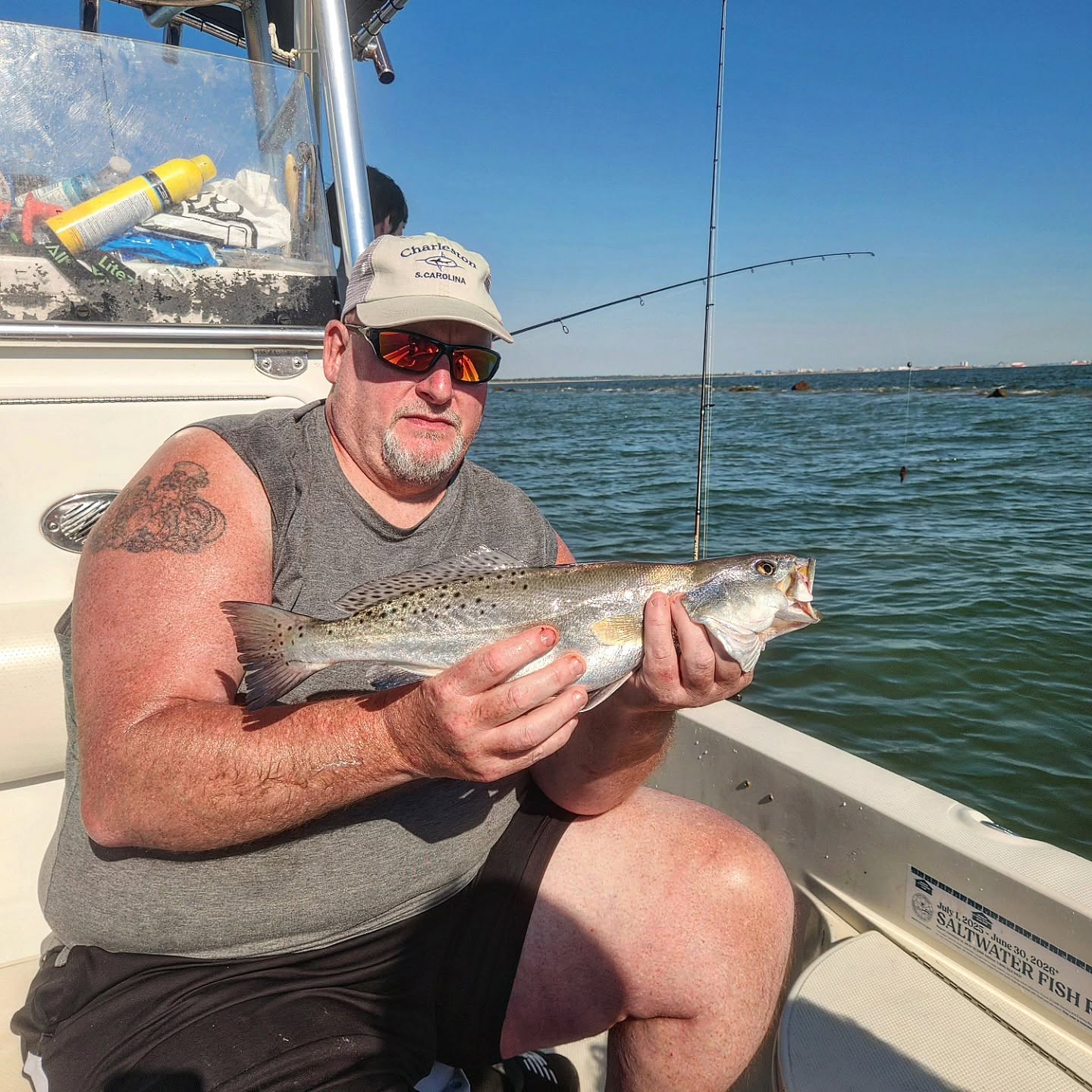
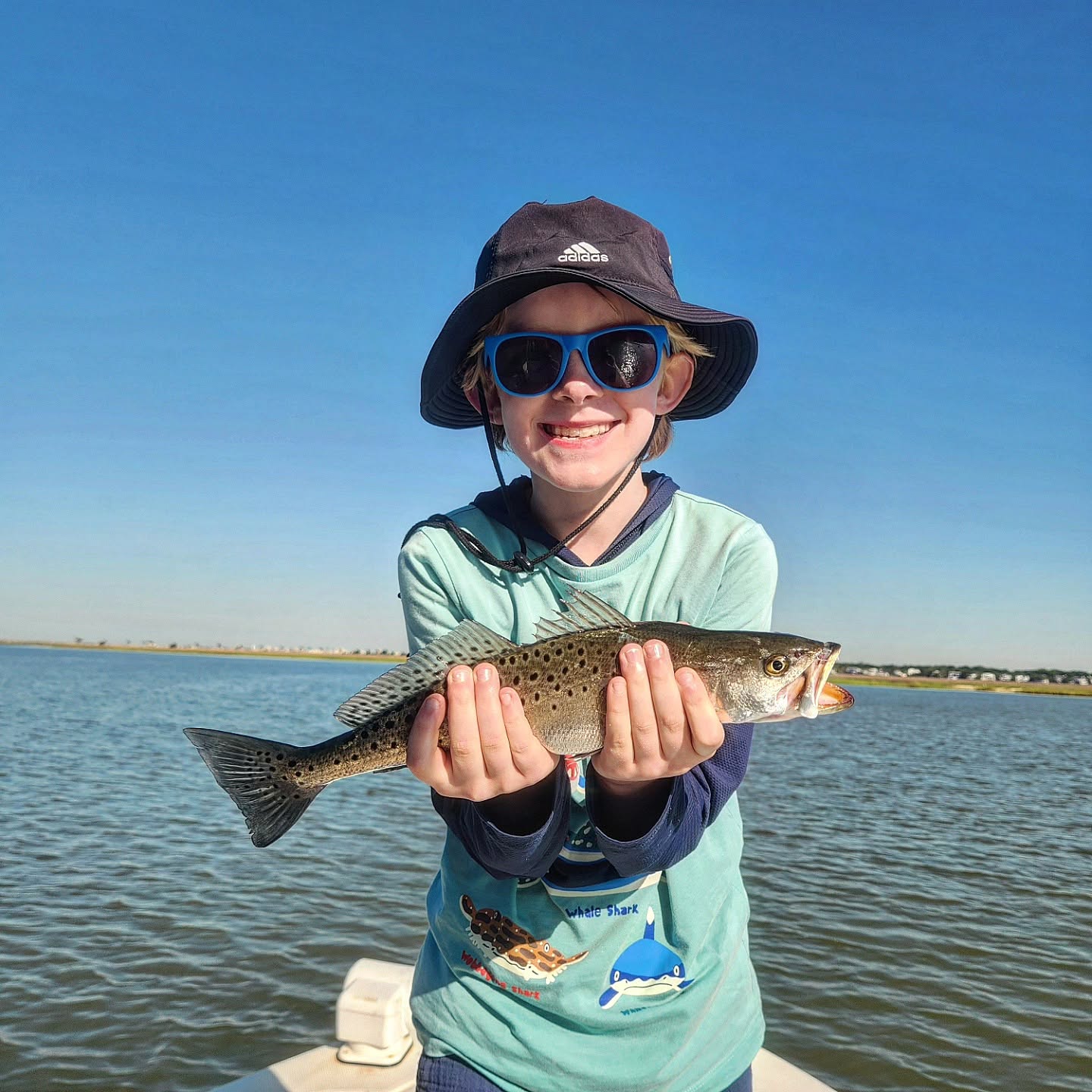
Speckled trout are Charleston's most consistent performers, available year-round with peak action from spring through fall. These beautiful fish typically run 14-20 inches, with occasional "gator" trout pushing well over 24 inches. They love grass flats and drop-offs, especially during low-light periods. Trout are incredibly structure-oriented, relating to everything from submerged logs to subtle depth changes. They're also one of the best eating fish in our waters, making them a customer favorite for anglers who enjoy their catch at the dinner table. Their aggressive nature and willingness to hit both live and artificial baits makes them perfect for honing your presentation skills.
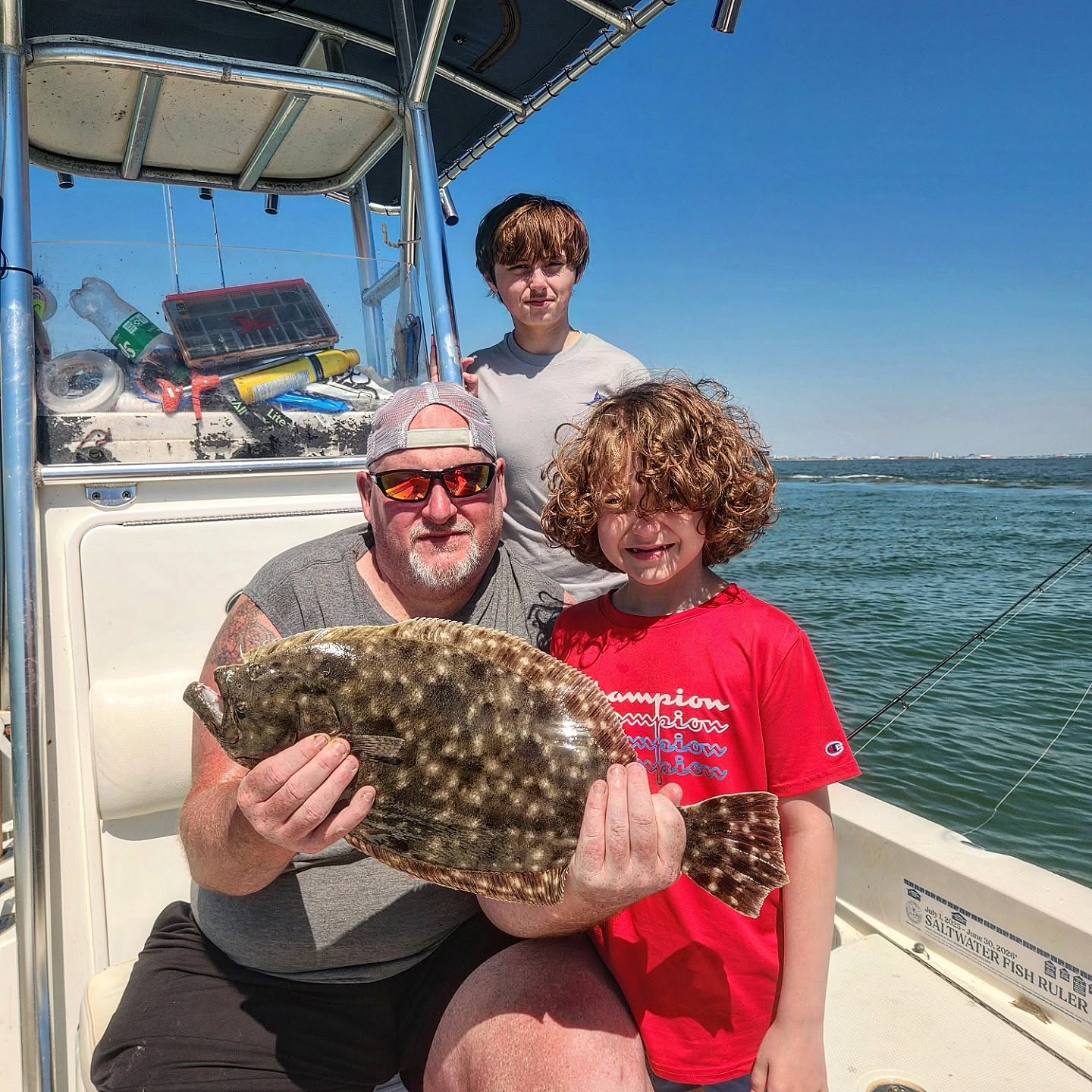
Flounder are the masters of camouflage in Charleston's sandy and muddy bottoms, typically running 16-22 inches with doormat-sized fish possible. These flatfish are most active during warmer months and provide a completely different fishing experience. Success comes from slow, methodical presentations along bottom structure and drop-offs. They're notorious for short-striking, requiring patience and precise hooksets. When you connect with a quality flounder, their surprisingly strong runs and ability to use their flat profile against the current makes for memorable battles.
Sheepshead are Charleston's craftiest inshore species, known for their bait-stealing abilities and crushing bite. These black-and-white striped fish average 12-16 inches around structure like docks, jetties, and oyster bars. They're most active during cooler months when many other species slow down. Sheepshead fishing requires finesse – light tackle, sharp hooks, and lightning-fast reflexes. They're also exceptional table fare, with firm white meat that rivals any reef fish. Their human-like teeth and curious nature make them one of our most interesting species to target.
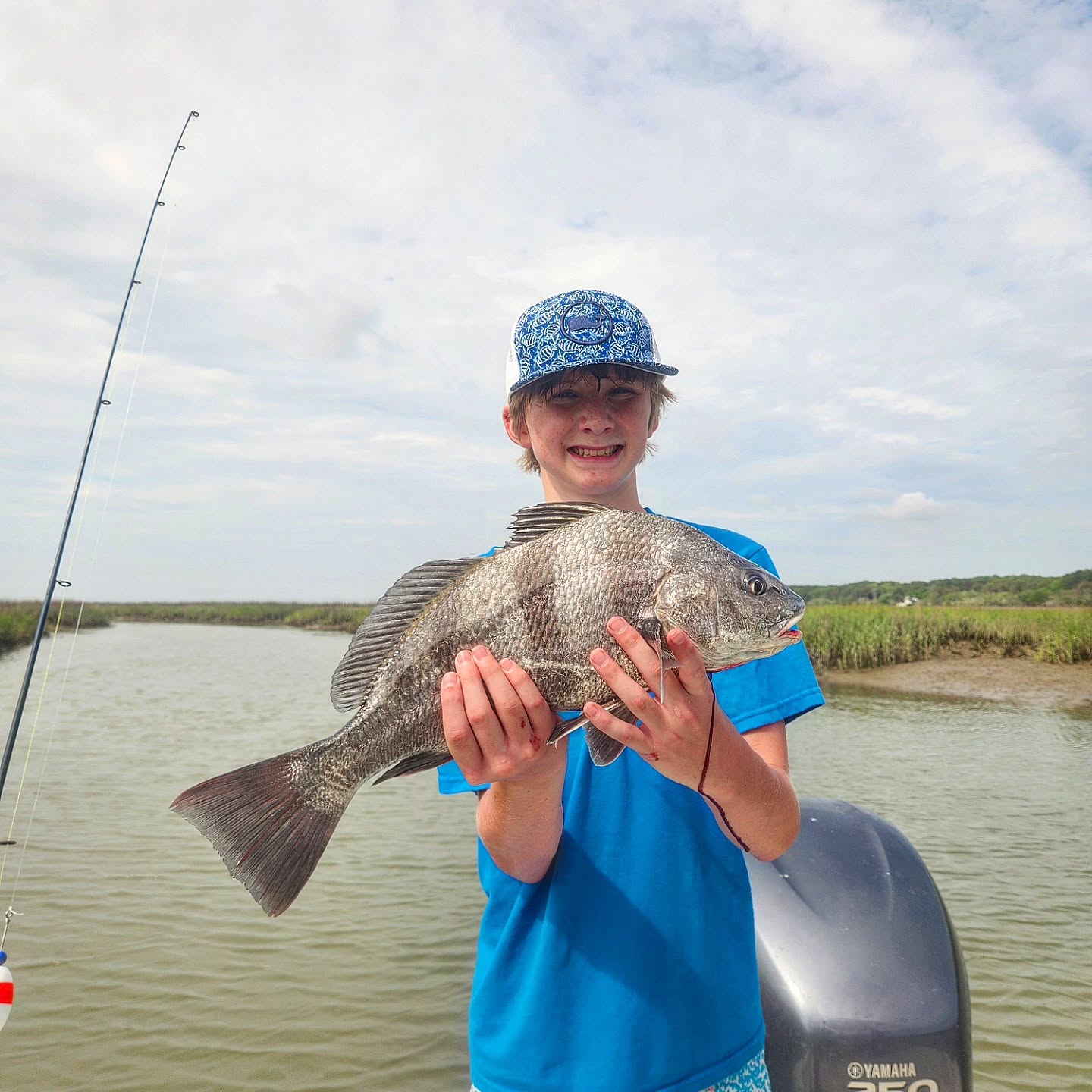
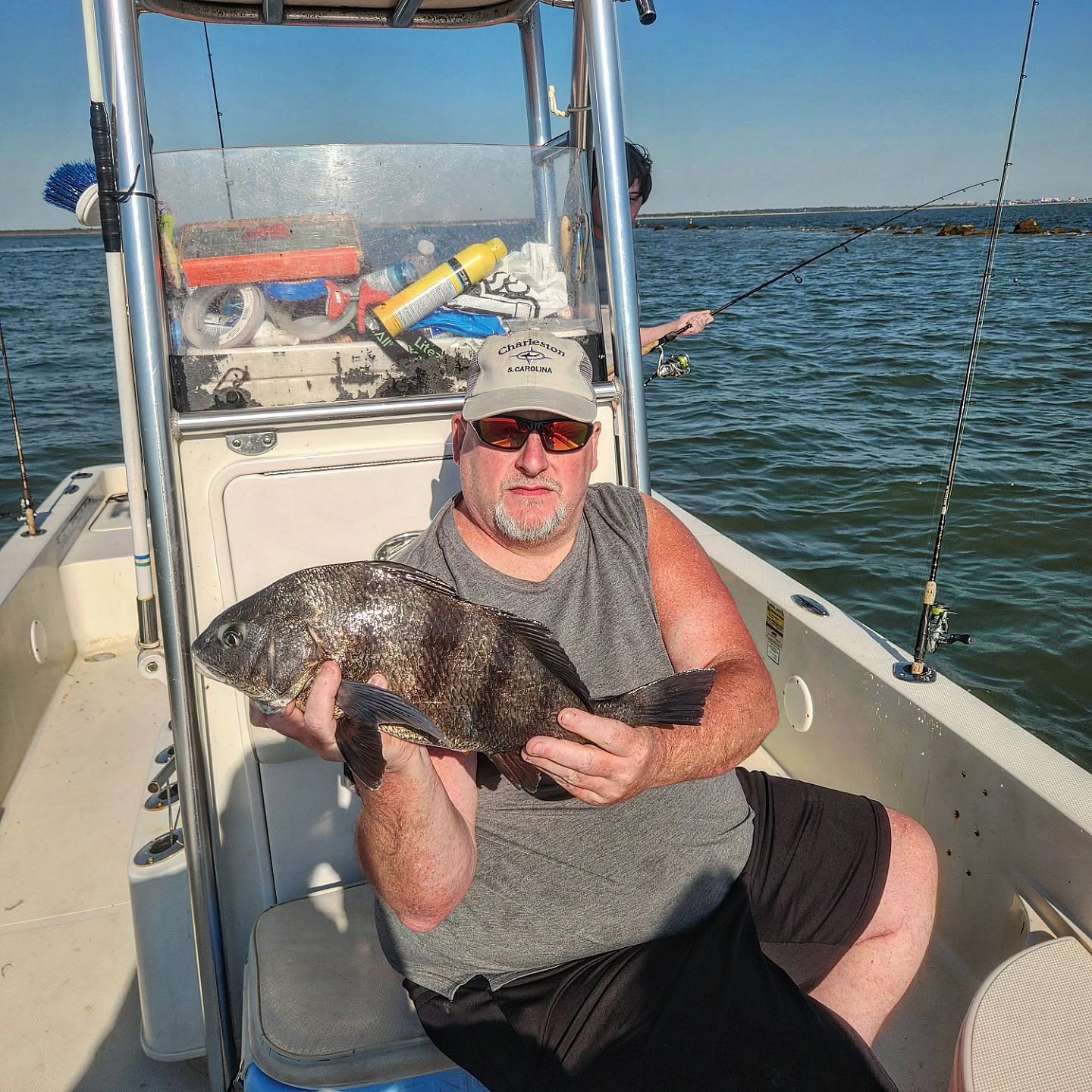
Black drum provide the trip's heavy artillery, with fish commonly reaching 30-40 pounds in Charleston waters. These bottom-dwellers are found around oyster bars and deeper channels, especially during cooler months. They're incredible fighters, using their bulk and powerful tails to make long, sustained runs. Larger drum are primarily catch-and-release due to regulations, but the experience of battling a 40-pound fish on inshore tackle is something every serious angler should experience. Their drumming sound, created by specialized muscles, can actually be felt through the boat hull when schools are present.
Time to Book Your Spot
 Private Trip
 Inshore Fishing
 Charleston, SC
 Professional guide targets redfish, trout, flounder using advanced techniques