Take on a Challenge: Tarpon Fishing in St. Petersburg
Captain Matt Rogers knows where the silver kings lurk in St. Petersburg's productive waters, and he's ready to put you on some serious tarpon action. This isn't your typical inshore trip - we're talking about battling fish that can stretch over six feet and jump clean out of the water when they feel that hook. Whether you've got four hours to burn or want to go all-in with an eight-hour adventure, Triple Threat Outfitters has you covered. The boat holds up to three anglers, so you won't be fighting for space when that fish of a lifetime shows up. Captain Matt's been working these flats and channels for years, and he'll share every trick he knows to help you land one of Florida's most respected gamefish.
What to Expect on the Water
Your day starts early when the tarpon are most active and the boat traffic is light. Captain Matt will have the gear rigged and ready - we're talking heavy spinning tackle and conventional reels spooled with serious line because these fish don't mess around. The waters around St. Pete offer some of the best tarpon fishing in Florida, with shallow flats, deep channels, and structure that holds bait. You'll spend time sight-fishing when conditions are right, watching for those telltale shadows and rolling fish. When the bite is on, you might find yourself doubled up with another angler, both fighting fish at the same time. Don't expect this to be easy - tarpon fishing is called the ultimate challenge for good reason. These fish will test your endurance, your tackle, and your patience. But when you see that first jump and feel the raw power on the other end of your line, you'll understand why anglers travel from around the world just for this experience.
Tackle Setup & Techniques
Captain Matt runs quality gear designed specifically for tarpon - think 7000-series spinning reels loaded with 50-pound braid and 80-pound fluorocarbon leaders. Circle hooks are the standard here, both for better hookups and fish conservation. Live bait is king when it comes to tarpon, and you'll be fishing with everything from threadfin herring to blue crabs depending on what the fish are feeding on. The captain will position the boat based on tide, wind, and where he's been seeing fish roll. Sometimes that means anchoring up on a good flat and waiting for the fish to come to you. Other times you'll be sight-casting to cruising tarpon in shallow water. The key is staying ready - when a tarpon eats, you need to let the fish turn and start moving before setting the hook. Too early and you'll pull the bait right out of their mouth. The fight that follows can last anywhere from 20 minutes to over an hour, with multiple jumps that will have your heart pounding. Captain Matt will coach you through every step, from the hookset to getting that fish boatside for photos and release.
Species You'll Want to Hook
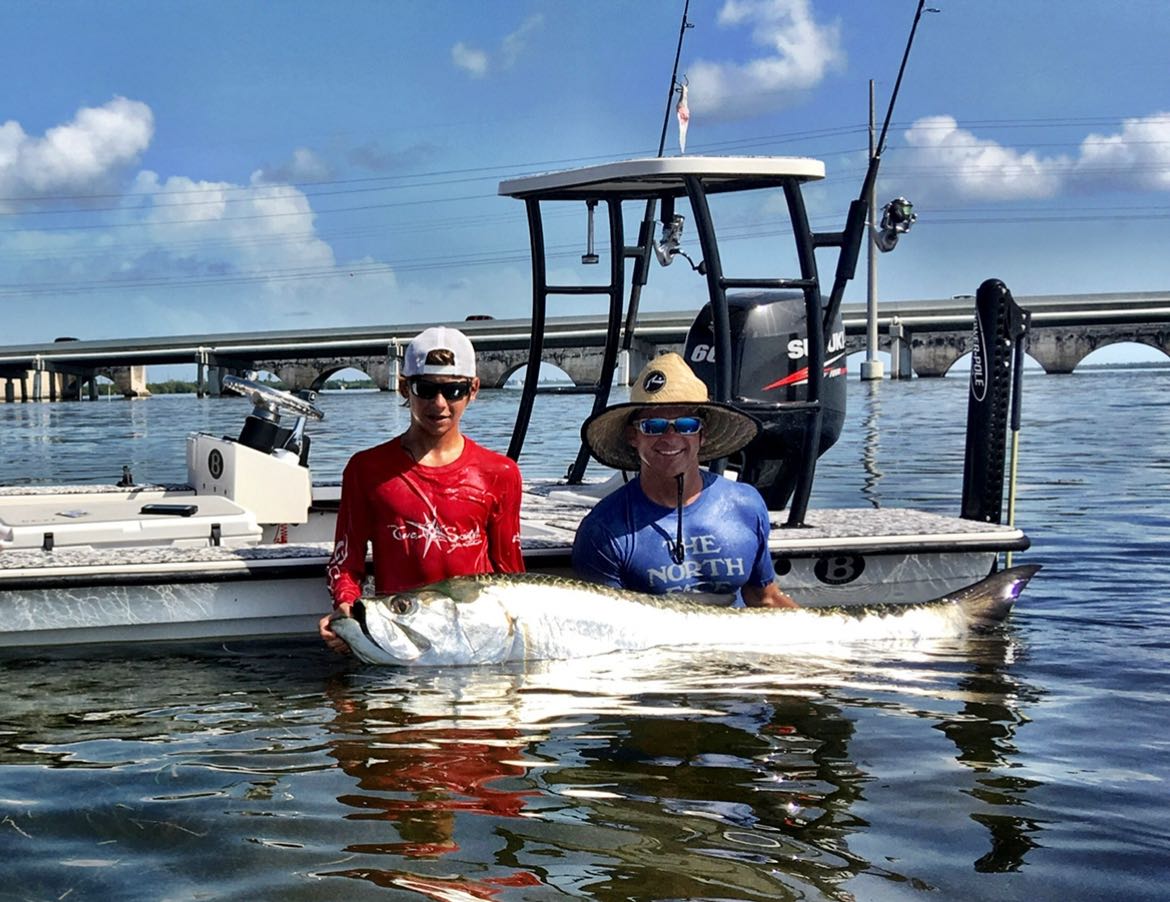
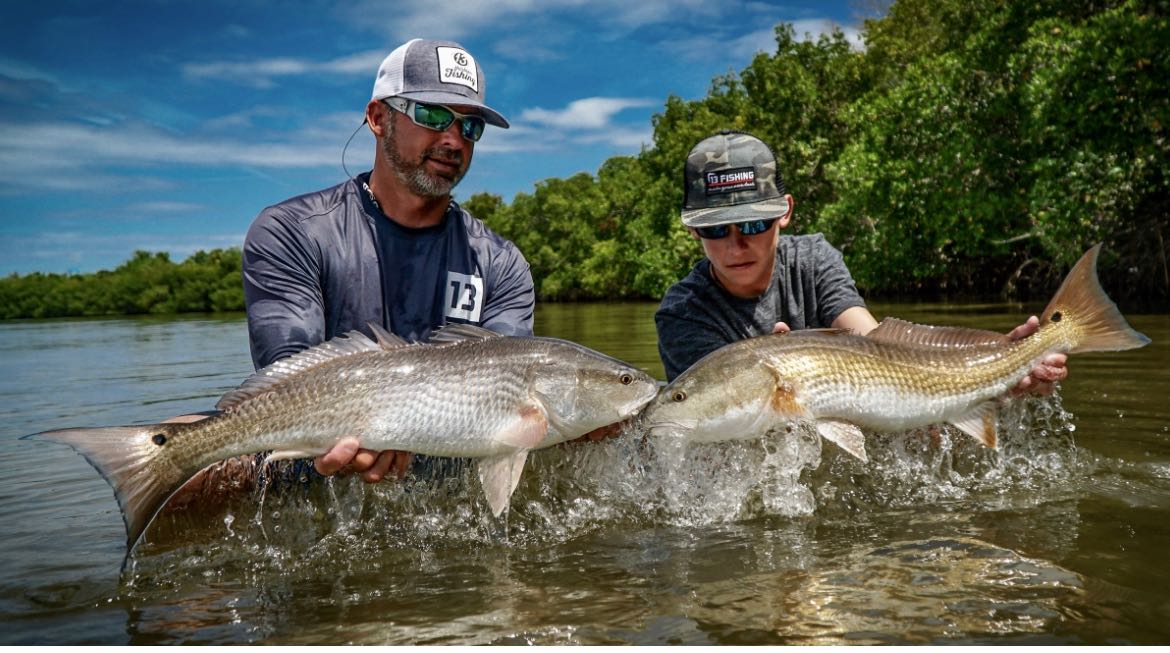
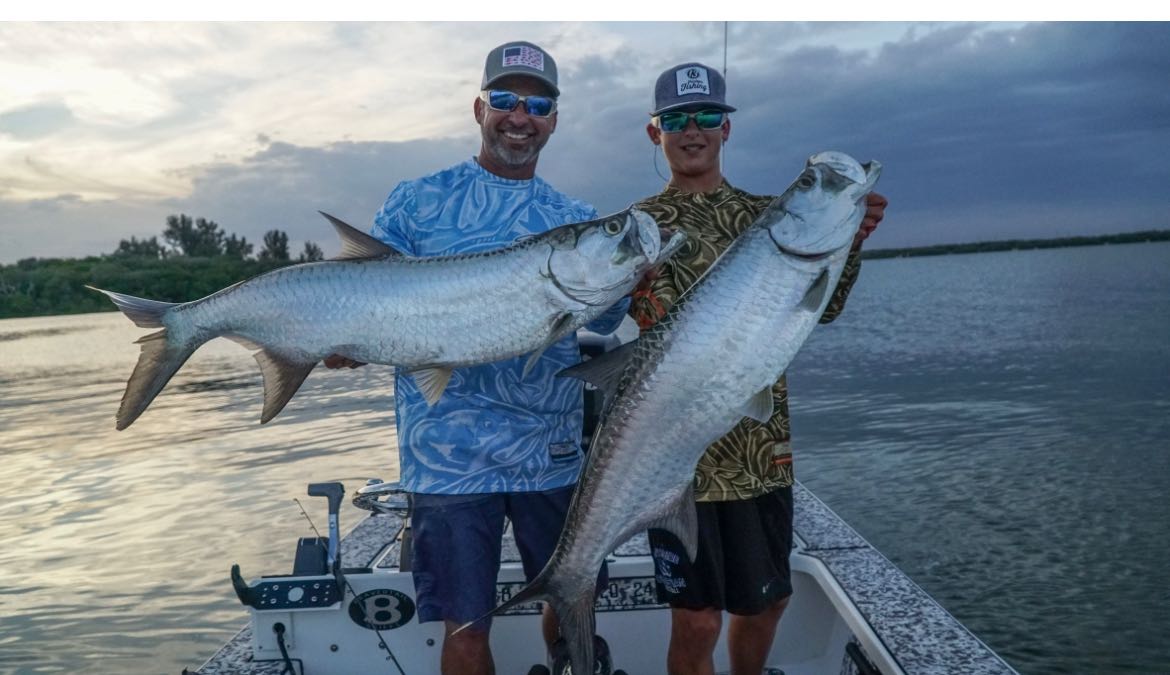
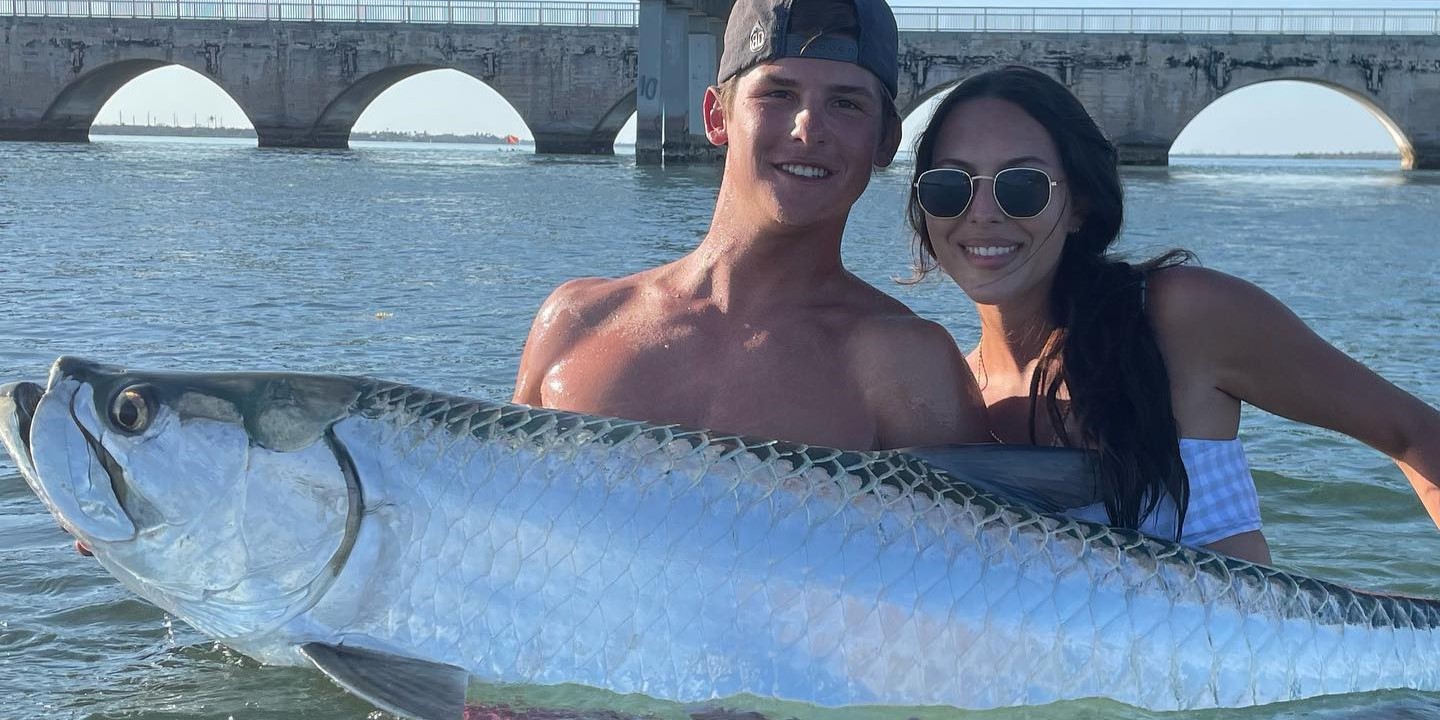
Tarpon are the undisputed kings of inshore fishing, and St. Petersburg sits right in the heart of some of the best tarpon water on the Gulf Coast. These silver giants can reach weights over 200 pounds and lengths of eight feet, though most fish you'll encounter run between 80 and 150 pounds - still plenty big enough to provide the fight of your life. Peak season runs from April through August, with May and June offering the most consistent action as massive schools migrate through Tampa Bay. What makes tarpon special isn't just their size - it's their aerial displays. A hooked tarpon will jump repeatedly, sometimes clearing the water by six feet or more, gill plates rattling and trying to throw the hook. They're ancient fish, virtually unchanged for millions of years, with the ability to gulp air from the surface when oxygen levels drop. You'll often see them rolling on the surface, which is how Captain Matt locates them. The fishing can be feast or famine - you might go hours without a bite, then suddenly find yourself in the middle of a school with fish jumping all around the boat. That's tarpon fishing - unpredictable, challenging, and absolutely addictive once you hook your first silver king.
Time to Book Your Spot
Tarpon fishing with Captain Matt Rogers isn't something you stumble into - it takes skill, patience, and local knowledge to consistently put anglers on these legendary fish. The four-hour trip gives you a solid taste of what tarpon fishing is all about, while the eight-hour adventure maximizes your chances of hooking multiple fish and really experiencing everything St. Petersburg's waters have to offer. With only three spots available per trip, you're getting personalized attention and plenty of room to fight these powerful fish. Captain Matt provides all the heavy tackle you'll need, plus the local expertise that makes the difference between a good day and a legendary one. Whether you're checking tarpon off your bucket list or you're a seasoned angler looking for your next challenge, Triple Threat Outfitters delivers the kind of fishing experience that keeps anglers coming back year after year. Book your spot now and get ready to battle one of the ocean's most respected gamefish in some of Florida's best tarpon water.
 Private Trip
 Inshore Fishing
 St. Petersburg
 Target mighty tarpon with experienced Captain Matt Rogers