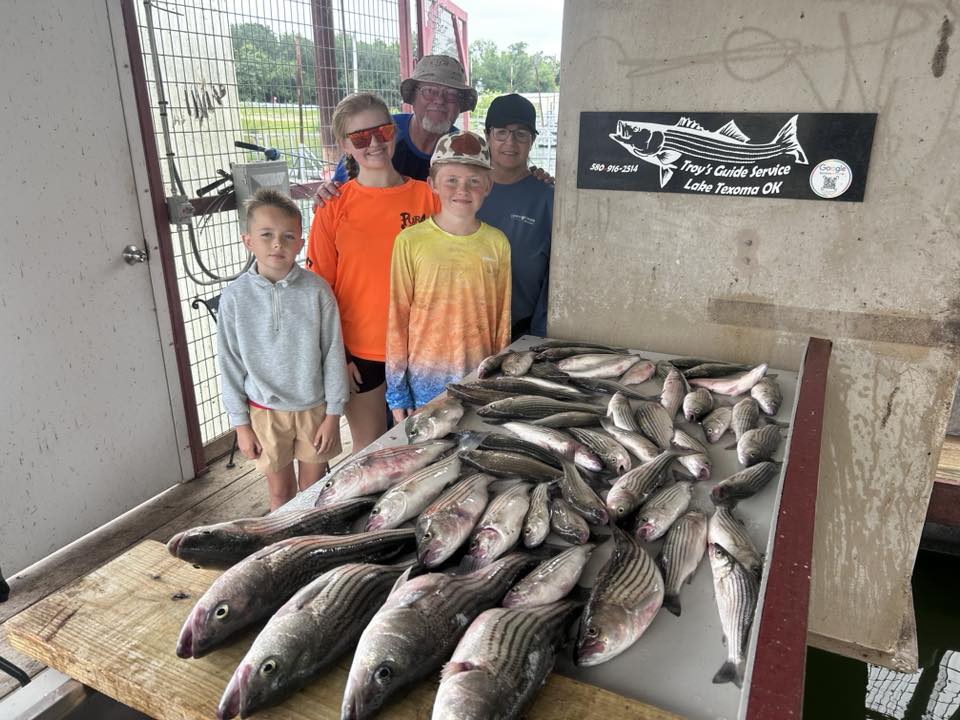
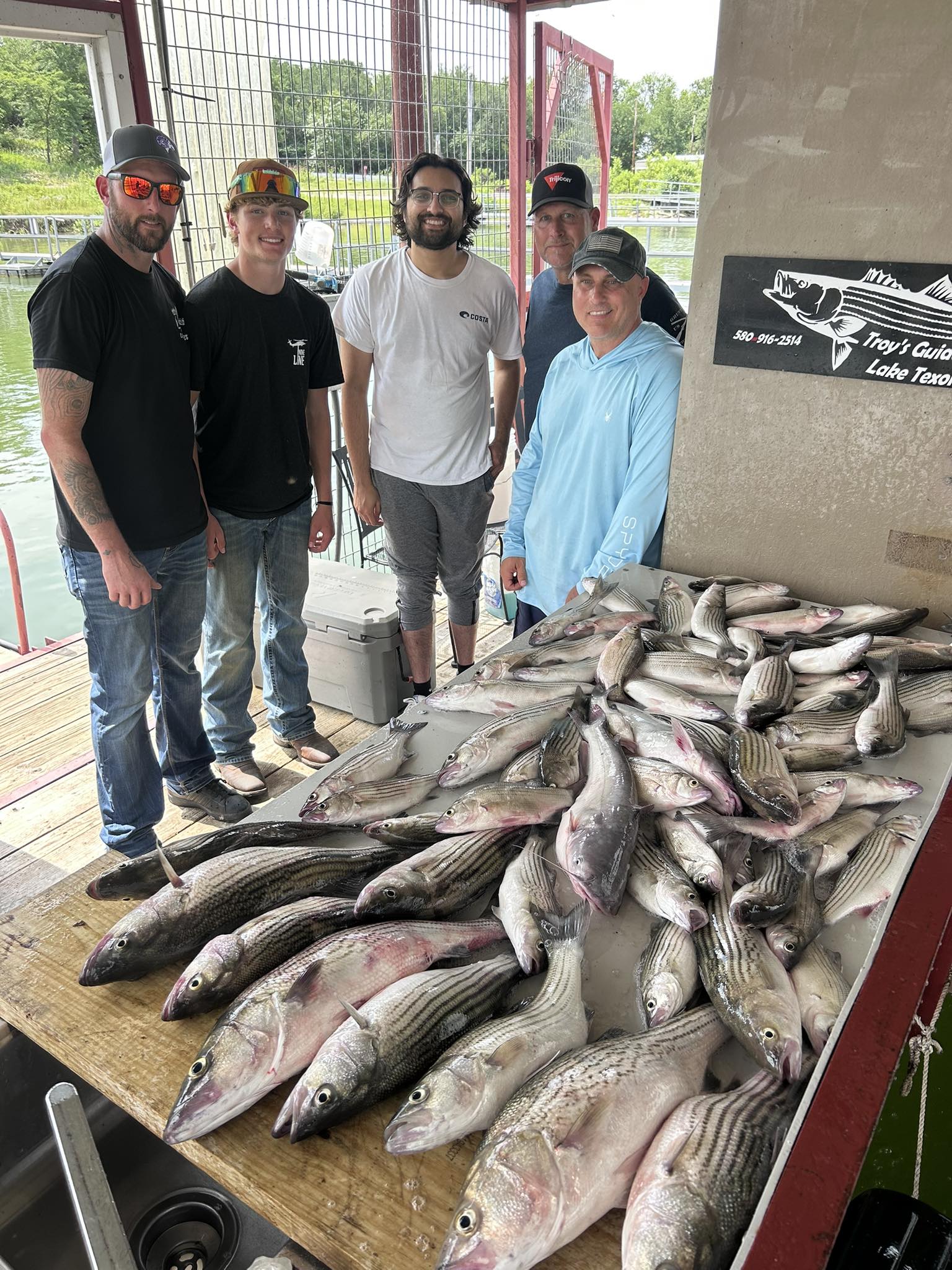
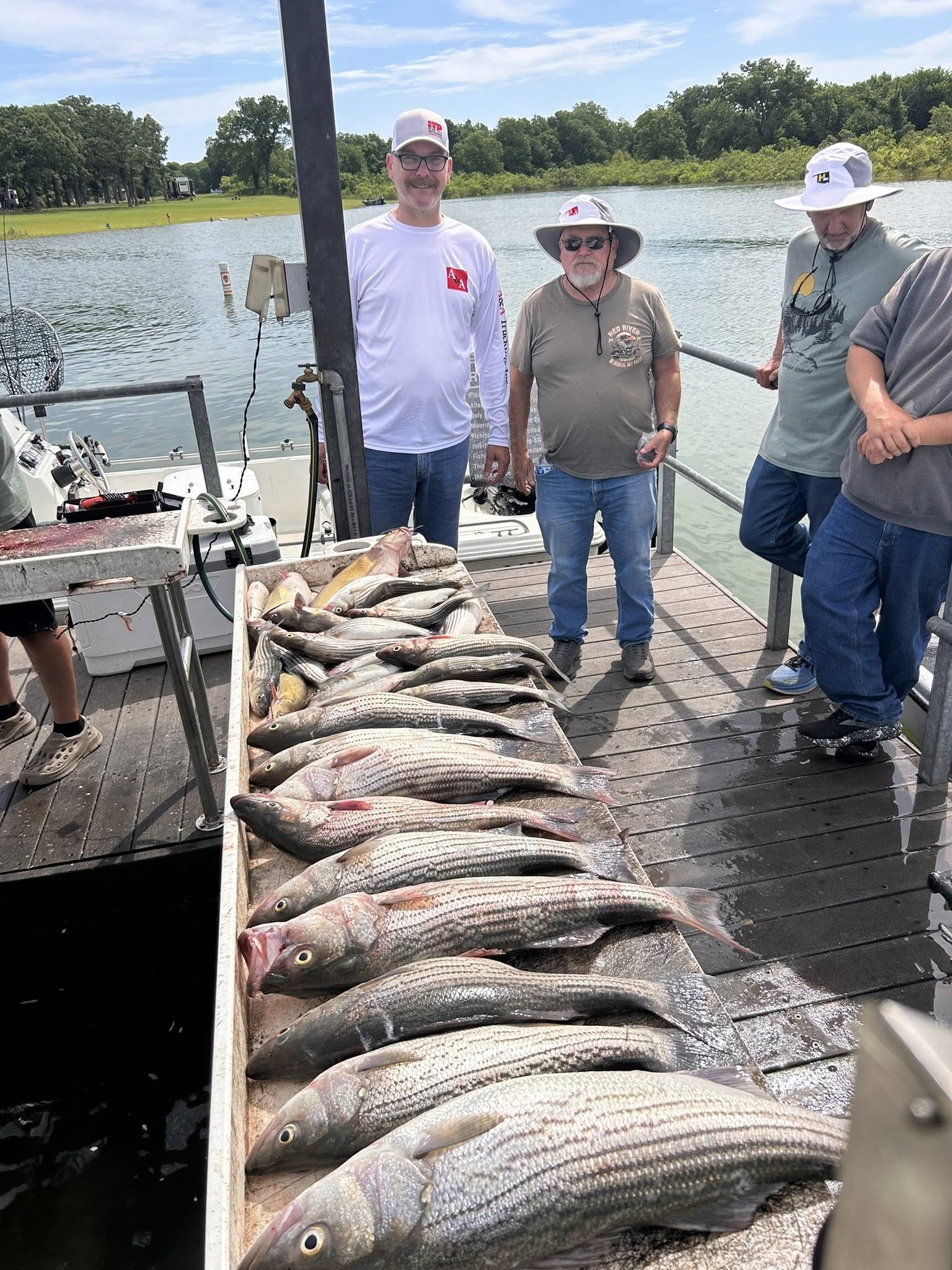
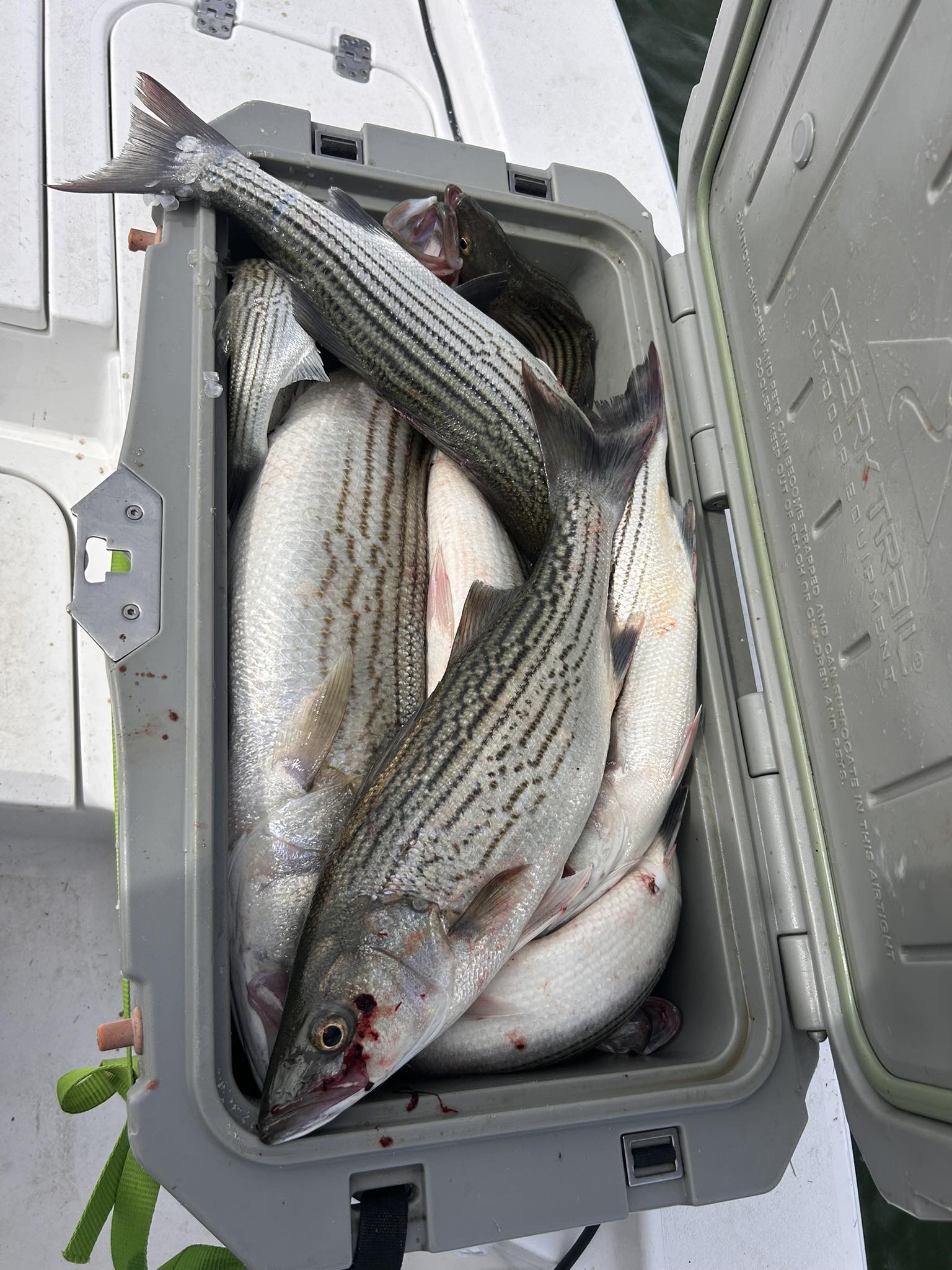
Lake Texoma Winter Catfish and Striper Trip
When most folks think winter fishing means slow action, they haven't fished Lake Texoma with Troy's Guide Service. This top-rated cold-weather combo trip turns the season's challenges into your advantage, targeting aggressive striped bass and monster catfish when they're feeding heavy before the deep winter lockdown. We're talking about a specialized approach that combines multiple techniques in one trip – from live bait presentations to deadsticking setups that'll have you connected to some serious fish. Whether you're a weekend warrior or someone who's never held a rod, this trip is designed to put you on fish when the lake's at its winter best.
What to Expect on the Water
We typically launch shortly after sunrise when the water temperature and fish activity align perfectly for this combo approach. Lake Texoma's winter patterns create unique opportunities – the stripers are schooled up and feeding aggressively, while the catfish are staging in predictable areas where we can maximize our time. You'll experience the versatility that makes this lake legendary, switching between casting sassy shads for stripers to setting up drift presentations for cats. The beauty of this trip is the variety – one minute you're feeling the distinctive head-shake of a winter striper, the next you're locked up with a blue cat that's testing every bit of your drag system. All premium rods, reels, and tackle are included, so you can focus on the fishing instead of worrying about gear. Just remember to grab your Lake Texoma fishing license before we head out – it's required and deposits are non-refundable once you're booked.
Proven Winter Techniques
This isn't your typical warm-weather approach – winter fishing on Texoma requires specific techniques that work with the season's conditions. We'll start with juglines set early to capitalize on catfish movement patterns, giving us passive fishing opportunities while we actively work stripers with live bait and casting presentations. The sassy shad technique is deadly on winter stripers – these lures mimic the shad that bass are keyed in on during the colder months. When we switch to deadsticking, you'll learn why this patient approach is so effective for trophy catfish – the subtle presentation triggers strikes from fish that won't chase fast-moving baits. Drift fishing rounds out our arsenal, letting us cover water efficiently while maintaining the right bait presentation speed. The jugline option gives guests flexibility – some love checking lines and experiencing that anticipation, while others prefer staying focused on rod-and-reel action. Either way, you're learning time-tested methods that work specifically in Texoma's winter conditions.
Target Species You'll Want to Hook
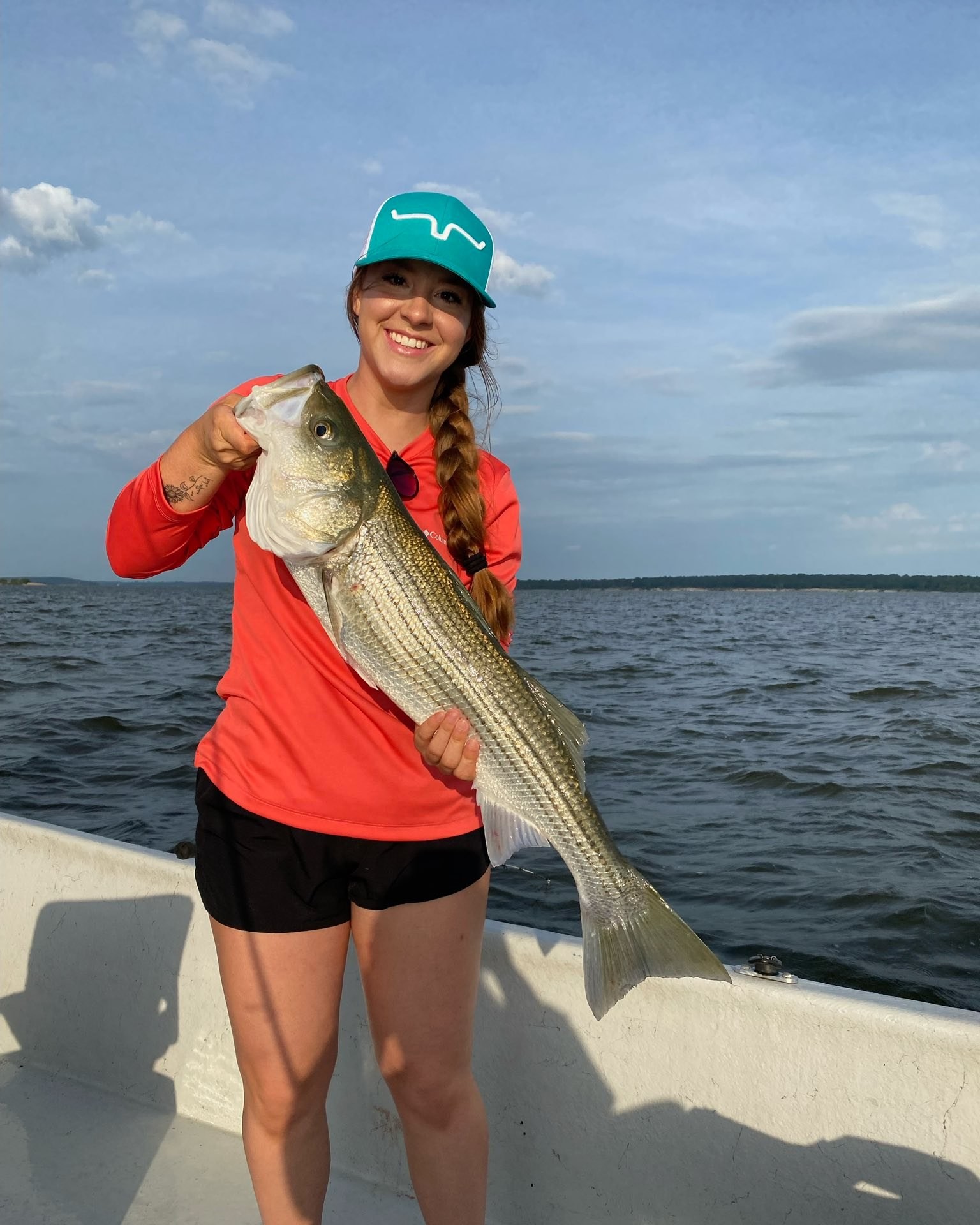
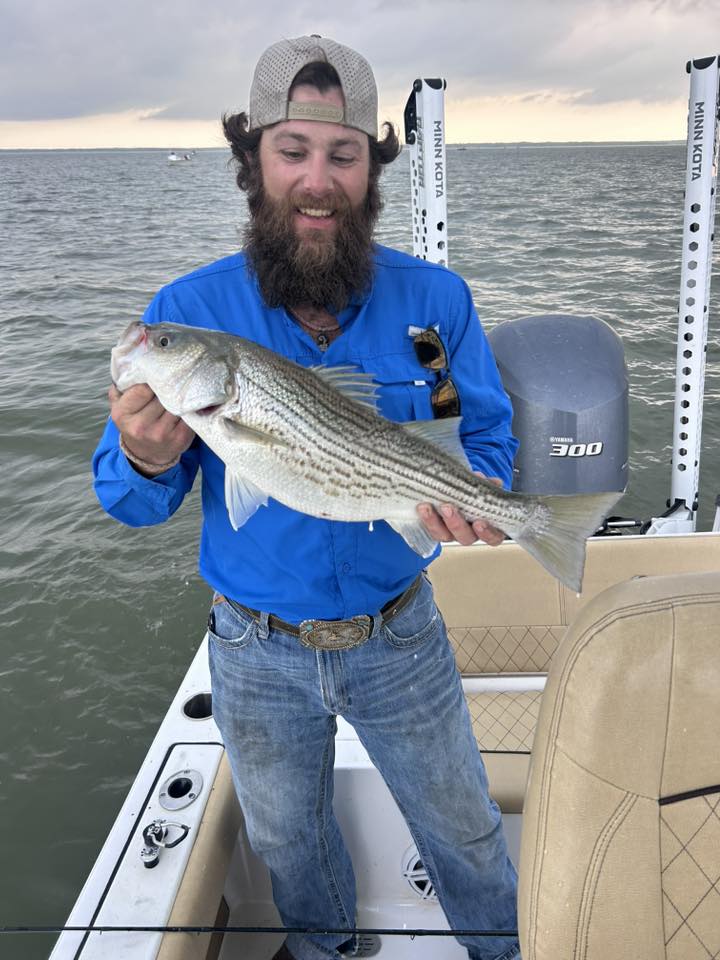
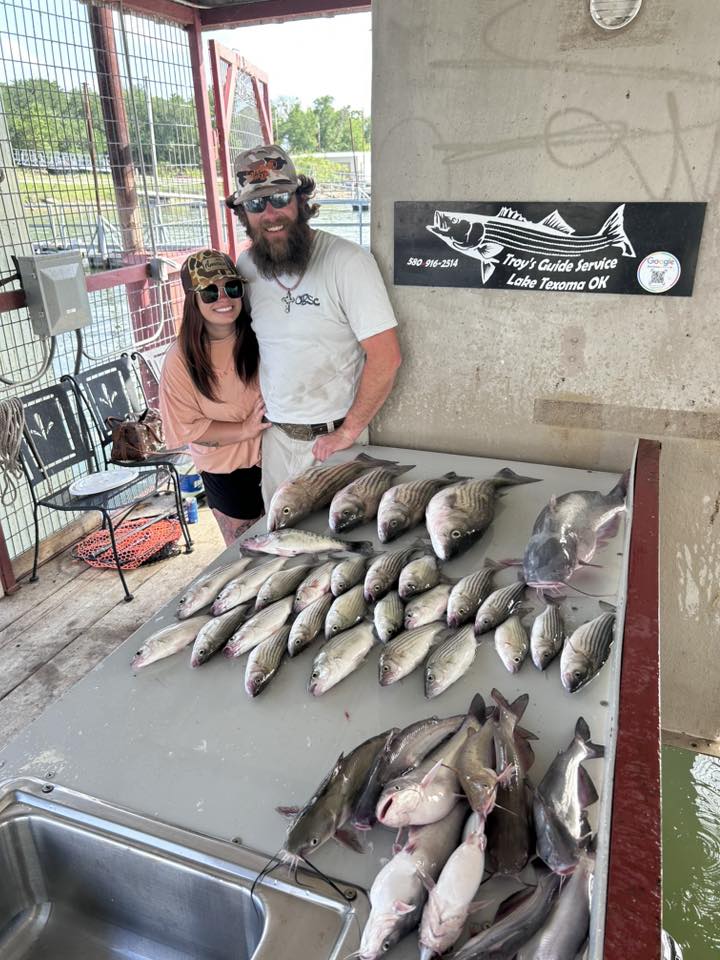
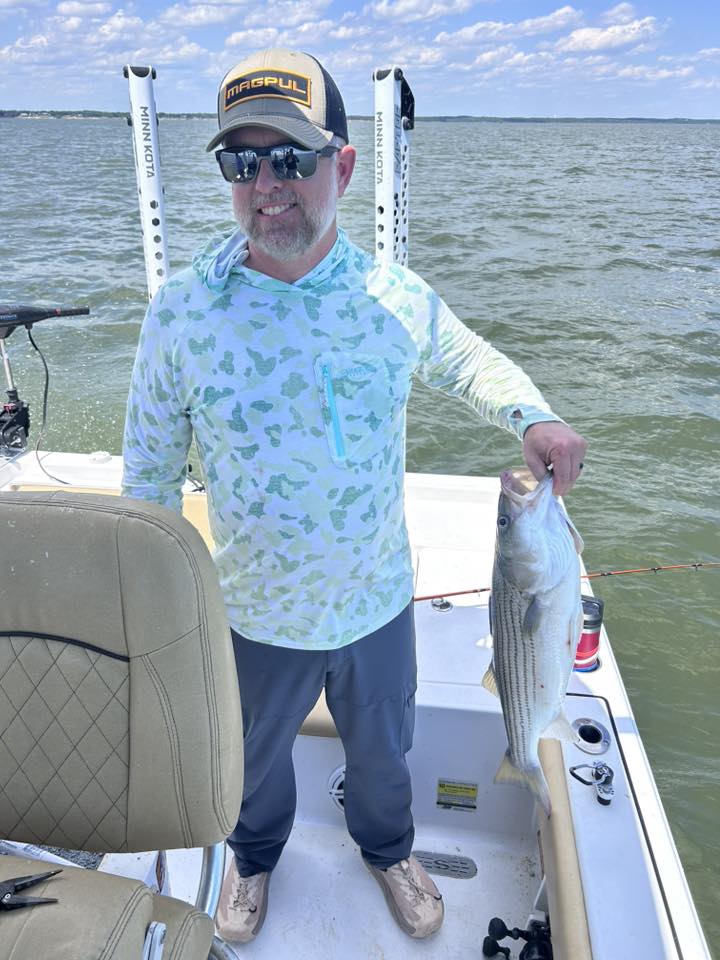
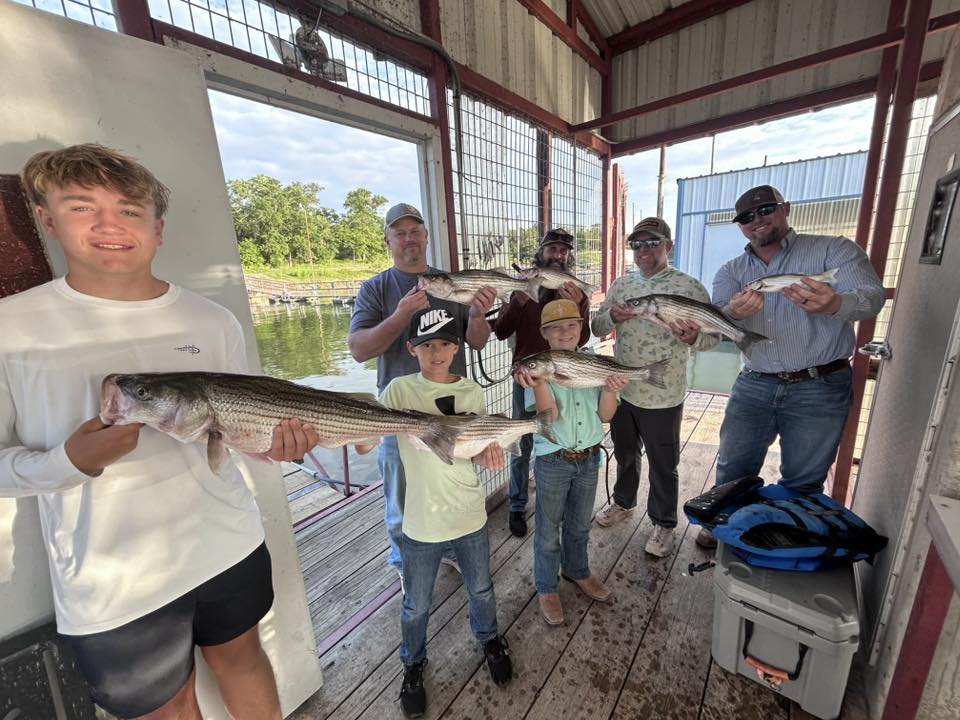
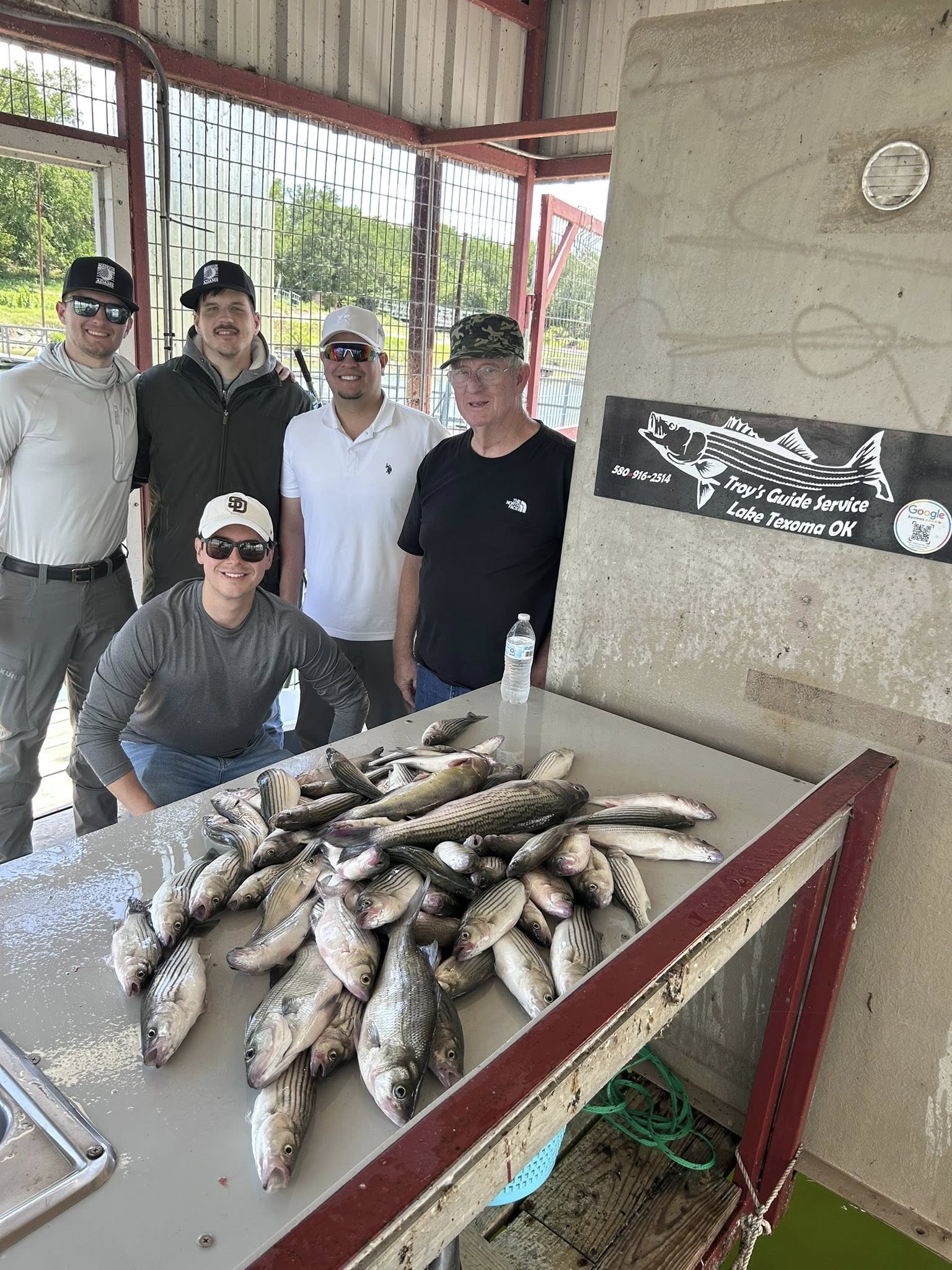
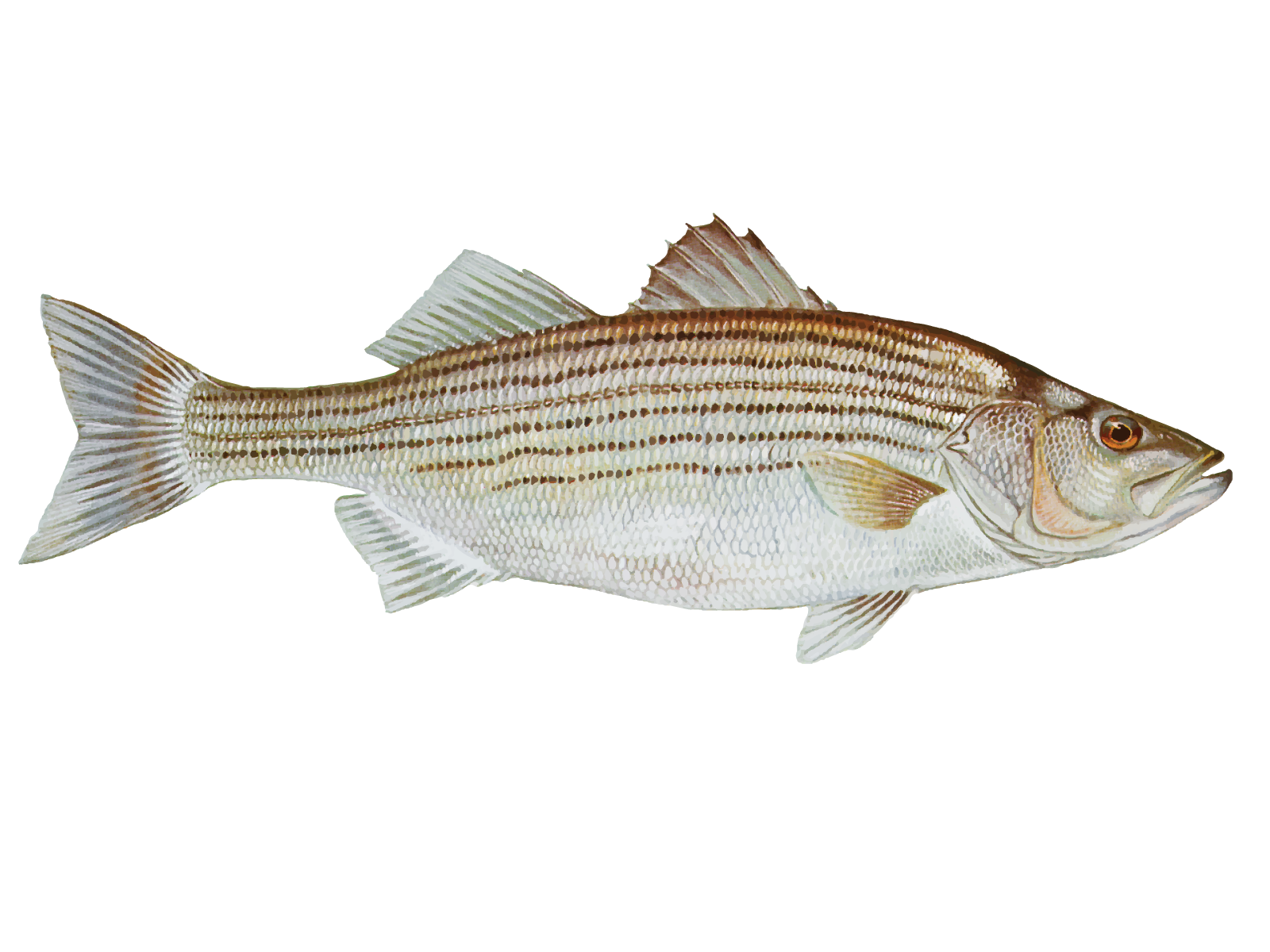
Striped bass are the stars of Texoma's winter show, and for good reason. These silver rockets school up tight during cold weather, creating opportunities for multiple hookups when you find them. Winter stripers average 3-8 pounds but don't be surprised by fish pushing double digits – they're feeding heavily to maintain energy through the cold months. The best action typically happens in the first few hours after sunrise when water temperatures stabilize. What makes stripers so exciting is their fight – they'll make screaming runs and jump clear of the water, testing your reflexes and drag settings. The key to winter stripers is finding the thermoclines where they suspend, and that's where local knowledge pays off big time.
Channel catfish might not get the glamour treatment, but they're customer favorites for their reliability and table fare quality. These fish stay active through winter and average 2-5 pounds, with plenty of opportunities for fish in the 8-12 pound range. Channels are perfect for anglers wanting consistent action – they bite aggressively and fight hard for their size. They're also excellent eating, making them ideal for guests planning a fish fry. Winter channels often hold in specific structure areas where they're feeding on dying shad, and once you locate them, the action can be non-stop.
Blue catfish are the bruisers that make this trip legendary. These bottom-dwelling giants can exceed 30 pounds on Texoma, and winter is prime time for trophy blues. They're less active than channels but when they bite, you know it – blues provide that steady, powerful fight that'll have you questioning your tackle choices. The deadsticking technique is particularly effective for blues because they prefer a stationary presentation during colder months. Landing a 20-plus pound blue catfish is a memory that sticks with anglers for years, and Texoma consistently produces fish in this class.
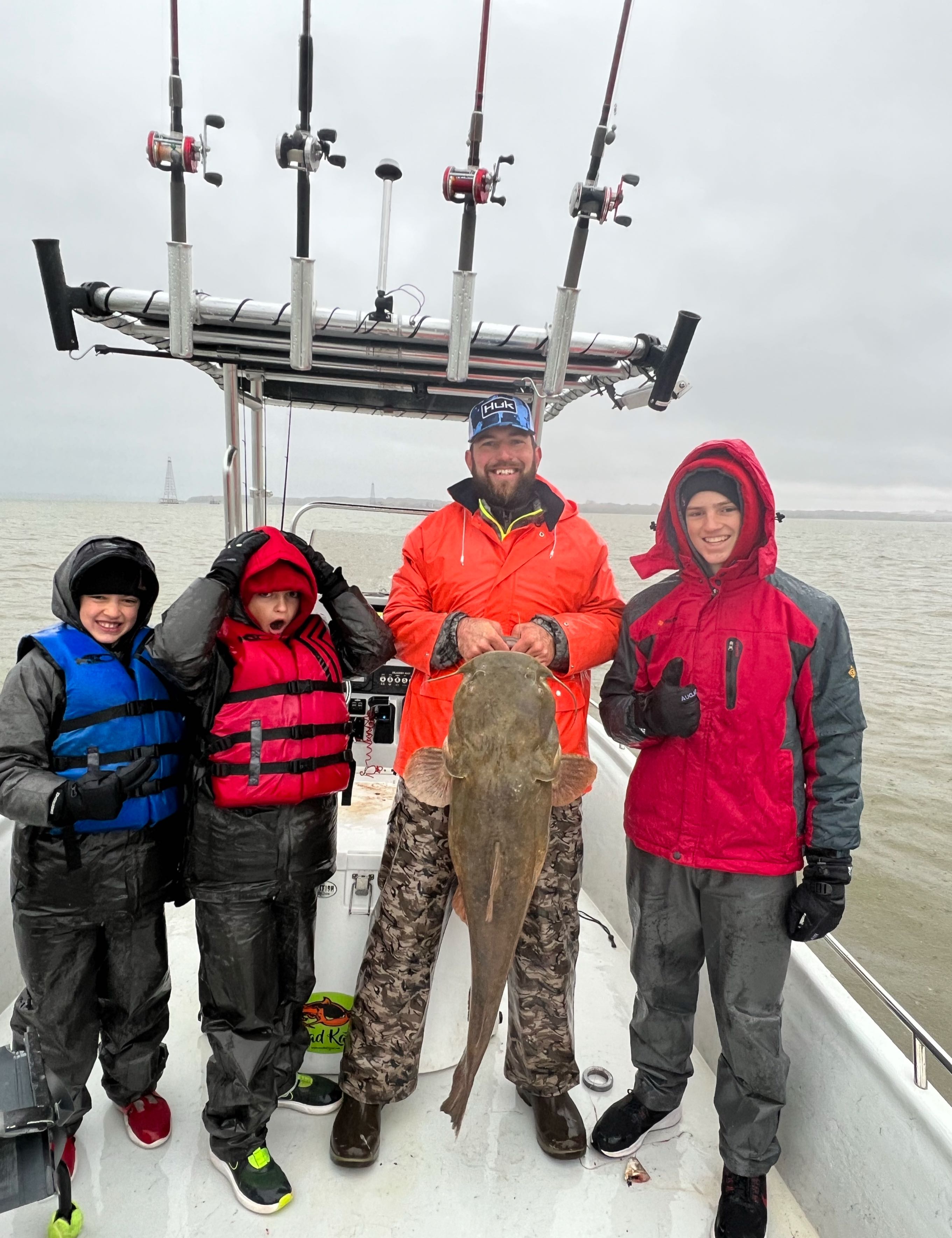
Flathead catfish round out the slam opportunity, though they're more opportunistic catches during winter months. These ambush predators prefer live bait and can reach impressive sizes – 20-40 pound flatheads aren't uncommon on Texoma. What makes flatheads special is their fighting ability and the challenge they represent. They're notorious for finding structure to wrap your line around, so when you hook one, the battle is as much about technique as it is about tackle. Flatheads are also prized for their firm, white meat that's considered superior table fare among catfish species.
Time to Book Your Spot
Winter fishing on Lake Texoma offers some of the year's most consistent action, but the window is limited by weather and seasonal patterns. This combo approach maximizes your time on the water by targeting multiple species with techniques that work specifically in cold-weather conditions. With a maximum capacity of three guests, you're getting personalized attention and instruction that'll improve your fishing skills long after the trip ends. Troy's Guide Service has built its reputation on putting clients on fish when others struggle, and this winter combo trip showcases exactly why local knowledge and specialized techniques matter. The combination of stripers and catfish means action throughout the trip – when one bite slows down, we're already positioned for the next opportunity. Don't let winter keep you off the water when some of the year's best fishing is happening right now.
 5.0(1 Reviews)
 Private Trip
 Lakes/Reservoirs/Ponds Fishing
 Lake Texoma

 Winter catfish and striped bass combo fishing on Lake Texoma