Guided Tarpon Fishing Trip In Galveston
Ready to battle the legendary "Silver Kings" of the Gulf? This world-class tarpon fishing adventure puts you right in the action along Galveston Island and Bolivar Peninsula's prime nearshore waters. From August 7th through October 15th, these massive fish migrate through our backyard, creating some of the best tarpon fishing opportunities on the entire Gulf Coast. At $1,300 for up to two anglers, this 12-hour marathon fishing trip starts before dawn and keeps you on the water until you've had your fill of rod-bending action. Pack your patience and prepare your arms – when you hook into a 150-pound tarpon, you'll know why anglers travel from across the country to experience this fishery.
What to Expect on the Water
Your day kicks off at 5:30 AM sharp – and trust me, those early morning hours are worth every lost minute of sleep. We'll head out into the calm pre-dawn waters where tarpon have been feeding throughout the night, positioning ourselves in the most productive zones before the sun breaks the horizon. The beauty of this 12-hour trip is that we have time to chase fish as conditions change throughout the day. Morning usually brings the most explosive topwater action, while afternoon fishing often produces the biggest fish as they move into deeper channels. You'll have the freedom to choose your approach – throw artificials for that heart-stopping surface strike, or fish live bait for a more methodical approach that often brings bonus species like bull sharks and oversized redfish. The nearshore waters around Galveston Island and Bolivar Peninsula offer diverse structure and depth changes that tarpon love, from shallow flats to deeper ship channels where these fish stage during their seasonal migration.
Techniques and Tackle Setup
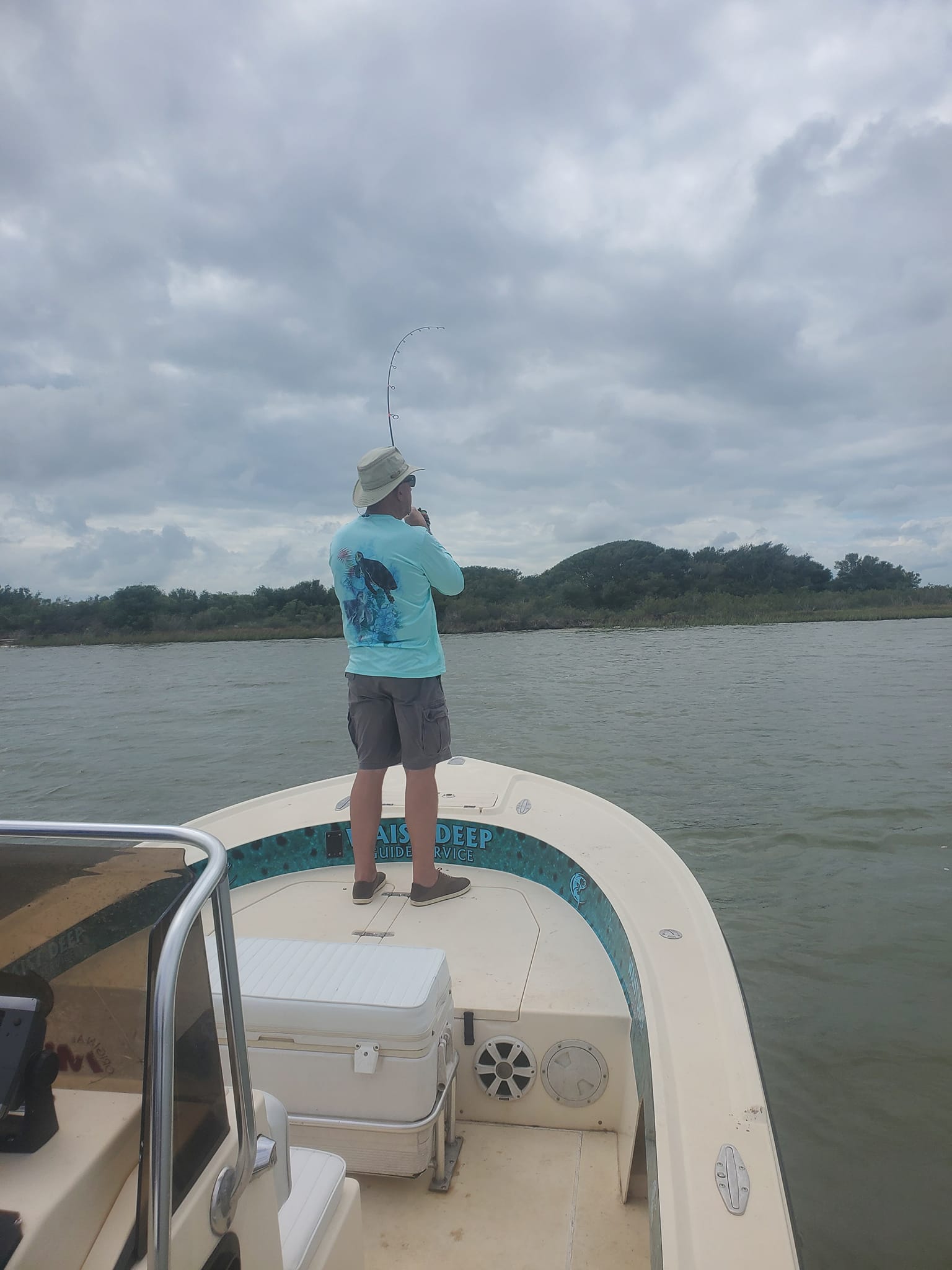
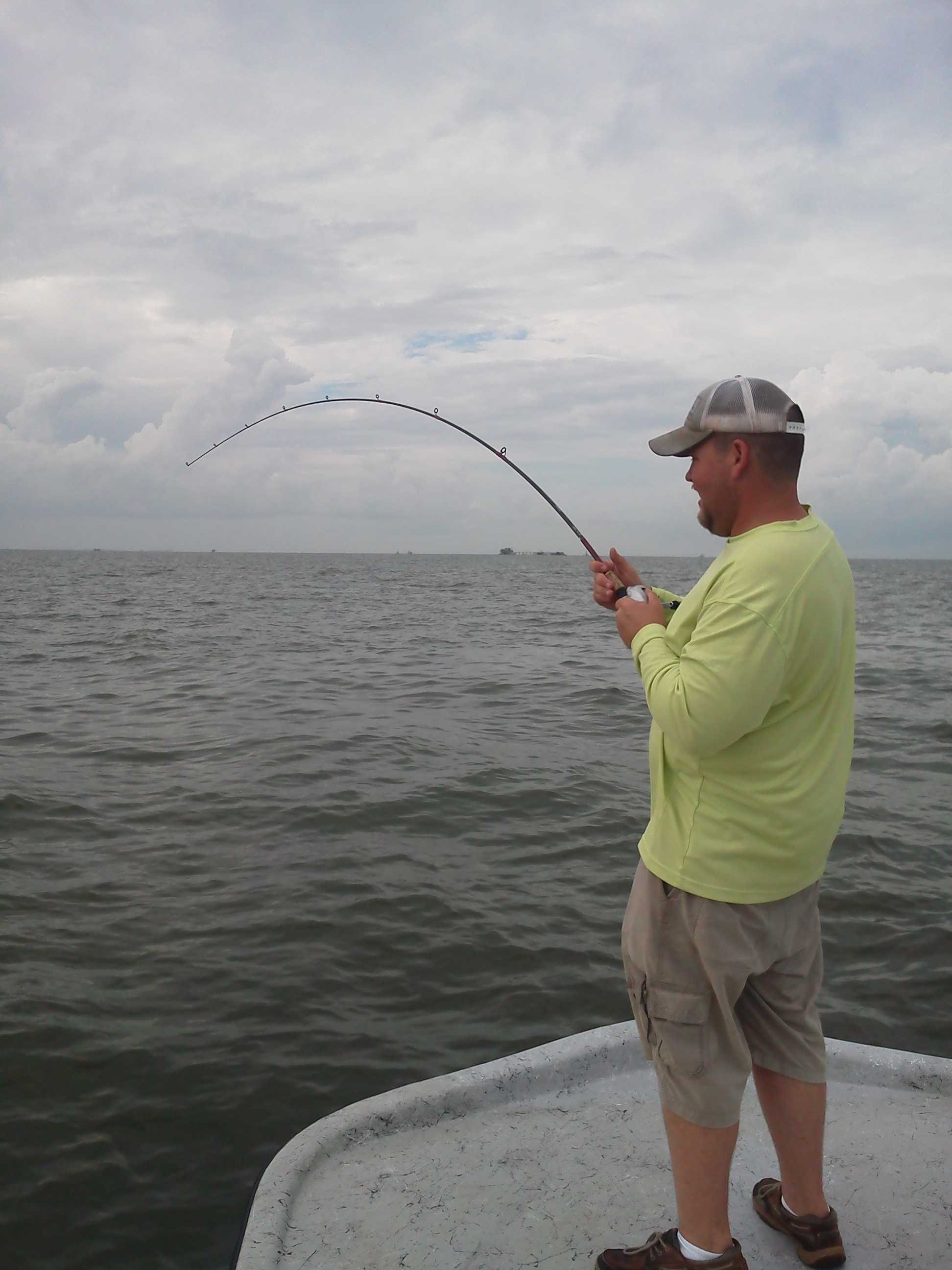
We'll match our tactics to what the fish are telling us each day. Lure fishing means casting large plugs, spoons, and soft plastics – watching for rolling fish and presenting your bait right in their path. There's nothing like seeing a six-foot tarpon explode on a topwater plug just 30 feet from the boat. When we switch to bait fishing, we're talking about live crabs, mullet, and shrimp presented on heavy tackle that can handle these bruisers plus whatever else decides to eat your offering. The tackle setup is crucial – we're using heavy spinning gear and conventional reels spooled with at least 50-pound test line, paired with circle hooks and strong leaders that can withstand tarpon gill plates and teeth. The drag system gets a real workout during these fights, which can last anywhere from 20 minutes to over an hour depending on the size of fish and how much fight they've got left. Don't worry if you've never tangled with fish this size before – I'll walk you through proper fighting techniques, including when to pump and wind, how to use the boat's leverage, and most importantly, how to stay safe when a 200-pound fish is thrashing next to the boat.
Top Catches This Season
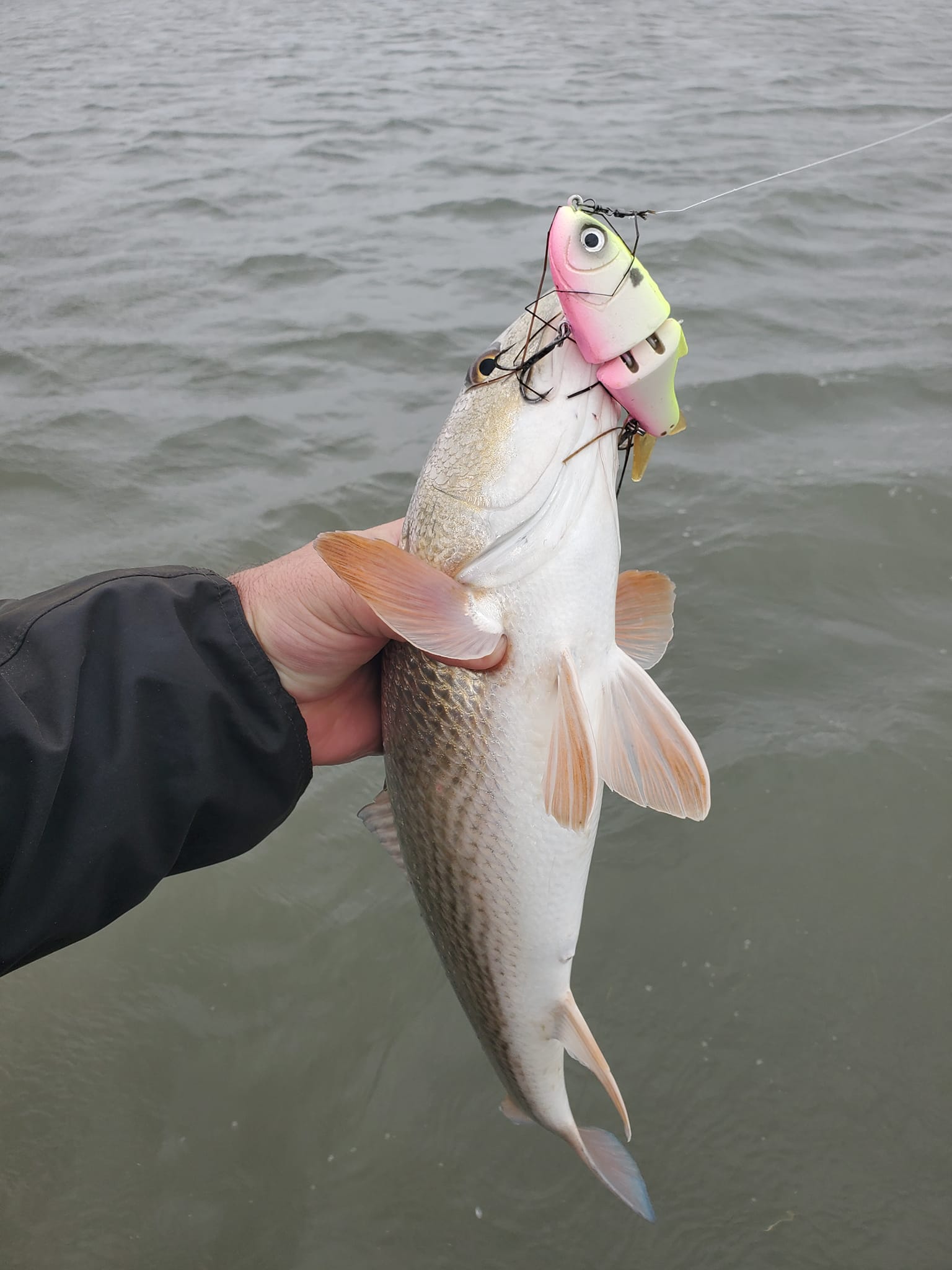
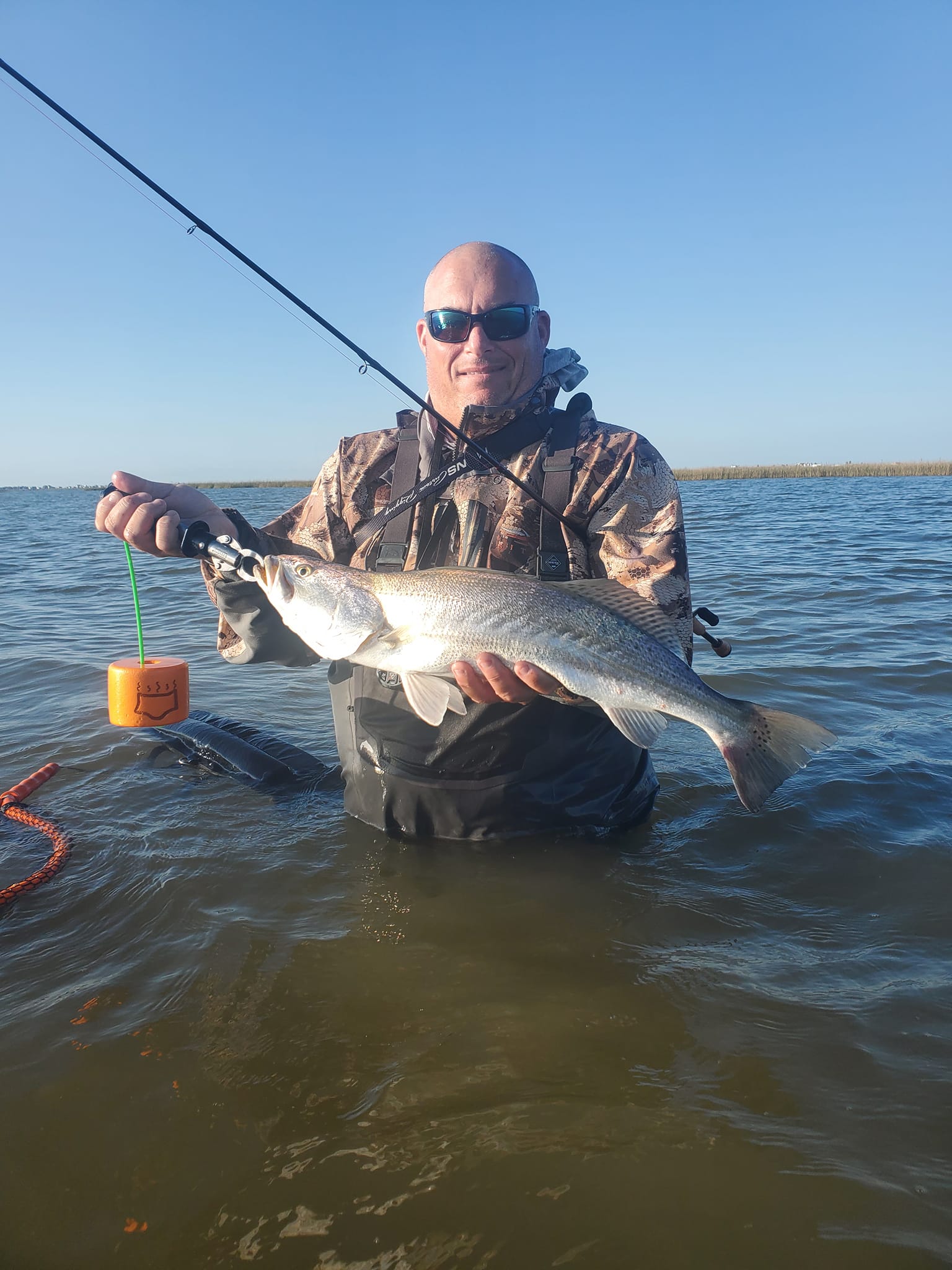
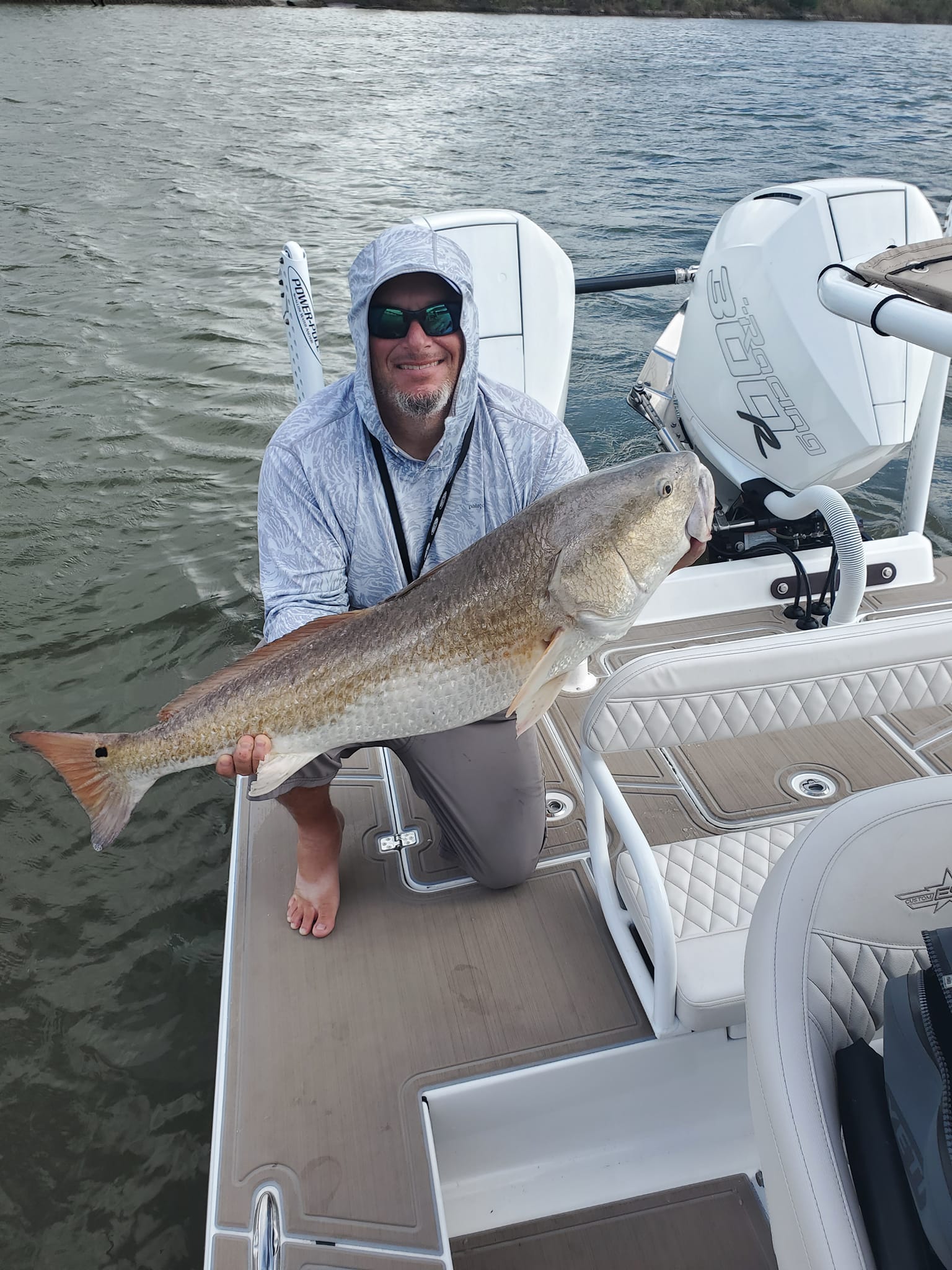
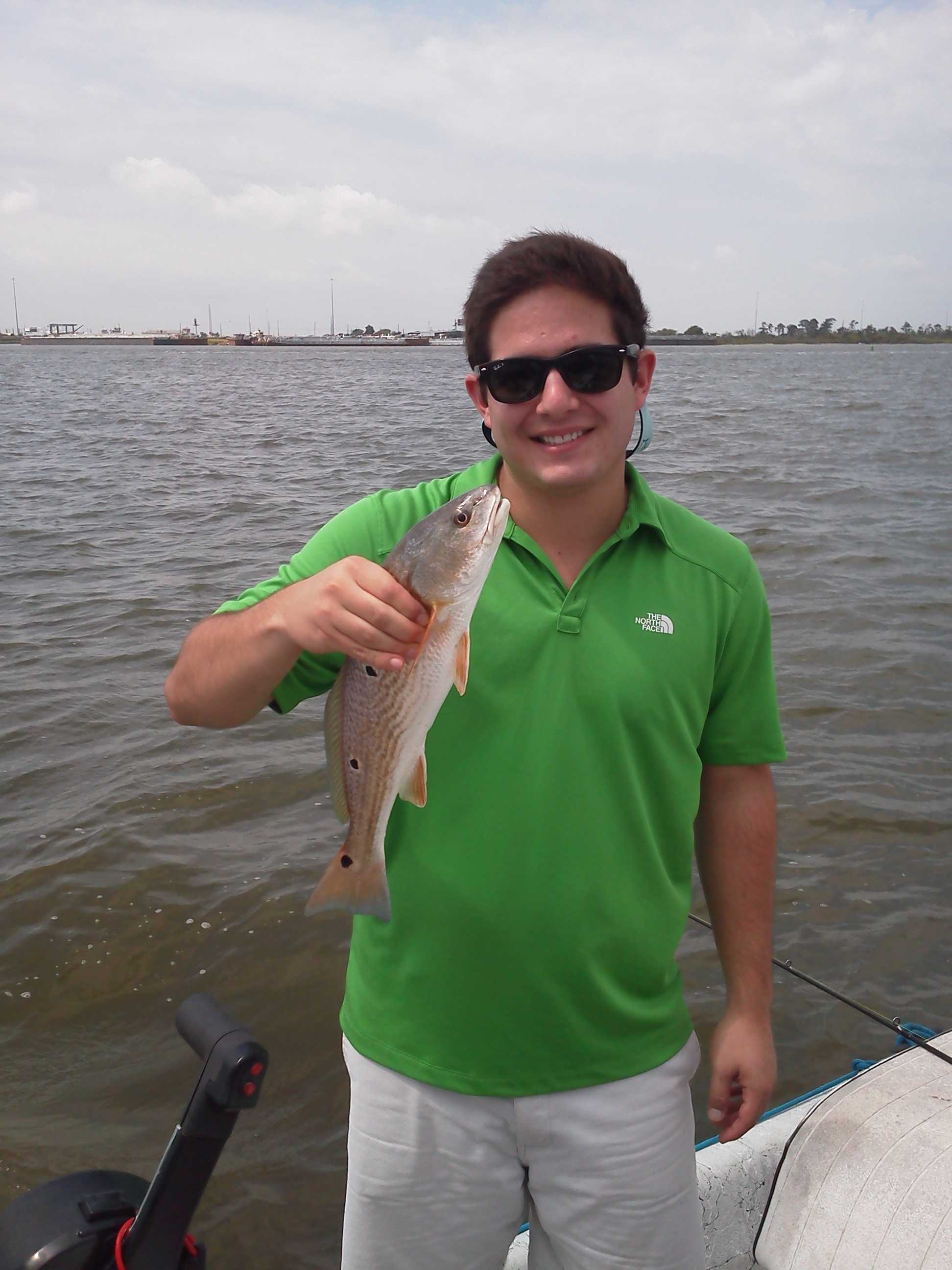
The waters around Galveston Island and Bolivar Peninsula have been producing some monster tarpon this season, with fish regularly hitting the 150 to 180-pound range. These aren't just numbers on a scale – we're talking about fish that can clear the water by four or five feet when they jump, putting on aerial displays that'll have you fumbling for your camera while trying to keep tension on the line. The bycatch has been equally impressive, especially when we're fishing with live bait near structure. Bull redfish in the 35 to 45-inch range have been crushing baits meant for tarpon, and several clients have hooked into blacktip and bull sharks that provided fights just as memorable as the silver kings. One thing that makes this fishery special is the variety – you never know what's going to pick up your bait in these rich nearshore waters. The seasonal timing couldn't be better, as August through mid-October represents the peak migration period when mature tarpon are moving through in good numbers and actively feeding.
Target Species Breakdown
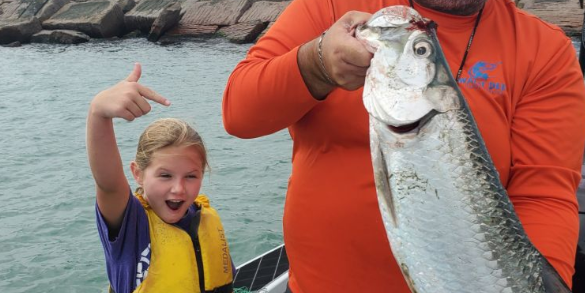
Tarpon are the undisputed kings of our nearshore waters, and for good reason. These prehistoric-looking fish can live over 50 years and grow to weights exceeding 200 pounds, with their distinctive silver sides and massive scales creating an unmistakable silhouette in the water. What makes tarpon so special isn't just their size – it's their incredible fighting ability and acrobatic displays. When hooked, tarpon typically make multiple jumps, often clearing the water completely while shaking their heads violently to throw the hook. They're also known for their powerful runs, stripping line from even the best drag systems. The best time to target tarpon in our area runs from August through October, when water temperatures and bait concentrations create ideal conditions. These fish are primarily ambush predators, feeding on mullet, crabs, and shrimp in shallow waters, then retreating to deeper channels to rest and digest. What guests love most about tarpon fishing is the visual element – you can often see these massive fish rolling on the surface, their dorsal fins and backs breaking the water as they gulp air to supplement their oxygen intake through their gills. The fight is legendary, but equally memorable is watching a 150-pound fish launch itself skyward right next to your boat, silver sides flashing in the Gulf sun.
Time to Book Your Spot
This top-rated tarpon fishing experience books up quickly during peak season, and with good reason – you won't find better access to these legendary fish anywhere along the Texas coast. The 12-hour format gives us the flexibility to adapt to changing conditions and fish behavior throughout the day, maximizing your chances of connecting with multiple tarpon. At $1,300 for up to two anglers, you're getting exceptional value for a full day with an experienced guide who knows these waters inside and out. The free cancellation policy up to three days in advance takes the pressure off your planning, but don't wait too long – the October 15th season closure comes fast, and the best fishing
 Private Trip
 Offshore Fishing
 Galveston
 Target massive tarpon up to 200 pounds in Galveston waters