Half Day Inshore Fishing in San Diego Waters
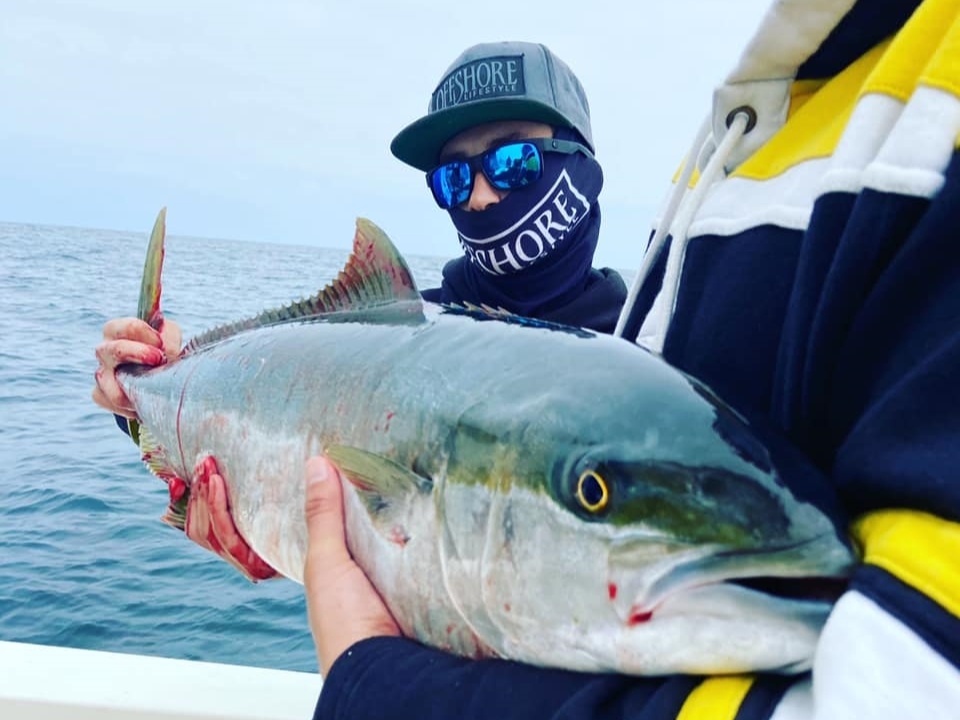
San Diego's coastal waters offer some of the finest inshore fishing on the West Coast, and Western Star Sportfishing knows exactly where to find the action. This half-day adventure puts you right in the heart of productive fishing grounds where Calico Bass, Barracuda, and Yellowtail cruise the kelp beds and rocky structure just offshore. With a maximum of 6 anglers aboard, you'll get the personal attention and prime fishing spots that make the difference between a good day and a great haul. Pack your appetite for both adventure and fresh fish – you're going home with dinner and stories worth telling.
What to Expect on the Water
Your morning kicks off early, meeting the Western Star crew at the dock before sunrise when the fish are most active. The boat heads out into San Diego's legendary inshore waters, typically within a few miles of the coast where the underwater kelp forests and rocky reefs create perfect habitat for our target species. The crew knows these waters like their backyard – every kelp paddy, every piece of structure, every tide change that gets the fish feeding. You'll spend roughly 4-6 hours on the water, depending on conditions and how the bite is going. The beauty of inshore fishing here is the variety – one minute you're working the kelp beds for Calico Bass, the next you're watching your drag scream as a Yellowtail makes its first run. The crew provides all the tackle and bait you'll need, plus they'll clean and fillet your catch so it's ready for the dinner table. With only 6 spots available, everyone gets plenty of room to fish and personalized instruction if you need it.
Tackle and Techniques
Inshore fishing in San Diego calls for medium-action spinning rods paired with quality reels spooled with 20-30 pound test line. The crew sets you up with the right gear for the conditions and target species, but if you've got your own setup, bring it along. Live bait is king out here – sardines, anchovies, and mackerel work wonders when presented properly near kelp beds and structure. You'll learn techniques like yo-yo jigging for Yellowtail, slow-pitch presentations for finicky Calico Bass, and how to work surface iron when the Barracuda are slashing at bait schools. The key to success is reading the water and understanding fish behavior. Kelp beds hold baitfish, which attract predators. Rocky points and drop-offs create ambush spots where bigger fish wait for an easy meal. The crew teaches you to spot the subtle signs – birds working, kelp moving differently, or that slight color change in the water that signals a school of fish below. Tidal movement plays a huge role too, and experienced captains time the trip to hit the most productive periods when fish are actively feeding.
Target Species
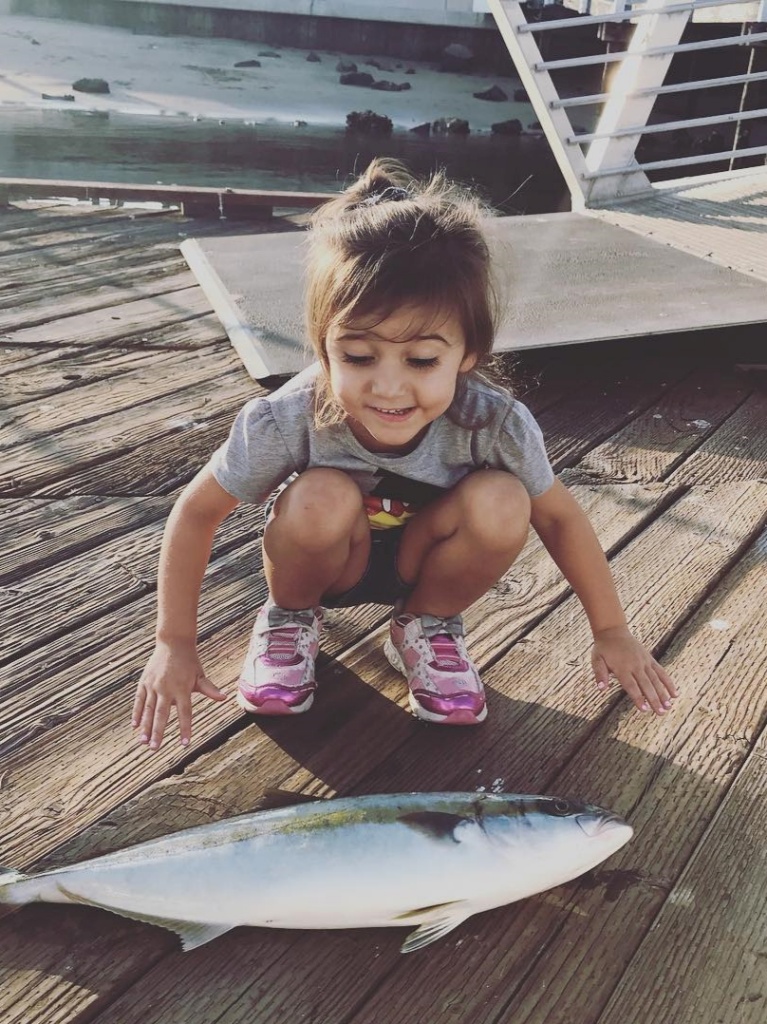
Barracuda are the speedsters of San Diego's inshore waters, and hooking one is like connecting with a silver bullet. These toothy predators typically run 3-8 pounds in local waters, though bigger specimens show up during summer months. They're ambush hunters that lurk near kelp edges and baitfish schools, striking with lightning speed when the opportunity presents itself. Barracuda respond well to fast-moving lures and live bait fished near the surface. The best action usually happens during warmer months from late spring through early fall when water temperatures climb above 65 degrees. What makes them so exciting is their aggressive nature and acrobatic fights – they'll jump, tail-walk, and make blistering runs that test your drag system.
Mahi Mahi, or Common Dolphinfish, are the crown jewels when they show up in local waters. These stunning fish with their golden-green colors and distinctive profile typically appear during warmer water periods, especially when El Niño conditions bring tropical species north. Most Mahi caught inshore run 10-25 pounds, though schools of smaller "chicken" Mahi sometimes move through in large numbers. They're structure-oriented fish that relate to floating kelp paddies, debris, or temperature breaks. When you find one Mahi, there are usually more nearby since they travel in schools. Their fighting ability is legendary – strong runs, aerial displays, and stubborn resistance right to the boat. The meat is considered among the finest table fare in the ocean.
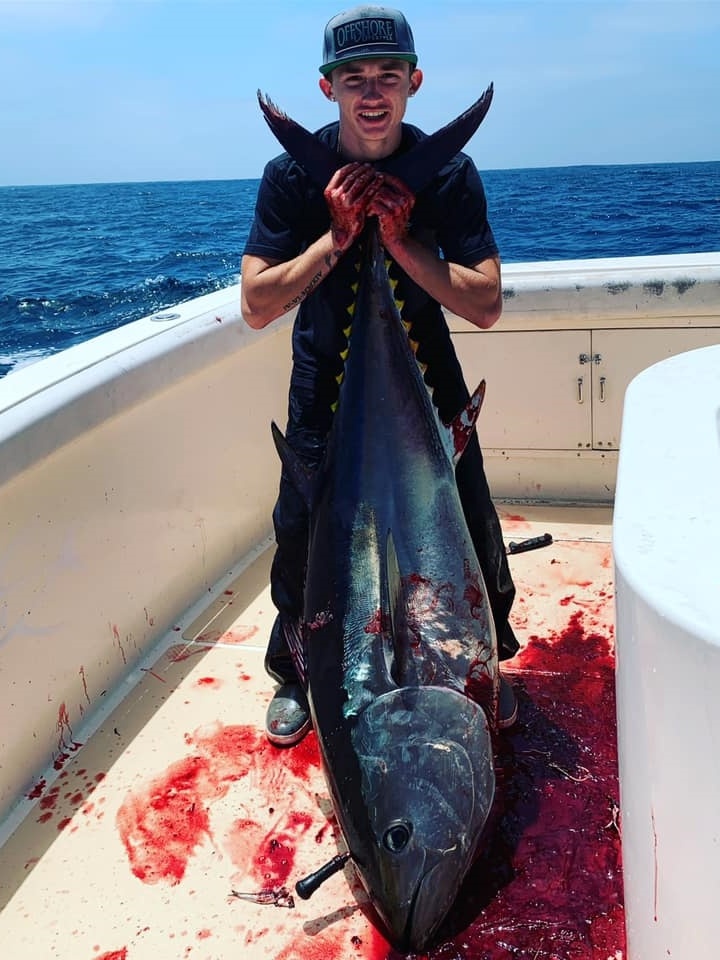
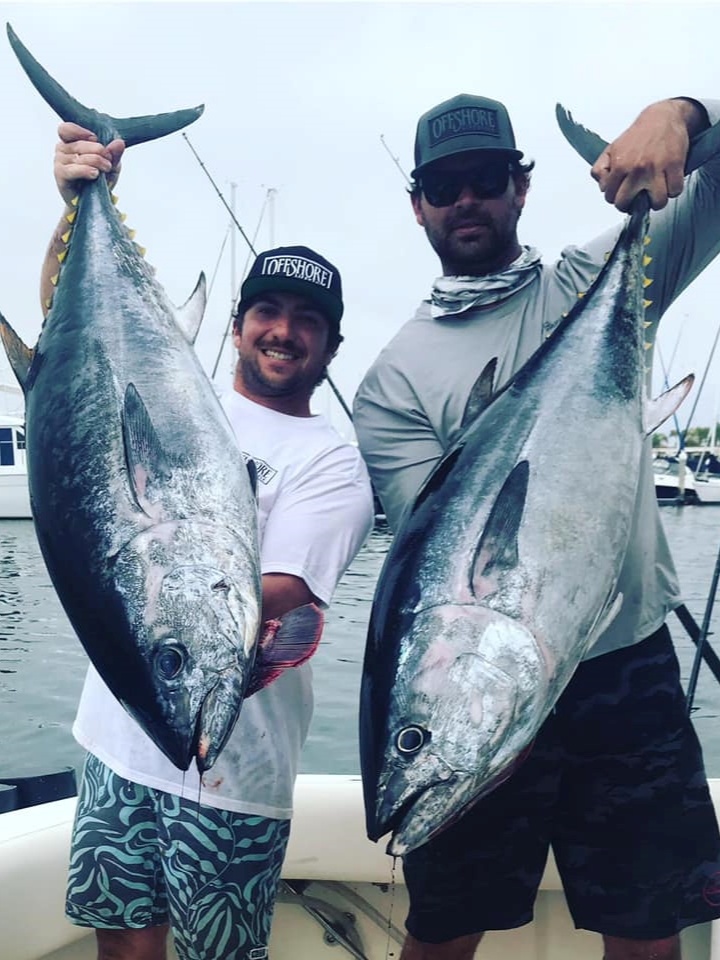
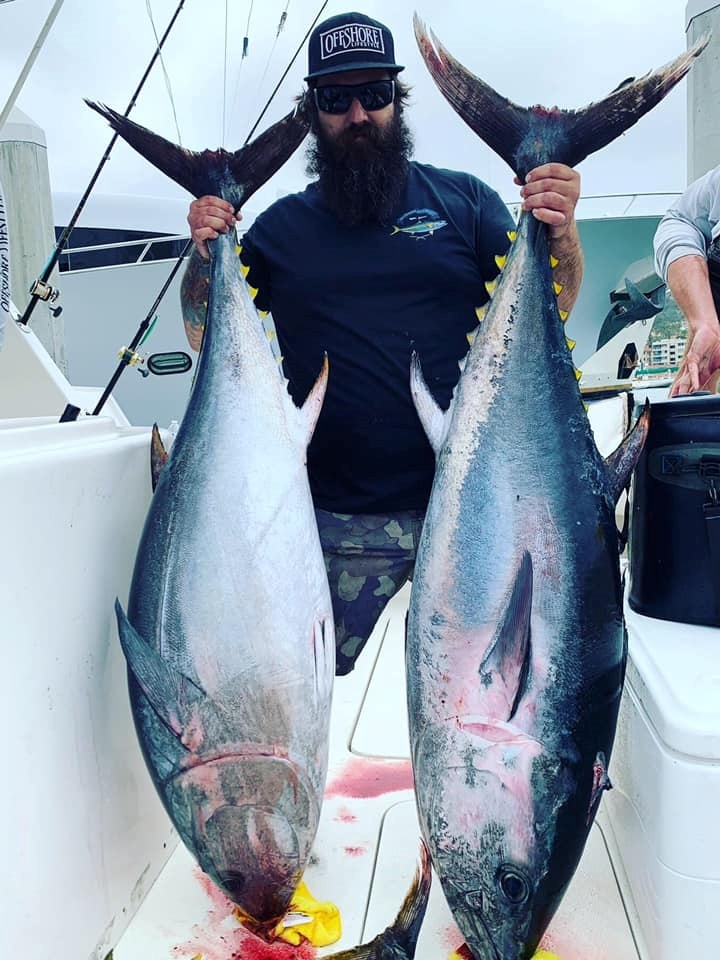
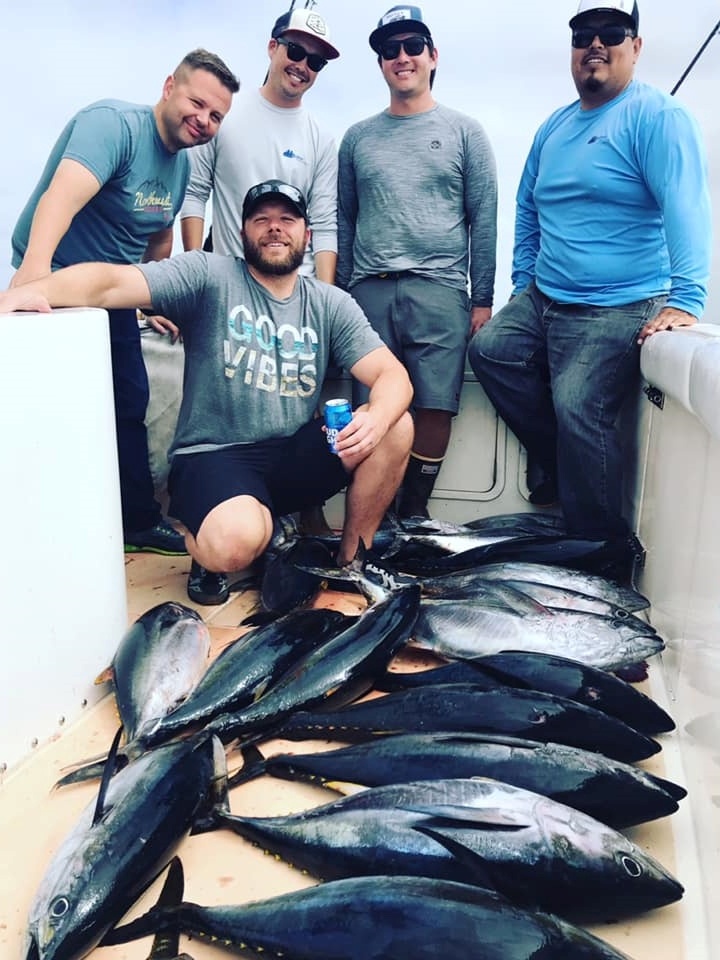
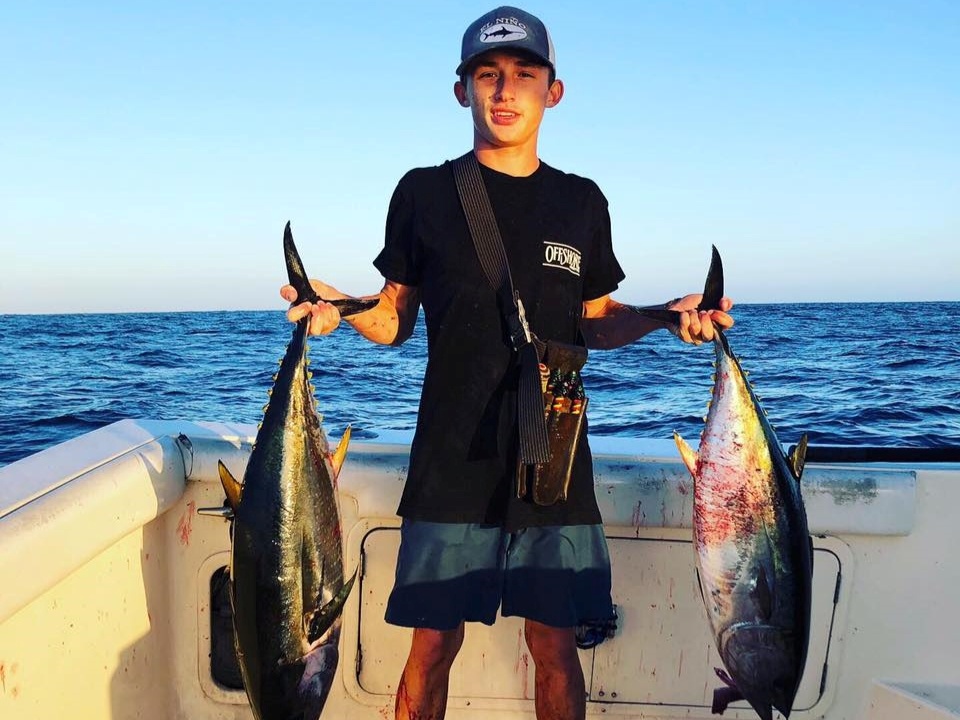
Yellowfin Tuna represent the ultimate inshore prize, though they're more common during specific seasonal patterns and warmer water years. Local Yellowfin typically range from 15-40 pounds, with occasional larger specimens that will test every component of your tackle. These fish are built for speed and endurance, making long, powerful runs that can strip hundreds of yards of line in seconds. They're highly temperature-sensitive, preferring water above 68 degrees, which usually means late summer and fall provide the best opportunities. Yellowfin often travel with dolphins or relate to kelp paddies and floating debris where baitfish concentrate. Their meat quality is exceptional, perfect for sashimi or steaks on the grill.
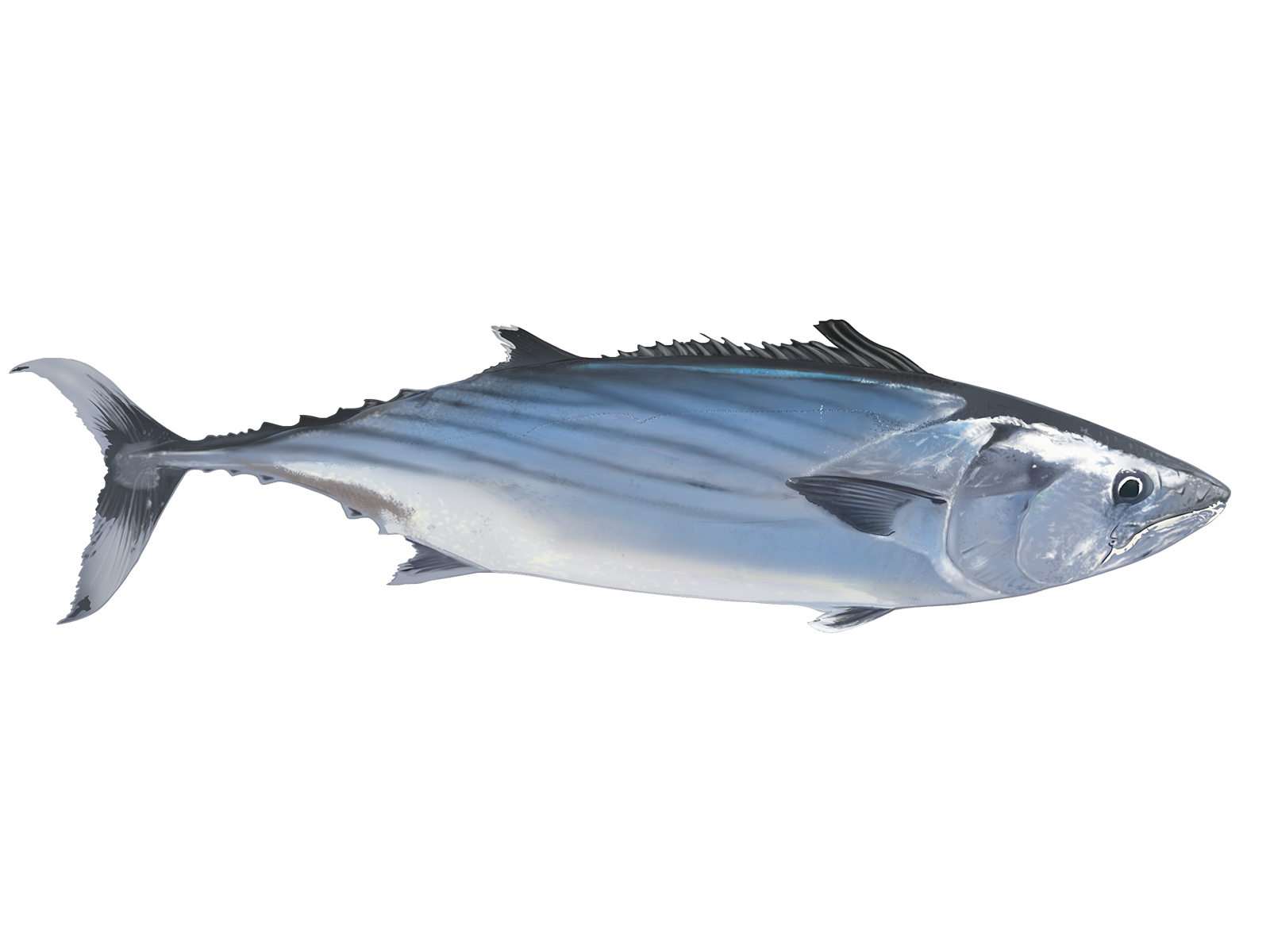
Pacific Bonito might not be the biggest fish in these waters, but they more than make up for it with sheer numbers and aggressive behavior. These members of the tuna family typically run 3-8 pounds and school heavily during their peak season from late summer through fall. They're perfect for anglers who want consistent action and bent rods. Bonito are incredibly aggressive feeders that will hit everything from small jigs to live bait, making them ideal targets for beginners and experts alike. They prefer water temperatures in the mid-60s and often feed in large schools that create spectacular surface action when they're chasing bait.
Swordfish represent the most challenging and rewarding target species, though they're typically caught during specialized trips rather than general half-day excursions. These magnificent billfish can exceed 100 pounds in local waters and are primarily targeted using deep-dropping techniques with heavy tackle. When hooked, a Swordfish provides an epic battle that can last hours, testing both
 Private Trip
 Inshore Fishing
 San Diego, CA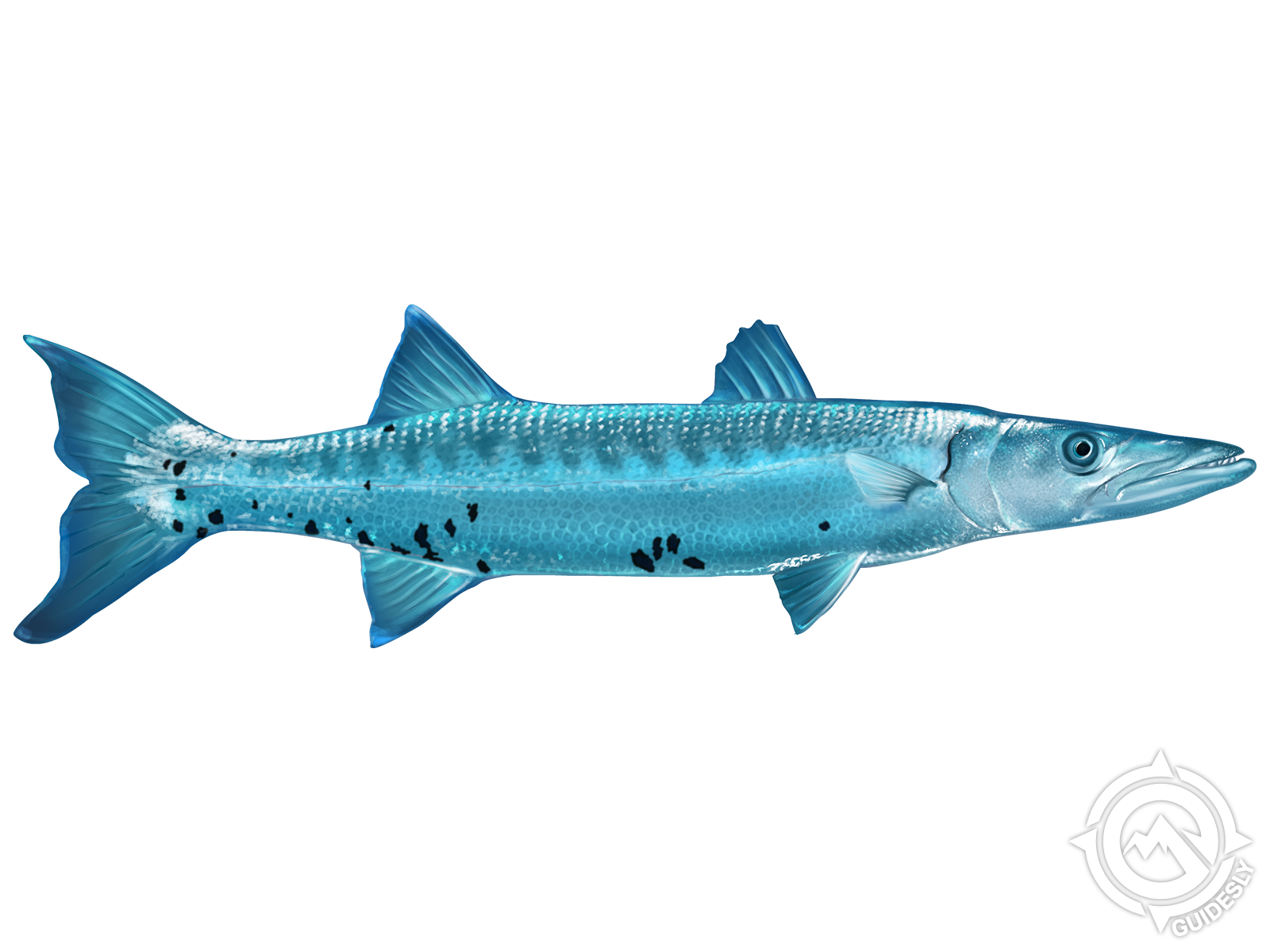



 Half-day inshore fishing targeting Calico Bass, Barracuda, and Yellowtail