Full Day Beginner-Friendly Fishing In Matagorda Bay
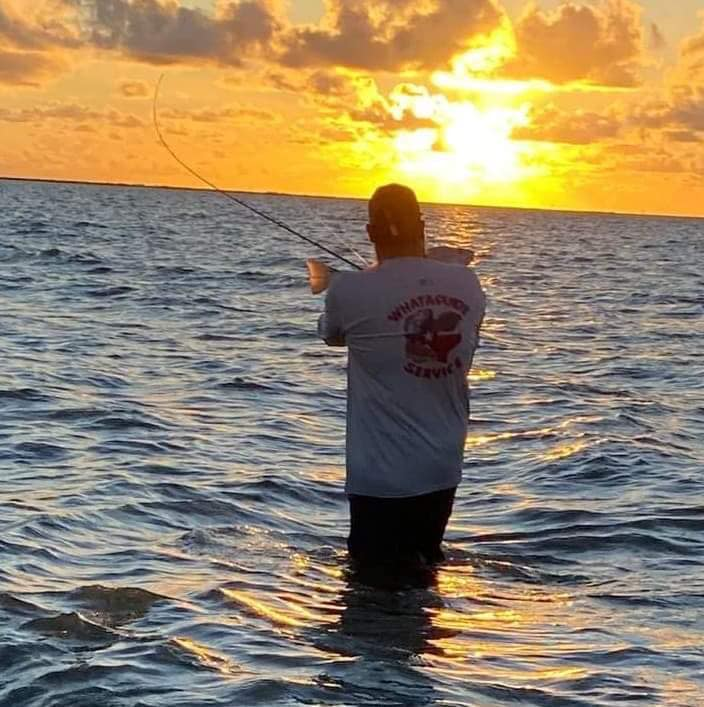
If you've been thinking about getting into saltwater fishing but don't know where to start, this 8-hour trip on Matagorda Bay is exactly what you need. Captains Nicolas and Chris have built their reputation on turning first-time anglers into confident fishermen, and they do it with the kind of patience that makes all the difference. You'll spend your day learning the real fundamentals—proper casting technique, how to feel a bite, and the art of working different baits—while actually catching fish in one of Texas' most productive coastal waters. The bay's protected waters mean comfortable conditions even for newcomers, and with all tackle provided, you just need to show up ready to learn.
What to Expect on the Water
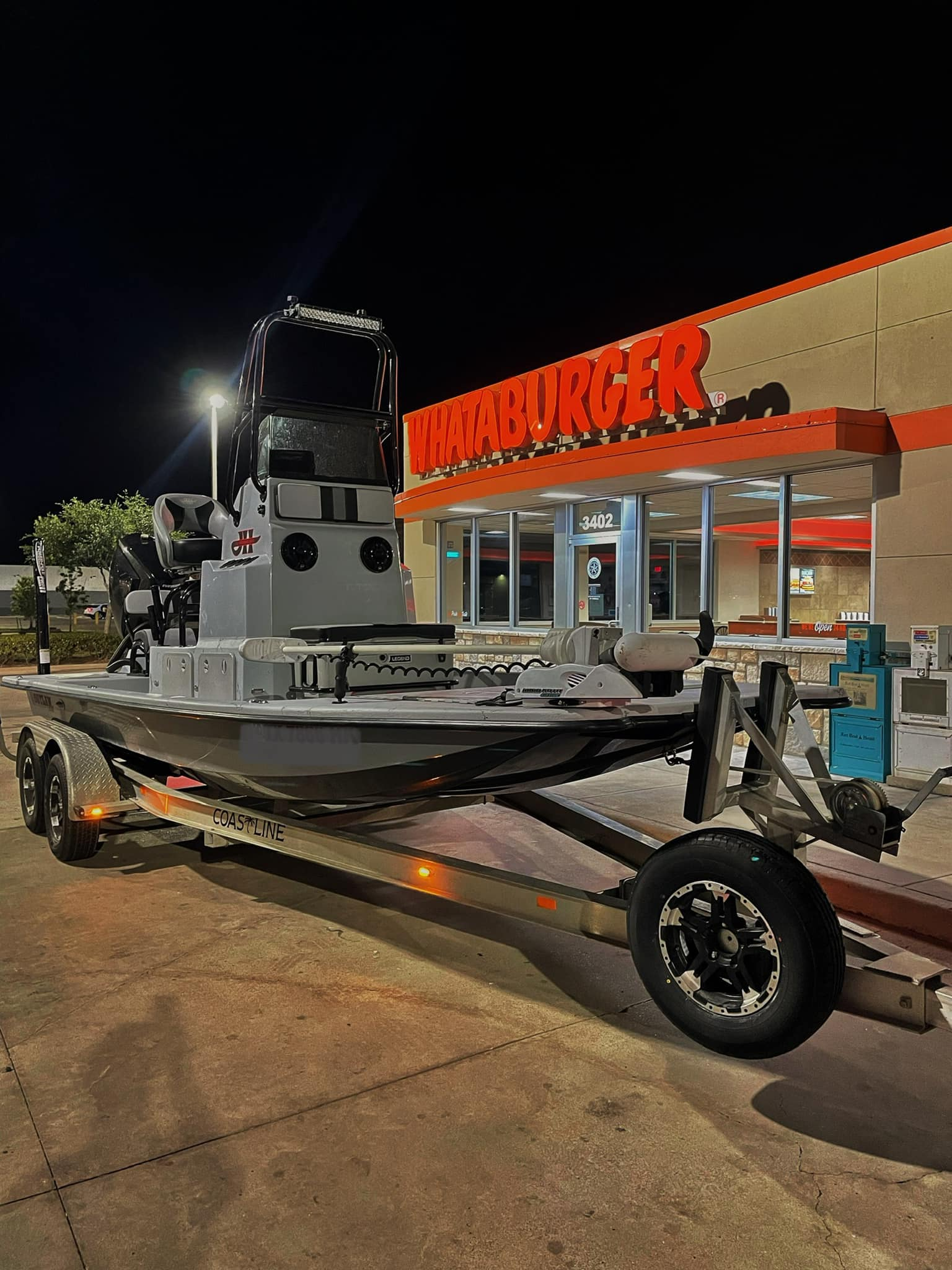
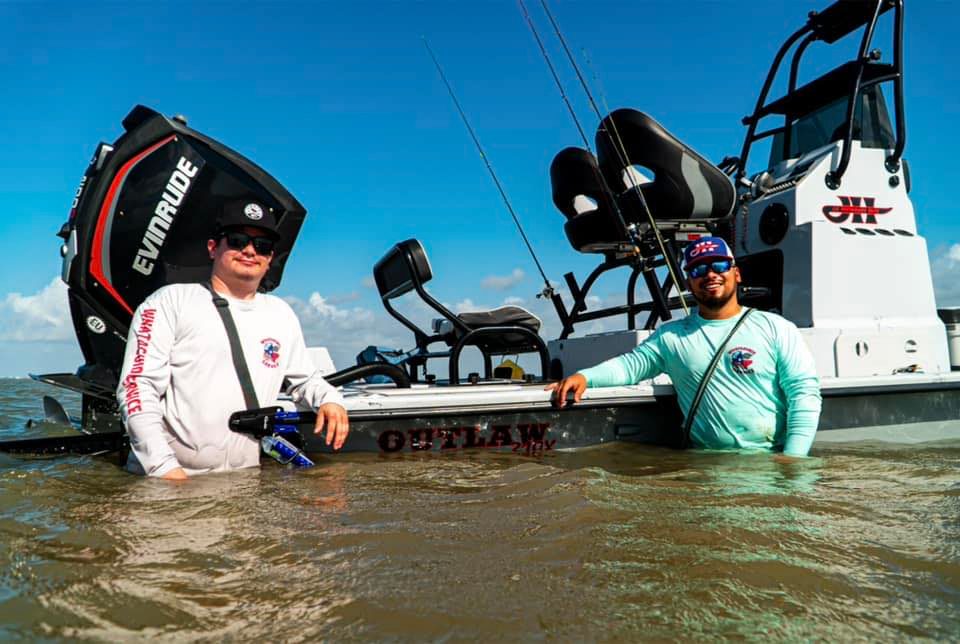
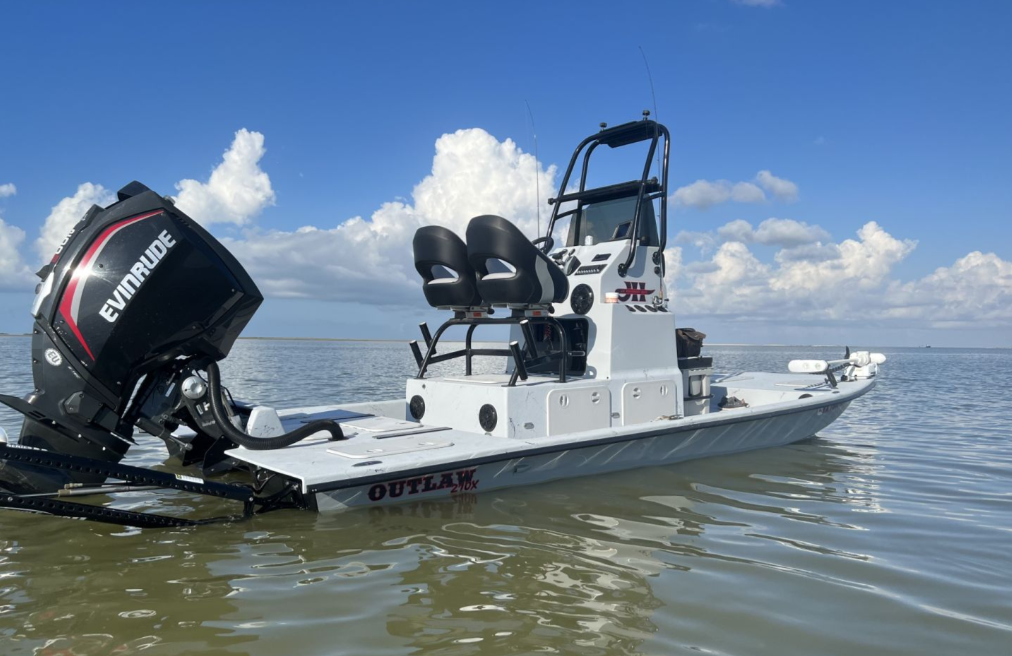
This isn't one of those rushed trips where you're thrown a rod and left to figure it out. Nicolas and Chris run their operation from a 21' JH Performance boat that's built for stability and comfort, which matters when you're learning new skills. They'll start by showing you how to hold the rod properly, then move into casting techniques that actually work in real fishing situations. You'll learn to read your line, feel the difference between a bite and bottom structure, and understand when to set the hook. The beauty of Matagorda Bay is that it offers shallow flats for sight fishing and deeper channels where bigger fish cruise, so you'll get exposed to different fishing scenarios throughout the day. These guys know that building confidence comes from understanding what you're doing, not just getting lucky with a fish.
Techniques and Tackle
You'll be working with medium-action spinning rods matched to the conditions and target species—nothing too heavy that'll tire you out, but substantial enough to handle the redfish and trout that call this bay home. The captains focus on teaching you three core techniques that work consistently here: live bait fishing with shrimp under popping corks, soft plastic presentations on jig heads, and topwater action when conditions are right. They'll show you how to work a soft plastic so it mimics a wounded baitfish, how to read the water for signs of feeding fish, and the subtle differences in how various species fight. All the tackle is included, from circle hooks to help you hook fish properly, to a selection of artificial lures that produce in different conditions. You'll learn to tie improved clinch knots, understand drag settings, and pick up the regional techniques that make Matagorda Bay fishing so productive.
Top Catches This Season
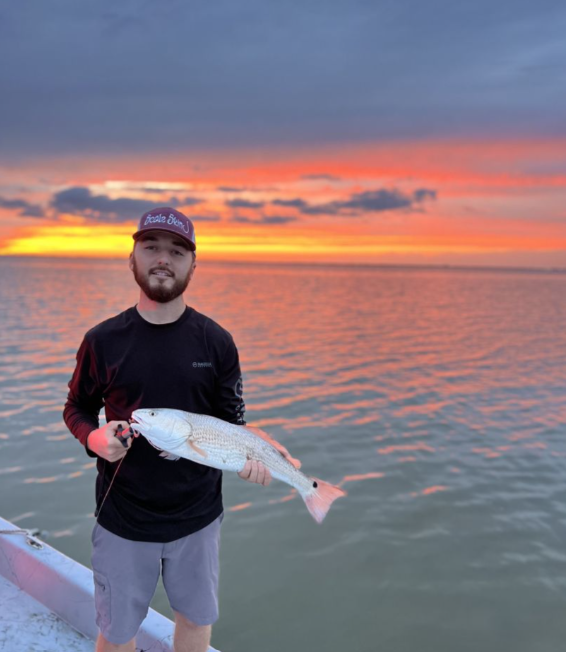
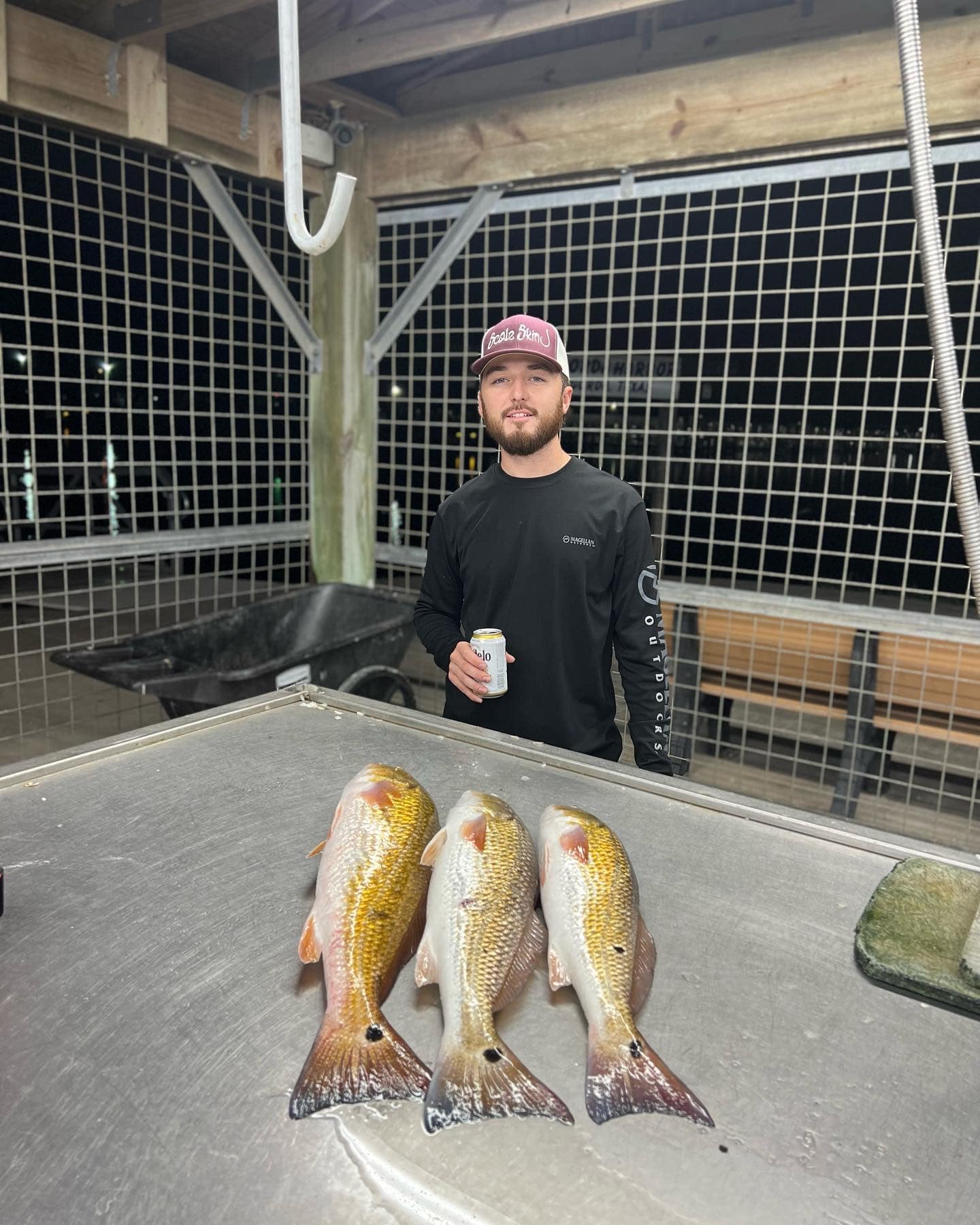
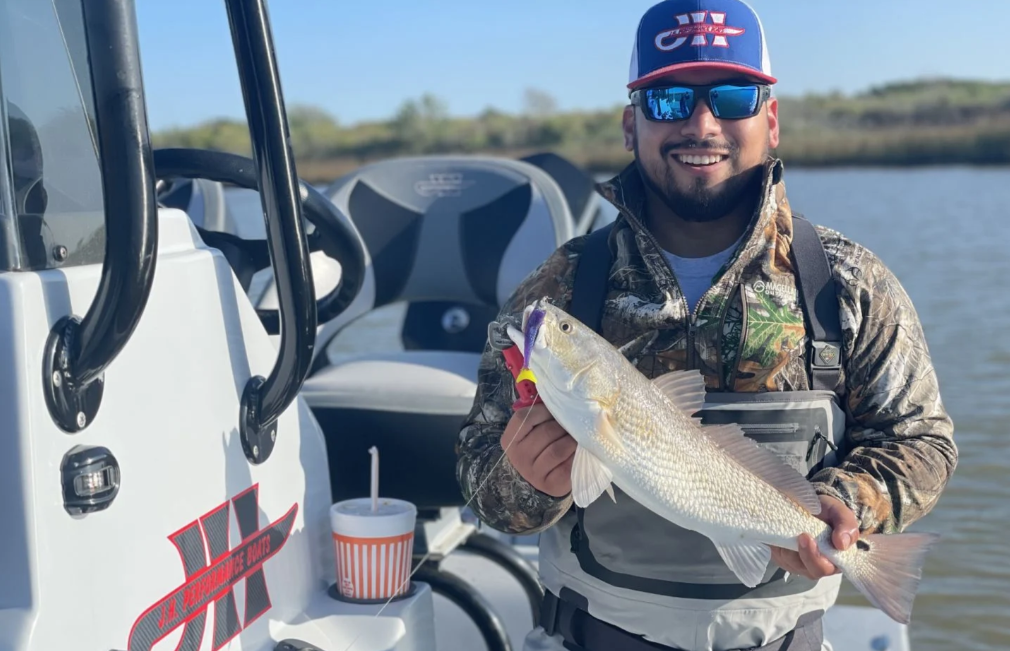
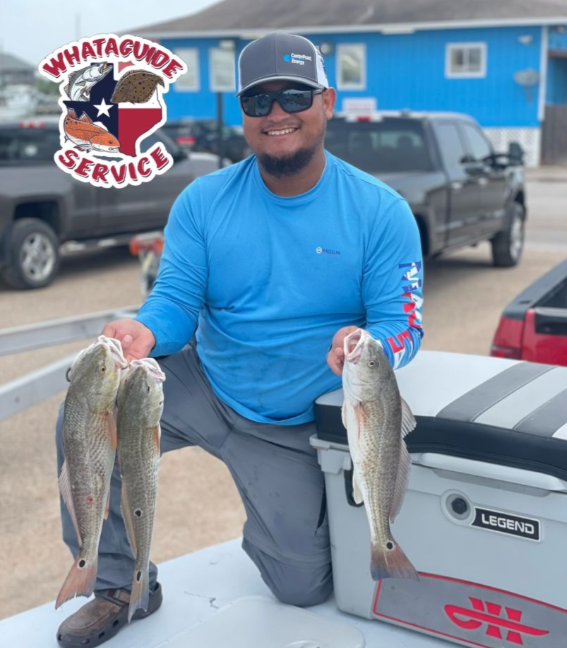
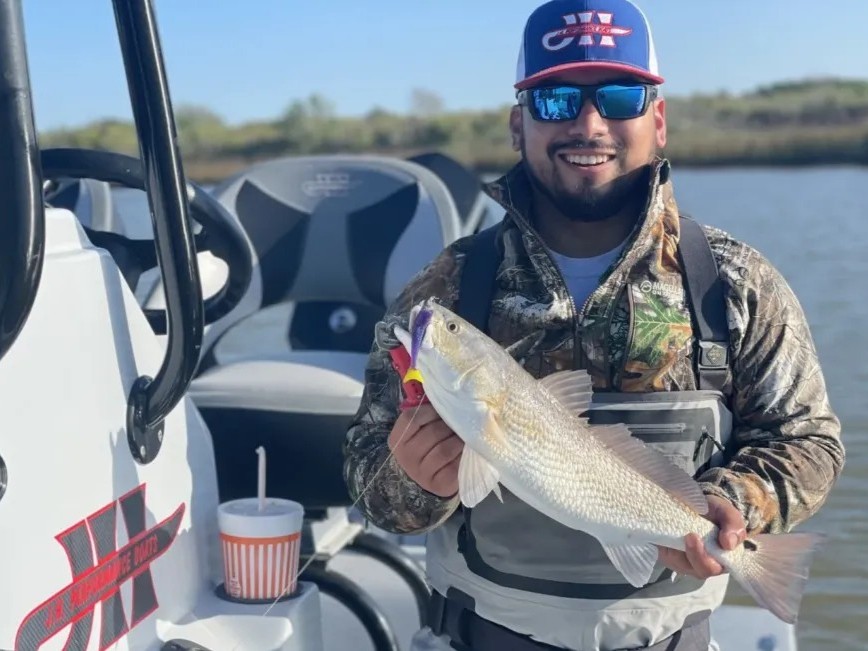
Redfish are the stars of Matagorda Bay, and for good reason. These copper-colored fighters typically run 18-28 inches here and provide the perfect introduction to saltwater fishing because they fight hard but don't require advanced techniques to hook. Redfish feed aggressively in the shallow grass flats, especially during moving tides, and you'll often see them with their backs out of water as they root around for crabs and shrimp. Fall and spring offer the best action, but these fish bite year-round. What makes them special for beginners is their willingness to eat both live and artificial baits, plus they fight with steady pressure rather than the erratic jumps that can throw hooks.
Spotted Seatrout are the other mainstay of your day, ranging from schoolie-sized 14-inchers to solid 20+ inch fish that'll test your drag. These fish are incredibly structure-oriented, holding around oyster reefs, grass beds, and drop-offs where baitfish concentrate. Trout have softer mouths than redfish, so you'll learn the importance of keeping steady pressure without horsing them in. They're most active during dawn and dusk periods, but the captains know the midday spots where trout stack up during temperature changes. Winter months can produce some of the biggest trout as they move to deeper, warmer water.
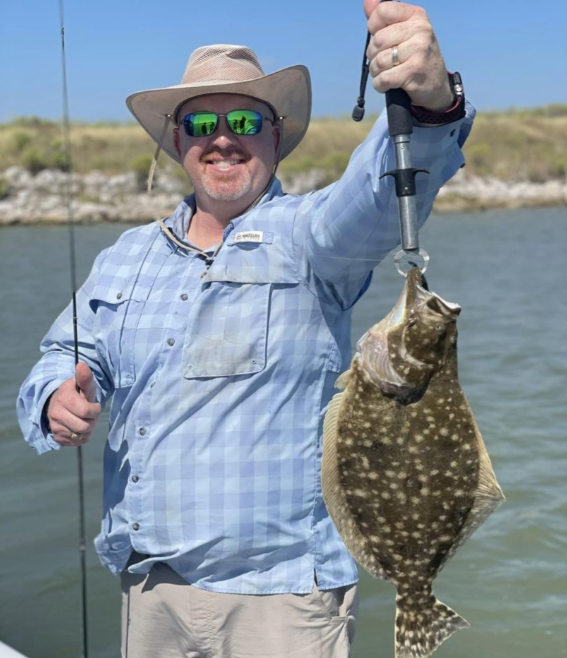
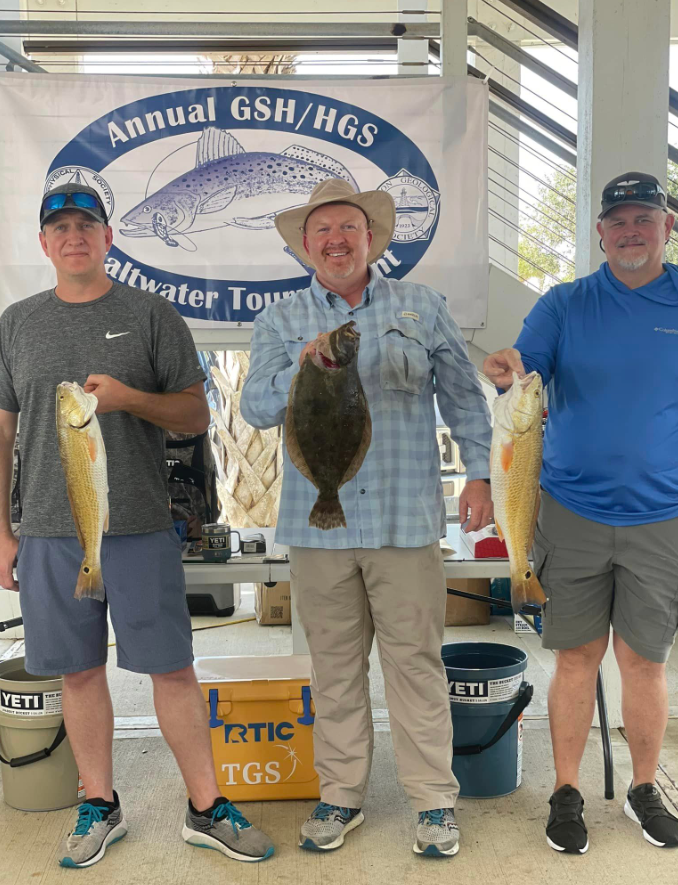
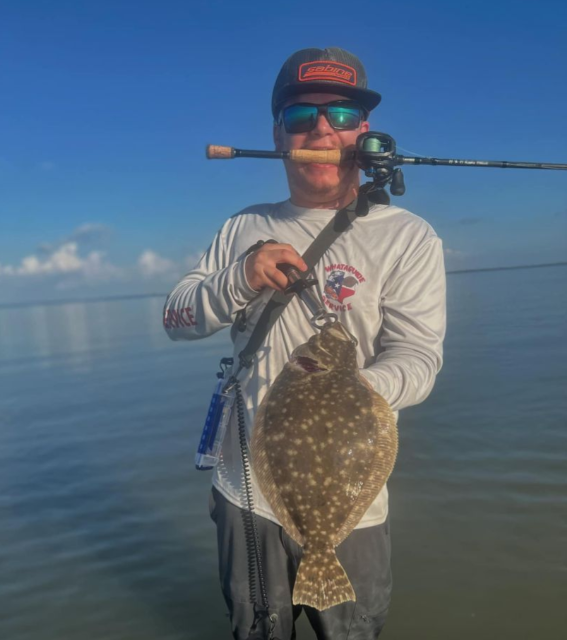
Flounder might look like bottom-dwellers that just lie around, but they're actually ambush predators that provide some of the most exciting fishing in the bay. These flatfish bury themselves in sandy areas near structure and explode upward when prey passes overhead. You'll learn to work baits slowly along the bottom and recognize the distinctive "thump-thump" bite that flounder are famous for. Summer and early fall are prime time for flounder as they fatten up before their offshore spawning run. What beginners love about flounder fishing is that it teaches patience and bite detection—skills that transfer to every other type of fishing.
Black Drum round out your target species and can range from smaller "puppy drum" perfect for beginners to hefty 30+ pound fish that'll put your new skills to the test. These fish are bottom feeders with incredible pulling power, often mistaken for snags until they start moving. They love areas with broken shell and oyster beds where they can root for crabs and worms. Black drum bite differently than other species—usually a series of taps followed by steady weight—and they teach you to distinguish between different types of bottom contact. Spring brings the best black drum action as they move into shallow water for spawning.
Time to Book Your Spot
This top-rated beginner trip fills up quickly because word spreads fast about guides who actually care about teaching rather than just putting you on fish. With Whataguide Service, you're getting access to local knowledge that takes years to develop, patient instruction that builds real skills, and fishing opportunities in waters that consistently produce. The bay conditions stay fishable most of the year, but the best learning happens when weather and tides align—something Nicolas and Chris monitor constantly. Bring your Texas fishing license, some snacks for the day, and sun protection, then get ready to discover why Matagorda Bay has created so many lifelong anglers. This isn't just a fishing trip; it's your entry point into a sport you'll be talking about for years to come.
 Private Trip
 River Fishing
 Matagorda


 Eight-hour beginner-friendly trip targeting redfish and spotted seatrout