Hampton Bays 12-Hour Offshore Fishing Charter
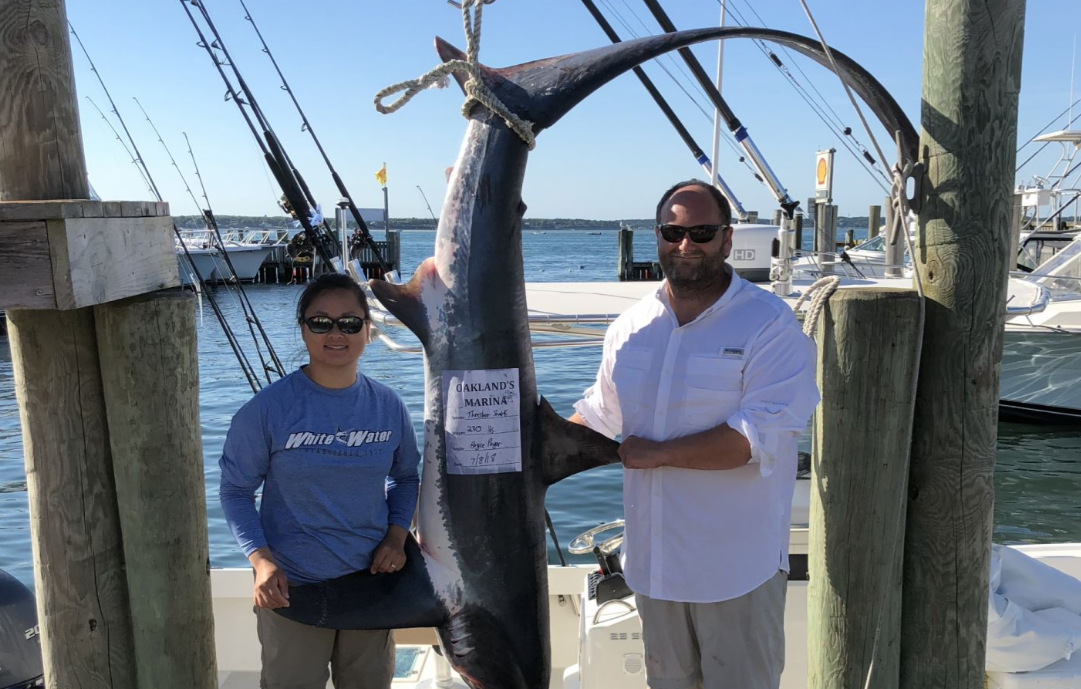
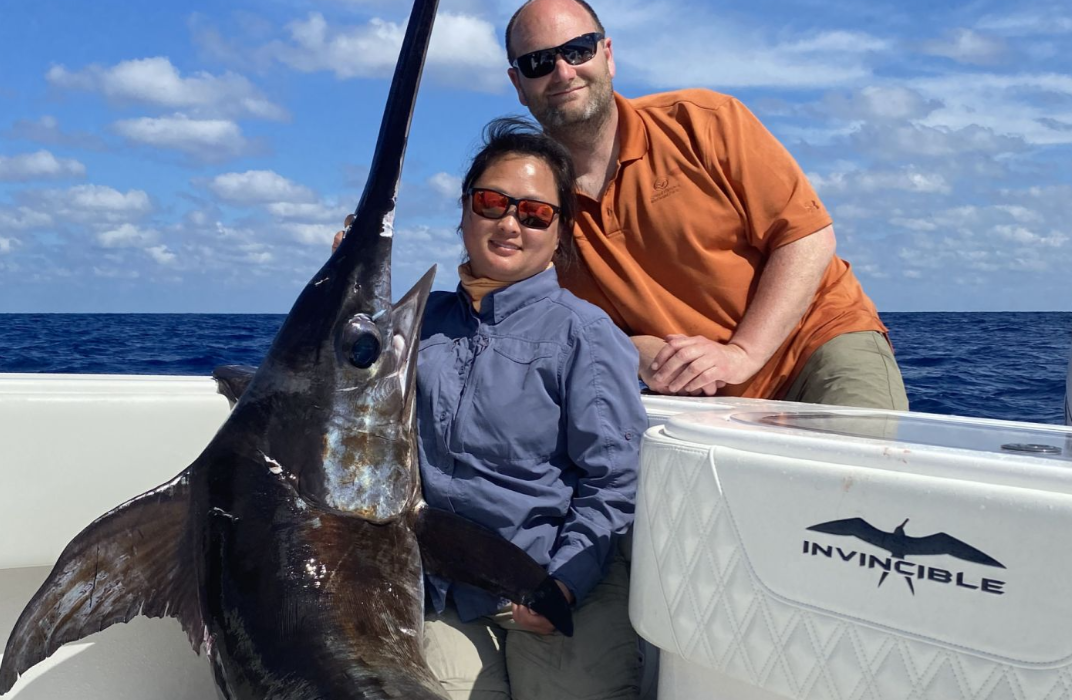
When you're serious about getting into the deep water where the big fish live, this 12-hour offshore charter out of Hampton Bays is exactly what you need. White Water Charters has been putting anglers on fish in these waters for years, and this full-day trip is their bread and butter. You'll be targeting sharks and tuna in some of the most productive offshore waters on the East Coast, with departures as early as 4 a.m. to maximize your time on the water. The captain covers everything from rods and reels to bait and tackle, plus your fishing license and fish cleaning at the end of the day. All you need to bring is your appetite for adventure and whatever food and drinks you want for the long haul.
What to Expect on the Water
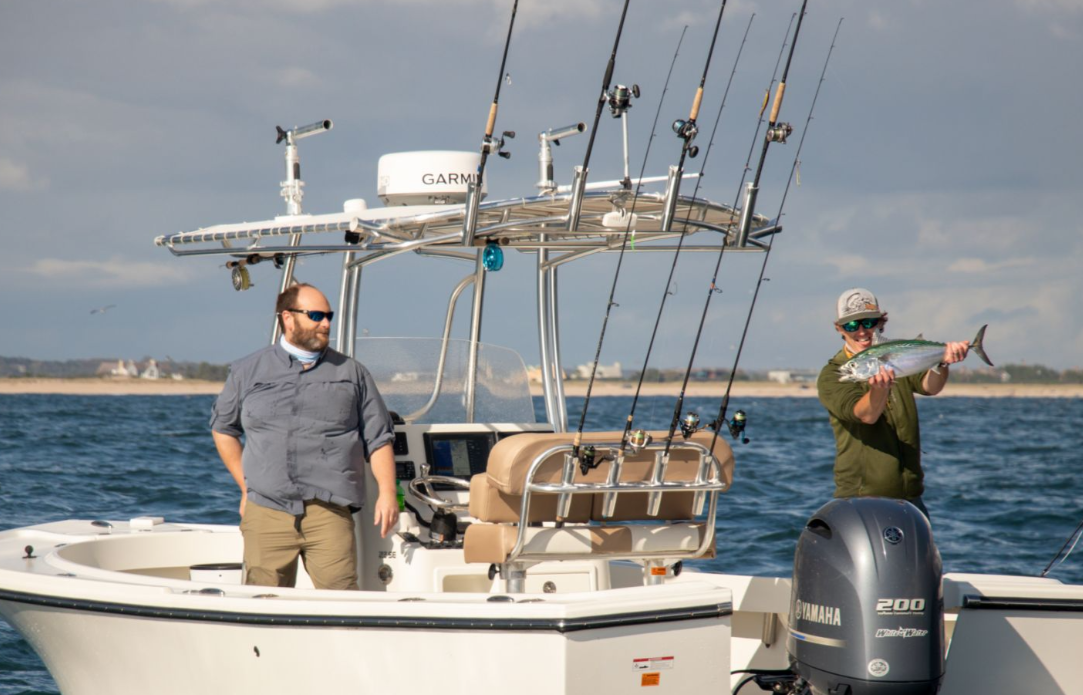
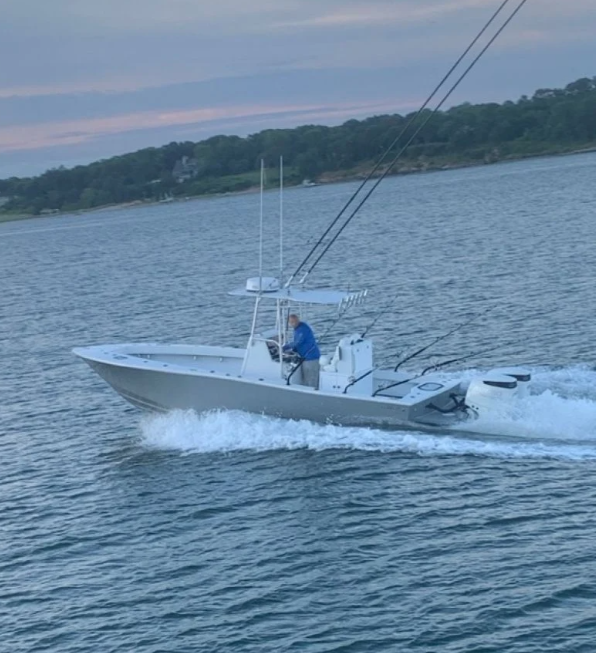
This isn't your typical half-day fishing trip – we're talking about a serious offshore adventure that starts before dawn and keeps you on the water until late afternoon. The early departure time isn't just for show; it gets you out to the productive fishing grounds while the bite is hot and gives you maximum time with lines in the water. Hampton Bays sits perfectly positioned for accessing both the continental shelf and the deeper canyons where pelagic species roam. Your captain will read the conditions and head to wherever the fish are biting best that day, whether that's structure holding baitfish or temperature breaks where predators patrol. The boat is rigged specifically for offshore work, with outriggers for trolling and plenty of deck space for fighting big fish. With only 4 anglers maximum, you'll have plenty of room to work and won't be bumping elbows when the action heats up. The captain adjusts departure and return times based on tides, weather, and what you're hoping to accomplish, so every trip is tailored to give you the best shot at success.
Trolling and Bottom Techniques
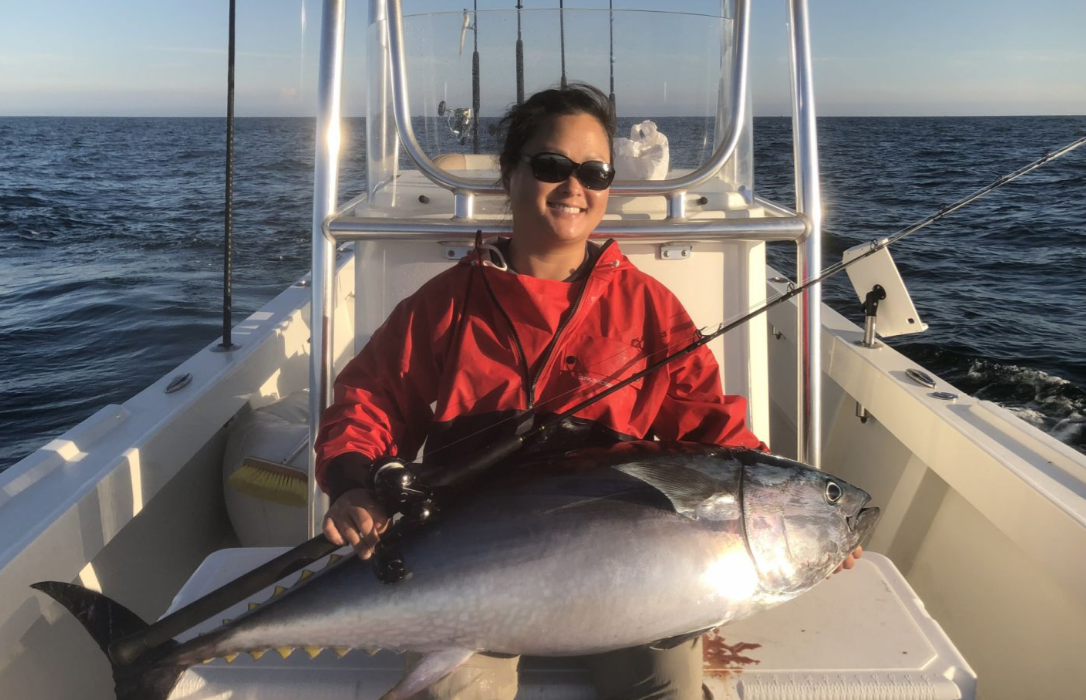
The beauty of a 12-hour charter is having time to try different approaches depending on what's working. Most of the day will likely involve trolling for pelagic species like tuna and sharks, running a spread of lures and baits at varying distances and depths. The captain will set up the spread based on conditions – maybe pulling cedar plugs and spoons for tuna, or rigging ballyhoo and mackerel for sharks. You'll cover a lot of water this way, working temperature breaks, weed lines, and structure that shows fish on the sonar. When trolling slows down, expect to switch tactics and try some bottom fishing or chunking over productive spots. The boat carries a full arsenal of tackle for different situations – heavy spinning gear for casting to surface feeding fish, conventional reels for deep dropping, and everything in between. Wire leaders are standard when sharks are around, and the captain knows how to rig everything properly so you're not losing fish to cutoffs. Bait is kept fresh in the boat's livewells and coolers, and the crew knows how to present it properly whether you're drifting chunks or working live bait around structure.
Top Catches This Season
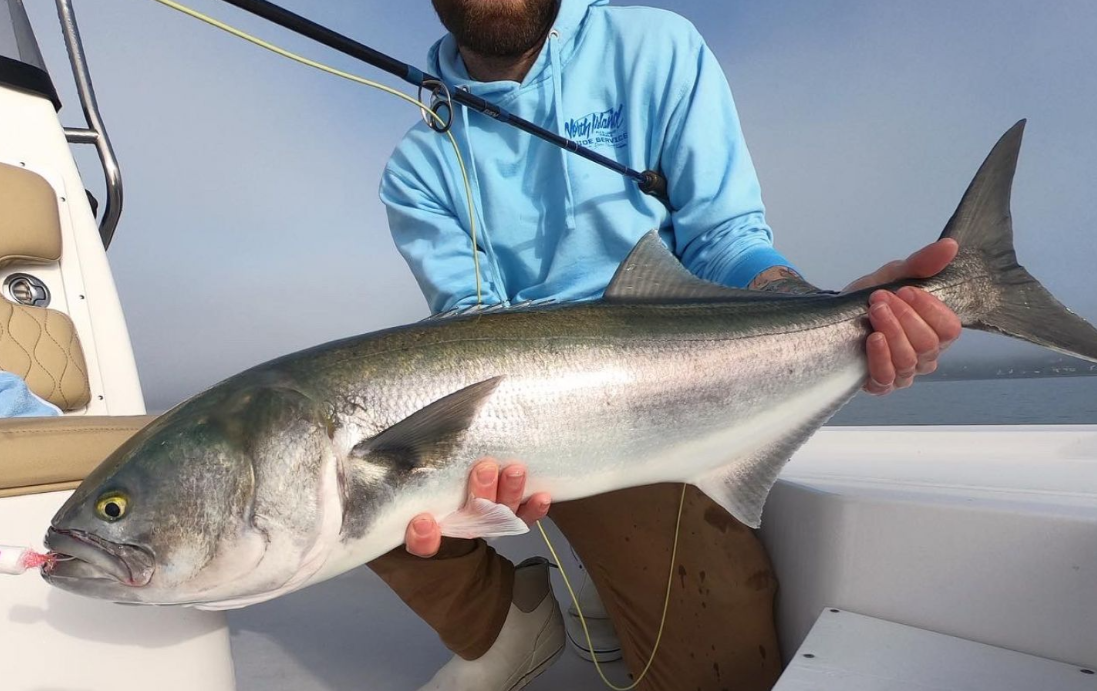
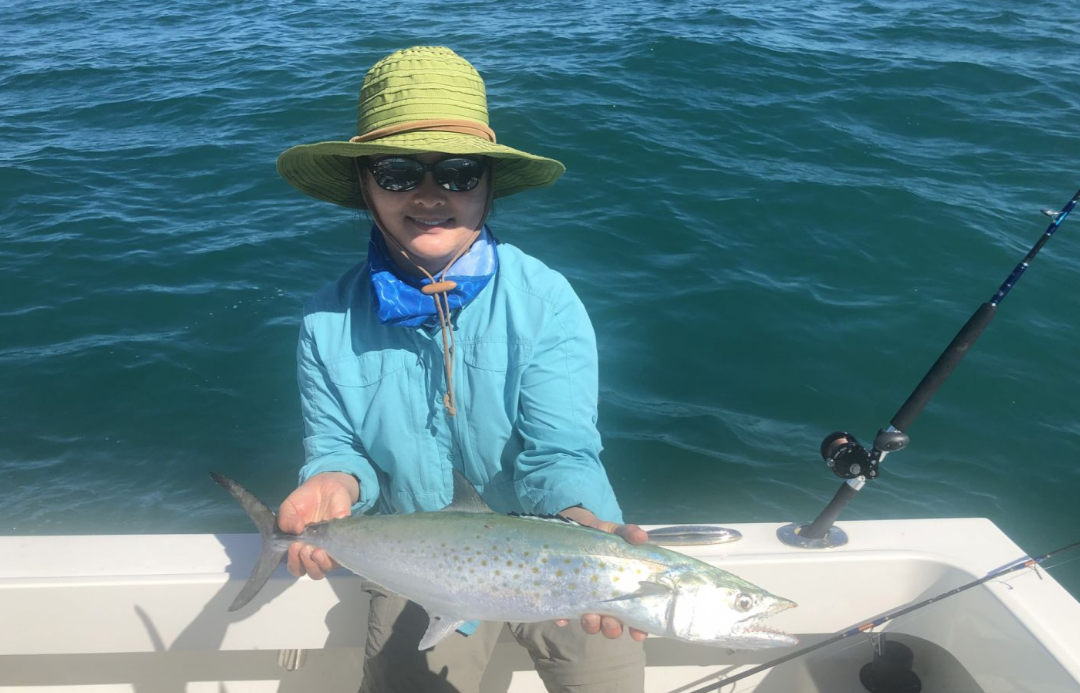
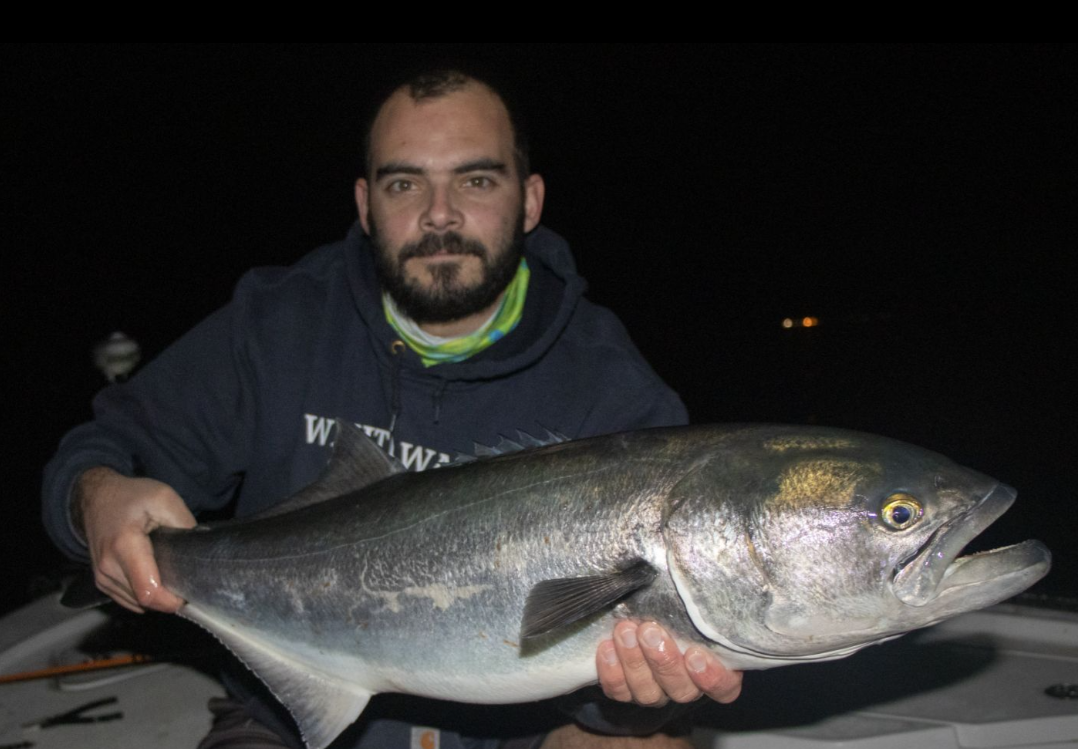
The waters off Hampton Bays have been producing some outstanding fishing this season, with multiple species showing up consistently for anglers willing to make the run offshore. Bluefish have been the most reliable target, with schools ranging from slot-sized fish perfect for the dinner table up to chopper blues that'll test your tackle and your arms. These aggressive predators hit hard and fight dirty, making long runs and trying to wrap you around anything they can find. Summer flounder have been showing up in good numbers too, particularly around structure and depth changes where they ambush baitfish. The bigger doormat fluke are always a possibility when you're working the right spots with fresh bait. Striped bass fishing has been solid, especially during the morning and evening hours when they're actively feeding. The bass in these offshore waters tend to be bigger fish that have moved out from the inshore areas, and they'll give you everything they've got when hooked in open water.
Species You'll Want to Hook
Bluefish are the workhorses of Long Island offshore fishing, and for good reason. These toothy predators are aggressive feeders that will hit everything from trolled lures to chunked bait, and they fight like fish twice their size. Blues typically run in schools, so when you find one, there are usually more around. They're most active during moving water and low-light periods, which is why those early morning hours are so productive. The best part about targeting blues is their willingness to eat – they're not picky about presentation and will often compete with each other to get to your bait first. When cleaning them, the key is getting them on ice quickly and bleeding them properly to maintain the best flavor.
Summer flounder, or fluke, are the ultimate test of an angler's bottom fishing skills. These flatfish are ambush predators that lie buried in sand waiting for prey to swim overhead, then explode upward to grab their meal. The bigger fish prefer deeper water and stronger current, which is why offshore spots often produce the best quality fluke. They're extremely structure-oriented, so expect to fish around wrecks, rocks, and depth changes where baitfish concentrate. Fluke fishing requires patience and the right presentation – a slow drift with the bait bouncing just off the bottom is usually most effective. The reward is some of the finest eating fish in the ocean, with firm white meat that's perfect for everything from fish tacos to fancy dinner preparations.
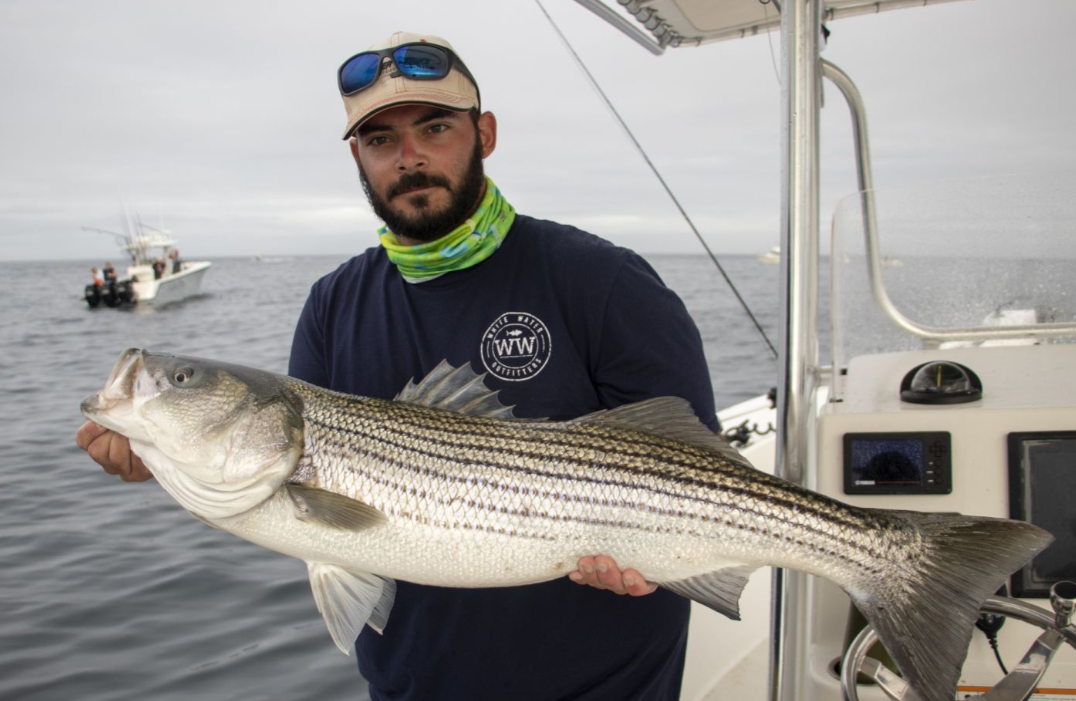
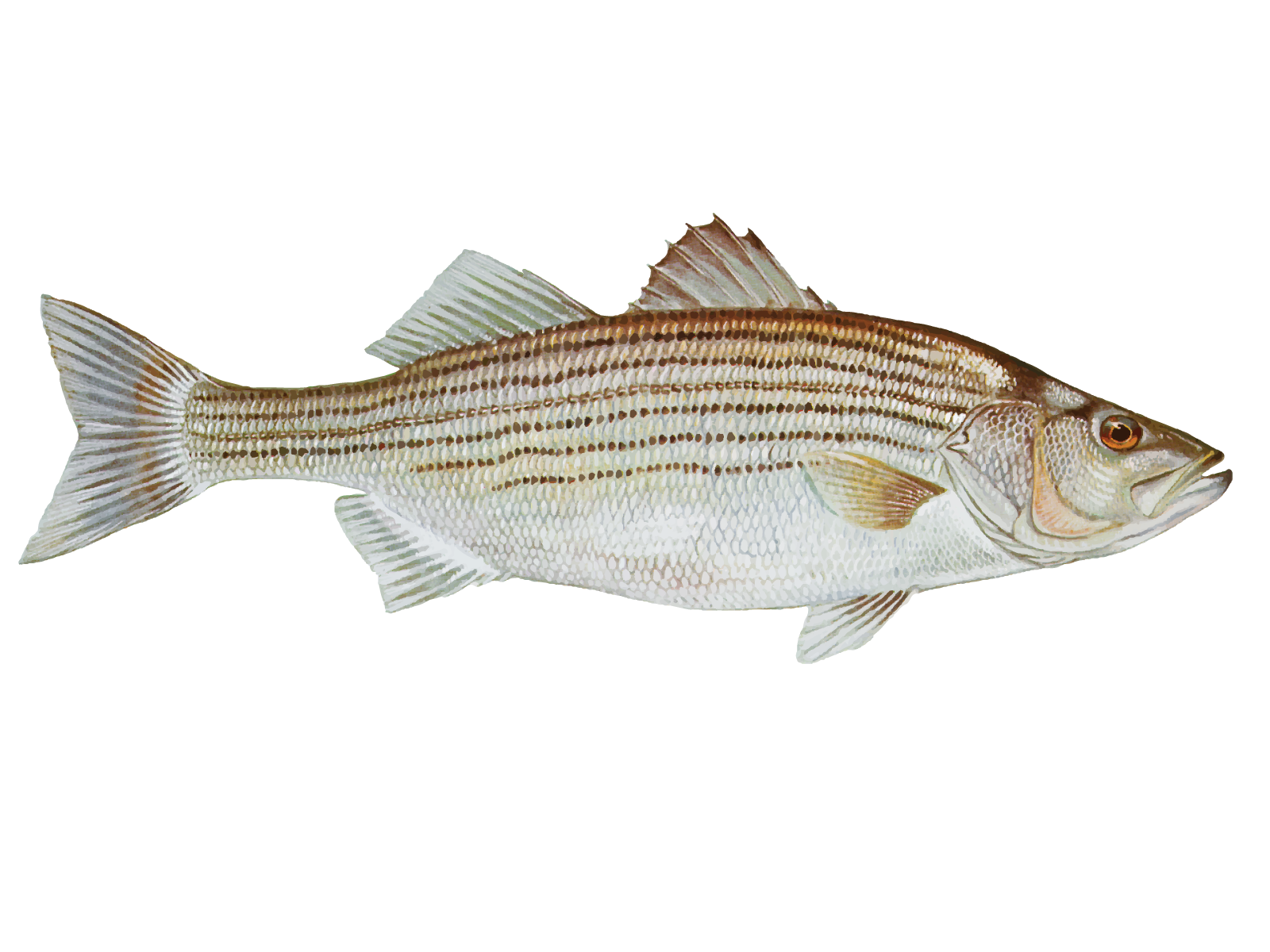
Striped bass are the crown jewel of Northeast fishing, combining size, fight, and table quality into one package. Offshore stripers tend to be larger fish that have moved out of the shallows to follow baitfish schools, and they can range from schoolie size up to true cows pushing 40-plus pounds. These fish are incredibly smart and can be selective about what they'll eat, making them a challenging target that keeps even experienced anglers on their toes. They're most active during dawn and dusk feeding periods, but can be caught throughout the day when conditions are right. Stripers
 Private Trip
 Offshore Fishing
 Montauk

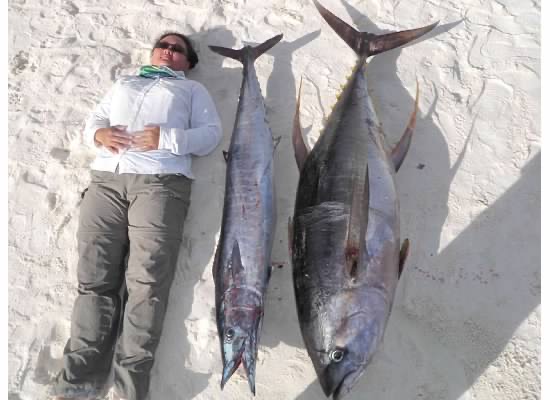
 12-hour offshore charter targeting sharks and tuna species