Fort Lauderdale Offshore Fishing Charters
When you're looking for serious offshore action in South Florida, our 6-hour morning and afternoon trips put you right where the fish are feeding. Fort Lauderdale's deep blue waters are home to some of the Atlantic's most sought-after gamefish, and with half a day on the water, we've got time to work multiple techniques and hit different zones. Whether you're after that screaming reel moment with a sailfish or hoping to boat a hefty king mackerel, these extended trips give us the flexibility to chase whatever's biting best.
What to Expect on the Water
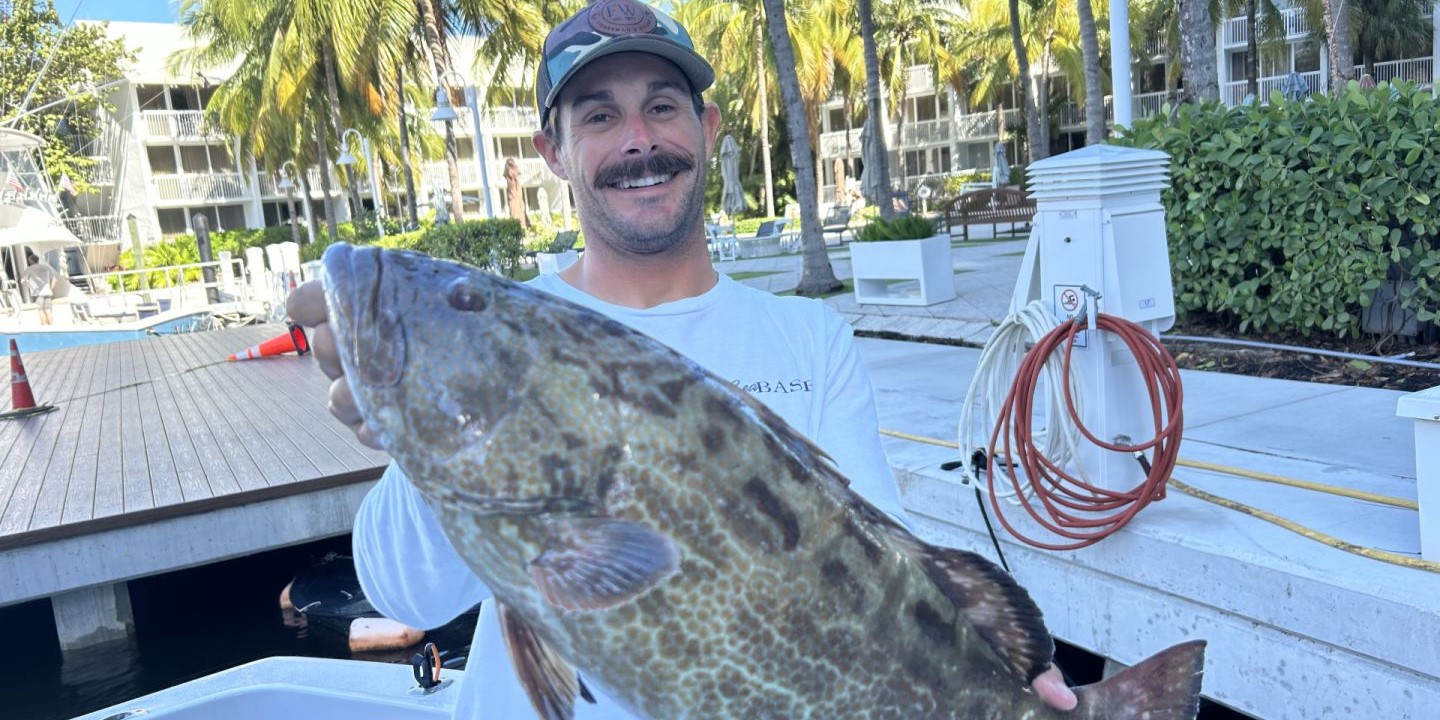
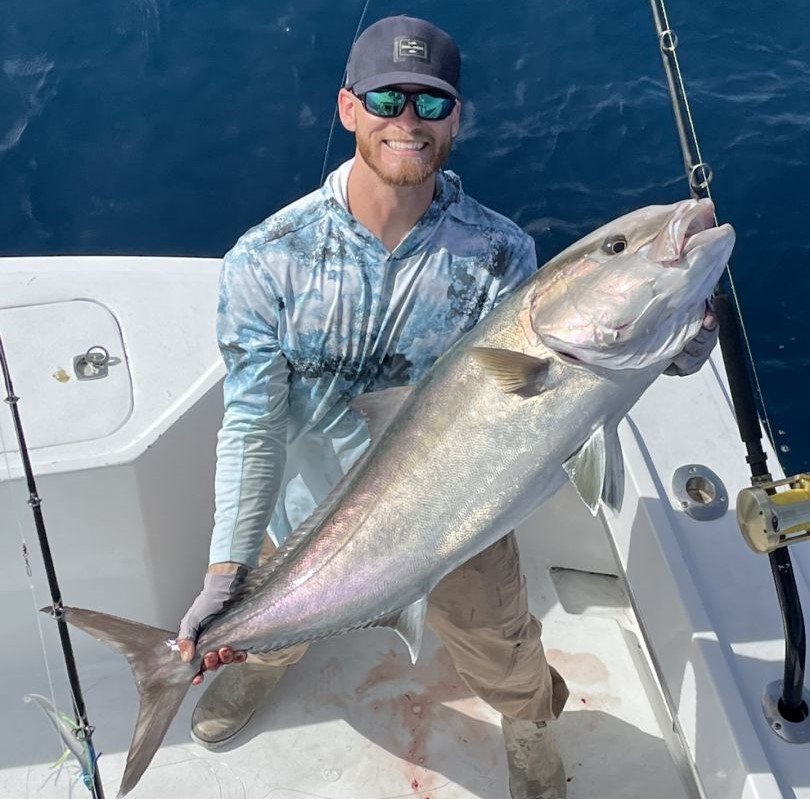
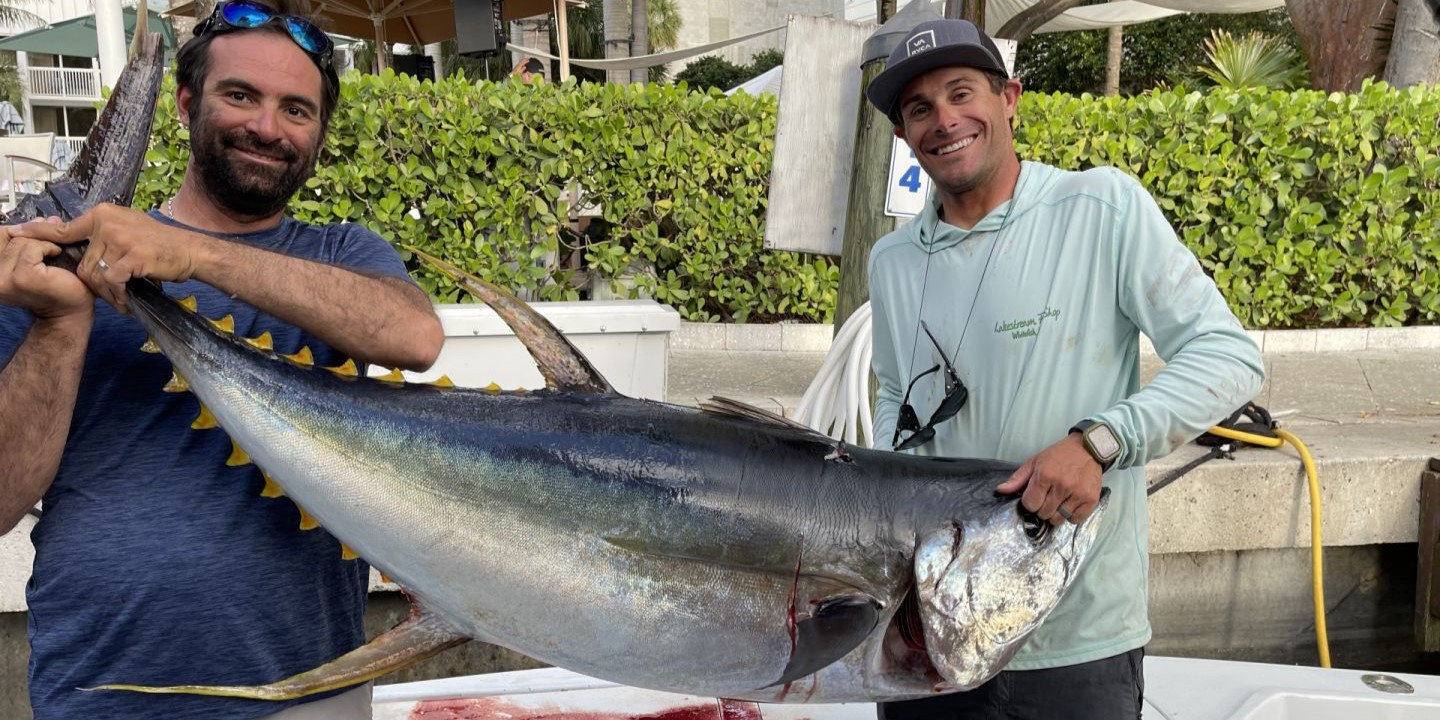
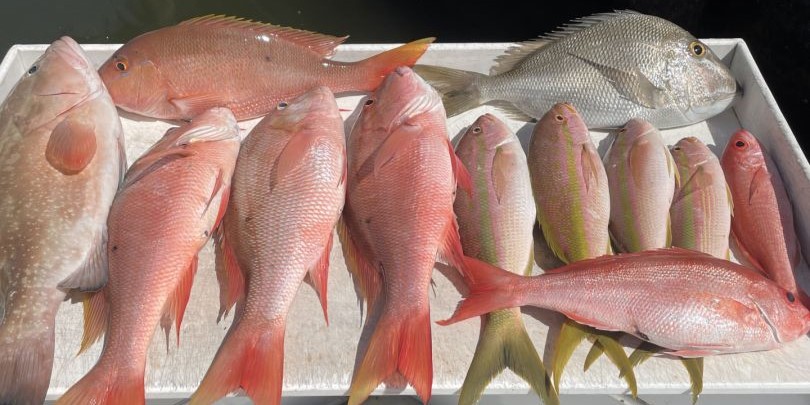
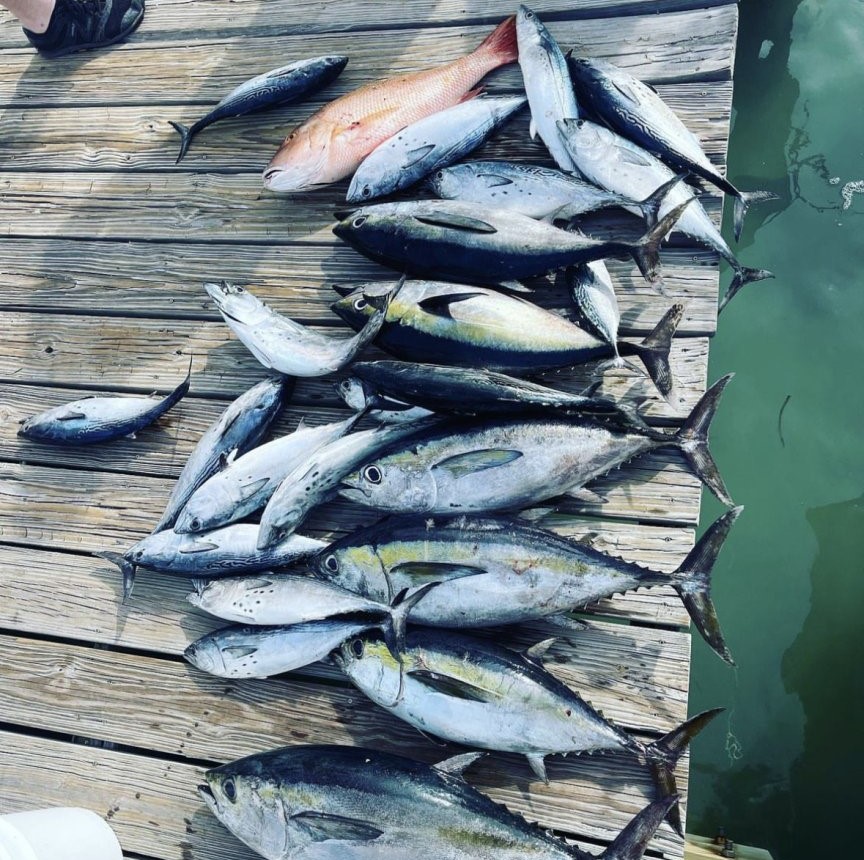
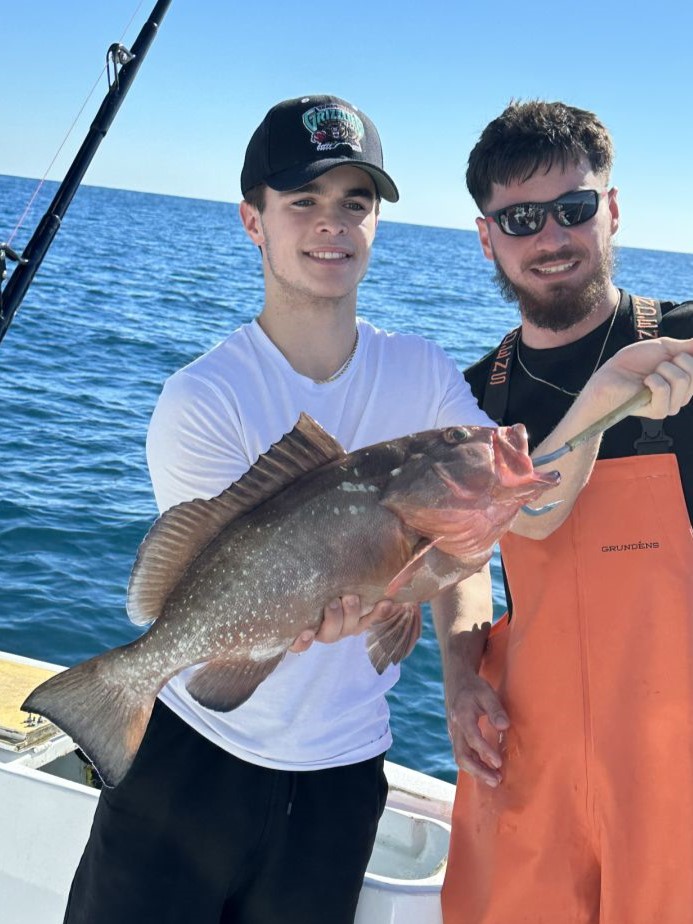
Our 6-hour window is the sweet spot for maximizing your chances at multiple species without committing to a full day. Morning trips kick off early when the bite is hot – we'll start with trolling the blue water for tuna and mahi, then switch to kite fishing or drifting when conditions are right for sailfish and sharks. Afternoon charters let us work the shallow reefs with live bait for sailfish and kings, then head out to the deeper structure where snapper, grouper, and amberjacks hang out. With just 4 anglers max, everyone gets plenty of rod time and personalized attention from our crew. We keep the group small so you're not fighting for position at the rail when fish start coming over the gunwale.
Techniques & Tackle Setup
We run a mix of techniques depending on what's working best that day. Trolling with spreader bars and ballyhoo is our bread and butter for covering water and finding active fish. When we mark bait or see birds working, we'll switch to live baiting with goggle-eyes or pilchards. Kite fishing is deadly effective here when the sailfish are up, letting us present baits naturally on the surface. All tackle is provided – we're rigged with Penn and Shimano reels spooled with fresh line, and our rods are matched to the target species. Circle hooks and proper leaders ensure we're fishing responsibly while giving you the best shot at landing your catch. Our electronics package includes quality fish finders and GPS to put us on productive bottom, and we monitor water temps and current breaks where pelagics like to hunt.
Top Catches This Season
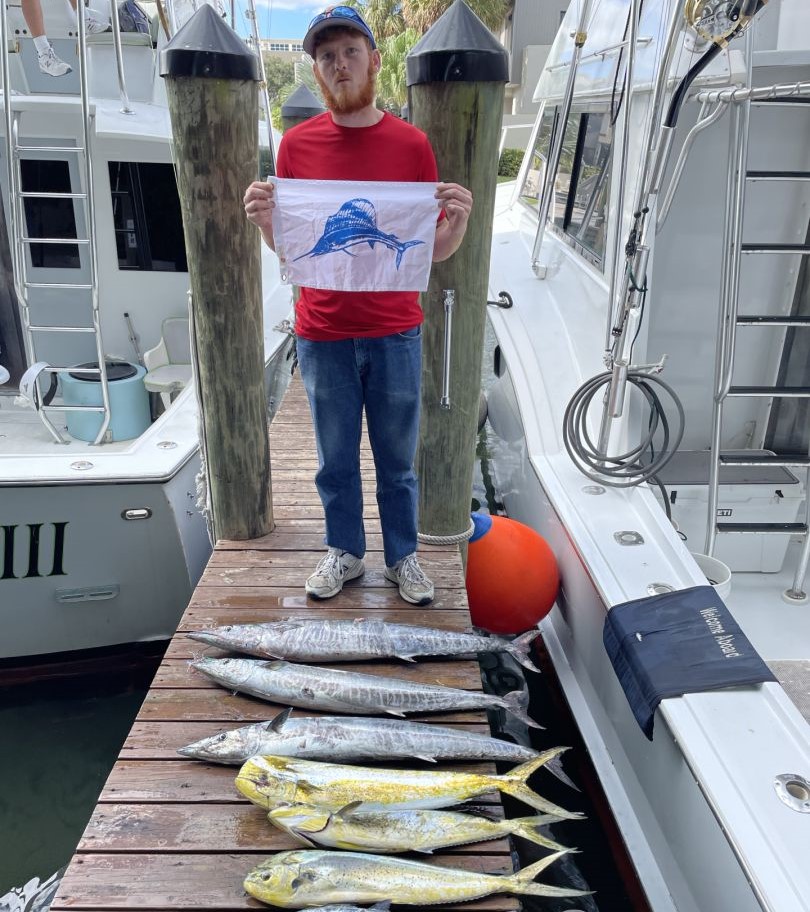
King mackerel are the bread and butter of our offshore fishery, with fish ranging from schoolie-sized "smokers" up to 40-pound slobs that'll test your drag system. They're most active during cooler months from October through March, and we target them around structure and temperature breaks. These fish are pure adrenaline – they hit hard and make blistering runs that can strip 200 yards of line before you know what happened. The meat is excellent when properly handled and iced immediately.
Mahi mahi bring the color and acrobatics that make offshore fishing special. Also called dolphinfish or dorado, these brilliant gold and green gamefish are famous for their aerial displays and cooperative feeding behavior. When we find one mahi, there's usually more nearby, leading to those epic multiple-hookup scenarios every angler dreams about. They're most common during warmer months and love floating debris or weed lines where baitfish congregate.
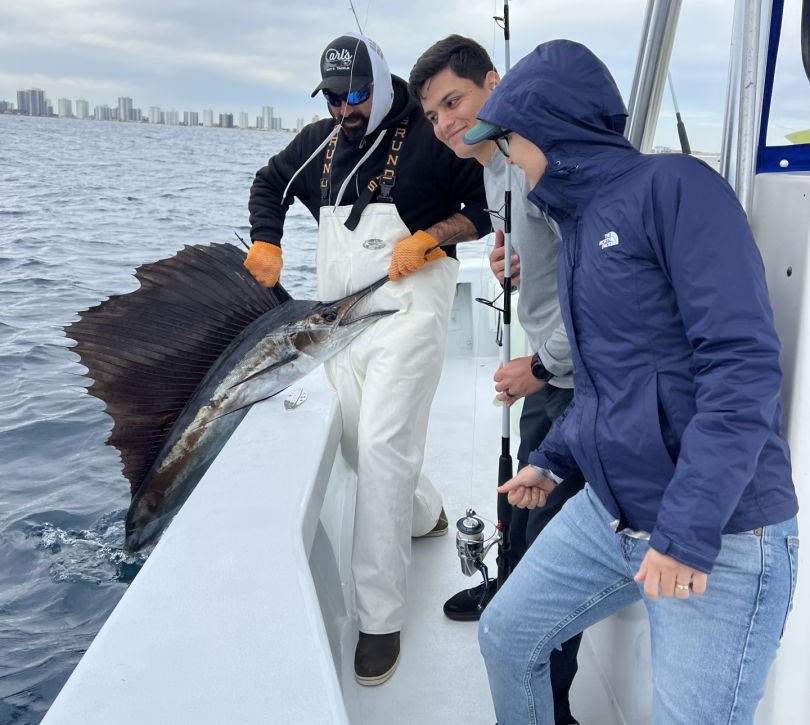
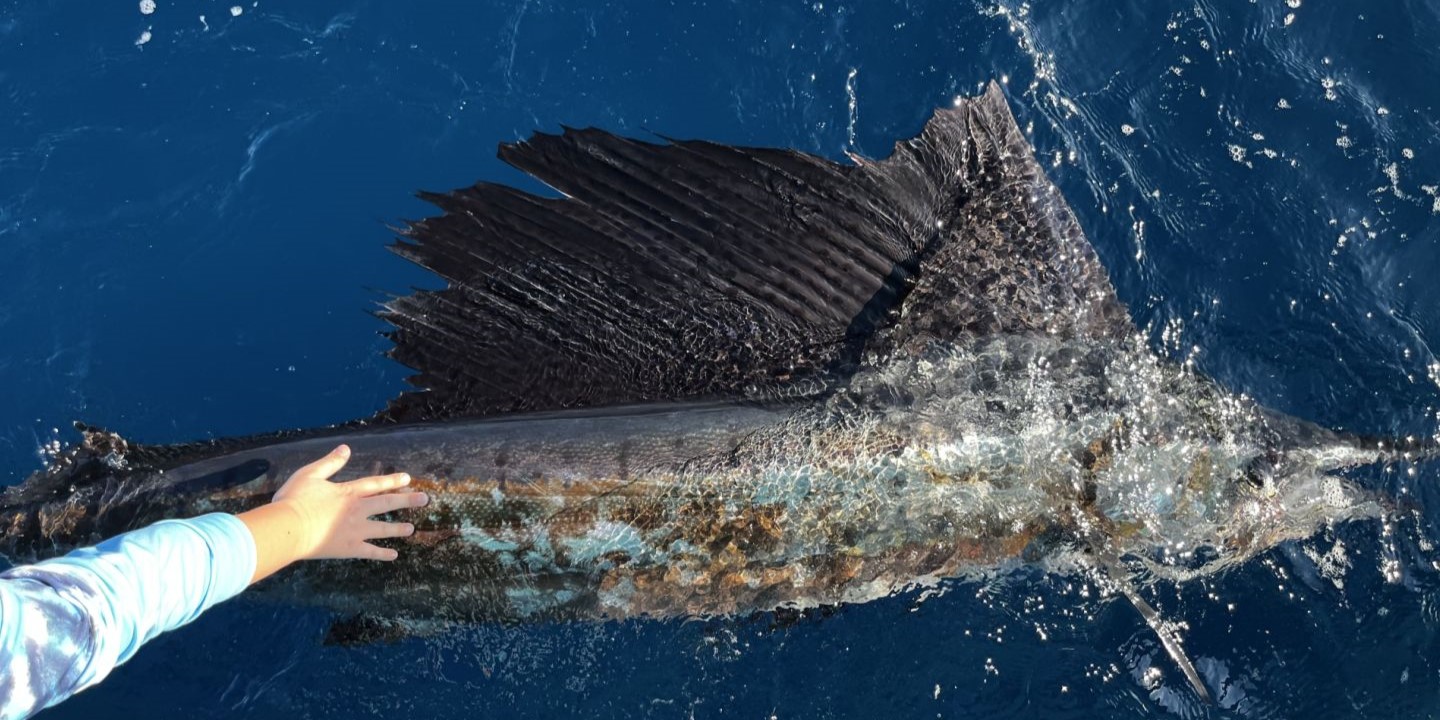
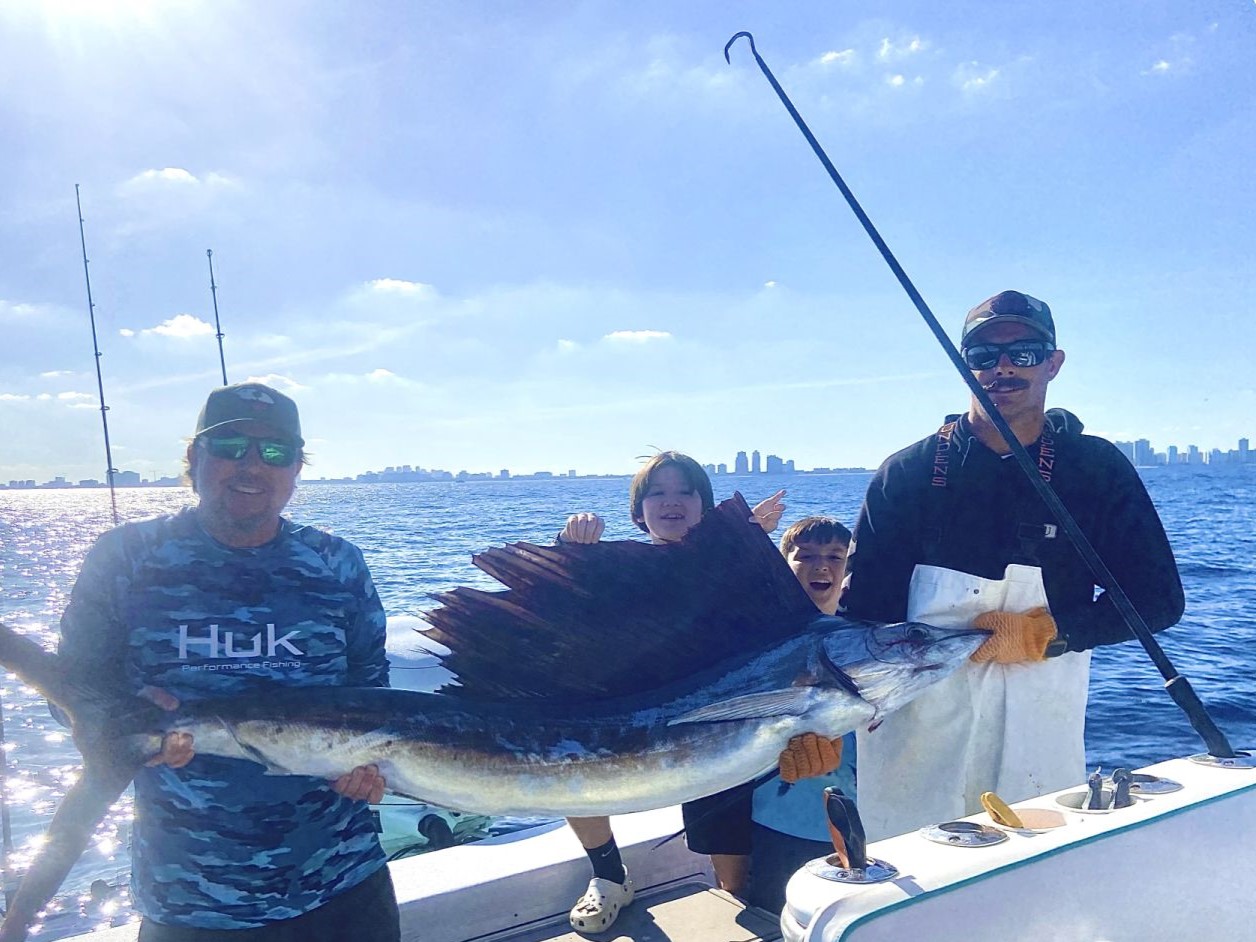
Indo-Pacific sailfish are the crown jewel of South Florida fishing, and Fort Lauderdale sits right in the heart of their migration route. These magnificent billfish can exceed 8 feet and 60 pounds, with that signature dorsal fin that lights up electric blue when they're excited. Sailfish season peaks from December through April, and watching one greyhound across the surface or launch completely airborne is something you'll never forget. Most are released to fight another day, making this a sustainable fishery we can enjoy for generations.
Wahoo are the speed demons of the deep, capable of hitting 60 mph and armed with razor-sharp teeth that can slice through wire leader. These sleek predators prefer the edge of the Gulf Stream and are notorious for inhaling trolled baits at full speed. A hooked wahoo means an instant screaming run and a fight that combines raw power with surprising endurance. The meat is prized for its mild flavor and firm texture.
Great barracuda add an element of surprise to every trip, striking with lightning speed and putting up a spectacular fight on lighter tackle. Fort Lauderdale's cuda grow large in our warm waters, with 4-foot specimens not uncommon. They're ambush predators with incredible acceleration, often following other hooked fish before deciding to grab a bait themselves. While not typically targeted specifically, they're always a welcome addition to the fish box.
Time to Book Your Spot
Six hours gives us real flexibility to adapt to conditions and chase the bite wherever we find it best. You're not just buying a boat ride – you're getting a crew that knows these waters inside and out, quality tackle that won't let you down when it counts, and the kind of personalized attention that only comes with small group charters. Fort Lauderdale's offshore fishing is world-class year-round, but the best dates book up fast, especially during peak season. Whether you're a seasoned angler looking to add to your species count or a newcomer ready to experience what offshore fishing is all about, these trips deliver the goods. Don't wait – grab your crew and let's get you hooked up with some of the best gamefish swimming in the Atlantic.
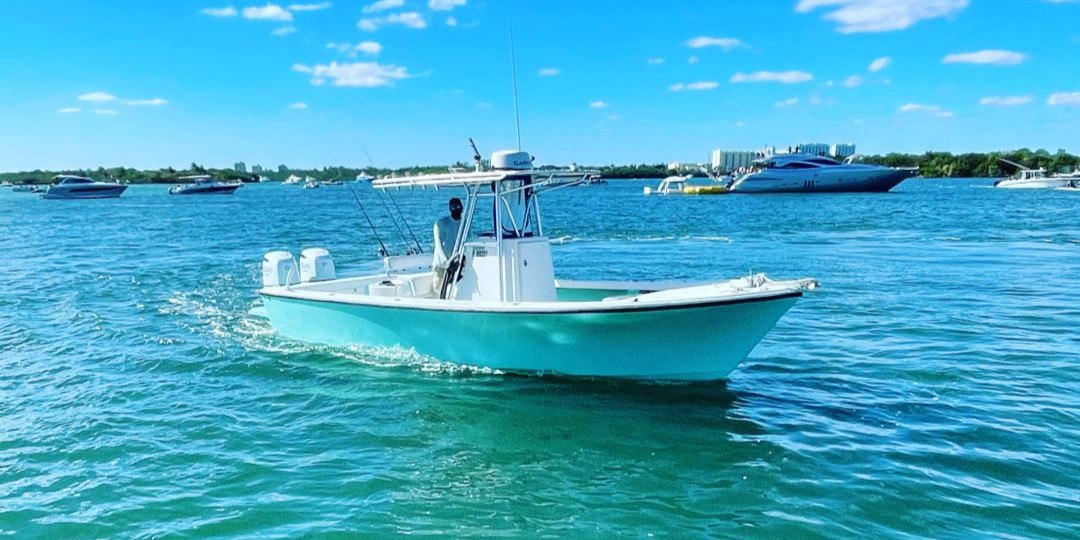
 Private Trip
 Offshore Fishing
 Fort Lauderdale
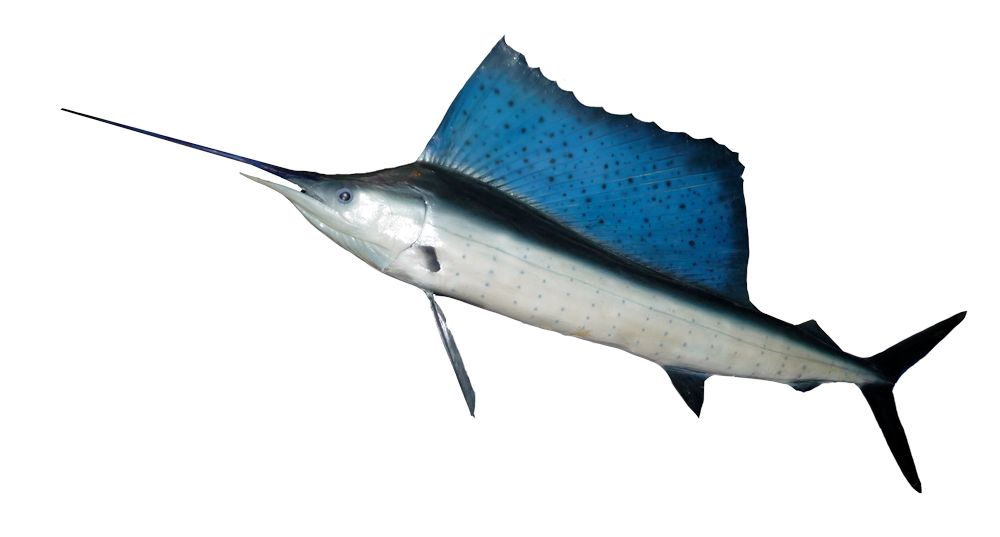


 Morning and afternoon 6-hour offshore fishing trips available