Private 5-Hour Coronado Fishing Trip | AM
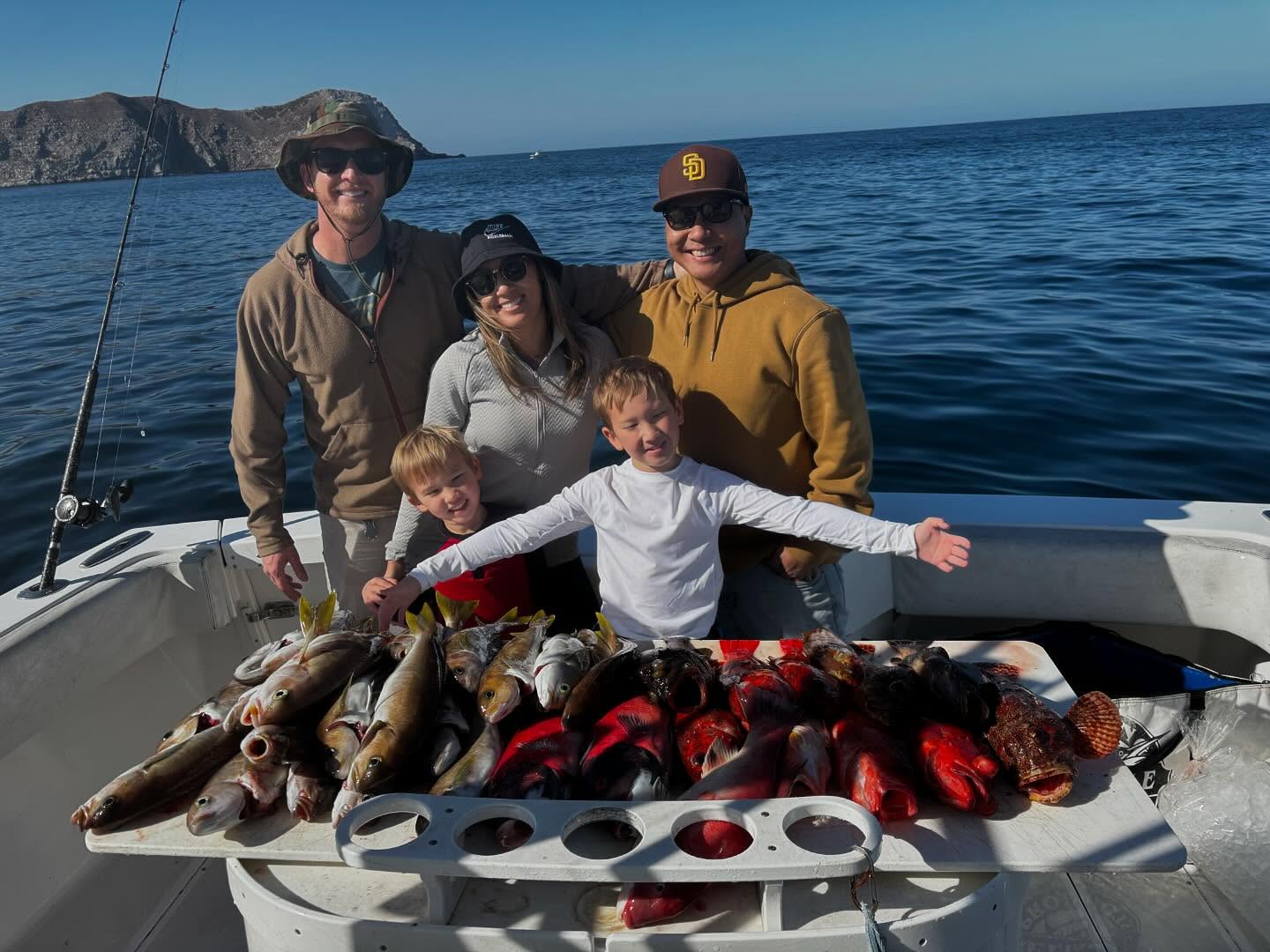
If you're looking to step up your San Diego fishing game, this private 5-hour morning trip to the Coronado Islands is where you want to be. Just a short run from San Diego Bay, these Mexican waters hold some of the most consistent fishing on the West Coast. Captain Ray and his crew at Wild Goose Fishing Charters know these waters like the back of their hand, and they'll put you on fish whether you're a seasoned angler or picking up a rod for the first time. With room for up to 6 anglers, this trip gives your group the personalized attention you deserve while targeting yellowtail, rockfish, whitefish, and whatever else is biting around the islands.
What to Expect on the Water
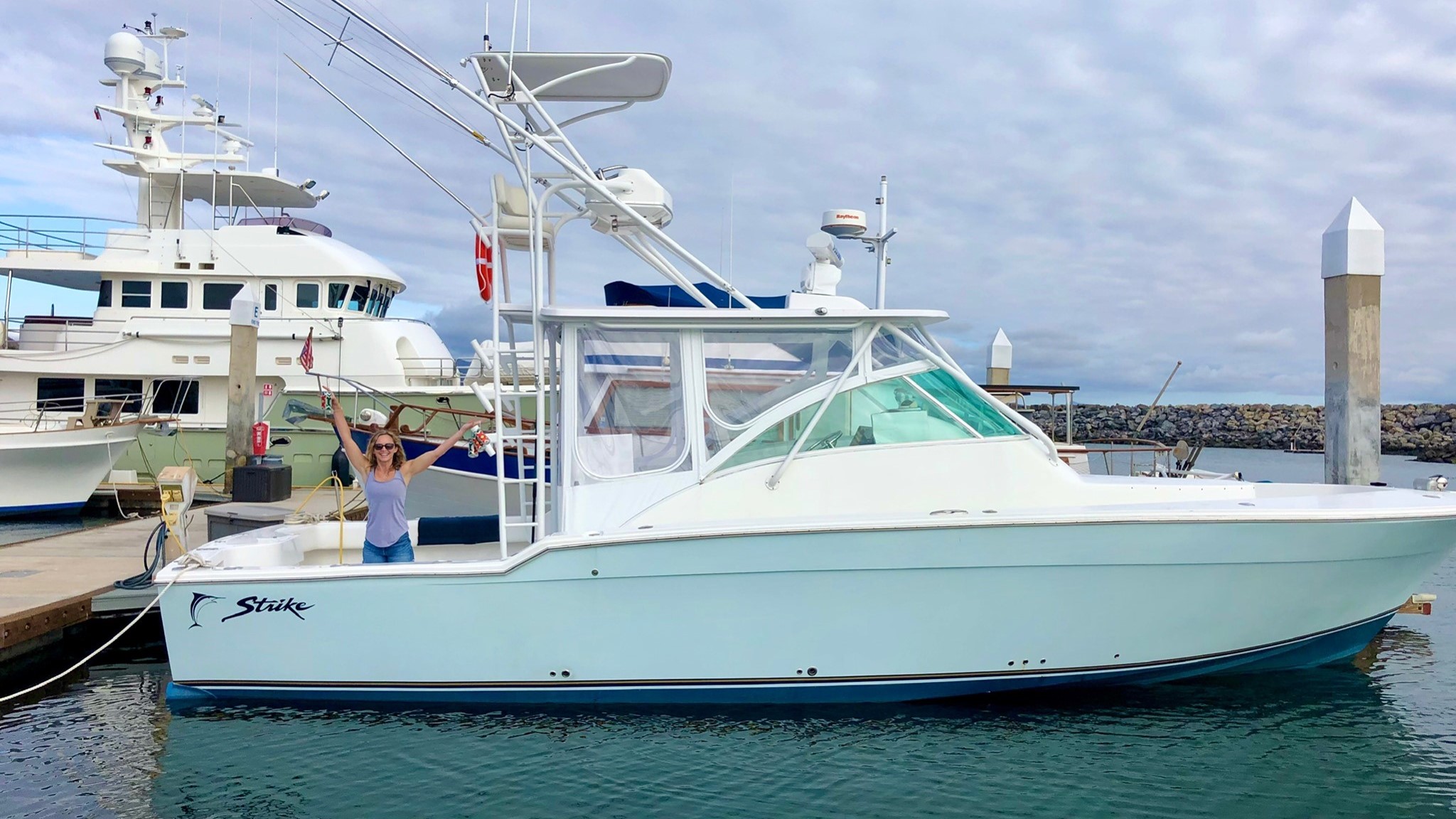
This isn't your typical bay fishing trip – you're heading offshore to one of Southern California's premier fishing destinations. The Coronado Islands sit about 15 miles south of San Diego in Mexican waters, which means you'll need a valid passport along with your California fishing license and conservation bracelet. Don't worry about the paperwork though; the crew will walk you through everything before you head out. The boat ride gives you time to rig up and get mentally prepared for what's often fast-paced action once you hit the fishing grounds. These islands create upwelling and structure that attracts baitfish, and where there's bait, there's always something bigger looking for an easy meal. The crew runs a clean operation with a full walk-around boat that gives everyone plenty of room to fish without getting tangled up with your buddies.
Techniques and Tackle
Depending on what's biting and where the fish are holding, you'll be using a variety of techniques throughout the day. For yellowtail, expect to be throwing live bait on medium-heavy tackle, often sight fishing to fish you can actually see cruising the surface. The crew knows how to properly shoulder hook sardines and anchovies to get the most natural presentation possible. When targeting rockfish and other bottom dwellers, you'll be dropping jigs or bait rigs down to rocky structure around the islands. The depth can vary from 60 to 200+ feet depending on conditions and what's biting best. The crew provides all the tackle you need, but if you have favorite rods or reels, feel free to bring them along. They'll make sure everything is rigged properly and help dial in your technique whether you're working iron jigs or fishing live bait.
Customer Stories
"I took my friends, most of whom have pretty limited fishing experience, for a full day offshore trip and it was an absolute blast. Captain Ray had us on the fish all day long and both him and the deckhand were top notch. They took the time to help my friends get the proper techniques down and I even got some tips on how to properly shoulder hook my bait. Can't recommend them enough and I know we'll be back again next year. Thanks again for a great trip!" - Payton
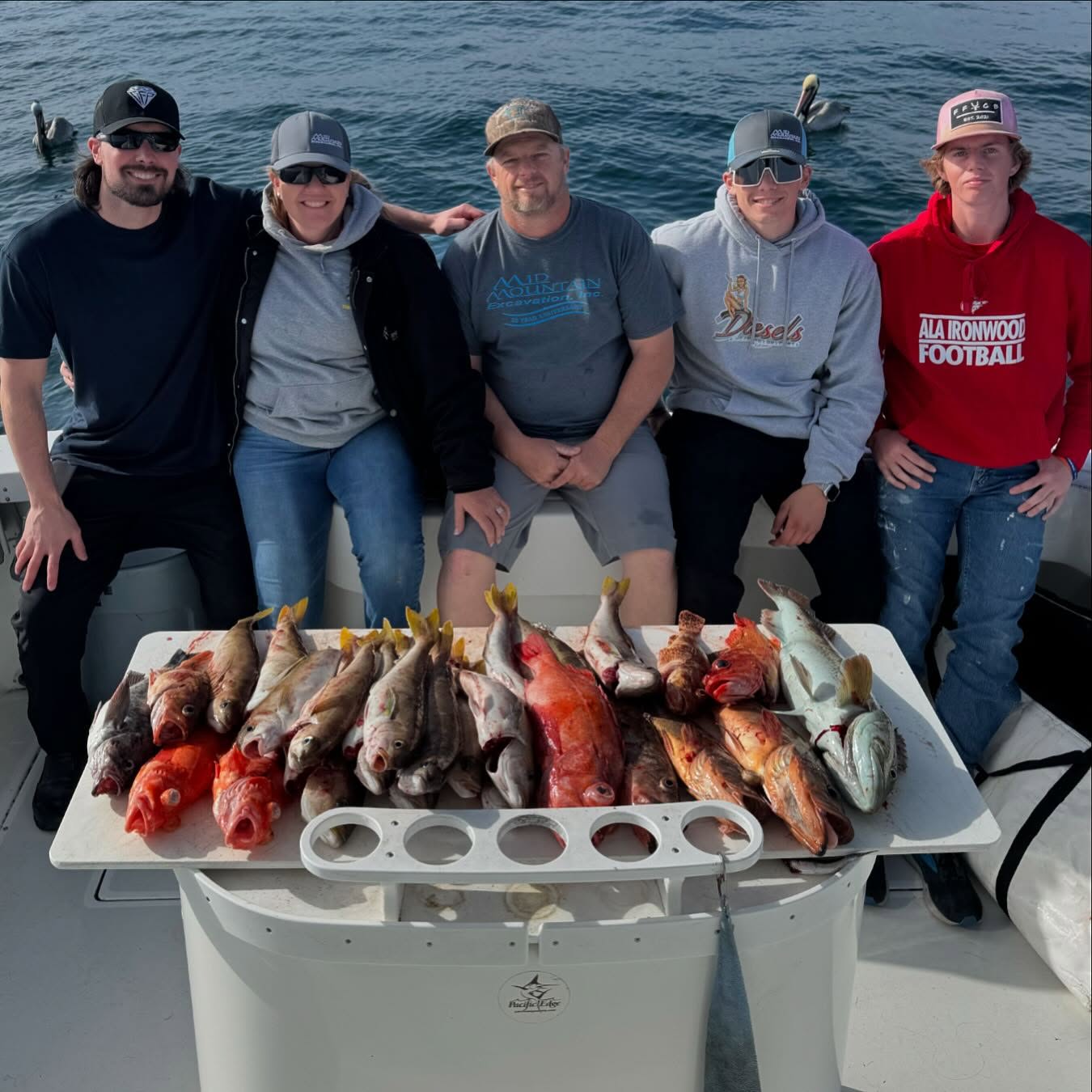
"Awesome trip! Captain Ray & first mate Anthony were great guys and worked hard to put us on the fish. We caught an early- season bluefin and stocked up on rockfish at the Coronados on the way back in. The boat was very clean and the full walk-around was perfect for our party (4 people). Highly recommended ." - Max
"Great people, Great boat, Great trip. I can't recommend these folks strong enough. Ray and Anthony were amazing- always helping the kids and making sure they were having a good time. They have fished their entire lives. Ray communicates everything well, no surprises. The boat is extremely clean, smooth riding and quick. They can fish in 8 hours what others fish in 12. No sea sickness and no getting "beat up" for us. The trip was exactly what I'd hoped for. Fun and Memorable for the kids. I've fished my whole life and used to guide. I can tell you that these are the guys you want to fish with whether you are hardcore or out to have a fun family trip with the kids." - Brian
Species You'll Want to Hook
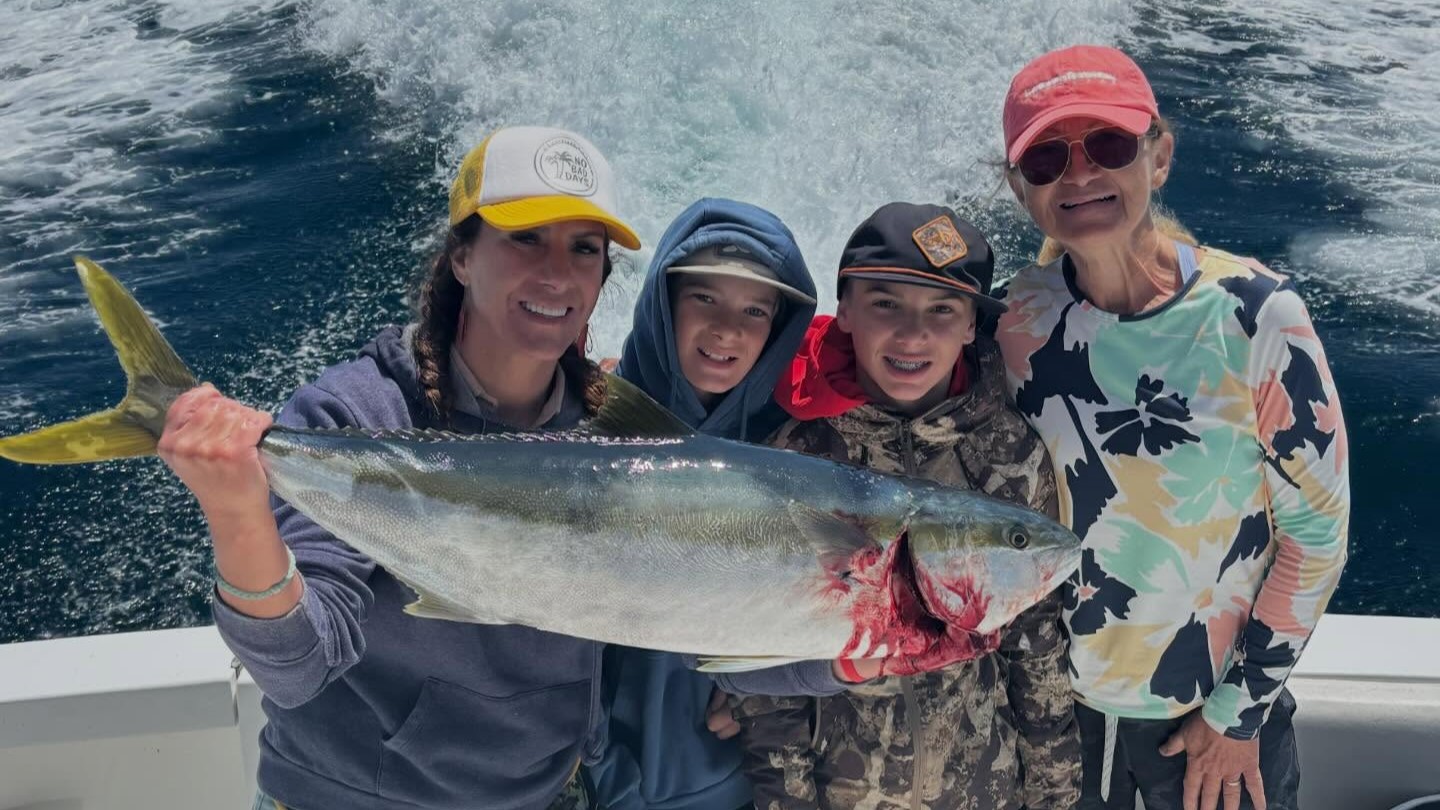
Yellowtail Amberjack are the crown jewel of Southern California fishing, and the Coronados consistently produce some of the best yellowtail action you'll find anywhere. These hard-fighting fish typically run 15-40 pounds in these waters, with the occasional bruiser pushing 50+. They're most active during warmer months from late spring through fall, but you can find them year-round around the islands. What makes yellowtail so special is their incredible fight – they'll make blistering runs that can strip 100+ yards of line in seconds, then turn around and try to wrap you around the nearest piece of structure. They're also fantastic table fare, making them a favorite for anglers who want great action and a quality fish dinner.
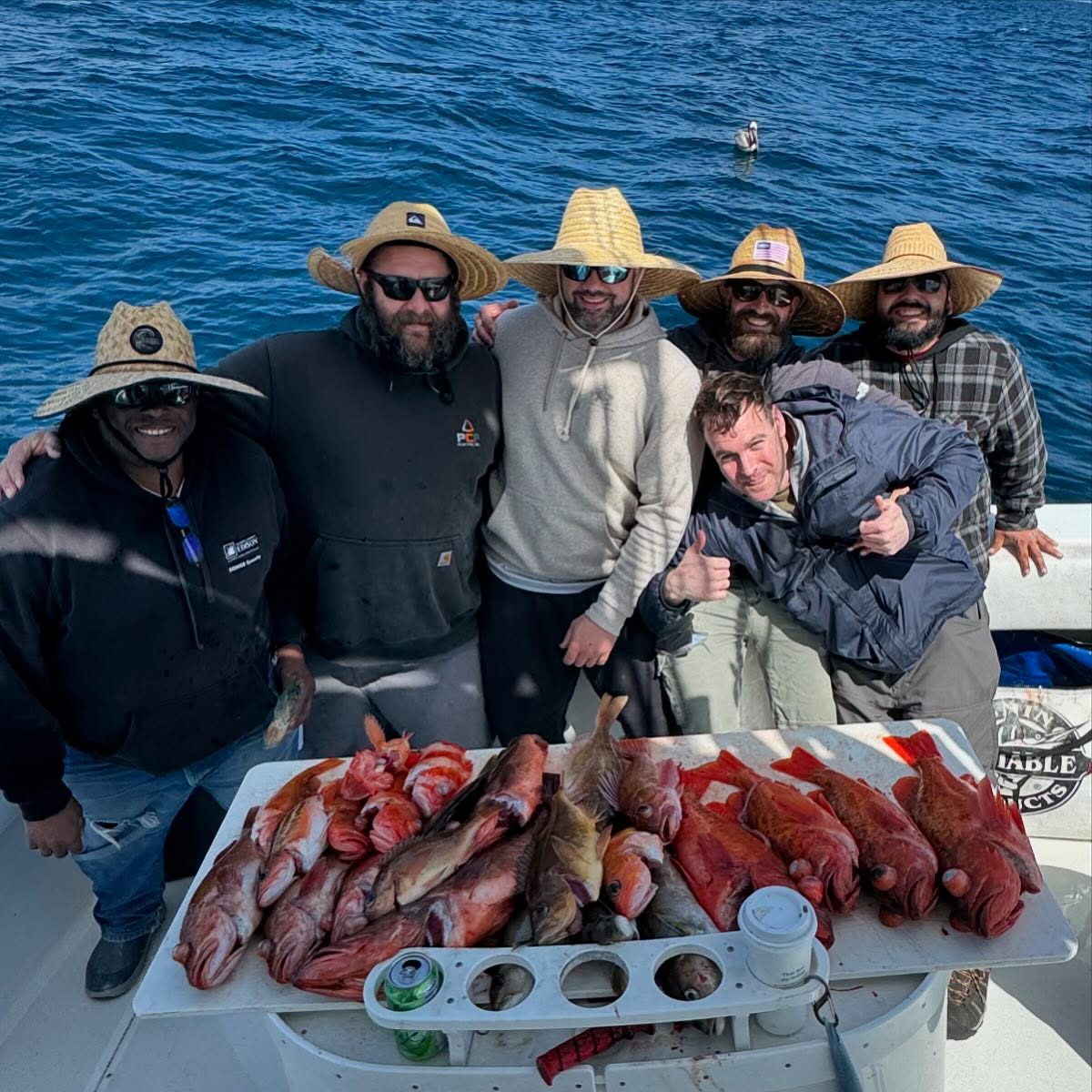
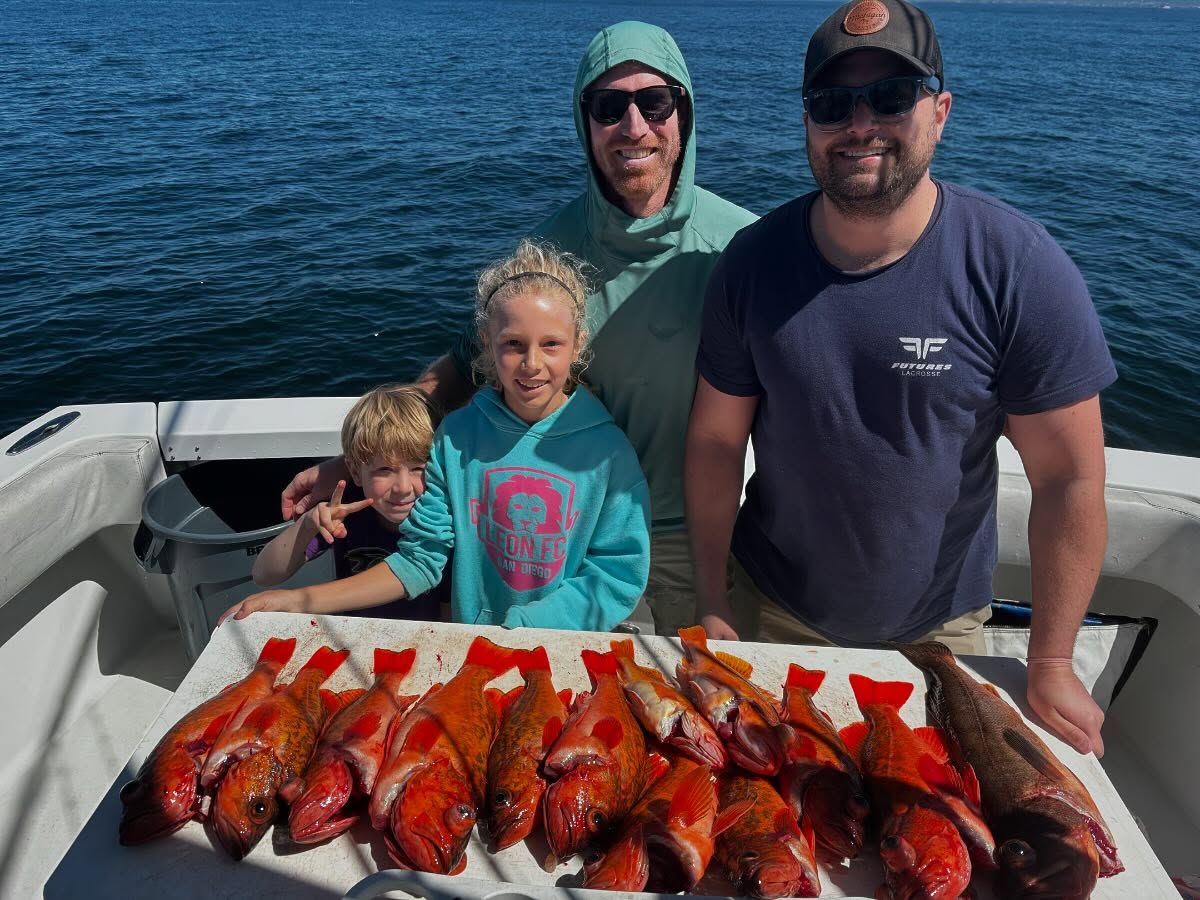
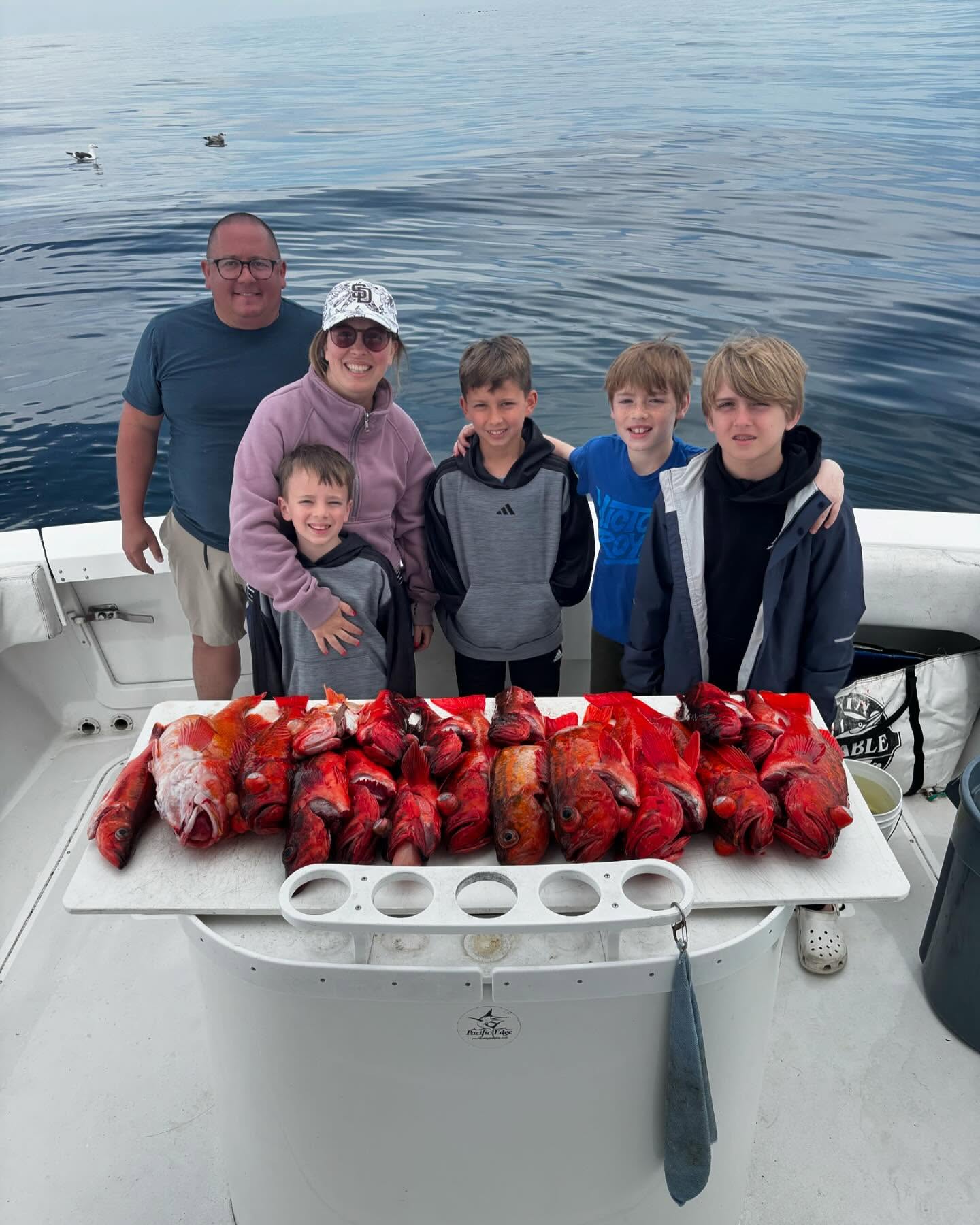
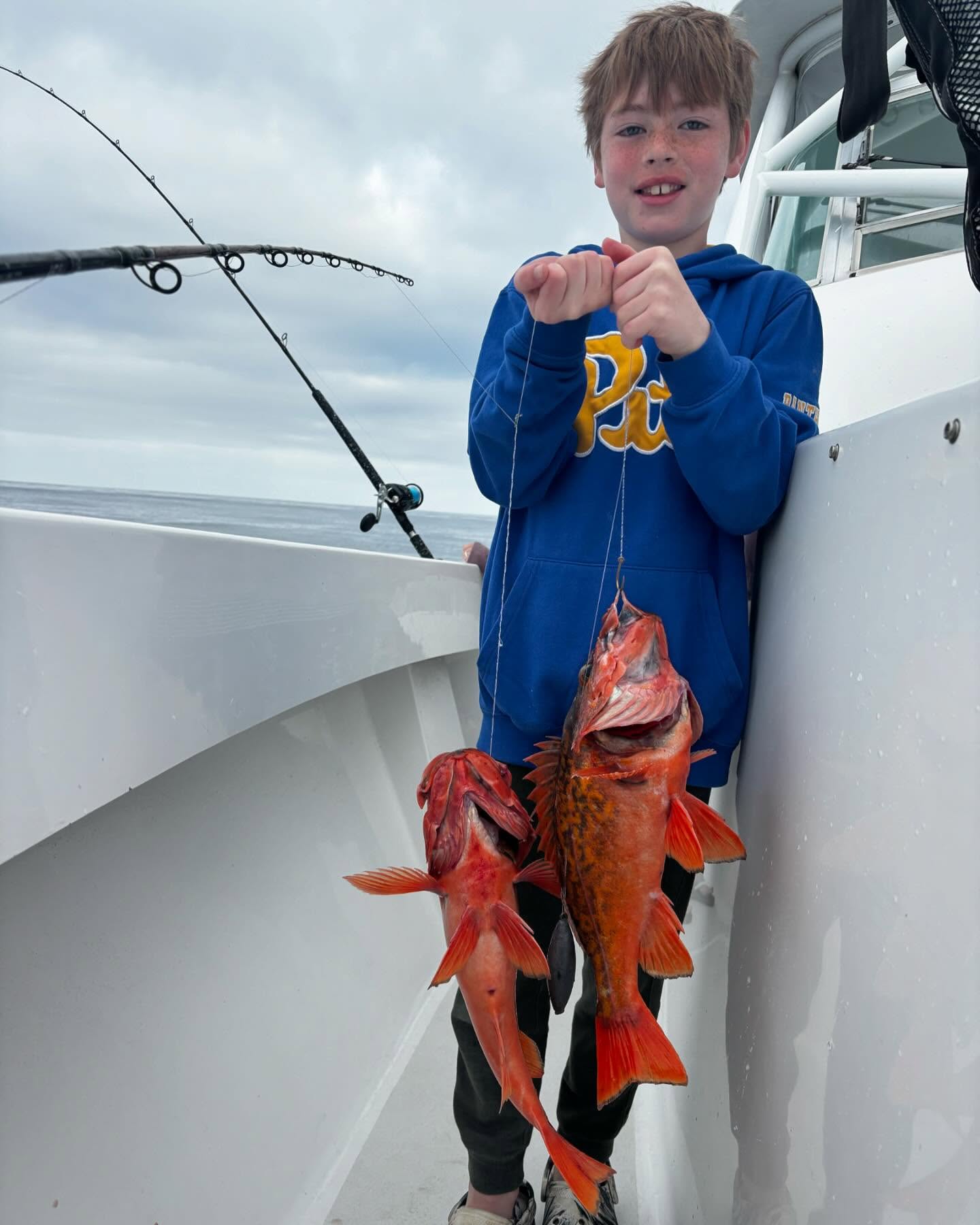
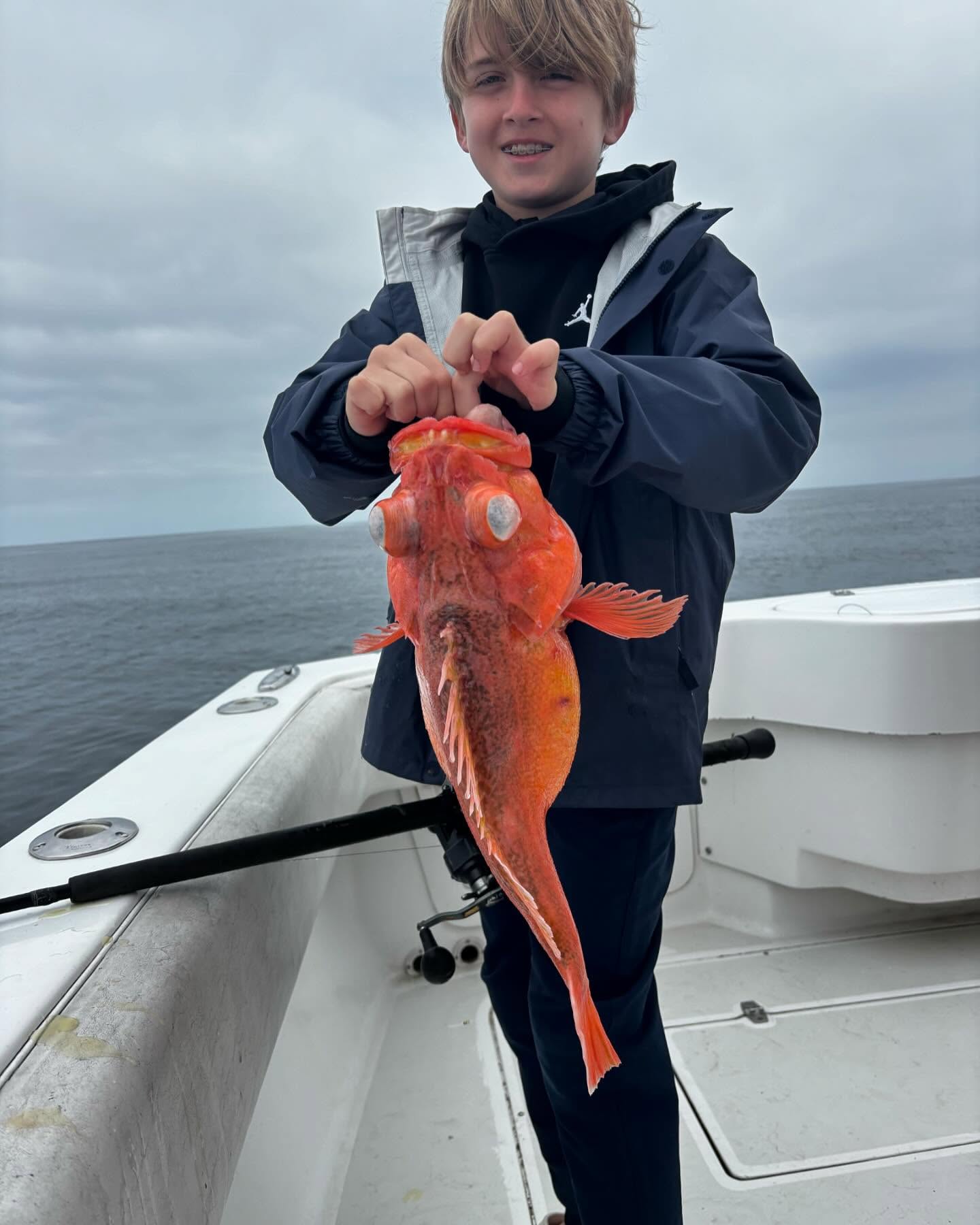
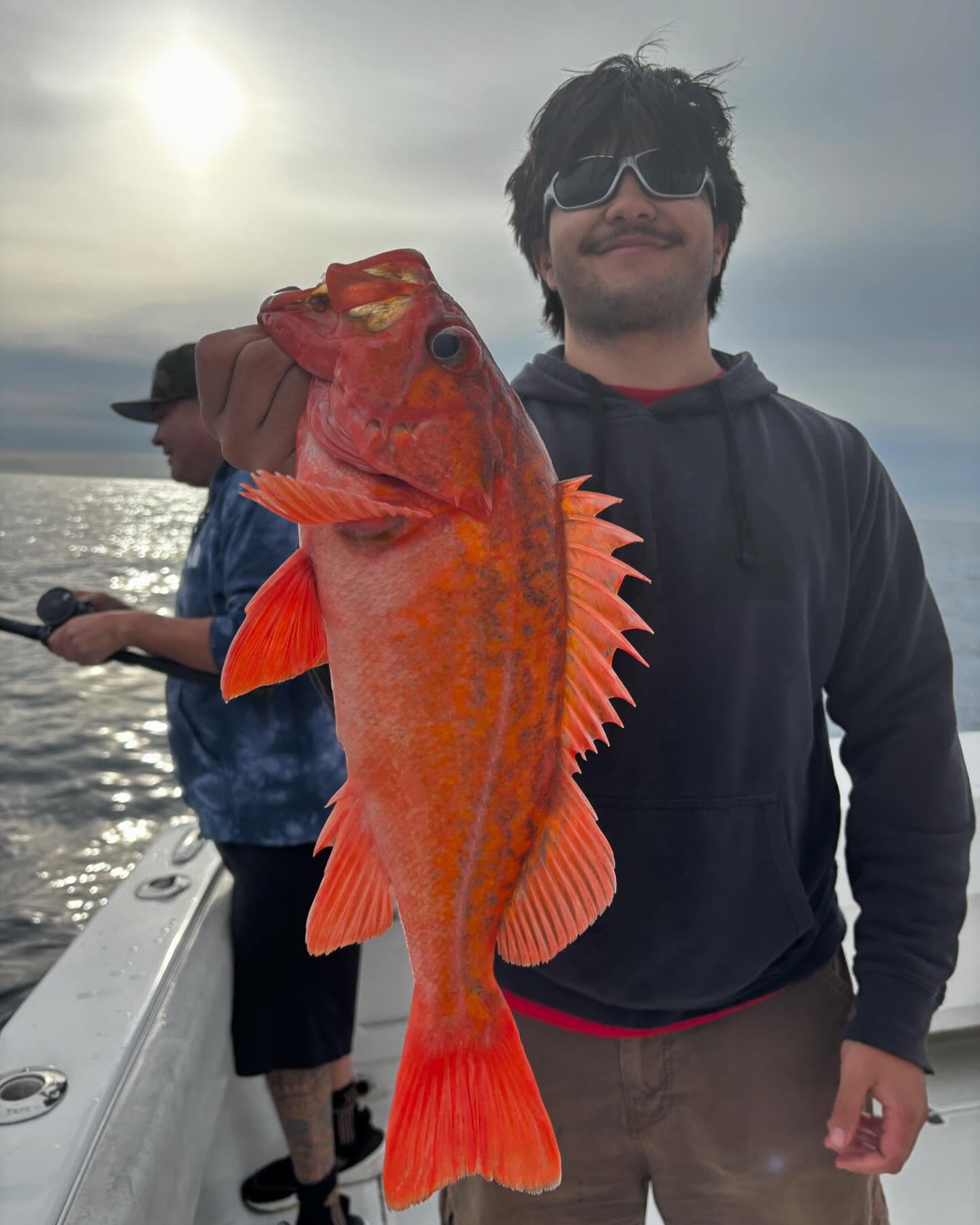
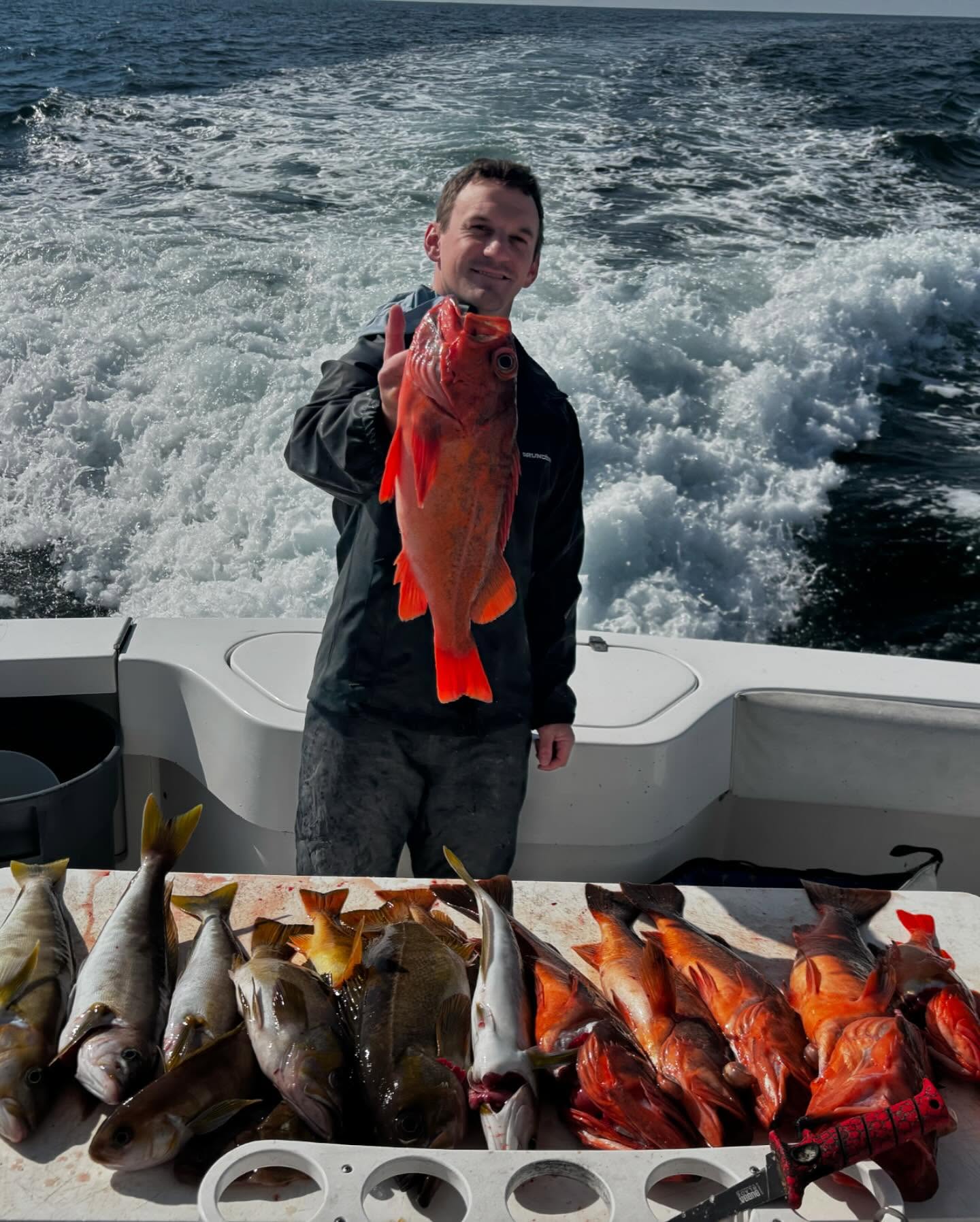
Vermilion Rockfish are one of the most reliable catches around the Coronados, and for good reason. These beautiful red and orange fish live around the rocky structure and ledges that surround the islands, typically in 100-300 feet of water. They average 2-5 pounds but can grow much larger, and they're known for their excellent eating qualities. Vermilion rockfish are available year-round, making them a consistent backup when other species aren't cooperating. They hit both bait and jigs aggressively, and once you dial in the depth they're holding at, you can often catch them steadily throughout the trip.
Ocean Whitefish might not have the glamorous reputation of yellowtail, but they're scrappy fighters that will keep your rod bent and provide plenty of action. These silver-sided fish typically run 2-6 pounds and are found around kelp beds and rocky areas throughout the region. They're particularly active during cooler months and can provide fast-paced fishing when conditions are right. Ocean whitefish hit a variety of baits and lures, making them perfect for anglers still learning different techniques. They
 5.0(3 Reviews)
 Private Trip
 Offshore Fishing
 San Diego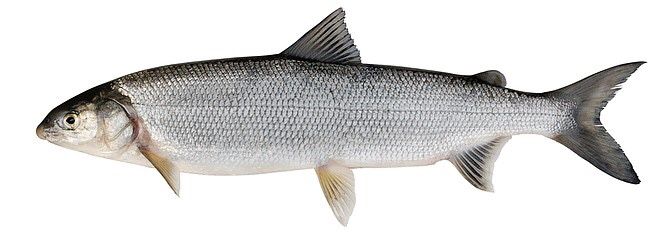


 5-hour offshore trip targeting Yellowtail and Rockfish at Coronado Islands