Private Full-Day Coronado Fishing Trip
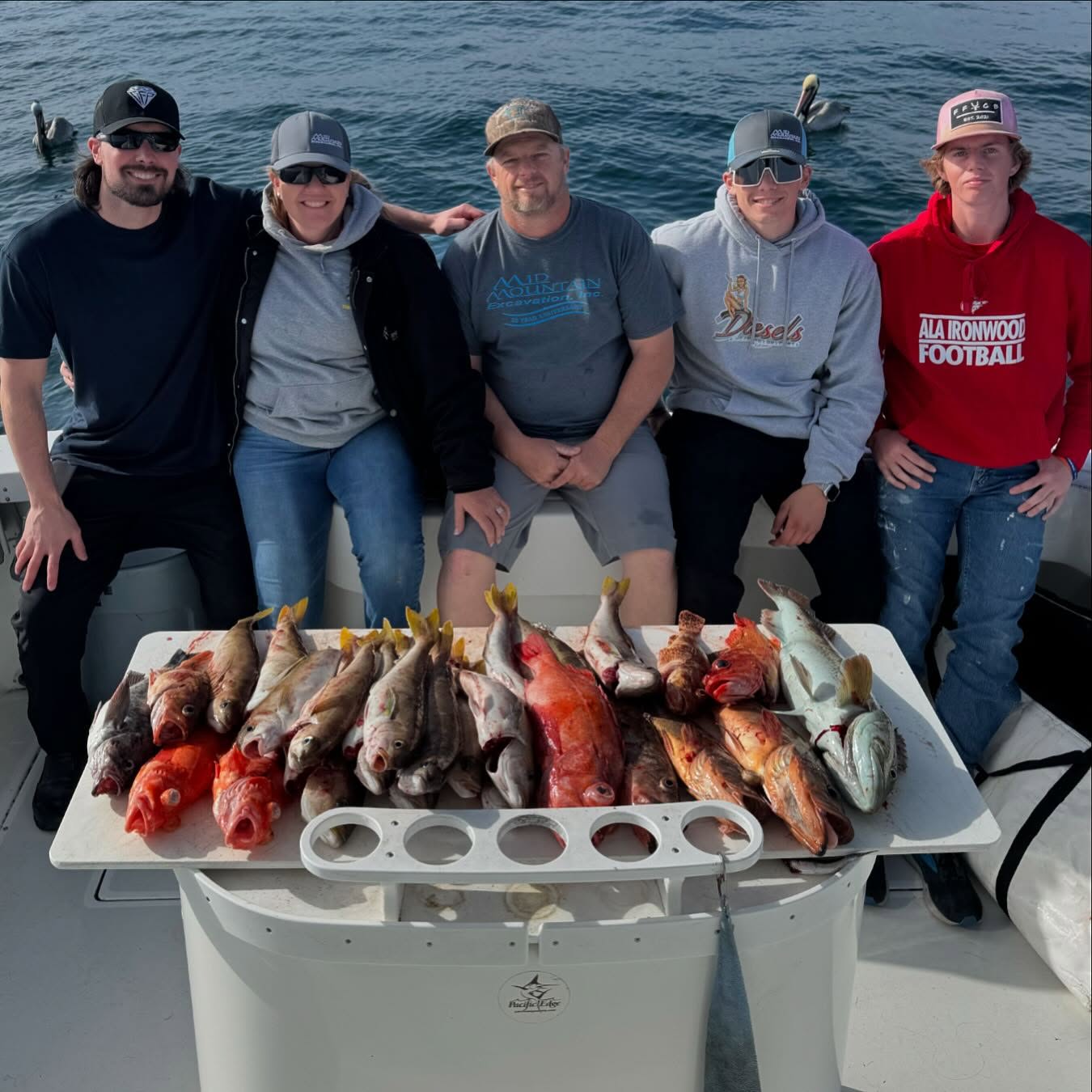
Picture this: you're heading out at first light with Wild Goose Fishing Charters, watching the San Diego coastline fade behind you as you make your way toward some of the most productive fishing grounds in Southern California. The Coronado Islands aren't just a pretty backdrop – they're home to kelp forests, underwater structure, and baitfish that draw everything from hefty lingcod to hard-fighting yellowtail. This isn't your typical day on the water. We're talking about a private charter for up to 6 anglers, which means no crowded rails, no rushing through your spots, and plenty of room to work that fish when you hook into something special.
What to Expect on the Water
Your day starts early, and trust me, it's worth the wake-up call. The Coronados sit about 15 miles southwest of San Diego, and the ride out gives you time to rig up, grab some coffee, and watch the sun come up over one of the best fishing areas on the West Coast. Since this is a private trip, the captain can adjust the game plan based on what's biting, current conditions, and what you're hoping to target. Some days we'll work the kelp beds around the islands for rockfish and lingcod. Other days, when the conditions line up right, we might push farther offshore to chase tuna or hunt down those paddy yellowtail that get everyone's heart racing. The beauty of a private charter is flexibility – no rigid schedule, just good fishing and making the most of your time on the water. Keep in mind you'll need your passport since we're crossing into Mexican waters, plus a valid California fishing license and conservation bracelet.
Tackle and Techniques
The fishing around the Coronados calls for different approaches depending on what's on the menu. For the rockfish and lingcod holding tight to structure, we're talking about vertical jigging and dropping baits right down to the bottom. Heavy sinkers, strong hooks, and steady pressure – these fish don't give up easy once they feel steel. When we're working the kelp for yellowtail, that's a whole different ball game. Live bait fishing with sardines or mackerel, watching your line peel off the reel as a yellowtail makes its first run toward the kelp. The crew will have the right gear on board, but if you've got your own setup, medium-heavy to heavy action rods with quality reels and strong drag systems are your best bet. Circle hooks are the way to go for most applications, and don't forget to bring a good pair of pliers – you'll be pulling hooks out of some tough-mouthed fish.
Species You'll Want to Hook
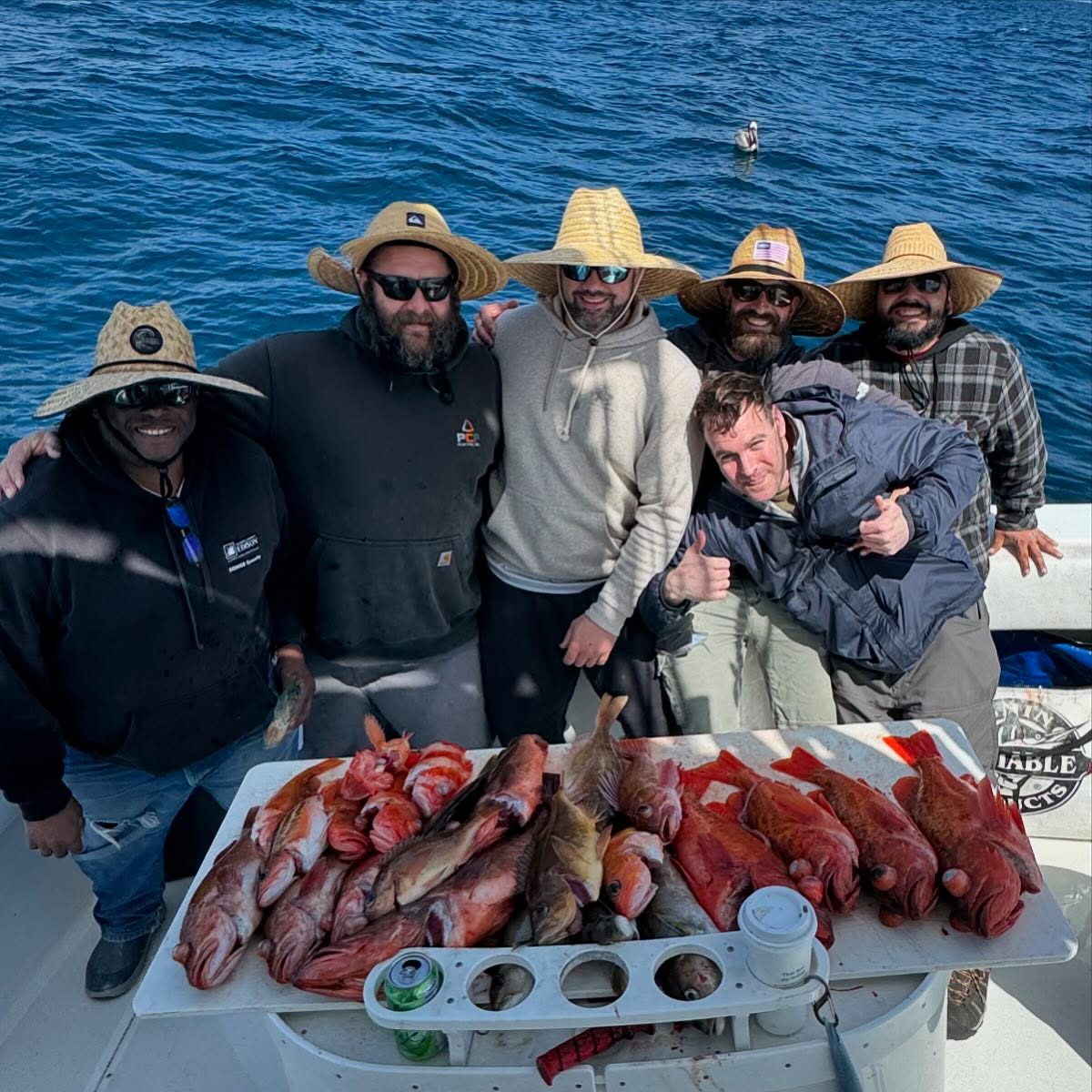
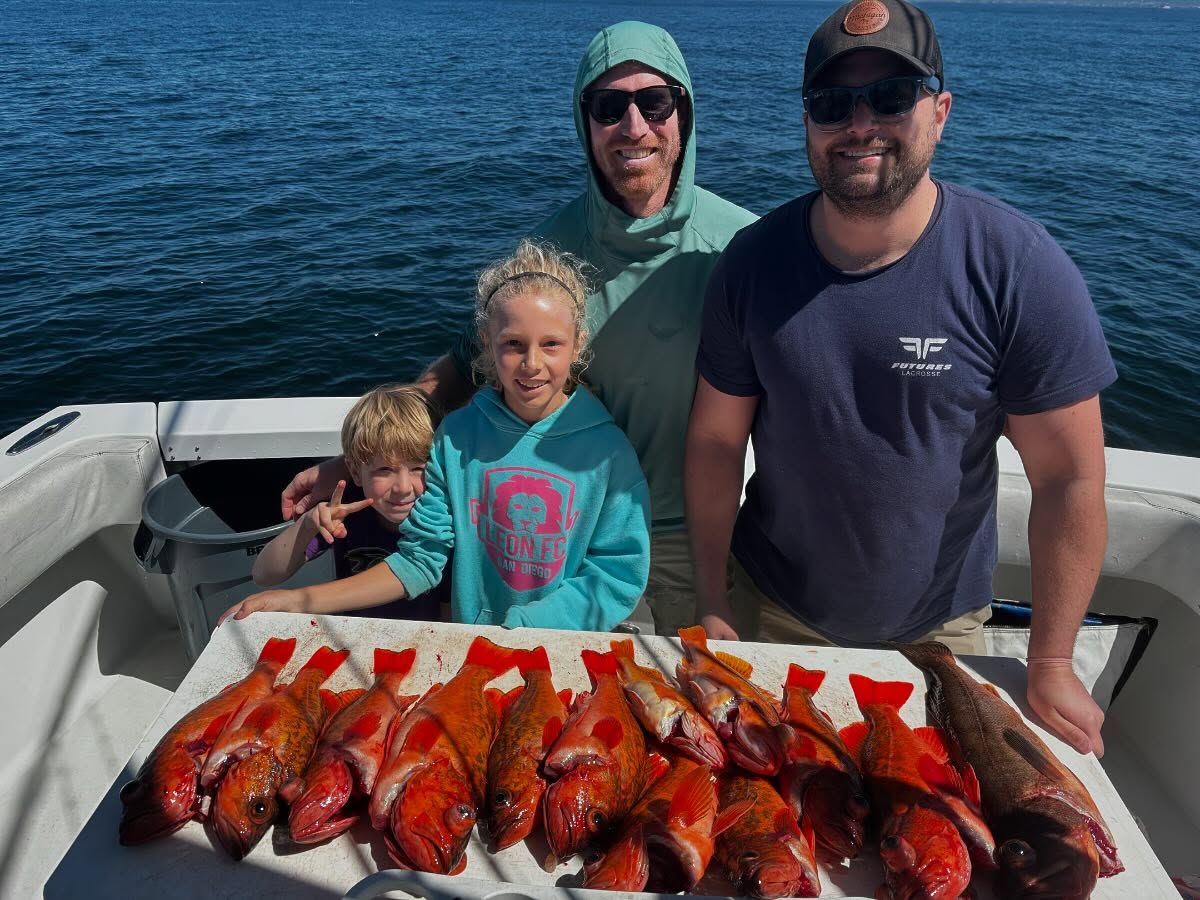
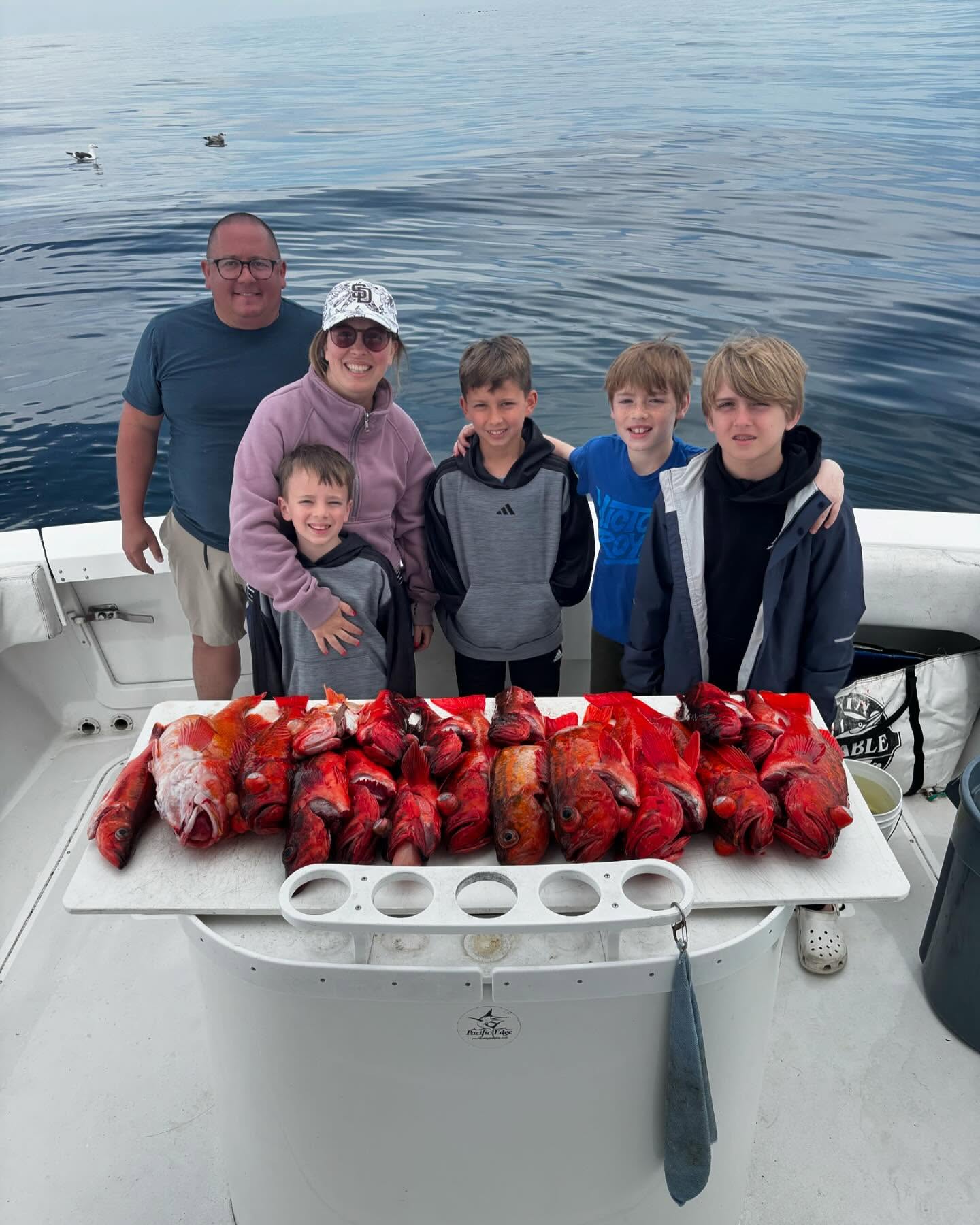
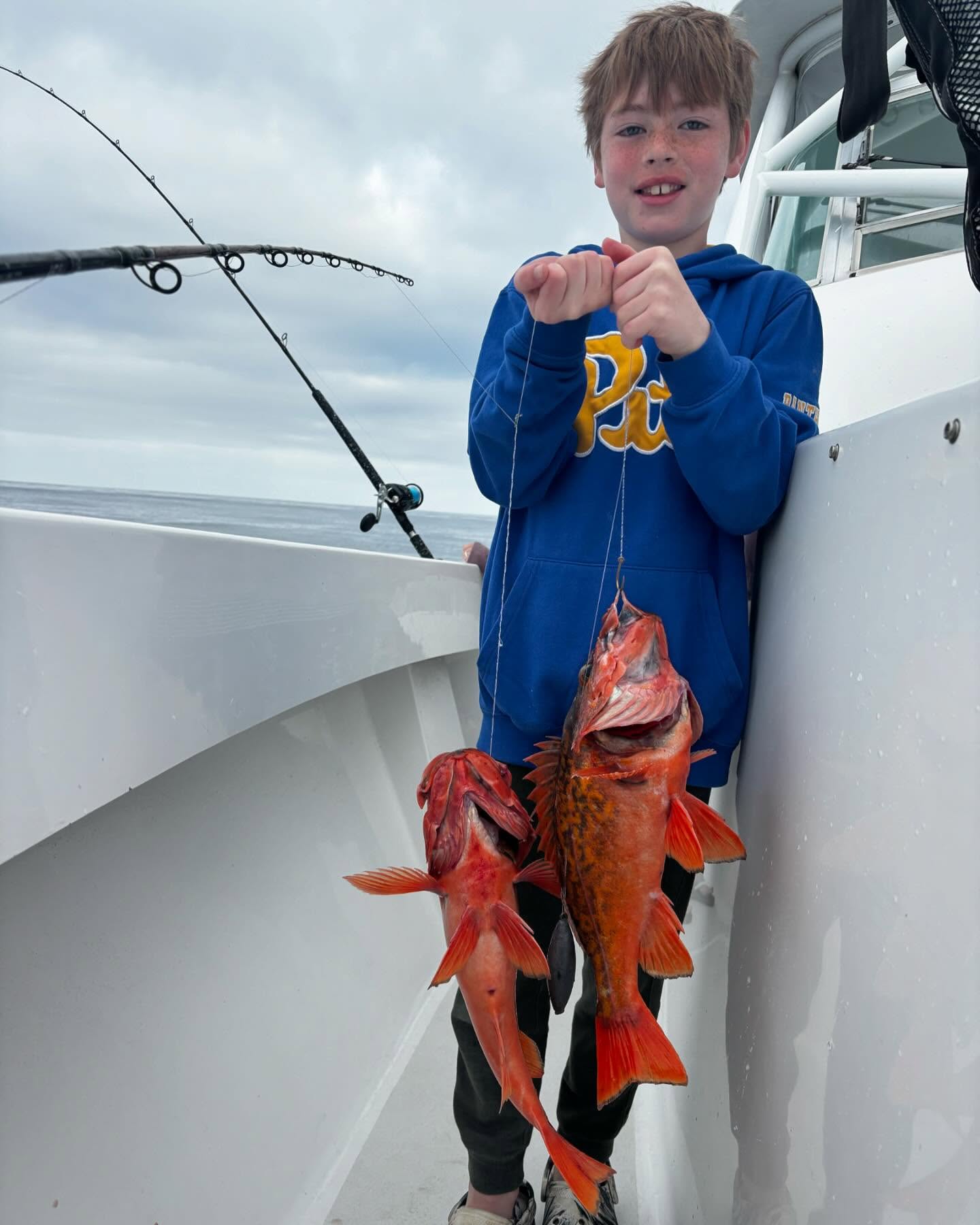
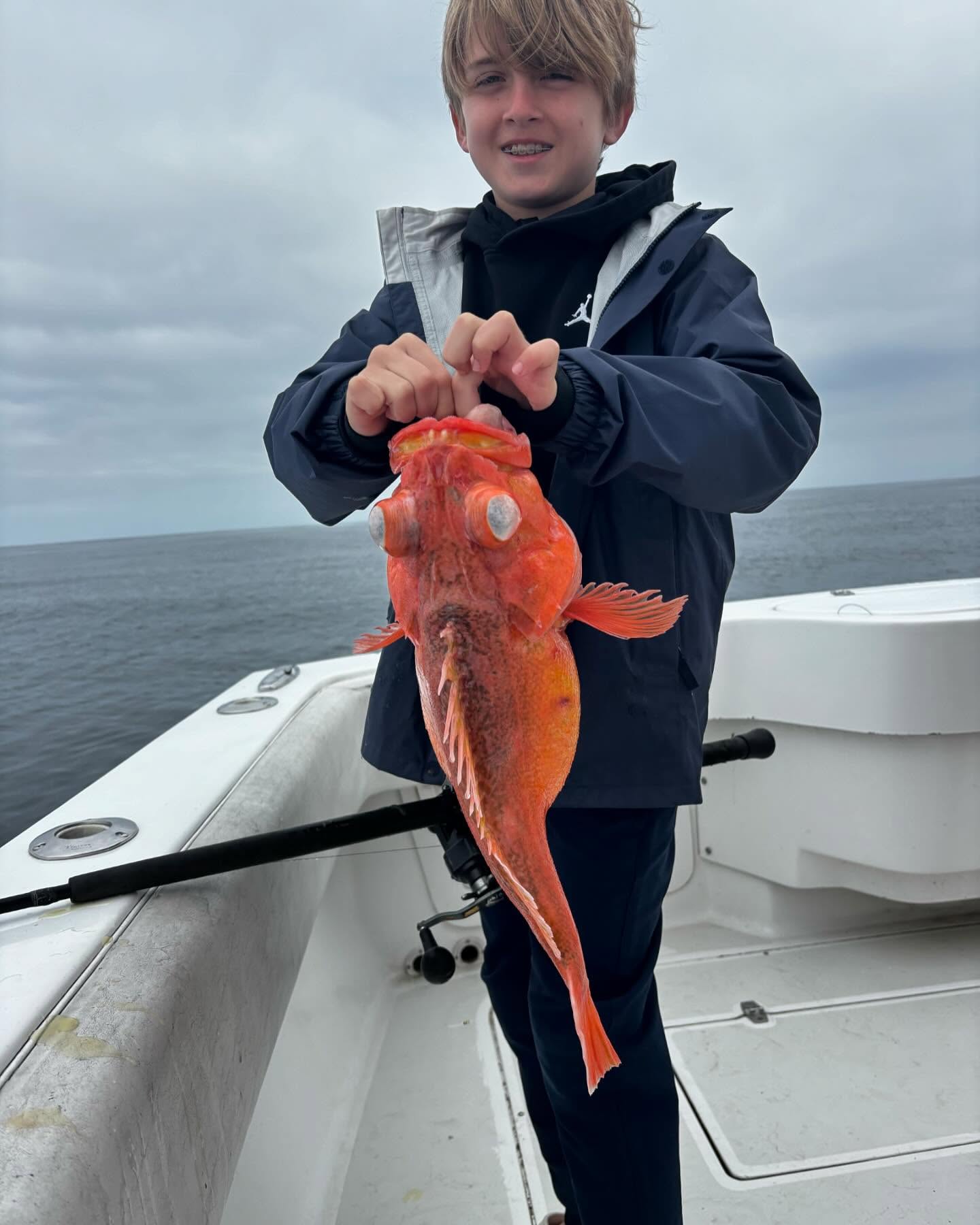
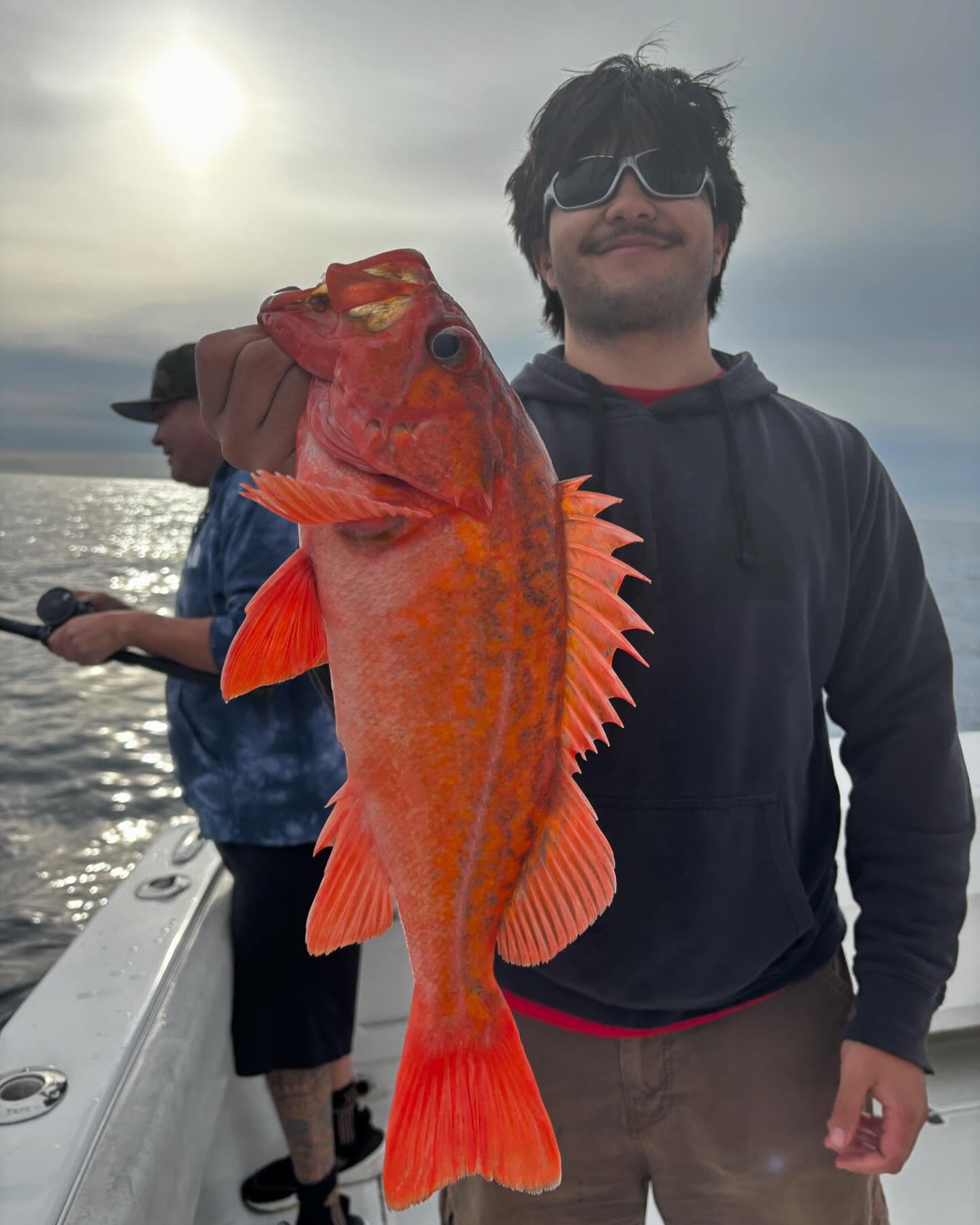
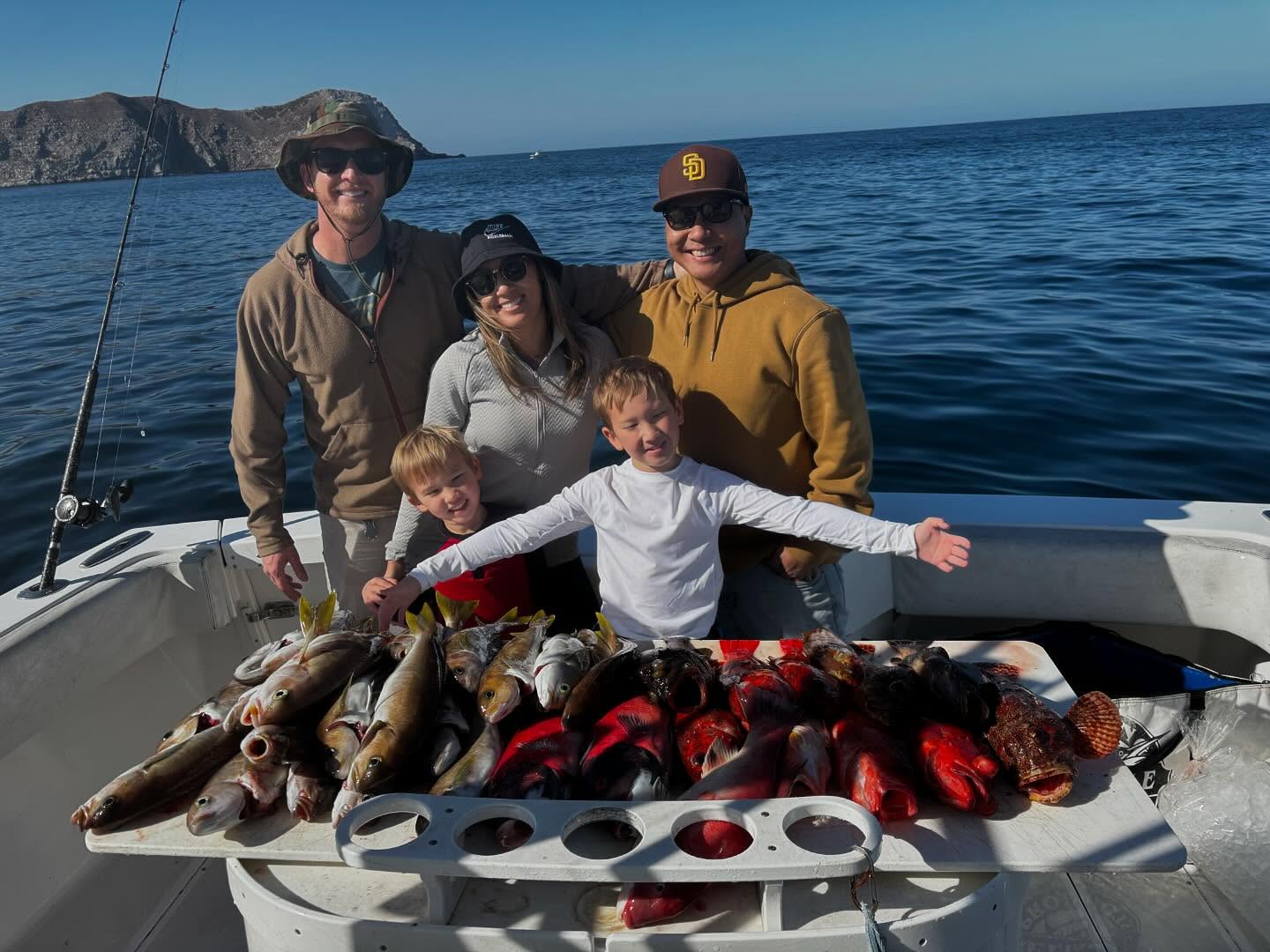
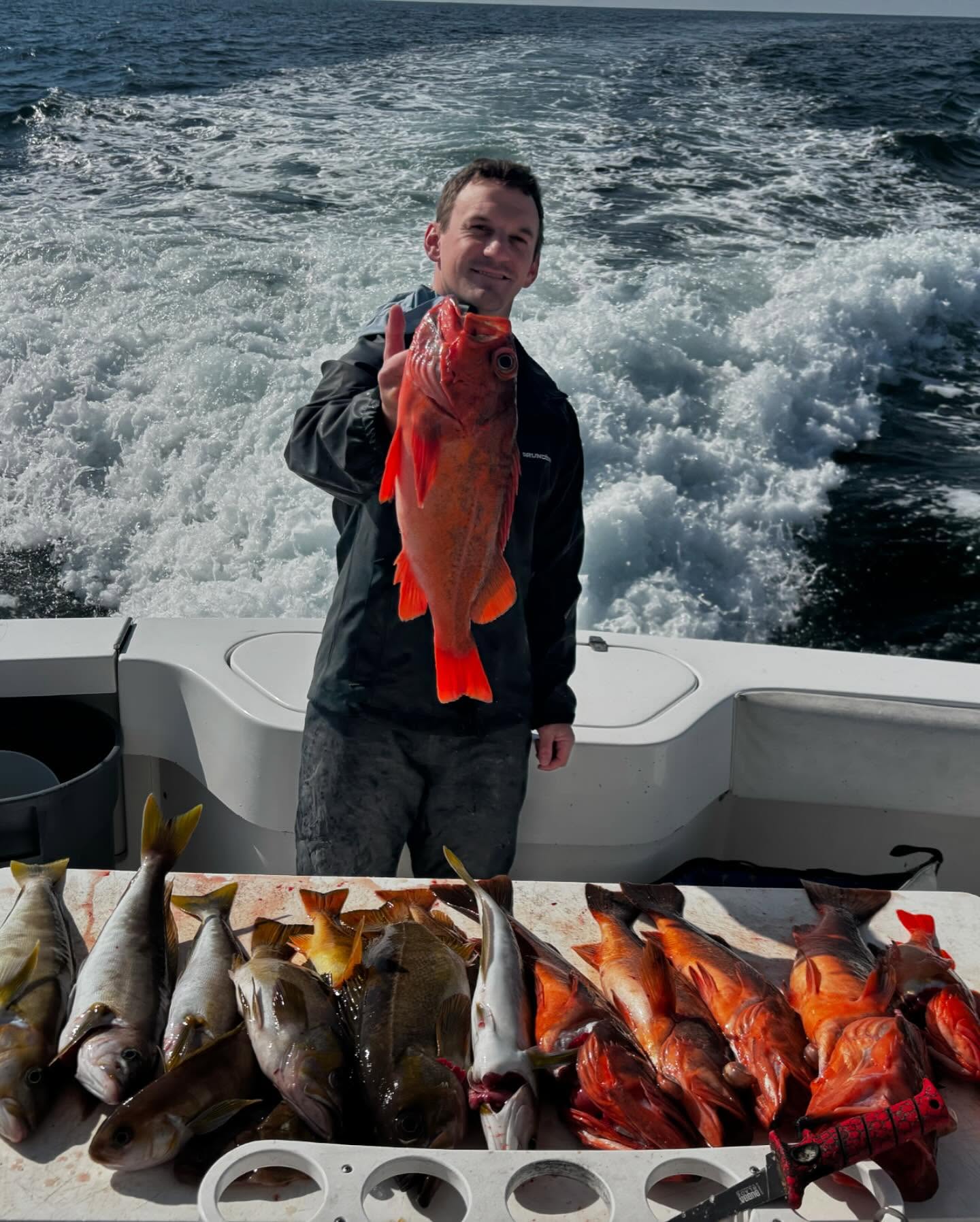
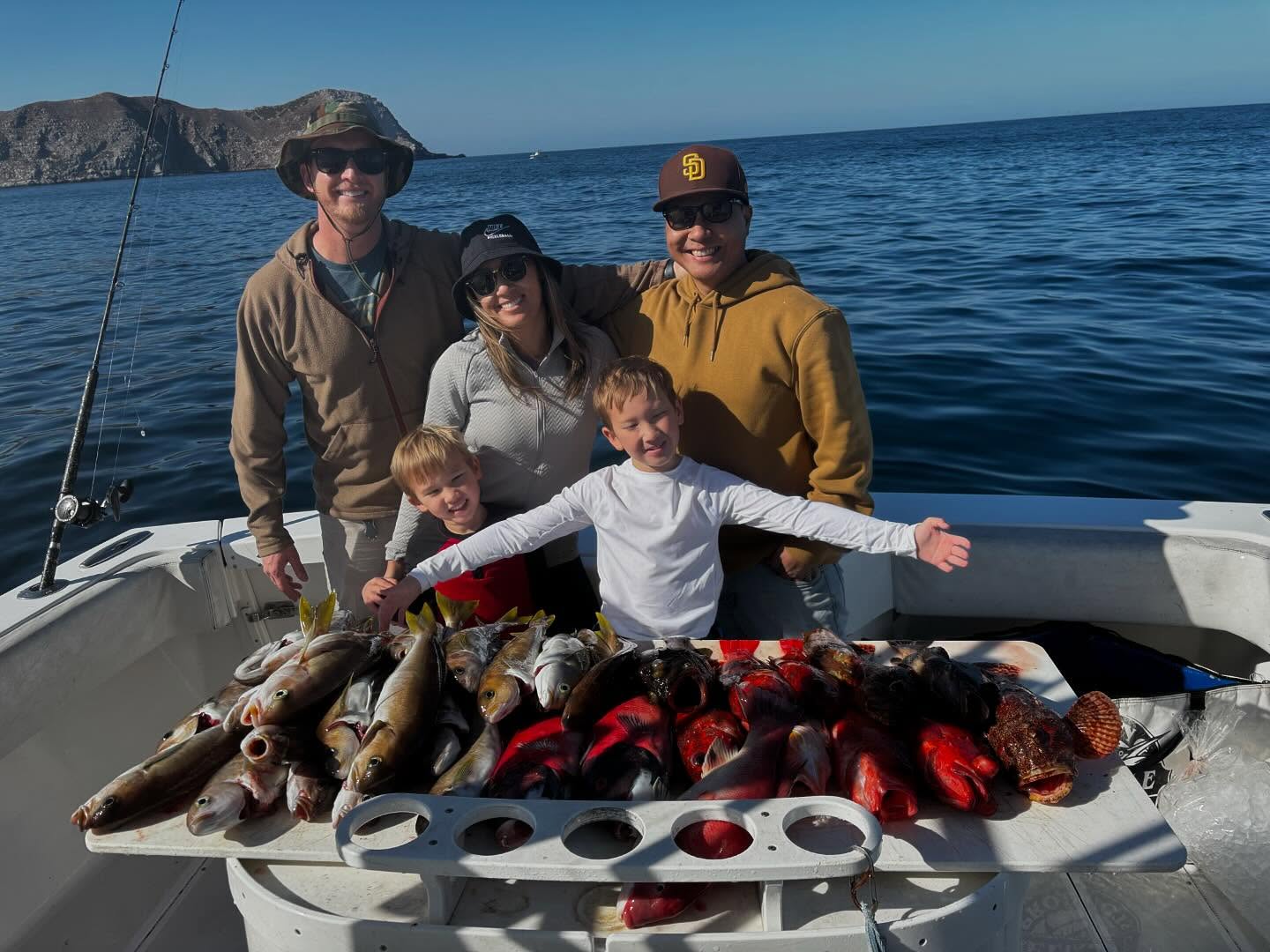
Vermilion Rockfish are one of the top-rated catches around the Coronados, and for good reason. These bright red beauties typically run 3-8 pounds and fight harder than you'd expect for their size. They love rocky bottom and structure, usually hanging out in 100-300 feet of water. Spring through fall are prime time for vermilions, and they're excellent table fare. What makes them fun to catch is their aggressive strike – when a school moves through, you can have multiple hookups at once.
Lingcod are the heavyweight champions of the rockfish family, even though they're not technically rockfish at all. These prehistoric-looking predators can push 20-30 pounds or more, with massive mouths full of sharp teeth. They're ambush predators that sit motionless near the bottom until something tasty swims by – like your bait. Lingcod season typically runs spring through fall, and they're found in deeper water around structure. The fight is more about power than speed, and they've got this habit of shaking their heads violently when they feel the hook.
Bocaccio Rockfish are another local favorite, running larger than most rockfish species at 5-15 pounds. They're more active swimmers than their bottom-hugging cousins, often found suspended in the water column around kelp and structure. Bocaccio have been making a strong comeback in recent years, and they're known for their long runs and aerial displays when hooked. Best fishing is typically late spring through early fall.
Yellowtail Rockfish might share a name with their more famous yellowtail jack cousins, but they're completely different fish. These guys are smaller, usually 2-5 pounds, but they school up in large numbers and provide steady action. They're found throughout the water column and are less structure-dependent than other rockfish. Year-round fishing is possible, but summer and fall tend to produce the most consistent results.
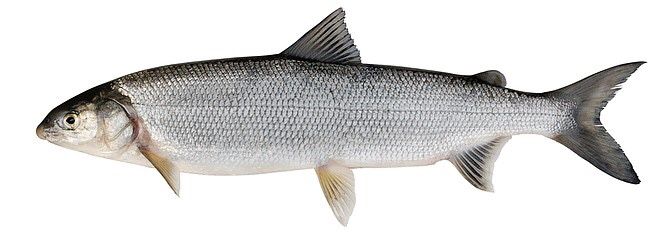
Ocean Whitefish round out our target species list, and they're a customer favorite for their light, flaky meat and willingness to bite. Running 1-4 pounds on average, they're found around kelp beds and rocky areas. Whitefish are active feeders and often the first fish in the boat when you hit a productive spot. They're available year-round but peak during the warmer months when baitfish are abundant around the islands.
Time to Book Your Spot
A private full-day charter to the Coronados isn't just another fishing trip – it's your chance to experience some of the best offshore fishing San Diego has to offer without the crowds and limitations of party boats. With Wild Goose Fishing Charters, you're getting local knowledge, quality gear, and the flexibility to make the most of whatever conditions and bite you encounter. Whether you're looking to load the cooler with fresh fish for dinner, chase that personal best lingcod, or introduce someone new to the world of offshore fishing, this trip delivers. The Coronado Islands have been producing quality fish for decades, and they're not slowing down anytime soon. Don't wait – the best fishing days fill up fast, especially during peak season.
 Private Trip
 Offshore Fishing
 San Diego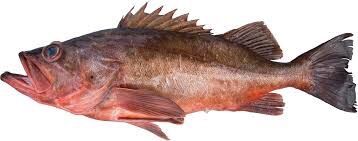



 Target Yellowtail, Lingcod, Rockfish, and Tuna offshore Coronado Islands