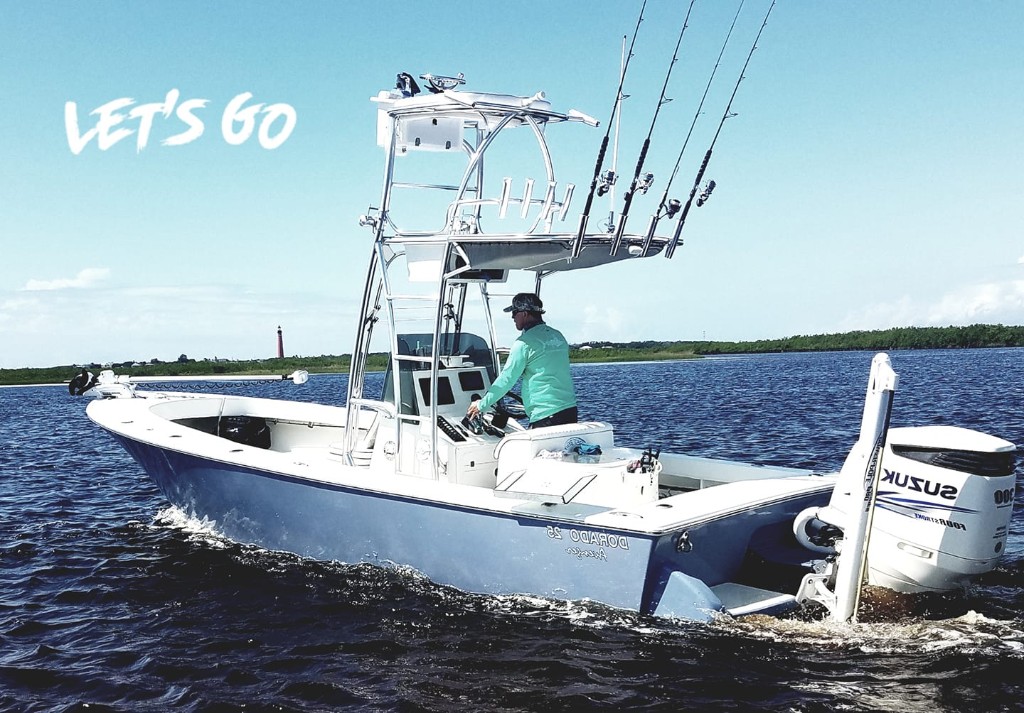
4 Hour Inshore Fishing Adventure - Daytona Beach
Captain Brad's been working these waters for years, and there's something special about Daytona Beach's inshore fishing scene that keeps anglers coming back trip after trip. This 4-hour adventure puts you right in the heart of some of Florida's most productive shallow water fishing grounds, where the Indian River meets the Atlantic and creates perfect conditions for stalking redfish, grouper, and amberjack. With space for up to four anglers, this trip strikes the perfect balance between personal attention from an experienced guide and enough room for the whole family to get in on the action. Captain Brad knows exactly where these fish like to hang out, from the grass flats to the deeper channels, and he's got the local knowledge that turns good fishing days into great ones.
What to Expect on the Water
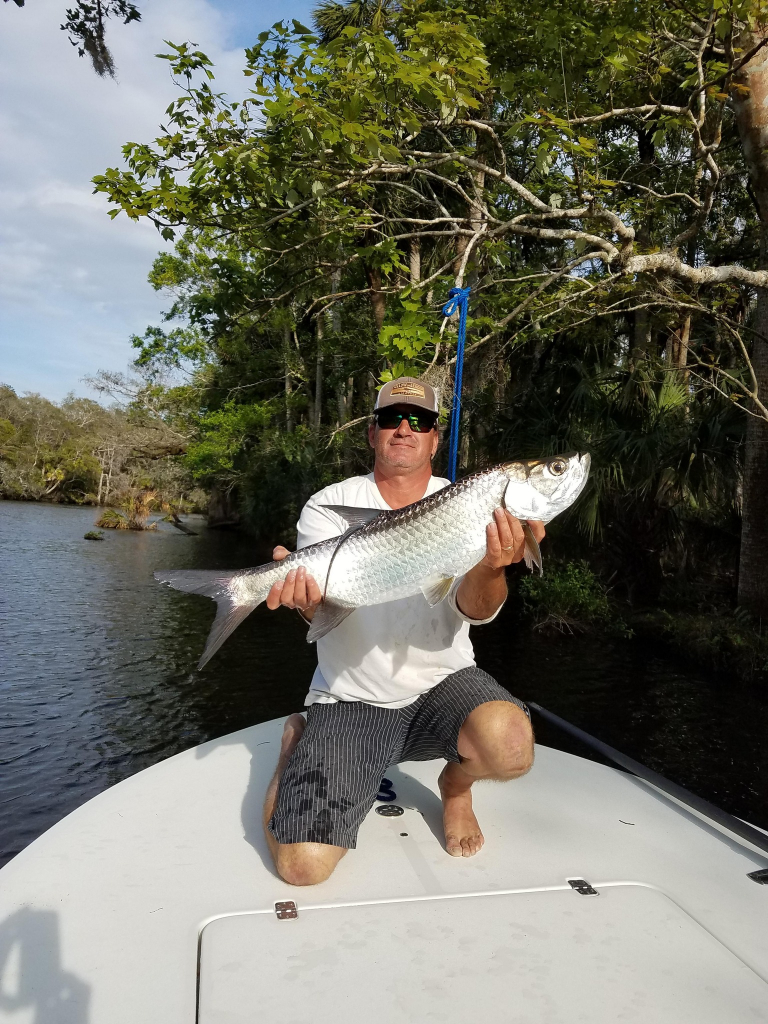
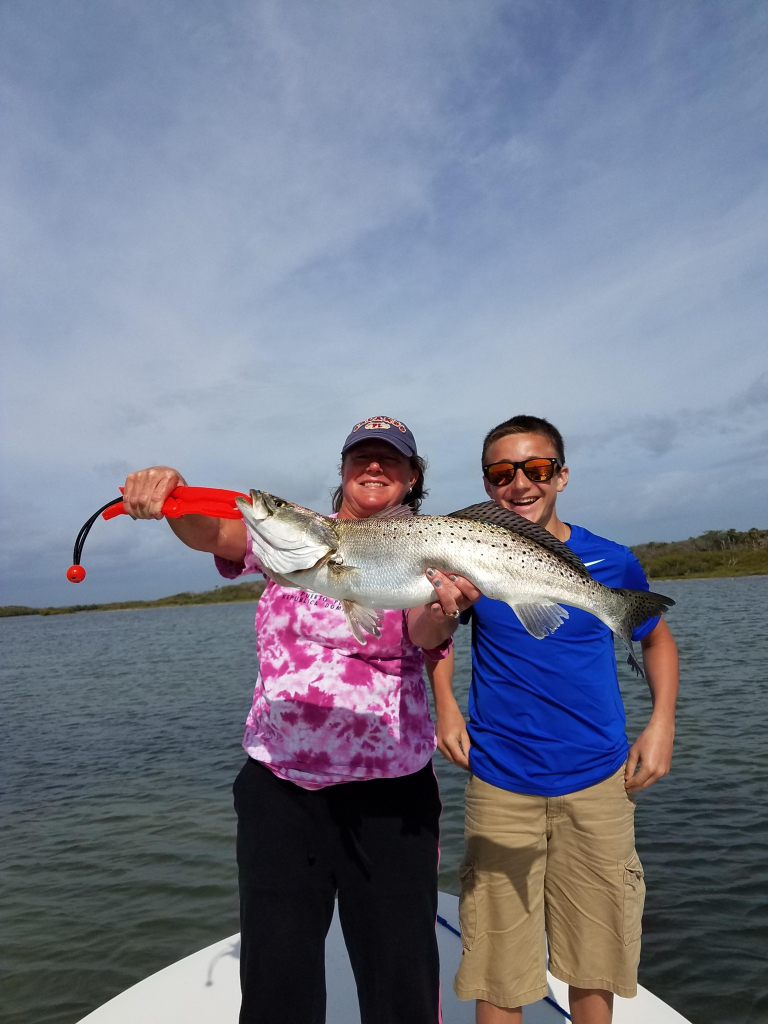
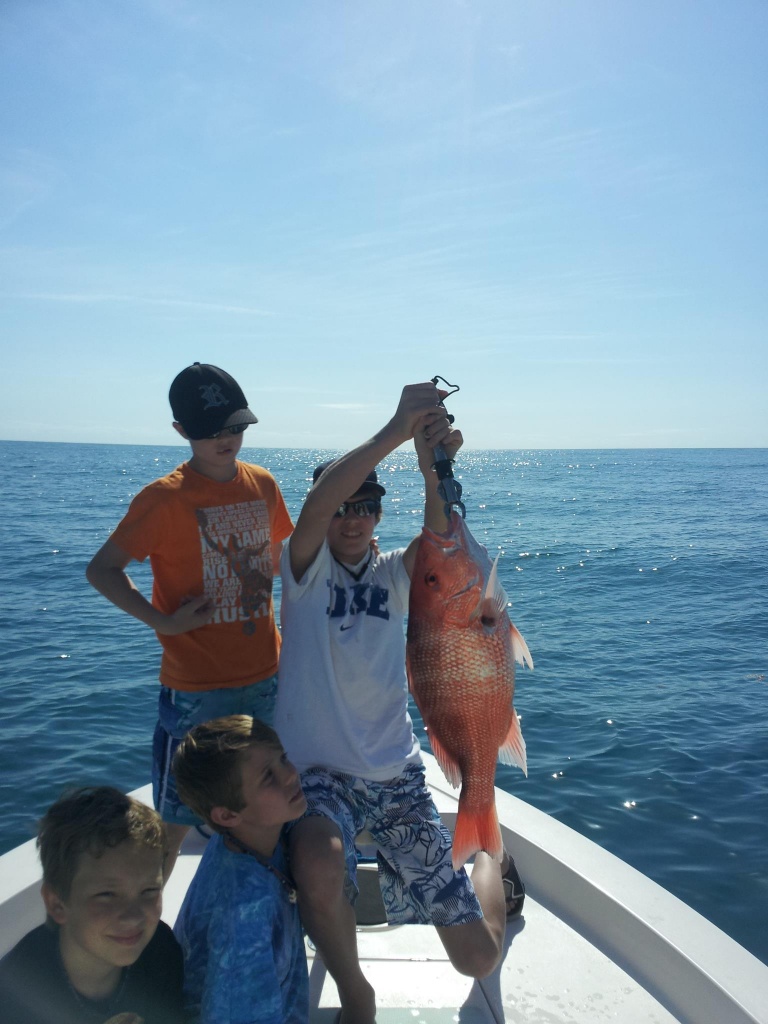
You'll meet Captain Brad at the dock bright and early, where his well-equipped boat is ready to handle whatever the day throws at you. The beauty of inshore fishing around Daytona Beach is the variety - one minute you're sight fishing for tailing redfish in knee-deep water, the next you're dropping baits near structure hoping to pull up a nice gag grouper. Captain Brad runs a family-friendly operation, so don't worry if you've got kids along for the ride. He's got extra safety gear and knows how to keep the little ones engaged while making sure everyone stays safe. The boat's set up with all the tackle you'll need, plus he's got backup rods ready to go because we all know how fish like to steal gear right when the bite gets hot. These four hours fly by fast when you're marking fish and working productive spots, but Captain Brad makes every minute count by moving efficiently between his proven honey holes.
Techniques That Get Results
Inshore fishing around Daytona Beach means adapting your approach based on what the fish are doing and where they're holding. Captain Brad's got the gear dialed in for multiple techniques - from live bait fishing with shrimp and pinfish to throwing artificials when the fish are actively feeding. You'll likely spend time working the grass flats with lighter tackle, perfect for redfish and black drum that cruise these shallows looking for an easy meal. When targeting grouper and amberjack, expect to fish heavier gear around structure where these bottom dwellers like to ambush prey. Captain Brad reads the water conditions daily and adjusts the game plan accordingly - if the wind's blowing hard, he knows protected spots that still hold fish. If the water's gin clear, he'll switch to lighter leaders and more natural presentations. The key to his success is staying mobile and fishing where the fish are, not just where you hope they'll be.
Top Catches This Season
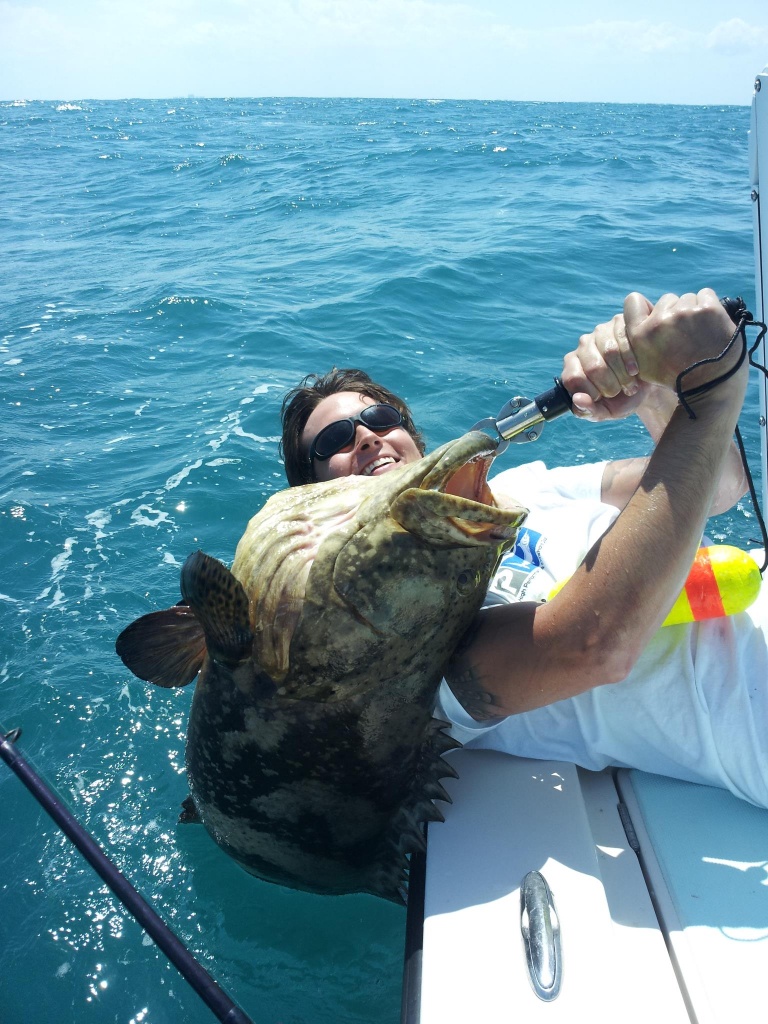
Gag grouper are the bread and butter of Daytona Beach inshore fishing, and these chunky bottom dwellers know how to put up a serious fight. They typically run anywhere from 2 to 15 pounds in these waters, with the bigger fish holding near rocky structure and hard bottom areas. Spring and fall are prime time for gags, when they're more active and feeding heavily before and after spawning season. What makes them so exciting to catch is that initial run - they'll try to get back to their hole and break you off, so you've got to put the pressure on right away. Captain Brad knows exactly where these fish stack up and has the heavy tackle needed to horse them out of the structure.
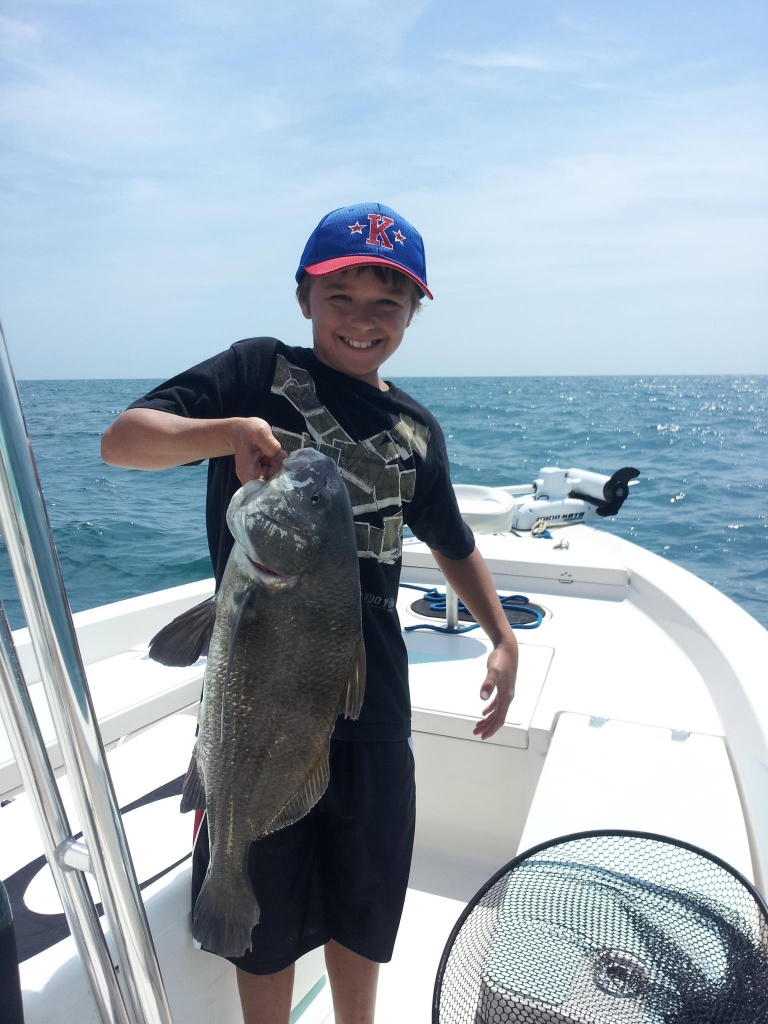
Black drum are another customer favorite, especially the slot-sized fish that cruise the grass flats and oyster bars. These fish can get massive - we're talking 30, 40, even 50-pound fish in these waters - but the smaller ones in the 5 to 15-pound range are perfect for the dinner table. They're year-round residents, but late winter and spring see the biggest concentrations when they move shallow to spawn. Black drum are notorious for their powerful runs and stubborn fighting style. They'll use that broad tail to dog you in the shallow water, making long, sustained runs that'll test your drag system. What's really cool about drum fishing is you can often see them tailing or pushing wakes in skinny water.
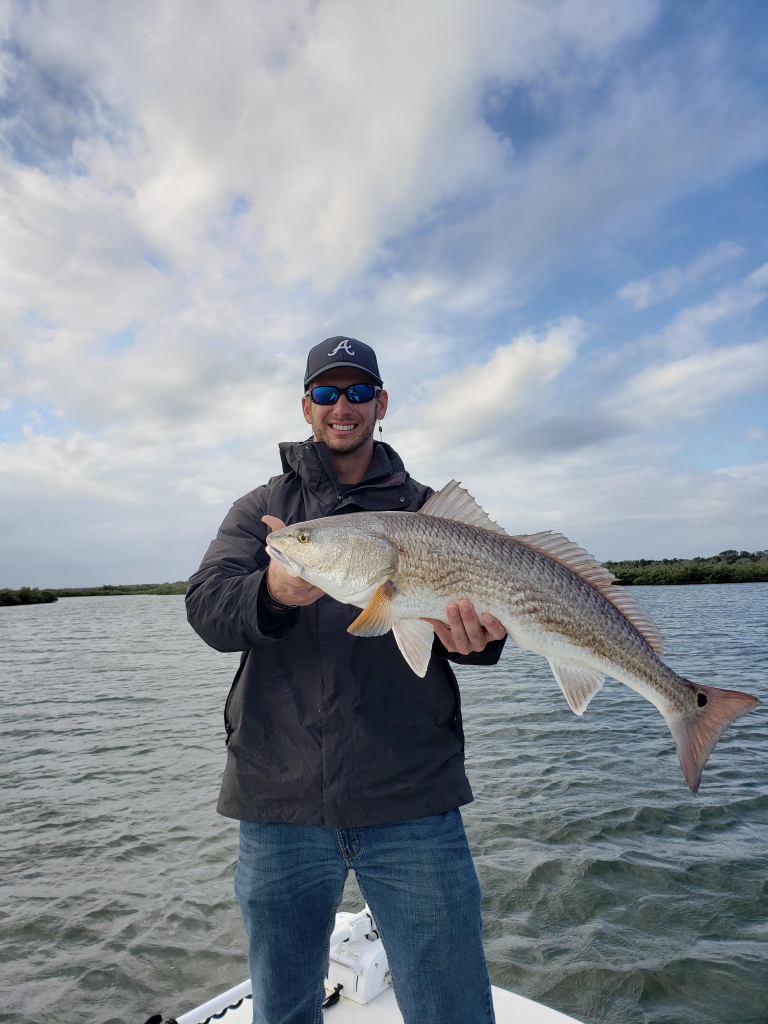
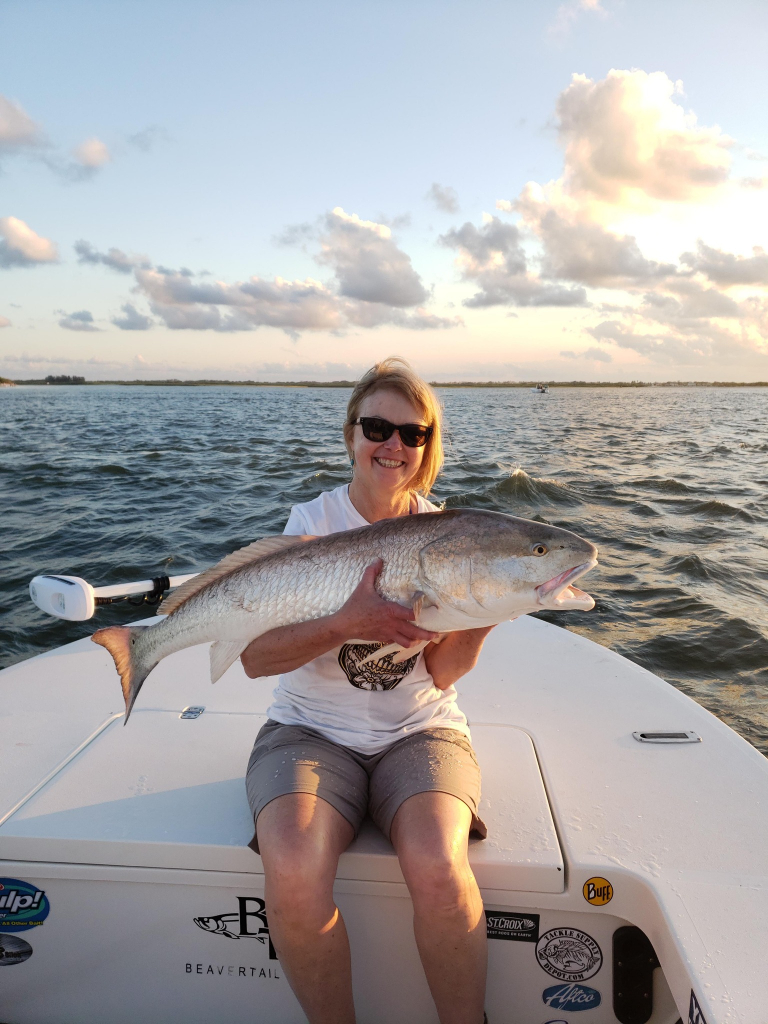
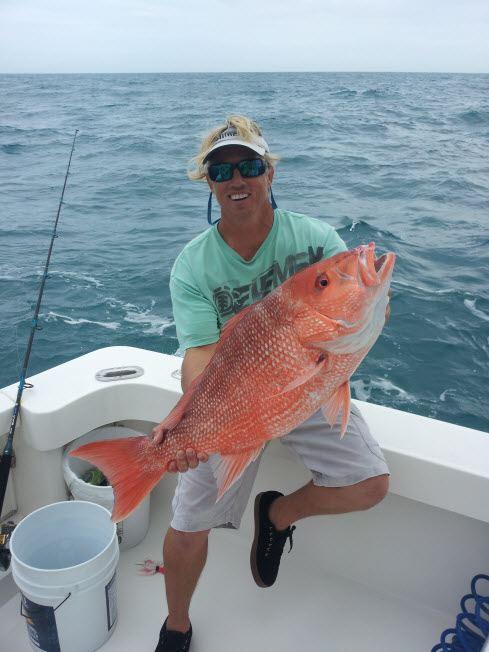
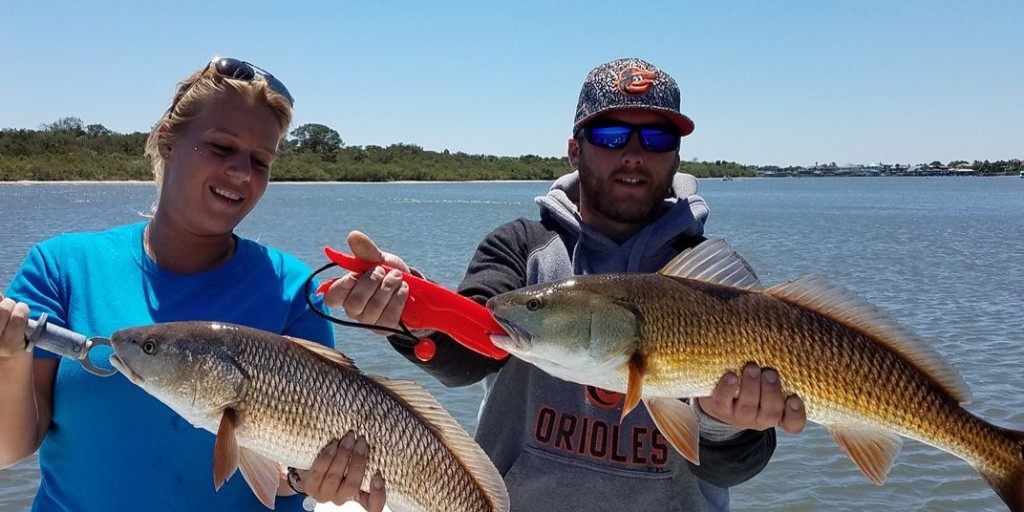
Redfish are hands down the most popular inshore species around Daytona Beach, and for good reason. These copper-colored fighters are year-round residents that patrol everything from shallow grass flats to deeper channel edges. Slot-sized reds typically run 18 to 27 inches and fight way above their weight class, making long runs and using their broad shoulders to stay deep. Summer and fall are peak seasons when schools of reds work the flats during moving tides. The sight fishing opportunities for reds around here are world-class - there's nothing quite like watching a big red slowly cruise a flat, then watching your bait disappear as the fish commits to the bite.
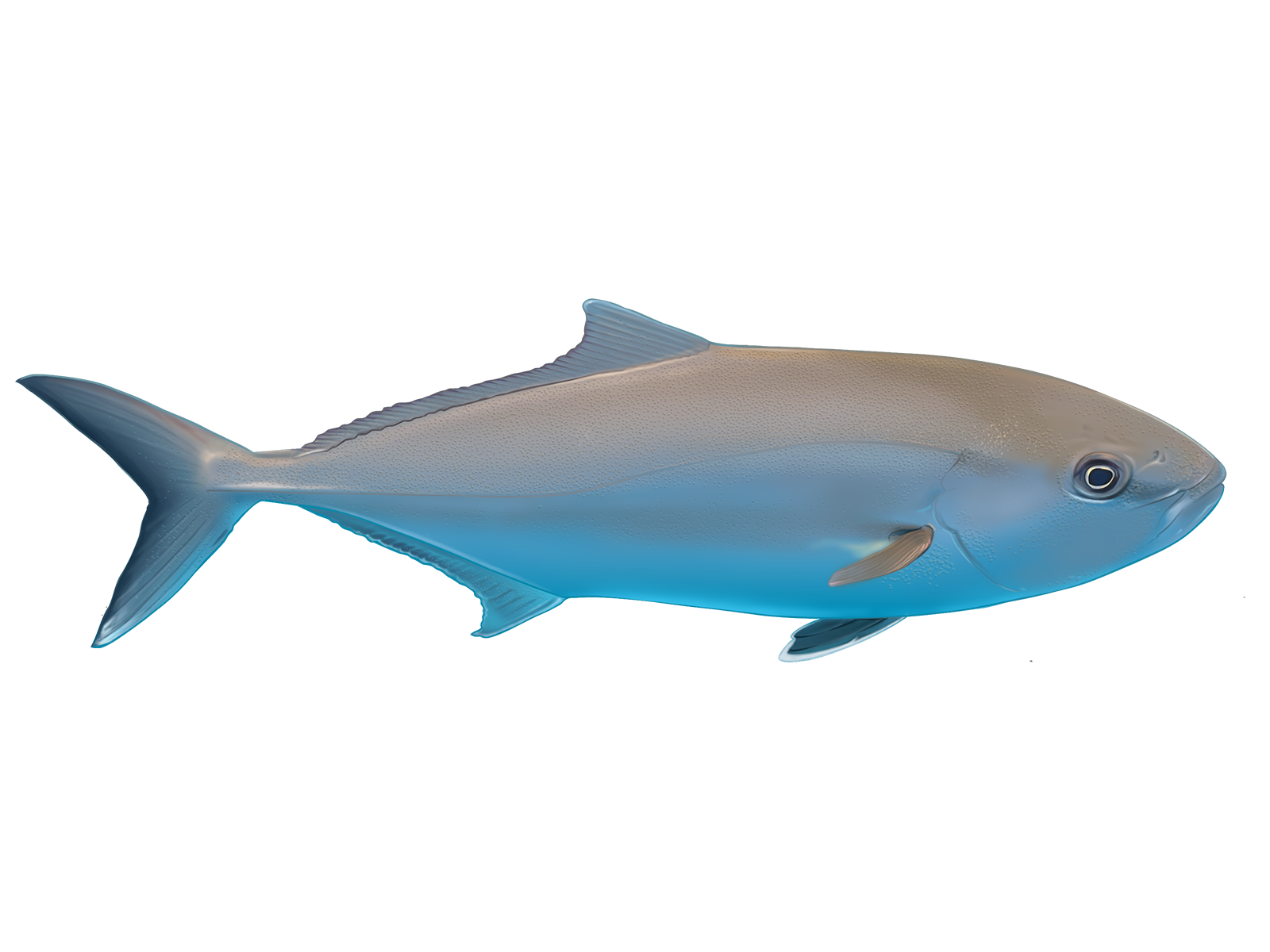
Greater amberjack bring the muscle to this fishery, with even medium-sized fish capable of smoking drags and testing heavy tackle. These aggressive predators typically hold near structure in deeper water, anywhere from 20 to 60 feet, and they'll absolutely hammer both live baits and artificials. Spring is prime time for amberjack fishing when they move closer to shore for spawning. A 20 to 40-pound amberjack will give you everything you can handle, making powerful runs toward the bottom and using their broad profile to leverage against your drag. They're also one of the best eating fish in these waters when prepared fresh.
Great barracuda add an element of excitement with their explosive strikes and acrobatic fights. These toothy predators are ambush specialists that can appear out of nowhere to crush a bait or lure. Daytona Beach barracuda typically range from 5 to 20 pounds, with the occasional larger fish pushing 30-plus pounds. They're most active during warmer months when baitfish concentrations are high. What makes barracuda fishing so addictive is their aggressiveness - they'll often hit artificial lures with reckless abandon, then put on an aerial show that'll get everyone on the boat excited. Captain
 Private Trip
 Inshore Fishing
 Daytona Beach, FL, United States



 Four-hour inshore fishing adventure with experienced Captain Brad