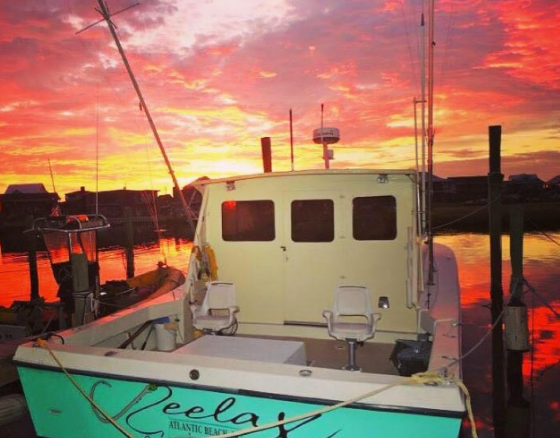
11 HR Gulf Stream Trip with Wasabi Sportfishing
When you're serious about offshore fishing and want to chase the big boys in their own backyard, this 11-hour Gulf Stream adventure is what you've been looking for. We're talking about heading way out where the water turns that deep cobalt blue and the current brings in everything from screaming tuna to trophy billfish. Captain and crew know these waters like the back of their hand, and they'll put you on fish that'll test your tackle and your stamina. This isn't a half-day trip where you're just getting started when it's time to head home – you'll have all day to work the best spots and really dial in on what's biting.
What to Expect on the Water
Your day starts before sunrise, which means we're clearing the inlet while most folks are still hitting the snooze button. The ride out takes about an hour and a half depending on where the fish have been showing, but that's prime time to get your gear sorted and grab some coffee. Once we hit the Stream, you'll see why this place is legendary – the water color changes from green to blue to that deep purple that means serious depth and serious fish. We're talking 600 to 1,800 feet of water where the Gulf Stream current creates highways for pelagic species moving up and down the coast. The boat can handle up to 6 anglers comfortably, so everyone gets plenty of room to work without getting tangled up in each other's lines. The captain and mate will be working non-stop to keep you on fish, so remember that 20% tip – these guys earn every penny of it during an 11-hour grind.
Techniques and Tackle Setup
We'll be running a spread of lines using multiple techniques to cover all the bases out there. Trolling is the bread and butter – we're pulling a mix of ballyhoo, cedar plugs, and lures at different depths to target everything from surface feeders to fish hanging deeper in the water column. The boat's rigged with outriggers and downriggers, so we can spread lines out wide and keep them at the right depth. When we mark fish on the finder or see birds working, we'll switch to live bait fishing with goggle eyes or blue runners if we can catch them. The tackle varies depending on what we're targeting – 30 to 50-pound class gear for most of the trip, but we've got heavier stuff ready if the big marlin show up. Circle hooks are mandatory for billfish, and the crew will handle all the wire leaders and rigging. If you've got your own gear, bring it along, but make sure your reels are serviced and your drag is smooth – nothing worse than having a fish of a lifetime spool you because your reel wasn't ready.
Species You'll Want to Hook
Atlantic Sailfish are the crown jewel of our offshore fishery and the reason many anglers become addicted to blue water fishing. These acrobatic billfish average 6 to 8 feet and put on an aerial show that'll have you shaking with adrenaline. Peak season runs from December through April when they stack up in good numbers along the Stream edges. Sailfish love live bait presented just right – not too fast, not too slow – and they'll come up behind the boat with that dorsal fin cutting the surface before they eat. The fight is pure electricity with jumps that seem to go on forever. We practice catch and release with these magnificent fish, and getting one to the boat for a quick photo before release is a bucket list moment for any angler.
Blue Marlin are the ultimate prize fish and what dreams are made of when you're fishing the Gulf Stream. These powerful billfish can range from 100 pounds to well over 500, and even a smaller blue will test every piece of gear you've got. Summer months from May through September give you the best shot, especially when we find temperature breaks and current edges. Blues are ambush predators that often follow the boat for what seems like forever before making up their mind to eat. When one does commit, you'll know it – the initial run can peel 200 yards of line before you even get the fish on the reel properly. The fight is a marathon of deep runs and bulldogging, and landing one is a team effort between angler, captain, and mate.
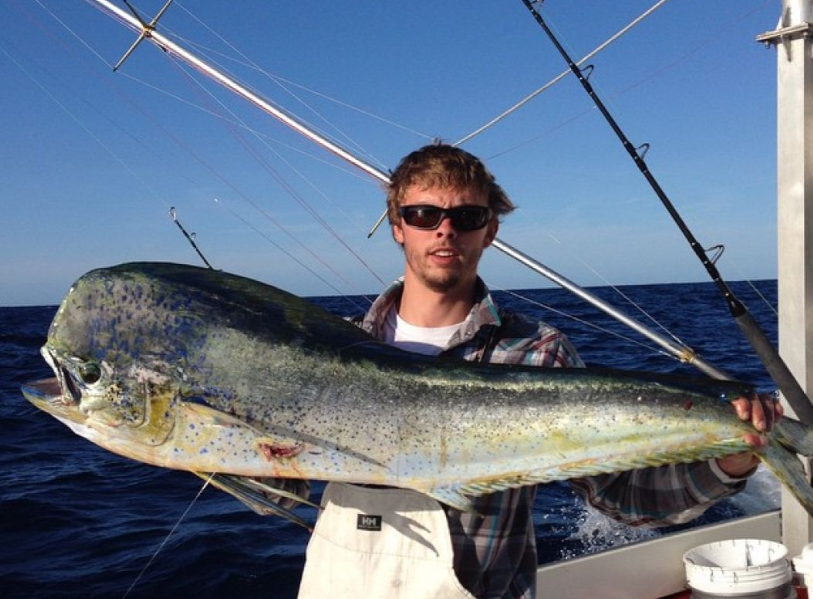
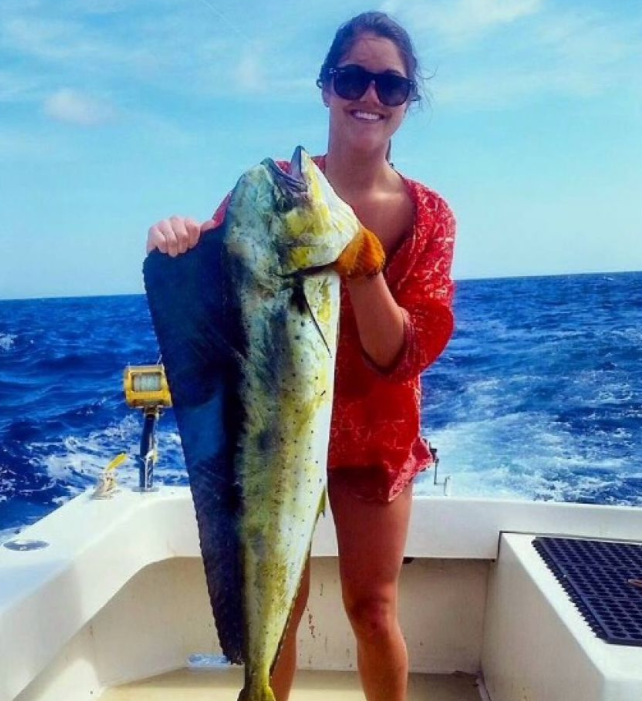
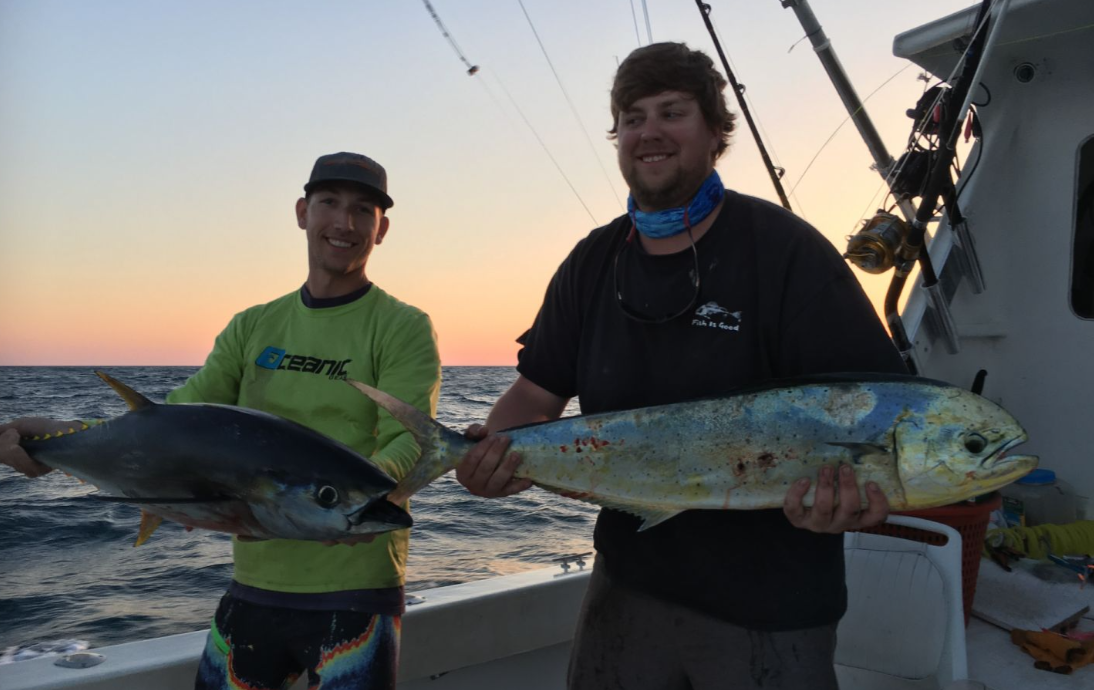
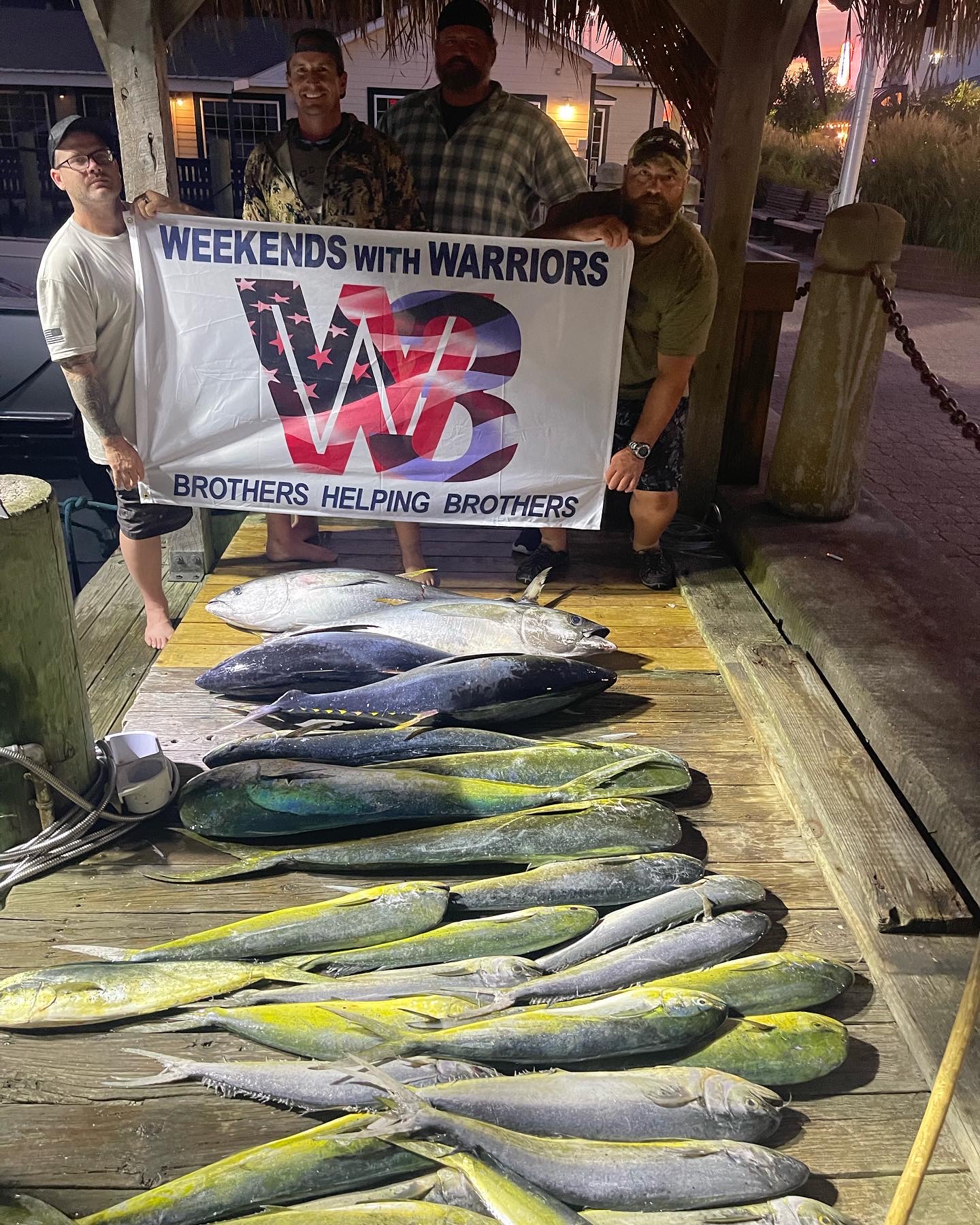
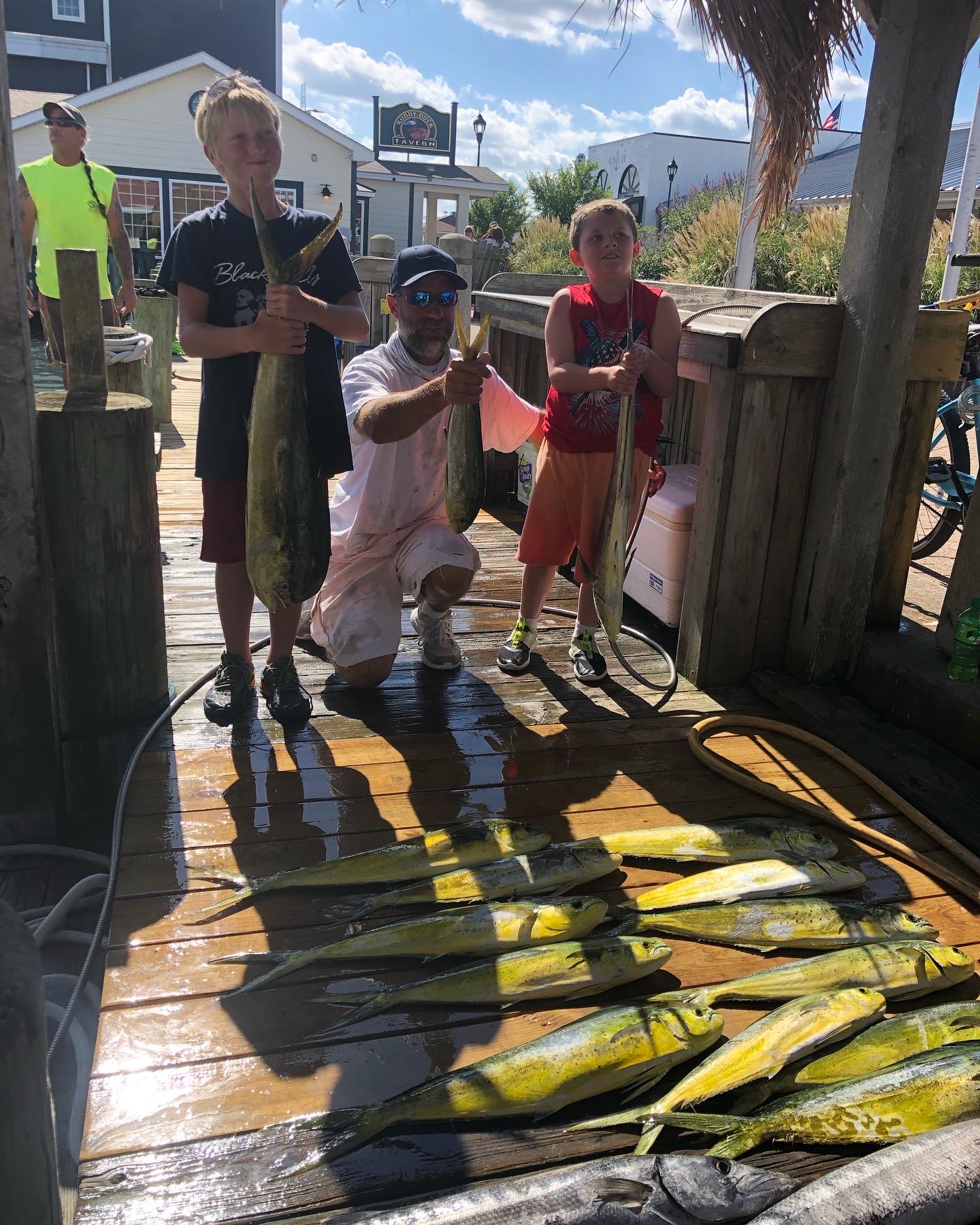
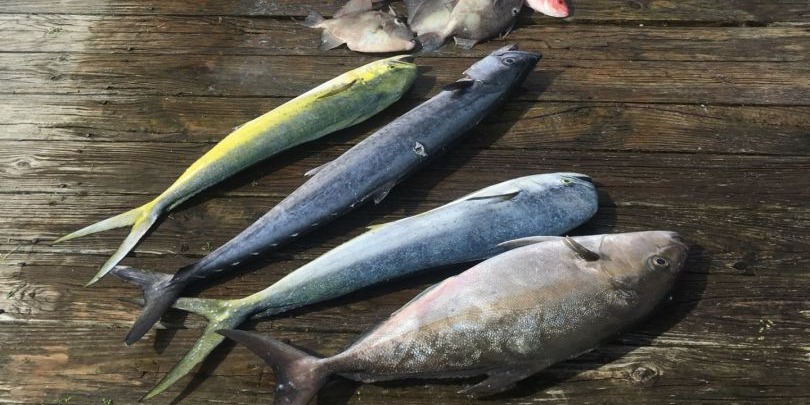
Mahi Mahi, also called common dolphinfish, are probably the most fun fish swimming and definitely the best eating you'll find offshore. These bright gold and green speedsters love floating debris, weed lines, and current breaks where they hunt in schools. Spring through fall is prime time, but we catch them year-round when conditions are right. Mahi are aggressive feeders that'll eat just about anything you throw at them, from trolled lures to live bait to jigs. A good-sized bull mahi will go 20 to 40 pounds and fight like it's twice that size with blistering runs and aerial acrobatics. School fish run smaller but make up for it in numbers – sometimes you can catch them as fast as you can get lines in the water.
Cobia are the brown sharks of the fishing world – they look prehistoric and fight like they're angry about it. These powerful fish cruise around floating debris, following rays, or just roaming the blue water looking for an easy meal. Spring migration from March through May is when we see the biggest numbers, but they're around all season. Cobia average 20 to 50 pounds with the occasional bruiser pushing 60 or more. They're curious fish that will come up to check out the boat, and sight fishing for them with live bait or jigs is some of the most exciting fishing you'll do. The fight is all power and endurance – no jumping, just a bulldog battle that'll leave your arms burning.
Time to Book Your Spot
An 11-hour Gulf Stream trip isn't something you do every weekend, but when you want to experience what offshore fishing is really about, this is your ticket. You'll cover more water,
 Private Trip
 Offshore Fishing
 Greenville


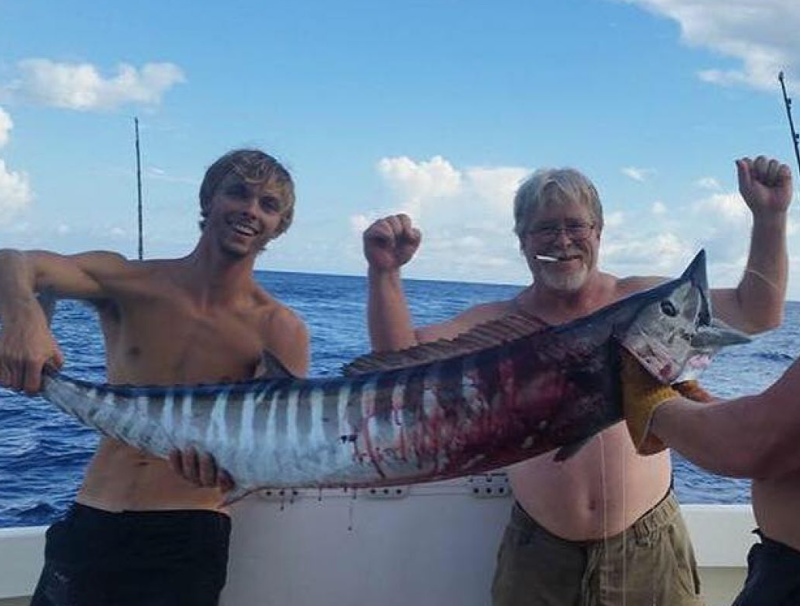
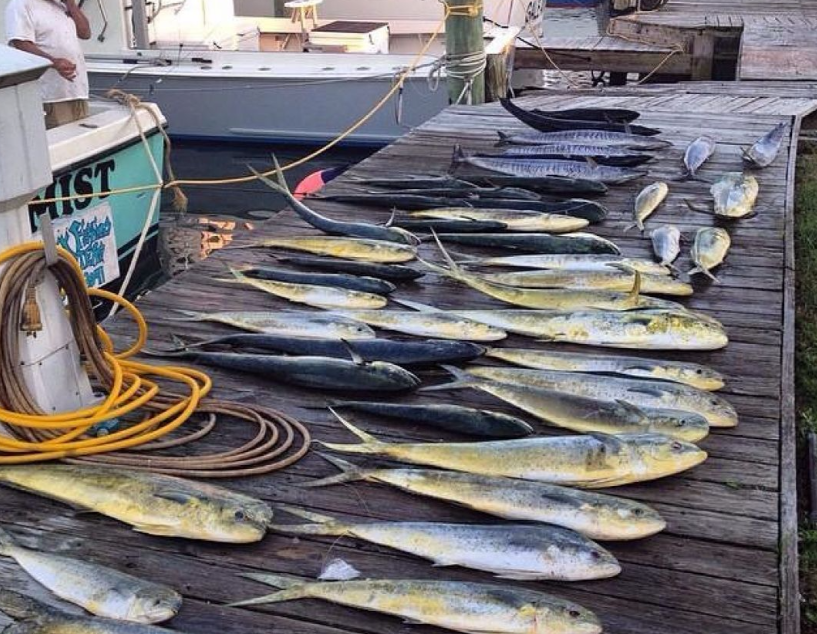
 Full-day offshore adventure targeting tuna, mahi, wahoo, and billfish