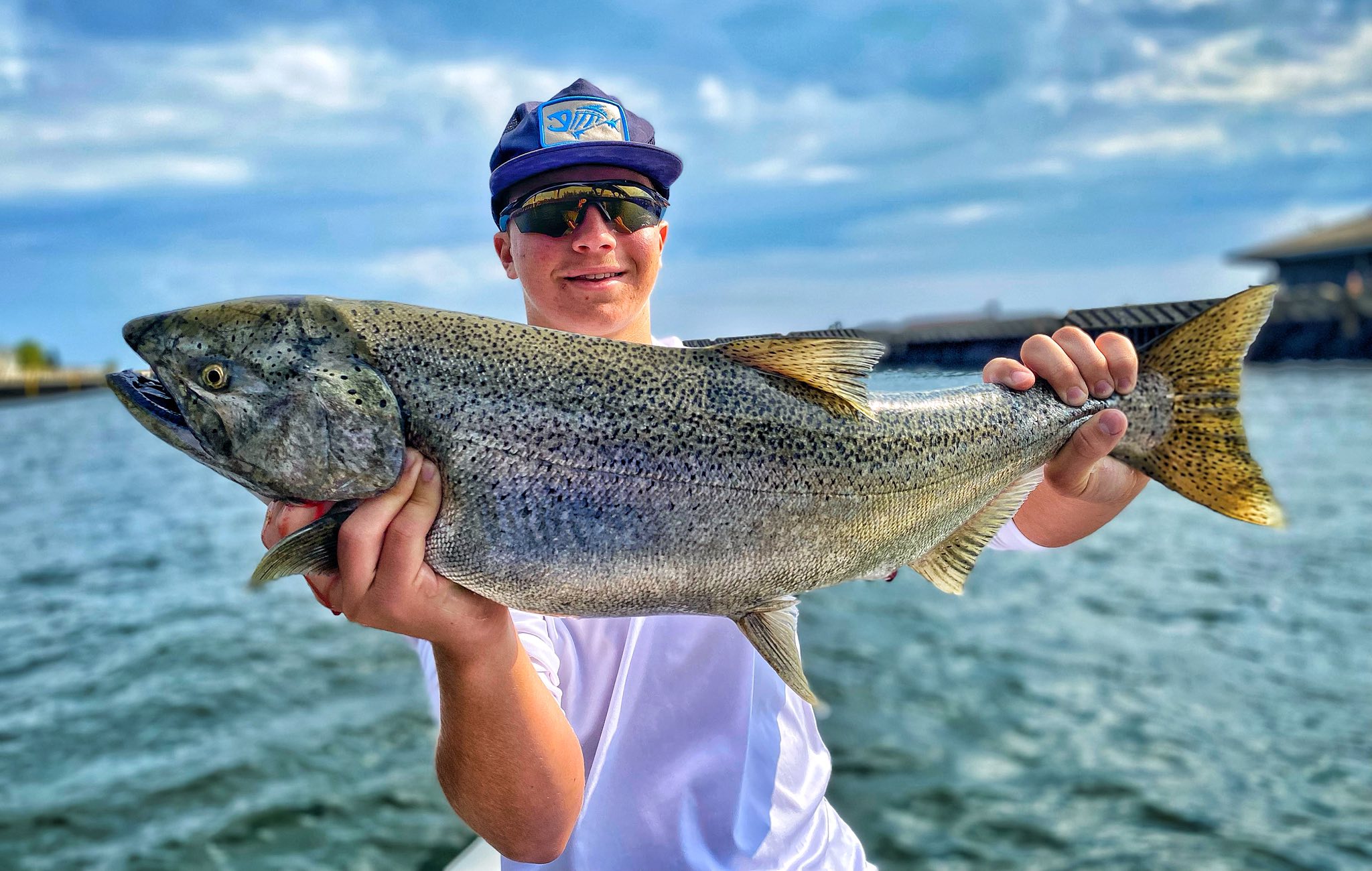
Full-Day Ice Fishing in Southeastern Wisconsin
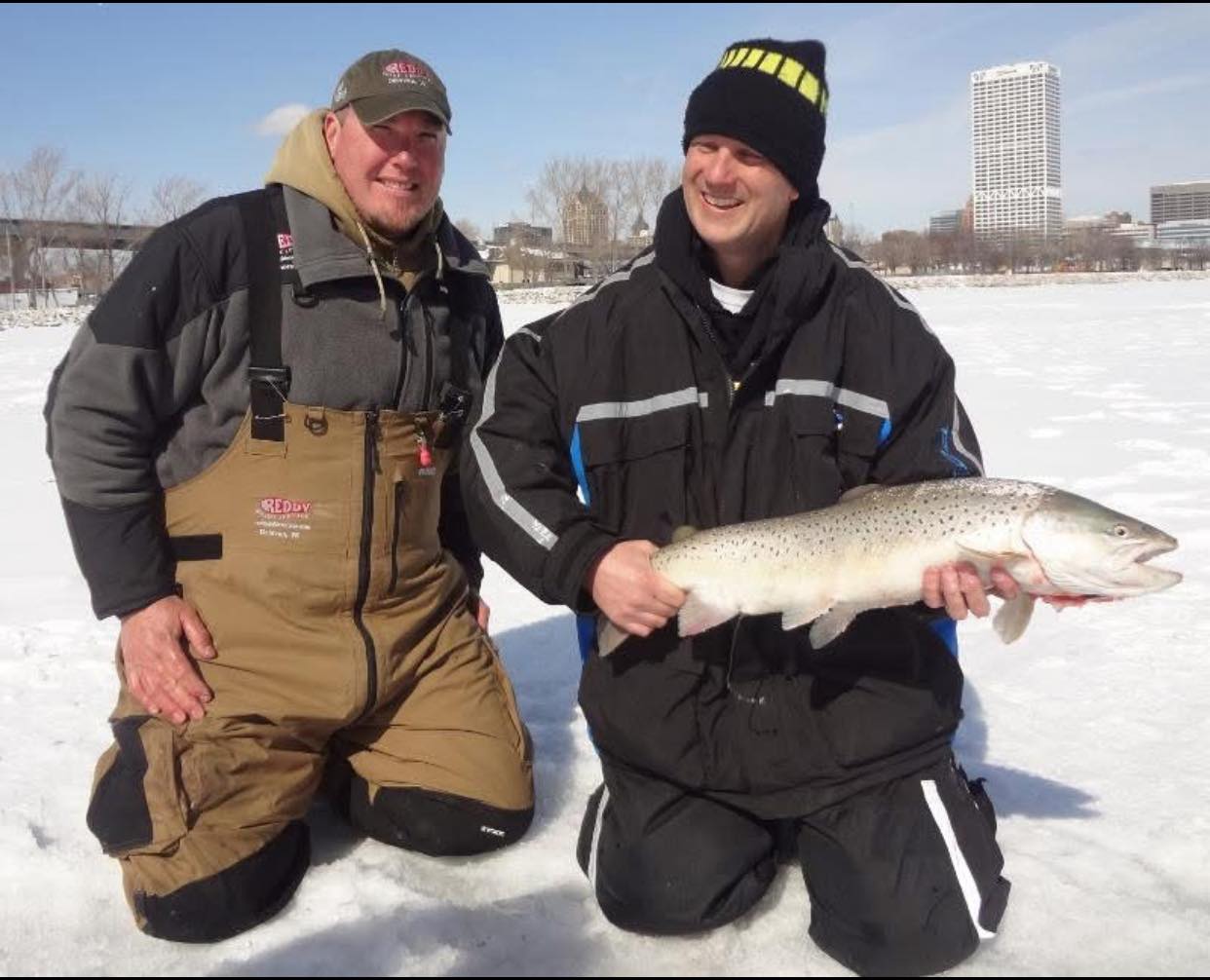
When winter locks up the lakes in southeastern Wisconsin, that's when the real fishing begins. Captain John Reddy's full-day ice fishing trips put you right where the action is – comfortable, warm, and positioned over fish that are actively feeding. This isn't your typical "hope for the best" ice fishing adventure. We're talking heated shelters, quality gear, and a guide who's been reading these waters for years. Whether you're new to ice fishing or you've been drilling holes since you were knee-high, this 7-hour trip gives you the time and setup to really dial in your technique and put some serious fish on the ice.
What to Expect on the Ice
This trip takes you to some of southeastern Wisconsin's most productive inland waters – Pleasant Lake, Como Lake, Turtle Lake, Geneva Lake, Delavan Lake, and other glacial gems that hold fish year-round. Captain John picks the location based on current ice conditions and where the fish are biting, not just what's convenient. You'll be fishing from heated Clam ice hub shelters that keep you comfortable even when the wind's howling across the lake. The beauty of a full day is that you're not rushed – if the bite slows in one spot, we've got time to move and find active fish. The Jiffy ice drills make relocating quick and easy, so you spend more time with your line in the water and less time fighting the elements. Everything's provided – rods, reels, tackle, and even warm gear if you need it. Just bring your enthusiasm and a valid Wisconsin fishing license.
Gear That Gets Results
The difference between a good ice fishing day and a great one often comes down to having the right equipment in the right hands. Captain John runs quality ice rod and reel setups that are matched to the species we're targeting. The Clam and HT hook-setting devices aren't just fancy gadgets – they genuinely increase your hook-up ratio by maintaining proper tension and giving you that split-second advantage when a fish picks up your bait. Ice fishing is all about sensitivity and quick reactions, and this gear helps you feel every tap and nibble that might otherwise go unnoticed. The heated shelters aren't just for comfort (though staying warm definitely helps your concentration) – they cut down on line freeze and let you focus on your presentation instead of fighting the cold. When you can actually feel your fingers, you fish better. It's that simple.
Species You'll Want to Hook
Walleye are the gold standard of ice fishing in these parts, and southeastern Wisconsin's glacial lakes hold some beautiful fish. These guys are structure-oriented and love to cruise the drop-offs and weed edges during winter months. Walleye bite best during low-light periods – early morning, late afternoon, and overcast days. They're not the flashiest fighters, but that solid head shake and the way they dive for bottom when they feel the hook is unmistakable. Plus, there's nothing better than a fresh walleye fillet after a day on the ice.
Northern pike are the aggressive predators that keep things exciting. These toothy customers don't mess around – when a pike hits your bait, you know it. They're ambush hunters that hang around weed beds and shallow bays, even under the ice. Pike stay active all winter long, which makes them a reliable target when other species get finicky. They'll hit everything from tip-ups with large minnows to jigged spoons, and watching one cruise under the ice through your hole is always a rush.
American yellow perch might be smaller than walleye and pike, but they make up for size with numbers and table fare. These schooling fish are perfect for constant action – when you find a school, you can often catch perch steadily for hours. They're curious fish that respond well to small jigs tipped with wigglers or minnow heads. Perch are also great for beginners because they're aggressive biters and relatively easy to hook and land.
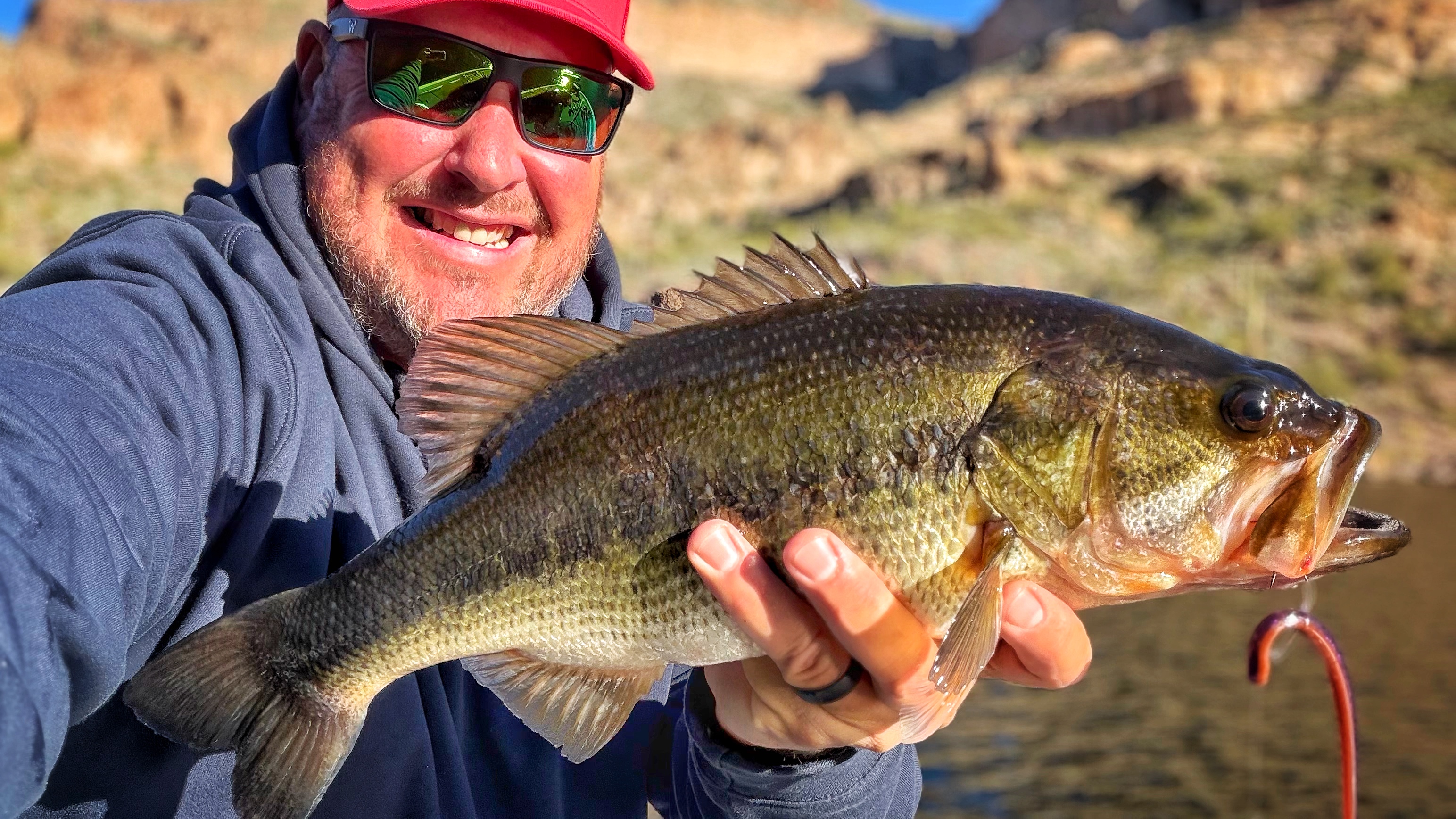
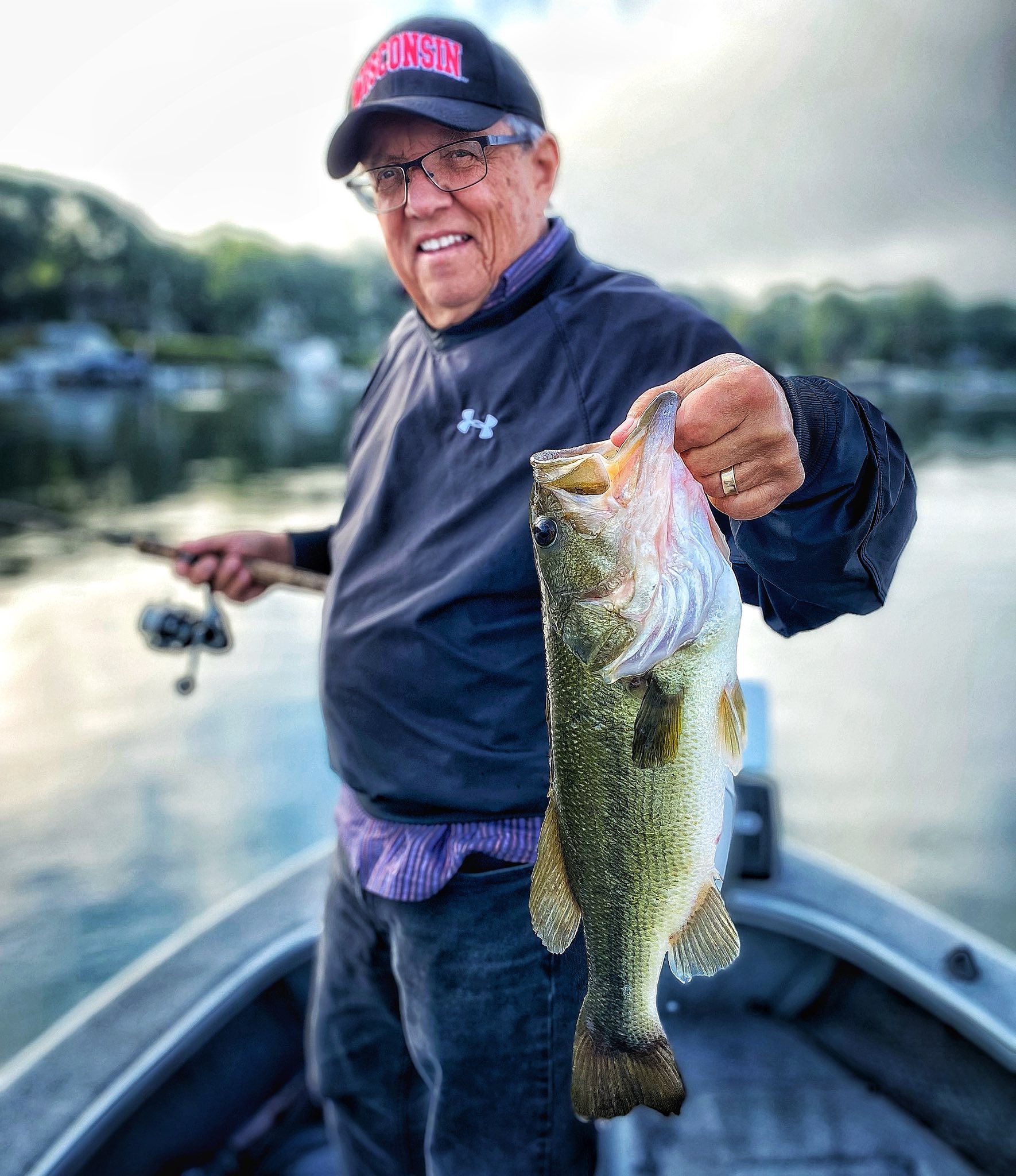
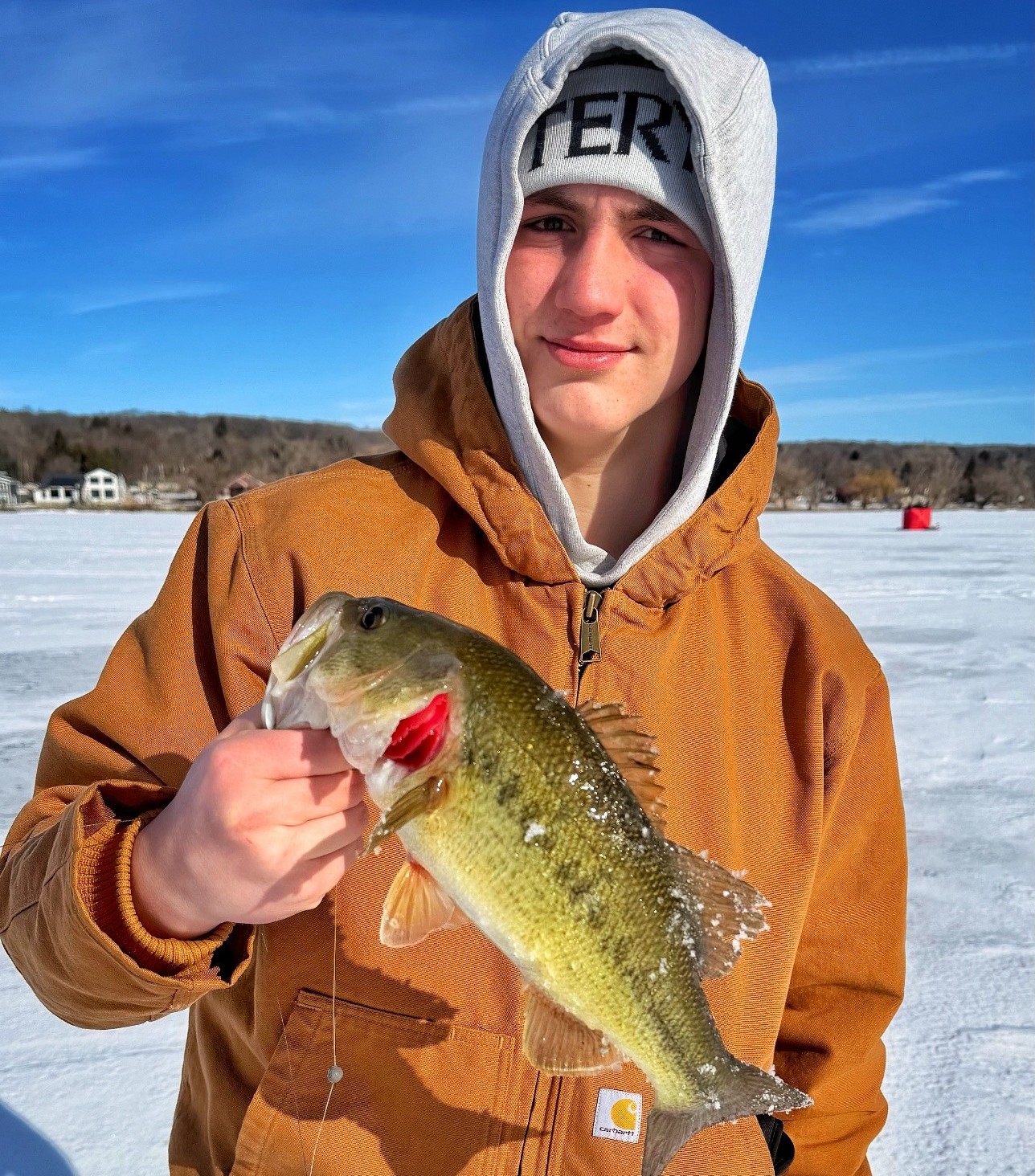
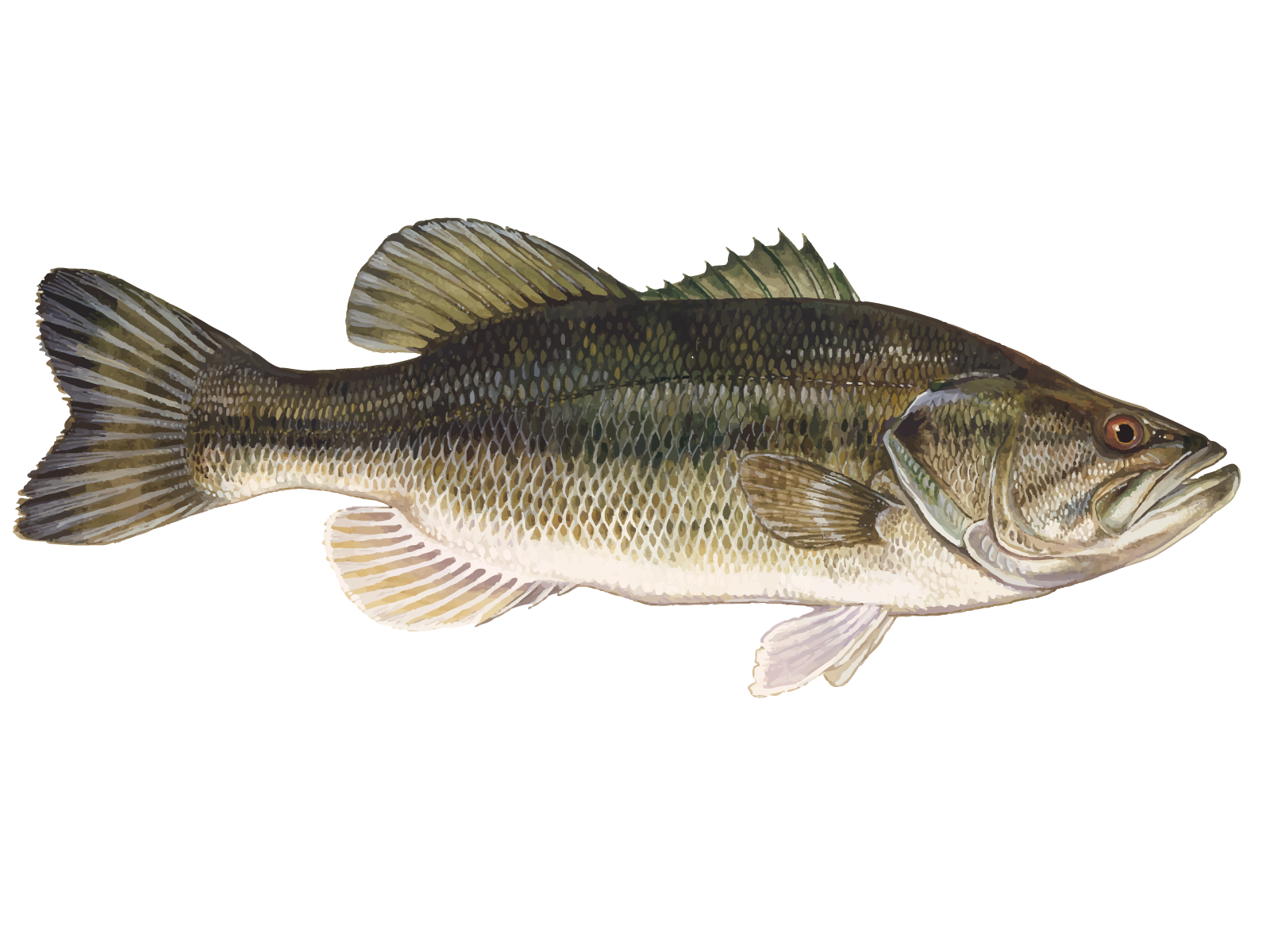
Largemouth bass under the ice are a different animal than their summer counterparts. They're slower and more methodical, but still willing to bite if you put the right presentation in front of them. Bass tend to hold in deeper water during winter, often relating to standing timber or rocky structure. They prefer a more subtle approach – small jigs worked slowly near bottom. Landing a solid largemouth through the ice is always satisfying because they're not easy to pattern in cold water.
Time to Book Your Spot
A full day on the ice with Captain John isn't just about catching fish – it's about learning the nuances of ice fishing from someone who's mastered these waters. You'll pick up techniques for reading underwater structure, understanding fish behavior in cold water, and maximizing your success on future trips. The 7-hour format gives you enough time to really settle in, try different approaches, and experience the rhythm of a productive ice fishing day. At $750 for up to two anglers, you're getting professional guiding, quality equipment, heated shelter, and access to prime fishing locations during the best ice fishing months of the year. Safe ice season typically runs January through March, so don't wait too long to secure your dates. The lakes are calling, and Captain John knows exactly where they're biting.
 Private Trip
 Lakes/Reservoirs/Ponds Fishing
 Arizona


 Full-day guided ice fishing across southeastern Wisconsin lakes