Northwest Territories Canoe Trips
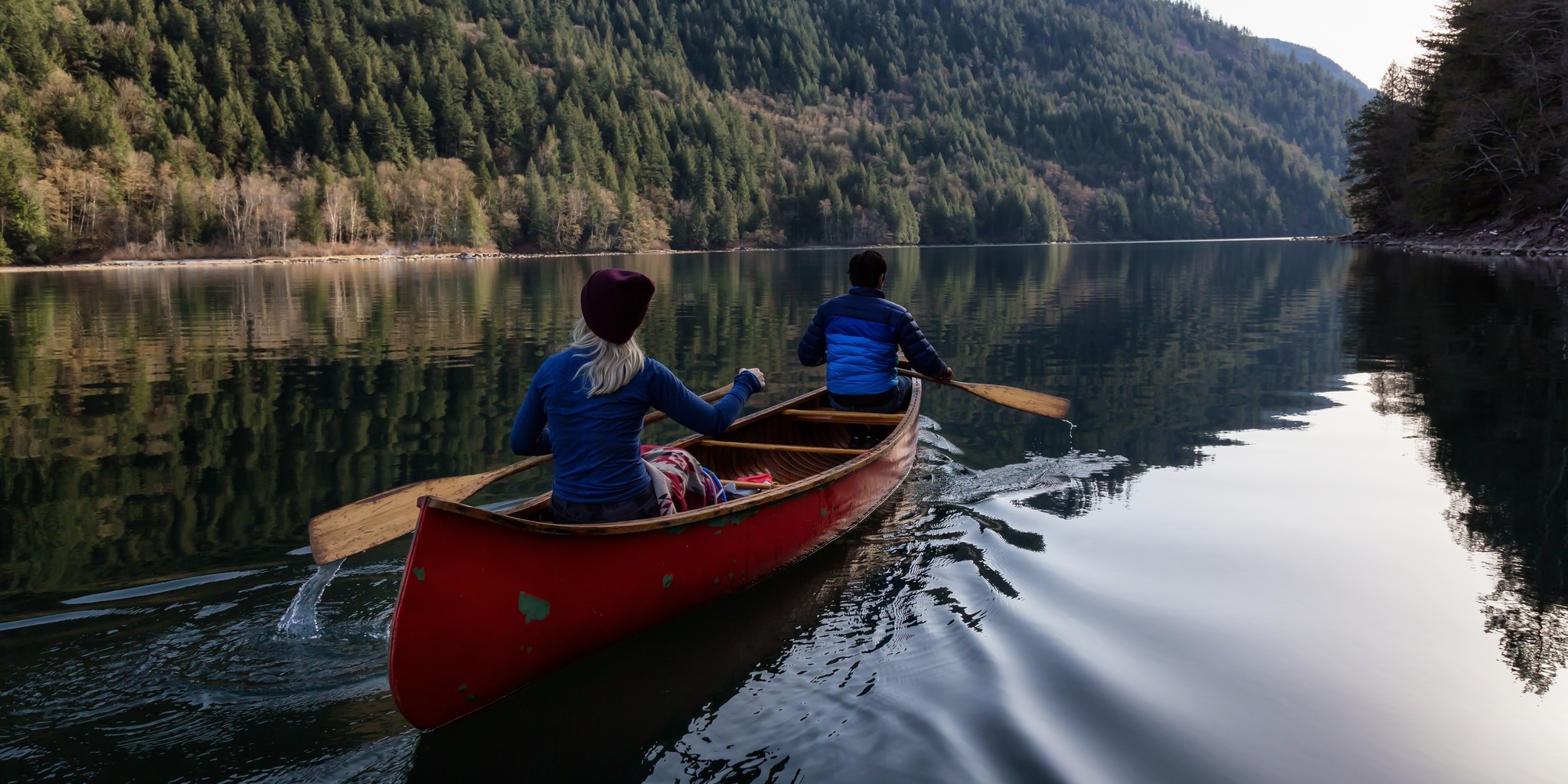
Picture this: you're gliding across mirror-smooth water at dawn, your paddle cutting silently through Sparks Lake while the Canadian wilderness stretches endlessly around you. This six-night solo canoe adventure puts you right in the heart of the Northwest Territories' most pristine paddling country. We're talking about genuine backcountry canoeing here – no crowds, no motorboats, just you and some of the most spectacular water country you'll find anywhere in North America.
What to Expect on the Water
Sparks Lake isn't your typical weekend paddle destination. This massive body of water sprawls across the northern landscape with countless bays, hidden channels, and over a dozen islands waiting to be explored. The lake's unique geography creates protected paddling zones perfect for solo canoeists, plus challenging open-water crossings for when you want to test your stroke technique. You'll camp on granite shores under skies so dark the aurora borealis puts on a show most clear nights. The water stays cool year-round, which means excellent visibility and that crisp, clean taste that only comes from true wilderness lakes. Weather can shift quickly up here, so reading conditions becomes part of your daily routine – checking wind patterns, understanding how the lake's arms funnel breezes, and timing your crossings for optimal conditions.
Paddle Techniques & Gear
Solo canoeing demands solid fundamentals, and Sparks Lake gives you plenty of opportunities to dial in your technique. You'll use primarily the J-stroke for straight-line tracking, switching to draw strokes when navigating the tighter channels between islands. A good solo canoe setup works best here – something in the 14-16 foot range with enough rocker to handle the lake's occasional chop but still track well on longer crossings. We recommend a bent-shaft paddle for efficiency during those multi-hour stretches, plus a straight backup for maneuvering in tight spots. The granite shoreline means you can beach almost anywhere, but portaging gear requires a solid pack system since you'll be moving camp every couple days to explore different sections of the lake. Water filtration is essential – even though this water runs cleaner than most tap systems, proper backcountry protocol keeps it that way.
Wildlife You'll Encounter
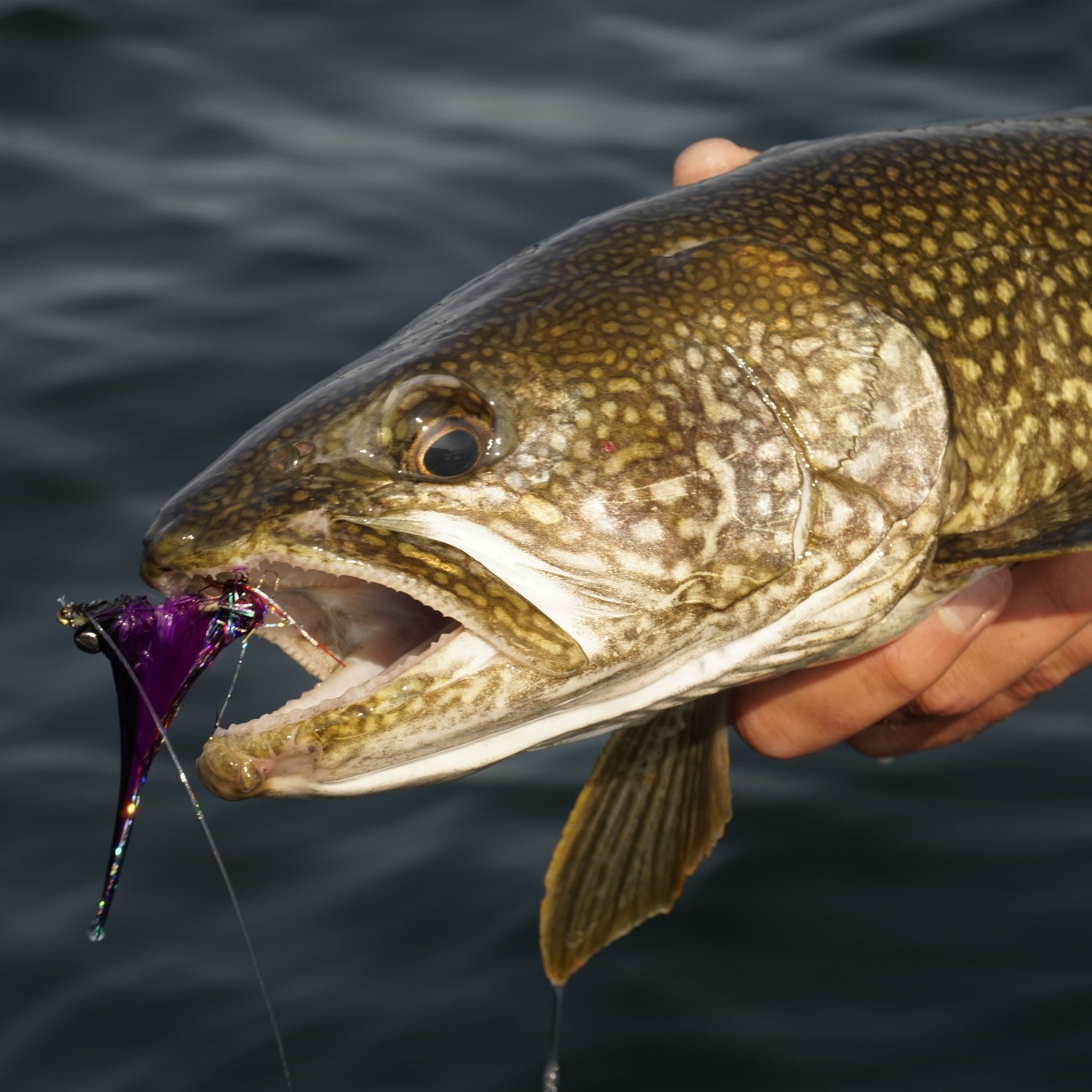
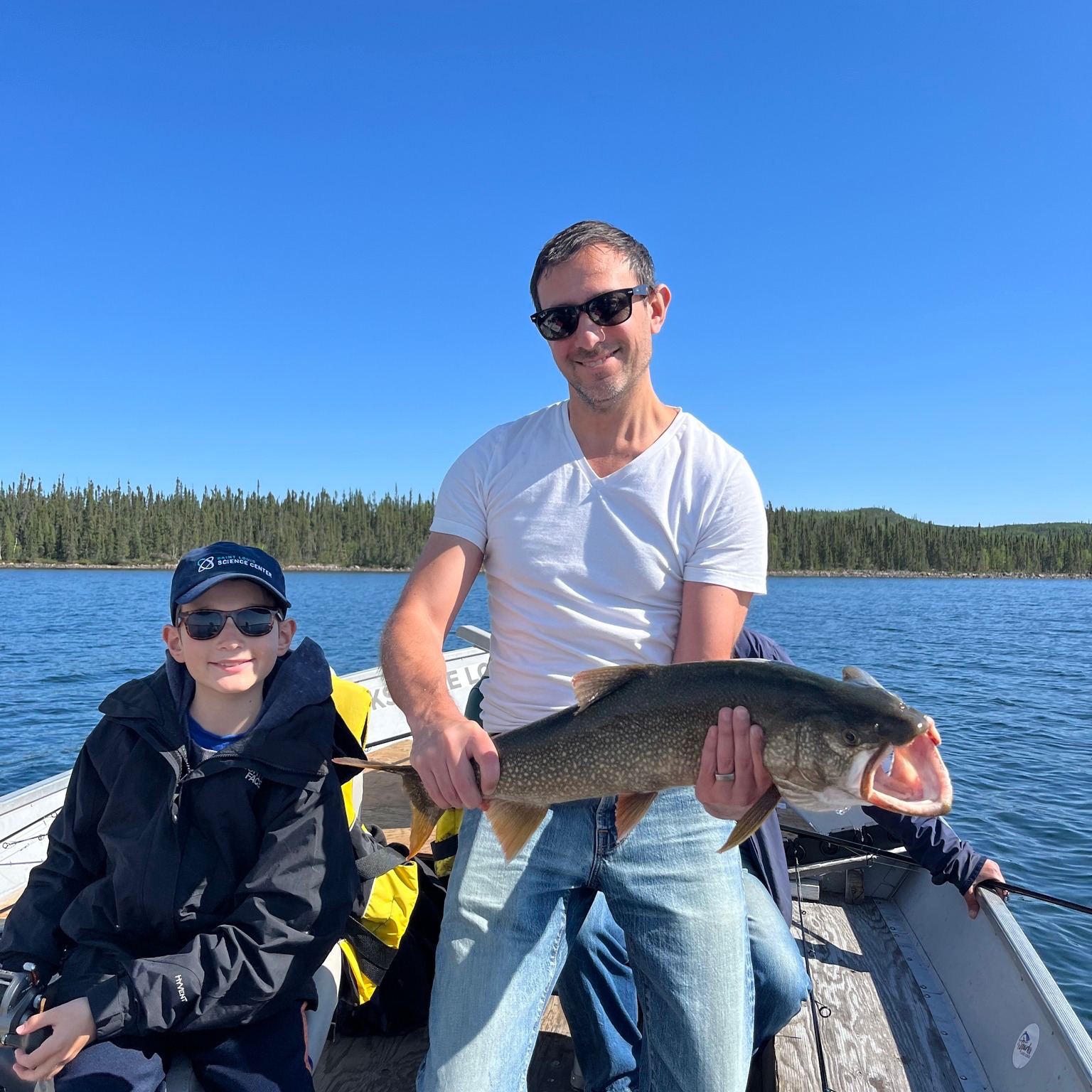
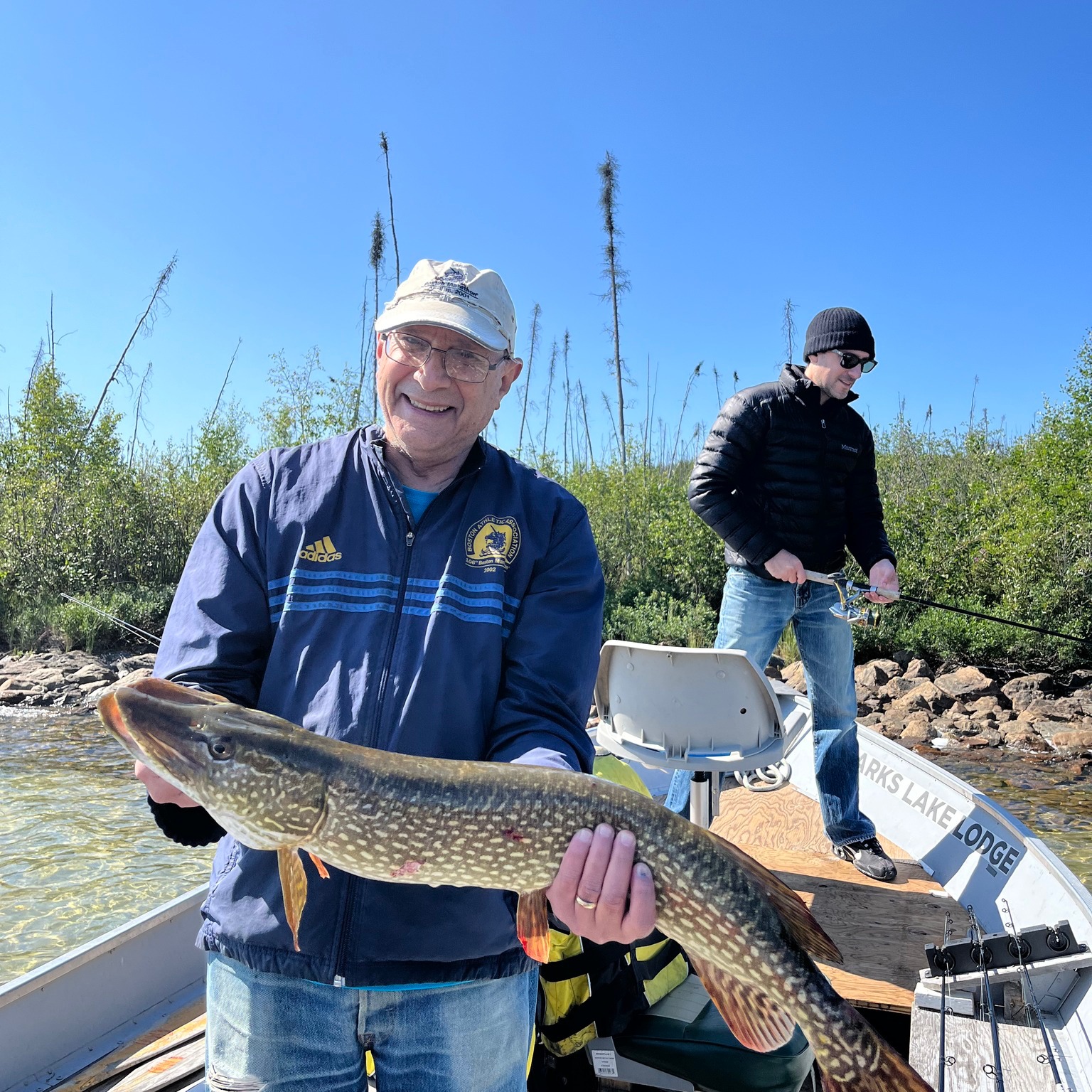
The Northwest Territories' remote location creates a wildlife viewing paradise that most paddlers only dream about. Barren-ground caribou migrate through this region twice yearly, and spotting a herd swimming between islands ranks as one of canoeing's most spectacular sights. These adaptable animals cross open water regularly during their seasonal movements, and early morning paddlers often catch them mid-crossing. Arctic char thrive in Sparks Lake's cold, oxygen-rich waters. These beautiful fish average 3-8 pounds and display brilliant orange spawning colors during late summer trips. They're curious around canoes and often follow along in shallow bays, making for great wildlife photography opportunities. Bald eagles nest on several of the lake's remote islands, with established pairs returning each season. Watch for their fishing behavior in the early morning hours – they prefer the calm water periods when prey fish cruise near the surface.
Time to Book Your Spot
This solo canoe adventure delivers the kind of authentic wilderness experience that's becoming harder to find each season. Six nights gives you enough time to really settle into the rhythm of backcountry paddling while exploring multiple sections of this massive lake system. The single-person capacity means you get the full solo experience – making your own route decisions, setting your own pace, and developing that deep connection with the water that only comes from unguided wilderness time. Sparks Lake Lodge handles the logistics so you can focus on paddling, but remember that meals aren't included, giving you complete control over your backcountry menu. Prime season books up months ahead, so if you're serious about experiencing world-class canoe country in one of Canada's most remote regions, now's the time to secure your dates.
 Shared Trip
 Canoeing
 Northwest Territories
 Six-night canoe adventure through pristine Sparks Lake wilderness