7-Hour Offshore Fishing Adventure
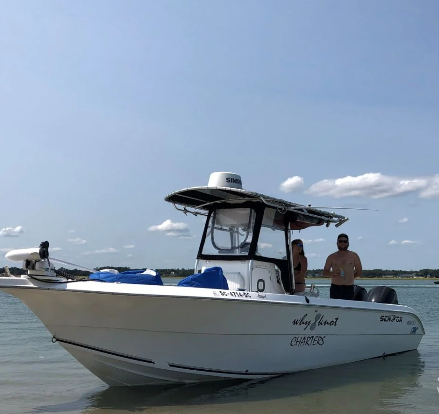
When you're ready to leave the crowds behind and get into some serious fishing, this 7-hour offshore charter is where the action happens. We're talking about heading 25 to 35 miles out into the Atlantic, where the water runs deep blue and the fish fight hard. Captain Matt knows these waters like the back of his hand, and on his 26-foot Sea Fox, you'll have everything you need for a day that'll have you talking for months. This isn't your typical inshore trip – we're going where the big boys live, and they don't give up easy.
What to Expect on the Water
Your day starts early, but trust me, it's worth every minute. We'll cruise out past the beach crowd and keep going until we hit the productive waters where King Mackerel patrol the surface and Grouper hide in the structure below. The ride out gives you time to get your game face on and watch the water change from that coastal green to the deep blue that gets every angler's heart pumping. Once we're on the fishing grounds, we'll switch between trolling for the speedsters and dropping baits to the bottom for the heavyweights. The Sea Fox handles these waters beautifully, giving you a stable platform whether you're fighting a screaming King or cranking up a stubborn Amberjack from 80 feet down. With just four anglers max, everyone gets plenty of rod time and personal attention from the captain.
Trolling and Bottom Tactics
We'll start the day trolling, pulling a spread of baits behind the boat to cover water and find the active fish. King Mackerel love this approach – they'll come up from the depths to smash a well-presented bait, and when they do, you'll know it. The rod tip loads up hard and line starts screaming off the reel. After working the trolling bite, we'll anchor up or drift over structure for bottom fishing. This is where the Grouper, Snapper, and Black Seabass live, and it's a totally different game. You'll drop circle hooks baited with cut bait or live offerings down to the bottom, feeling for that telltale thump that means business. The key is keeping steady pressure and not giving these fish a chance to get back to their holes. Captain Matt provides all the tackle you need, from the trolling rods rigged with wire leaders to the bottom rigs that can handle the structure and the fish.
Customer Stories
"Hello, Captain! We just wanted to say we had an amazing time yesterday. Thank you for giving us an unforgettable experience—it was truly an awesome day!" - Eric
"I highly recommend Captain Matt! He knew exactly where to go to put us on the fish." - Kyle
Species You'll Want to Hook
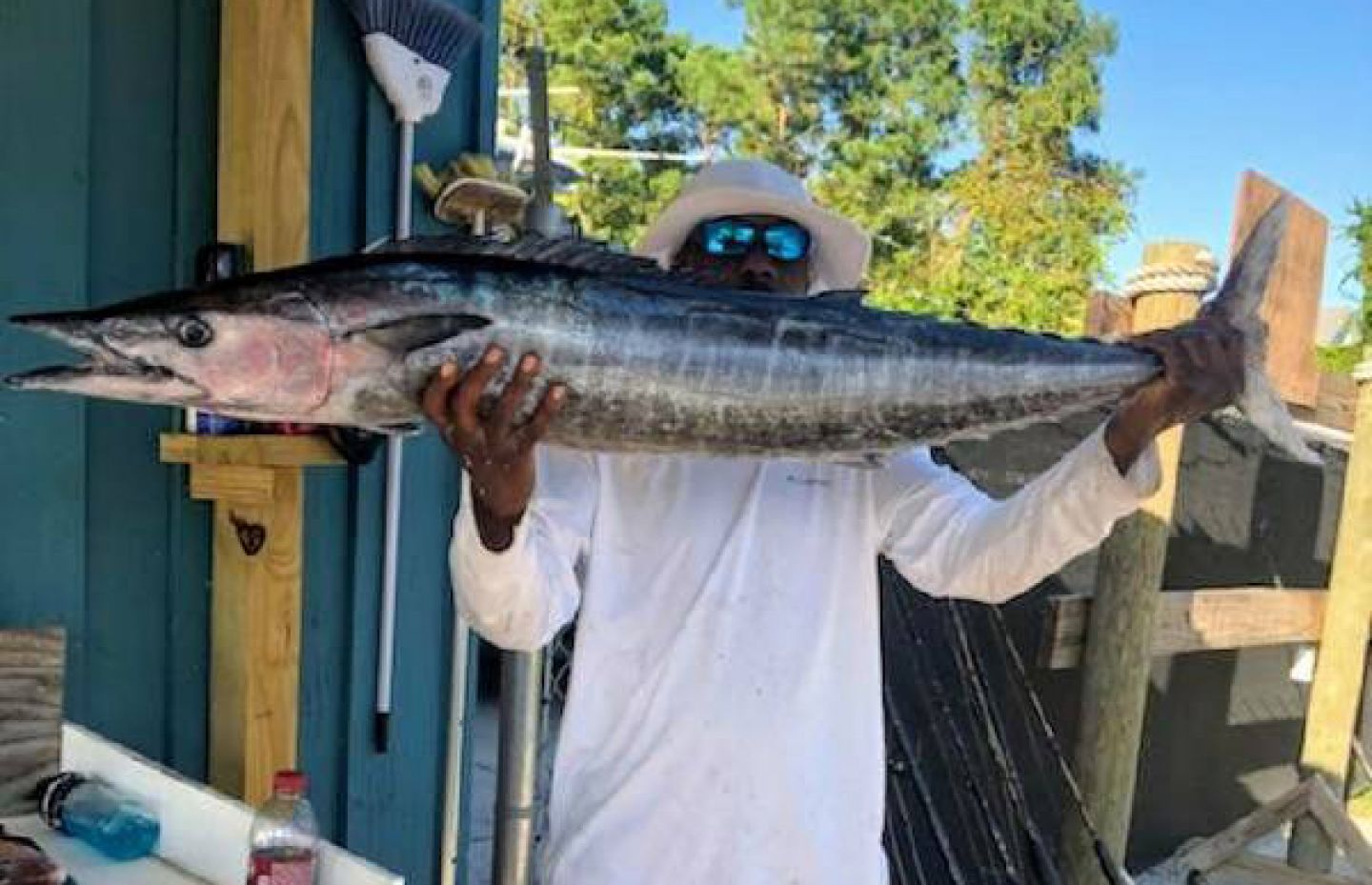
King Mackerel are the crown jewel of these offshore waters, and for good reason. These fish are built for speed and stamina, often reaching 20 to 40 pounds with some real monsters pushing 50 plus. They're most active during the warmer months from spring through fall, when they follow bait schools along the coast. What makes Kings so special is their initial run – when one hits your trolled bait, it'll take off like a freight train, peeling line and testing your drag. The fight stays intense right to the boat, with multiple runs that'll have your arms burning. They're also excellent eating when prepared fresh, making them a favorite target for both sport and the dinner table.
Cobia are the wildcards of the offshore scene, showing up when you least expect them and always putting up a memorable fight. These brown sharks of the fishing world can reach impressive sizes, with 30 to 50-pound fish common in these waters during their peak season from late spring through summer. They're curious fish, often following the boat or checking out floating debris, which makes sight fishing for them exciting. When hooked, Cobia are bulldogs – they don't run as fast as Kings, but they pull steady and hard, using their broad tails to fight you every inch of the way to the boat.
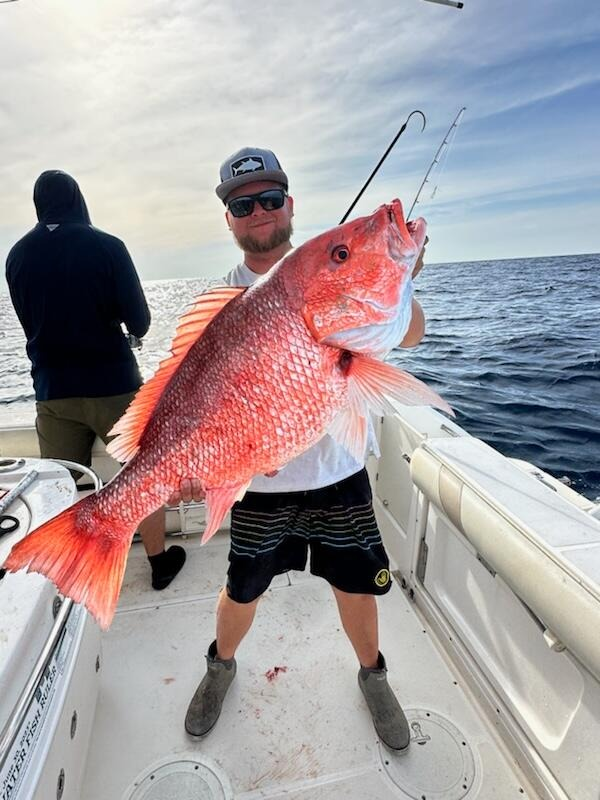
Red Snapper remain one of the most sought-after bottom fish in these waters, combining excellent table fare with a respectable fight. While regulations can vary, when they're open, these fish are absolutely worth targeting. They typically run 2 to 8 pounds in our area, with larger fish possible around the best structure. Snapper have sharp eyesight and can be finicky, often requiring lighter leaders and smaller hooks to get them to bite. The trick is feeling the light tap and setting the hook quickly before they drop the bait or get back into the rocks.
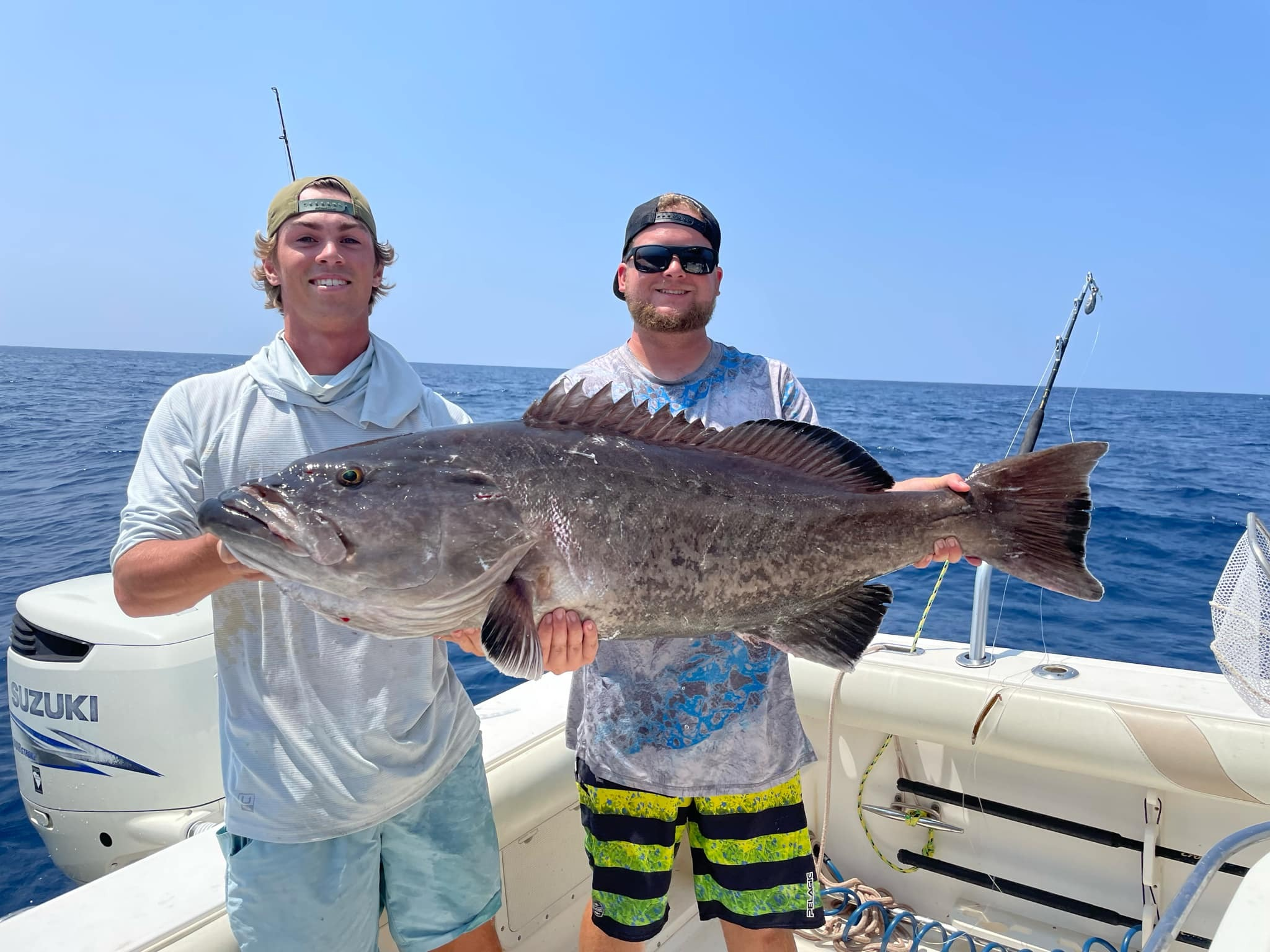
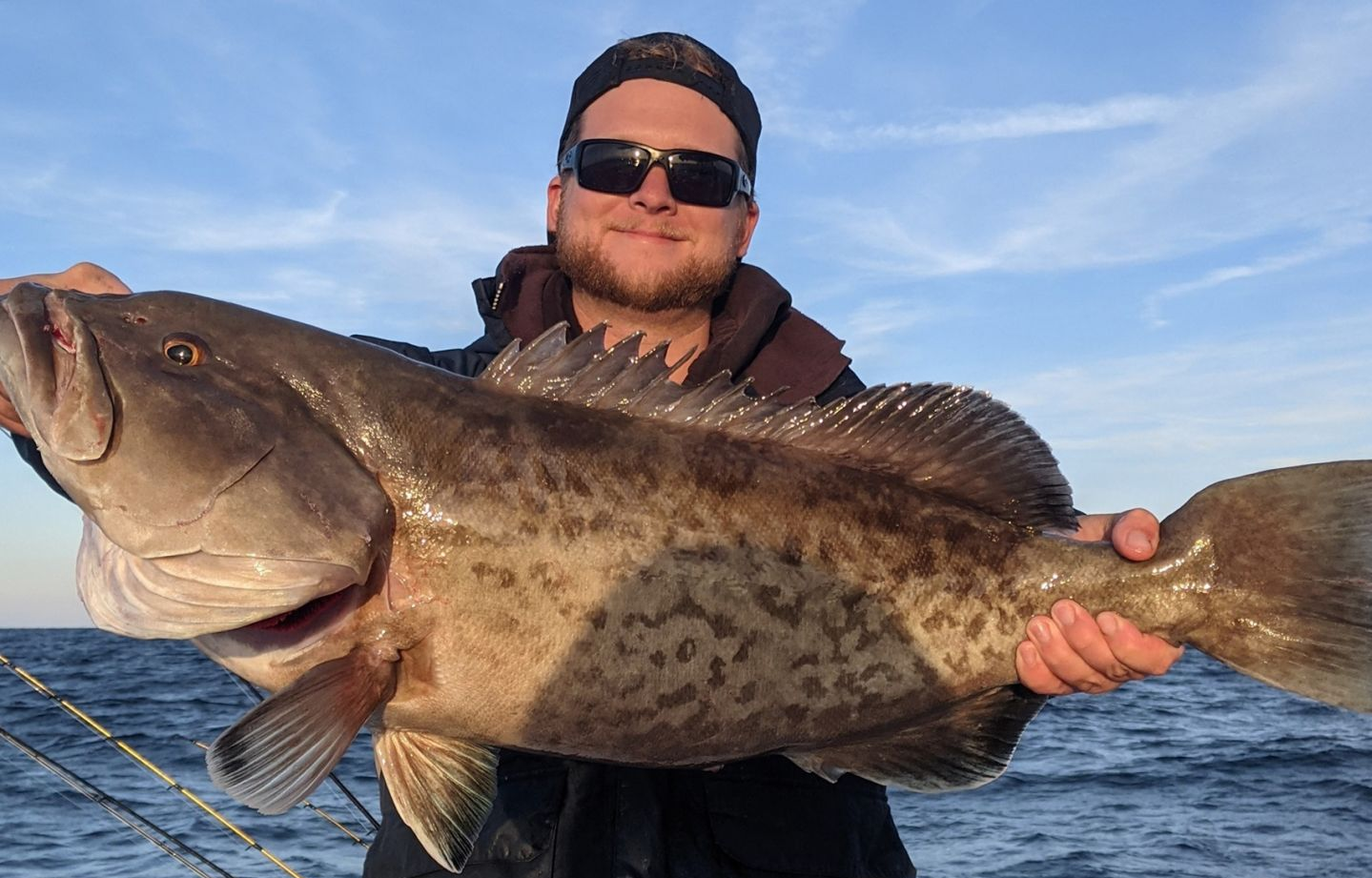
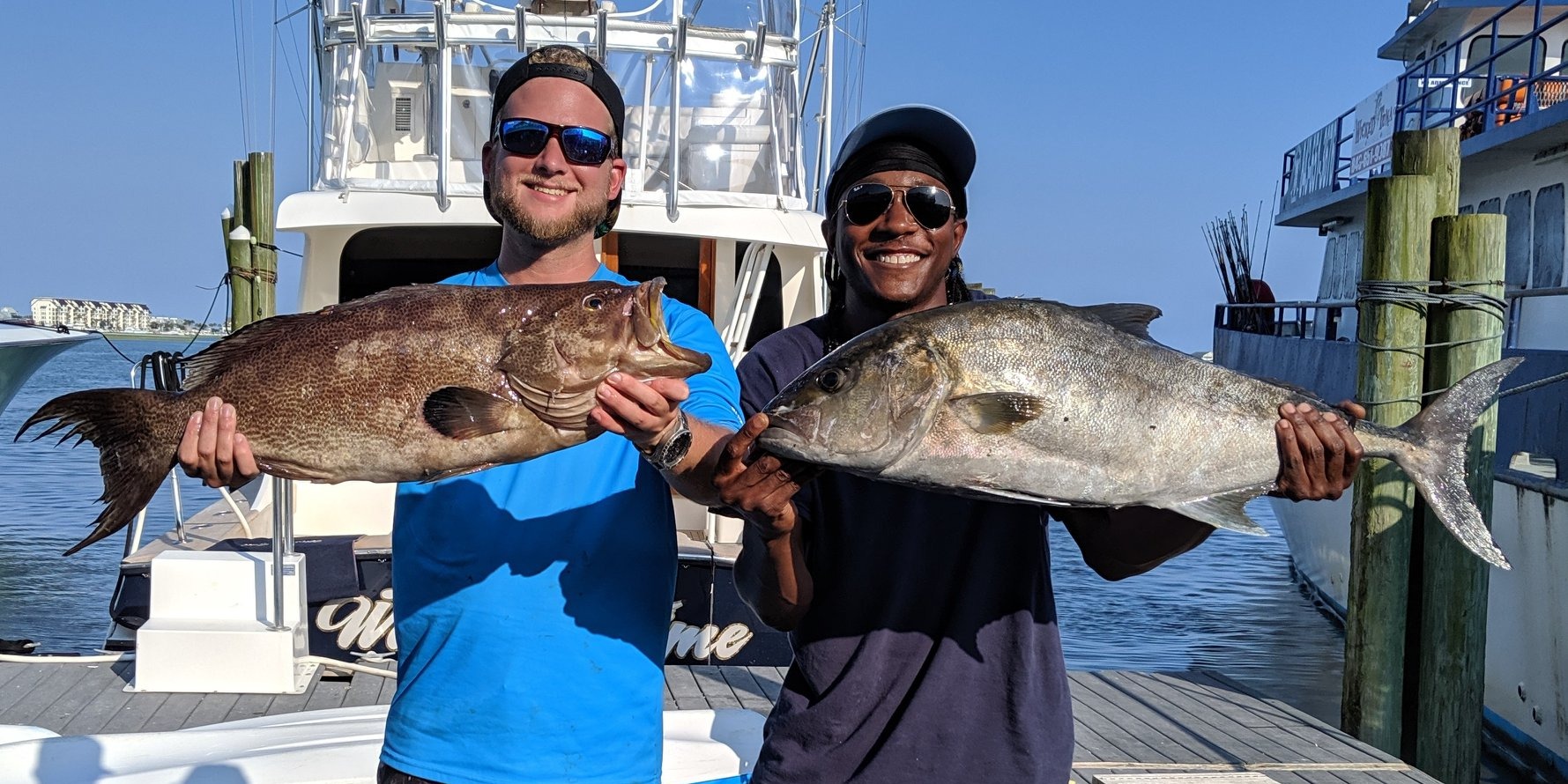
Grouper are the heavyweights of the bottom fishing world, and landing a good one is always a battle. These fish use the structure to their advantage, trying to get back into holes and crevices where they can break you off. Black Grouper and Red Grouper both call these waters home, with fish ranging from keeper-sized to real trophies. The key to Grouper fishing is immediate pressure – once you feel that thump, you need to start winding and keep their heads up. They're ambush predators that inhale their prey, so when they hit, it's usually a solid hookup.
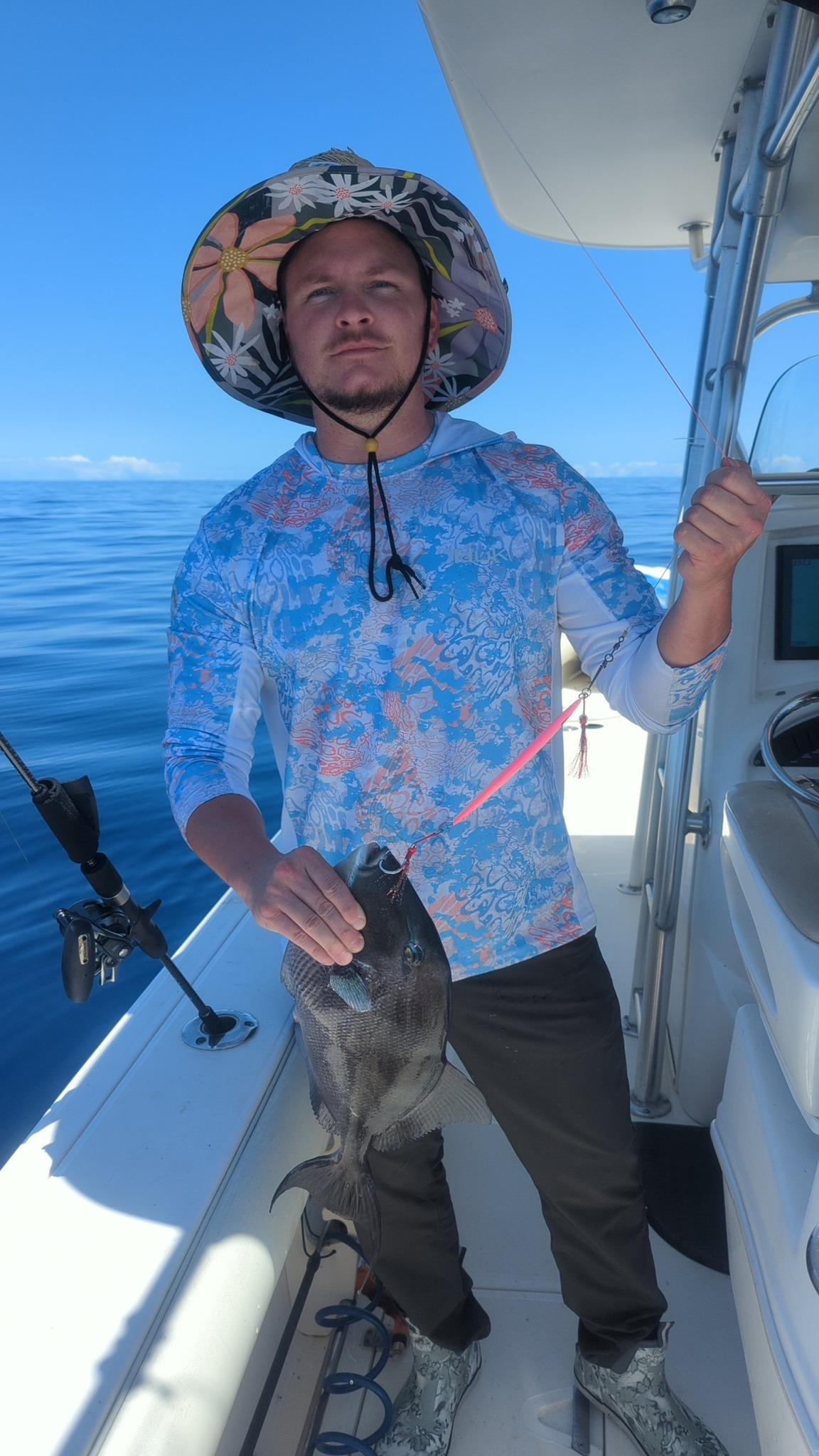
Black Seabass might not be the biggest fish out there, but they're plentiful, fun to catch, and make excellent eating. These fish are perfect for keeping the action going when the bigger fish aren't cooperating. They're aggressive biters that will hit a variety of baits, from squid strips to small jigs. Most run 1 to 3 pounds, but they fight harder than their size suggests and are always welcome in the cooler.
Amberjack are the muscle cars of the offshore world – pure power and endurance. These fish will test your stamina and your tackle, often making multiple deep runs that seem to go on forever. They're year-round residents around structure, with larger fish
 Private Trip
 Offshore Fishing
 Myrtle Beach, SC
 7-hour offshore adventure targeting multiple fish species