Hard-to-Catch Fish Species: Why Guides Matter More Than Ever
Fish are harder to catch due to pressure, clearer water, and smarter behavior. Learn why professional guides help target elusive species and book smarter trips.
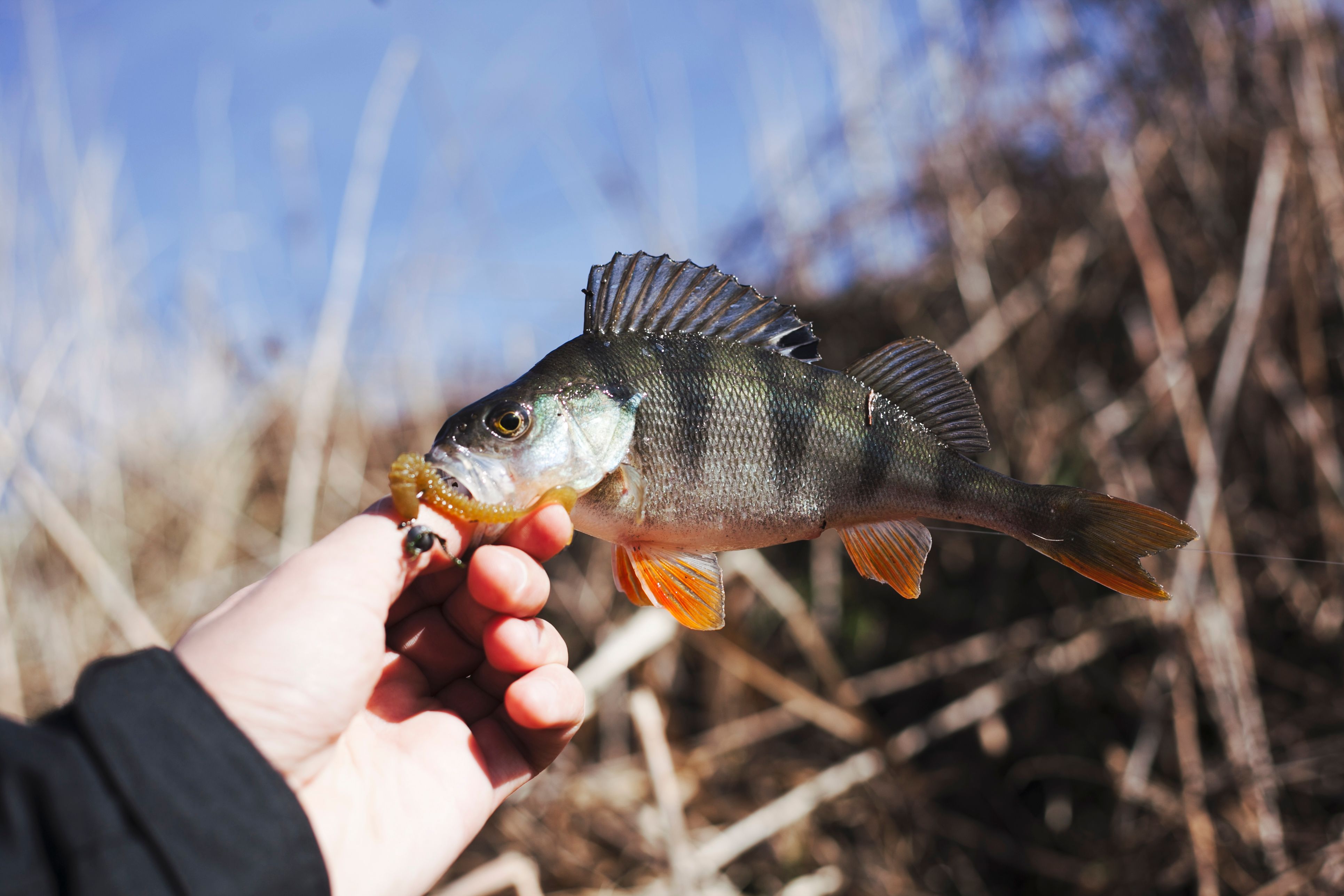


Anglers across freshwater and saltwater are noticing the same thing. Fish that once felt achievable now require patience, precision, and restraint. Increased pressure, clearer water, and changing behavior have raised the bar for consistent success. Casual patterns break faster, popular lures lose effectiveness, and timing windows shrink. This shift is not about bad luck. It reflects how fish respond to pressure, technology, and environmental change.
This article explains why hard-to-catch fish species demand professional guidance, how guides adapt in 2026, and which targets truly separate experience from guesswork. It also shows how modern guides combine biology, electronics, and refined techniques to shorten the learning curve. For anglers chasing difficult fish, the difference often comes down to strategy, efficiency, and informed decisions on the water during demanding fishing situations.
Why Catching Trophy Fish Has Become More Difficult
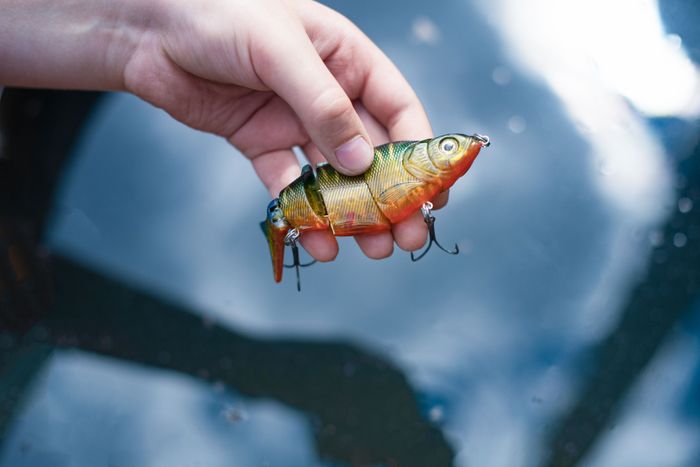
Catching trophy fish is harder today because fish experience more pressure than ever. Repeated catch and release teaches fish to recognize common lures and unnatural movement. Over time, they respond more slowly, follow without striking, or avoid presentations completely. In heavily pressured waters, fish density also drops, which means fewer opportunities and longer gaps between quality bites. These conditions force anglers to rely less on timing guesses and more on precise decisions.
Clearer water adds another layer of difficulty. Fish can inspect baits closely and reject anything that feels off. Seasonal feeding windows also tighten as conditions shift faster. Success with hard-to-catch fish species now depends on hitting narrow windows when conditions, location, and behavior briefly align.
How Fish Learn and Adapt to Angling Pressure
Fish do not need complex thinking to change behavior. Repeated exposure shapes simple responses that improve survival. In busy waters, fish react to patterns, sounds, and movements they associate with danger. Over time, this creates cautious feeding habits and fewer mistakes. Anglers who rely on familiar tactics often fall behind because fish behavior shifts faster than habits do.
Here are the key ways fish adapt under constant pressure:
Lure Recognition: Repeated exposure teaches fish to recognize common lures, retrieve speeds, and angles, causing refusal or cautious follows instead of strikes.
Delayed Commitment: In pressured lakes, fish hesitate longer before committing, trail baits, and turn away faster when movement or sound feels wrong.
Strategy Over Confidence: Success now depends on adapting presentations and timing, not blind confidence, because thoughtful adjustments consistently outperform stubborn optimism under pressure.
What Makes a Fish “Hard to Catch”
Difficulty in fishing goes far beyond strength or size. Some species challenge anglers because encounters are rare, feeding is selective, and habitat access is limited. These fish demand accuracy, timing, and restraint rather than effort alone. When conditions must align perfectly, mistakes are costly, and opportunities are brief. These are the core factors that define truly difficult fish:
Low Population Density: Fish with low population density create fewer encounters, forcing anglers to maximize every opportunity and remain patient through long stretches without visible activity.
Selective Feeding Behavior: Highly selective feeders reject imperfect presentations, requiring precise lure choice, speed, and angle that closely match natural prey movements.
Narrow Habitat Range: Some species occupy very specific depths or structures, limiting access and reducing margin for error when positioning or presenting baits.
Extreme Depth or Structure Dependence: Fish living deep or tight to structure demand specialized techniques, precise control, and awareness to avoid spooking fish or losing contact.
Species That Test Even Experienced Anglers
Some fish challenge anglers regardless of experience. These species demand precision, timing, and local understanding. Each one presents unique obstacles that go far beyond effort or strength.
1. Giant Trevally
These fish combine explosive power with extreme awareness. Success depends on timing tides, reading reef edges, and knowing when aggression replaces caution in pressured water.
Key challenges:
Feed aggressively only during narrow tidal windows
Hold tight to reef edges and structure
Punish poor timing more than poor casting
2. Apache Trout
Apache trout are difficult because access and legality matter as much as technique. Their limited range and fragile populations make preparation as important as presentation.
Key challenges:
Extremely limited population and range
Found in remote, high-altitude waters
Strict regulations require accurate species knowledge
3. Goliath Tigerfish
These predators live in environments that test both skill and safety. Strong currents, submerged hazards, and violent strikes make success difficult without local planning.
Key challenges:
Live in dangerous, fast-moving river systems
Require heavy tackle and precise control
Solo attempts fail due to safety and current risks
4. Swordfish
Swordfish fishing rewards planning over endurance. Extreme depth, drift control, and sonar interpretation determine whether the effort turns into a real opportunity or empty water.
Key challenges:
Occupy extreme depths far below typical gamefish
Demand precise drift planning and bait control
Sonar accuracy determines success or failure
5. Muskellunge
Muskellunge challenge anglers through rarity and selectivity. Success requires constant adjustment, precise lure control, and awareness of short feeding windows.
Key challenges:
Low population density limits encounters
Require constant presentation adjustments
Patience without strategy rarely produces strikes
Why Professional Guides Matter More Than Ever
Fishing success today depends less on effort and more on decision-making. Professional guides operate as strategists, not helpers. They narrow focus early, removing unproductive water from the plan before time and energy disappear. Instead of casting everywhere, they concentrate on high-percentage zones where conditions align with fish behavior. This approach turns limited time into a meaningful opportunity rather than hopeful repetition.
Conditions change daily, sometimes hourly. Guides track these shifts and adjust immediately. Water clarity, pressure, bait movement, and light angles all influence how fish behave. Guides recognize when patterns fade and pivot before results stall. This ability keeps anglers aligned with what fish are doing now, not what worked yesterday.
Small refinements separate success from frustration. Guides adjust lure size, speed, angle, and depth in subtle ways that trigger reluctant fish. These changes look minor, but consistently unlock strikes that casual adjustments miss.
How Guides Counter “Fished-Out” Conditions
Heavily pressured water forces fish to recognize familiar patterns and avoid obvious mistakes. Guides respond by simplifying decisions and refining execution rather than forcing new spots. They focus on subtle changes that reset fish reactions without alarming them. This approach relies on observation, timing, and restraint instead of constant movement or gear changes. These are the core finesse adjustments guides rely on:
Lure Rotation Strategy: Guides cycle through different profiles, colors, and actions to prevent fish from recognizing repeated patterns while maintaining consistent depth and presentation control.
Downsizing Without Losing Action: Reducing lure size while preserving movement helps trigger cautious fish that ignore larger baits but still respond to realistic motion.
Angle Changes Over Location Moves: Instead of relocating, guides shift casting angles and boat position to show fish a different look without leaving productive water.
Technology Only Works With Experience
Modern electronics provide visibility, not answers. Live sonar shows shapes and movement, but interpretation matters more than the screen itself. Many anglers mistake seeing fish for catching fish. Without experience, it is easy to misread depth changes, chase inactive marks, or assume every signal represents an opportunity. Guides know when sonar confirms a pattern and when it simply shows fish that will not respond.
Experienced guides separate fish presence from fish mood. They recognize when marks indicate feeding, curiosity, or avoidance. Instead of covering endless water, guides narrow their focus. Fishing in less water allows precise positioning, cleaner presentations, and better timing. This disciplined approach turns electronics into decision tools rather than distractions.
Technique Coaching That Changes Outcomes
Real progress on the water comes from small corrections made at the right moment. Guides observe every movement, adjust technique instantly, and prevent minor mistakes from turning into lost opportunities. This real-time coaching keeps anglers aligned with fish behavior instead of relying on trial and error.
Core techniques:
Nymphing depth control
Trolling speed calibration
Strike detection timing
Line management and tension control
Effective adjustments:
Adjust depth to keep presentations in the strike zone longer
Calibrate speed to match fish response and current conditions
Correct hook timing to reduce missed strikes
Refine line control to maintain consistent contact with baits
Safety, Regulations, and Remote Logistics
Many anglers underestimate how quickly risk increases in remote or offshore fishing. Distance, changing weather, and limited access add layers of responsibility beyond casting and landing fish. Guides plan for safety, legality, and logistics before the trip begins, reducing avoidable problems on the water. These are the critical areas anglers often overlook:
Offshore Emergency Planning: Guides prepare for breakdowns, weather shifts, and medical issues, ensuring communication, fuel range, and response plans are in place before departure.
Remote Access Permits: Many fisheries require permits or local permissions, and guides secure access early to prevent delays, cancellations, or legal complications.
2026 Conservation Compliance: Guides stay current on evolving size limits, seasonal closures, and protected species rules to ensure ethical, legal fishing at all times.
Choosing the Right Guide for Hard-to-Catch Species
Selecting the right guide matters more than choosing the destination. Many anglers book based on availability or price, then struggle when conditions change. Hard-to-catch species demand recent, specific experience. Asking about current patterns reveals whether a guide is actively fishing your target or relying on outdated success.
Matching guide history to species is equally important. A great guide for one fish may not specialize in another. Species behavior, water type, and seasonal movement vary widely. Look for guides who consistently target the fish you want under similar conditions. Experience with the exact challenge shortens the learning curve dramatically.
Avoid generic “trophy” promises. Serious guides talk about process, timing, and probability, not guarantees. Honest expectations protect your time and investment. The right guide focuses on preparation, adaptation, and decision making rather than selling certainty where none exists.
Conclusion
Catching elusive fish in today’s conditions is no longer about luck or effort alone. Pressure, clarity, and changing behavior demand smarter decisions and refined execution. Professional guides bring structure to that challenge. They reduce wasted time, adjust to daily shifts, and turn small advantages into real opportunities. From safety planning to technique coaching, guides protect both anglers and fisheries while increasing consistency. For anglers chasing difficult species, the right guidance shortens the learning curve and improves outcomes on the water. If you want to apply these strategies without years of trial and error, explore species-specific guided trips through Guidesly and fish with confidence, clarity, and purpose.
FAQs
Are fish actually becoming harder to catch today?
Yes. Increased pressure, clearer water, and environmental shifts have changed feeding behavior, making many species less aggressive and more selective across freshwater and saltwater fisheries.What qualifies a species as extremely difficult to catch?
Difficulty comes from low population density, narrow habitat use, selective feeding habits, and brief activity windows that limit encounters even when conditions appear favorable.Do fishing guides improve results beyond finding spots?
Guides improve outcomes by reducing wasted time, adapting faster to conditions, and teaching situational adjustments that most anglers take years to recognize independently.Can electronics replace the on-water experience?
Electronics show information, not intent. Without experience interpreting behavior, anglers chase inactive fish instead of identifying feeding windows that actually produce strikes.Why do fish ignore lures after repeated pressure?
Fish associate repeated sounds, movements, and visuals with danger, causing hesitation, refusal, and shorter feeding responses even when prey remains present.Is hiring a guide worthwhile for casual anglers?
Casual anglers benefit from guidance through safer trips, faster learning, and fewer unproductive outings, often making limited fishing time more rewarding overall.How do guides stay effective when patterns stop working?
Guides adjust immediately by reading subtle changes in behavior, light, pressure, and current rather than forcing yesterday’s approach into failing conditions.Can newcomers responsibly target difficult species?
Newcomers can target challenging species when properly guided, gaining instruction, ethical awareness, and realistic expectations without harming fisheries or personal safety.Why is regulatory knowledge critical for certain fisheries?
Regulations vary by species, season, and region, and mistakes can end trips early or result in fines despite otherwise successful fishing efforts.What matters most when booking a specialized guide?
Recent experience with the exact species, honest expectations, and adaptive planning matter more than reputation or promises of guaranteed trophy catches.