Planning a Fishing Trip Soon? Why Booking a Guide Early Matters
Planning a fishing trip? Learn why booking a guide early improves safety, availability, pricing, and overall success for 2026 fishing adventures.
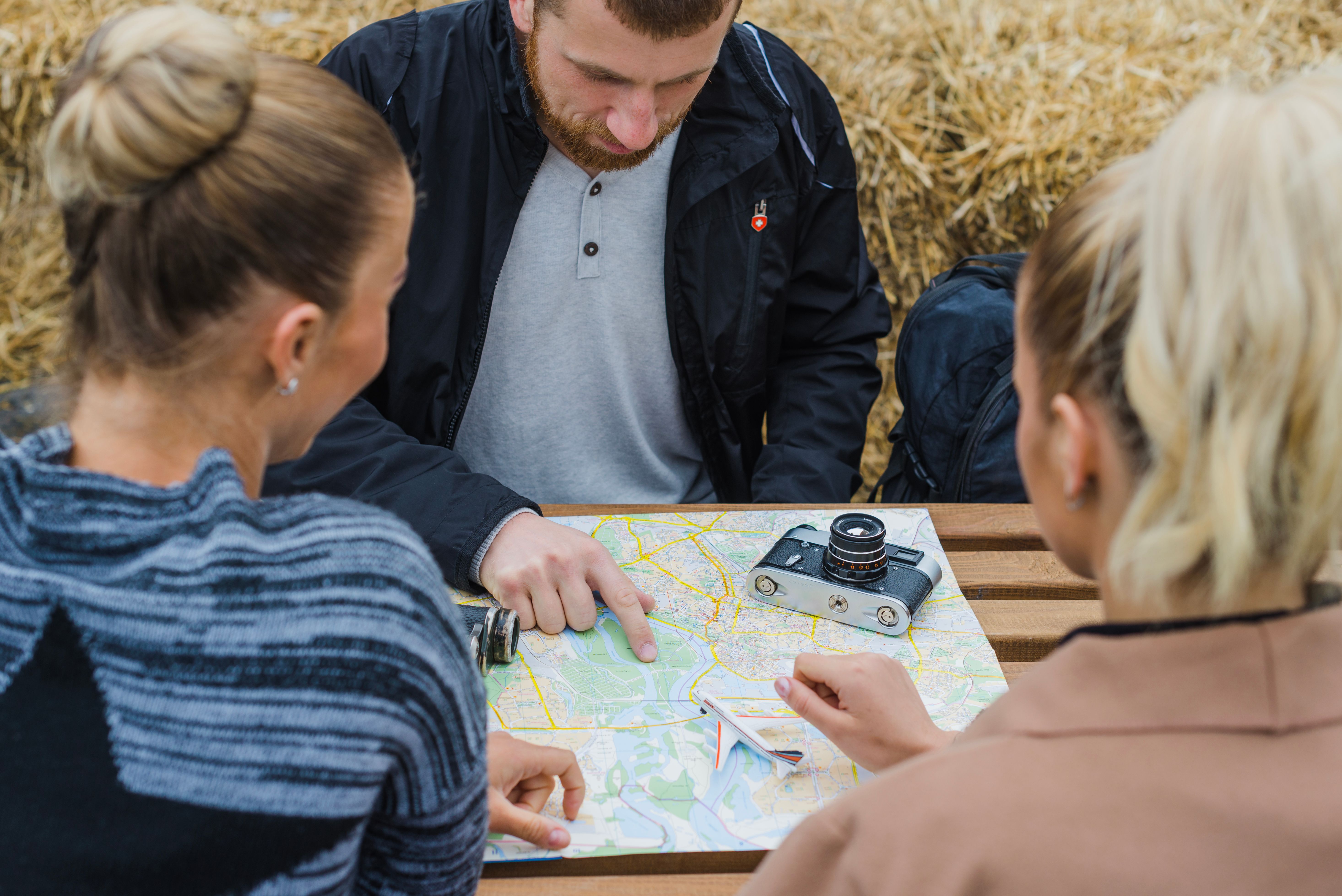


A fishing trip in 2026 is no longer a last-minute getaway. Travel trends show a clear shift toward slower, nature-focused experiences where preparation matters. As more anglers look for meaningful time on the water, demand for trusted guides continues to rise. This makes booking a fishing guide early a critical part of smart fishing trip planning. Early reservations give anglers access to the most experienced professionals, safer setups, and better seasonal timing. Popular guided fishing trips now fill months in advance, especially during peak runs and ideal weather windows. Waiting too long often limits guide choice, gear options, and even fishing locations. Following proven fishing charter booking tips helps reduce risk and improve results on the water. When anglers hire a fishing guide early, they gain confidence, safety, and a higher chance of turning a planned trip into a successful fishing experience.
Why Fishing Travel Is Changing in 2026
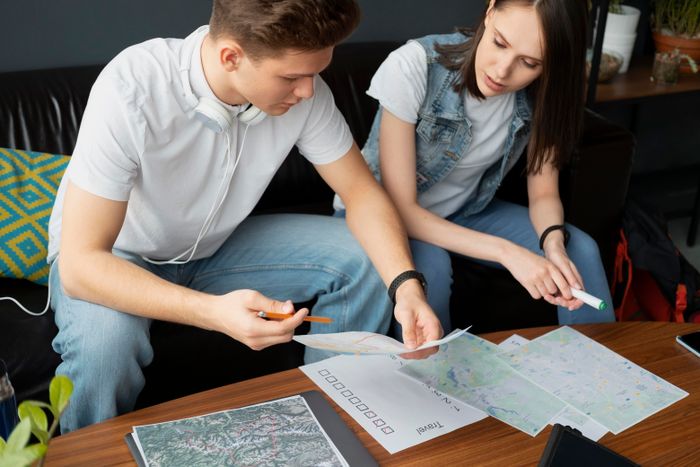
Fishing travel is evolving as more people move away from rushed vacations and toward meaningful outdoor experiences. Anglers now value preparation, comfort, and reliability more than spontaneity. As fishing becomes a preferred nature-focused escape, demand for trusted guides continues to rise. Access to productive waters is more limited, seasons are more competitive, and expectations for safety and success are higher. This shift is changing how anglers plan trips and why early decisions now have a direct impact on the quality of time spent on the water.
The Rise of Slower, Nature-Focused Travel
The “hushed hobbies” trend reflects a growing desire for calm, skill-based activities that reward patience and focus. Fishing fits this movement perfectly because success depends on timing, seasonal conditions, and local expertise. Many fisheries limit daily angler access to protect resources, making preparation essential. Planning early allows anglers to align with the right waters, conditions, and guide experience.
What This Shift Means for Anglers
Fishing travel changes are reshaping how anglers plan trips, choose guides, and measure success on the water.
More anglers now plan months ahead to secure preferred seasons, locations, and guide expertise
Fewer open dates remain with experienced guides as demand increases across popular fisheries
Higher expectations exist for safety planning, communication, and professional trip preparation
Greater focus is placed on overall experience quality, not just catching fish
Secure Prime Dates and High-Demand Locations
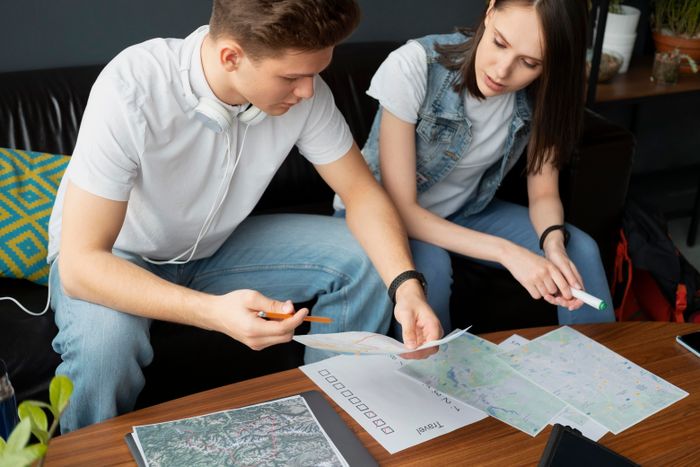
Timing and location now play a bigger role in fishing success than ever before. As more anglers plan trips around peak seasons and specific species, availability disappears quickly. Early planning helps anglers secure the right dates, avoid crowded waters, and align trips with ideal conditions. High-demand destinations reward preparation, while last-minute bookings often force compromises on timing, guide quality, or location choice.
Peak Fishing Seasons Book Faster Than Ever
Seasonal fish movements drive demand across both freshwater and saltwater fisheries. Runs tied to spawning, feeding cycles, and water temperature create short windows when conditions are ideal. Anglers target these moments, causing guide calendars to fill months ahead.
In both lakes and coastal waters, peak seasons attract experienced anglers and beginners alike. This shared demand leaves fewer open slots, especially with guides who consistently deliver safe and productive trips during high activity periods.
Location Matters More Than Ever
Choosing the right location now has a direct impact on trip success, safety, and overall satisfaction. As more anglers target specific fisheries, competition increases for waters known for consistency and quality. Early planning helps anglers align destinations with seasonal patterns, guide availability, and access rules. Popular locations often have limited entry, making last-minute bookings difficult or less effective.
Trophy fisheries attract anglers seeking size, rarity, or personal milestones
Limited-access rivers restrict daily anglers to protect fish populations
Seasonal saltwater hotspots fill quickly during migration and feeding windows
Why Weekday Bookings Create an Advantage
Weekday bookings offer anglers flexibility and improved conditions that are harder to find on weekends. These advantages often lead to calmer waters, better guide availability, and a more focused fishing experience. Here are the key benefits anglers gain by choosing weekday trips:
Reduced Crowds: Weekdays see fewer boats and anglers, allowing better access to productive areas, less pressure on fish, and a quieter experience that supports safer and more effective fishing.
Greater Guide Flexibility: Guides have more scheduling flexibility on weekdays, allowing longer fishing windows, customized plans, and adjustments based on weather, tides, or fish activity.
Improved On-Water Conditions: With lighter traffic and less disruption, fish behave more naturally, improving strike chances and making conditions safer and more predictable throughout the trip.
Booking Early Helps You Match With the Right Guide
Choosing a guide is about more than availability. Each guide brings a different style, skill set, and area of expertise. Early booking gives anglers time to align goals with the right professional, communicate expectations, and plan a trip that matches experience level and target species. Waiting too long often forces compromises that affect learning, comfort, and results on the water.
Not All Guides Specialize in the Same Experience
The best fishing outcomes come from matching guide expertise with trip goals. Understanding guide types early helps anglers choose wisely and avoid mismatched expectations.
Guide focus areas:
Teaching-focused guides
Species-specific specialists
Family-friendly guides
Advanced angler specialists
Why this matters:
Better instruction for skill development
Safer setups for group and family trips
Efficient strategies for experienced anglers
Clear expectations on pace and techniques
Species-Specific Expertise Gets Reserved First
Guides who consistently target specific species are often booked far in advance. These professionals understand seasonal behavior, precise locations, and effective setups for their specialty.
Targeted knowledge improves success rates for specific species
Seasonal timing aligns better with fish movement and feeding patterns
Gear, techniques, and locations are optimized in advance
Early booking secures access to top-performing specialists
Boat Type, Gear, and Setup Depend on Early Planning
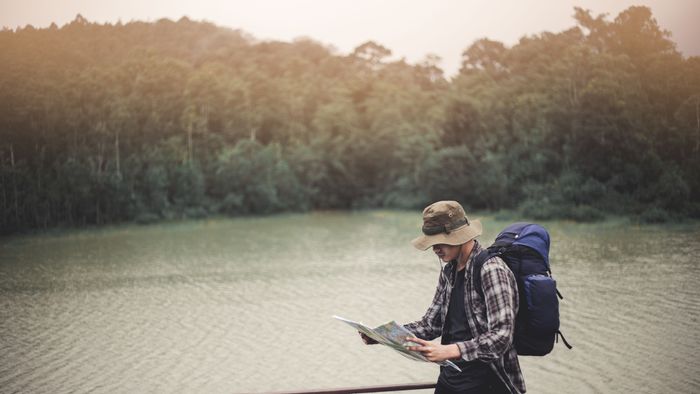
Boat choice and gear setup directly influence safety, comfort, and fishing success. Early planning allows guides to prepare the right equipment based on water type, group size, and target species. Rushed bookings often limit options, while advance coordination creates a smoother experience from launch to landing. When trips are planned early, guides can build the setup intentionally rather than adjusting on the fly.
Different fisheries require different vessels. Bass boats offer speed and precision for freshwater lakes and structured waters. Flat boats are designed for shallow coastal areas where quiet movement matters. Offshore vessels provide stability and safety in open water conditions. Drift boats allow controlled movement through rivers, helping anglers work currents effectively.
Early communication also improves gear performance. Guides can match rods and reels to techniques, prepare seasonal lures suited to fish behavior, and adjust setups for water levels, clarity, and weather conditions.
Financial Advantages of Booking a Fishing Guide Early
Planning ahead offers anglers more financial control and fewer surprises. As demand rises and operating costs increase, prices often adjust closer to peak season. Early reservations allow anglers to plan budgets confidently, avoid last-minute premiums, and coordinate travel efficiently. Booking early also creates flexibility when aligning dates, locations, and trip expectations. These are the key financial advantages anglers gain by securing guides in advance:
Locked-In Rates: Early bookings secure current pricing before seasonal increases tied to fuel costs, demand spikes, and limited availability, helping anglers avoid premium charges closer to peak fishing periods.
Lower Travel Costs: Planning ahead improves access to affordable flights and lodging, allowing anglers to align guide dates with better travel pricing and avoid last-minute booking penalties.
Reduced Cancellation Risk: Early bookings offer more time to adjust plans, review policies, and add insurance coverage, reducing financial loss from unexpected changes or schedule conflicts.
Better Value Per Trip: Advance planning increases success rates, maximizing time on the water and ensuring money spent delivers stronger results, safety, and overall fishing satisfaction.
Safety Is Strongly Tied to Advanced Planning
Safety on a fishing trip is not something that should be handled at the last minute. Conditions change quickly on the water, and preparation plays a major role in reducing risk. Advance planning allows guides to anticipate challenges, prepare equipment, and align trips with safer windows. When anglers book early, safety becomes a built-in part of the experience rather than an afterthought.
Key safety factors:
Local water and weather knowledge
Seasonal fish movement awareness
Proper safety and emergency equipment
Familiarity with navigation hazards
Why early planning improves safety:
Guides prepare for specific conditions instead of reacting mid-trip
Emergency gear and communication tools are checked and updated
Routes, access points, and backup plans are established in advance
Anglers receive clear safety briefings before arriving on the water
Recommended Fishing Guide Booking Timeline for 2026
As fishing travel continues to grow in popularity, timelines have shifted. Anglers now need to think further ahead to secure trusted guides, ideal seasons, and preferred locations. Planning early reduces stress, improves safety, and increases the chances of aligning with the right conditions. Understanding when to book helps anglers avoid limited availability and ensures trips are built around preparation rather than compromise.
6–12 Months Is the New Standard
High-demand seasons often require booking six to twelve months in advance, especially during peak fish migrations and ideal weather windows. Popular destinations with limited access or strong reputations fill early as anglers compete for proven guides. First-time anglers benefit most from early planning, allowing time for communication, gear preparation, and learning expectations before arriving on the water.
When Last-Minute Trips Still Work
Last-minute trips can still succeed when anglers remain flexible with dates, locations, and species targets. These bookings work best during shoulder seasons, weekdays, or less crowded fisheries. However, expectations should remain realistic, with fewer guide options and limited customization compared to trips planned well in advance.
How to Book the Right Fishing Guide
Booking the right fishing guide requires more than checking availability. Anglers should focus on experience, communication, and how well a guide aligns with trip goals. Taking time to evaluate options helps build trust and avoid last-minute compromises that affect safety and results.
Clearly define trip goals, target species, and experience level
Review guide profiles, credentials, and verified reviews
Confirm experience with specific waters and fishing conditions
Ask about safety practices, equipment, and trip expectations
Communicate early to align dates, gear needs, and preparation plans
How Early Planning Sets Expectations for a Better On-Water Experience
Early planning creates clarity for both anglers and guides, setting realistic expectations before anyone steps onto the boat. When trips are booked in advance, goals, experience levels, and target species are discussed early. This reduces misunderstandings and ensures the trip is structured around the right pace, techniques, and conditions. Clear expectations improve confidence and allow anglers to focus on learning and enjoyment rather than uncertainty.
Planning ahead also gives guides time to prepare anglers for what the day will actually involve. Weather variables, seasonal behavior, and safety considerations are explained upfront. Gear, timing, and trip structure are aligned with real conditions, creating smoother communication, safer decisions, and a more productive experience on the water.
Conclusion
Planning a fishing trip early is no longer optional for anglers who want a reliable and rewarding experience. Early decisions lead to better guided matches, stronger safety preparation, and trips built around real conditions instead of last-minute compromises. When anglers plan ahead, guides can prepare equipment, align timing with seasonal patterns, and create safer, more productive days on the water. The result is a smoother experience from start to finish. Guidesly helps anglers plan with confidence by offering transparent availability, verified reviews, and trusted professionals across top destinations. By booking early through Guidesly, anglers secure flexibility, clarity, and access to experienced guides, making 2026 fishing trips safer, better prepared, and far more enjoyable.
FAQs
1. When should anglers start planning a guided fishing trip?
Most anglers should book once their trip goals are defined, permits researched, and travel windows confirmed, ensuring guides can advise regulations, seasonal adjustments, and expectations clearly.
2. Do early bookings affect deposits or refund policies?
Deposits vary by guide, but early bookings often provide clearer refund timelines, written policies, and flexible rescheduling options compared with peak season reservations during demand.
3. Why is licensing important when booking a guide?
Licensed guides handle permits and compliance, reducing legal risk for anglers while ensuring trips meet local rules, access requirements, and conservation standards consistently with statewide requirements.
4. How does early planning help with weather disruptions?
Early planners gain more options when weather disrupts plans, including alternate dates, locations, or techniques that still fit seasonal conditions without added costs, penalties, or stress.
5. Is early booking helpful for beginners?
Beginners benefit from early booking because guides can recommend preparation steps, fitness expectations, and learning goals tailored to experience levels safely, gradually, and confidently ahead of time.
6. Does group size impact early booking decisions?
Group size affects pricing and logistics, so booking early allows guides to suggest optimal group numbers, vessel capacity, and cost-sharing approaches clearly, fairly, and upfront.
7. Why is early booking important for international fishing trips?
International fishing trips require passports, visas, vaccinations, and gear declarations, making early booking helpful for managing timelines and documentation requirements accurately, efficiently, and legally abroad.
8. How does early planning help with fishing equipment?
Early discussions clarify whether equipment is included, rented, or personal, helping anglers pack appropriately and avoid airline baggage complications, fees, delays, damage, restrictions, surprises, and later.
9. Should anglers focus on recent guide reviews?
Reading recent reviews matters because fisheries change yearly, and up-to-date feedback reflects current guide practices, equipment quality, and communication standards, professionalism, reliability, and consistency.
10. Are guided fishing trips suitable for children?
Age limits depend on location and regulations, so early booking helps confirm safety requirements, life jacket sizing, and trip suitability for minors, comfortably, legally,and approved.