Which Fish Species Are Best for Family-Friendly Guided Trips?
Discover the best fish species for family friendly guided trips. Learn what fish offer easy action, calm waters, and great kid success rates.
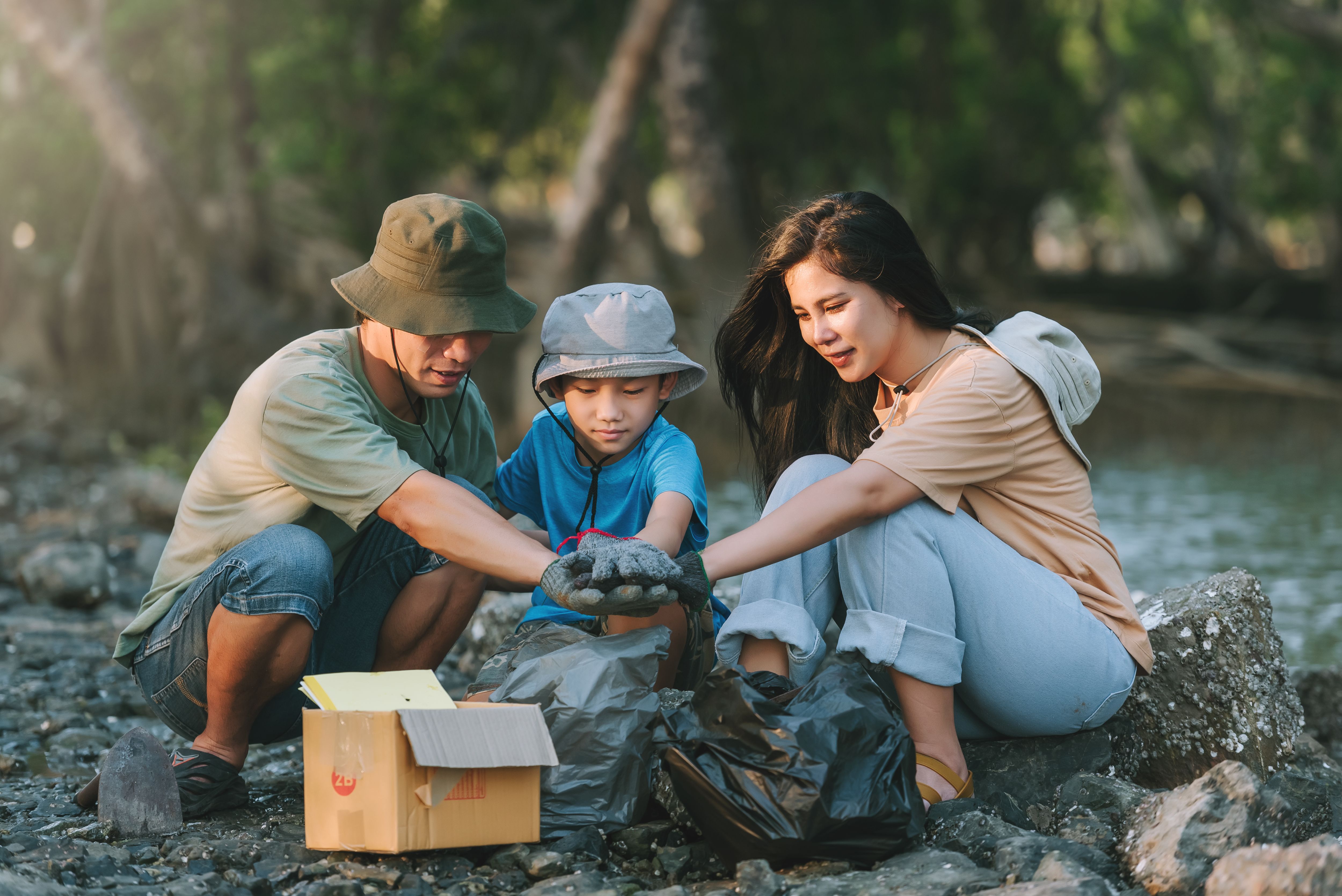


Planning a family fishing trip is less about chasing trophies and more about shared moments, steady action, and feeling safe on the water. For kids and first time anglers, success means frequent bites, calm conditions, and simple techniques that keep everyone engaged. That is why the fish species you target matters more than the exact location. Some species are naturally more active, live in calmer water, and are easier to catch, which makes a huge difference for younger anglers and parents alike. Guided trips help families skip the guesswork by matching the right species to the right water and conditions. Guides know where fish are plentiful, when they are feeding, and how to keep the pace fun without pressure. Instead of worrying about logistics, families can focus on enjoying the experience. The key is understanding which species work best in freshwater and saltwater settings.
What Makes a Fish Species Family-Friendly?
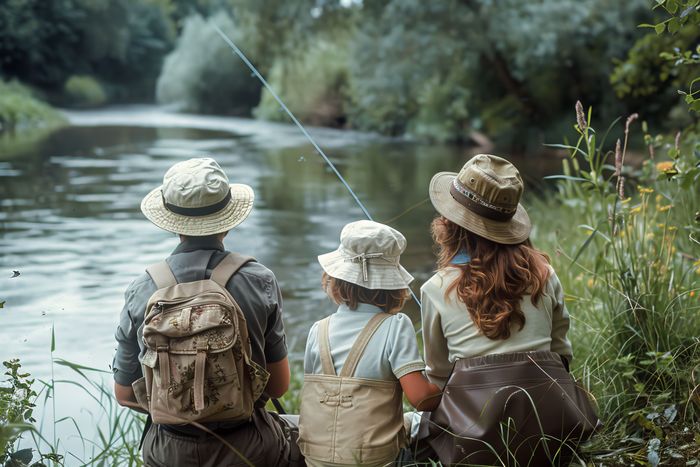
A fish species becomes family friendly when its natural behavior supports steady action, simple learning, and a relaxed pace on the water. High population density is one of the biggest factors. When fish are abundant, kids get more chances to hook up, which keeps excitement high and frustration low. Species with aggressive or eager feeding habits also matter. Fish that strike quickly give beginners instant feedback and confidence.
Water conditions play a major role as well. Species that live in shallow or calm water reduce safety concerns and make boat positioning easier for guides. These environments limit rough waves and long travel times, which helps younger anglers stay comfortable. Simple tackle and techniques are another key trait. Fish that bite basic rigs allow kids to focus on timing and fun instead of complex gear.
Finally, manageable fight time keeps the experience positive. Species that pull but do not overwhelm small arms let kids land fish on their own. These traits combined create trips that feel active, safe, and rewarding for the whole family.
Best Freshwater Fish Species for Family Guided Trips
Freshwater trips are often the easiest starting point for families because they offer calmer water, predictable conditions, and fish species that are easier for kids to catch consistently. Guides can manage pacing, limit long boat rides, and focus on areas with steady bites. Choosing the right freshwater species helps create a relaxed trip with frequent action, simple techniques, and a positive experience for everyone onboard.
Panfish (Bluegill, Sunfish, Crappie)
Panfish remain the most popular choice for family guided trips because they deliver fast action without complexity. Their abundance and feeding behavior make them ideal for keeping kids engaged and confident.
Why it works for families
Extremely high population density
Aggressive feeding keeps bites frequent
Easy for kids to reel in without fatigue
Builds confidence quickly for beginners
Best trip conditions
Shallow lakes and calm ponds
Simple rigs with live bait or small jigs
Short casting distances
Minimal boat movement
Trout (Rainbow & Brown)
Trout fishing offers a balanced experience that blends learning, action, and reward. These fish are widely stocked and accessible across different freshwater environments.
Why it works for families
Predictable feeding patterns
Teaches basic fishing techniques
Popular for cooking and meal experiences
Works well for mixed skill levels
Best trip conditions
Stocked lakes and slow rivers
Light tackle and controlled depths
Cooler water temperatures
Scenic, low-stress environments
Yellow Perch
Yellow perch are a strong option for families with multiple children because their schooling behavior creates shared success across the group.
Why it works for families
High success rates once schools are located
Simple techniques keep kids involved
Frequent bites reduce downtime
Easy for guides to manage groups
Best trip conditions
Calm lakes and reservoirs
Vertical fishing or light casting
Stable weather conditions
Minimal repositioning once fish are found
Bass (Largemouth & Smallmouth)
Bass fishing suits families with older children who enjoy more interaction and challenge. Guides adapt the approach to keep trips productive and age appropriate.
Why it works for families
Strong but manageable fights
Widely available across regions
Encourages skill development
Keeps older kids engaged longer
Best trip conditions
Calm shorelines and structured areas
Smaller lures and slower retrieves
Short, focused fishing periods
Clear communication from the guide
Catfish
Catfish trips provide a slower pace that works well for families who want a relaxed outing without constant casting or movement.
Why it works for families
Hardy species with consistent bites
Minimal technique required
Allows kids to fish at their own pace
Reduces pressure to perform
Best trip conditions
Lakes, ponds, and slow rivers
Evening or low-activity hours
Basic bait setups
Comfortable seating and spacing
Best Saltwater Fish Species for Family Guided Trips
Saltwater fishing can be just as family friendly as freshwater when the trip focuses on inshore species and calm conditions. These guided trips stay close to shore, limit long boat rides, and target fish that are plentiful and predictable. The right saltwater species give kids steady action, manageable fights, and exciting variety without exposing families to rough water or offshore risks. Guides play a key role by choosing protected areas, timing tides, and adjusting techniques so everyone stays comfortable and involved.
Flounder
Flounder are one of the easiest saltwater species for families to catch because they live in shallow, protected inshore waters. Their slow movement and bottom feeding habits make techniques simple and stress free for kids.
Why it works for families
Found in calm, shallow inshore areas
Simple techniques require little casting skill
Steady bites keep kids engaged
Easy fish for beginners to land
Best trip conditions
Protected bays and estuaries
Light tackle with bait or small jigs
Minimal boat movement
Mild weather and calm tides
Mangrove Snapper
Mangrove snapper provide consistent action near docks, piers, and inshore reefs, making them a reliable option for family trips. Guides focus on smaller snapper to keep fights manageable and success rates high.
Why it works for families
High numbers in accessible locations
Frequent bites reduce downtime
Smaller snapper are easy for kids to handle
Teaches basic saltwater techniques
Best trip conditions
Nearshore reefs, piers, and structure
Light to medium tackle
Controlled drift or anchored fishing
Short travel distances
Spotted Seatrout
Spotted seatrout are ideal for mixed experience groups because they are abundant and aggressive feeders. Their willingness to strike makes trips feel active without being overwhelming for beginners.
Why it works for families
High catch rates in shallow water
Light tackle keeps fights manageable
Suitable for all skill levels
Fast action keeps kids focused
Best trip conditions
Shallow flats and grass beds
Calm mornings or mild tide movement
Simple lures or live bait
Steady pacing from the guide
Redfish
Redfish add excitement to family trips while remaining manageable with guide support. Their strength creates memorable moments without requiring offshore travel or advanced skills.
Why it works for families
Strong but controlled fights
Found close to shore in shallow water
Builds confidence for older kids
Highly rewarding to catch
Best trip conditions
Shallow flats and marsh edges
Proper tide timing
Light to medium tackle
Careful boat positioning by the guide
Small Sharks (Lemon, Sand Sharks)
Small sharks offer a bragging rights experience for families without the risks of deep water fishing. With guide supervision, these trips stay safe, educational, and exciting.
Why it works for families
Memorable catch for kids
Found in shallow, safer waters
Strong guide control throughout the fight
Emphasis on catch and release ethics
Best trip conditions
Protected coastal areas
Calm seas and stable weather
Heavy duty but simple gear
Clear safety instructions from the guide
Freshwater vs Saltwater for Family Fishing Trips
Freshwater trips are often the easiest choice for families with younger children. Travel time is usually shorter, water conditions stay calmer, and lakes or rivers reduce motion sickness risk. These trips allow guides to slow the pace and focus on steady action with simple techniques. Freshwater species are predictable, plentiful, and ideal for first time anglers who need frequent bites to stay engaged.
Saltwater trips offer more variety and excitement, especially for families with older kids. Inshore saltwater fishing keeps travel manageable while introducing different species and environments. While tides and wind play a bigger role, experienced guides plan trips around calm conditions to maintain comfort and safety. Saltwater trips can feel more adventurous, but still remain family friendly when focused on protected waters and age appropriate species.
Why Guided Trips Matter More for Families Than Solo Fishing
Fishing with kids involves more than casting lines and waiting for bites. Families need safety, steady engagement, and the right species choices to keep trips enjoyable. Guided outings remove pressure from parents by managing logistics and pacing while keeping children involved. These are the key roles guides play on family friendly fishing trips.
Safety managers: Guides monitor weather, choose protected water, manage boat positioning, enforce life jacket use, and anticipate risks so children fish confidently while parents relax comfortably together.
Engagement planners: Guides plan pacing, rotate techniques, shorten downtime, and celebrate small wins to keep kids engaged, curious, and smiling throughout the trip without boredom or pressure.
Species matchmakers: Guides match species to season, water, and skill, targeting abundant fish with eager bites so beginners succeed faster and families experience consistent action together often.
Stress reducers for parents: Guides handle gear, knots, bait, and instruction, solving problems quietly so parents stop multitasking, stay present, and enjoy quality time with their children safely outdoors.
Choosing the Right Guide for a Family-Friendly Trip
Finding the right guide can make or break a family fishing experience. Focus on guides who clearly understand how to work with kids and beginners, not just experienced anglers. A family friendly guide will talk more about comfort, safety, and steady action than trophy sizes or advanced techniques.
Before booking, ask specific questions about kid friendly species and how the guide plans to keep bite rates high. Confirm that the trip stays in calm water with short travel times and protected areas. These details matter more for families than chasing a single big fish or covering long distances.
Gear is another key factor. Make sure the guide provides child size rods, lighter tackle, and properly fitted safety equipment. Avoid guides who lead with trophy photos or aggressive language. Family friendly trips focus on learning, fun, and shared success, not pressure or unrealistic expectations.
Conclusion
Successful family fishing trips are built on smart choices, not big promises. Bite frequency matters more than fish size, calm water matters more than distance, and realistic expectations matter more than highlight reels. When kids catch fish consistently, stay comfortable, and feel involved, the trip becomes memorable for the right reasons. That is why choosing the right species sets the foundation for a positive experience, especially for first time anglers and younger children. Guided trips remove guesswork by matching species to season, water conditions, and family skill levels. Instead of chasing hype, families can focus on shared moments, learning together, and enjoying time outdoors without pressure. If you are planning a family friendly fishing trip, explore species specific guides on Guidesly to find experienced professionals who prioritize safety, steady action, and kid friendly success from start to finish.
FAQs
What age is best for kids on guided fishing trips?
Most family trips work best with children ages six and up, depending on attention span, comfort level, and ability to follow safety instructions consistently calmly.Are morning or afternoon trips better for families?
Morning trips are usually better for families because weather is calmer, kids have more energy, and guides can adjust plans before conditions change unexpectedly later.Can parents help kids during guided fishing trips?
Yes, many guides encourage parents to help children reel, net fish, and learn basics together, which builds confidence without taking over the experience completely independently.How long should a family fishing trip be?
Shorter trips reduce fatigue, limit boredom, and keep kids focused, which is why half day charters are often recommended for families with younger children onboard.Do kids need fishing licenses on guided trips?
Fishing licenses are usually required for adults, while many states exempt children, but guides typically explain rules and handle compliance before trips begin officially properly.How far offshore do family saltwater trips usually go?
Inshore family trips usually stay within sight of land, limit wave exposure, and avoid long runs, which keeps conditions predictable and comfortable for younger passengers.What should kids bring on a guided fishing trip?
Kids should wear lightweight clothing, sun protection, snacks, and closed shoes, while guides provide safety gear and fishing equipment needed onboard for most family trips.Is catch and release common on family trips?
Catch and release rules vary by species and location, but family trips often focus on ethical handling and quick releases to protect young fish populations.Can guides accommodate kids with special needs?
Yes, guides often adapt trips for children with special needs by adjusting pace, seating, and techniques to ensure comfort and participation throughout the entire outing.Why should families book guided trips early?
Booking early helps families secure kid friendly guides, preferred species, and flexible schedules, especially during peak seasons and school holidays when demand increases significantly nationwide.