Ice Fishing Trips: Why Guided Experiences Are Safer & More Productive
Discover why guided ice fishing trips are safer and more productive. Expert ice assessment, top gear, and proven hotspots help families catch more fish.
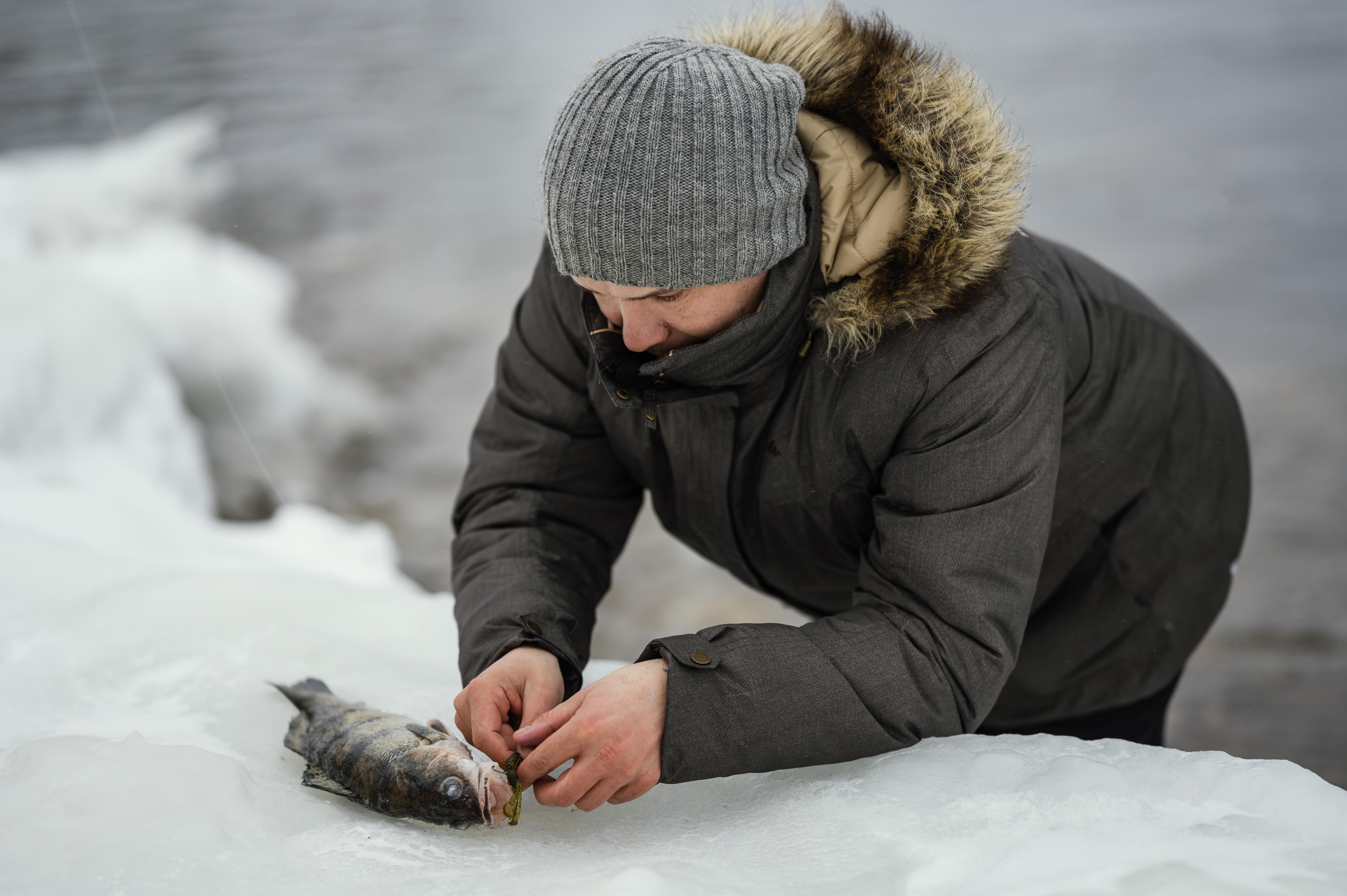


There is something special about loading up the family, stepping onto a frozen lake, and sharing stories while waiting for the next bite. Winter ice fishing turns cold days into lasting memories, especially when everyone is learning together. That excitement grows when the experience feels safe and well planned. This is where guided ice fishing trips truly stand out. With professional support, families and anglers of all experience levels enjoy safe ice fishing without worrying about changing ice conditions or missing equipment. Skilled guides bring local knowledge, proven locations, and practical ice fishing success tips that lead to higher catch rates. For parents introducing children to the sport or beginners heading out for the first time, ice fishing for families becomes more comfortable, more confident, and far more productive.
What Is Ice Fishing?
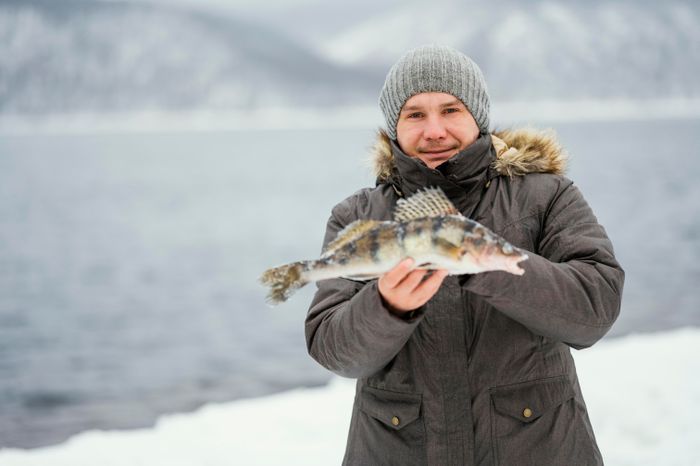
Ice fishing is a winter fishing method where anglers fish through holes drilled into frozen lakes, rivers, or reservoirs. It is both a traditional sport and a popular family activity, bringing people together outdoors during the colder months. For families, ice fishing offers a slower pace that allows kids and adults to learn, talk, and enjoy nature while waiting for fish to bite.
Two classic ice fishing techniques dominate the sport. Jigging involves moving a lure or bait vertically to attract fish beneath the ice, while tip-ups are stationary rigs that signal a bite with a visible flag. Both methods are simple to learn and effective for targeting popular winter species.
Ice fishing also presents unique challenges. Cold temperatures, changing ice conditions, limited mobility, and reduced fish activity make winter environments less predictable. Cold water affects fish behavior, requiring precise presentation, patience, and careful planning to stay safe and successful.
Ice Fishing Safety: Why It Matters
Safe ice fishing is the foundation of any successful winter outing, especially for families and first-time anglers. Ice conditions can change quickly, and understanding the risks helps prevent accidents and ensures a positive experience on the water.
Conditions and Hazards
Ice thickness is never consistent across a lake or river. Weather patterns, water movement, and snow cover all affect how ice forms and weakens. Areas near inlets, outlets, underwater currents, and shorelines are often thinner and more dangerous. Pressure ridges created by shifting ice can also hide cracks that are hard to see. These hazards make ice assessment critical for safe ice fishing.
Expert Ice Assessment by Guides
Guided ice fishing trips remove much of this uncertainty. Experienced guides rely on local knowledge and daily conditions to identify stable areas while avoiding weak spots. Before setting up, guides measure ice thickness using proper tools and confirm that conditions meet safety standards for foot travel or shelters.
Professional Safety Gear Included
Guides arrive prepared with essential safety equipment, including ice augers and spud bars for testing ice, float suits and safety ropes, and rescue tools like ice picks. Portable heated shelters provide warmth and protection from wind, creating a family-friendly environment that offers comfort, confidence, and peace of mind throughout the trip.
Why Guided Trips Are More Productive
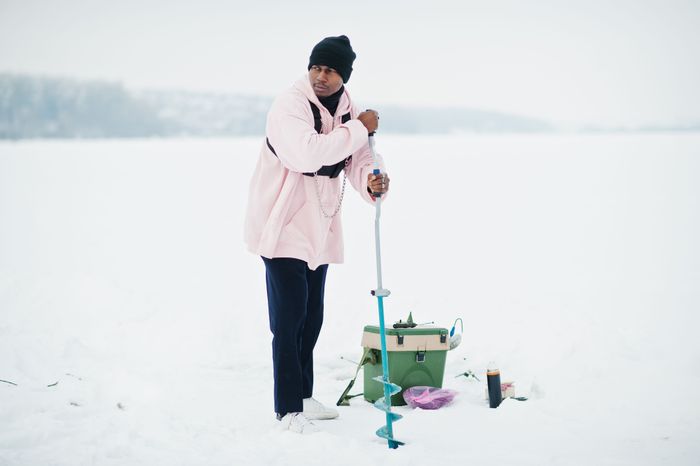
Guided ice fishing trips focus on efficiency and results, helping families and anglers make the most of their time on the ice. Instead of relying on trial and error, guides combine experience, technology, and species-specific knowledge to consistently improve catch rates while keeping the day enjoyable and stress-free.
Proven Hotspots vs Random Search
Guides eliminate guesswork by taking anglers directly to areas where fish are actively holding. This approach saves time and increases opportunities to catch fish.
Access to proven seasonal fishing locations
No time wasted drilling random test holes
More fishing time and less setup frustration for families
Technology That Makes a Difference
Modern tools play a major role in guided success. Guides use advanced equipment to locate and monitor fish throughout the day.
Live view sonar to see fish movement in real time
Modern fish finders for depth and structure tracking
Under ice cameras to observe fish behavior
GPS mapping to mark and return to productive spots
Species Knowledge and Seasonal Behavior
Winter conditions affect fish differently, and guides understand how cold water slows fish metabolism. They adjust techniques based on species behavior to trigger bites.
Gear and bait selection matched to the conditions
Presentation adjusted for slow winter feeding patterns
Targeting popular winter species such as yellow perch, walleye, trout, and pike
Hands-On Instruction and Learning
Guided ice fishing trips provide structured, easy to follow instruction that help beginners and families learn essential skills in a safe environment. Guides show how to drill holes correctly while checking ice stability, ensuring everyone understands safe spacing and proper technique. They also explain proper bait presentation, including how depth, movement, and lure choice affect fish response. By using sonar, guides teach anglers how to read fish signals below the ice and recognize changes in fish behavior throughout the day.
This hands-on ice fishing instruction builds confidence quickly. Beginners leave with a clear understanding of the basics of ice fishing, rather than relying on guesswork. Families gain practical knowledge they can apply to future trips, making solo outings safer, more comfortable, and far more productive with each new experience.
Stress-Free Logistics and Family Comfort on the Ice
Guided ice fishing trips are designed to keep families comfortable, relaxed, and focused on enjoying time together. By managing every logistical detail, guides remove the physical strain and planning stress that often comes with winter fishing, especially for parents and first-time anglers.
Complete setup and breakdown handled by guides, so families can focus on fishing and bonding
Transporting heavy gear and sled hauling across the ice without effort from guests
Fish cleaning and packaging services make it easy to take your catch home
Heated shelters that block wind and cold, creating a warm and safe space for kids
Planned breaks and flexible pacing, keeping younger anglers comfortable and engaged
This family-friendly approach ensures everyone stays warm, rested, and happy throughout the trip, turning ice fishing into an enjoyable experience rather than a demanding one.
What to Expect on a Guided Ice Fishing Trip
A guided ice fishing trip follows a smooth, well-planned flow that keeps safety, comfort, and fishing success front and center. From arrival to departure, guides manage each phase so families can relax and enjoy the experience. Here is what you can expect during a typical guided outing:
Arrival and Setup: Meet your guide, review the plan, unload equipment, assess ice conditions, and prepare shelters while families get oriented and comfortable safely together.
Safety Briefing and Gear Demo: Guides explain safe ice fishing practices, demonstrate augers and sonar, review emergency procedures, and answer questions before fishing begins together.
Strategic Drilling and Positioning: Guides drill holes in proven locations, spaces lines correctly, adjusts depth, and positions shelters to maximize comfort, safety, and fish activity.
Fishing Time and Instruction: Families fish at a relaxed pace while guides provide tips, monitor sonar, adjust techniques, and help everyone stay engaged and successful.
Wrap Up and Departure: Guides assist with packing gear, cleaning and packaging fish, reviewing highlights, and ensuring families leave warm, satisfied, and confident after the trip.
Real Family Success Stories from Guided Ice Fishing Trips
Many families leave guided ice fishing trips with stories that go far beyond the fish they caught. One Minnesota family shared how their kids landed their first yellow perch within minutes of setting lines, calling it “the safest and most organized outdoor trip we’ve ever taken.” The guide handled everything, allowing parents to focus on teaching and cheering instead of worrying about ice conditions.
Another group fishing on a northern Wisconsin lake described the experience as both educational and exciting. “Our kids learned how to read sonar and actually understood why fish weren’t biting at first,” one parent noted. By the end of the day, they had caught walleye and trout while staying warm inside a heated shelter.
Across popular ice fishing destinations in the Midwest and northern states, common themes repeat. Families talk about big catches, confident kids learning new skills, and the reassurance of a safe adventure led by professionals who know the water and winter conditions well.
Conclusion
Guided ice fishing trips bring together safety, productivity, and unforgettable family moments in a way few winter activities can match. With expert ice assessment, professional equipment, proven fishing locations, and hands-on instruction, families and anglers of all experience levels can enjoy the sport with confidence. Instead of worrying about conditions or technique, everyone can focus on learning, catching fish, and building memories that last well beyond the season. From first-time anglers to seasoned fishers, guided trips remove uncertainty and replace it with comfort and success. If you are planning a winter adventure, now is the perfect time to book a guided ice fishing trip through Guidesly and enjoy a safer, more rewarding experience on the ice.
1. Why do guided ice fishing trips cost more than solo outings?
Guided ice fishing trips cost more because they include expert guidance, gear, safety equipment, transportation, and access to productive locations, reducing risk and improving efficiency.
2. How long does a typical guided ice fishing trip last?
Most guided ice fishing trips last four to eight hours, depending on weather, fish activity, and family needs, allowing flexibility without feeling rushed or exhausted.
3. Can children participate in guided ice fishing trips?
Children can join guided ice fishing trips when conditions allow, as guides adjust pacing, shelter time, and instruction to keep kids warm, engaged, and learning.
4. What personal items should anglers bring on a guided trip?
Guides recommend layered clothing, insulated boots, gloves, and eye protection, but most trips provide rods, tackle, shelters, and safety gear, minimizing personal preparation for guests.
5. Is guided ice fishing suitable for complete beginners?
Beginners benefit most from guided ice fishing because they learn techniques faster, avoid common mistakes, and gain confidence without managing complex gear or safety decisions.
6. What time of winter is best for guided ice fishing trips?
Guided ice fishing trips operate throughout winter, but peak success often occurs mid-season when ice stabilizes, and fish settle into predictable feeding patterns daily.
7. Do guides cancel trips due to bad weather?
Weather rarely cancels guided ice fishing trips, as guides monitor forecasts closely and adjust plans, locations, or shelter use to maintain safety and comfort levels.
8. How does sonar improve ice fishing results?
Live sonar helps anglers see fish reactions instantly, teaching timing and movement adjustments that improve hook-ups and understanding of underwater behavior in real time.
9. Where are guided ice fishing trips most popular?
Guided ice fishing trips are available across northern regions, including Midwest lakes, mountain reservoirs, and Canadian waters known for consistent winter fisheries during peak season.
10. When should anglers book a guided ice fishing trip?
Booking early secures preferred dates, experienced guides, and prime locations, especially during weekends and holidays when guided ice fishing demand increases significantly for winter travelers.