Why Waiting Too Long Can Cost You the Best Guided Trips
Delaying guided fishing trip bookings can mean higher prices, fewer options, and missed experiences. Learn why booking early protects value and quality.



Fishing travel in 2026 looks very different from just a few years ago. Anglers are no longer booking trips around open dates alone. They are choosing experiences built around specific waters, seasons, and local expertise. Guided fishing trips have become more personalized, more specialized, and more limited in availability as demand continues to rise. Waiting too long does not only reduce your date options. It often means settling for less experienced guides, higher prices, crowded time slots, and fewer safety and preparation advantages. The best captains, locations, and seasonal windows fill first. This guide is designed to help anglers avoid common booking mistakes, understand how timing affects results, and make confident decisions that protect both their investment and their fishing experience.
Why Demand for Guided Fishing Trips Keeps Rising
Interest in guided fishing continues to grow as anglers place more value on planned experiences and reliable outcomes. Trips are now booked around specific goals, seasons, and locations rather than open dates. This shift has increased competition for professional guides who can deliver consistent results within limited availability.
Experience-Driven Travel Is Replacing Casual Fishing
Anglers now want more than time on the water. They seek targeted species, local expertise, and efficient trips that remove guesswork. Guided fishing replaces trial and error with proven techniques, precise timing, and location-specific knowledge that leads to better results.
Limited Supply of Verified, High-Quality Guides
Top-rated captains book out early because availability is naturally restricted. Licensing limits the number of operating guides. Seasonal regulations shorten fishing windows. Strict safety standards require experience and preparation. High-quality equipment also limits capacity, making trusted guides harder to secure.
What Actually Happens When You Wait Too Long to Book
Delaying a guided fishing trip often creates a chain reaction that affects cost, quality, and results. As seasons approach, availability tightens, prices rise, and flexibility disappears. What seems like a small delay can quickly turn into fewer options and compromised experiences on the water.
Higher Prices and Peak-Season Rate Increases
Waiting to book places anglers directly into peak demand periods, where pricing reflects limited availability and prime conditions rather than flexibility.
What drives higher rates:
Peak tide windows that align with feeding patterns
Seasonal migration periods with limited duration
Tournament weeks that reduce guide availability
Holiday demand that compresses booking options
Why early bookings matter:
Rates are locked before demand spikes
Better access to preferred time slots
More flexibility to adjust dates if conditions change
Top Guides and Prime Dates Sell Out First
Experienced guides with strong track records are booked well ahead of peak seasons, leaving fewer high-quality options closer to trip dates.
What fills up early:
Highly reviewed and verified guides
Morning and prime-condition departures
Ideal seasonal windows
What late bookings often face:
Less experienced guides
Off-peak or less productive time slots
Reduced ability to customize trip goals
Fewer Species and Technique Options
Seasonal fish movement creates narrow opportunities that require precise timing and preparation.
What becomes limited:
Access to peak species runs
Ability to target specific fish
Flexibility to use preferred fishing techniques
Result of delayed planning:
Forced adjustments to species or methods
Lower efficiency of the water
Missed peak activity windows
Early Booking Versus Last-Minute Booking Outcomes

The difference between booking early and waiting until the last minute is not just timing. It affects trip quality, safety, flexibility, and overall confidence. Understanding how these two approaches compare helps anglers choose the option that protects both experience and investment.
Early Booking Advantages
Booking ahead gives anglers control over planning and outcomes. It allows time for communication, preparation, and alignment between goals and conditions. These are the key advantages of early planning:
Guide selection: Early booking gives access to top-rated guides whose experience matches your goals, species preferences, and skill level, rather than choosing from remaining availability.
Trip customization: Planning ahead allows guides to tailor locations, techniques, and pacing to your needs, creating a more personalized and productive fishing experience.
Weather and tide planning: Early scheduling lets guides adjust dates around favorable tides, seasonal patterns, and weather trends instead of fishing during less optimal conditions.
Safer conditions: Advance preparation supports better safety planning, including route selection, equipment checks, and contingency planning based on forecasted conditions and trip duration.
Payment flexibility: Early bookings often allow deposits or staged payments, reducing financial pressure and avoiding last-minute full payments at peak pricing.
Last-Minute Booking Risks
Waiting reduces options and increases uncertainty. Decisions are often rushed, and compromises become unavoidable. These are the most common risks anglers face when booking late:
Limited availability: Most prime guides, dates, and locations are already booked, leaving fewer choices that may not align with your goals or experience level.
Compromised safety standards: Late bookings may limit time for proper preparation, safety briefings, or equipment checks, increasing risk during changing conditions.
Higher costs: Prices often rise as demand peaks, forcing anglers to pay premium rates without the benefit of added value or flexibility.
Rushed decision-making: Time pressure leads to faster choices with less research, increasing the chances of mismatched expectations or unsatisfactory trip outcomes.
Why Early Booking Improves Safety and Trip Quality
Booking a guided fishing trip early gives both anglers and guides the time needed to plan properly. Safety on the water depends on preparation, not just experience. Early communication allows guides to review group size, skill levels, and trip goals so the outing is planned around realistic conditions and capabilities.
Advance planning also improves trip quality. Guides can monitor seasonal patterns, tides, and weather trends well ahead of time, adjusting dates or locations to increase success. Equipment, bait, and setups can be prepared specifically for the target species, leading to more efficient time on the water.
Early booking reduces pressure on decision-making. With time to ask questions and confirm details, anglers gain confidence in their guide and trip plan. This leads to safer outings, smoother execution, and a more rewarding fishing experience overall.
Group Trips and Family Bookings Suffer the Most From Delays
Group and family fishing trips require more coordination than solo outings. Boat size, safety planning, and gear needs must all align. When bookings are delayed, these moving parts become harder to manage, increasing the chances of compromises that affect comfort, safety, and overall enjoyment.
Limited Capacity for Group-Friendly Charters
Group-friendly charters are limited and fill early due to stricter requirements.
Boat capacity is fixed and regulated for safety
Gear quantities must match group size and age range
Child-friendly seating and safety equipment are limited
Fewer Custom Options for Mixed Skill Levels
Family and group trips often include anglers with different experience levels. Early booking allows guides to plan pacing, locations, and instruction so everyone stays engaged and safe.
Late bookings remove that flexibility. Guides may be forced to follow a standard trip format, making it harder to balance teaching beginners while still keeping experienced anglers challenged and productive on the same outing.
Booking Windows That Actually Work for Fishing Trips
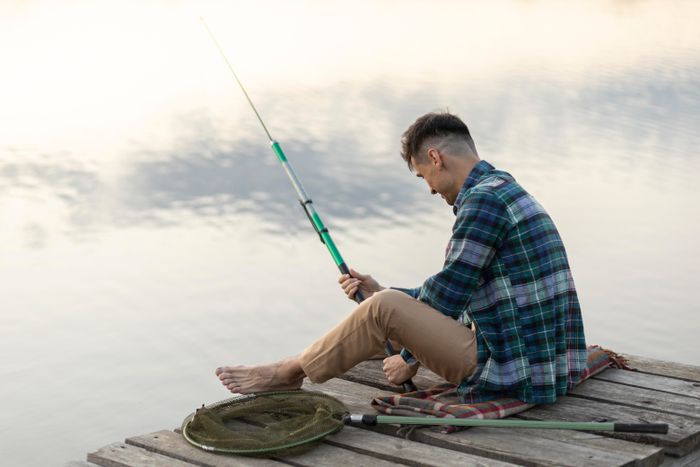
Knowing when to book is just as important as knowing where to fish. Different trip types follow different demand patterns based on species movement, season length, and guide availability. Understanding realistic booking windows helps anglers secure better guides, safer conditions, and stronger overall results.
Local and Regional Guided Trips
Local and regional trips offer more flexibility but still require advance planning during active seasons.
Standard seasons are best booked 2 to 4 months in advance
Peak species runs often require 4 to 6 months of lead time
Popular weekends and holidays fill earlier than expected
Destination and Trophy Fishing Trips
Destination and trophy trips involve limited windows, specialized gear, and high guide demand.
High-demand species require longer planning timelines
Travel logistics increase scheduling complexity
Prime locations often book a season or more ahead
For these trips, booking 6 to 12 months in advance provides the best chance of securing top guides and ideal conditions.
Common Myths That Cause Anglers to Delay Booking
Many anglers delay booking because of assumptions that do not reflect how guided fishing actually works. These fishing myths create false confidence and often lead to rushed decisions, higher costs, or compromised trip quality once availability tightens.
“I Can Always Find a Guide Last Minute”
While a guide may still be available close to your dates, availability does not equal quality. Top-rated guides with strong safety records and local expertise book early. Last-minute options are often limited to cancellations or less experienced operators.
“Prices Will Drop Closer to the Date”
Guided fishing pricing rarely follows casual travel discounts. As demand rises and conditions improve, rates increase. Guides price based on peak seasons, limited windows, and preparation costs, not unsold inventory or last-minute promotions.
How Early Booking Builds Confidence, Not Pressure
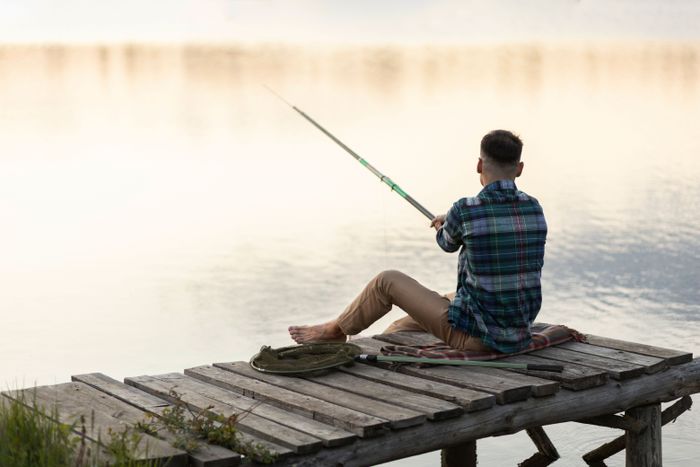
Early booking gives anglers clarity and control instead of urgency. It creates space for thoughtful planning, open communication, and realistic expectations without forcing rushed decisions. When time is on your side, confidence replaces stress. These are the key ways early booking supports better decisions:
Clear communication: Early conversations allow anglers to ask questions, align goals, and understand trip details, creating confidence before committing to dates, locations, and expectations.
Better preparation: Guides can plan routes, gear, and timing well ahead of the trip, improving readiness and reducing last-minute adjustments that create uncertainty.
Flexible options: Booking early increases access to alternate dates, backup plans, and adjustments if conditions change, helping anglers feel secure in their plans.
Informed decision-making: With time to review guides, policies, and trip details, anglers make choices based on knowledge rather than pressure or limited availability.
Conclusion
Delaying a guided fishing trip often costs more than anglers expect. Waiting can mean missing out on better guides, safer experiences, and the best opportunities to target preferred species during peak seasonal windows. It also reduces confidence, forcing faster decisions with fewer options and less preparation. Booking early is not about urgency or pressure. It is about control, clarity, and trust in the experience you are investing in. Early planning allows anglers to choose the right guide, prepare properly, and fish with confidence instead of compromise. If you want a smoother, safer, and more rewarding trip, explore verified guides and plan ahead with Guidesly, where informed booking leads to better fishing outcomes.
FAQs
1. How far ahead should beginners book their first guided fishing trip?
Beginners should book early to allow time for guide matching, trip explanations, gear guidance, and learning-focused planning that improves comfort, confidence, and overall enjoyment.
2. Do guided fishing trips require deposits when booked early?
Many guides require deposits for early bookings, which secures dates while allowing anglers to budget gradually instead of paying full costs closer to trip dates.
3. Are weekday guided fishing trips easier to book than weekends?
Weekday trips often have better availability, lower competition, and more flexibility, making them ideal for anglers with open schedules seeking quieter conditions.
4. Can early booking help anglers avoid crowded fishing areas?
Booking early allows guides to plan around pressure points, select less crowded locations, and adjust timing to avoid heavily trafficked waters during peak demand.
5. Does booking early improve communication with fishing guides?
Early bookings create longer communication windows, helping anglers discuss expectations, ask questions, and understand trip details before arriving on the water.
6. Are cancellation policies better for early bookings?
Early bookings often include clearer cancellation options, rescheduling flexibility, and weather contingencies compared to last-minute reservations with stricter terms.
7. How does early booking affect gear preparation for guided trips?
Guides can prepare rods, reels, bait, and setups tailored to trip goals when bookings are made early, improving efficiency and reducing on-the-water adjustments.
8. Can early booking help anglers plan around personal schedules?
Booking ahead allows anglers to coordinate travel, time off, and group availability without compromising trip quality due to scheduling conflicts.
9. Do early bookings improve chances of repeat trips with the same guide?
Establishing early relationships with guides increases trust, familiarity, and priority access for future trips during high-demand seasons.
10. Is early booking more important for specific fish species?
Certain species have short activity windows, making early booking essential to align timing, regulations, and guide availability for successful targeting.