The Benefits of Booking a Certified Guide vs Going Solo: Safety, Experience & Value
Discover why hiring a certified guide enhances safety, local insights, and value compared to going solo, ensuring a richer, stress-free adventure.



Some trips feel exciting from the very first step, new streets, new cultures, new stories. But once you actually reach your destination, another thought often kicks in: Should you explore on your own or book a certified guide who knows the place inside out? It’s a real dilemma, and one that travellers are searching for more than ever.
Both options have their own appeal. A certified guide brings trained expertise, safety awareness, local insight, cultural context, and access to experiences you might easily miss if you’re navigating blindly. They help you understand a destination on a deeper level, not just see it. On the other hand, going solo gives you full independence, flexibility, and the thrill of discovering things at your own pace without a fixed itinerary.
Most travellers aren’t choosing between “right or wrong”, they’re choosing what adds more value to their journey. And that depends on what you’re looking for: safety, convenience, authenticity, budget, or freedom.
WHY THE QUESTION MATTERS IN 2025?
Travel in 2025 looks very different from what it did a few years ago. More travellers are rethinking how they explore new destinations. The rise of solo travel, increased safety concerns, and the growing demand for authentic, immersive experiences have made the choice between going solo and hiring a certified guide more important than ever.
Travellers today want more than just sightseeing; they want context, connection, and confidence. At the same time, destination rules, cultural norms, and environmental guidelines have become stricter, making expert guidance far more valuable. A certified guide can help you navigate these complexities safely and respectfully, while solo travel offers unmatched flexibility for those who prefer freedom and spontaneity.
In 2025, the real question isn’t simply “guided or solo?” It’s “which option helps me experience a place deeply, safely, and meaningfully?”
HEAD-TO-HEAD COMPARISON: CERTIFIED GUIDE VS GOING SOLO
Choosing between a certified guide and solo travel often comes down to what kind of experience you want: structured expertise or complete freedom. Each option offers unique advantages, whether you value safety, cultural insight, convenience, flexibility, or cost.
Here’s a quick side-by-side look to help you understand the core differences before diving deeper:
Category | Certified Guide | Going Solo |
Safety | Trained, licensed, knowledgeable about risks and local rules | You manage your own safety based on research and awareness |
Local Insight | Deep cultural context, stories, hidden gems | Self-discovery; insights depend on your own research |
Navigation | Route planning handled for you | Full control but requires time and preparation |
Experience Quality | Enriched with expert interpretation | Freedom-driven but may miss key highlights |
Cost | Higher upfront price, more value per experience | Budget-friendly, cost depends on choices |
Convenience | Hassle-free logistics and time-saving | Flexible but can involve more effort |
Personalization | Tailored tours, pace, interests | Create your own itinerary, full independence |
Safety - Trained Guides Reduce Risk
In today’s travel landscape, safety isn’t just a preference; it’s a priority. It’s clear that safety plays a major role in how people plan their trips in 2025. And this is exactly where a certified guide makes a significant difference.
Certified guides aren’t just knowledgeable, they’re trained, vetted, and prepared to handle situations most travelers never anticipate. Their certification often includes first-aid training, emergency protocols, terrain awareness, navigation skills, local regulations, ethical guidelines, and cultural sensitivity training. This means they know which areas are safe, what routes to avoid, how to manage crowds, and how to respond if something unexpected happens.
Unlike going solo, where you’re responsible for every decision, every turn, and every emergency, a certified guide acts as your on-ground safety net. They stay updated on weather alerts, trail conditions, restricted zones, wildlife behavior, security risks, and local scams that aren’t always shared online. This real-time knowledge can be the difference between a smooth adventure and a stressful one.
Another major safety advantage is their ability to handle medical emergencies. Whether it’s altitude or sea sickness on a trek, dehydration during a hot day on the water, or a minor injury, certified guides are trained to act quickly and efficiently until professional help arrives.
Certified guides also help you navigate cultural and social safety, an often-overlooked aspect of travel. They ensure you follow local customs respectfully, avoid sensitive areas, dress appropriately when needed, and understand the social dynamics of the region. This reduces the risk of misunderstandings or unintentional mistakes that could put you in uncomfortable situations.
On the other hand, going solo can still be safe if you’re visiting well-mapped cities, walking during daylight hours, or exploring low-risk destinations. But it requires extensive research, constant awareness, reliable navigation tools, and a strong sense of direction and judgement.
In short, the biggest safety benefit of hiring a certified guide is peace of mind. You get to explore confidently, knowing someone experienced is watching your back, so you can focus on the adventure, not the risks.
Experience & Interpretation - Local Knowledge That Elevates the Trip
A destination can look completely different when seen through the eyes of someone who truly knows it. That’s why searches like “value of local guides,” “guided tour benefits,” and “local insights vs solo travel” are soaring across Google in 2025. Travellers are realizing that the difference between an ordinary trip and an unforgettable one often comes down to interpretation, storytelling, and insider knowledge, the kind only a certified guide can offer.
Certified guides don’t just show you places; they bring them to life. They share the cultural significance behind a monument, explain the origins of a local tradition, decode wildlife behavior during an outing, or reveal historical stories that aren’t found on signboards or travel blogs. This context turns sightseeing into understanding and transforms every moment into something meaningful.
Their local knowledge also helps you experience a destination more authentically. From recommending the best family-run eateries and offbeat spots to introducing you to community practices, festivals, or artisans, certified guides help you go beyond the tourist surface. You see what locals see, hear what they hear, and learn what they value.
When exploring solo, you still have the freedom to discover, but the depth often depends on your research, interpretation, and instincts. Without expert insight, many travellers unintentionally miss out on hidden landmarks, cultural nuances, and historical connections that enrich the journey.
Certified guides also tailor the experience to your interests, whether you love wildlife, history, photography, food, or adventure. They can adjust the pacing, choose meaningful stops, and curate your day around what you genuinely enjoy.
In short, while solo travel gives you independence, a certified guide gives you understanding. And in travel, knowledge doesn’t just add value, it elevates the entire journey, turning every destination into a story worth remembering.
Value - Costs vs Benefits
“Is hiring a guide really worth it, or just an added expense?” When you evaluate the cost versus the actual value a certified guide provides, it becomes clear that the benefits far outweigh the price—especially if you care about maximizing your travel experience.
While the upfront cost might feel higher than exploring on your own, the indirect savings, comfort, and deeper insights make the investment surprisingly worthwhile.
Here’s a quick breakdown of how costs compare with benefits:
What You Pay / Get | Guide (Certified) | Solo Travel |
Guide Fee | $150–$300 | $0 (but more time & effort) |
Time & Logistics Saved | Significant, no need to plan, navigate or wait in lines | You plan everything; may spend extra time on research, transport, tickets |
Access to Local Insight & Hidden Gems | High, guide gives stories, context, shortcuts, local tips | Depends on your own research and luck |
Avoiding Mistakes or Missed Opportunities | Likely, guide knows rules, best timing, cultural norms | Risk of missing key sights or misunderstandings |
Overall Experience Value | Richer, smoother, more meaningful | Cheaper, but potentially more tiring or superficial |
When you factor in time-saved, deeper cultural insight, better navigation, and fewer hassles, the extra cost starts to look like a great investment, especially on a tight 1–2 day itinerary or when visiting complex historic or offbeat destinations.
If you’re on a tight budget and very comfortable exploring independently, solo travel might make sense. But for travellers who value rich context, convenience, and peace of mind, paying for a certified guide often delivers far greater returns than the cost alone.
Practical Considerations - How to Choose the Right Guide
Finding the right guide can make the difference between a trip filled with rushed, random snapshots and one packed with intentional, beautifully composed stories. The key is choosing someone who understands not just the destination, but the way you want to remember it. A skilled guide becomes part mentor, part storyteller, and part navigator, helping you make every moment feel special without ever feeling overwhelmed.
Here’s what to look for when making your choice:
- Experience Level: A guide with solid local expertise and knowledge can help you reach the best viewpoints, avoid crowded timings, and capture moments with better light and composition. Their experience saves you from guesswork and ensures you’re in the right place at the right time.
- Tour Customization: Choose a guide who tailors the itinerary to your goals, pace, and skill level. Personalized sessions help you learn on the go and shoot locations that genuinely match your interests.
- Local Knowledge: A guide familiar with hidden spots, ideal timings, cultural nuances, and weather patterns enhances both safety and creativity. Their insights often lead to unique images that typical tourists miss.
- Communication & Compatibility: A guide who communicates clearly, understands your expectations, and makes you feel comfortable allows you to focus on fishing without pressure. A good rapport translates into a smoother, more enjoyable creative experience.
Real Examples - When a Guide Makes All the Difference
Sometimes a quick story illustrates the value of a certified guide more powerfully than any explanation. Here are two short real-life vignettes from guests who booked through Guidesly, showing how choosing a guide improved their experience.
Catching the big one with Broken Nock Bowfishing
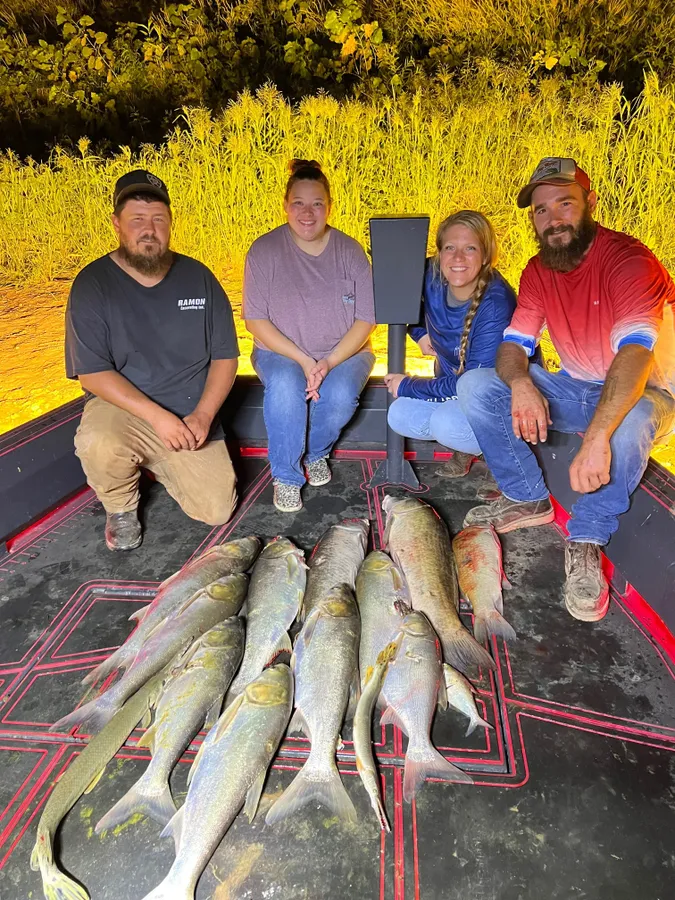
A family booked a night-time fishing trip with this guide via Guidesly. Under the guidance of experienced crew, they landed nearly 50 fish in a single outing with Bowfishing. Reviewers mention the guide’s deep local knowledge, ability to find active fishing spots, and calm handling of changing conditions — something that would be almost impossible for a solo angler.
Because of the guide’s expertise, the family didn’t just get a “fish-and-hope” day; they got a memorable, high-success, low-stress outing that turned into a yearly tradition.
A nature-packed day with AZ Legend Adventures Kayak Guided Fishing Tours
Another traveler booked a half-day river kayaking + fishing tour. Despite limited fishing experience, they ended up catching fish and enjoying the serene river surroundings. The guide’s familiarity with the river’s rhythm, wildlife, and best fishing spots, along with patience and friendly coaching, made the trip fun even for a beginner.
For them, a solo attempt might have meant frustration or missed chances. Instead, they got a smooth, enjoyable day complete with stunning scenery, learning, and a catch to take home.

These examples show how a certified, experienced guide turns potential uncertainty into memorable adventures, whether it’s fishing in deep rivers or exploring wild landscapes. If you choose right, you get not only convenience and safety, but also surprising success and lasting memories.
Conclusion
A great trip isn’t just about where you go, it’s about who helps you experience it. In 2025, with travelers seeking safer, smoother, and more meaningful outdoor adventures, choosing a certified guide has become more of a smart investment than a luxury. Whether you’re planning a fishing trip, a wildlife tour, or a photography-driven outdoor experience, expert guidance can completely transform your journey.
Key Takeaways:
- Safety first: Trained guides minimize risks, handle emergencies, and understand the terrain far better than the average traveler.
- Better experiences: Local expertise, storytelling, and site knowledge deepen the quality of every moment outdoors.
- High value: The cost of a guide often pays for itself through better results, stress-free planning, and higher success rates.
- Easy to choose: Platforms like Guidesly make it simple to compare guides, read reviews, and book trusted professionals.
With the right guide, every trip becomes richer, safer, and unforgettable.
FAQs
1. Is it safer to book a certified guide than to travel solo?
Yes. Certified guides are trained to manage risks, read changing conditions, and respond to emergencies, giving you significantly safer, more confident travel experiences compared to going solo.
2. Do guides really improve the overall trip experience?
Absolutely. Their local insights, timing expertise, and deep knowledge of routes, wildlife, and culture turn an ordinary outing into a richer, more immersive adventure you’d struggle to recreate alone.
3. Are guided trips worth the additional cost?
Yes. The added expertise, planning support, equipment guidance, and higher success rates usually deliver far more value than the cost, especially for beginners or complex outdoor activities.
4. How do I know if a guide is qualified?
Check their certifications, client reviews, years of experience, and platform verification. Professional marketplaces like Guidesly pre-screen guides to ensure safety, credibility, and reliable service quality.
5. Can beginners benefit from hiring a guide?
Definitely. Guides tailor the pace, teach essential skills, select beginner-friendly locations, and provide reassurance, making the entire experience more enjoyable, comfortable, and confidence-building for new travelers.
6. Do guides help with gear or equipment?
Yes. Most certified guides provide essential equipment or clearly explain what you need, preventing unnecessary purchases and ensuring you’re fully prepared for the specific activity or terrain.
7. Are guided trips suitable for families?
Absolutely. Many guides create family-friendly itineraries with safer routes, slower pacing, and engaging interactions, ensuring kids and adults enjoy a comfortable and memorable outdoor experience together.
8. How far in advance should I book a guide?
Booking a few weeks early is ideal, especially during peak adventure seasons, since reputable guides with strong reviews tend to get fully booked quickly.
9. Can a guide personalize the experience for my interests?
Yes. Certified guides customize routes, timing, photography opportunities, and activity difficulty based on your personal goals, skill level, and the type of adventure you want.
10. Do certified guides know off-beat or hidden locations?
Yes. Their deep local knowledge gives you access to lesser-known trails, unique viewpoints, and secret spots that independent travelers typically never discover on their own.